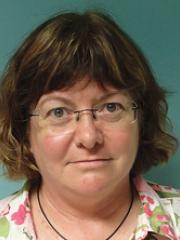
Dr. Lyn Cook is an Associate Professor specializing in evolutionary biology and systematics at the University of Queensland. Her research examines plant-insect interactions, biogeographic patterns, and taxonomic relationships using molecular phylogenetics. Research focuses on: Australian flora and insect coevolution Historical biogeography of Southern Hemisphere taxa Taxonomic revisions using genomic data Cryptic species discovery Conservation prioritization Recent work addresses taxonomic controversies in Eucalyptus classification and resolves biogeographic origins of Australian arachnids using phylogenetic methods. Fieldwork spans Australian biomes from rainforests to arid zones.
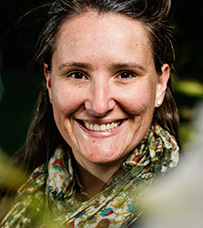
Manu Saunders is a Senior Lecturer in Ecology and Biology at the University of New England's School of Environmental and Rural Science. She holds a PhD in Ecology from Charles Sturt University (2014) and conducts research in community ecology, insect-plant interactions, and ecosystem services. Her research focuses on insect ecology in agricultural and natural landscapes, examining how land use changes affect biodiversity and ecological processes. She investigates pollination networks, insect conservation strategies, urban insect ecology, and the impacts of disturbances like bushfires on insect communities. Dr. Saunders has received multiple awards including the Dean's Award for Early Career Research Excellence and the Ecological Society of Australia Award for Outstanding Science Outreach. She coordinates ecology units and promotes science communication through public engagement initiatives. Her publications demonstrate expertise in pollination ecology, conservation biology, and science communication. Recent work includes studies on fire impacts on threatened plants, urban insect conservation, and developing connected environmental science curricula.
Stephen J. Richards is a researcher at James Cook University specializing in amphibian conservation, biodiversity assessment, and ecological dynamics. His work spans tropical regions, particularly focusing on Australian and New Guinean ecosystems. Research Themes: Amphibian population declines and disease ecology (chytridiomycosis) Taxonomic reassessment of rainforest frogs Climate change impacts on biodiversity Long-term ecological monitoring Conservation strategies for threatened species Island biogeography and field surveys Publications include collaborations on global vertebrate conservation, frog taxonomy, and disease spread analysis. His scientific contributions integrate fieldwork, molecular methods, and policy evaluation.
Andrew Austin is a key researcher in the School of Biological Sciences at The University of Adelaide, affiliated with the Australian Centre for Evolutionary Biology and Biodiversity (ACEBB). He serves as Editor-in-Chief of Invertebrate Systematics and holds editorial roles in Systematic Entomology and Insect Systematics & Evolution . His research focuses on parasitic wasp biology, host-parasitoid evolution, and groundwater arthropod biodiversity, integrating molecular phylogenetics and phylogeography. His work bridges systematics, evolutionary biology, and conservation, with projects addressing the coevolution of insects and their hosts, as well as the biogeography of subterranean species. He has mentored postdoctoral fellows in areas such as calcrete aquifer biodiversity and biocontrol strategies for sugarcane pests. Austin has held leadership roles in organizations like the Australian Entomological Society and the International Society of Hymenopterists. His contributions to systematics and biodiversity research are supported by grants and collaborations, though specific funding details are not disclosed in the text. He remains actively involved in academic supervision and editorial activities.
Dr. Erinn Fagan-Jeffries is a Grant-Funded Researcher (B) in the School of Biological Sciences at the University of Adelaide, affiliated with the Faculty of Sciences, Engineering and Technology. She leads the wasp systematics group within the Invertebrate Systematics and Biodiversity lab, focusing on taxonomy and systematics of parasitoid wasps, particularly the superfamily Ichneumonoidea. Her work emphasizes accelerating the documentation of Australia's undocumented insect species (70% of total) through innovative methods and citizen science initiatives like the Insect Investigators project, which engages schools in species discovery. Research interests include parasitoid wasp biodiversity, taxonomy, and community engagement in biodiversity science. She supervises Honours, Masters, and PhD students in parasitoid wasp-related projects. Her work intersects with conservation, agricultural pest management, and biogeography. Publications highlight discoveries of new species, citizen science impacts, and taxonomic revisions. She collaborates with national reserves and educational institutions to advance biodiversity understanding.
Dr. Bruno Alves Buzatto is a Senior Lecturer in Terrestrial Ecology at Flinders University's College of Science and Engineering. He is a behavioral and evolutionary ecologist specializing in arthropod biodiversity, particularly insects and arachnids, with an h-index of 23 and 1,362 citations across 59 research outputs. His educational background includes: PhD in The evolution of male dimorphism in arthropods from the University of Western Australia (2013) MSc in Reproductive biology of the harvestman Acutisoma proximum from Universidade Estadual de Campinas (2008) BSc (Honours) from Universidade Estadual de Campinas (2005) Dr. Buzatto's research focuses on sexual selection, alternative reproductive tactics, and the evolution of mating systems in arthropods. His work often employs experimental evolution approaches to study phenotypic plasticity in terrestrial arthropods including dung beetles, earwigs, bulb mites, and spiders. He has made significant contributions to understanding male dimorphism, weapon allometry, and sperm competition in invertebrates. Analysis of his recent publications reveals a strong focus on sexual selection dynamics in arthropods, particularly examining how environmental factors like climate change and resource availability influence mating behaviors and reproductive strategies. His work spans taxonomic groups from spiders and scorpions to mites and harvestmen, with recent emphasis on Australian arachnids including the Sydney Funnel-Web Spider. He has also contributed to biodiversity discovery, notably with the identification of a millipede species with over 1,000 legs. His scientific contributions include: Discovery of the first true millipede with more than 1,000 legs Research on short-range endemic invertebrates in Western Australia's Pilbara and Goldfields regions National Geographic-funded project on Sydney Funnel-Web Spider movement ecology Dr. Buzatto maintains active research collaborations through external positions as Research Associate at the Western Australian Museum, Honorary Lecturer at Macquarie University, and Adjunct Research Fellow at the University of Western Australia. His work contributes to UN Sustainable Development Goals related to biodiversity conservation and environmental protection. His laboratory and field research involves studying arthropod behavior, morphology, and ecology, with particular focus on Australian terrestrial invertebrates. His team combines field observations with experimental approaches to understand evolutionary processes shaping arthropod diversity.
Dr. Wan Faridah Akmal Jusoh is a Senior Lecturer in Biodiversity and Conservation at Monash University Malaysia's School of Science. She holds additional roles including Honours Programme Director and Co-Chair of the IUCN SSC Firefly Specialist Group. Her research focuses on firefly systematics, biodiversity data mobilization, and conservation biology. She has conducted fieldwork in Southeast Asia and the Australopacific, collaborating with institutions like the National University of Singapore and Naturalis Biodiversity Center. Education: PhD in Entomology (Universiti Putra Malaysia), MSc in Environmental Quality & Conservation, and BSc in Environmental Science. Her work contributes to UN SDGs related to Life on Land and Sustainable Cities. Research interests span integrative taxonomy, firefly conservation assessments, and digital repatriation of museum specimens. Recent projects include studying urban firefly diversity in Kuala Lumpur and revising firefly taxonomies. She has received awards like the PVC's Commendation for Excellence in Education (2024) and the Erasmus Mundus Fellowship (2010). Teaching includes courses on Tropical Terrestrial Biology and Global Conservation. She actively supervises graduate students in firefly-related studies and organizes conferences like Molecular Phylogenetics and Museomics workshops.
John Conran is a Senior Lecturer in the School of Biological Sciences at the University of Adelaide's Faculty of Sciences, Engineering and Technology. His research integrates molecular and morphological approaches to study the evolution, palaeobotany, and biogeography of Australasian plants, particularly monocots, conifers, carnivorous plants, and weeds. He investigates how climate change has influenced diversification in ancient plant groups, especially in nutrient-poor environments. His work emphasizes character evolution in response to historical climate shifts, with major projects including collaborations with the University of Otago on Miocene fossil floras in New Zealand and with China's Xishuangbanna Tropical Botanic Gardens on tropical plant families. Research interests span palaeobotany, evolutionary biology, and ecology.
Dr. Jessica Danaher serves as Associate Dean, Student Experience Science at RMIT University's School of Science. As a Nutrition Scientist and Dietitian, she holds a prominent position in both academic leadership and research. Her work bridges scientific research with public engagement, focusing on translating complex nutritional science into accessible knowledge for diverse audiences. Dr. Danaher's research interests span Nutrition and Dietetics, Genomics and Personalized Nutrition, Food Sustainability, Health Education, and Gut Microbiome Research. She has developed innovative approaches to nutrition education through game design, with projects like Gooey Gut Trail and Go-Go Biome that use play to teach complex concepts about human-microbial interactions and gut health. Her work on food waste reduction, alternative protein sources (particularly insects), and the relationship between genetics and dietary response demonstrates her commitment to sustainable food systems and personalized nutrition. Her publication record reveals a strong focus on translating genomic research into practical nutrition recommendations, with numerous studies examining how DNA influences dietary responses. She has also made significant contributions to understanding food neophobia, gut health education through gamification, and alternative protein sources as sustainable food solutions. Her interdisciplinary approach combines nutrition science with design, technology, and behavioral psychology to create impactful health interventions. Dr. Danaher actively contributes to shaping science communication through nationally acclaimed engagement programs including Superstars of STEM and the Oceanic Nutrition Leadership Platform. She works toward equal representation of women in media and sustainable food security for Oceania, embodying her commitment to 'smashing stereotypes of what women in science look like.' She has supervised multiple research students on projects related to functional foods and gut health experiences. Her media presence as a nutrition expert is extensive, with regular contributions to major Australian outlets including The Age, Good Food, Upstart magazine, and SBS Radio. Dr. Danaher's work demonstrates how academic research can directly impact public understanding and practice of nutrition science.
Professor James Wallman is the Dean of the Faculty of Science at the University of Technology Sydney (UTS). He previously served as Head of the School of Life Sciences at UTS and held leadership roles in the Faculty of Science, Medicine and Health at the University of Wollongong. A renowned entomologist, he specializes in forensic entomology, particularly the biology of flies and their applications in criminal investigations. His work spans over 30 years, contributing to casework for Australian police jurisdictions. James holds a PhD and a Bachelor of Science (Honours) from the University of Adelaide. His research focuses on carrion-breeding flies, forensic entomology, and insect biodiversity. He has published extensively in top journals and enhanced public understanding through media appearances and documentaries. He is a Fellow of the Royal College of Pathologists of Australasia, the Royal Entomological Society, and the Royal Society of New South Wales. His awards include an Australian Learning and Teaching Council Citation for his contributions to student learning in entomology. James’ research emphasizes decomposition studies, insect succession patterns, and the integration of genomics with forensic entomology. His work bridges ecological studies and criminalistics, advancing methodologies for estimating time since death and improving forensic evidence analysis.
Dr Christopher Henderson is a Senior Lecturer in Animal Ecology at the University of the Sunshine Coast (UniSC), affiliated with the School of Science, Technology and Engineering. He holds a PhD and BSc (Honours) in relevant fields. His research focuses on marine ecology, spatial ecology, and ecosystem functions, particularly in marine protected areas, fish ecology, and conservation prioritization. He has extensive experience with acoustic telemetry studies on fish and sharks in Australia and South Africa. Dr Henderson coordinates the Bachelor of Animal Ecology, Diploma in Animal Ecology, and Undergraduate Certificate in Animal Ecology programs. His work emphasizes the ecological impacts of human activities, including urbanization and coastal development, on marine and terrestrial ecosystems. He has published widely on topics such as functional diversity in coastal seascapes, restoration ecology, and the effects of habitat modification on fish assemblages. His research highlights the importance of seascape context and connectivity in maintaining ecological functions. Recent studies explore how urbanization affects animal assemblages and ecosystem resilience, with a focus on identifying restoration hotspots and optimizing conservation strategies. Dr Henderson collaborates on projects such as the Noosa River Oyster Restoration and Pumicestone Shellfish Habitat Restoration, applying systematic conservation planning to enhance ecosystem services.
Peter Yeeles is a Research Fellow at James Cook University (JCU) specializing in insect ecology and invasive species management. His research focuses on ant community ecology, functional traits, and the ecological impacts of invasive ants, particularly the yellow crazy ant. He holds a PhD from the University of Western Australia (2017), where he studied ant community reassembly during habitat restoration. His research interests include field experimentation, biodiversity conservation, and the effects of human interventions on invertebrate communities. He has led or contributed to seven projects, including science-backed support for yellow crazy ant eradication efforts in the Wet Tropics and investigations into bee health under environmental stressors like insecticides and heat. Key research themes in his publications include invasive ant ecology, insect taxonomy (e.g., mantodea), and the sublethal effects of pesticides on pollinators. His work emphasizes applied conservation strategies, such as optimizing invasive species management and understanding biodiversity responses to environmental changes. Dr. Yeeles collaborates with institutions like the Wet Tropics Management Authority and has advised several Honours and PhD students on topics ranging from bee hotels to soil macroinvertebrates. Despite his extensive contributions, he has not yet received any scientific awards listed in his profile.
Jan Hemmi is a Professor at the University of Western Australia (UWA) within the School of Biological Sciences, affiliated with the UWA Oceans Institute and Defence and Security Institute. He holds roles including Member of the Executive Board, Chair of the Research Committee, and Honours/Masters Project Coordinator. His research focuses on sensory ecology, visual systems, and animal behavior across diverse species such as fiddler crabs, sharks, and marsupials. He has secured significant grants, including a 2025 Sasakawa Peace Foundation grant for deep-sea research and a 2024 ARC grant on termite communication. Teaching includes courses like Comparative Neurobiology and Behavioral Ecology. His work contributes to UN Sustainable Development Goals related to life below water and terrestrial ecosystems. Education : PhD in Developmental Neurobiology (ANU), MSc in Biology (University of Zürich). Research Techniques: Animal behavior analysis, electrophysiology, microspectrophotometry, and statistical modeling. Grants Overview : Over $6M in funding, including major projects on visual ecology, predator-prey dynamics, and marine biology. External roles include Research Associate at the Smithsonian National Museum of Natural History. Labs/Teams : Leads a research group exploring sensory systems and behavior in natural environments, collaborating internationally on marine and terrestrial ecosystems.
Dr. Emilie Cameron is a Senior Research Assistant at the School of Medicine and Public Health , University of Newcastle, and a member of the Equity in Health and Wellbeing Research Program at Hunter Medical Research Institute. With over a decade of experience as a Research Officer, she specializes in quantitative and qualitative data analysis across health studies involving healthcare professionals, government agencies, and communities. Expertise: Health behavior research, intervention studies, data analysis Affiliations: University of Newcastle, Hunter Medical Research Institute Research Interests focus on: Aged healthcare and dementia support Aboriginal and Torres Strait Islander health promotion Smoking cessation programs Health services evaluation Implementation science Notable Contributions: Development of the Unmet Needs Instrument for Dementia (UNI-D), systematic reviews of audit/feedback interventions in oncology, and evaluations of prenatal dietary guidance programs. Her work spans health equity, behavioral interventions, and genetic studies of invasive species.
Professor Gerry Cassis is a leading systematic entomologist at the University of New South Wales (UNSW) , where he holds the position of Professor within the School of Biological, Earth & Environmental Sciences . With over 30 years of post-PhD research experience, his work has significantly advanced the fields of systematics, phylogeny, biogeography, and evolutionary biology, particularly in the study of true bugs (Heteroptera). Education and Career Path: PhD in Entomology from Oregon State University , where he worked with the world authority on jewel bugs. Post-PhD, he spent four years at CSIRO , contributing to a book on Australian dung beetles. From 1989 to 2007, he was at the Australian Museum , serving as the Head of the Centre for Biodiversity and Conservation Research. Since 2007, he has been a Professor at UNSW, focusing on systematic entomology and biodiversity conservation. Research Focus: Professor Cassis's research is eclectic, spanning the phylogenetic history, biology, and coevolution of true bugs. His work integrates molecular and morphological data to unravel complex taxonomic relationships and biogeographic patterns. Currently, he leads a capacity-building project in Papua New Guinea, funded by the Commonwealth of Australia Department of Foreign Affairs and Trade, aimed at enhancing biodiversity conservation efforts. Publications and Impact: He has authored three books, 123 scientific journal articles, 23 book chapters, and 11 conference papers. His recent publications (2020-2024) focus on ant mimicry in plant bugs, the impact of wildfires on insect communities, and the discovery of new species across Australia and the Indo-Pacific region. Awards and Recognition: Winston Churchill Fellowship Eureka Prize finalist Two Whitley awards for his books on Australian insects Supervision and Mentorship: At UNSW, Professor Cassis has supervised 12 PhD students, 2 Masters students, and 10 Honours students, in addition to mentoring two postdoctoral fellows. His lab currently comprises one postdoctoral fellow, five PhD students, three research assistants, and one Honours student, fostering a collaborative environment for cutting-edge research.