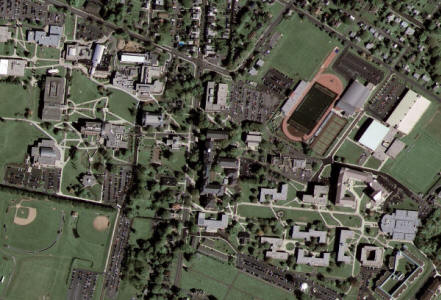
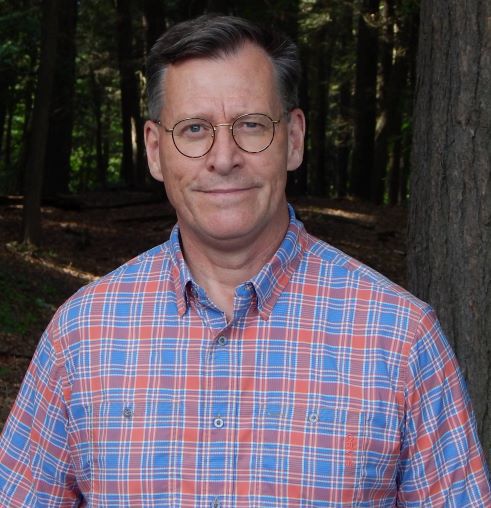
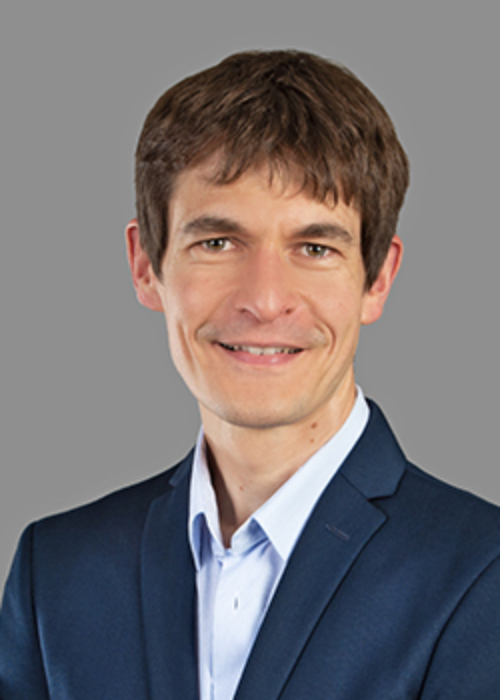
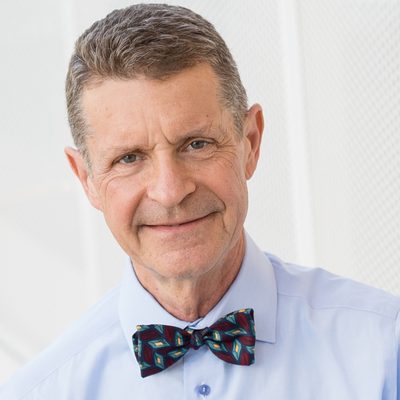
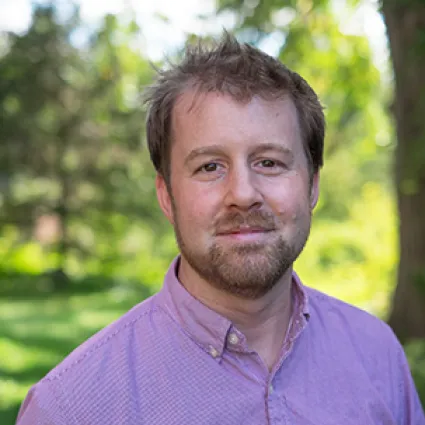
Dr. Richard S. Courtney is an Associate Professor at the Department of Geography , Kutztown University . He joined the department in 1993 and has served as Department Chair since 2008. His scholarly work spans urban systems, demographic analysis, and cartography.
Scott Villa is an Assistant Professor of Biology at Davidson College, focusing on evolutionary ecology and behavioral biology. His research bridges environmental change with adaptive traits and reproductive behavior in insects. Education B.A. in Ecology & Evolutionary Biology from University of Colorado, Boulder Ph.D. in Biology from University of Utah Postdoctoral Fellow in Biology at Emory University Research Focus His work explores three themes: speciation by symbiosis , migration and diversification , and experimental adaptive radiation . By combining natural history observations, molecular biology, and experimental evolution, his lab investigates how ecological shifts drive reproductive isolation and species persistence.
Mark E. Deutschlander is a Professor of Biology at Hobart and William Smith Colleges (HWS), where he has been a faculty member since 2002. He earned his Ph.D. from Indiana University in 1998 and a B.S. summa cum laude from SUNY Geneseo in 1992. He is affiliated with the Department of Biology within the School of Arts and Sciences and conducts significant research at the Braddock Bay Bird Observatory (BBBO), where he also serves in leadership and advisory roles. Ph.D., Indiana University, 1998 B.S., SUNY Geneseo, 1992 (summa cum laude) His research focuses on animal orientation and navigation, particularly in migratory birds, with expertise in magnetic and celestial cues, ecophysiology of migration, and ultraviolet/polarized light photoreception. His work bridges sensory biology and migratory ecology, emphasizing how energetic condition influences orientation decisions. His publications span ornithology, sensory ecology, and insect agroecology, with recent papers exploring magnetic navigation, fuel reserves, and tracking methodologies. A recurring theme in his research is the integration of sensory cues for spatial orientation in birds. Scientific Awards and Professional Roles: Certified Bird Banding Trainer, North American Bird Banding Council President, Wilson Ornithological Society Associate Editor, The Auk: Ornithological Advances Board Member and Scientific Advisor, Braddock Bay Bird Observatory (and former President and Vice President) He has mentored students and collaborated on research involving bat vision and agricultural entomology. He has also contributed to methodological advancements, such as the development of BirdOriTrack for video tracking in orientation studies. His work is supported by extensive field data from BBBO and public databases like the USGS Bird Banding Laboratory. He teaches courses including Neurobiology, General Physiology, and seminars on animal minds and migration. His lab at BBBO supports experimental work on bird orientation, and he continues to expand research into the physiological challenges of migration in songbirds.
David Samuel Johnson is an Associate Professor at the Batten School of Coastal & Marine Sciences and the Virginia Institute of Marine Science (VIMS) at William & Mary. As a marine ecologist, he studies how global environmental changes impact coastal species and ecosystems, with a focus on salt marsh invertebrates such as fiddler crabs and mudsnails. His interdisciplinary research integrates field experiments, ecological theory, and public science communication to understand climate change effects, nutrient enrichment, and carbon cycling in coastal habitats. B.S. in Environmental Science with Honors, University of Central Arkansas, 2003 Ph.D. in Biological Sciences, Louisiana State University, 2008 Postdoctoral Research, Ecosystems Center, Marine Biological Laboratory, under Linda Deegan Johnson's research interests center on marine ecology , particularly invertebrate responses to climate change , nutrient enrichment , and ecosystem functioning in salt marshes . He investigates how rising temperatures and sea levels are shifting species distributions, such as the northward migration of fiddler crabs, and how these changes affect food webs and carbon storage. His work also explores parasite-host dynamics, ghost forests, and the role of burrowing crabs in biogeochemical cycles. His most recent publications reveal a strong trend in long-term, large-scale experimental studies on salt marsh ecosystems, with emphasis on eutrophication effects , top-down and bottom-up controls , and ecogeomorphology . These studies, published in journals like Nature , Science , and Marine Ecology Progress Series , highlight the vulnerability of coastal habitats to human-driven changes and the complex interactions within benthic communities. Johnson has received scientific recognition including having a Nature paper recommended by the Faculty of 1000 and being featured in major media outlets such as NPR, Boston Globe, and CBC. His research has been widely cited and contributes to coastal conservation and management policies. He actively mentors students at the Batten School and is passionate about science communication, maintaining a blog and Twitter presence (@DavidSamJohnson) to make ecological science accessible to the public. His public engagement includes delivering the Tack Faculty Lecture titled Space Fish, Zombie Shrimp and Other Saltmarsh Tales , illustrating his creative approach to sharing science. He has not received specific grant mentions in the text, but his long-term experimental work suggests sustained funding support. Johnson is affiliated with multidisciplinary research initiatives at VIMS and the Batten School, contributing to centers and programs focused on coastal resilience, ecosystem services, and environmental change. His work often involves collaboration with leading scientists such as Linda Deegan and Jim Fleeger, reflecting a team-based, integrative approach to marine science.
Kayla Bayless, PhD, is an Associate Professor in the Department of Medical Physiology at Texas A&M University’s School of Medicine. Her research focuses on molecular mechanisms of angiogenesis, particularly endothelial cell invasion and matrix interactions in 3D environments. She leads the Bayless Lab, which collaborates on biomaterials engineering and studies lymphangiogenesis, tumor metastasis, and uterine physiology. Education: BS in Molecular Biology (Texas Lutheran College, 1994), PhD in Medical Physiology (Texas A&M University College of Medicine, 1999), Postdoctoral Research in Pathology (Texas A&M Health Science Center). Research interests include cytoskeletal proteins, integrin signaling, and the role of biochemical and mechanical factors in endothelial behavior. Key projects involve nanomaterials for pro-angiogenic therapies and mechanosensory pathways in cell-matrix communication. Awards: Junior Faculty Research Excellence Award (Texas A&M Health Science Center). Lab members include Colette Abbey (Research Associate). Collaborations span biomaterials design and translational research in angiogenesis-driven pathologies.
Hermann Aberle is a Professor at the Institute of Functional Cell Morphology within Heinrich-Heine-University , Düsseldorf, Germany. His work focuses on the molecular regulation of synaptic connections and neuromuscular junction (NMJ) remodeling in Drosophila models. Research Interests: Aberle investigates how synaptic adhesion proteins (Neurexin/Neuroligin) and cytoskeletal components (Ankyrin/Spectrin) dynamically regulate NMJ stability under mechanical strain. His research bridges developmental neuroscience and neurodegenerative disease mechanisms through Drosophila mutagenesis screens. Publication Trends: His work spans Drosophila -based studies on synaptic plasticity, with recent articles (2022) exploring Sidestep/Beaten path axon guidance molecules and muscle-synapse interactions. Earlier work (2010-2015) established roles for neuroligins and cytoskeletal networks in NMJ pathology. Institute Affiliation: Leads the Institute of Functional Cell Morphology , which studies conserved synaptic mechanisms using advanced genetic and biophysical methods.
Dr. Christopher Rogers is a Senior Lecturer in Forensic Science at the University of Wolverhampton, Faculty of Science and Engineering, where he has been employed since May 2016. His academic credentials include a BSc(Hons) in Forensic Science from the University of Wolverhampton (2003-2006), an MSc in Forensic and Biological Anthropology from Bournemouth University (2006-2007), and a PhD in Forensic Biology from the University of Wolverhampton (2007-2011). He further specialized with a PGC in Entomology from Harper Adams University (2015-2016) and a PGCert in Higher Education and Professional Practice from the University of Wolverhampton (2018-2019). Dr. Rogers' research portfolio spans multiple forensic disciplines: Forensic and Biological Anthropology Forensic Entomology Arachnology Taphonomy Violence Investigation Forensic Ecology His scholarly contributions reveal a consistent focus on decomposition processes and postmortem interval estimation through studies of articular cartilage decomposition, insect behavior patterns, and microbial communities. Dr. Rogers has been particularly active in advocating for the establishment of a Human Taphonomy Facility in the UK, publishing multiple papers and presentations on this topic since 2018. His collaborative work shows strong partnerships with colleagues across institutions, frequently co-authoring with researchers like Williams, Morgan, and Angell. Among his professional recognitions, Dr. Rogers holds certification as a Forensic Anthropologist, Level III from the Royal Anthropological Institute (2021-2026) and is a Fellow of the Higher Education Academy. He serves on the National Pest Advisory Panel and the Life Sciences Ethics Committee, demonstrating his commitment to professional standards and ethical considerations in forensic science. As an educator, Dr. Rogers teaches numerous undergraduate and postgraduate modules and supervises PhD research in forensic science. His previous roles include Lecturer/Senior Lecturer at Glyndwr University, Visiting Fellow at the Institute of Forensic Research in Krakow, Histologist in the NHS Histopathology Department, and Physical Anthropologist at the Natural History Museum in London, providing him with diverse practical experience that enriches his academic work.
Joseph V. McHugh is the Herbert H. and Jean A. Ross Memorial Distinguished Professor of Insect Systematics and Evolutionary Biology in the Department of Entomology , College of Agricultural and Environmental Sciences , University of Georgia . He also serves as Curator of the Collection of Arthropods at the Georgia Museum of Natural History and holds faculty appointments in the Integrated Life Sciences Program . Education B.S. in Entomology, Cornell University (1984) M.S. in Evolutionary Biology, University of Connecticut (1987) Ph.D. in Insect Systematics, Cornell University (1995) Research Interests McHugh’s research centers on Coleoptera systematics , integrating taxonomy, morphology, phylogeny, and evolutionary biology to understand the diversity and natural history of beetles. His lab focuses on: Discovery and description of new beetle species, especially poorly known taxa Phylogenetic reconstruction and classification of Coleoptera Contributions to fundamental biology through morphological and ecological studies Conservation implications of saproxylic beetle communities in forest ecosystems Scientific Awards & Honors Herbert H. and Jean A. Ross Memorial Distinguished Professorship Past President, The Coleopterists Society (2007–2008) Past Chair, Morphology and Systematics Section, Entomological Society of America (2000–2001) Past President, Sigma Xi Scientific Research Society, UGA Chapter (1999–2000) Teaching & Mentorship McHugh teaches advanced courses in Insect Taxonomy (ENTO 8010/8010L) and Phylogenetics, Systematics and Evolution (ENTO 8050). He has advised numerous graduate students and post-doctoral researchers, though specific names are not listed in the provided text. Affiliations & Service Editor, Vaurie Monograph Series , The Coleopterists Society Former Co-Editor, Arthropod Systematics and Phylogeny (2015–2021) Faculty Adviser, H.O. Lund Club, University of Georgia (1998–2019) Lab & Collections McHugh directs the McHugh Lab, which conducts integrative research on beetle systematics, and oversees the University of Georgia’s Collection of Arthropods , a globally significant resource for entomological research and education.
Henrik Krehenwinkel is a Full Professor (W3) in the Department of Biogeography at the University of Trier , Germany. His research integrates genomic tools with field and lab experiments to study biological responses to global environmental change , focusing on arthropod communities in Europe and Pacific islands, particularly Hawaii. Employment history: Full Professor at Trier (2022–present), Assistant Professor (2018–2022), Postdoctoral Researcher at UC Berkeley (2015–2018), and Max Planck Institute (2014). Education: PhD in Evolutionary Genetics (2013), Diploma in Biology (2009) from Ruhr University Bochum, and studies in Molecular Ecology at IISc Bangalore (2008). Research Interests center on evolutionary adaptation , ecological community dynamics , and environmental DNA (eDNA) applications . Key project themes include retrospective biodiversity analysis , rapid field detection tools , agricultural pest monitoring , and eco-evolutionary responses of metaorganisms . His lab also investigates extreme sexual selection in spiders and invasive species biosecurity . Publications highlight genomic approaches to biodiversity monitoring, including eDNA from archived herbaria , molecular gut content analysis , and third-generation sequencing for taxonomy . Awards include the Konrad Thaler Dissertation Prize (2016), DFG Postdoctoral Fellowship (2015–2017), and summa cum laude distinctions. Teaching includes courses on Molecular Biogeography , Tropical Biodiversity Excursions (India/Hawaii), and Biology of Arachnids/Fishes . He leads environmental specimen bank projects and develops user-friendly eDNA detection systems for agricultural applications.
Simon Aeschbacher is an Independent Research Fellow at the Department of Evolutionary Biology and Environmental Studies, University of Zurich. His work bridges mathematical theory, computational methods, and genomic data to address fundamental questions in evolutionary biology. His educational background includes: M.Sc. in Zoology (2007) and undergraduate studies (2001-2003) at University of Zurich Ph.D. in Evolutionary Biology (2008-2011) at University of Edinburgh/IST Austria under Nick Barton Postdoctoral positions at University of Vienna (2011-2013), UC Davis (2014-2016), and University of Bern (2017) Aeschbacher's research centers on population genomics, specializing in the interplay between gene flow, natural selection, and recombination. His work combines mathematical modeling with genomic analyses to investigate local adaptation, speciation, and human evolutionary history. Key contributions include developing methods for demographic inference and quantifying selection against gene flow. His publication record shows a clear trajectory from theoretical foundations (early work on linkage effects) to applied genomic methodologies (recent development of gIMble for barrier detection). Current research emphasizes human evolution, plant speciation, and hybridization dynamics across diverse taxa. Scientific recognition includes: Swiss NSF Advanced Postdoc.Mobility Fellowship While not explicitly mentioned in the text, his role as Independent Research Fellow implies grant leadership and potential mentoring responsibilities. His work with multiple international collaborators suggests active participation in research networks across Europe and North America.
Nils Anthes is a Tenured Lecturer at the Institute of Evolution and Ecology, Department of Biology, within the Faculty of Mathematics and Natural Sciences at the University of Tuebingen, Germany. His academic career spans over two decades, with research focusing on evolutionary ecology and animal behavior across diverse taxonomic groups. Dr. Anthes completed his Diploma in Landscape Ecology at the University of Münster in 2002 with research on butterfly ecology, followed by his dissertation in 2006 on mating conflicts in hermaphroditic sea slugs through a joint program between Münster and Tuebingen universities. Since 2006, he has been a continuous member of the Animal Evolutionary Ecology group at the University of Tuebingen. His research portfolio includes three major thematic areas: Marine visual ecology investigating fluorescence patterns in fish; Applied Conservation Ecology focusing on farmland birds and endangered butterflies; and Sexual selection in hermaphrodites examining mating systems in marine invertebrates. His work on animal personality and filial cannibalism in fish with paternal care represents another significant research stream. Current projects include marine visual ecology (fluorescence in fish) and applied conservation ecology, while previous work focused on traumatic mating mechanisms and polyandry dynamics. Analysis of his publication record reveals a clear evolution in research focus. Early work (2005-2015) centered on marine invertebrates and sexual selection mechanisms, while more recent publications (2018-2025) demonstrate a shift toward conservation biology, particularly bird population dynamics, statistical ecology, and habitat management. This trajectory reflects both changing ecological priorities and methodological advancements in ecological research. Dr. Anthes maintains active collaborations with numerous researchers including Nico Michiels, Pierre-Paul Bitton, Ulrike Harant, Matteo Santon, and others across multiple projects. His work appears across diverse platforms as evidenced by his profiles on Google Scholar, ResearchGate, ResearcherID, OrcID, and Publons. His laboratory work spans both field and experimental approaches, with research conducted in marine environments, forest ecosystems, and agricultural landscapes. The evolution of his research interests demonstrates adaptability to emerging ecological challenges while maintaining core expertise in evolutionary processes.
Mark McKone is the Towsley Professor of Biology and Research Supervisor of Cowling Arboretum at Carleton College, where he has been employed since 1987. He holds a BS from Cornell College and MS/PhD from the University of Minnesota-Twin Cities. An evolutionary ecologist, McKone studies plant-insect interactions with focus on prairie plant reproductive biology and evolutionary impacts of seed predators. Research Focus: His work spans evolutionary ecology, prairie ecosystem dynamics, and species interactions. Key projects include: 23-year study of masting and fire-stimulated flowering in prairies Long-term monitoring of poison-dart frog habitats in Costa Rica Experimental restoration ecology in tallgrass prairies Teaching: Regularly instructs courses including Evolution, Population Ecology, Evolution of Sex and Sexes, and Introductory Biology. Mentors students through Directed Research and Critical Reading seminars. Professional Affiliations: Ecological Society of America (since 1978) Society for the Study of Evolution (since 1979) Botanical Society of America (since 1984) American Society of Naturalists (since 1988)
Jesse Bellemare is an Associate Professor of Biological Sciences at Smith College, where he conducts research in plant ecology, biogeography, and evolution. His work focuses on understanding how historical processes like past climate change and dispersal limitation influence contemporary plant species distributions and community diversity, with implications for species conservation in the face of modern climate change. Bellemare's research addresses fundamental questions in ecology regarding the ecological niche concept while exploring practical conservation approaches such as "managed relocation" or "assisted migration" for dispersal-limited plant species. His laboratory primarily works in the temperate deciduous forests of the eastern United States, studying forest herbs, shrubs, and tree species through a variety of methods including large-scale seed-sowing experiments, field surveys, and analysis of horticultural plantings. His research program encompasses several key areas: Investigating how plant species' distributions are influenced by climate, soils, ecological interactions, and dispersal limitation Using native plant horticulture as "accidental experiments" to explore species' tolerances beyond their native ranges Studying forest ecosystem changes at Smith College's Ada and Archibald MacLeish Field Station as Eastern Hemlock declines due to exotic insect pests Documenting cases of plant species naturalizing beyond their native ranges, such as Magnolia tripetala in western Massachusetts Bellemare's work has important implications for understanding species responses to climate change and developing conservation strategies for vulnerable plant species. His research combines theoretical frameworks with empirical data to address pressing questions in plant ecology and biogeography. His educational background includes: Ph.D. from Cornell University M.F.S. from Harvard University B.S. from University of Massachusetts Amherst
Robert Blair is a Professor in the Department of Fisheries, Wildlife, and Conservation Biology at the University of Minnesota's College of Food, Agriculture and Natural Resources Sciences. His research focuses on conservation biology within human-dominated landscapes, particularly avian ecology and urban ecology, with significant contributions to citizen science methodologies and environmental education. Education Ph.D. from Stanford University Blair's research centers on understanding how land use affects bird communities in urban and human-altered environments. He advocates for studying biodiversity in the 'unswimmable ocean' of human-dominated landscapes rather than pristine habitats. His work includes extensive studies on bird-building collisions, urban bird conservation, and the role of citizen science in environmental education. Recent publications reveal strong trends in urban ecology, collision mitigation strategies, and participatory science methodologies with practical applications for conservation policy. Advising and Grants Blair has advised twelve graduate students including current PhD candidates Sam Safran, Andrew Hallberg, Zonish Javed, and Lucas Rapisarda. His research is supported by diverse sponsors including the National Science Foundation, Environmental and Natural Resources Trust Fund, Three Rivers Parks District, U.S. Bank Stadium, Audubon-Minnesota, Fulbright Foundation, Cargill Foundation, and the College of Food, Agriculture and Natural Resources Sciences. Labs and Teams He leads the Blair Lab, which operates through three integrated pillars: Urban Ecology (focusing on human-modified landscapes), Public Science (engaging citizens in all scientific stages), and Diversity, Equity & Inclusion. Key initiatives include Project BirdSafe, Minnesota Master Naturalist, Driven to Discover, and Nature for New Minnesotans. The lab actively involves undergraduate researchers, citizen scientists, and community partners in its conservation efforts.
Volker Hartenstein is a Professor in the Department of Molecular, Cell, and Developmental Biology at the University of California, Los Angeles (UCLA), and a member of the Brain Research Institute. His research focuses on neuronal development in Drosophila and primitive invertebrates, utilizing genetic, biochemical, and digital modeling approaches. Research Interests include neuroblast formation, axonogenesis, and synapse formation in Drosophila embryonic and larval brains. He investigates the role of adhesion molecules like DE-cadherin and Fas, as well as signaling pathways such as EGFR, Hh, and Dpp. His work extends to comparative studies of neural development in platyhelminths, exploring evolutionary homologies and conserved gene networks. Publications highlight his contributions to understanding neural progenitor dynamics, hematopoiesis, and the creation of Drosophila digital brain atlases. Collaborative projects include developing open-source tools like Fiji and TrakEM2 for biological imaging. Laboratory members include Jennifer Lovick, Darren Wong, and Kathy Ngo. Safety protocols and resources for lab members are rigorously maintained through UCLA Environmental Health & Safety training programs.