Stéphane Mesnageمشاهده پروفایل
مدرس ارشد
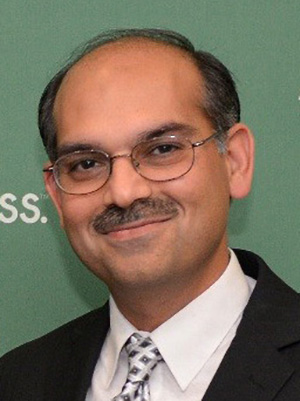
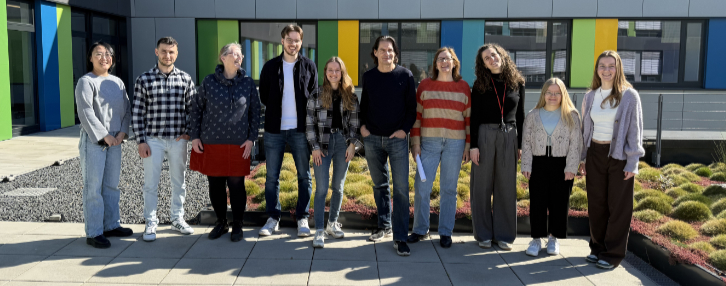
Dr. Stéphane Mesnage is a Senior Lecturer in the School of Biosciences at the University of Sheffield, where he has been employed since 2012, first as a Lecturer (2012-2018) and then as a Senior Lecturer (2019-present). His academic journey began with a PhD from the Pasteur Institute in Paris (1996-2000), followed by an EMBO Research Assistant position at the John Innes Centre in Norwich (2000-2002), and a research position at the University of Paris 6 (2002-2010). He also held a prestigious Marie Curie Fellowship at the University of Sheffield (2010-2012). Dr. Mesnage's research focuses on bacterial cell wall biogenesis, particularly using Staphylococcus aureus and Enterococcus faecalis as model organisms. His work spans three major areas: protein-cell wall interactions, control of peptidoglycan hydrolysis during growth, and the role of E. faecalis cell wall metabolism in host-pathogen interactions. His laboratory employs multidisciplinary approaches including molecular biology, biochemistry, biophysics, structural biology, and super-resolution microscopy. Analysis of Dr. Mesnage's extensive publication record (over 50 papers) reveals consistent research themes in bacterial cell wall structure and function, with particular emphasis on peptidoglycan metabolism, host-pathogen interactions, and antimicrobial resistance mechanisms. His recent work (2023-2025) has expanded into polysaccharide antigen structure, phage-host interactions, and novel enzymatic functions in cell wall biosynthesis. His scientific contributions include: Elucidating molecular mechanisms of protein-cell wall binding Characterizing peptidoglycan hydrolase substrate specificity Investigating bacterial resistance to host innate immunity Developing advanced methodologies for peptidoglycan analysis Dr. Mesnage leads an active research group focused on understanding how bacterial cell surface properties modulate antimicrobial resistance and host interactions during pathogenesis. His laboratory has recently published significant findings on EPA structure (2025), PGFinder software development (2024), and mechanisms of phagocyte evasion (2024).