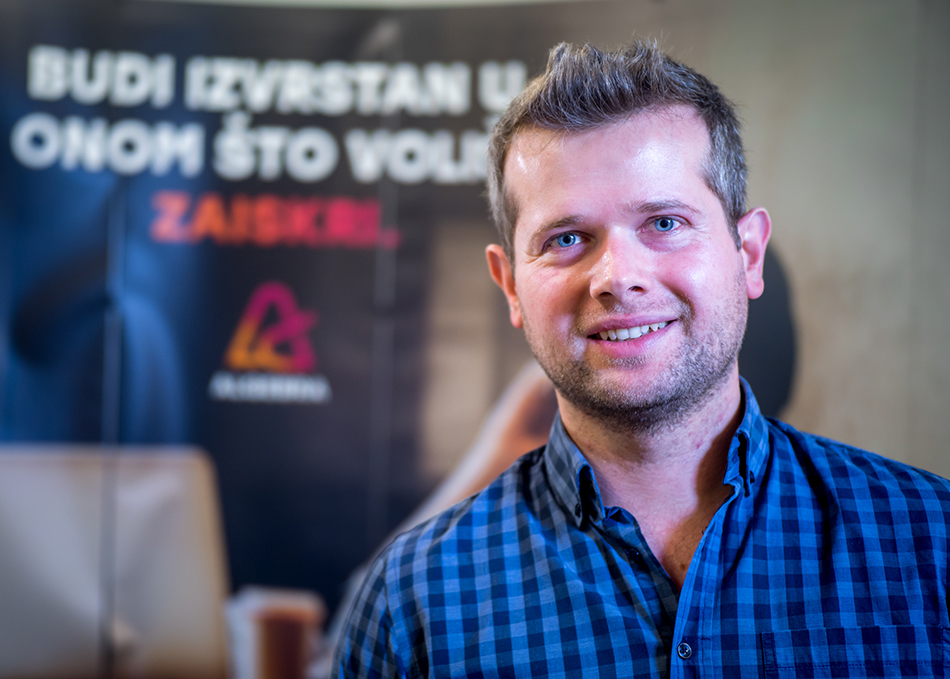
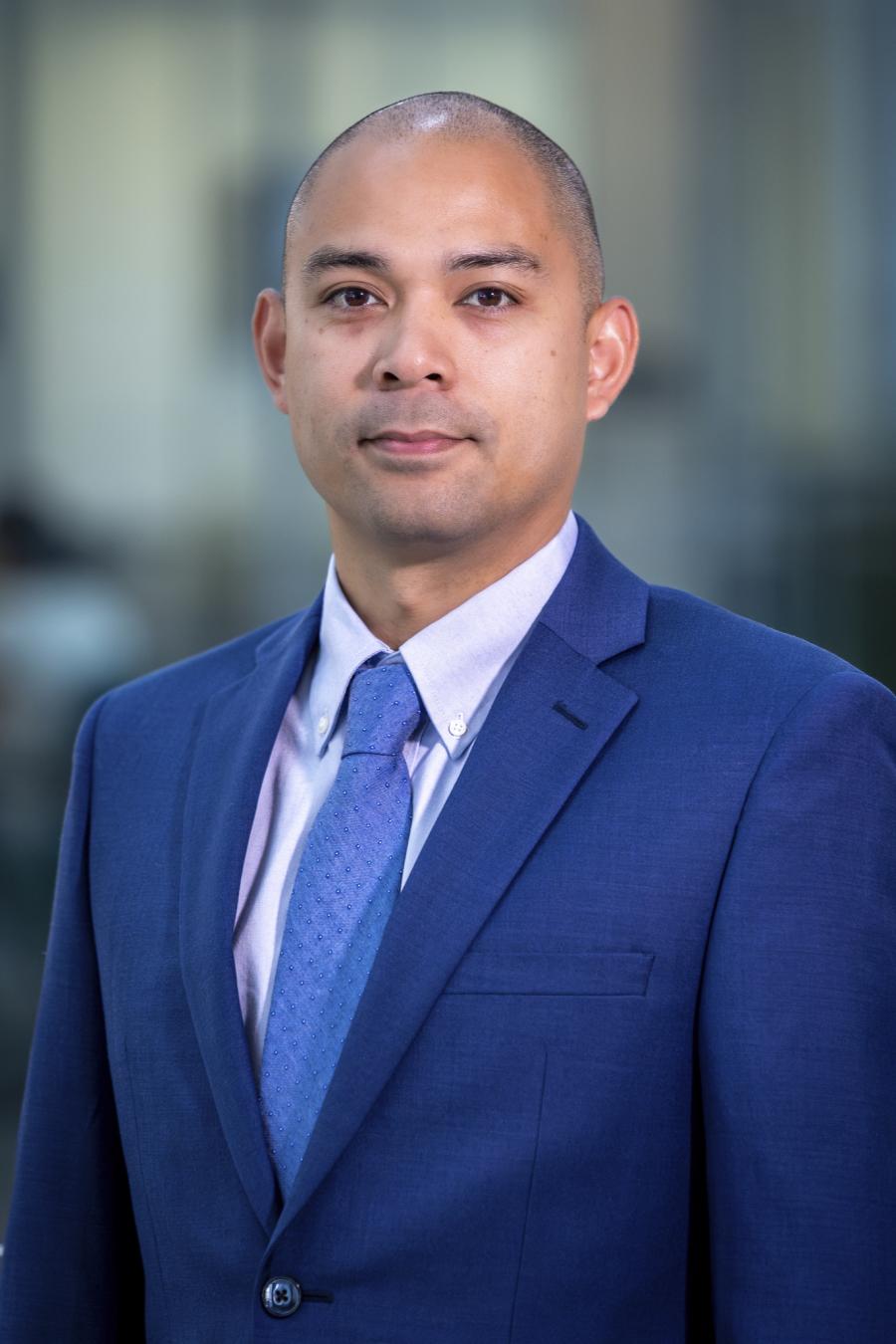
Dr. Lecturer Muhammet Yorulmaz is a faculty member at the College of Engineering, Baskent University, specializing in Industrial Engineering. With a PhD in Industrial Technology Education from Gazi University (2013), he focuses on integrating decision support systems into engineering pedagogy and usability evaluation of educational technologies.
Dr. Roger Marek is a Research Fellow at the Queensland Brain Institute within The University of Queensland, affiliated with the Faculty of Health, Medicine and Behavioural Sciences. His work focuses on behavioural neuroscience , biological psychology , and fear memory mechanisms. Postgraduate Diploma in Neurosciences, University of Otago Masters (Coursework), University of Regensburg PhD in Neuroscience, The University of Queensland His research explores neural circuits mediating fear, extinction, and memory. He investigates how brain regions like the amygdala , prefrontal cortex , and hippocampus interact to regulate emotional responses, using techniques such as optogenetics and in vivo electrophysiology . His recent publications highlight advancements in neurotechnology (e.g., multi-OLED devices) and the biological basis of fear relapse . Key trends in his 15 most recent articles (2009-2023) include studies on fear extinction mechanisms , amygdala-prefrontal connectivity , optogenetic tools , and epigenetic influences on memory. These works span neuroscience , biomedical engineering , and molecular psychology . Amplify Fellow , Queensland Brain Institute ARC Discovery Early Career Researcher Award (2020-2023) Dr. Marek has supervised and advised PhD students at the University of Queensland, focusing on topics like amygdala-prefrontal connectivity and medial prefrontal cortex roles in memory . He currently holds a Brain and Behavior Research Foundation Open grant (2024-2026) for research on memory engrams driving fear relapse.
Michael Rinderle is a researcher at the Technical University of Munich, affiliated with the TUM School of Computation, Information and Technology. He works under the Associate Professorship of Computational Photonics (headed by Prof. Jirauschek) and the Associate Professorship Simulation of Nanosystems for Energy Conversion (headed by Prof. Alessio Gagliardi). His research focuses on computational modeling of optoelectronic materials and devices, integrating machine learning with multiscale simulations. Research Interests: Michael specializes in applying machine learning techniques to materials discovery and simulation, particularly for organic semiconductors, perovskite solar cells, and electrocatalytic systems. His work bridges computational methods like kinetic Monte Carlo, density functional theory, and graph neural networks with practical applications in photovoltaics, IoT energy autonomy, and nanoscale device engineering. Teaching Roles: He contributes to courses including Computational Photonics Laboratory , Python for Engineering Data Analysis , and Simulation of Quantum Devices . His teaching emphasizes practical skills in programming, device simulation, and data visualization for engineering students. Projects: Involved in DFG e-Conversion clusters (I-III), TUM Innovation Network ARTEMIS, EU Lion-Hearted, and BMWi-funded initiatives, focusing on interfaces, energy conversion, and machine learning-driven materials optimization.
Lorenzo De Marinis is an Assistant Professor affiliated with the Italian National Quantum Science and Technology Institute. His research focuses on photonic neuromorphic computing, photonic integrated circuits (PIC), and electro-optic co-design, with applications in quantum computing, machine learning for optical communications, and AI-driven network diagnostics. Primary Fields: Photonics, Neuromorphic Computing, Machine Learning Key Technologies: SOI, InP, LNOI, SiN His recent publications highlight advancements in photonic-electronic integration, noise-resilient neural networks, and energy-efficient optical systems. He has collaborated on projects related to DDoS attack detection, coherent combiners, and failure management in optical networks. While no specific awards or students are mentioned, his work bridges photonic circuit design with practical AI applications in constrained environments.
Dr. André Zenner is a Post-Doctoral Researcher at the Deutsches Forschungszentrum für Künstliche Intelligenz (DFKI) within the Saarland Informatics Campus, affiliated with Saarland University's Faculty of Computer Science and Department of Human-Computer Interaction. He leads research in the Ubiquitous Media Technology Lab (UMTL) under Professor Antonio Krüger, where he focuses on advancing virtual reality interaction techniques through perceptual illusions and haptic feedback systems. Dr. Zenner's research interests center on virtual and augmented reality, with particular expertise in haptic feedback, redirection techniques, psychophysics, and illusion techniques. His work investigates how to create more immersive and natural VR experiences by leveraging perceptual thresholds and multimodal sensory integration. He has pioneered research in hand redirection techniques, developing methods that subtly alter hand movements in VR without users noticing, enabling applications like reaching beyond physical boundaries and enhancing safety in VR environments. His research bridges the gap between theoretical psychophysics and practical VR applications, with implications for training, education, and consumer VR experiences. Dr. Zenner has received significant recognition for his work, including the prestigious IEEE VGTC Virtual Reality Best Dissertation Award in 2024 and the Best Poster Award at VRST 2023. His research has been published extensively in top-tier venues including CHI, UIST, and IEEE VR, with over 49 publications to his name. He has served as General Chair for the ACM Symposium on Spatial User Interaction (SUI) 2024 and as a program committee member for numerous conferences including ACM VRST and IEEE VR. As an educator, Dr. Zenner has taught numerous courses at Saarland University including 'Virtual Reality - Grundlagen und Stand der Forschung' and 'Recent Topics in XR and XAI'. He has supervised over 15 Master's and Bachelor's theses on VR topics, mentoring students through research on hand redirection, haptic feedback, and perceptual illusions. His lab, the Ubiquitous Media Technology Lab, fosters interdisciplinary collaboration between computer science, psychology, and design to push the boundaries of immersive technologies.
Prof. Dr. Matthias Böhmer is a Professor of Computer Science at Technische Hochschule Köln (Cologne University of Applied Sciences), where he leads the Ubiquitous Media Technology Lab (UMTL) and builds the new lab for mobile and distributed information technology. His academic journey includes positions as an HCI researcher at the German Research Center for Artificial Intelligence (DFKI) in Saarbrücken (2011-2013), research associate at Münster University of Applied Sciences (2007-2010), and a stint at Microsoft Research, Redmond (summer 2012). Prior to academia, he worked in product design at Deutsche Telekom in Bonn (2013-2015). His research focuses on building mobile and distributed information systems with particular interest in understanding and supporting mobile app usage and innovative connected products. His educational background includes a Bachelor of Science in Applied Computer Science (2005) and Master of Science in Information Technology (2007), both from Münster University of Applied Sciences, followed by a PhD from Saarland University's Graduate School of Computer Science with dissertation work on 'Understanding and Supporting Mobile Application Usage'. Prof. Böhmer's publication record spans over a decade with significant contributions in Human-Computer Interaction, particularly in mobile computing interfaces, foldable device interactions, and spatial awareness technologies. His recent work (2023-2024) demonstrates innovative approaches to mobile interaction, including electrotactile feedback systems, foldable smartphone applications, and website aesthetics prediction using deep learning. His research shows a clear trajectory from understanding basic mobile usage patterns to developing sophisticated interaction techniques for emerging mobile form factors. Among his notable achievements is the Honorable Mention Award received in 2023 for his work on extending rotary knob interaction through multi-touch grasp recognition, demonstrating recognition of his innovative contributions to input device design. Prof. Böhmer actively supervises student research as evidenced by BA-Kolloquium announcements for students like Max Teetz, Joel Neumann, Andreas Schurawlev, and Robert Kellermann, with recent work focusing on mobile computing applications, foldable device interfaces, and IoT systems.
Karlo Josić is a lecturer at Algebra University College , Zagreb, Croatia. His professional work focuses on information and communication technologies (ICT), computer networks, project management, and their multidisciplinary applications in education, security, and expert systems. Educational Background Specialist graduate study in Project Management (2011) Holdings: Multiple international certificates in computer networks and project management Research Interests : Josić's research spans wireless networking, network security (including SDN, serverless architecture, and next-generation firewalls), smart systems (e.g., WiFi signal-based lighting control), and interdisciplinary applications of ICT in education and biomedical imaging. His work often addresses practical challenges in network performance, security, and automation. Article Trends : His publications emphasize network security, wireless communication, and emerging computing paradigms. Key areas include adaptive routing in disrupted environments, zero-trust architectures, and electromagnetic interference impacts on home networks.
Rungun Nathan is a Professor of Engineering at Penn State Berks, serving as Program Chair for Mechanical Engineering and Director of the Berks Learning Factory since joining in 2007. Previously, he was a Visiting Assistant Professor at Villanova University where he developed the Mechatronics minor curriculum. His educational background includes: Ph.D. in Mechanical Engineering from Drexel University M.S. in System Science from Louisiana State University Post Graduate Diploma in Electronics Design Technology from Indian Institute of Science B.S. in Mechanical Engineering from PESCE, Mysore University Dr. Nathan's research spans unmanned vehicles (ornithopters, frisbees, Samara seeds), mechatronics, MEMS, biomechanics, and engineering education innovation. He directs the Mechatronics and Intelligent Systems Laboratory where undergraduate students conduct hands-on research. His biomechanics work with Dr. Qianhong Wu at Villanova explores brain injury mechanisms through biomimetic fluid dynamics, while his porous media research reveals novel lubrication principles in biological systems. Recent publications (2021-2023) demonstrate three converging research thrusts: traumatic brain injury biomechanics using biomimetic models, fluid dynamics in soft porous materials for biological applications, and innovative engineering pedagogy integrating low-cost instrumentation. These works frequently appear in Physics of Fluids, Tribology journals, and ASEE conferences, highlighting interdisciplinary collaborations between mechanical engineering and neuroscience. Dr. Nathan actively mentors students as faculty adviser for the Robotics club and has graduated three master's students through his Villanova collaboration. He developed Penn State courses EMET 230 (Computerized Input/Output) and EMET 326 (Mechanical Drives), emphasizing hands-on projects and differentiated instruction techniques. His educational modules incorporate multimedia technologies to enhance mechanics comprehension. He maintains active service as a reviewer for ASEE (Mechanics Division, Education Research Methods), ASME, Journal of Engineering Education, and Frontiers in Education Conference, contributing to engineering education scholarship and mechanical systems research evaluation.
Lucille Sowko, PhD, RN, MsEd, CHSE , an Assistant Professor at the University of Pittsburgh School of Nursing, specializes in interprofessional education and health promotion. With 20+ years in undergraduate nursing education and 30 years of clinical experience in medical-surgical nursing, she leads the Transitions into Professional Nursing Practice course and co-developed a NIH-funded interdisciplinary partnership with bioengineering students. Her work emphasizes clinical input in medical product design, evidenced by co-authorship of a 2025 open-access study demonstrating improved design self-efficacy and interprofessional collaboration. Clinical Expertise: Medical-surgical nursing, Renal/GI disorders, Trauma Research Focus: Interprofessional education, health promotion, biomedical innovation Awards: Excellence in Teaching Award, Innovations in Education Award Service: Sigma Theta Tau (STT) chapter representative, church nurse, interdisciplinary coordinator for courses Key Partnerships: Co-created the University of Pittsburgh's "Maker’s Space" to foster nursing-engineering collaboration, culminating in solutions like neonatal nasal cannula dislodgement detection systems and foley bag improvements. Her NIH grant Team Based Design in Biomedical Engineering Education (R25 EB025793-01) formalizes this work, showing statistically significant gains in student confidence and teamwork competencies.
Dr. Yingying Zhao is a Lecturer at the Department of Computer and Information Sciences within the Faculty of Science at the University of Strathclyde , where she joined in 2024. Her research focuses on Human-Computer Interaction (HCI) , Ubiquitous Computing (Ubicomp) , and applications of machine learning and deep learning to enhance user experiences through understanding attention, emotion, and cognition. Active in interdisciplinary projects like Context-Intention Interactive Computing Contributes to AI-driven solutions for education and well-being Collaborates with researchers in smart eyewear and LLM-based systems Her recent work explores eye-tracking technology , human intention analysis , and conversational AI in eyewear devices, with a focus on causal attention and emotional state detection. She actively participates in academic events such as the Workshop on Multiple Input Modalities for VR/AR and serves as a peer reviewer and speaker. Dr. Zhao is seeking MSc (Research) and PhD students for collaborative projects and contributes to knowledge exchange initiatives like the Human-in-the-loop AI project funded by the UK Department for Science, Innovation and Technology (DSIT).
Bernard A Conway is a Visiting Professor in the Department of Biomedical Engineering at the University of Strathclyde, United Kingdom, maintaining active clinical research collaborations with the Queen Elizabeth National Spinal Injuries Unit. His research centers on motor control mechanisms in both neurologically intact individuals and those with central nervous system (CNS) disabilities from trauma or disease. Key initiatives include electrophysiological monitoring of CNS adaptation during locomotor re-training for spinal cord injury patients and developing clinically viable brain-computer interfaces (BCIs) for mobility assistance in severely disabled populations. His work bridges neuroscience, biomedical engineering, and clinical rehabilitation with direct relevance to UN Sustainable Development Goals for health equity. Recent publications (2023-2024) demonstrate methodological convergence across spinal cord injury rehabilitation , pediatric neuromodulation (Down syndrome), and gait neurophysiology , utilizing electrophysiological measures (EEG/EMG) to quantify neural adaptations. This reflects a strategic shift from fundamental motor control studies toward clinical translation of neurotechnology. Conway has supervised 6 students and directs substantial research infrastructure, including the EPSRC Centre for Doctoral Training in Prosthetics & Orthotics (2019-2027) and 21 completed projects totaling 23 active collaborations. His grant portfolio emphasizes translational rehabilitation engineering with partners like Ossur (Iceland) and Wellcome Trust. Clinical research occurs through the Queen Elizabeth National Spinal Injuries Unit partnership, where his team investigates physiological responses to locomotor training. Future work prioritizes deploying BCIs from laboratory to real-world assistive devices while expanding pediatric applications through transcranial stimulation protocols.
Ken Goldberg is a distinguished Professor at the University of California, Berkeley, holding the William S. Floyd Jr. Distinguished Chair in Engineering. He serves as Chair of the Industrial Engineering and Operations Research Department, Director of the AUTOLAB and CITRIS 'People and Robots' Initiative, and is a Founding Member of the Berkeley AI Research (BAIR) Lab. His academic appointments span multiple disciplines, including EECS in the College of Engineering, Art Practice, School of Information at UC Berkeley, and Radiation Oncology at UC San Francisco. As Chief Scientist for Ambi Robotics and Jacobi Robotics, he bridges academic research with industry applications. Goldberg's research spans robotics, artificial intelligence, and automation with significant contributions to robot grasping, cloud robotics, and medical robotics. His work integrates theoretical foundations with practical applications across manufacturing, healthcare, and artistic domains. He has pioneered concepts like Fog Robotics, which distributes computation between cloud and edge devices, and developed the Dexterity Network (Dex-Net) for robust grasping. His research consistently explores the intersection of technology and human experience, including collaborative human-robot systems and the societal implications of automation. His recent publications reveal a strong focus on robust robot learning, particularly addressing the 'reality gap' between simulation and real-world performance. Goldberg emphasizes hybrid approaches combining data-driven methods with traditional engineering principles, as seen in his work on 'Large Robot Action Models.' His research increasingly addresses medical applications, including surgical robotics and precision healthcare delivery, while maintaining strong connections to fundamental robotics challenges like part orientation and grasping. Goldberg has founded and leads several significant research initiatives including the AUTOLAB, the Center for Automation and Learning for Medical Robotics (Cal-MR), and the Robot Learning Foundation which organizes the Conference on Robot Learning (CoRL). He previously served as Editor-in-Chief of IEEE Transactions on Automation Science and Engineering and currently sits on the editorial board of Science Robotics. His teaching portfolio includes courses on database systems, robotics, and the intersection of art and technology. As Founding Director of the Art, Technology, and Culture Colloquium, he has fostered interdisciplinary dialogue across campus. His research has been supported by major funding from NSF, NIH, and industry partners, with practical applications emerging in manufacturing, healthcare, and agricultural domains.
Bert Kappen is a Professor of Physics at Radboud University Nijmegen, affiliated with the Department of Biophysics and the Donders Center for Neuroscience. His research focuses on the intersection of physics, machine learning, and neuroscience, with emphasis on quantum machine learning, stochastic control theory, and Bayesian inference methods applied to neural systems. His core research integrates statistical physics and quantum mechanics to develop computational methods for AI, exploring how intelligence emerges in biological systems. Key areas include: Quantum Machine Learning : Developing quantum algorithms for Boltzmann machines and exploring quantum advantage in optimization Path Integral Control : Creating efficient solutions for stochastic optimal control problems in robotics and neuroscience Bayesian Inference : Building probabilistic models for medical diagnosis and DNA identification (e.g., Bonaparte system used by Interpol) Atomic-scale Neural Networks : Implementing neuromorphic computing using nanoscale atomic switches Kappen leads an active research group with multiple PhD and Master's students, working on projects ranging from quantum perceptrons to multi-agent UAV control. His publication output shows strong recent focus on quantum computing applications (2020-2025), atomic-scale machine learning implementations, and advanced control theory. He teaches courses including Introduction to Machine Learning , Advanced Computational Neuroscience , and Statistical Machine Learning at Radboud University. Externally funded projects include EU FP7 initiatives (NETT, CompLACS), NWA Quantum Learning, and collaborations with Thales Nederland.
Catherine Majors is an Assistant Professor at Clemson University's College of Engineering, Computing and Applied Sciences, where she leads the Majors Lab. Her work focuses on engineering synthetic protein signaling networks for in vitro applications, aiming to develop ultrafast, ultrasensitive diagnostic tests deployable at the point-of-care. She can be reached at majors3@clemson.edu. Postdoctoral Researcher – Chemical & Biological Engineering, Northwestern University Ph.D. – Bioengineering, Rice University B.E. – Biomedical Engineering, Vanderbilt University Her research spans three interconnected areas: Synthetic in vitro protein signaling network design: Developing biological bistable switches and a toolbox of protein signaling motifs with predictable input/output behaviors to enable robust diagnostic assays. Healthcare technology development and deployment: Translating lab-based protein signaling assays into clinical diagnostic devices, including binder engineering, protein stabilization, and reader design for underserved populations. In vitro protein network characterization: Studying structural-functional relationships in engineered proteins to improve quantitative biophysical predictions and network control. Her lab's work is supported by grants from the National Institutes of Health (NIBIB) and Clemson University. She emphasizes clinical translation of diagnostic technologies to expand healthcare access. The Majors Lab (https://www.majorslab.com/) integrates these research pillars to create deployable diagnostic solutions, leveraging interdisciplinary approaches from synthetic biology to biomedical engineering.
Ryan Labio is a Lecturer at the Army-Baylor University Graduate Program in Health and Business Administration. As a Lieutenant Colonel in the US Army Medical Service Corps, he combines academic expertise with military leadership experience spanning 19 years of service since 2005. His educational background includes a BS in Engineering Psychology from West Point, dual Master’s degrees in Health and Business Administration from Baylor University, and ongoing PhD studies in Applied Demography at The University of Texas at San Antonio. Education Bachelor of Science (BS) in Engineering Psychology, United States Military Academy (West Point, NY, 2005) Master of Business Administration (MBA), Baylor University (Waco, TX, 2015) Master of Health Administration (MHA), Baylor University (Waco, TX, 2015) Research Focus Ryan investigates critical aspects of healthcare systems through interdisciplinary lenses, including: Quantitative analysis of health disparities Demographic trends in vulnerable populations (particularly special needs children) Organizational leadership frameworks in medical settings Operational efficiency in military healthcare delivery Key Contributions His research has identified significant drivers of inappropriate emergency department use in military healthcare systems (2014). Earlier work (2006) pioneered human factors analysis for mobile command systems in tactical environments. Honors & Recognition AAMA Graduate Student Research Paper of the Year (2014) J. Dewey Lutes Peer Research Award (2014) Professional Context Ryan's dual career in academia and military service informs his teaching in Quantitative Methods, Human Resources Management, Operations Management, and Health Economics. His affiliations include the American College of Healthcare Executives, Population Association of America, and Southern Demographic Association.