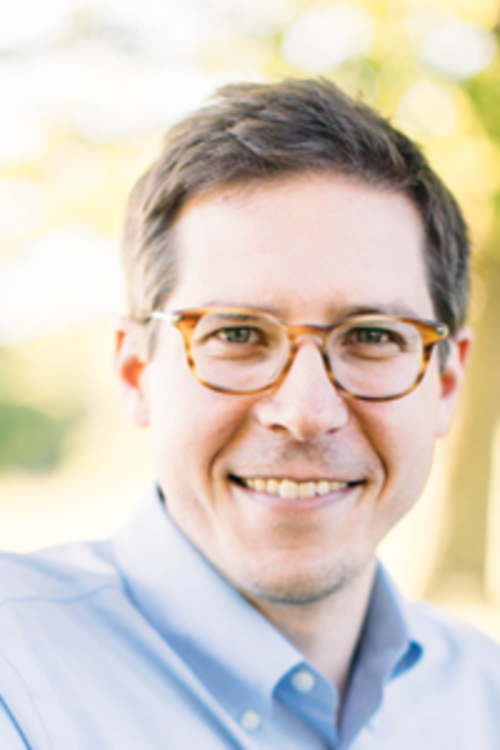
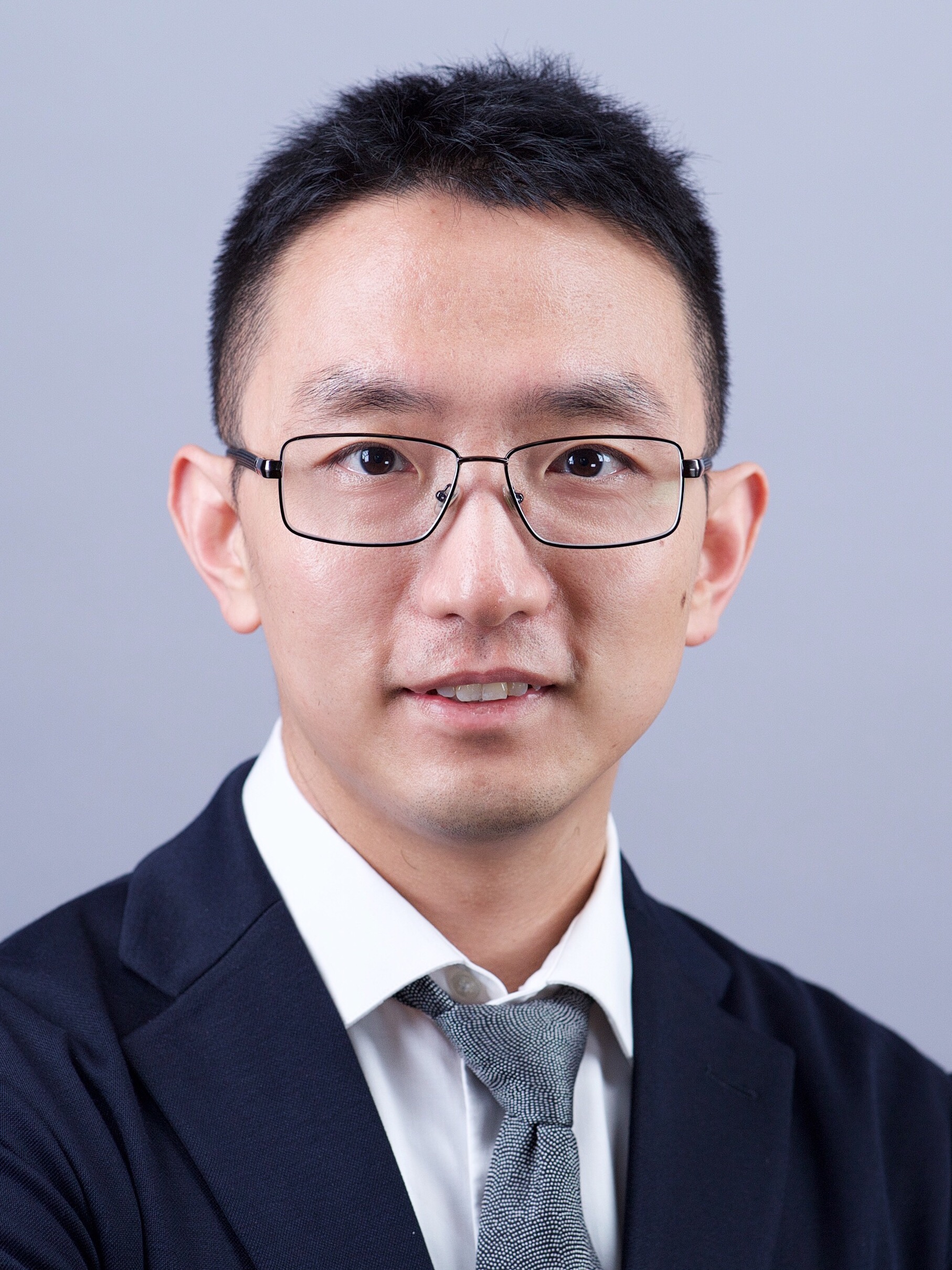
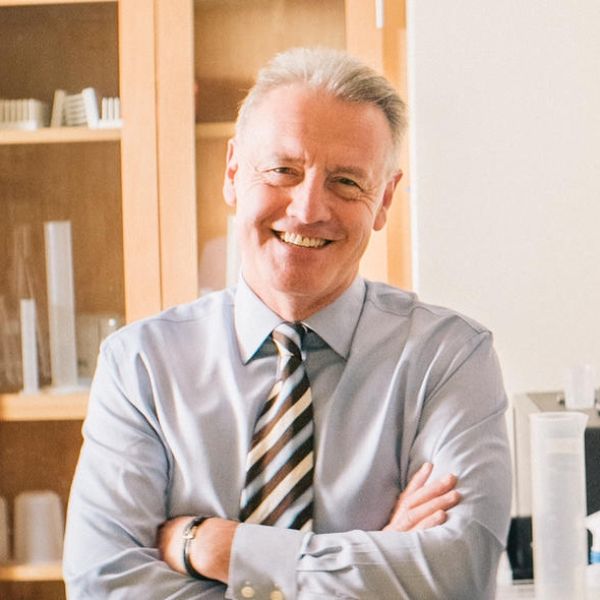
Tyler Bold, MD, PhD serves as Associate Professor in the Division of Infectious Diseases and International Medicine within the Department of Medicine at the University of Minnesota Medical School. He concurrently holds faculty appointments in the Microbiology, Immunology and Cancer Biology (MICaB) Ph.D. Graduate Program and the Department of Medicine, establishing a multidisciplinary research presence spanning infectious disease pathogenesis, immunology, and host-pathogen interactions. His research program integrates clinical infectious disease expertise with fundamental immunological investigation, focusing on tuberculosis host-directed immunotherapy, SARS-CoV-2 pathogenesis mechanisms, and macrophage biology in atherosclerosis. Key interests include T cell costimulation in granulomatous diseases, viral-microbiome interactions during respiratory infections, and diagnostic innovations for resource-limited settings. His work bridges basic science discovery with translational clinical applications, particularly in immunocompromised populations and complex infectious syndromes. Analysis of his 15 most recent publications reveals dominant research trajectories in tuberculosis immunology (40% of articles), SARS-CoV-2 pathogenesis and therapeutics (35%), and atherosclerosis immunometabolism (15%), with emerging work on fungal infections in hematologic malignancies. The publications demonstrate consistent use of advanced techniques including single-cell resolution analysis, structural biology, and randomized clinical trials, reflecting both mechanistic depth and clinical relevance across infectious disease subspecialties.
Iva Filipovic serves as a Research Specialist in the Department of Laboratory Medicine, Division of Clinical Microbiology at Karolinska Institutet since 2025, following her Postdoctoral Research Fellowship (2019-2025) at the Department of Medicine Huddinge, Center for Infectious Medicine. She contributes to The Systems Virology Lab under Ujjwal Neogi, focusing on translational immunology in medical contexts. Her educational background includes: PhD in Physiology, Development and Neuroscience (Reproductive Immunology), University of Cambridge (2019) MSc in Immunology, Imperial College London (2015) BSc in Molecular Biology with Physiology, University of Belgrade (2014) Her research integrates tissue-resident immunology with systems approaches, examining innate lymphocytes in reproductive health, infectious diseases, and cancer. She employs advanced methodologies including RNA-Seq, single-cell analysis, and 29-color flow cytometry to investigate immune mechanisms in endometrial tissue, liver fibrosis, and viral pathogenesis. Current work emphasizes translational applications in sepsis, cholangiocarcinoma, and SARS-CoV-2 immunity. Analysis of her 15 most recent publications (2018-2025) reveals dominant themes in mucosal immunology, with significant contributions to understanding MAIT cells in sepsis, NK cell dynamics in reproduction, and immune biomarkers in cancer. Her work consistently bridges basic immunology with clinical applications through multi-omics approaches and large-scale collaborative studies like the Karolinska KI/K COVID-19 immune atlas. She actively participates in The Systems Virology Lab, contributing to Karolinska's infectious disease research infrastructure. Her technical expertise in high-dimensional immune profiling supports collaborative projects across virology, hepatology, and oncology research groups at Karolinska Institutet.
Chun-Jun (CJ) Guo is an Associate Professor at Weill Cornell Medicine's Jill Roberts Institute for Research in Inflammatory Bowel Disease, Department of Medicine. His research focuses on developing genetic tools for human microbiota and investigating molecular mechanisms of host-microbe interactions related to IBD and metabolic diseases. Education: B.Sc. in Pharmacy, Fudan University (2009) Ph.D. in Pharmacy, University of Southern California (2015) Research Interests: Dr. Guo's lab integrates bioinformatics, microbial genetics, metabolomics, and chemical biology to study how microbiota-derived molecules influence host immunity and disease. Key areas include CRISPR-based microbiota engineering, bile acid metabolism, and therapeutic reprogramming of host-microbe interactions. Publications: Recent work highlights microbiota-driven bile acid modifications in cancer, probiotic cross-feeding strategies for metabolic diseases, and serotonin's role in neonatal immune tolerance. His tools for genetic manipulation of nonmodel gut microbes enable mechanistic studies in vivo. Scientific Awards: 2023 Scialog Award 2022 Kenneth Rainin Foundation Innovator Award 2020 Noster & Science Microbiome Runner-Up Prize 2020 AGA-Allergan Pilot Award in IBD 2019 NIH New Innovator Award Labs & Teams: The Guo Group develops CRISPR-Cas9 systems for Clostridiales and other gut bacteria, investigates microbiota metabolites in preclinical mouse models, and collaborates on translational studies linking microbial genetics to immune/metabolic diseases.
Professor Philip Taylor is a Professor of Translational Immunology in the Division of Infection and Immunity at Cardiff University's School of Medicine. He serves as PGR Lead for the Systems Immunity Research Institute and is a UK Dementia Research Institute Professor. His research focuses on the innate immune system, particularly macrophages, myeloid cell surface receptors, and the complement system. His educational background includes a PhD in Molecular Genetics from Imperial College London (1998) and a BSc in Human Genetics from University College London (1994). His career progression shows a strong trajectory in immunology research, with positions at Oxford University before joining Cardiff University. Professor Taylor's research interests center on macrophage biology, particularly their origins, development, renewal, and transcriptional control of cellular activation. More recently, he has developed a significant focus on microglia in dementia, especially Alzheimer's disease. He also has interests in developing technologies that promote the 3Rs (Replacement, Reduction, Refinement) in animal research while maintaining scientific excellence. His work heavily involves experimental murine models of disease and immunity with the ultimate goal of elucidating novel mechanisms to manipulate macrophage activity for beneficial outcomes in disease. His recent publications demonstrate a strong trend toward understanding the role of the immune system in neurodegenerative diseases, particularly Alzheimer's, while maintaining his foundational work on macrophage biology and pathogen recognition. The research spans multiple disciplines including immunology, neuroscience, cell biology, and genetics, with strong translational potential. Recipient of a Wellcome Trust Investigator Award (2016-2021) Recipient of a Medical Research Council Senior Fellowship (2007-2014) Awarded Research Lecturer status, Oxford University (2006) Recipient of a Wellcome Trust Research Career Development Fellowship (2003-2007) Awarded RSII status, Oxford University (2002) Recipient of Medical Research Council PhD studentship (1994) Professor Taylor leads the Myeloid Cell Biology Group at Cardiff University, which investigates macrophage biology in homeostasis and disease, as well as the role of microglia in dementia. His current grant funding includes an MRC UK Dementia Research Institute Programme Grant (2017-2023) worth £1.7M and a Wellcome Trust Investigator Award (2016-2021) worth £1.41M. His research group is actively involved in understanding how genes implicated in Alzheimer's disease impact microglial function, with the aim of inspiring novel therapeutic approaches. The Myeloid Cell Biology Group is investigating professional phagocytes (macrophages, dendritic cells, and neutrophils) and their diverse roles in development, host defense, inflammation, wound healing, and immune surveillance. The group focuses on fundamental aspects of phagocyte biology, including pathogen recognition receptors, downstream signaling, and cellular activation events, with the goal of manipulating cell behavior for therapeutic benefit.
Dario C. Altieri, M.D. serves as President and Chief Executive Officer of The Wistar Institute, Director of the Ellen and Ronald Caplan Cancer Center (an NCI-designated facility), and Robert and Penny Fox Distinguished Professor leading the Genome Regulation and Cell Signaling Program. His leadership spans both administrative responsibilities and active cancer research. Born in Milan, Italy, Altieri was educated at the University of Milan School of Medicine, completed training in internal medicine, and holds a postgraduate degree in clinical and experimental hematology. His academic career includes positions at Scripps Clinic and Research Foundation (1987), Yale University School of Medicine (becoming professor with tenure in 1999), and founding chair of the Department of Cancer Biology at the University of Massachusetts Medical School (2002). He joined The Wistar Institute in 2010 as Cancer Center Director and Chief Scientific Officer, becoming President and CEO in 2015. Altieri's research focuses on cellular adaptation mechanisms or 'plasticity' exploited by cancer for disease progression. His laboratory investigates mitochondrial functions in cancer, including bioenergetics, reactive oxidative species buffering, inter-organelle communication with the endoplasmic reticulum, and retrograde gene expression. His work demonstrates that mitochondrial reprogramming is a universal cancer trait imparting unique plasticity to tumor responses across all disease stages. The lab has pioneered mitochondria-targeted cancer therapeutics, developing compounds like Gamitrinib that entered clinical trials (NCT04827810). Analysis of Altieri's recent publications (2020-2024) reveals a strategic evolution from foundational work on mitochondrial dynamics in tumor cell motility toward understanding Parkin protein's role in tumor immunity and metastasis suppression. His research spans molecular mechanisms to therapeutic applications, increasingly incorporating tumor microenvironment and immune system interactions, with direct translational impact. Altieri's laboratory team includes Research Assistant Professors Jagadish Ghosh, Ph.D. and Michela Perego, Ph.D., and Postdoctoral Fellow Minjeong Yeon, Ph.D. His research has received significant NIH funding including R35 CA220446 and R01 CA286080 grants. The laboratory employs multidisciplinary approaches spanning biochemical, cellular, and molecular techniques, xenograft and genetic animal models, and analysis of clinically-annotated patient samples. The Altieri Laboratory operates within The Wistar Institute's NCI-designated cancer center. His team discovered and characterized the survivin gene (with over 10,500 PubMed citations), establishing it as a fundamental cancer gene and therapeutic target. Recent work on Parkin's dual role in suppressing tumor traits while activating innate immunity opens new avenues for cancer immunotherapy development.
Prof. Christiane Gatz is a Professor of Plant Molecular Biology at the University of Göttingen, where she has led the Molecular Biology and Plant Physiology department since 1996. She holds a Dr. rer.nat. from the Technical University Darmstadt (1985) and completed postdoctoral research at the University of Wisconsin, Madison, USA. Her habilitation in Molecular Genetics was awarded by the Free University of Berlin in 1992. She previously held professorships at the University of Bielefeld (1993–1995) and received the Alfried Krupp von Bohlen und Halbach Award (1994) for young professors. Her research focuses on molecular mechanisms of plant innate immunity, particularly signal transduction pathways mediating defense against bacteria and fungi. Her lab investigates the interplay between salicylic acid (SA)- and jasmonic acid/ethylene (JA/ET)-dependent responses, with emphasis on TGA transcription factors and ROXY glutaredoxins. Techniques include genetic analysis (CRISPR/Cas), molecular biology (RT-PCR), cell biology (protein localization), and biochemistry (chromatin immunoprecipitation). Key projects include elucidating how ROXY proteins regulate TGA activity and the novel COI1 function in defense against Verticillium longisporum. She leads the Schwann-Schleiden Research Center group and contributes to initiatives like the International Research Training Group 2172 - PRoTECT. Her work bridges fundamental molecular mechanisms with evolutionary aspects of plant immunity. Awards: Alfried Krupp von Bohlen und Halbach Award (1994) Labs/Teams: Schwann-Schleiden Research Center, Molecular Biology and Plant Physiology Department
Edgar Engleman is a Professor of Pathology and of Medicine (Immunology and Rheumatology) at Stanford University School of Medicine. He is a leading figure in cellular immunology, with major contributions to cancer immunotherapy, immune tolerance, and myeloid cell biology. He holds key affiliations with the Stanford Cancer Institute, Wu Tsai Neurosciences Institute, Bio-X, and the Maternal & Child Health Research Institute (MCHRI). He serves as Co-Director of Tumor Immunology and Immunotherapy and as Medical Director of the Stanford Blood Center. Professor, Department of Pathology, Stanford University Professor, Department of Medicine (Immunology and Rheumatology), Stanford University Co-Director, Tumor Immunology and Immunotherapy, Stanford Cancer Institute Medical Director, Stanford Blood Center Member, Wu Tsai Neurosciences Institute Member, Bio-X Member, Maternal & Child Health Research Institute (MCHRI) Dr. Engleman’s research focuses on the biology of immune cells, especially dendritic cells, macrophages, and neutrophils, in cancer, autoimmunity, organ transplantation, and metabolic and neurodegenerative diseases. His lab was instrumental in developing Sipuleucel-T (Provenge), the first FDA-approved cell-based cancer immunotherapy. Current work includes reprogramming immunosuppressive myeloid cells, studying lymph node-mediated immune tolerance in metastasis, and targeting novel immune checkpoints. His lab also investigates microglia in neurodegeneration and retinoic acid in colorectal cancer immunity. His recent publications (2022–2025) reveal a strong emphasis on myeloid cell function in tumor immunosuppression, mechanisms of metastasis, and novel therapeutic strategies including neutrophil activation, GPR65 inhibition, and EPO/EPOR blockade. His work integrates advanced technologies such as multiplex imaging, deep sequencing, and machine learning (e.g., CELESTA algorithm) to dissect immune cell interactions and tissue architecture. Notable scientific contributions include: Development of the first FDA-approved cancer vaccine (Provenge) Discovery of lymph node-induced immune tolerance promoting metastasis Identification of novel myeloid immune checkpoints Therapeutic reprogramming of tumor-associated myeloid cells Role of microglia in neurodegeneration and its pharmacological targeting Link between retinoic acid deficiency and impaired anti-tumor immunity in colorectal cancer Dr. Engleman actively mentors numerous graduate students and postdoctoral fellows, advising on doctoral theses and research projects across immunology, cancer biology, and pathology. His lab receives substantial research funding, enabling extensive studies in mouse models and human tissues. He also contributes to education through directed reading and research courses. The Engleman Lab functions as a collaborative Cellular Immunology Lab (CIL), fostering innovation and high-risk research. It utilizes cutting-edge tools including flow cytometry and mass cytometry to map immune responses system-wide. Ongoing efforts aim to translate mechanistic discoveries into clinical applications for cancer, autoimmune disorders, and transplant tolerance.
Professor Marcel Dinger is a prominent academic and researcher currently serving as Professor and Head of School for Biotechnology and Biomolecular Sciences at UNSW Sydney. With over 20 years of experience in genomics, he has established himself as a leading figure in both academic and entrepreneurial spheres within the field. He has published 153 papers with over 24,000 citations and maintains an h-index of 61 on Google Scholar. His leadership extends beyond academia as he serves as President of the Australasian Genomics Technologies Association (AGTA) and holds director positions at Pryzm Health and the National Centre for Indigenous Genomics (NCIG). Professor Dinger's research laboratory focuses on establishing new links between phenotype and genotype, particularly examining rare and complex diseases in relation to underexplored regions of the genome including pseudogenes, repetitive elements, non-canonical DNA structures, and noncoding RNAs. His work harnesses population-scale genomic datasets and sophisticated data science methods to bring an objective perspective to understanding how the genome stores information and how it is transacted in biology. His research interests span genomics, non-coding RNA biology, clinical applications of genomic medicine, and the development of computational approaches for analyzing complex genomic data. Analysis of Professor Dinger's recent publications reveals a strong emphasis on non-coding RNA research, particularly long noncoding RNAs and their roles in disease mechanisms. His work spans cancer genomics, neurological disorders, and fundamental genomic mechanisms including DNA secondary structures like i-motifs and G-quadruplexes. His research combines experimental approaches with advanced bioinformatics to address fundamental questions in genomic medicine and has significant translational implications for disease diagnosis and treatment. Highly Cited Researcher in Cross-Field category (2019, 2020, 2021) Fellow of the Faculty of Science (Research), Royal Society of Pathologists of Australasia (2016) NHMRC Career Development Award (2010) Queensland Government Smart Futures Fellowship (2009) Foundation of Research, Science and Technology New Zealand Postdoctoral Fellowship (2005) Professor Dinger has been instrumental in establishing and leading several significant research initiatives including Genome.One, one of the first companies globally to provide clinical whole genome sequencing services, and the Kinghorn Centre for Clinical Genomics at the Garvan Institute of Medical Research. His entrepreneurial experience includes founding four biotechnology and IT startups. He serves on multiple governance boards including the National Centre for Indigenous Genomics, focusing on using genomics to improve health outcomes for Australia's First Peoples. His laboratory at UNSW continues to advance our understanding of genomic regulation and its implications for human health and disease.
Antonio SICA is a Full Professor in the Department of Pharmaceutical Sciences at the University of Eastern Piedmont 'Amedeo Avogadro'. With an extensive research career spanning over three decades, he has published 189 research outputs including articles, reviews, and conference contributions. His ORCID profile (0000-0002-8342-7442) documents his significant contributions to immunology and cancer research. Professor SICA's research primarily focuses on myeloid cells in cancer , particularly tumor-associated macrophages and myeloid-derived suppressor cells . His work explores how these cells contribute to tumor progression, immunosuppression, and response to therapy. Key research areas include immunometabolism, epigenetic regulation of myeloid cells, and the intersection of inflammation with cancer development. Analysis of his recent publications (2021-2024) reveals a strong emphasis on myeloid cell heterogeneity in cancer, immunometabolic pathways , and the role of myeloid cells in age-related diseases . His 2023-2024 work has particularly examined connections between cancer immunology and infectious diseases like COVID-19, demonstrating how immunometabolic interference affects disease outcomes. Advancing the knowledge of human neutrophils displaying polymorphonucler myeloid-derived suppressor cell (PMN-MDSC) functions (2023-2025) BioTher19: Biological bases of immune response in fragile COVID-19 patients Deciphering the molecular and functional heterogeneity of myeloid cells in cancer (2019-2023) Deciphering the epigenetic basis of Myeloid-derived immunosuppression in cancer and therapy (2018-2023) Professor SICA has supervised 5 students throughout his career and maintains active research collaborations across multiple institutions. His work contributes significantly to UN Sustainable Development Goals related to good health and well-being, particularly through advancing cancer immunology and immunotherapy approaches.
Elizabeth Fixman is an Associate Professor in the Department of Medicine at McGill University's Faculty of Medicine and Health Sciences, and a Scientist at the Research Institute of the McGill University Health Centre (RI-MUHC), Glen site. She leads the Translational Research in Respiratory Diseases Program at the Centre for Translational Biology, conducting research at the Meakins-Christie Laboratories. Education BSc in Chemistry/Biochemistry from Colorado State University (1986) PhD in Pharmacology from Johns Hopkins University (1992) Research Focus Dr. Fixman's research employs murine models to investigate innate and adaptive immune coordination in type 2 inflammation within allergic airways disease. Key areas include: IL-33 and RSV activation of lung innate cells, STAT6 pathways in eosinophils, immunomodulatory peptide development (STAT6-IP), and sex hormone influences on inflammatory responses. Her work bridges immunology, respiratory pathophysiology, and therapeutic innovation. Publication Trends Her recent publications (2013-2024) demonstrate consistent focus on STAT6 signaling pathways, sex-based differences in immune responses, dendritic cell migration mechanisms, and novel peptide therapeutics. Research utilizes murine models to explore neonatal immunity, viral reinfection outcomes, and cellular metabolism in immune regulation, with translational applications for asthma and allergic diseases. Teaching and Laboratory She teaches 'Advanced Topics in Respiration' (EXMD 508) and leads a laboratory at the RI-MUHC Glen site investigating immunological mechanisms in respiratory diseases.
Ryan M. Pearson is an Associate Professor in the Department of Pharmaceutical Sciences at the University of Maryland School of Pharmacy, where he also serves as Director of the Bio- and Nano-Technology Center. He holds an adjunct appointment in the Department of Molecular Microbiology & Immunology at the University of Maryland School of Medicine. PhD in Biopharmaceutical Sciences, University of Illinois at Chicago Postdoctoral Research, Biomedical Engineering, University of Michigan Dr. Pearson's research lies at the intersection of nanotechnology and immune engineering, focusing on developing nanoparticle-based strategies to treat dysregulated immune responses in conditions such as sepsis, cancer, autoimmunity, and allergy. His lab investigates three primary areas: (1) metabolite-based polymers and nanoparticles for inflammation modulation, (2) protein- and mRNA-delivery systems for antigen-specific immunomodulation, and (3) the role of disease-specific biomolecular coronas in immune responses. His recent publications reveal a strong trend in designing tunable nanoparticles that precisely control immune cell behavior—particularly macrophages, dendritic cells, and B cells—using physicochemical properties and corona engineering. These innovations aim to shift immune responses from pro-inflammatory to tolerogenic states, offering promising translational pathways for chronic inflammatory diseases. American Association of Colleges of Pharmacy New Investigator Award National Institute for Pharmaceutical Technology and Education Rising Star Award Shock Society Faculty Research Award NIGMS Maximizing Investigators’ Research Award (R35 MIRA) Dr. Pearson actively mentors PhD, MS, and postdoctoral researchers and has secured major NIH funding, including an R01 from NIAID for sepsis immunotherapy. He serves on the editorial boards of Pharmaceutical Research and Drug Delivery & Translational Research , and has advised student chapters of AAPS. His lab, the Pearson Lab for Immunomodulatory Biomaterials, fosters a multidisciplinary team integrating immunology, polymer chemistry, and nanobioengineering.
Prof. Dr. Jörn Walter serves as a Senior Professor for Genetics and Epigenetics at Saarland University's Faculty of Natural Sciences and Technology. His laboratory investigates epigenetic mechanisms across development and disease states, with particular emphasis on DNA methylation, chromatin dynamics, and epigenomic mapping of cell types. Member of the International Human Epigenome Consortium (IHEC) Coordinator of the German Epigenome Program Director of an in-house Sequencing Facility (HiSeq2500, Mi-Seq, Nextseq-500) Research focuses include: Epigenetic programming during cellular differentiation DNA methylation dynamics in disease contexts Stem cell epigenetics and reprogramming Evolution of epigenetic mechanisms Recent publications highlight interdisciplinary approaches combining next-generation sequencing , bioinformatic modeling , and clinical epigenetics , with particular attention to immune cell development , metabolic disease epigenetics , and computational epigenomics . The group maintains collaborations with the West German Sequencing Center and contributes to epigenetic data standardization efforts. Lab members include active researchers like Dr. Nina Gasparoni , Dr. Gilles Gasparoni , and M.Sc. Alea Leismann , alongside an extensive alumni network of former advisees who have advanced epigenetic research in various institutions.
Katelyn Byrne is an Assistant Professor at Oregon Health and Science University (OHSU) in the Cell, Developmental and Cancer Biology department, affiliated with the Knight Cancer Institute and Brenden-Colson Center for Pancreatic Care. Her research focuses on the immunobiology of pancreatic cancer, particularly mechanisms bridging innate and adaptive immunity to enhance immunotherapy efficacy. Education: B.A. (2007) from Boston University, Ph.D. (2013) from Dartmouth College, and postdoctoral training as a Senior Parker Fellow. Her work leverages genetically engineered mouse models of pancreatic cancer to study tumor microenvironment dynamics , with clinical translation in immunotherapy trials. Key contributions include CD40 agonism for CD4+ T cell-mediated tumor rejection, immune checkpoint blockade synergy, and spatial transcriptomics for infiltrate heterogeneity. Recent articles (2024) highlight machine learning in immune profiling and MHC class I-deficient tumor targeting. Dr. Byrne is a recipient of the American Cancer Society Post-doctoral Fellowship and Senior Parker Fellowship . She mentors graduate students Margaret Haerr and Yi Zhang in her lab, which collaborates across OHSU’s cancer research centers. Current projects aim to develop novel immunotherapy combinations and T cell infiltration strategies for pancreatic cancer.
Yijun Pan is a Senior Research Fellow in the Department of Neuroscience at the Monash Institute of Pharmaceutical Sciences (MIPS), Monash University. He holds an adjunct lecturer position at Tohoku University, Japan. His research focuses on the role of Fatty Acid-Binding Proteins (FABPs) in immunometabolism and drug delivery in neurodegenerative diseases such as Alzheimer’s disease and Motor Neuron Disease. Bachelor of Pharmacy, Monash University PhD in Pharmaceutical Sciences, Monash University, supervised by Associate Professor Joseph Nicolazzo, Professor Christopher Porter, and Professor Martin Scanlon Dr Pan’s research interests center on the molecular mechanisms of FABPs in brain endothelial cells, microglia, and astrocytes, particularly in the context of neuroinflammation and lipid metabolism. His work explores how these proteins influence drug transport across the blood-brain barrier and contribute to disease progression in dementia and motor neuron disorders. He employs in vitro and in vivo models to study immunometabolic pathways and optimize therapeutic delivery. His recent publications demonstrate a strong trend in neuropharmacology, focusing on blood-brain barrier function, fatty acid transport, neuroinflammation, and cognitive outcomes in animal models. Key themes include the modulation of drug transporters, the role of ion channels in neuroprotection, and immune cell involvement in neurodegeneration. American Chemical Society Editors’ Choice Award, Molecular Pharmaceutics (2015) Best Oral Presentation Award, 8th Victorian Association of Chinese PhD Students and Young Scholars Research Symposium (2014) Honourable Geoffrey Connard AM Student Travelling Scholarship (2013) JSPS Postdoctoral Research Fellowship (2018) Neil Naismith Award (2012) Dr Pan is actively involved in mentoring and supervision, contributing to Honours and PhD projects at MIPS. He has served as a Chief Investigator on multiple competitive grants, including those from Dementia Australia and FightMND. He regularly engages in peer review for journals such as Molecular Pharmaceutics , Diagnosis , and Biomolecules , and has presented his work at institutions including RMIT and the National University of Singapore. He is a key member of the Drug Delivery, Disposition and Dynamics Theme at MIPS and collaborates internationally, particularly with Tohoku University. His research is supported by significant funding from the Japan Society for the Promotion of Science, Dementia Australia, and FightMND.
Marcelo B. Sztein, MD is a tenured Professor of Pediatrics at the University of Maryland School of Medicine (UMSOM). Since 1989 he has been a key leader within the Center for Vaccine Development (CVD) , serving as Chief of the Cellular Immunology and Flow Cytometry Section, founder of the CVD Immunology Group, and—since 2010— Associate Director for Immunologic Research . He holds secondary appointments in the Departments of Medicine and Microbiology & Immunology and directs the CVD Flow & Mass Cytometry Core that supports campus-wide cutting-edge single-cell analysis. Education & Training High School #4, Nicolás Avellaneda, Argentina — B.S., Biology, 1970 University of Buenos Aires School of Medicine — M.D., 1976 National Research Council, Argentina — Fellow, Immunology, 1976–1979 National Institutes of Health — Visiting Fellow, 1979–1982 George Washington University Medical Center — Research Fellow, Cancer Research Laboratories, 1982–1983 Research Focus Dr. Sztein is an internationally recognized authority on the immunology of infectious diseases , with emphasis on mucosal and systemic immunity elicited by vaccines. His work deciphers human host responses to Salmonella Typhi/Paratyphi, Shigella , ETEC, Plasmodium falciparum , dengue virus, Ebola virus, H. pylori , and influenza. Using controlled human infection models, non-human primates, and novel organotypic intestinal models, his laboratory identifies correlates of protection, dissects multifunctional T-cell subsets (CD4⁺, CD8⁺, MAIT, regulatory T cells), and explores how the gut microbiome modulates vaccine-induced immunity. Current projects under the NIH-funded Cooperative Center for Human Immunology (CCHI) integrate multi-omics , single-cell mass cytometry (CyTOF) , and high-dimensional flow cytometry to accelerate rational vaccine design. Recent Publication Trends Between 2014 and 2016 Dr. Sztein’s group published >25 high-impact papers that collectively advance three major themes: (1) elucidating multifunctional T- and B-cell signatures associated with protection following typhoid and Shigella vaccination; (2) applying controlled human infection models to rigorously benchmark new vaccines; and (3) pioneering 3-D organotypic intestinal cultures and mass cytometry panels to study mucosal responses at single-cell resolution. These studies are shaping the next generation of enteric vaccines for global health. Grants & Funding Leadership Principal Investigator, NIH U19-AI082655 “Mucosal and Systemic Immunity, Vaccines and Microbiota Interplay in Humans” (2014–2019) Principal Investigator, NIH R01-AI036525 “Immune Mechanisms of Protection in S. Typhi Vaccines” (2013–2018) PI Research Project 1, NIH U19-AI109776 “Immunoprophylactic Strategies to Control Emerging Enteric Infections” (2014–2019) PI of Immunology Core, NIH U19-AI110820 “Host, Pathogen, and the Microbiome” (2014–2019) Senior Immunologist, VTEU Contract HHSN2722013000221 (2013–2023) Laboratory PI, HHSN27200012 & HHSN27200010 cytokine/immune-phenotyping service contracts Co-Director of Immunology, T32-AI07524 Training Grant (2013–2018) Laboratory & Core Facilities Dr. Sztein directs the CVD Flow and Mass Cytometry Core , housing state-of-the-art BD LSR-II, Beckman-Coulter Astrios EQ cell sorter, Fluidigm CyTOF 1, and CyTOF Helios instruments. The core supports up to 19-parameter cell sorting and 35-plus-parameter mass cytometry, enabling investigators across UMSOM and collaborating institutions to perform advanced single-cell multi-omics studies under BSL-2/3 containment.