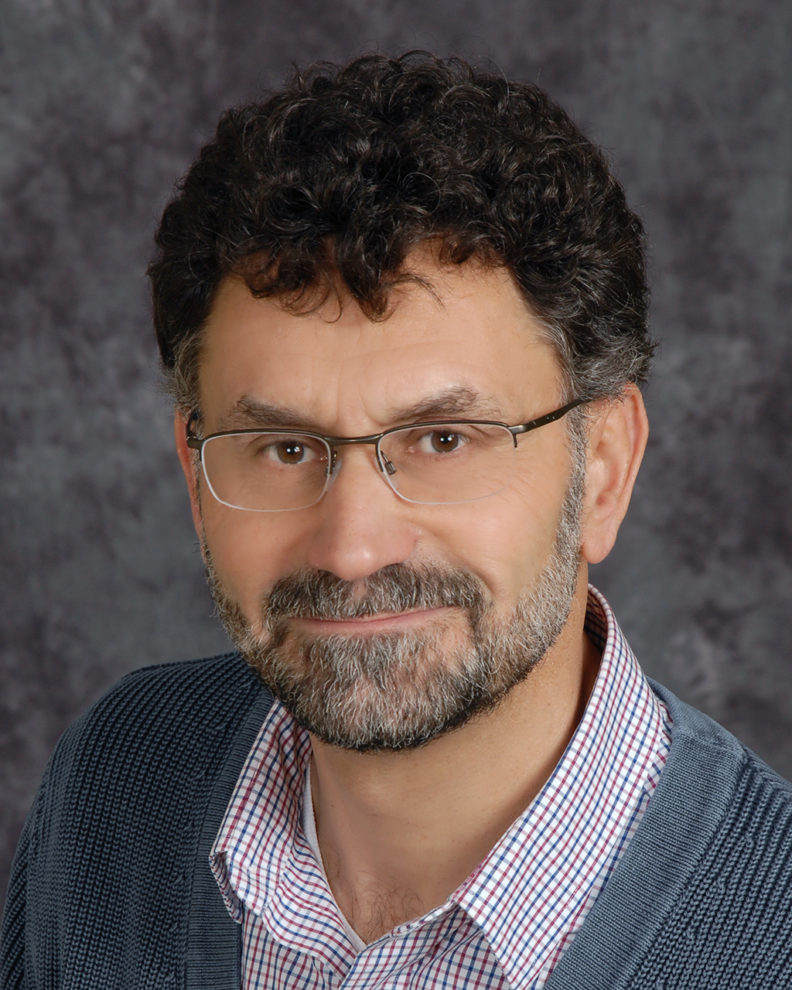
Gerco Angenent is a Full Professor in the Laboratory of Molecular Biology at Wageningen University & Research, part of the EPS Researcher group. His primary research focuses on plant development systems, transcription factors, and gene regulatory networks in plants like Arabidopsis, tomato, and tulip. He leads projects on epigenetic reprogramming, fruit ripening, and seed dormancy mechanisms. Key research interests include the functional roles of PEBP proteins, CRISPR/Cas9 mutagenesis in plants, and the molecular basis of floral organ development. Recent work explores how transcription factors like FRUITFULL and TCP5 regulate flowering time, inflorescence architecture, and embryo development. Angenent supervises multiple PhD candidates investigating topics such as wood lignin formation and BABY BOOM’s role in embryogenesis. His collaborative projects span international teams, with studies on temperature-dependent flowering pathways, genome editing tools for crop improvement, and the evolutionary origins of plant genes. Angenent has contributed to over 200 peer-reviewed publications and actively participates in academic outreach activities like media contributions and lectures.
Prof. LFM (Leo) Marcelis is a Professor and Chairholder at the Department of Horticulture and Product Physiology, Wageningen University & Research. His research focuses on plant physiology in controlled environments, energy-efficient horticultural systems, and vertical farming technologies. He leads major projects such as SKY HIGH and 'LED it be 50%', aiming to revolutionize plant production through smart lighting and sustainable practices. Key research interests include optimizing crop growth under LED lighting, closed-system agriculture, and enhancing resource use efficiency. Marcelis coordinates courses on plant physiology, greenhouse horticulture, and vertical farming. He actively collaborates with industry partners, governments, and international institutions to bridge academic research with practical applications in global horticulture. He serves as Vice Chair of the Leibniz Institute’s Science Advisory Board and as Chief Editor of the Crop and Product Physiology section in Frontiers in Plant Science . His work emphasizes interdisciplinary approaches, integrating physiology, engineering, and data science to address food security and sustainable agriculture challenges. Marcelis advises numerous PhD students on projects related to plant-light interactions, crop modeling, and vertical farming scalability. His research has contributed to advancing energy-saving technologies and improving crop quality in both greenhouse and urban agricultural settings.
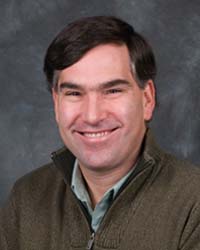
Luisa Mannina is a Full Professor of Food Chemistry at Sapienza University of Rome, Department of Chemistry and Technology of Drugs, Faculty of Pharmacy and Medicine. She leads the Food Chemistry Laboratory (FOODCHEMLAB) and serves as Director of the Metabolomics Unit focusing on Foods, Nutraceuticals and Biological Fluids Research. Her academic career spans over 25 years with progressive appointments from Assistant Professor to her current Full Professor position since January 2019. Full Professor of Food Chemistry (2019-present) Associate Professor of Food Chemistry (2009-2019) Director of multiple Master's programs in Nutraceuticals and Cosmeceutics Coordinator of PhD program in Molecular design and characterization for health promotion Member of numerous institutional committees at Sapienza University Professor Mannina's research centers on Nuclear Magnetic Resonance (NMR) methodologies for food analysis and metabolomics. She has developed innovative analytical protocols for determining metabolic profiles of food matrices and biological fluids, enabling authentication of geographical origin, variety, and cultivation methods for diverse food products. Her work spans olive oils, fruits, industrial hemp, and various agricultural products, with particular emphasis on NMR-based metabolomics for food authentication and quality assessment. She has established herself as a leading expert in industrial hemp analysis, publishing extensively on cannabis inflorescences, seed oils, and related products. Analysis of her recent publications reveals a strong focus on sustainable food systems, with particular attention to agri-food waste valorization, novel food development from unconventional sources like medicinal mushrooms, and advanced analytical techniques for food authentication. Her work increasingly integrates NMR with other analytical methods to address complex food science challenges, including food fraud detection, nutritional enhancement through processing techniques, and chemopreventive properties of plant-based products. The research demonstrates consistent evolution from fundamental food characterization toward applied solutions addressing contemporary food system challenges. Her scientific recognition includes: GIDRM/GIRM 2018 Gold Medal ANVUR Research Funding (2017) Associate Editor of Journal of Integrated Omics Member of Scientific Committee of La Rivista Italiana delle Sostanze Grasse Professor Mannina has successfully supervised numerous PhD students and directed multiple Master's programs. Her research is supported by substantial funding from regional, national, and European sources, including projects on industrial hemp valorization (€150,000), innovative bio-packaging (€50,000), and metabolomic studies of Mediterranean diet adherence (€14,500). She maintains active collaborations with European research institutions and industry partners through various research contracts. Her Food Chemistry Laboratory (FOODCHEMLAB) is equipped with state-of-the-art analytical instrumentation including NMR, HPLC-PDA, GC-MS, and other advanced equipment for comprehensive food analysis. The laboratory serves as a hub for metabolomic research, food authentication studies, and valorization of agricultural by-products, contributing significantly to Sapienza University's research profile in food science and technology.
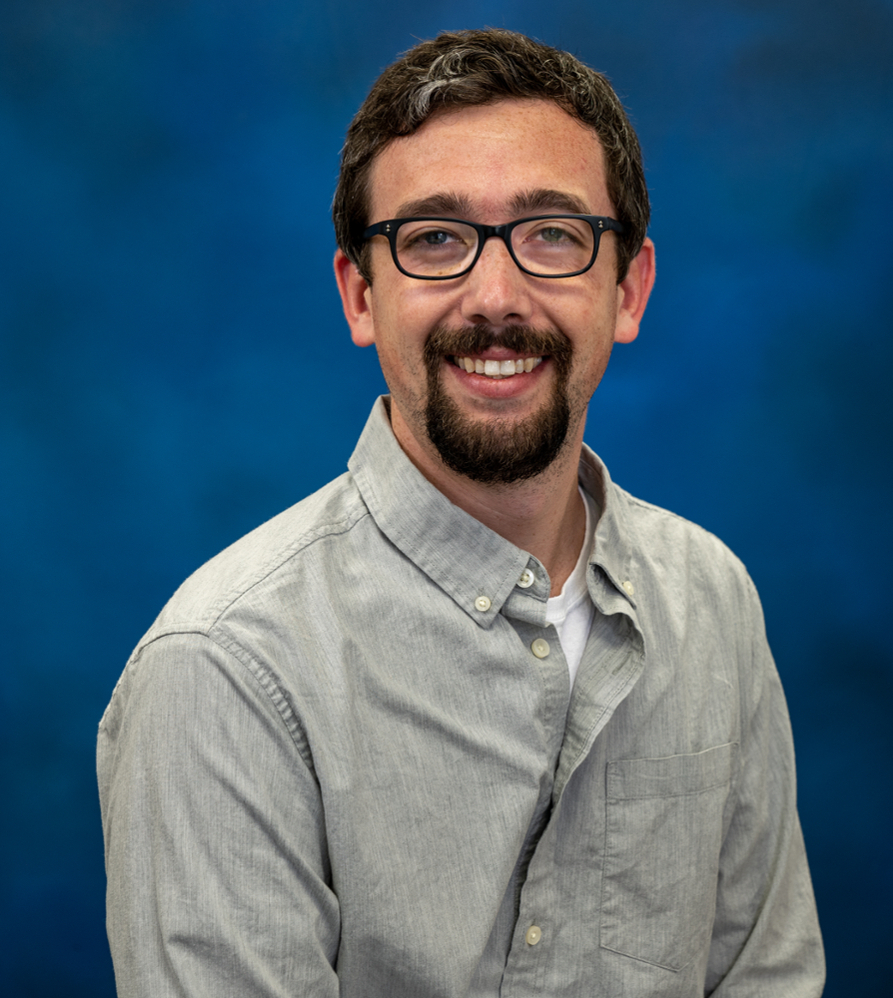
Anna Maria Palermo is an Associate Professor in the Department of Biology, Ecology and Earth Sciences at the University of Calabria, where she specializes in General Botany (BIO/01). She has held this position since October 2022, following a long academic trajectory that includes serving as a confirmed researcher since 2004 and prior technical service from 1990 to 2004. She is actively involved in teaching, research, and academic governance, with no indication of retirement or departure. Education: Laurea in Scienze Biologiche, University of Naples (1986) Professional qualification as Biologist, University of Naples (1987) Her research interests lie at the intersection of molecular botany and cultural heritage conservation. She focuses on molecular biosystematics of Mediterranean flora, particularly rare and endemic species in Calabria, using techniques such as ISSR, RAPD, AFLP, microsatellites, DNA barcoding, and isoenzyme analysis. A second major research line involves the study of biodeteriogens —fungi, cyanobacteria, algae, and lichens—on both organic (paper, wood, parchment) and inorganic (stone, plastic) cultural artifacts. Her work includes developing green conservation methods, notably using titanium dioxide nanoparticles for biocidal and preventive treatments. Her recent publications highlight a strong engagement in orchid pollination biology , heritage biodeterioration , and molecular taxonomy . These works reflect interdisciplinary trends combining ecology, botany, and conservation science, often with applications to historical monuments in Southern Italy. Scientific Service and Recognition: Reviewer for international journals: Environmental Engineering and Management, Journal Plant Biology, Aerobiologia, Studies in Conservation, Journal of Fungi, Horticulture, International Biodeterioration & Biodegradation, Botanical Studies Member of the Scientific Secretariat of the PhD Program in Life Science and Technology (2021) Member of the Italian Botanical Society since 2007 Active participant in research groups on plant biology and conservation Anna Maria Palermo has supervised numerous Master's and PhD theses in Biological Sciences, Natural Sciences, and Cultural Heritage Conservation. She has participated in research projects, organized workshops, and collaborated with various institutions. She is a key member of the Plant Biology Research Group at the University of Calabria, specifically contributing to the section on Biosystematics, Conservation, and Botany in Cultural Heritage led by Prof. Giuseppe Pellegrino.
Cédric Jacquard serves as an Associate Professor at the University of Reims Champagne-Ardenne within the Faculty of Exact and Natural Sciences, affiliated with the Research Unit on Grapevine and Wines in Champagne (URVVC EA 4707) and SFR Condorcet FR CNRS 3417. His research focuses on climate change impacts on plant development and innovative biological control strategies for sustainable agriculture. Dr. Jacquard's primary research investigates climate change effects on flower development through physiological, molecular, and agronomic approaches, specifically examining abiotic stress (heat/cold) impacts on defense mechanisms and carbohydrate metabolism in grapevine. His secondary focus develops biological control strategies using beneficial bacteria (Burkholderia phytofirmans, Bacillus subtilis) and their secreted molecules (lipopeptides) to enhance plant protection in biotic/abiotic stress contexts across barley, grape, and wheat systems. Technical expertise includes in vitro culture, cytology, metabolite/enzyme analysis, PCR/qRT-PCR gene expression, and optical/electronic microscopy. His 2015 publications reveal strong thematic convergence across plant stress physiology and microbial interactions, with consistent emphasis on grapevine responses to environmental challenges, carbohydrate metabolic regulation during flowering, and bacterial elicitor mechanisms in defense activation. Key patterns include cultivar-specific stress adaptations, lipopeptide-induced defense pathways, and cross-talk between abiotic stresses and reproductive development. Dr. Jacquard heads the professional license program in "Agricultural Resources and Environment" (Crops and Environment option), teaching plant biology, biotechnology, and physiology from bachelor to master levels across five specialized modules. He has supervised 18 training students (bachelor to master), co-supervised one defended PhD thesis and one ongoing PhD, and co-supervised two engineering positions. Research funding includes: GLUCIFLOR 2 (2014-2017): Principal investigator studying grapevine flowering and climate change (funded by Reims Métropole/CIVB) PHYTOBIO (2010-2014): Partner in Interreg IV European program developing biocontrol pesticides (funded by FEDER/Champagne-Ardenne) GLUCIFLOR (2010-2013): Partner investigating cold effects on grapevine metabolism (funded by Champagne-Ardenne) He actively collaborates within the URVVC research unit and regional viticulture networks, focusing on translating stress physiology insights into practical agricultural solutions for Champagne vineyards facing climate challenges.
Rachel Schendel is an Assistant Professor in the Department of Animal and Food Sciences at the University of Kentucky's Martin-Gatton College of Agriculture, Food and Environment. Her research program focuses on the structural analysis of plant cell wall carbohydrates and their relationship to fermentation behavior, with applications in food ingredient development and agricultural waste utilization. Dr. Schendel's research interests include: Structural analysis of plant cell wall carbohydrates Relationship between carbohydrate structure and fermentation/digestion behavior Development of novel sources of prebiotics as food ingredients Utilization of agricultural and food processing waste products Her recent publications demonstrate a growing focus on hempseed polysaccharides, bourbon production byproducts, and mare milk composition, reflecting an expanding research portfolio that bridges traditional food chemistry with emerging agricultural applications. Her work combines advanced analytical techniques including NMR, LC-MS, and HPAEC-PAD for comprehensive structural characterization. Dr. Schendel has received recognition through two American Association of Cereal Chemists International fellowships: Endowment Fund Fellowship recipient (2013-2014) Elvira A. Tarleton Fellowship recipient (2012-2013) She serves on the Bioactives Committee of the American Association of Cereal Chemists International and is a member of the Institute of Food Technologists. Her mentoring experience includes advising eight diploma students and five bachelor thesis students during her time at Karlsruhe Institute of Technology, in addition to teaching laboratory classes in GC-MS analysis.
Markus Keller is a **Château Ste. Michelle Distinguished Professor** in the **Department of Horticulture and Landscape Architecture** at **Washington State University (WSU)**, affiliated with the **Prosser Irrigated Agriculture Research and Extension Center (IAREC)**. His research focuses on grapevine physiology, viticulture production systems, and environmental stress management. He holds a **Ph.D. (1995)** and **M.S. (1989)** in Agricultural Engineering from the **Federal Institute of Technology (ETH Zurich), Switzerland**. **Research Interests**: Dr. Keller’s work addresses crop physiology, irrigation strategies, cold hardiness, berry shrivel, and mechanized viticulture. His projects include developing deficit irrigation frameworks, understanding water movement in berries, and predicting frost damage risks using machine learning. He collaborates with industry partners like the USDA and Washington wine producers. **Key Contributions**: His studies on grapevine water relations, berry development disorders, and cold tolerance have advanced sustainable viticulture practices. He leads teams investigating precision agriculture tools for vineyards, including hyperspectral imaging and decision-support systems. **Grants & Funding**: Supported by grants from USDA, Washington wine tax, and juice processors. His work integrates applied research with grower education on frost protection and yield optimization. **Lab & Collaborations**: Directs research at WSU’s Viticulture and Enology program, collaborating with international teams on climate resilience and grapevine health. Mentors Ph.D. and M.S. students in experimental design and field studies.
Abdelhafid Bendahmane serves as Research Director and Deputy Director of the Institute of Plant Sciences-Paris Saclay (IPS2) at the National Research Institute for Agriculture, Food and Environment (INRAE). His distinguished career spans over two decades at INRAE, where he has established international expertise in plant genomics and breeding, particularly focusing on cucurbits like melons and cucumbers. Bendahmane earned his PhD in Plant Biology from the University of East Anglia, Norwich (UK) in 1996, following a DEA in Plant Pathology from University Paris XI. His early research included work at The Sainsbury Laboratory in Norwich before joining INRAE in 1999 as a Researcher, where he was promoted to Research Director in 2005. His research centers on the molecular mechanisms of plant sex determination and floral development, with groundbreaking work on identifying sex determination genes in cucurbits. Bendahmane's research bridges fundamental science and practical applications, aiming to improve crop yields through better understanding of plant-pollinator interactions and plant genetics. His current ERC-funded projects include NectarGland (improving flower attractiveness for pollinators) and HybridSeed (using sex determination genes for hybrid seed production). Analysis of Bendahmane's publication record reveals a consistent trajectory from fundamental discoveries about sex determination mechanisms to applied research addressing agricultural challenges. His work demonstrates sophisticated integration of genomic and post-genomic approaches to identify agronomically important genes, with significant emphasis on translating basic research into practical solutions for sustainable agriculture. ERC Advanced Grant (2013) - €2.5 million for SexyPart project ERC Advanced Grant (2023) - €2.5 million ERC Proof of Concept Grant (2023) - €150,000 Gold Medal, French Academy of Agriculture (2022) INRAE Scientific Challenge Laurel (2018) Georges Morel Prize, Academy of Sciences (2014) As Deputy Director of IPS2, Bendahmane oversees a major plant science research institute while leading a productive research program. His work has resulted in approximately 20 cloned agronomically important genes, eight patents, and numerous international collaborations. He is particularly focused on addressing food security challenges through understanding plant-pollinator relationships, recognizing that 35% of human food depends on insect pollination and 90% of flowering plants require insects for reproduction.
Agostino Tomasello is an Associate Professor in the Department of Earth and Marine Sciences at the University of Palermo. His academic position (BIOS-01/C classification) reflects his specialization in marine biological systems, with particular focus on Mediterranean seagrass ecosystems. He maintains regular office hours both at the main campus (Viale delle Scienze building 16) and at the Trapani teaching center for Biotechnology students. Dr. Tomasello's research interests center on marine ecology, particularly the biology and conservation of Posidonia oceanica seagrass meadows. His work spans environmental monitoring, coastal management, and the impacts of human activities on marine ecosystems. He has extensively studied seagrass transplantation, habitat mapping using acoustic technologies, and the effects of environmental stressors including climate change and ocean acidification. His publication record demonstrates expertise in both field research and advanced statistical modeling of marine ecological data. The 15 most recent articles show consistent focus on Posidonia oceanica ecosystems, with methodologies ranging from morphological analysis to geospatial modeling. His research has important implications for marine conservation and management of Mediterranean coastal environments. Dr. Tomasello actively supervises graduate students, with recent theses focused on marine biology topics including seagrass mapping, environmental monitoring, and restoration ecology. His work with students demonstrates practical application of research to real-world conservation challenges.
Joseph Kieber is a Kenan Distinguished Professor in the Department of Biology at the University of North Carolina at Chapel Hill. His research focuses on plant hormones, particularly cytokinin and ethylene, investigating their roles in signaling, biosynthesis, and developmental regulation. He leads the Kieber Lab, which combines genetic, molecular, and biochemical approaches to study plant growth and development. Key research areas include cytokinin signal transduction (modeled after bacterial two-component systems), regulation of ethylene biosynthesis (via ACS protein stability), and cell expansion mechanisms in roots. The lab uses Arabidopsis as a primary model, with extensions to rice. Recent work explores interactions between hormones, cell wall dynamics, and environmental stress responses. Publications highlight discoveries in cytokinin-response genes, rice developmental pathways, and mechanisms linking ethylene to cell expansion. The lab is funded by the National Science Foundation and USDA, with ongoing projects addressing hormone crosstalk and stress resilience in plants.
Daniel S. Jones is an Assistant Professor in the Department of Biological Sciences at Auburn University, where he leads the CapituLab focusing on plant developmental and stem cell biology. His research investigates the evolution of floral structures in the Asteraceae family, particularly the capitulum, through genetic and molecular mechanisms. Education: Ph.D. in Plant Biology, University of Oklahoma (2017) M.S. in Plant Biology, University of Oklahoma (2014) B.S. in Botany, University of Oklahoma (2011) Dr. Jones's research lies at the intersection of plant development, reproductive biology, and evolutionary genetics. His lab studies how stem cell maintenance in meristems influences the formation of complex inflorescences, particularly in sunflower relatives. Using molecular, genetic, and cell biological approaches, the CapituLab explores how key signaling pathways like CLAVATA regulate reproductive development across environmental conditions. His recent publications highlight a strong focus on pollen tube reception, synergid cell biology, and the evolution of genetic circuits controlling stem cell proliferation. The work spans model systems like Arabidopsis and rice, with implications for crop improvement and understanding plant form evolution. Scientific Awards and Recognition: Co-First Author on a cover-featured article in The Plant Journal (2013) Dr. Jones actively mentors students in his lab, including Ph.D. candidates, master's students, and undergraduates. The CapituLab has hosted REU students, presented at major conferences like Botany and PAG, and participated in national meetings such as the Society for Developmental Biology. The lab has secured research opportunities and collaborative engagements, indicating active grant-supported work. The team conducts greenhouse and molecular experiments, focusing on both fundamental mechanisms and evolutionary innovations in plant development. The CapituLab includes researchers such as Brannan Cliver, Sarita, Reid, Erika, and several undergraduate researchers. The group maintains an active presence in the scientific community, attending retreats, presenting findings, and engaging in professional development. Lab updates continue into 2025, reflecting ongoing research and student progress.
Marian Bemer is an Assistant Professor in Biosystematics at Wageningen University & Research. Their research focuses on plant development, transcriptional regulation, and the genetic mechanisms controlling floral architecture and fruit maturation in species such as tomato, Arabidopsis, and chrysanthemum. Bemer’s work integrates molecular genetics, genomics, and bioinformatics to study MADS-box proteins, hormone signaling pathways, and gene regulatory networks. Key projects include investigating inflorescence termination in tomato, the role of brassinosteroids in chrysanthemum capitulum patterning, and the functions of FRUITFULL-like genes. Bemer co-supervises PhD candidates in projects such as 'Apomixis Unravelled' and 'Unravelling Fruit Evolution in Solanaceae'. Their research has produced datasets on transcription factor targets and mutant phenotypes, available via NCBI GEO and ENA repositories. Notable contributions include defining FRUITFULL’s dual specificity in Arabidopsis, optimizing tomato shoot architecture through genetic mutations, and uncovering mechanisms underlying flowering time regulation. Bemer’s interdisciplinary approach bridges fundamental plant biology with applied genomics, contributing to both academic and agricultural advancements.
Matt Ritter is a Professor in the Biological Sciences Department at California Polytechnic State University (Cal Poly), where he directs the Cal Poly Plant Conservatory. His work focuses on cultivated trees, particularly the genus Eucalyptus, and he actively contributes to ecological education and conservation efforts. Education : Ph.D. in Plant Biology from UC San Diego, B.S. in Microbiology from UC Santa Barbara Ritter's research spans plant taxonomy, urban forest ecology, and branching/inflorescence development. His publications—including A Californian's Guide to the Trees Among Us and California Plants —bridge academic rigor with accessible ecological storytelling. His work has been recognized through awards such as the Cal Poly Distinguished Teaching Award, International Society of Arboriculture's Excellence in Education, and the National Outdoor Book Award. Ritter also coordinates the National Big Tree Registry and maintains the California Register of Big Trees. Scientific Awards : Cal Poly Excellence in Teaching Award International Society of Arboriculture Award for Excellence in Education National Outdoor Book Award (for 'Something Wonderful') Indie Book Award (for 'Rainwalkers') Ritter integrates hands-on learning through the Cal Poly Plant Conservatory, which houses a documented living plant collection for teaching and research. His interdisciplinary approach extends to woodworking and construction, informed by his appreciation for plant materials since childhood.
Prof. Dr. Rüdiger Simon serves as Research Professor at the Institute of Developmental Genetics, Heinrich Heine University Düsseldorf, where he leads investigations into intercellular signaling pathways governing plant shoot and root meristem development. His work centers on how meristems—harboring stem cells that determine growth capacity, organ generation, and root architecture—utilize regulatory networks for plant architecture control and plasmodesmata-mediated cytoplasmic communication. Simon's research spans four integrated scientific concepts: RA1 optimizing plant performance through development-metabolism interfaces; RA2 plant-microbiota metabolic networks in soil adaptation; RA3 synthetic and reconstruction biology approaches; and RA4 theoretical plant biology with data science integration. His group employs specialized facilities including the Plant Metabolism and Metabolomics Facility and Imaging Platform, contributing to CEPLAS Data resources and public toolsets for the plant science community. Analysis of his 30-year publication record reveals persistent focus on Arabidopsis thaliana stem cell regulation, with recent expansion into proteomics (2023 plasmodesmata proteome study) and data science. Key recurring themes include CLE peptide signaling pathways, receptor kinase complexes, and calcium-mediated cell fate determination—demonstrating evolution from foundational work on CLV3 feedback loops (Science 2000) to current systems-level investigations of meristem communication networks. As part of CEPLAS (Cluster of Excellence on Plant Sciences), Simon maintains active research programs supported by ongoing funding cycles beyond the archived 2013-2018 period, evidenced by 2023 publications and operational facilities. His work bridges molecular genetics, cell biology, and computational approaches to address fundamental questions in plant development.
Margaret Hannah Frank is an Associate Professor with tenure in the Plant Biology Section of Cornell University's School of Integrative Plant Science. Her research investigates plant grafting biology through genetics, genomics, and phenomics to understand graft junction formation and long-distance signaling between grafted organ systems. She aims to develop predictive models for sustainable crop protection solutions against biotic and abiotic stresses. Education: Doctorate, Cornell University (2014) Bachelor of Arts, Barnard College (2007) Research Focus: Dr. Frank's lab pioneers work on graft compatibility mechanisms and plant communication systems , employing cutting-edge genomic sequencing and phenomic imaging to dissect mobile RNA transport and immune responses. Current projects address sustainable agriculture through engineered rootstock solutions and transdisciplinary collaborations with institutions like EMSL and JGI. Publication Trends: Recent work (2023-2025) reveals three dominant themes: 1) Immune-mediated graft incompatibility in Solanaceae, 2) Hydromechanical frameworks for signal transmission, and 3) Critical re-evaluation of mobile mRNA datasets. Her group consistently bridges fundamental plant biology with agricultural applications. Scientific Recognition: NSF CAREER award (2020; $1.3M) for "Harnessing the Plant Mobileome" FICUS award (2024) for identifying long-distance biomass signals Mentorship & Funding: Dr. Frank actively supervises 11+ graduate students including NSF GRFP awardee Samantha Yanders and CALS 3MT winner Michelle Heeney. Her lab secures substantial funding through CROPPS center collaborations and industry partnerships, recently supporting projects like the Tucson CROPPS conference and REU student programs. Research Environment: Based in Cornell's Plant Science Building, the Frank Lab operates within the NSF-funded CROPPS center that solved the "century-old mystery of plant communication" (April 2025). The team combines wet-lab experimentation with computational modeling in a collaborative space hosting weekly journal clubs and interdisciplinary workshops.