معرفی
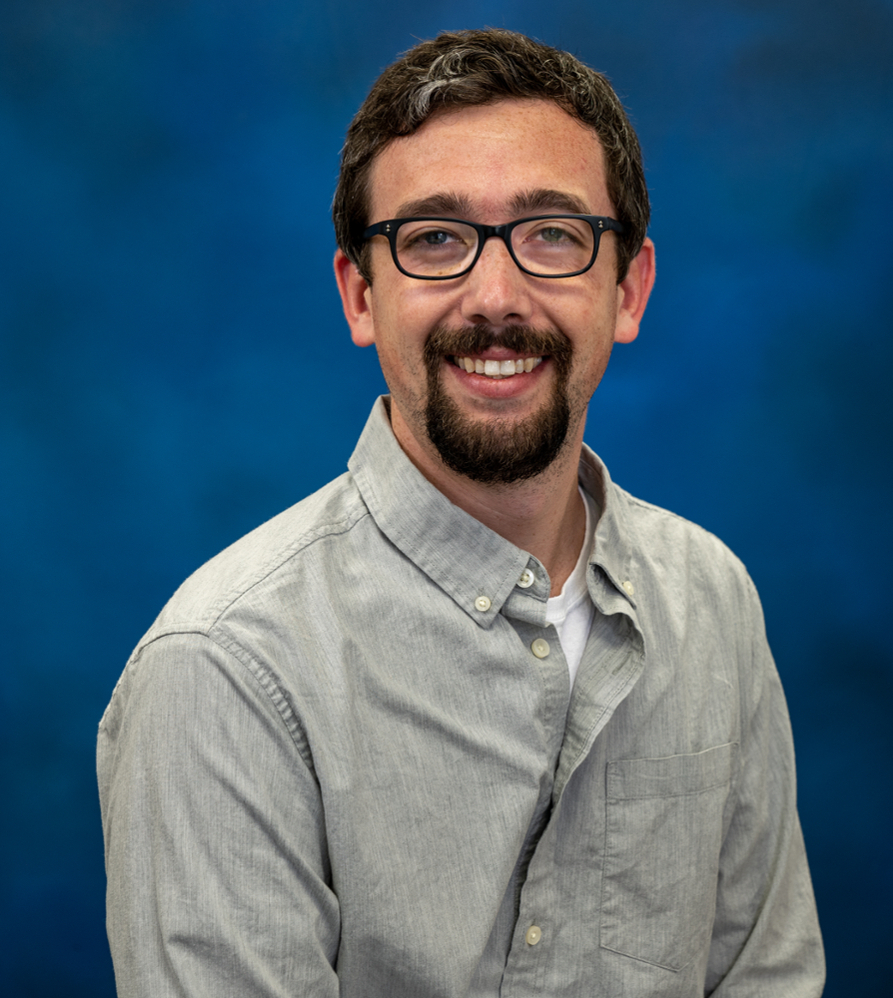
Daniel S. Jones is an Assistant Professor in the Department of Biological Sciences at Auburn University, where he leads the CapituLab focusing on plant developmental and stem cell biology. His research investigates the evolution of floral structures in the Asteraceae family, particularly the capitulum, through genetic and molecular mechanisms.
Education:
- Ph.D. in Plant Biology, University of Oklahoma (2017)
- M.S. in Plant Biology, University of Oklahoma (2014)
- B.S. in Botany, University of Oklahoma (2011)
Dr. Jones's research lies at the intersection of plant development, reproductive biology, and evolutionary genetics. His lab studies how stem cell maintenance in meristems influences the formation of complex inflorescences, particularly in sunflower relatives. Using molecular, genetic, and cell biological approaches, the CapituLab explores how key signaling pathways like CLAVATA regulate reproductive development across environmental conditions.
His recent publications highlight a strong focus on pollen tube reception, synergid cell biology, and the evolution of genetic circuits controlling stem cell proliferation. The work spans model systems like Arabidopsis and rice, with implications for crop improvement and understanding plant form evolution.
Scientific Awards and Recognition:
- Co-First Author on a cover-featured article in The Plant Journal (2013)
Dr. Jones actively mentors students in his lab, including Ph.D. candidates, master's students, and undergraduates. The CapituLab has hosted REU students, presented at major conferences like Botany and PAG, and participated in national meetings such as the Society for Developmental Biology. The lab has secured research opportunities and collaborative engagements, indicating active grant-supported work. The team conducts greenhouse and molecular experiments, focusing on both fundamental mechanisms and evolutionary innovations in plant development.
The CapituLab includes researchers such as Brannan Cliver, Sarita, Reid, Erika, and several undergraduate researchers. The group maintains an active presence in the scientific community, attending retreats, presenting findings, and engaging in professional development. Lab updates continue into 2025, reflecting ongoing research and student progress.