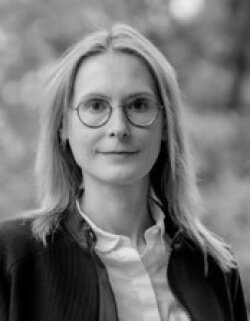
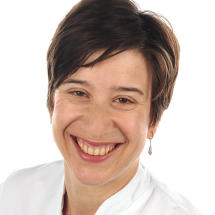
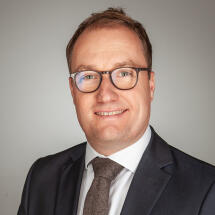
Dr. Franziska Labrenz is a researcher at the Department of Medical Psychology and Medical Sociology within the Faculty of Medicine at Ruhr University Bochum. Her work focuses on the complex mechanisms of visceral pain and its modulation by psychological and social factors. Department: Medical Psychology and Medical Sociology Academic Rank: Researcher Key Collaborators: Prof. Elsenbruch, Dr. Icenhour, Prof. Benson Research Interests : Dr. Labrenz investigates interoceptive sensations, particularly chronic visceral pain, through behavioral experiments and neuroimaging studies. Her research explores how stress, anxiety, attention, and learning/memory processes influence pain perception, with a focus on gut-brain interactions and neurovascular responses during inflammation. Publication Trends : Her recent work (2023-2015) spans visceral pain neuroimaging, inflammation-related anxiety, fear conditioning models, and sex-based differences in pain processing. Key methodologies include fMRI, functional connectivity analysis, and experimental endotoxemia. Core Themes : Visceral Pain Mechanisms Neuroimaging & Functional Connectivity Stress-Anxiety-Pain Interactions Gut-Brain Axis Sex Differences Conditioning & Extinction Processes
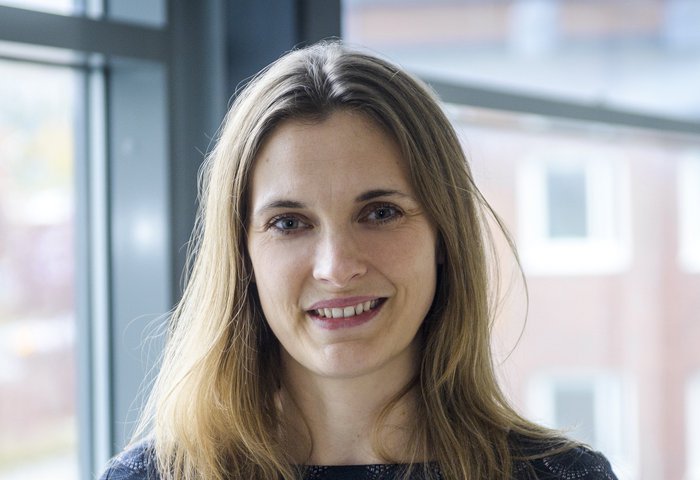
Prof. Dr. Anja Meissner is a leading physiologist at the University of Augsburg's Medical School, specializing in vascular biology with affiliations to Lund University and DZNE Bonn. Her research focuses on Sphingosine-1-phosphate (S1P) signaling in cardiovascular diseases, hypertension, and neurovascular interactions. University of Augsburg, Medical School Lund University collaborations DZNE Bonn partnerships Research Highlights: Investigates immune system roles in hypertension, heart failure's target organ effects, S1P pathway in stroke, cardiovascular risk factors' impact on brain function, and environmental influences on vascular health. Key methods include non-invasive imaging , flow cytometry , and in vitro/ex vivo models . Publication Trends: Recent work emphasizes microfluidic neurovascular models , glymphatic system dysfunction , and sex-specific cardiovascular responses . Collaborations span neurology, cardiology, and environmental science institutions. Awards & Grants: DFG Project Funding (2025-2028) Hjärnfonden Grant (2024-2025) Albert Påhlsson Foundation (2022-2025) Swedish Research Council (2023-2026) Educational Impact: Mentored 15+ PhD students including Lotte Vanherle and Frank Matthes. Leads international research teams with scholars from Sweden, Belgium, Italy, and Canada. Current grants focus on CFTR therapeutics and sex-specific hypertension consequences .
Dr. Róisín McManus serves as a Group Leader within the Career Development Fellow Programme at the German Center for Neurodegenerative Diseases (DZNE) and is associated with the Institute of Innate Immunity at the University of Bonn's Medical Faculty. Her research focuses on understanding how microglial metabolic changes and immune signaling converge to alter disease progression in neurodegenerative conditions. Dr. McManus's research program investigates the role of microglia as the brain's resident immune cells, particularly examining their innate immune responses in neurodegenerative disease development. Her laboratory explores microglial immunometabolism in cellular function regulation and how environmental factors like Western diet drive neuroinflammation. Using transgenic animal models, primary cultures, human iPSCs, and clinical samples, her multi-omic approach addresses critical gaps in understanding how impaired microglial signaling in aging leads to chronic inflammation that accelerates neurodegenerative diseases. Based on her published work, Dr. McManus's research demonstrates a strong emphasis on NLRP3 inflammasome pathways in Alzheimer's disease pathology. Her 2024 publication with Latz provides a schematic representation of this activation process, indicating her contributions to mapping key immune mechanisms in neurodegeneration. This work is particularly significant given the current lack of preventive treatments for neurodegenerative conditions. Dr. McManus leads an active research laboratory investigating how microglial dysfunction affects neighboring neurons and astrocytes in the central nervous system. Her team's experimental approach aims to identify novel immune-targeted therapies that could provide better, patient-specific treatment options for individuals with inflammatory or neurodegenerative conditions.
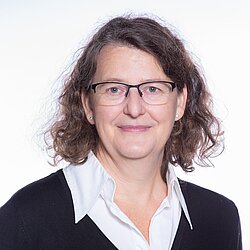
Lothar Jänsch is a Professor and Research Group Leader at the Helmholtz Centre for Infection Research (HZI) , jointly appointed with the Technical University of Braunschweig . His work bridges proteomics and infection biology , focusing on pathogen-host interactomes and immune response regulation. Studied biology at the Free University of Berlin (diploma 1995), earned his doctorate in 1998 (IGF Berlin/University of Hanover) Postdoc at GBF (now HZI) since 2000, led projects on virulence factors (2003-2006), and established the Cellular Proteomics group in 2009 Appointed to the W2 professorship for Proteomics in Infectious Processes in 2011 Research emphasizes translational projects with academic, medical, and industrial partners, particularly on: Pathogen-host interactomes (e.g., Pseudomonas aeruginosa , Clostridioides difficile , Listeria monocytogenes ) Immune response control mechanisms in infection models (MAIT cells, NK cells, Tregs) Proteomic characterization of extracellular vesicles, biofilms, and subcellular structures Drug discovery targeting bacterial virulence factors (e.g., quinoxalinediones for α-hemolysin) Recent publications highlight interdisciplinary approaches combining mass spectrometry , kinome analysis , and phosphoproteomics to study: Bacterial virulence regulation (PqsE chaperone activity, NirS-DnaK-FliC complex) Lipid signaling (nSMase2, sphingomyelinase) Drug mechanisms (aminoratjadone, salinilactones) Stress response pathways (PerR mutation in C. difficile)
Prof. Dr. Sebastian Gehlert is a University Professor (W2) for the Biosciences of Sports at the Institute of Sports Science, Department of Educational & Social Sciences, University of Hildesheim. He has held this position since 2018, following an acting professorship from 2016-2018. His academic career includes significant research contributions in muscle physiology and sports science, with positions at the German School of Motor Science (DSHS) Cologne prior to joining the University of Hildesheim. His educational background features: 1998-2005: Studies in Sports Science / Training and Performance 2007-2013: Doctorate on "Acute and chronic adaptation of human skeletal muscle to strength and endurance stress" 2013-2018: Habilitation Prof. Gehlert's research focuses on understanding muscular adaptation mechanisms in strength and endurance training, with particular emphasis on molecular signaling pathways in skeletal muscle. His work examines protein degradation mechanisms, mechanoprotective processes, and the optimization of training and nutrition for competitive sports. He bridges traditional sports science with molecular and cellular biology to develop a comprehensive understanding of biological training adaptation, generating expanded knowledge of how muscles respond to defined contraction and stress patterns. His publication record demonstrates consistent expertise in muscle physiology, with research spanning from basic molecular mechanisms to applied sports performance contexts. The work shows particular focus on protein phosphorylation, signaling pathways (especially mTOR-related), and cellular responses to different training modalities, with applications ranging from general athletic performance to specialized contexts like hypoxia training and disease states. Prof. Gehlert serves in multiple administrative roles: Board member of the Institute of Sports Science Representative of Professors Group for Selection Committee MA SGLL Deputy Group of Professors for Department Council Department 1 Chair of Ethics Committee Department 1 His teaching portfolio includes qualitative and quantitative research methods, structural-functional adaptation, and scientific colloquia at the University of Hildesheim, while previously teaching at DSHS Cologne on training under special environmental conditions and performance diagnostics. He also teaches practical courses in athletics and strength training theory and practice.
Dr. Matti van Welzen is a Research Fellow at the Department of Systems Biology and Bioinformatics at the University of Rostock. His research focuses on computational modeling of biological systems with emphasis on inflammation pathways and disease networks. Current projects include SYLOBIO, MASLD Map, and the Atlas of Inflammation Resolution. He develops network-based approaches for analyzing complex biological processes and disease mechanisms, particularly at the intersection of inflammation, metabolism and aging. Recent publications demonstrate advanced computational techniques for mapping disease phenotypes. Dr. van Welzen collaborates with Biologische Heilmittel Heel GmbH on inflammation research and has presented work at international systems biology conferences.
John Higgins, MD is a Professor of Systems Biology at Harvard Medical School and a Pathologist at Massachusetts General Hospital. His work bridges clinical medicine, mathematical modeling, and systems biology to understand the dynamics of human pathophysiologic processes. Dr. Higgins leads the Higgins Lab at the Center for Systems Biology within Massachusetts General Hospital, where his team develops mathematical descriptions of complex human disease phenotypes and how they change over time. Dr. Higgins received his MD from Harvard Medical School, followed by residency training at Brigham and Women's Hospital, and fellowship training also at Brigham and Women's Hospital. His clinical expertise spans hemoglobinopathies, laboratory hematology, laboratory immunology, and thrombosis and hemostasis. Dr. Higgins' research focuses on developing mathematical models to describe the dynamics of human pathophysiologic processes across multiple time scales - from seconds to decades. His work combines medical insight, dynamical systems theory, and experimental techniques including microfluidics, video processing, flow cytometry, and large-scale analysis of medical databases. A significant portion of his research investigates blood cell dynamics in conditions like sickle cell disease, anemia, and inflammation. He has pioneered approaches to model red blood cell population dynamics, white blood cell responses, and the relationship between hemoglobin A1c and glucose levels in diabetes. Analysis of Dr. Higgins' recent publications reveals a strong focus on mathematical modeling of blood cell dynamics, particularly in sickle cell disease and other hematologic conditions. His work increasingly incorporates artificial intelligence and machine learning approaches to analyze single-cell clinical data. There's a consistent theme of translating mathematical insights into clinical applications for improved diagnosis, monitoring, and treatment of patients. His research spans basic science investigations of cell mechanics to population-level studies of hematologic parameters and their clinical implications. While specific awards aren't detailed in the available information, Dr. Higgins' research program appears to be well-funded, with the Pathology department at Mass General receiving over $19 million in annual research support. His work has been published in high-impact journals including Nature, PNAS, Science Translational Medicine, and JAMA Network Open. Dr. Higgins actively mentors students and researchers, with several graduate students, postdoctoral fellows, and clinical fellows listed in his lab. His Higgins Lab includes a diverse team of researchers working on various aspects of blood cell dynamics, mathematical modeling, and clinical applications. Current research projects focus on physiologic and pathologic population dynamics of human blood cells, rheodynamics of vaso-occlusion in sickle cell disease, patient immunologic response to blood transfusion, and other pathophysiologic processes amenable to mathematical modeling.
Eva Riethmacher is an Assistant Professor at Nazarbayev University School of Medicine (NUSOM) in Kazakhstan, where she has been working since February 2016. She serves as the program director for the Ph.D. program in Biomedical Sciences at NUSOM. Prior to joining Nazarbayev University, she worked at the Faculty of Medicine, University of Southampton, UK (2008-2016), was a Senior Scientist at ZMNH, Hamburg, Germany (1999-2008), and completed postdoctoral training at MDC, Berlin, Germany (1995-1999) and MDL/MPI, Cologne, Germany (1993-1995). Dr. Riethmacher earned her PhD from the University of Cologne in 1993 and completed her Diploma at the same institution in 1989. Her academic journey spans over three decades with significant contributions to biomedical research. Dr. Riethmacher's research focuses on cancer development and progression, inflammatory bowel disease, and the application of mouse models in studying disease development. Her work has increasingly centered on periostin, a matricellular protein that plays crucial roles in inflammation, allergy, and cancer progression. She has made significant contributions to understanding the role of periostin in inflammatory bowel disease, bladder cancer, and its interactions with the CCL5-CCR5 axis. Her research has evolved from early work on signal transduction during development using mouse models to current investigations of cancer mechanisms and inflammatory processes. Her recent publications demonstrate a strong focus on the role of periostin in various disease contexts, particularly inflammatory bowel disease and cancer. This work has revealed important connections between periostin expression, immune regulation, and disease progression. Her research bridges basic science with potential clinical applications, particularly in understanding disease mechanisms that could lead to new therapeutic approaches. Dr. Riethmacher has received significant research funding for her work, including as Principal Investigator on grants related to genetically engineered microbiome treatments for inflammatory bowel disease and expanding the therapeutic landscape of CCR5 blockade. She has also served as Co-PI on multiple grants studying periostin in bladder cancer, colon cancer, and inflammatory bowel disease. As an educator, Dr. Riethmacher is heavily involved in supervising MD students, master's students, and PhD candidates in their research. She has supervised diploma and PhD students throughout her career, demonstrating a strong commitment to training the next generation of scientists and clinicians.
Prof. Dr. Andrea Kröger serves as Research Group Leader of the Innate Immunity and Infection group at the Helmholtz Centre for Infection Research (HZI) in Braunschweig and holds a Professorship in Molecular Microbiology at Otto von Guericke University Magdeburg since June 2015. Her career spans over 25 years at HZI, beginning with doctoral studies in 1995 under Dr. Hansjörg Hauser. Her research focuses on interferon-mediated immune defense mechanisms against viral infections, particularly neurotropic viruses like tick-borne encephalitis virus and SARS-CoV-2. Key interests include: Type I interferon signaling in neuronal and glial cells Immune response dynamics during viral CNS invasion Interferon regulatory factors (IRF-1, IRF-7) in infection control Neuroinflammation mechanisms in viral pathogenesis Analysis of her 15 most recent publications (2021-2024) reveals a strong emphasis on neurovirology and interferon responses , with significant contributions to understanding SARS-CoV-2 immunity, flavivirus pathogenesis, and interferon signaling in brain aging. Her work bridges molecular virology, neuroimmunology, and translational infection research. Her laboratory actively investigates how innate immune responses protect against viral CNS invasion while balancing inflammatory damage. Current projects examine cGAS-STING signaling in brain aging, astrocyte-mediated interferon responses, and MAIT cell antiviral programming.
Luisa Klotz is a University Professor ( Univ.-Prof. Dr. med. ) at the University of Münster, affiliated with the Department of Neurology with Institute for Translational Neurology. She leads the Klotz Lab (AG Klotz) and participates in the "Cells in Motion" collaborative research center. Her work bridges clinical neurology with translational immunological research, focusing on neuroinflammatory diseases. Dr. Klotz's primary research interests include: Interactions between endothelial cells and pericytes at the blood-brain barrier in neuroinflammatory diseases Role of environmental factors in multiple sclerosis (MS) disease initiation Mechanisms of immune modulation in central nervous system (CNS) autoimmunity Pathophysiology of neuromyelitis optica Immune cell dynamics in stroke Biosignatures in MS and other neuroinflammatory diseases Analysis of Dr. Klotz's recent publications reveals a consistent focus on neuroimmunology, particularly the cellular and molecular mechanisms underlying multiple sclerosis and related neuroinflammatory conditions. Her work spans from basic science investigating T cell metabolism and immune cell migration across the blood-brain barrier to clinical studies examining biomarkers and treatment responses in MS patients. A notable trend is her exploration of how environmental factors interact with the immune system to influence neuroinflammatory disease processes, with significant contributions to understanding disease mechanisms and developing targeted therapies. Dr. Klotz maintains an active research program with numerous collaborations across institutions, as evidenced by her extensive publication record in high-impact journals including Nature Communications, Science Translational Medicine, Proceedings of the National Academy of Sciences, and Brain. Her laboratory, the Klotz Lab, is part of the Department of Neurology at the University of Münster, contributing to the institution's strong research profile in neurology and neuroscience. The lab appears to focus on cellular and molecular approaches to understanding neuroinflammatory processes, with particular emphasis on immune cell behavior at the blood-brain barrier, as suggested by her participation in the "Cells in Motion" initiative which focuses on cellular dynamics and imaging.
Professor Kevin Thurley is a faculty member at the Institute of Experimental Oncology within the Medical Faculty of the University of Bonn. His research focuses on chronic inflammation , intercellular communication , and systems biology , with particular emphasis on deciphering the regulatory mechanisms behind immune tolerance and therapeutic interventions. Key Research Goals: Developing an interdisciplinary framework for analyzing cell communication networks and optimizing targeted immunotherapies Methodological Expertise: Mathematical modeling of biological systems, computational analysis of signaling pathways, and experimental validation Research Themes: Thurley’s work systematically investigates how complex cellular interactions drive chronic inflammatory processes. His team specializes in response-time distribution modeling , cytokine signaling networks , and stochastic intracellular signaling analysis. This research has direct implications for autoimmune diseases , cancer immunology , and targeted therapy development . Collaborative Networks: As a member of TRA Life and Health, he collaborates with transdisciplinary teams across medicine, computational sciences, and experimental oncology. His research integrates with broader initiatives like the European Research Council -funded projects and DFG collaborative research centers. Scientific Contributions: Thurley has authored significant publications in Cell Systems , Nature Immunology , and PLoS Biology , including works on actin network assembly in neutrophils , circadian metabolic regulation , and adaptive immune cell communication .
Univ.-Prof. Dr. med. Michael Andreas Schäfers is a Full Professor of Nuclear Medicine and Director of the European Institute for Molecular Imaging (EIMI) and the Department of Nuclear Medicine at the University of Münster. He holds leadership roles, including Chairman of the German Universities Nuclear Medicine National Committee and membership in multiple medical societies. His expertise spans molecular imaging, translational research, and hybrid imaging techniques. Education includes a PhD from the University of Münster (1995) and habilitation (1999). Professional milestones include research at the MRC Cyclotron Unit (London, 1994–1995) and tenure-track professorship (1999–2007). His research focuses on multimodal molecular imaging, targeted imaging probes, cardiovascular inflammation, apoptosis, and hybrid imaging technologies. Key research interests include development of radiopharmaceuticals, PET/MRI integration, and imaging of inflammatory and oncological processes. Notable contributions include studies on FAP-directed radioligand therapy, S100A8/A9 alarmins, and glutamine's role in acute kidney injury. He has authored over 300 publications and holds patents on imaging agents. Scientific awards include recognition from Focus-Ärzteliste (2022), BurdaVerlag, and the Young Investigator Award (2004). He supervises the CiM-IMPRS Graduate Programme and contributes to clinical trials in oncology and radiopharmacology. His labs at EIMI and the Translational Imaging Group advance imaging technologies and preclinical/clinical collaborations.
Prof. Richard Stange leads the Department of Regenerative Musculoskeletal Medicine at the University of Münster, holding the Chair for Translational Regenerative Medicine. His research examines healing disorders in musculoskeletal systems under challenging conditions including trauma, osteoporosis, and chronic inflammation. Research focuses on: Molecular mechanisms of bone formation and fracture healing Tendon degeneration and regeneration processes Cell-matrix interactions in musculoskeletal tissues Novel therapies for fracture repair complications His publications demonstrate expertise in bone biology, tendon healing mechanisms, and regenerative medicine approaches. Research methodologies include murine fracture models, biomechanical testing, and advanced imaging techniques. Dr. Stange coordinates interdisciplinary teams combining clinicians and scientists to translate basic research into clinical applications for musculoskeletal disorders.
Dietmar Vestweber is Professor of Vascular Cell Biology and Director at the Max Planck Institute for Molecular Biomedicine, where he investigates endothelial cell biology and leukocyte trafficking mechanisms. His research focuses on vascular integrity, junction formation, and inflammatory processes. Using advanced imaging and molecular techniques, his lab studies VE-cadherin dynamics, leukocyte-endothelial interactions, and mechanosensitive pathways regulating vascular permeability. Landmark work identified molecular mechanisms governing leukocyte extravasation during inflammation. Publications demonstrate consistent contributions to understanding endothelial adhesion molecules, including VE-cadherin phosphorylation regulation and junctional stability mechanisms. Recent studies explore mechanosensory pathways in endothelial function.
Michaela Schweizer is a Researcher at the Zentrum für Molekulare Neurobiologie Hamburg (ZMNH) within Universitätsklinikum Hamburg-Eppendorf (UKE). Her work spans molecular neurobiology, lysosomal biology, and neurodegenerative disorders, with extensive collaborations across neuroscience and biomedical research groups. Her primary research focuses on: Lysosomal function in neurodegeneration and metabolic disorders Synaptic protein dynamics and neuronal transport mechanisms Extracellular vesicle biology in neurological contexts Molecular basis of inherited neurological diseases Publication analysis shows strong emphasis on: Lysosomal storage diseases (mucolipidosis, Batten disease) COVID-19 neurological/cardiac complications Synaptic plasticity and scaffolding proteins Novel techniques for extracellular vesicle isolation Bone-brain metabolic interactions She participates in key UKE research initiatives including the Hamburg Center of Neuroscience (HCNS) and contributes to collaborative projects on immunity, infection, and cardiovascular research.