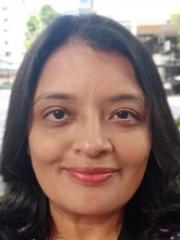
Dr. Sowmya Shetty is Senior Lecturer and Director of Teaching & Learning at the University of Queensland School of Dentistry, specializing in dental materials science and educational innovation. She leads curriculum development for oral biosciences and interprofessional education. Research examines dental material performance, adhesion mechanisms, and clinical simulation technologies. Her educational research develops novel teaching frameworks for clinical skills training and global dental education experiences. Awards recognize excellence in clinical simulation design and curriculum development. Educational leadership includes creating open-access resources and student-centered teaching methodologies across dental programs.
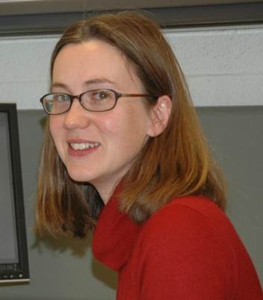
Helen J. Wearing is a Professor in the Department of Biology at the University of New Mexico. She specializes in mathematical biology, focusing on disease ecology and theoretical frameworks to understand host-parasite interactions. Her research integrates mathematical and statistical methods with empirical data to address questions in population dynamics and public health. Dr. Wearing holds a Ph.D. in Mathematics from Heriot-Watt University (2002). Her work emphasizes interdisciplinary collaboration, particularly in virology and public health, to bridge theoretical insights with real-world applications. Key research areas include modeling dengue, schistosomiasis, and hantavirus transmission, with a focus on vector competence, climate impacts, and control strategies. Her publications span topics like mosquito biting behavior, schistosomiasis snail dynamics, and the role of non-model biorepositories in emerging pathogens. These studies highlight the importance of age-structured models and environmental stochasticity in disease systems. While no scientific awards are explicitly listed, her contributions reflect significant academic impact in epidemiological modeling. Her advising and grants focus on training students in mathematical approaches to ecology and epidemiology, though specific grant details are not provided. Dr. Wearing’s lab operates at the interface of mathematics, ecology, and epidemiology, emphasizing practical solutions for public health challenges through rigorous quantitative methods.
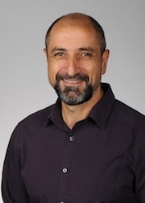
Professor Robert Booy is a Senior Professorial Fellow at the University of Sydney Children's Hospital Westmead Clinical School and holds academic appointments in the Department of Child & Adolescent Health, Sydney Medical School. He previously served as Head of Clinical Research at the National Centre for Immunisation Research and Surveillance (NCIRS) from 2005 to 2019. Booy trained in paediatrics at the Royal Children's Hospital, Brisbane, and held roles at institutions in the UK, including the University of London and University of Oxford, focusing on paediatric infections and epidemiology. His research spans vaccinology, epidemiology of infectious diseases (e.g., influenza, RSV, meningococcal disease), and public health strategies to prevent infections through vaccines and non-pharmaceutical measures. Notable work includes studies on genetic susceptibility to infections, respiratory virus outbreaks at mass gatherings (e.g., Hajj pilgrims), and evaluation of vaccine delivery methods like microarray patches. He has contributed to global health initiatives, including WHO reports on avian influenza responses in Indonesia. Booy's recent articles emphasize vaccine efficacy, pandemic preparedness, and interventions in aged care facilities during the pandemic. His work highlights innovations in immunization technology and public health policy to address disparities in vaccine access and disease burden. He is affiliated with the Sydney Infectious Diseases Institute (Sydney ID) and collaborates internationally on projects in Australia, Saudi Arabia, and Bangladesh. His research teams have conducted randomized controlled trials on hand hygiene, facemask efficacy, and vaccination strategies, with a focus on vulnerable populations like children and elderly patients. Booy advocates for evidence-based policies to mitigate infectious disease threats in high-risk settings, leveraging clinical and epidemiological expertise to inform global health strategies.
James Baker is a Research Associate in respiratory medicine at the University of Manchester, focusing on iron metabolism and macrophage dysfunction in COPD pathogenesis. His research examines how red blood cell-derived iron contributes to pulmonary inflammation and infection susceptibility. Education includes PhD research on iron's role in COPD pathophysiology (2022). Key findings demonstrate correlations between alveolar macrophage iron levels and red blood cell presence in COPD airways. Publications explore therapeutic applications of gallium protoporphyrin against Haemophilus influenzae and dysregulation of iron-processing pathways in COPD. Research methodologies include sputum analysis, macrophage phenotyping, and bacterial challenge models.
Waqar Ahmed is a Research Fellow in Respiratory Medicine at the University of Manchester, leading biomarker discovery at the Manchester Breathomics Group. His research develops metabolomic approaches using volatile organic compounds to diagnose and monitor respiratory conditions including asthma and pulmonary fibrosis. Research focuses on breath-based diagnostics, microbial volatiles in infections, and circadian variations in biomarkers. Ahmed's work advances precision approaches for respiratory disease management through non-invasive monitoring technologies. Recent publications establish methodologies for breath analysis standardization and validate electronic VOC sensors against gold-standard techniques. His research identifies metabolic signatures associated with lung function decline and infection progression. Anton Amann Award Medal MPF Metabomeeting Best Poster Award Collaborates internationally to develop breath-based diagnostic platforms and leads studies on ICU biomarker applications. Organized the Breathomics 2019 conference to advance the field.
Dr. Alan Lewis is Senior Lecturer in Architectural Studies and Head of Architecture at the University of Manchester. His research examines the intersection of government policy and architectural practice, with focus on housing design for aging populations and building design impacts on health. Education includes a PhD from the University of Sheffield on post-war reconstruction planning. Previously worked on research projects at Sheffield and Manchester. Research interests focus on: Design guidance development and implementation Daylighting in older people's housing Age-friendly social housing co-creation Healthcare architecture and infection control Current projects include PARC (Pathways, Practices and Architectures) examining antimicrobial resistance in clinical spaces. Dr. Lewis directs undergraduate programs and teaches architectural design with focus on evidence-based approaches. His work influences building regulations and age-friendly housing policies through engagement with professional bodies and government agencies.
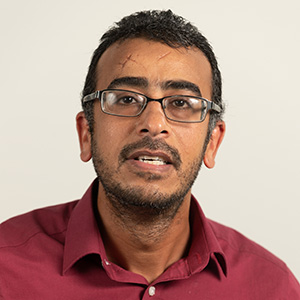
Essam M. Abdelfattah serves as Assistant Professor in the Department of Animal & Veterinary Science at California State Polytechnic University, Pomona's Huntley College of Agriculture. His research integrates behavioral and physiological methodologies to enhance animal health and welfare through early disease detection technologies and stress mitigation strategies, with statewide extension leadership in dairy/beef cattle herd health and food safety. Education: PhD in Animal Behaviour and Welfare (2014), Purdue University & Benha University (Mutual supervision) MVetMed in Veterinary Medical Sciences (2008), Benha University BVetMed in Veterinary Medical Sciences (2004), Benha University (Class Rank: 1/250) Research Focus: Dr. Abdelfattah investigates environmental, nutritional, and management impacts on livestock welfare using advanced monitoring systems. His work spans poultry behavior, dairy/beef cattle health optimization, and antimicrobial resistance mitigation, emphasizing practical applications for California's agricultural industry through UC Davis collaborations. Publication Trends: Recent publications (2020-2024) demonstrate concentrated research on antimicrobial stewardship post-Senate Bill 27, dairy calf housing systems, and bovine disease management. His work consistently bridges veterinary science, behavioral analysis, and food safety through multi-institutional field studies across California dairies and international contexts. Scientific Recognition: 2023 CPP Professional Development Travel Award 2021 UC Davis Award for Excellence in Postdoctoral Research Multiple UC Davis Postdoctoral Travel Grants (2017-2019) Leaders for the Future Program Fellowship (UC Davis) Academic Engagement: Teaches core courses including Animal Behavior (AVS 3456) and Senior Seminar (AVS 4610), while directing extension programs that translate research into practical herd health protocols. His statewide outreach focuses on evidence-based management practices for dairy/beef producers, leveraging publications in Journal of Dairy Science and Antibiotics to inform industry standards. Professional Integration: Active in Veterinary Association for Farm Animal Welfare, American Veterinary Medical Association, and Dairy Calf and Heifer Association, with sustained membership in antimicrobial resistance research networks since 2017. His collaborative work with UC Davis and California dairies positions him at the forefront of sustainable livestock management innovation.
Dominic Pettman is a University Professor of Media and New Humanities at The New School, with joint appointments at The New School for Social Research and Eugene Lang College. He chairs the Liberal Studies Program and holds administrative roles like former Associate Dean. His academic career spans institutions including the University of Melbourne, the University of Geneva, and the American University of Paris. Pettman's research focuses on posthumanism, critical media theory, and affect theory. He explores topics like digital culture, animal studies, and environmental humanities. Notable works include Sad Planets (2024), Peak Libido (2021), and Infinite Distraction (2016). His articles critically engage with media, technology, and contemporary societal issues. His articles analyze themes such as digital distraction, post-erotic culture, and totemic media. Recent works highlight intersections of ecology, desire, and technology. He has received awards like the 2012 Distinguished Teaching Award and book nominations for media ecology prizes. Pettman teaches courses on media theory, critical studies, and posthumanism. His administrative roles and interdisciplinary approach reflect his commitment to bridging academic and cultural discourse.
Eduardo Maldonado is an Associate Professor in the Drug Discovery and Biomedical Sciences department at the College of Pharmacy, Medical University of South Carolina (MUSC) . His research focuses on mitochondrial metabolism in cancer cells, T cells, and cancer stem cells, particularly targeting mechanisms regulating Voltage-Dependent Anion Channels (VDAC) to develop therapeutic strategies. Education: DVM from Universidad Nacional del Centro (1986), PhD in Human Pathophysiology from Universidad Nacional del Sur (2001), Postdoctoral training at MUSC (2006, 2010), Predoctoral research at University of the Basque Country (1999). Research Interests: Mitochondrial metabolism regulation in cancer, VDAC-targeted small molecules, T cell immunometabolism, and cancer stem cell biology. His lab (established in 2015) explores how modulating VDAC channels through tubulin interactions or NADH-binding pockets can alter tumor proliferation and survival. Article Trends: Recent publications highlight VDAC's role in cancer bioenergetics, immunometabolic reprogramming (e.g., H2S-Prdx4 axis), and synergistic drug combinations. Earlier works emphasize mitochondrial ROS, lipid metabolism, and Golgi stress in disease contexts. Labs & Teams: Leads a research group at MUSC's College of Pharmacy, affiliated with the Developmental Cancer Therapeutics Program at Hollings Cancer Center. His work bridges mitochondrial physiology, cancer metabolism, and pharmacological intervention.
Christine Grippi, RN, MS, CNS, PhD, is an Assistant Professor of Nursing at Adelphi University in Garden City, NY. She holds a PhD in Nursing Education and a certificate in Biomedical Ethics from Albert Einstein College of Medicine and Cardozo School of Law. Previously, she worked for 4 years at Maimonides Medical Center's Children’s Hospital and served as a Clinical Nurse Specialist at Cohen Children’s Medical Center of NY, where she held roles in research, education, and leadership. Her expertise spans maternal-child health, community health, and evidence-based practice. PhD in Nursing Education, Adelphi University Certificate in Biomedical Ethics, Albert Einstein College of Medicine & Cardozo School of Law BSN & MS (CNS) in Parent/Child Health Nursing, Adelphi University Dr. Grippi’s research emphasizes evidence-based practice initiatives and family dynamics in neonatal intensive care. Her recent studies explore NICU dermatitis, child passenger safety education, and maternal mental health post-NICU discharge. Her publications and presentations have focused on quality improvement in neonatal care, including CLABSI reduction and enteral feeding protocols. Her conference presentations include: 2019: Resourcefulness and maternal stress in post-NICU families 2019: NICU dermatitis updates 2018: Child passenger safety education 2017: Safe sleep collaborations 2013: Staff attitudes toward hospitalized children 2012: Neonatal nutrition initiatives 2010: CLABSI reduction in NICU 2011: Perinatal nurse leadership Dr. Grippi is affiliated with professional societies including Sigma Theta Tau and AWHONN. She received the Sigma Theta Tau Scholarship Award in 2018.
Holly Villamagna is a Clinical Assistant Professor affiliated with Oregon Health & Science University (OHSU) School of Medicine. She serves as the Medical Director for Infection Prevention and Employee Health at Hillsboro Medical Center and Clinical Director for two medical student intersession courses focused on infection and pandemics. Her clinical expertise includes general infectious diseases, epidemiology, and antimicrobial stewardship. Education: B.A. in Print Journalism, University of Southern California (2011) M.D., University of Nevada, Reno School of Medicine (2015) Internal Medicine Residency, University of Nevada, Las Vegas (2018) Infectious Diseases Fellowship, OHSU (2020) Leadership in Epidemiology, Antimicrobial Stewardship, and Public Health (LEAP) Fellowship, OHSU (2021) Research Interests: Dr. Villamagna’s work centers on infectious disease epidemiology, pandemic preparedness, and innovative medical education. She has led projects on viral shedding dynamics of SARS-CoV-2, antimicrobial stewardship practices, and curriculum design for trauma-informed pedagogy. Her recent focus includes addressing healthcare disparities among populations with substance use disorders. Publications Overview: Her articles span pandemic response strategies, antimicrobial drug development, and clinical stewardship. Notable contributions include analyzing secondary bacterial infections in hospitalized COVID-19 patients and evaluating testing practices in Oregon hospitals. Professional Contributions: She actively participates in public health initiatives, such as collaborating with the Oregon Health Authority on outbreak risk analysis. Her educational efforts emphasize experiential learning for medical students through simulations and pandemic-focused curricula.
Enzo Palombo is a Professor and Acting Executive Dean at Swinburne University's School of Science, Computing and Emerging Technologies. His academic career began with a PhD from La Trobe University on bacterial conjugation genetics, followed by postdoctoral research at the Royal Children's Hospital on gastroenteritis viruses. He holds a Fellowship of the Australian Society for Microbiology (FASM) and served on its Victorian Branch committee (1996–2014). He is also an Executive Committee member of the Australian Council of Environmental Deans and Directors (ACEDD). Research focuses include food microbiology, bioactive compounds from plants/fungi, environmental microbiology, nanotechnology, and virology. He leads projects on antimicrobial coatings, microplastic biodegradation, and biofilm control. Over 60 HDR students have been supervised, with topics ranging from wound care applications of endophyte metabolites to microbially influenced corrosion. Notable achievements include the 2020 FASM Fellowship and 2011 Distinguished Service Award. He has secured grants totaling millions澳元, including ARC funding for biofilm research and industry collaborations on antimicrobial technologies. Key publications (2021–2025) address smart microalgae incubators, nanoparticle drug delivery, and computational discovery of biofilm inhibitors. Public engagement includes media commentary on bird flu outbreaks (2024) and food safety. His leadership extends to university administration while maintaining active roles in interdisciplinary research teams addressing global challenges like antimicrobial resistance and sustainable agriculture.
Orlando Stefano is an Assistant Professor at the Department of Hygiene and Public Health, University of Rome Tor Vergata. He specializes in global health, HIV/AIDS research, and epidemiology, with a focus on sub-Saharan Africa. His work includes studies on vaccine strategies, healthcare system transformation, and the impact of pandemics on healthcare delivery. He currently teaches courses on global health prevention and the evolving challenges in health systems. Research interests encompass maternal and child health, particularly in HIV-exposed infants, as well as aging populations and frailty assessment. He has contributed to initiatives like the DREAM program, addressing comorbidities in HIV patients and evaluating virological outcomes in Mozambique. His studies on gender dynamics in healthcare decision-making and the effects of public health measures on infection rates highlight his interdisciplinary approach. Key themes in his publications include vaccine efficacy in resource-limited settings, tuberculosis diagnosis during the pandemic, and the role of community-based care systems. His work frequently integrates clinical data with public health policy analysis, emphasizing actionable solutions for global health challenges. Stefano has advised on interventions to improve male partner involvement in maternal health programs in Malawi and has explored the economic impacts of healthcare resource allocation in sub-Saharan Africa. His research also addresses the socioeconomic implications of HIV treatment programs and the management of noncommunicable diseases in aging populations.
Casey Diekman is a Professor in the Department of Mathematical Sciences at New Jersey Institute of Technology (NJIT). His research focuses on mathematical and computational modeling of circadian rhythms, neural dynamics, and physiological systems. He has led NSF-funded projects, including studies on circadian clock mechanisms, neuronal data assimilation, and hybrid modeling of Alzheimer’s disease. His work integrates biophysical models with machine learning to study systems like cardiac electrophysiology and respiratory control. Roles: Professor, PI of multiple NSF grants Key Collaborations: Projects with researchers in neuroscience, cardiology, and computational biology Education & Background: While specific educational details are not provided, his academic position implies advanced training in applied mathematics or systems biology. Research Interests: Circadian rhythms, entrainment dynamics, computational modeling of biological systems, and applications in health (e.g., arrhythmias, neurodegenerative diseases). His work bridges mathematical theory and experimental data to address clinical problems like drug timing and respiratory failure. Grant Highlights: NSF GOALI (2022–2026): Integrates deep learning and mechanistic models for circadian clock neurons and Alzheimer’s disease NSF Career (2016–2021): Developed data assimilation tools for circadian rhythm studies NSF (2014–2017): Modeled circadian clock mechanisms from synapse to gene Recent Research Trends: Publications since 2022 focus on circadian impacts on drug safety, respiratory control during SARS-CoV-2 infection, and Alzheimer’s disease modeling using deep learning. His work often emphasizes interdisciplinary approaches to understand biological timing and its disruptions. Awards & Recognition: While specific prizes are not listed, his extensive grant portfolio and citation count (792) reflect scholarly impact. Advising & Grants: Oversees research teams in circadian biology and computational neuroscience. Media coverage highlights breakthroughs like explaining ‘happy hypoxia’ in COVID-19 patients and antiarrhythmic drug timing risks. Labs/Teams: Engaged in collaborative projects with institutions like NIH and other universities, focusing on systems-level biological modeling.
R.-A. Lavergne serves as an Assistant Professor and Hospital Practitioner at the University of Nantes, specializing in medical mycology with a focus on antifungal resistance mechanisms and environmental drivers of resistance. Their work bridges clinical practice and environmental microbiology through the One Health framework, investigating azole resistance in Aspergillus species and diagnostic innovations for fungal pathogens. Educational background includes a PhD on Aspergillus fumigatus resistance mechanisms defended at the University of Nantes in July 2018. Advanced training encompasses molecular diagnostics, antifungal susceptibility testing, and environmental sampling methodologies. Research centers on azole resistance evolution in Aspergillus , particularly TR-mutation pathways (TR34/L98H, TR46/Y121F/T289A), and agricultural fungicide impacts on clinical resistance. Key projects examine sterol biosynthesis alterations under drug pressure, environmental reservoirs in crop fields, and novel antifungal compounds like CIN-102. Diagnostic work includes Mucorales DNA detection in serum and MALDI-TOF optimization for cryptic Candida species. Recent publications reveal three dominant research axes: (1) Environmental origins of resistance (Colombian crop studies); (2) Molecular mechanisms of TR-mutation-mediated resistance; (3) Diagnostic innovations for mucormycosis and rare fungal pathogens. This integrated approach spans genomic, biochemical, and epidemiological methodologies. Active involvement in national research initiatives includes ANR TEILEISH, ANR AspergillusOne-Health, ANR Chair INSERM COMBINE, ANR OTARI, ANR AspergIs, ANR FungiSol, and ANR INTERLUDE. Collaborative networks span French cystic fibrosis centers, transplant units, and international agricultural health projects. As part of the Department of Medical Mycology and Parasitology, Dr. Lavergne contributes to clinical diagnostics for immunocompromised patients while leading environmental resistance surveillance. The research group maintains active collaborations with Prof. Le Pape's team on resistance mechanisms and Prof. Morio's diagnostics unit.