

Swati Aggarwal is a Professor in Artificial Intelligence at the Faculty of Logistics, Molde University College (HiMolde). Her research focuses on AI applications in healthcare, ethics, cognitive development, and neural networks. She holds a PhD in Neutrosophic Neural Networks, a Master's in Information Technology, and a Bachelor's in Computer Science and Engineering. Previously, she was a Marie Curie Postdoc Fellow at NTNU, working on AI models for cognitive assessment in infants (AIM_COACH project). Research Interests - AI in Health/Medicine - Ethics in AI and Societal Impact - EEG/BCI for Cognitive Assessment - Machine Learning and Deep Learning Publications Her recent work spans AI ethics, BCI applications, adversarial attacks, and healthcare diagnostics. Notable contributions include EEG-based infant perceptual monitoring (2025) and malaria detection via EfficientNet (2023). She also explores cross-lingual adversarial robustness and blockchain in hospitality systems. Labs/Teams - ABC-AI: Applied, Basic, and Conscientious AI Group - Virtual Technologies and Learning Research Group
جستجوی استاد راهنمای دانشگاهی
برای مسیر پژوهشیتان، استاد راهنما، استاد دانشگاه و پژوهشگر مناسب را پیدا کنید و با آنها ارتباط بگیرید.
نمایش ۱-۱۵ از ۳۶ استاد راهنما
اطلاعات پروفایلها از صفحات عمومی دانشگاهها گرفته شده و ممکن است بهروز نباشد.
Monika Abelsمشاهده پروفایل
دانشیار
Monika Abels is an Associate Professor at UiT The Arctic University of Norway , affiliated with the Child development research group. Her work focuses on cross-cultural child development, infant socialization, emotion regulation, and the impact of digital technology on parental responsiveness. Research Interests : Child development, cross-cultural parenting, emotion understanding, hunter-gatherer societies, and fieldwork ethics. Labs/Teams : Member of the Barns utvikling (Child Development) research group at UiT. Recent Research Trends : Her publications highlight comparative studies across Norway, Tanzania, India, and sub-Saharan Africa, examining infant sleep, parental phone use, triadic interactions, and cultural differences in hidden emotion understanding. Collaborative work with African communities (San, Hadza) explores regulatory and ethical fieldwork challenges. Email : m.abels@uit.no
- Open Science
- Reproducible Research
- Meta-Research
- +۱۰ مورد دیگر
Tamara Kalandadze is an Associate Professor at the Department of Education, ICT and Learning at Østfold University College in Norway. She also holds an Associate Professor position at the Knowledge Center for Education at the University of Stavanger and has previously worked as a Senior Lecturer at OsloMet and as a Researcher at the Knowledge Center for Education, Norwegian Research Council. Her academic expertise bridges special education, developmental science, and research methodology with a strong commitment to open and reproducible research practices. Education: 2019: PhD in Special Education, Department of Special Education, University of Oslo 2008: Master's degree in Special Education, Department of Special Education, University of Oslo 2006: Applied Linguistics, Department of Linguistics and Nordic Studies, University of Oslo Tamara Kalandadze's research spans multiple interconnected domains with a central focus on open science methodologies within educational and developmental contexts. Her work significantly contributes to understanding neurodiversity, particularly autism spectrum disorder, developmental language disorders, and figurative language comprehension. She has pioneered approaches to 'open evidence synthesis' including meta-analyses that prioritize transparency and reproducibility. Her scholarship bridges special education, developmental psychology, and research methodology, with particular attention to how research practices can be made more inclusive of neurodivergent perspectives. Kalandadze actively promotes participatory research models where neurodivergent individuals contribute to the research process itself. Analysis of Kalandadze's recent publication record reveals a strong trajectory toward integrating open science principles with neurodiversity research. Her work demonstrates growing emphasis on methodological transparency in developmental science, with increasing focus on participatory approaches that center neurodivergent voices. The publications show evolution from traditional meta-analyses of autism research toward more innovative frameworks that combine open science practices with neurodiversity-affirming approaches. A notable trend is her development of the NIRO (Non-Interventional, Reproducible, and Open) evidence synthesis framework, which has gained recognition across multiple disciplines. Leadership and Editorial Roles: Associate Editor, Infant and Child Development (2023-) Topic Editor for Wiley's Special Issue on Neurodiversity (2023) Initiator and Leader of RIOT (Reproducible, Interpretable, Open and Transparent) Science Club Deputy Leader of the DeveLeP research group Local Node Lead for Norwegian Reproducibility Network (NORRN) Kalandadze actively supervises master's students at both Østfold University College and the University of Oslo, and serves as co-supervisor for PhD candidate Malin Dahlby-Skoog at Karolinska Institutet. Her supervision focuses on research methodology, particularly open and reproducible approaches to studying neurodevelopmental conditions. She has developed and leads a PhD course on 'Open and Credible Science,' reflecting her commitment to training the next generation of researchers in transparent research practices. Her collaborative network spans multiple international institutions including University College London, University of Oslo, University of Stavanger, University of Copenhagen, and institutions in Georgia. As founder of the RIOT Science Club in Norway, Kalandadze has established a vibrant community focused on advancing open science practices. She is actively involved in the DeveLeP research group (Development Learning and Psychological Processes) which investigates developmental trajectories in learning and psychological processes. Her work with the Communicative Processes (ComPros) research group focuses on language development and communication challenges, particularly in neurodivergent populations. These research environments provide interdisciplinary spaces where methodological innovation meets practical application in educational and clinical settings.
- Phonological acquisition
- Early language development
- Second-language production and perception
- +۵ مورد دیگر
Natalia Kartushina is a Professor at the University of Oslo, specializing in language acquisition and bilingualism. Her research focuses on phonological development in first and second languages, infant-directed speech, and neuroplasticity in speech production. She holds a PhD in Psychology from the University of Geneva (2015) and has held postdoctoral positions at the University of Oslo (2017–present) and the Basque Center on Brain, Cognition and Language (2016–2017). Her work explores how variability in parental speech influences early language development, particularly in multilingual environments. Key projects include investigating the role of Norwegian dialect exposure in infants’ language acquisition and the impact of pacifier use on vocabulary growth. Kartushina has secured major grants, including an FRIPRO Young Talents award (2020) and University of Oslo funding (2018). Research groups affiliations include Clinical Linguistics and Language Acquisition, Experimental Linguistics, and Second and Third Language Acquisition. Her recent studies address interdisciplinary topics like bilingualism’s effect on color perception and cross-cultural parenting attitudes toward language development. Education: PhD Psychology (University of Geneva, 2015), Master in Cognitive Psychology (University of Paris Descartes, 2010), Master in Speech Therapy (KSPU, 2005) Notable contributions include longitudinal analyses of infant-directed speech properties and collaborative multi-lab studies on vocabulary development. Her work bridges experimental linguistics with developmental psychology, emphasizing real-world applications in education and clinical contexts.

Julien Mayor is a Professor at the Department of Psychology, University of Oslo , specializing in Language Acquisition , Infant Speech Perception , and Computational Modeling in Psychology . His work bridges cognitive development with bilingualism and dialect exposure, focusing on how infants learn words through parental speech patterns. He leads the BabyLing project, developing tools like TLex for unbiased language screening.
Albrecht Hermann Hofheinz is an Associate Professor at the University of Oslo 's Centre for Middle Eastern and Islamic Studies . His career spans academic research, digital humanities, and humanitarian work across Sudan , Egypt , Morocco , and Palestine . He holds degrees from Berlin , Cairo , Tunis , and Bonn , and was awarded a Dr.philos in 1996 from the University of Bergen for his thesis on Islamic reform movements in Sudan. Academic Affiliation : University of Oslo (2004-present) Humanitarian Experience : International Committee of the Red Cross, United Nations, German Development Service His research focuses on Internet use in the Arab world , Islamic reform movements , Sufism , and Arabic manuscript culture , particularly from Timbuktu . He co-edited themed sections analyzing post-Arab Spring societies and leads the "Timbuktu Manuscripts" project for African cultural preservation. Key Research Areas : 300-year Islamic reform trajectories Digitalization of religious practices Manuscript culture in Africa Arabic social media dynamics Scientific contributions include the Malcolm H. Kerr Dissertation Award Honorable Mention (1997) and publications in the Encyclopaedia of Islam , Journal of Arabic and Islamic Studies , and International Journal of Communication . His teaching portfolio covers Arabic language , Islamic studies , and manuscript analysis .
Professor Hilde Stendal Robinson holds a position at the University of Oslo's Department of Public Health and Interdisciplinary Health Sciences. She leads the BODYFUNC research group and serves as Head of the Master's program in Interdisciplinary Health Research. With a PhD from the University of Oslo (2010), she specializes in musculoskeletal pain, women’s health, and physiotherapy/manual therapy. Her research focuses on pelvic girdle pain during pregnancy, manual therapy efficacy, and musculoskeletal disorder management. Key awards include the Musculoskeletal Research Price (2014) and Norwegian Manual Therapy Research Price (2006, 2003). Education: PhD in Physiotherapy, University of Oslo (2010) Physiotherapist specializing in manual therapy Research Interests: Musculoskeletal pain mechanisms, women’s health (e.g., pregnancy-related pelvic pain), clinical outcomes of manual therapy, and interprofessional healthcare practices. Active in Nordic networks studying lumbopelvic pain and interdisciplinary approaches. Awards: 2014: Validation of clinical tests for temporomandibular disorders 2006/2003: Manual therapy research in spinal mobilization and sacroiliac joint reliability Advising & Grants: Supervises projects on pediatric physiotherapy, myotonic dystrophy rehabilitation, and multiethnic cohort studies. Leads collaborations with institutions like Hans og Olaf Fysioterapi A/S and the STORK Groruddalen project. Labs/Teams: BODYFUNC research group, Nordic Network of Lumbopelvic Research, FYSIOPRIM initiative.
Nunne Englundمشاهده پروفایل
دانشیار
Nunne Englund is an Associate Professor in Psychology at the Department of Psychology, Norwegian University of Science and Technology (NTNU), affiliated with the Faculty of Humanities and Social Sciences. She holds a PhD in Developmental Psychology from NTNU. Her research focuses on phonological development, infant directed speech, and general language development in early childhood. Englund is a member of two research groups: the Speech, Cognition and Language Research Group (SCaLa) and the Learning and Skill Development (Mind, Brain and Education) group. Her work explores how infants perceive and process speech, particularly in natural caregiver interactions, and examines the impact of environmental factors like media use on child development. Her research has been published in journals such as Scandinavian Journal of Psychology , Applied Psycholinguistics , and Behavior Research Methods . Key themes include audiovisual speech perception, hypoarticulation in infant-directed speech, and the role of physical fitness in reading skills development. Englund teaches courses such as PSY2111 (Specialization in Developmental Psychology) and introductory cognitive psychology modules. She has engaged in extensive public outreach, including media appearances on NRK, interviews in Aftenposten , and workshops on early language stimulation for parents and educators. Her contributions span interdisciplinary research areas, integrating developmental psychology, linguistics, and educational practices to understand early childhood language acquisition and its societal implications.
Anita Sundnesمشاهده پروفایل
پژوهشگر ارشد
Anita Sundnes er Research Fellow at the Department of Psychology , University of Oslo, since 2008. Her work focuses on cultural psychology , child development , and multicultural societies , with a PhD project on infant care practices in Norway. Education: Master’s in Education (University of Oslo, 2003) Her research integrates qualitative methods to analyze parenting practices, infant sleep regulation, and toilet training. Publications span topics like family therapy discourses , social synchronization , and preschool education in multicultural contexts. She teaches courses in qualitative methodology and developmental psychology, including PSY 2013 and PSY 1200 . Collaborations include projects with Oslo University College and NOVA, supervised by Agnes Andenæs.

Audun Rosslundمشاهده پروفایل
مدرس ارشد
Audun Rosslund is a Senior Lecturer at the Department of Health, Developmental and Personality Psychology, University of Oslo. His research focuses on early language development, infant-directed speech, cognitive development, and open science methodologies. He holds a PhD in Early Language Development from the Center for Multilingualism (UiO), a Master's in Developmental Psychology (UiO), and a Bachelor's in Education (UiO). PhD, Early Language Development, Center for Multilingualism, UiO MSc, Developmental Psychology, Department of Psychology, UiO BEd, Education, Department of Education, University of Oslo His research investigates how environmental linguistic input shapes infant language outcomes, particularly through infant-directed speech. Longitudinal studies track Norwegian infants from 6 to 18 months, analyzing acoustic properties, word comprehension, and expressive vocabulary. Projects also examine statistical learning in dialect-exposed infants, sibling influences, pacifier use effects, and tablet-based assessment tools. Key collaborations include Natalia Kartushina, Julien Mayor, and Alejandrina Cristia. His work is shared via Open Science Framework and disseminated through projects like BabyLing and ManyBabies Consortium. Topics span from cognitive development to eye-tracking and pandemic impacts on daycare vocabulary growth.

Øystein Elleمشاهده پروفایل
دانشیار
- Performance
- Post-dramatic theatre
- Composed theatre
- +۱۲ مورد دیگر
Øystein Elle is an Associate Professor in Music and Performing Arts at Østfold University College, holding positions at both the Faculty of Teacher Education and Languages and the Academy of Performing Arts. He has been affiliated with the institution since 2006, initially as a teacher of singing, composition and improvisation, then as a research fellow, and since autumn 2017 as an associate professor. Elle earned his Master of Arts from the Hoogeschool voor de Kunsten in Utrecht, Netherlands, and a Bachelor of Arts from the Music Conservatory at the University of Agder. He completed a doctorate in performing arts with interdisciplinary composition as his specialty and was a scholarship holder at the National Program for Artistic Development from 2013-2017. His research focuses on performance, post-dramatic theatre, composed theatre, intercultural art production, avant-gardism, cross-artistic composition, and extended vocal techniques. His work bridges Baroque, Dadaism, and European/North American Avant-Garde traditions, creating polystylistic compositions that alternate between atonal, melodic, noise-based, collage-influenced and improvised styles. His artistic practice particularly explores music-driven dramaturgy and "Composed Theatre." Elle's recent publications reveal a strong focus on experimental performance, sensory aesthetics, and interdisciplinary work, with particular attention to performance for young children (0-3 years) through projects like "Rock me Baby" and "Stemmestammen." His work increasingly explores political dimensions through public interventions and direct action theater, while maintaining his signature blend of vocal experimentation and cross-cultural influences. Funding from Arts Council of Norway Funding from Composers' Remuneration Fund Funding from Fund for Performing Artists Funding from Fund for Sound and Image Funding from New Music Funding from Ministry of Foreign Affairs Elle has collaborated extensively with international institutions including NTNU (editing the anthology "The Complexity and Width of Music Studies"), the University of South-East Norway (research on avant-gardism in music education), the American College in Athens and Patras University (research on ancient Greek masks), and the Kindergarten Teacher Training Program at HiØ (editing "Art Encounters and Aesthetic Processes with the Youngest Children"). He leads the Capto Musicae project, creating sonic and musical theatre in contemporary artistic contexts, and is involved in research groups focused on creativity, art and innovation in education, knowledge creation through artistic research, and material strategies. His artistic collective, Capto Musicae, has produced over 30 performing arts productions presented across Europe, Asia, the USA and South America, often featuring collaborations with international artists from diverse disciplines. Current projects include "HEXE," a physical performance concert bridging Nordic and Japanese culture, continuing his exploration of avant-garde traditions and intercultural dialogue.
- Implementation and evaluation research of psychosocial interventions
- Mental health of refugee children and families
- Traumatic stress
- +۱۰ مورد دیگر
June Thorvaldsen Forsberg is an Associate Professor at UiT The Arctic University of Norway , affiliated with the Regional Knowledge Center for Children and Youth, North (RKBU North) and the Research Group for Health Promotion and Preventive Measures . Her work focuses on implementing and evaluating psychosocial interventions for vulnerable populations, particularly refugee children and families. Research Areas: Traumatic stress, PTSD, school functioning in crisis zones, educational opportunities in conflict areas, parenting support for refugee families, neurobiological development, psychometrics, and meta-analysis. Teaching: Developmental psychology, biological psychology, psychological trauma mechanisms, and crisis pedagogy. Her recent publications (2023-2025) analyze refugee family integration, trauma-informed school programs, and the psychological impact of pandemics and conflicts. Key collaborations include the Better Learning Program and the PIRM study , focusing on refugee parenting interventions. She contributes to public outreach through podcasts like Hverdagspsyken and media commentary on Gaza children's trauma.

Anne-Mette Lieneمشاهده پروفایل
مدرس ارشد
Anne-Mette Liene is a Senior Lecturer at the Department of Visual Arts and Drama at the University of Agder. Her academic background includes qualifications as a preschool teacher, music therapist, and theatre studies from institutions like Ecole Jacques Lecoq in Paris. She teaches in the kindergarten teacher education program and focuses on cross-aesthetic art experiences for children. Research Interests Her research explores interdisciplinary art practices, performative expressions in early childhood education, and the role of art in fostering creativity and communication. Key themes include material exploration, spatial dynamics, and the integration of movement and body in artistic processes. Publications Liene's recent work includes publications on performative art approaches, visual images in motion, and interdisciplinary teaching methods. Her 2025 article emphasizes the potential of performative art beyond traditional techniques. The 2023 studies highlight spatial and movement-based practices in early childhood settings. Grants and Advising While specific grants are not detailed, her involvement in projects like the Children's Art Museum demonstrates collaborative efforts across disciplines and institutions. She has advised on initiatives linking art institutions with education sectors. Labs/Teams She is affiliated with research groups such as 'Art and young people' and contributes to interdisciplinary collaborations in early childhood art education.

Kristin Myhreمشاهده پروفایل
مدرس ارشد
Dr. Kristin Myhre is a Senior Lecturer at the Department of Nursing, Health and Bioengineering, Oslo Metropolitan University. She holds a nursing degree from Haukeland College of Nursing and a major in Nursing Science from the University of Oslo (1999). Her academic focus includes neonatal care and internationalization of education. She previously worked as a registered nurse and head nurse at neonatal intensive care units at Rikshospitalet and Østfold Hospital. Dr. Myhre became a Senior Lecturer in 2010, emphasizing pediatric nursing, patient safety, and interprofessional collaboration. Her research interests span patient safety education, international nursing exchanges, and curriculum development. She coordinates international activities at her department and leads projects like SLIPPS (Shared Learning for Patient Safety). Key collaborations include work on patient safety tools and interprofessional learning frameworks. Dr. Myhre’s publications address topics such as neonatal care, clinical internships, and global healthcare education. She actively contributes to nursing education reforms and has authored works on cultural competence and language barriers in clinical settings.
Bertil Bjerkanمشاهده پروفایل
دانشیار
- Social Development in Infancy
- Early Communication (Normal and Abnormal Processes)
- Deafblindness
- +۴ مورد دیگر
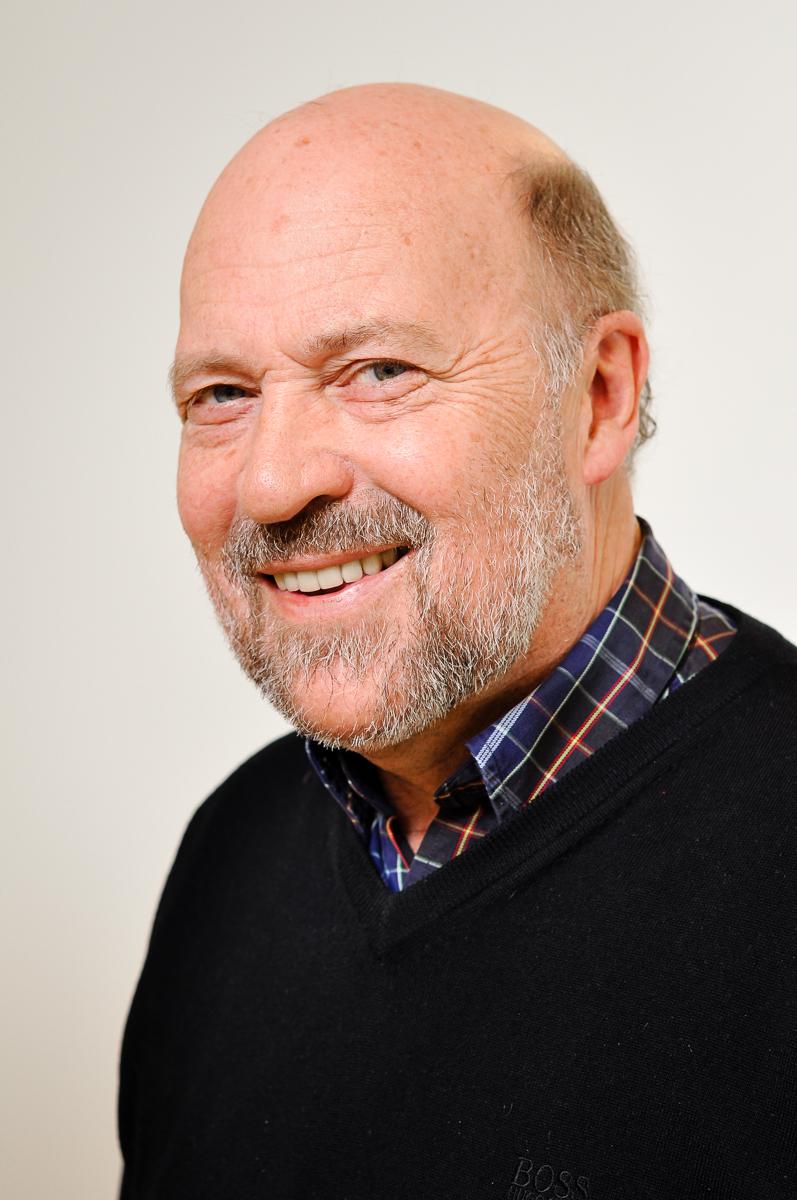
Bertil Bjerkan is an Associate Professor at the Department of Psychology , UiT The Arctic University of Norway. His work focuses on developmental psychology, clinical psychology (rehabilitation), and communication disorders, with a particular emphasis on deafblindness and early communication processes. Role: Associate Professor University: UiT The Arctic University of Norway Department: Psychology Email: bertil.bjerkan@uit.no Research Interests: Social development in infancy Normal and abnormal early communication processes Deafblindness Stuttering Language disorders Clinical rehabilitation Teaching Responsibilities: PSY-1503: Språk og språkvansker PSY-2541: Barns utvikling PSY-2543: Praksis i barnehage PSY-1001: Innføring i psykologi PSY-1007: Utviklingspsykologi Collaborations: Affiliated with the Regional Centre for the Deaf-Blind (UNN) and member of the Clinical Psychology research group at UiT.