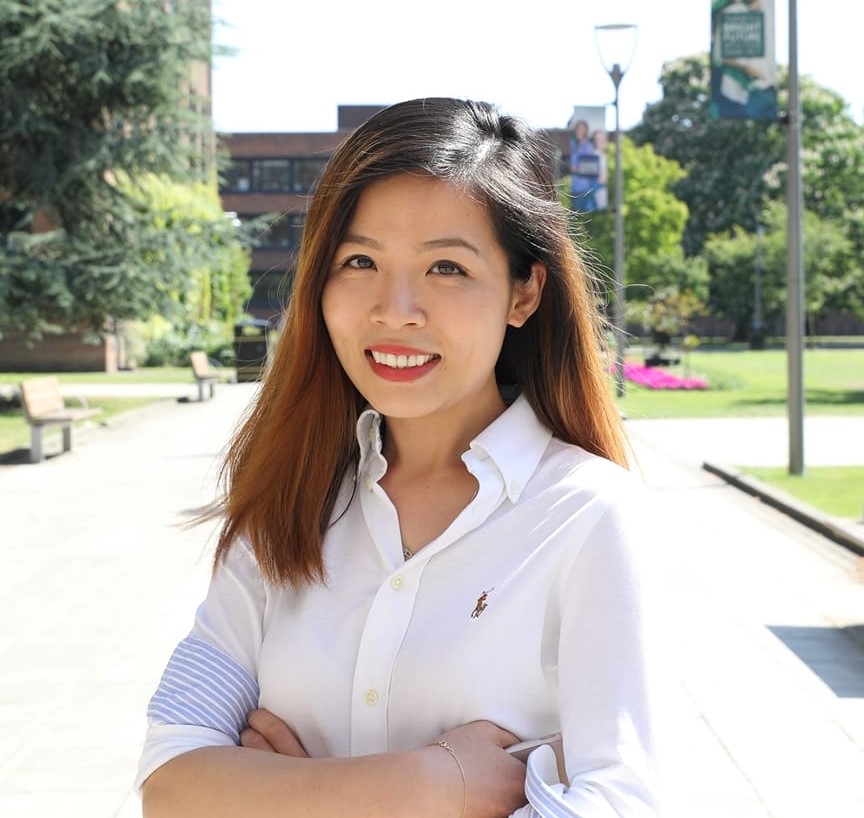
Naser Pourazad is a Senior Lecturer in Marketing at Flinders University, with affiliations to the Centre for Social Impact, Australian Industrial Transformation Institute, Jeff Bleich Centre for Democracy and Disruptive Technologies, and Torrens Resilience Initiative. His work bridges digital marketing, community resilience, and cultural diversity. PhD in Marketing, Flinders University (2018) MA in Business Administration, Ferdowsi University of Mashhad (2010) BSc in Statistics, Ferdowsi University of Mashhad (2008) Research focuses on digital transformation, agricultural resilience, defence capability, and social impact. His projects emphasize resilience frameworks, cross-cultural marketing, and data-driven decision-making. Articles highlight influencer marketing, mobile app engagement, and digital inclusion. 2023 Research Excellence Award (Early Career) 2023 Journal of Advertising Research Keynote 2021 Reviewer of the Year, Journal of Consumer Behaviour He chairs the CBGL Business Research Strategy Group and HDR Journal Club, mentors early-career researchers, and applies industry experience from Iran Dairy Industrial Co. to academic work.
Professor Michael Dumper is a leading scholar in Middle East Politics at the University of Exeter , specializing in contested urban spaces and the Arab-Israeli conflict. With a PhD completed in 1993, he has directed major comparative studies on divided cities including the 5-year ESRC-funded project Conflict in Cities and the Contested State , collaborating with institutions in Belfast, Cambridge, Ottawa, and Windsor. Key Research Areas: Jerusalem's political geography, Palestinian refugee rights, UNRWA sustainability, and religious institutions in conflict zones Policy Engagement: Advisor to governments, NGOs, and UNRWA, with briefings for the UK Foreign Office Publications include the acclaimed Jerusalem Unbound (2014) and Power, Piety and People (2011-2018). Current work focuses on UNRWA funding models supported by the Heinrich Boell Stiftung. Awards: ESRC Large Grant (2007-2013) Leverhulme Major Research Fellowship (2015-2018) British Academy/Leverhulme Senior Fellowship (2002) His interdisciplinary approach bridges political science, urban studies, and religious diplomacy, with a particular focus on Jerusalem's complex spatial and jurisdictional divisions.
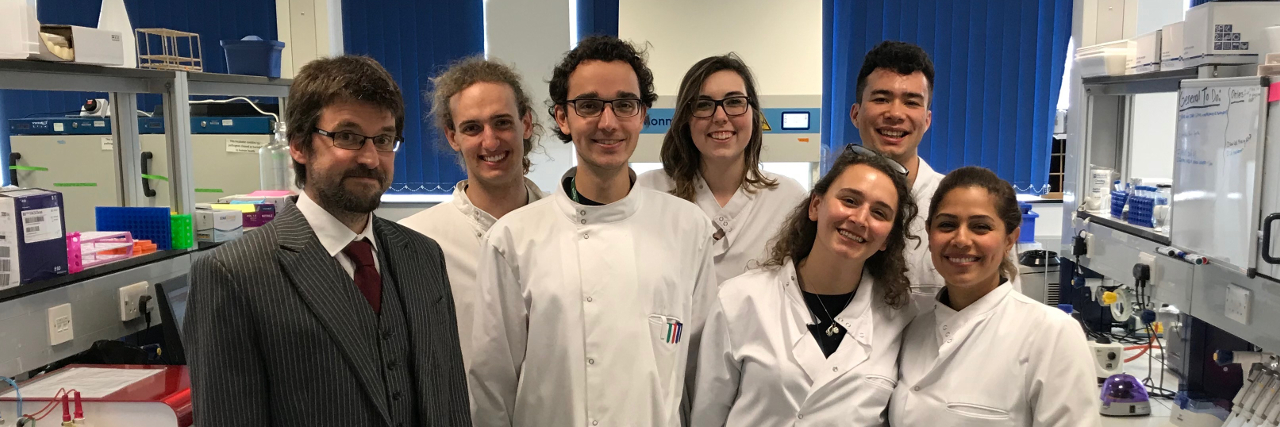
Dr. Ben Temperton is an Associate Professor of Microbiology at the University of Exeter, where he leads the Temperton Lab within the School of Biosciences. His research focuses on understanding host-virus interactions in both environmental and clinical settings, with particular emphasis on bacteriophages and their applications in addressing antimicrobial resistance. During the COVID-19 pandemic, he led the SouthWest hub of the UK's genomic surveillance network (COG-UK), coordinating efforts that shaped government policy through real-time data. Dr. Temperton has an unconventional academic path, having first worked as a software engineer for several years before retraining as a microbiologist. His educational background includes: PhD in Microbiology from Queen's University Belfast (2009-2011) MSc in Information Technology (Software Engineering) from University of Nottingham (1998-1999) BSc in Chemistry from University of Birmingham (1995-1998) His research interests span multiple disciplines, focusing primarily on interactions between bacteriophages and their hosts. He has developed novel methods for long-read sequencing of viromes from marine and soil microbial communities, identifying previously unknown viral species. His work also includes high-throughput isolation of ecologically and clinically important viruses. A significant portion of his recent research involves the Citizen Phage Library, which he established as a national capability for providing characterized phages for compassionate use in treating drug-resistant bacterial infections. He leads a consortium developing the first multi-site AGILE clinical trial of phage therapy for chronic obstructive pulmonary diseases in the UK. Dr. Temperton's publication record shows a strong focus on viral ecology, host-virus interactions, and applications of phage therapy. His recent work demonstrates increasing emphasis on translating basic research into clinical applications, particularly for antimicrobial resistance. He has also made significant contributions to genomic surveillance methods, especially during the COVID-19 pandemic. As a mentor, Dr. Temperton leads a diverse research group with multiple PhD students, postdoctoral researchers, and MbyRes students working on various aspects of viral ecology and phage therapy. His lab operates under a "Pirate Code" that emphasizes inclusivity, responsibility, professionalism, meticulousness, positivity, supportiveness, honesty, digital resilience, and inspiration. He collaborates with four industrial partners to help bring phage therapeutics to market and works closely with clinicians at the Royal Devon and Exeter Hospital. Dr. Temperton's lab is part of several Exeter research networks including Exeter Marine, Health Technologies @Exeter, and Microbes and Society @Exeter, reflecting the interdisciplinary nature of his work that bridges environmental microbiology, clinical applications, and technological innovation.
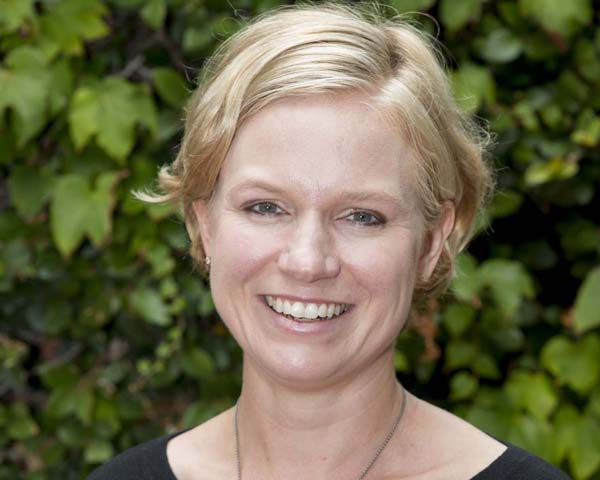
Breffni Noone serves as an Associate Professor in the School of Hospitality Management within Pennsylvania State University's College of Health and Human Development, specializing in revenue management and profit optimization across hospitality assets including hotels, restaurants, golf facilities, and spas. Her work bridges theoretical research with practical industry applications through data-driven decision frameworks. Dr. Noone earned her Ph.D. in Operations Management from Cornell University (2004), an M.B.S. from Dublin City University, Ireland (1996), and a B.Sc. in Management/Higher Diploma in Hotel & Catering Management from University of Dublin, Trinity College and Technological University Dublin, Ireland (1994). Her academic journey reflects deep integration of operations research and hospitality management. Her research centers on revenue management systems, consumer behavior in pricing contexts, and sustainable profit optimization. Key investigations include scarcity-based promotions, menu engineering, online booking psychology, and non-traditional revenue applications in golf. She emphasizes data visualization and operational design to balance profitability with social and environmental responsibility, examining how non-price information shapes consumer decisions across service encounters. Analysis of her 15 most recent publications reveals expanding research scope from core hotel revenue management into crisis resilience, social inclusion, and cross-industry applications. Recent work addresses waiting-time psychology, employment biases against houseless individuals, and AI-driven commercial talent development, demonstrating adaptation to contemporary industry challenges while maintaining methodological rigor in experimental and field studies. No scientific awards were documented in the provided materials, though her consistent publication record in top-tier journals like Journal of Hospitality and Tourism Research and International Journal of Hospitality Management indicates significant scholarly impact. Dr. Noone's grant-funded research focuses on pricing strategy effectiveness, non-price information processing in consumer decisions, service encounter management frameworks, and revenue management decision tools. Her projects generate actionable insights for hospitality operators through empirical analysis of consumer responses to scarcity cues, photograph content, and cultural variables in booking behavior, directly informing industry revenue optimization practices.
Chris Tuggle is an Associate Professor of Management in the College of Business at the University of Central Arkansas, with his office located in COB 312L. He can be contacted via email at ctuggle@uca.edu or by phone at (501) 450-5745. His primary research focuses on corporate governance, strategic management, and executive behavior, with specific expertise in board dynamics, CEO personality traits, and diversity in top management teams. He employs attention-based views and upper echelons theory to examine how CEO characteristics influence strategic risk-taking and board oversight, while his entrepreneurship research investigates minority business success and human capital factors. Analysis of his 2022-2025 publications reveals consistent emphasis on CEO-board interactions, particularly attorney-directors' role in mitigating CEO deception and narcissistic CEOs' influence on risk decisions. His work demonstrates strong methodological rigor while addressing practical governance challenges, with recurring themes including diversity paradoxes in compensation systems and the impact of proportional representation on underrepresented directors' participation. No information regarding scientific awards was provided in the source material. While his publications indicate active scholarly contributions, the source material contains no details about student advising, research grants, or laboratory affiliations. His commentary pieces suggest engagement with contemporary debates in corporate social responsibility and management scholarship rigor-relevance dynamics.
Dr. Quynh Do is an International Lecturer (Assistant Professor) in Logistics and Supply Chain Management at The Management School, Lancaster University . Her research focuses on innovative pathways towards sustainable and circular supply chains , addressing critical issues such as waste reduction, decarbonisation, worker rights, and empowerment of marginalized actors like farmers and workers. Her work explores the digital and social innovations that drive ethical sourcing and systemic change, with applications in the textile, food, and manufacturing sectors . She collaborates with organizations such as Reverse Resources, Renewcell, and the Global Fashion Agenda to promote transparent and responsible sourcing practices. 2025: Big data analytics and supply chain learning for resilience and financial performance. 2024: Circular food waste management in Italian fish manufacturing, stakeholder collaborations in fast fashion, digital platforms for waste exchange, and power dynamics in circular supply chains. 2023: Organizational resilience during the pandemic, legitimacy-seeking behaviors in circular transitions, and data-driven supply chain learning. 2022: Global value chain restructuring post-COVID, institutional adoption of circular practices in seafood, and resource mobilization via bricolage. 2021: Systematic reviews on food waste and supply chain agility during crises.
Dr. Mevlüt Kara is an Associate Professor at the Department of Basic Education , Nizip Faculty of Education , Gaziantep University since 2023. Previously served as a Doctorate Lecturer at the same institution (2019-2023). Holds a PhD in Educational Sciences (2012-2018) and Master’s in Educational Sciences (2007-2012) from Gaziantep and Harran Universities, respectively. His academic career combines theoretical research with practical contributions to school management and educational policy. Education: PhD in Educational Sciences, Gaziantep University (2018) Master’s in Educational Sciences, Harran University (2012) BA in Public Administration, Anadolu University (2011) BA in Classroom Teaching, Gaziantep University (2007) Research interests span educational leadership , social justice leadership , teacher autonomy , and school administrative processes . Specializes in analyzing relationships between leadership styles and organizational trust, with particular focus on crisis management during the Covid-19 pandemic and integration of migrant students . Has developed scales for measuring collective teacher efficacy and social media literacy in educational contexts. Scientific contributions include 32 refereed articles and 9 book chapters in international and national publications. Collaborated with researchers like Sedat Alev and Bayram Bozkurt on comparative studies across Turkey, Sweden, and global contexts. Key thematic trends: school culture , leadership theories , digital technology integration , and multicultural education . Academic Roles: Deputy Dean (2025-) Deputy Dean (2020-2024) Session Chair at 11+ international conferences Administrative Experience: Coordinated teacher training programs Supervised school improvement projects Organized leadership workshops
Tarun Ramadorai is Professor of Financial Economics at Imperial College London, with a distinguished career spanning household finance, financial economics, behavioral economics, real estate, and international finance. He serves as Executive Editor of the Review of Financial Studies and holds prestigious fellowships including Research Fellow of the Centre for Economic Policy Research (CEPR), Senior Academic Fellow of the Asian Bureau of Finance and Economics Research (ABFER), and Nonresident Senior Fellow at the National Council of Applied Economic Research (NCAER). Education BA in Mathematics and Economics from Williams College MPhil in Economics from the University of Cambridge PhD in Business Economics from Harvard University Research Interests Professor Ramadorai's research spans household finance, financial economics, behavioral economics, real estate, and international finance. His work examines how households make financial decisions across different markets and countries, with particular focus on housing markets, investment behavior, and financial inclusion. He has established himself as a leading expert in international comparative household finance, having previously served as Principal Investigator on a transformational initiative financed by the Sloan Foundation to establish this sub-field of finance and economics. His recent research explores the intersection of technology and personal finance, housing market dynamics, and optimal tax policy. He has demonstrated how housing costs impact fertility decisions, how machine learning affects credit markets, and how privacy policies influence consumer data extraction. His work combines rigorous theoretical frameworks with innovative empirical approaches using large-scale datasets from diverse markets. Publication Trends Professor Ramadorai's recent publications reveal a strong focus on household decision-making in financial markets, with increasing attention to the digital transformation of finance. His work bridges theoretical insights with practical policy implications, particularly in emerging economies. There is a clear trend toward interdisciplinary research that combines finance, economics, and data science to address pressing questions about financial inclusion, housing affordability, and the impact of technology on traditional financial services. Scientific Awards Brattle prize for best paper in the Journal of Finance Jensen prize for the best paper in the Journal of Financial Economics Wharton School-WRDS Best Paper Award in Empirical Finance James A Lebenthal Excellence in Municipal Finance Research Prize FMA Napa Conference Best Paper Prize INQUIRE Europe third prize Viz Risk Management Best paper prize Policy Engagement and Advisory Roles Professor Ramadorai has made significant contributions to policy discussions worldwide. He served as Chairman of the Inter-Regulatory Committee on Household Finance constituted by the Reserve Bank of India, which produced the influential "Indian Household Finance" report. He has advised numerous institutions including the Economic Advisory Council to the Prime Minister of India, the European Securities and Markets Authority, and the Norwegian Sovereign Wealth Fund. Currently, he co-chairs the Fintech workstream of the India-UK Financial Partnership, helping to shape the future of financial technology across borders. Research Initiatives Professor Ramadorai previously led the Initiative on International Comparative Household Finance, funded by the Sloan Foundation, which established household finance as a distinct sub-field of research. He is in the process of setting up a new initiative at Imperial College Business School to further advance this area of study. His work has influenced both academic research and practical policy interventions in financial markets around the world.
Ingvill Rasmussen is a Professor at the Department of Education, Faculty of Educational Sciences, University of Oslo (UiO), where she has been employed since 2010. Her academic profile demonstrates expertise in the intersection of digital technology and educational practices, with particular emphasis on classroom dialogue, collaborative learning, and microblogging applications in educational settings. She teaches courses including PED2103 (Development and learning), PED1001 (Learning and teaching), and specialized courses on digital interactions and learning sciences research in the digital age. Dr. Rasmussen's research examines how new technologies transform communication and learning processes. Her work investigates conversations, collaboration, and knowledge production between students and teachers, with special attention to internet and web-based environments. She explores how teachers can effectively guide students in digital learning environments and how students develop necessary self-regulation skills to manage attention across analog and digital activities. Her academic interests explicitly address how ubiquitous technology demands new skills in regulating attention – learning to disconnect, put away devices, and switch between analog and digital activities. Her publication record from 2018-2025 reveals a consistent research trajectory focused on microblogging as a tool for enhancing classroom dialogue. These works examine how digital tools create spaces for student voice, support collaborative meaning-making, and facilitate productive educational interactions across diverse subject areas. Her research shows increasing sophistication in analyzing the nuanced ways technology mediates educational dialogue. Reviewer for prominent international journals including International Journal of Learning, Culture and Social Interaction; International Journal for Educational Research; and British Journal of Educational Technology Library Board, UiO (2014-2022) Employee representative, Department Board (2016-2020) Co-chair and organizer of the Nordic ISCAR conference (2007) Dr. Rasmussen completed her PhD at UiO (2000-2005) on 'Project work and ICT - studying learning as participation trajectories,' followed by postdoctoral work on the TWEAK project (2006-2010). She is currently involved in multiple research projects including AI-supported science conversations, EU Kids Online V (EUKO), and the Samtavla innovation project as a key member of the Living and Learning in the Digital Age (LiDA) research group.
Dr. Virginia Gray serves as Professor and Department Chair in the Department of Family and Consumer Sciences at California State University, Long Beach's College of Health & Human Services. Her leadership spans academic administration, research, and community engagement with a focus on nutrition equity and policy. Education: Ph.D. in Nutrition, Mississippi State University M.S. in Nutrition with Minor in Sociology, Mississippi State University B.S. in Food Science and Human Nutrition with Minor in Spanish, University of Florida Dr. Gray's research examines community nutrition through policy analysis, school-based interventions, and global food systems. She investigates social determinants of dietary behavior, particularly among vulnerable populations including college students, children, and SNAP participants. Her work integrates cultural competency into nutrition education frameworks and develops curricula addressing food insecurity in educational settings. Recent publications reveal consistent focus on food security among college populations and CalFresh Healthy Living program implementation. Her scholarship bridges sports nutrition (especially adolescent female athletes) and community interventions, with strong emphasis on qualitative evaluation methods and policy translation. Key trends include interdisciplinary collaboration across health professions and institutional support systems for basic needs. Awards: CSULB President’s Award for Team Achievement, Basic Needs Team (2023) Scholarship of Teaching and Learning Award, Society of Nutrition Education (2022) As Department Chair, Dr. Gray directs research teams addressing campus food insecurity through CSULB's Basic Needs Initiative. She mentors faculty in grant development for USDA-funded nutrition programs and collaborates with the Center for Latino Community Health on culturally tailored interventions. Her leadership secured institutional support for student food pantries and SNAP outreach services. Dr. Gray co-leads the Basic Needs Team and partners with the Center for Successful Aging on nutrition programs for older adults. She directs the department's CalFresh Healthy Living implementation across university sites and advises the College of Health & Human Services on community-engaged research frameworks.
Zeinab Karimi is a Grant-funded Researcher at the Department of Sociology, University of Helsinki, affiliated with the Helsinki Inequality Initiative (INEQ). Her work focuses on the racialization of Islam, boundaries of citizenship, and affective labor in transnational contexts. Racialization of Islam Citizenship and belonging Religious literacy in education Critical borderlands studies Transnational organizational dynamics Decolonial methodologies Her peer-reviewed articles examine how religious literacy interventions impact social problem-solving in transnational organizations (2025), analyze affective temporalities in border regimes (2024), and critique the racialization of Muslims in 21st-century citizenship debates (2024). Recent work submitted to ACME explores Ta’ārof as a decolonial tool for navigating White ontologies. She received the 2021 Best Article Award from the journal Gender research-Genusforskning. Karimi actively contributes to academic discourse through editorial work for Sociology Compass (2025–) and conference presentations, including talks on Islamic affective practices at the Nordic Feminist Theory Workshop (2025) and analyses of racialization at the International Conference on Borderlands Studies (2024).
Kathrin Kaufhold is an Associate Professor in Applied Linguistics at Stockholm University's Department of English. Her research examines academic writing practices in multilingual and interdisciplinary contexts, focusing on knowledge recontextualization, translanguaging strategies, and institutional communication dynamics. She coordinates undergraduate thesis projects and teaches academic writing, research methods, and sociolinguistics. Current research explores participation in academic writing dialogues Investigates English's role in multilingual university environments Examines institutional communication mediation processes Her work bridges theoretical frameworks from Vygotskian socio-cultural theory and genre pedagogy with practical applications in writing center operations and healthcare communication. She leads the Language and Power research network addressing contemporary linguistic challenges in polarized academic environments. Key collaborations include projects with: Karolina Wirdenäs (healthcare communication) Niina Hynninen (academic writing evolution) Maria Kuteeva (language policy in Nordic universities) Her teaching emphasizes: Academic writing development Research methodology applications Discourse analysis frameworks Applied linguistics principles
Marianne Pieper is a Professor of Sociology at the University of Hamburg's Faculty of Economics and Social Sciences since 1996. Her work focuses on migration, gender, neoliberalism, and biopolitical transformations. Leads the DFG-funded project on prenatal diagnostics and social change Coordinator for EU projects like MIG@NET and From Welfare to Work Founded the Center for Gender and Queer Studies (2000-2011) Research Interests span: Intersectional analysis of race, gender, and disability Neoliberal governance and precarity in labor markets Biopolitical shifts in migration and social policies Digital networks and transnational social movements Doctoral College supervises 25 projects funded by the Heinrich Böll Foundation, Hans Böckler Foundation, and others, covering topics from refugee integration to postnational subjectivity.
Pedro Antonio Garcia Tudela is a researcher at Universidad de Murcia specializing in Educational Technology, with a focus on Smart Learning Environments and Digital Entrepreneurship. He completed his PhD in 2023 with a thesis on intelligent learning environments supervised by Dr. María Paz Prendes Espinosa and Dr. Isabel María Solano Fernández. His educational background centers on advanced educational technology studies at Universidad de Murcia, culminating in his 2023 doctoral dissertation that established foundational frameworks for smart learning environments. This research positioned him at the forefront of educational innovation in Spanish-speaking contexts. Garcia Tudela's research explores the intersection of digital tools and pedagogical innovation, with emphasis on gamification, computational thinking development through Arduino, and digital entrepreneurship education. His work addresses critical gaps in teacher training for future classrooms and develops practical models like EmDigital for fostering entrepreneurial competencies in digital contexts. He investigates how educational escape rooms, flipped learning, and gender-inclusive technology integration transform learning experiences across K-12 and higher education. Analysis of his 15 most recent publications reveals a clear trajectory toward practical applications of educational technology: 40% focus on digital entrepreneurship frameworks, 30% on smart learning environment design, and 30% on gamification and computational thinking implementation. His research increasingly addresses cross-cultural applications, with comparative studies of future classrooms in Spain and Portugal. As an active thesis supervisor within the Educational Technology research group, Garcia Tudela mentors students in developing innovative educational methodologies. His work demonstrates strong industry-academia connections through practical frameworks for professional development and employability. The Educational Technology research group serves as his primary collaborative environment, driving projects that translate theoretical models into classroom applications while addressing contemporary challenges in digital education transformation.
Alipaşa Ayas is a Professor and Dean of the Faculty of Education at Bilkent University, where he also serves as Chair of the Department of Educational Sciences. His research focuses on science education, teacher training, conceptual understanding, and inclusive education. He has led numerous national and international projects, including UNICEF- and EU-supported initiatives. Ph.D., University of Southampton M.A., University of New Brunswick MSc., Karadeniz Technical University BSc., Karadeniz Technical University His research interests span teacher education, science education (particularly chemistry), concept development, curriculum design, and assessment strategies. He employs both qualitative and quantitative methods to explore these areas. His publications emphasize inquiry-based learning, conceptual change strategies, and the effectiveness of interventions such as the 5Es model, constructivist activities, and analogies in enhancing science learning. These works often address misconceptions in chemistry and methods to improve scientific process skills. He has contributed to projects supported by the World Bank, EU, and UNICEF, including initiatives on lifelong learning, education development, and inclusive teacher training. His administrative roles include a 6-year deanship at Karadeniz Technical University and leadership of Bilkent University’s Graduate School of Education since 2017.