Şaziye Betül Sopacı is an Assistant Professor at Kirşehir Ahi Evran University , affiliated with the Faculty of Arts and Sciences and the Department of Chemistry . Her work spans Biochemistry , Biotechnology , and Nanotechnology . PhD in Biotechnology from Middle East Technical University (2008–2011) MSc in Biotechnology from Middle East Technical University (1997–2000) BSc in Chemistry from Hacettepe University (1990–1994) Her research focuses on biochemical reactions , nanostructured materials , and antimicrobial applications . Recent work includes adsorption studies , chemo-enzymatic synthesis , and nanoparticle-based bioremediation . Publications cover thermal kinetics , metal adsorption , and nanoparticle-enzyme systems . She collaborates with researchers across institutions, including Middle East Technical University , Kütahya Dumlupınar University , and Ankara University . Metrics include 28 citations , an h-index of 4 , and 11 journal articles . Projects involve nanocomposite synthesis and energetic material development .
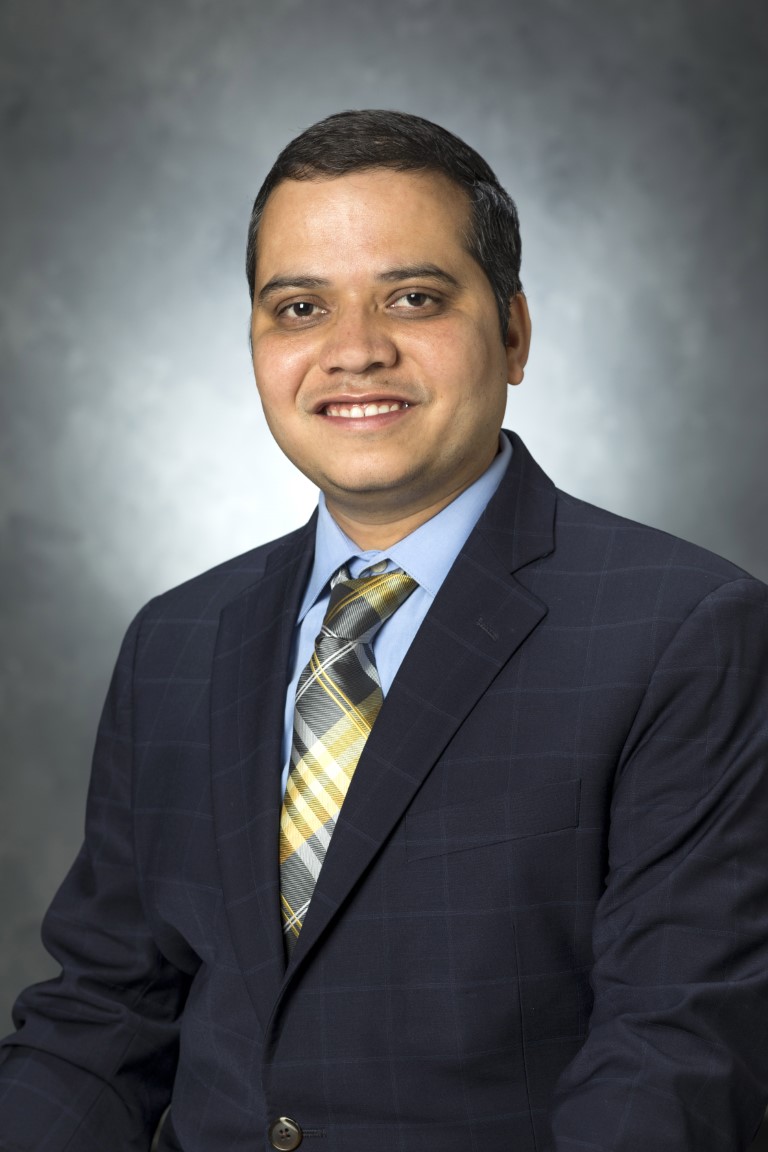
Vivek Garg serves as Assistant Professor in the Department of Pharmacology & Physiology at the University of Maryland School of Medicine, where he leads research on mitochondrial calcium signaling mechanisms and their physiological implications. His work bridges molecular biophysics with cardiovascular pathophysiology, utilizing innovative electrophysiological approaches to investigate fundamental cellular processes. Education: B.Pharmacy in Pharmacology, Panjab University, India (1999) M.Pharmacy in Pharmacology, Panjab University, India (2002) Ph.D. in Pharmacology, The Ohio State University (2009) Postdoctoral Fellowship, University of Utah (2014) Researcher Position, University of California San Francisco (2020) Dr. Garg's research centers on mitochondrial bioenergetics and membrane excitability, with particular emphasis on the molecular physiology of mitochondrial calcium uniporter (MCU) complexes. His laboratory employs direct patch-clamp techniques on intracellular organelles combined with cell biology and multi-omics approaches to decipher how mitochondrial calcium signaling regulates cellular metabolism and electrical activity. This work has significant implications for understanding heart failure, metabolic disorders, and other conditions involving mitochondrial dysfunction. Analysis of his publication record reveals a consistent trajectory from cardiac ion channel research toward specialized mitochondrial electrophysiology. His recent work demonstrates technical innovation in organelle patch-clamp methodology while establishing critical regulatory mechanisms for MCU through EF-hand domain proteins. The publications span fundamental biophysical characterization to disease-relevant models, particularly focusing on cardiac pathophysiology and metabolic plasticity. Scientific Awards: No scientific awards documented in provided materials Dr. Garg currently serves as Principal Investigator on a National Institute of General Medical Sciences R01 grant (2023-2027) titled 'Molecular Physiology of Mitochondrial Calcium Uniporter (MCU)', reflecting the significance of his research program. While no formal advisees are listed in the provided documentation, he directs the Garg Lab which maintains active research operations focused on mitochondrial function. The Garg Lab operates within the Department of Pharmacology & Physiology, utilizing specialized equipment for mitochondrial patch-clamp recordings, confocal imaging, and omics analyses. Their research program investigates how mitochondrial abnormalities contribute to disease states through altered bioenergetics and signaling pathways, with particular attention to calcium and redox homeostasis in cardiac and metabolic contexts.
Dr. Matthew C. Trudeau is a Professor in the Department of Pharmacology & Physiology at the University of Maryland School of Medicine. His research focuses on molecular physiology of ion channels, particularly hERG potassium channels and cyclic nucleotide-gated (CNG) channels. He earned his PhD at the University of Wisconsin-Madison under Dr. Gail Robertson and completed postdoctoral training with Dr. Bill Zagotta at the University of Washington and HHMI. Dr. Trudeau has held continuous NIH funding since 2004 and directs the T32 Training Program in Integrative Membrane Biology. University of Wisconsin-Madison (PhD, 1993-1998) University of Washington/HHMI (Postdoc, 1998-2004) University of Maryland (Assistant Professor 2004-present) His work investigates how intracellular domains regulate ion channel gating, with emphasis on mechanisms underlying cardiac arrhythmias and inherited vision loss. Key discoveries include intersubunit interactions in CNG channels and molecular regulation of hERG deactivation by the eag domain. His lab employs molecular biology, electrophysiology, and fluorescence imaging to study these mechanisms. Recent research trends focus on hERG channel subunit interactions (2022 textbook editorship), structural dynamics of KCNH channels (2021-2013), and therapeutic approaches to channelopathies (2015-2021 grants). His publications span high-impact journals like PNAS, Nature, and Journal of General Physiology. 2014 Paul F. Cranefield Award 2022 Co-Chair, Society of General Physiologists Meeting 2017-2018 NIH Special Emphasis Panel Member 2015-2016 Editorial Advisory Board, Journal of General Physiology Dr. Trudeau's lab trains graduate students through NIH-funded programs and collaborates on multi-institutional research initiatives like M-CERSI. His work bridges fundamental biophysics with translational applications for inherited diseases.
Dr. Divya Tiwari serves as a Barts Charity Lecturer at the Centre for Immunobiology, Blizard Institute, Queen Mary University of London, where she leads research on tuberculosis pathogenesis and host-pathogen interactions in Mycobacterium tuberculosis. Her work focuses on identifying novel drug targets to enhance host immune responses against drug-resistant TB strains, addressing a critical global health challenge. Her academic journey includes a Bachelor of Science and Master of Science in Microbiology from Pt Ravishankar Shukla University, India, a PhD from the National Institute of Immunology, New Delhi, and postdoctoral training at Weill Cornell Medicine, New York. Prior to her current role, she contributed to research administration as a Grants Adviser for The Wellcome Trust DBT India Alliance. Dr. Tiwari's research program centers on tuberculosis mechanisms, particularly how Mtb manipulates host immunity and identifying metabolic pathways like biotinylation and respiratory chain plasticity for therapeutic intervention. Her work bridges fundamental molecular biology and translational drug development to combat persistent and drug-resistant infections. Analysis of her 12 publications (2007-2023) reveals a consistent trajectory in TB drug discovery, with recent emphasis on host-directed therapies (2023) and inflammation-mediated tissue damage, while earlier work established foundational insights into bacterial metabolism targets. This evolution demonstrates progression from molecular mechanisms to clinical applications. She established her independent research group through the Barts Charity Lectureship, leveraging prior grant advisory experience to secure research funding. Her work bridges the Centre for Immunobiology's focus on infectious disease immunity with global TB control efforts. Dr. Tiwari's laboratory operates within the Blizard Institute's Centre for Immunobiology, contributing to collaborative research on immune responses to intracellular pathogens and participating in Queen Mary's strategic initiatives in global health and antimicrobial resistance.
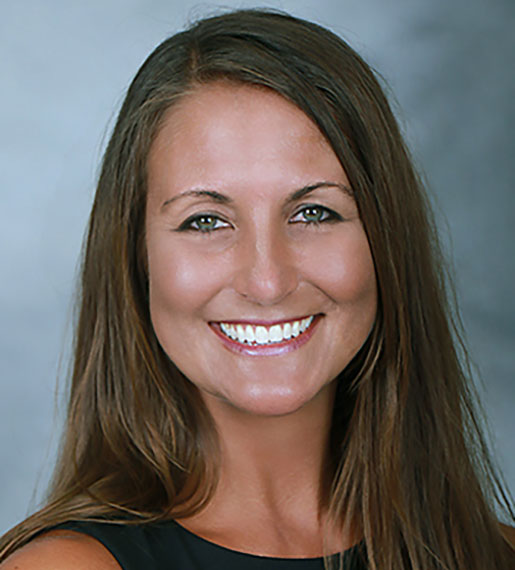
Nicole Baganz, Ph.D., serves as Assistant Director and Director of Community Engagement & Programming at the FAU Stiles-Nicholson Brain Institute, with a secondary appointment as Research Assistant Professor in Biomedical Science at Florida Atlantic University's Charles E. Schmidt College of Medicine. Her research explores immune-brain interactions, focusing on serotonin signaling and its role in mood regulation. B.S., Biology, University of Wisconsin Eau Claire M.S., Traditional Chinese Medicine, Midwest College of Oriental Medicine Ph.D., Physiology/Neuroscience, University of Texas Health Science Center Baganz’s work bridges neuroimmunology and psychiatric research, emphasizing how peripheral immune activation alters serotonin inactivation and mood-related behaviors. She investigates IL-1R/p38 MAPK pathways, translational models of early-life stress, and novel antidepressant targets like organic cation transporters. Her scientific outreach includes public education initiatives and leadership in neuroscience communication programs. Her article trends reveal a sustained focus on serotonin transporter-independent mechanisms, neuroimmune signaling, and translational models of depression. Key journals include PLoS One , Translational Psychiatry , and Journal of Neuroscience . 2015 Society for Neuroscience Next Generation Award 2014–2016 NARSAD Young Investigator Award 2009 Armand J. Guarino University-Wide Thesis Award Baganz has contributed to grants like the Vanderbilt Trans-Institutional Music & Mind program and NIH Ion Channel Training Grant. She mentors community projects, including Harmonies for the Elderly and NAMI walk teams.
Abhinav Mishra is an Associate Professor and Graduate Coordinator in the Department of Food Science & Technology at the University of Georgia’s College of Agricultural & Environmental Sciences. He is based in Athens, GA, and focuses on food microbiology, predictive modeling, and quantitative microbial risk assessment to enhance food safety. Education Specific educational credentials are not detailed in the provided text. Research Interests Mishra’s research centers on: Food microbiology and microbial ecology Predictive modeling of microbial behavior in foods Quantitative microbial risk assessment (QMRA) Food safety interventions and control strategies Survival and persistence of foodborne pathogens across the farm-to-fork continuum His lab develops mathematical models to predict how pathogens like Salmonella , Listeria monocytogenes , and E. coli grow, survive, or decline under varying environmental conditions, enabling data-driven risk management. Teaching He currently teaches: FDST(MIBO) 4120/6120-4120L/6120L: Food Fermentations FDST(EHSC)(MIBO) 4320/6320-4320L/6320L: Food Safety Control Programs FDST 8090: Advanced Food Microbiology Recent Research Trends Over the past decade, Mishra’s publications have increasingly emphasized the integration of predictive models with real-world data to quantify pathogen risks in produce, meat, poultry, and dairy products. His work spans pre-harvest contamination sources, processing interventions, temperature abuse scenarios, and novel antimicrobial technologies such as UV-C and atmospheric cold plasma. A clear trajectory toward data-driven decision-making and risk-based food safety management is evident. Contact & Location Email: amishra@uga.edu Phone: 706-542-0994 Mail & Shipping: Food Science Building, 100 Cedar St., Athens, GA 30602
Luke Francis Gamon is an Assistant Professor in the Department of Biomedical Sciences at the University of Copenhagen, specializing in inflammation, metabolism, and oxidation research. He leads projects within the Davies Group investigating protein oxidation mechanisms and their implications in human disease. His academic background includes: PhD in Chemistry from the University of Melbourne (2012-2017) Master of Science in Chemistry from the University of Melbourne (2010-2011) Bachelor of Science in Chemistry from the University of Melbourne (2007-2009) Dr. Gamon's research centers on understanding how reactive oxygen species modify proteins and affect cellular function, with particular focus on metabolic enzymes and inflammatory pathways. His work bridges chemistry and biology to elucidate molecular mechanisms underlying metabolic disorders. Key interests include protein crosslinking, enzyme inactivation through oxidation, and the role of oxidative stress in cardiovascular diseases. Analysis of his recent publications reveals a consistent research trajectory in free radical biology, with emphasis on how oxidative modifications impact metabolic pathways. His work employs advanced techniques in proteomics, mass spectrometry, and cellular modeling to investigate protein modifications in conditions like atherosclerosis and metabolic disorders. Professional recognition includes: Marie Curie Fellow (2017/2018) Dr. Gamon maintains active research collaborations across international boundaries, with his work referenced in academic platforms including Wikipedia. His research group at the University of Copenhagen investigates molecular disease mechanisms through integrated biochemical and cellular approaches.
Huizhen Liu serves as Academic Coordinator in the Department of Drug Design and Pharmacology at the Faculty of Health and Medical Sciences, University of Copenhagen. Her research focuses on molecular mechanisms of thapsigargin binding to calcium ATPases and related drug design principles. Her primary research interests include Medicinal Chemistry, Pharmacology, and Biochemistry, with specialization in protein-ligand interactions, calcium signaling pathways, and structural analysis of ATPase inhibition. She investigates how natural compounds like thapsigargin disrupt cellular calcium homeostasis through precise molecular interactions with target enzymes. Analysis of her 2006-2013 publications reveals a concentrated research trajectory on thapsigargin analogs and their binding mechanisms. Her work integrates structural biology, computational modeling, and biochemical assays to map binding sites, optimize pharmacophores, and develop cytotoxic derivatives for potential cancer therapeutics. This consistent focus demonstrates deep expertise in translating molecular insights into drug design applications. Dr. Liu maintains active collaborations with leading researchers including S.B. Christensen, P. Nissen, and J.V. Møller at the University of Copenhagen, contributing to interdisciplinary projects that bridge basic biochemistry and pharmaceutical development.
Henrik Siegumfeldt is an Associate Professor in the Department of Food Science at the Faculty of Science, University of Copenhagen. His research focuses on both positive and negative aspects of food microbiology, with particular expertise in fermentation processes, spoilage mechanisms, and pathogenicity of microorganisms. He teaches general food microbiology and contributes to specialized courses in Brewing Science and Dairy Microbiology. Dr. Siegumfeldt's educational background includes a Ph.D. (defended May 2000) with the thesis "The dynamics of pHi regulation in lactic acid bacteria" and an MSc (defended October 1997) with the thesis "Physiological studies of Saccharomyces cerevisiae during fermentation of beer". His research interests span multiple areas of food microbiology, with particular emphasis on bioimaging and single cell studies of microorganisms in food matrices. He has developed expertise in fluorescence microscopy techniques to study bacteria in dairy products, single cell growth dynamics, rapid detection methods for physiological changes, and adhesion dynamics of microbial cells. His work bridges fundamental microbiology with practical applications in food safety and quality. Analysis of his recent publications reveals a strong focus on microbial behavior in food systems, particularly examining bacteria in fermented products like beer, wine, and dairy. His research integrates advanced imaging techniques with microbial physiology to address food safety challenges and improve fermentation processes. Key themes include stress responses of foodborne microorganisms, microbial interactions in complex food matrices, and development of novel monitoring tools for industrial applications. Administratively, Dr. Siegumfeldt serves as Head of Studies for the MSc in Food Science and Technology since 2008, and previously held the same position for BSc programs (2008-2015) and was Head of the Food Microbiology Section (2009-2010). He has supervised 4 PhD students (3 completed, 1 active) and chaired 17 assessment committees. His research leadership includes management of 5 scientific projects with 9.4 million DKK in external funding. He has an extensive publication record with 71 research outputs including 48 journal articles, and is actively engaged in knowledge dissemination through 22 activities and 12 media contributions focused on food safety and brewing science.
Michael Kalafatis is a Professor and Chair of the Department of Chemistry at Cleveland State University's College of Arts and Sciences. He also serves on the Planning Committee for the Center for Gene Regulation in Health and Disease (GRHD). His research spans two major areas: blood coagulation and thrombosis, and cancer research with a focus on apoptosis mechanisms. His laboratory has extensive expertise in the biochemistry of coagulation, particularly in the biochemistry of proteins composing prothrombinase. He has identified molecular defects in factor V Leiden and delineated specific amino acid regions on factor V/Va molecules crucial for their functions. His more recent work focuses on cancer research, specifically developing treatments using cytokines and natural non-toxic substances to overcome resistance to TRAIL-induced apoptosis in cancer cells. His publications over the past five years demonstrate a strong focus on both thrombosis research and cancer therapeutics, with particular attention to mechanisms of TRAIL resistance in triple-negative breast cancer and malignant melanoma. His work combines molecular biology, biochemistry, and translational cancer research approaches. Dr. Kalafatis has received consistent research funding and has maintained an active laboratory with postdoctoral fellows and graduate students. His recent publications appear in high-impact journals across hematology, oncology, and biochemistry disciplines. His laboratory currently includes Post Doctoral Fellow Jamila Hirbawi and PhD student Erin M. Thorpe. His research has been supported by various grants focused on understanding coagulation mechanisms and developing novel cancer treatments.
Kirill Martemyanov is a distinguished Professor at the University of Minnesota leading the Martemyanov Laboratory, with extensive research focused on G protein coupled receptor (GPCR) signaling pathways and their critical roles in neuronal systems. His work spans neuroscience, pharmacology, and vision research, with particular emphasis on understanding GPCR signaling in basal ganglia and retinal function. Dr. Martemyanov's research interests center on the fundamental principles regulating GPCR signaling, with specific focus on basal ganglia where G proteins mediate reward behavior and movement coordination, and in the retina where G protein signaling systems enable visual processing. His laboratory investigates Regulator of G protein Signaling (RGS) proteins, which promote G protein inactivation and serve as central control points in GPCR signaling cascades. His multidisciplinary approach combines proteomics, enzyme kinetics, cell culture studies, and behavioral characterization of genetic mouse models. Analysis of his recent publications reveals a strong focus on neurodevelopmental disorders, opioid signaling mechanisms, visual processing, and structural characterization of GPCRs. His work demonstrates consistent innovation in understanding G protein pathways, with increasing emphasis on therapeutic applications for movement disorders, vision pathologies, and addiction. John J. Abel Award 2018 ASPET Cogan Award 2014 McKnight Land-Grant Professorship 2008 European Academy Prize in Biology 1998 Dr. Martemyanov serves as Principal Investigator on multiple NIH-funded grants focusing on GPCR signaling in neuronal systems, opioid receptor mechanisms, and retinal biology. His laboratory employs cutting-edge techniques including cryo-EM, in vivo protein labeling, and genetic mouse models to investigate fundamental signaling mechanisms with therapeutic implications. Current research directions include discovery of novel G protein regulators, protein-protein interactions, and feedback mechanisms in signaling pathways. The Martemyanov Laboratory operates at the intersection of neuroscience and pharmacology, investigating how GPCR signaling pathways influence critical biological processes from cellular reception to synaptic transmission. The lab's research has significant implications for understanding and treating neurological disorders including Parkinson's disease, Huntington's disease, Tourette syndrome, tardive dyskinesia, and various ocular pathologies.
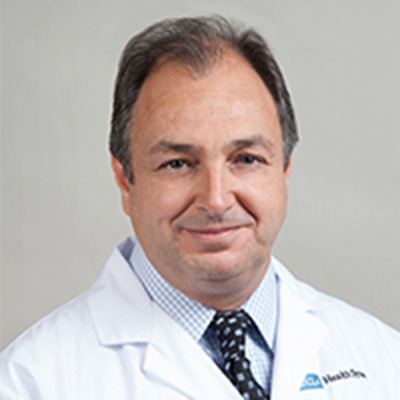
Riccardo Olcese is a Professor in the Department of Anesthesiology and Perioperative Medicine at the University of California, Los Angeles (UCLA) . He is affiliated with multiple graduate programs, including Molecular Medicine, Biochemistry, Biophysics & Structural Biology , and the Cardiovascular Research Laboratory . His research focuses on the biophysical properties of ion channels, particularly voltage- and calcium-dependent mechanisms in cardiac and neuronal systems. Research Interests : Biophysics of ion channels, voltage sensor dynamics, calcium signaling, cardiac arrhythmias, molecular mechanisms of anesthesia, and mitochondrial channel regulation. Publications highlight his work on BK and CaV channel modulation, fibroblast-driven cardiac arrhythmogenesis, and novel therapeutic strategies for epilepsy and atrial fibrillation. His lab employs advanced techniques like voltage-clamp fluorometry and computational modeling to dissect channelopathies in cardiovascular and neurological diseases.
Corey M. Johnson is an Associate Professor at Samford University within the Howard College of Arts and Sciences, Department of Chemistry and Biochemistry. He joined Samford in 2012 after serving as an American Heart Association Research Fellow at the Oklahoma Medical Research Foundation and a Senior Research Fellow in Medicinal Chemistry at the University of Texas at Austin. BS, Chemistry, East Central University, 1998 PhD, Biochemistry, University of Oklahoma, 2004 Johnson's research focuses on the functional characterization of enzymes, particularly their kinetic mechanisms and catalytic pathways. His lab investigates Tetrahydrodipicolinate N-succinyltransferase (DapD) as a potential antibiotic target for bacterial lysine biosynthesis and explores industrial and environmental applications of laccase in wastewater pollutant degradation. Techniques include kinetic analysis, substrate specificity testing, pH dependence studies, inhibition assays, and mutation effects. His recent work on laccase involves collaborative biosensor and biofuel cell development, reflecting a broader interest in applying enzymatic catalysis to environmental and industrial challenges. Publications highlight expertise in enzyme kinetics, mechanism elucidation, and therapeutic target identification. American Heart Association Research Fellow Senior Research Fellow in Medicinal Chemistry, University of Texas at Austin Johnson's lab integrates molecular biology, protein purification, and spectroscopic methods to train students in essential biochemical techniques. He also emphasizes interdisciplinary collaboration and practical applications of enzymatic research.
Kirsi Virtanen serves as Assistant Professor (Phase II) at the University of Turku's PET Center, where she leads research at the intersection of endocrinology, metabolism, and advanced imaging. Her work focuses on human metabolic physiology with emphasis on adipose tissue biology, obesity mechanisms, and liver disease pathogenesis. Research interests center on brown adipose tissue thermogenesis , gut-liver-metabolite interactions , and metabolic imaging . She investigates how short-chain fatty acids serve as brown fat biomarkers, how cryotherapy impacts obesity management, and the role of lymphoid structures in adipose tissue inflammation. Her methodology combines clinical PET imaging with molecular metabolomics to dissect metabolic pathways in human disease. Analysis of her 2024-2025 publications reveals a strong translational trajectory, with 9 high-impact papers spanning original clinical research, imaging methodology, and mechanistic reviews. Key trends include growing emphasis on microbiome-derived metabolites in metabolic disease, refinement of PET techniques for metabolic phenotyping, and expansion into immunometabolism through lymphoid-adipose tissue crosstalk studies. Dr. Virtanen maintains active international collaborations across Europe and North America, particularly in obesity genetics and imaging methodology. Her clinical trial work suggests strong grant support for human metabolic studies, and she likely supervises graduate students in endocrinology and nuclear medicine. Prospective researchers should contact her directly regarding lab opportunities in metabolic imaging and translational obesity research.
Dr. Carl C. Correll serves as Associate Professor in the Department of Biochemistry and Molecular Biology at Rosalind Franklin University's Chicago Medical School, with dual appointments in the School of Graduate and Postdoctoral Studies and the Center for Proteomics and Molecular Therapeutics. His research centers on ribosome biogenesis mechanisms, specifically the dynamic RNA-protein interactions governing pre-ribosomal assembly. The lab investigates how the DEAH helicase Dhr1 dislodges U3 snoRNA from pre-ribosomes—a process critical for ribosome maturation and emerging as a cancer therapeutic target—and how regulators like Utp14 control Dhr1 activity. These studies combine biochemical, genetic, and structural approaches to unravel fundamental cellular processes. Dr. Correll's publication record spans two decades with consistent output in high-impact journals including PLOS Biology, Molecular and Cellular Biology, and Nature Structural & Molecular Biology. His work shows a clear trajectory from structural RNA biochemistry (early 2000s) toward mechanistic dissection of ribosome assembly factors, with increasing focus on cancer-relevant pathways since 2015. Scientific recognition includes: American Cancer Society Postdoctoral Fellowship Dr. Correll mentors PhD students and postdocs, with alumni securing positions at Scripps Florida, Winthrop University, and industry roles. Current projects examine Dhr1 regulation by Utp14 and Imp3/Imp4 control by Mpp10, supported through institutional resources and collaborations with Dr. Johnson's lab at UT Austin. The lab operates within Rosalind Franklin's Center for Proteomics and Molecular Therapeutics, providing access to advanced biochemical and molecular facilities for studying RNA-protein dynamics with direct implications for ribosomopathy-related diseases.