Christof Lutteroth is a Professor in the Department of Computer Science at the University of Bath and Director of the REal and Virtual Environments Augmentation Labs (REVEAL). His work focuses on Human-Computer Interaction (HCI) with emphasis on eye-gaze interaction and virtual reality (VR), particularly for health, exercise, and learning applications. He leads multiple research projects funded by organizations like EPSRC, The British Academy, and The Royal Society. Research Interests include developing gaze-controlled interfaces, immersive VR systems, and adaptive UI/UX for fitness and cognitive training. He explores affective design tools, emotion recognition in VR exergaming, and biometric data analysis for health applications. Recent Publications highlight advancements in gaze-based text entry, emotion measurement in VR, AI-driven UI development, and cross-European XR innovation networks. His work spans from foundational HCI methodologies to applied projects in rehabilitation and immersive learning. Grants include EPSRC IAA, British Academy, and Royal Society funding for projects like TapGazer, Hyper-immersive XR, and Affective Design Tools for VR. He collaborates with institutions across Europe through the EMIL project. Laboratory : REVEAL Lab at the University of Bath drives research in immersive technologies, motion analysis, and augmentation of human interaction with digital environments.
Tatiana Segura is a Professor of Biomedical Engineering, Neurology, and Dermatology at Duke University's Pratt School of Engineering, where she also serves as Co-director of the Center for Biotechnology and Tissue Engineering and MPI of the T32 Biotechnology Training grant. Her research focuses on designing biomaterials to promote endogenous repair through geometry design and delivery of genes, proteins, and drugs. She has made significant contributions to the development of microporous annealed particle (MAP) hydrogels and other biomaterial systems for tissue regeneration. B.S. in Bioengineering from University of California, Berkeley (1999) Ph.D. in Chemical Engineering from Northwestern University (2004) Professor Segura's research centers on biomaterials engineering for tissue repair and regeneration. Her lab designs innovative biomaterial interventions that promote brain plasticity after stroke, enable scarless healing in skin wounds, induce tolerance of transplanted skin, and promote constructive immune responses after biomaterial implantation. She pioneered the development of microporous annealed particle (MAP) hydrogels that have become widely adopted in regenerative medicine research. Her work uniquely bridges immunology, materials science, and clinical applications to create therapeutic biomaterials that harness the body's own healing capabilities. Her recent publications demonstrate a strong focus on spatial control of biomaterial properties, with emphasis on void space analysis, immune cell recruitment, and vascularization. The research shows a progression from fundamental biomaterial characterization to increasingly sophisticated therapeutic applications, particularly in stroke recovery and wound healing. Her work integrates proteomics, lipidomics, and advanced imaging to understand the molecular mechanisms underlying biomaterial-mediated tissue regeneration. Senior Member of the National Academy of Inventors (2023) Acta Biomaterialia Silver Medal (2021) Clemson Award for Contributions to Literature (2024) 15 d/e Plenary Award from AICHE Food, Pharmaceutical, and Bioengineering Division (2018) Fellow of the American Institute for Medical and Biological Engineers (2016) Professor Segura actively mentors the next generation of scientists, currently supervising 12 graduate students, 4 postdoctoral scholars, 2 master's students, 16 undergraduates, and other trainees. Her laboratory has been continuously funded since 2008 with multiple NIH grants, including her current role as MPI of the T32 Biotechnology Training grant. She has received substantial support from the NSF (including a CAREER award), American Heart Association, and American Society of Gene and Cell Therapy. Her Segura Lab operates as a multidisciplinary team comprising engineers, biologists, and clinicians working together to translate biomaterial discoveries into clinical applications. The lab's 'MAP' technology platform has enabled numerous collaborations across Duke and other institutions, focusing on brain repair after stroke, scarless skin healing, and immune-modulating biomaterials. The lab maintains strong industry partnerships to accelerate the translation of their biomaterial technologies into clinical use.
Professor Susan Brooks is a faculty member at Oxford Brookes University in the School of Biological and Medical Sciences . Her research focuses on glycobiology , cancer progression , and the role of extracellular vesicles in metastasis. Professor of Cell Biology Director of Researcher Development Focus on breast and ovarian cancer Specialized in glycosylation mechanisms Research Interests : Dr. Brooks' work explores how aberrant glycosylation of proteins and glycans influences cancer cell behavior, including metastasis and drug resistance . Her recent studies examine extracellular vesicles as diagnostic tools and therapeutic targets. Article Trends : Over 25 years, Dr. Brooks has published 15+ articles on glycosylation patterns in breast and ovarian cancer. Key areas include lectin binding , miRNA regulation , and radiation-induced metastatic changes . Her work bridges cell biology and clinical applications .
Dr. Morteza Ghorbani is a researcher and faculty member at Sabancı University's Faculty of Engineering and Natural Sciences (FENS), specializing in fluid mechanics and environmental engineering. He leads the AquaCav project, a collaborative effort with Oxford Brookes University, focused on developing sustainable water treatment solutions using hydrodynamic and acoustic cavitation. His research addresses global challenges such as PFAS pollution and wastewater management, with applications in biomedical devices and energy-efficient technologies. Key collaborations include projects funded by the International Science Partnership Fund (ISPF), leveraging his expertise in microfluidic systems and cavitation dynamics. Dr. Ghorbani's work combines experimental and numerical methods to optimize cavitation-based processes for environmental and biomedical applications. His contributions span from fundamental fluid dynamics studies to applied technologies like flexible cystoscopes and clot-on-a-chip platforms. Scientific achievements include the ISPF Research Collaboration Grant (2024) and advancements in PFAS removal, graphene exfoliation, and microalgae cultivation. His research group at Sabancı University explores interdisciplinary solutions at the intersection of engineering, nanotechnology, and sustainability.
Professor Thierry Langer is a Full Professor of Pharmaceutical Chemistry at the University of Vienna’s Faculty of Life Sciences (Department of Pharmaceutical Sciences). He leads research in computational drug design, with a focus on pharmacophore modeling, 3D-QSAR analysis, and AI-driven molecular design. His work bridges theoretical and experimental chemistry, addressing targets like viral proteases (e.g., SARS-CoV-2), GABA receptors, and dopamine transporters. Research interests include: Pharmacophore-guided drug discovery for anti-viral and CNS therapies Development of next-generation computational tools (e.g., PharmacoMatch, QPhAR) Protein-ligand interaction modeling using neural networks and graph-based algorithms Recent studies focus on: Inhibitors for herpesvirus nuclear egress complexes, AI-optimized antivirals, and dopamine transporter inhibitors for cognitive enhancement. His lab collaborates on projects like the NeuroDeRisk initiative to de-risk neurotoxic compounds. Publications emphasize drug repurposing, metabolic pathway analysis, and scalable synthesis methods for promising drug candidates.
Ram Samudrala is a Professor and Chief of the Division of Bioinformatics at the University at Buffalo Jacobs School of Medicine and Biomedical Sciences . His research focuses on multiscale computational biology , integrating protein structure prediction , drug discovery , and translational science to address medical challenges. He leads the development of the CANDO platform for therapeutic drug discovery and co-directs the Informatics Core at the Clinical and Translational Sciences Institute. PhD in Computational Biology (University of Maryland, 1997) BA in Computing Science and Genetics (Ohio Wesleyan University, 1993) Postdoctoral Fellowship in Protein Folding (Stanford University, 1997-2001) His work spans structural biology , genomics , and computational drug design , with applications in dentistry , infectious diseases , and cancer . He has received prestigious awards including the NIH Director's Pioneer Award (2010) and multiple Wiki Science Prizes . Samudrala's group collaborates globally, emphasizing in silico methods followed by in vitro and in vivo validation. Key grants include $1.22M NIH NCATS ASPIRE Reduction-to-Practice Award and $4.5M NIH/NLM BRIGHT Training Grant . 2023 Finalist, Clinical and Translational Sciences Institute Clinical Research Achievement Awards 2016 MacArthur Foundation 100&Change Top 50 2008 Alberta Heritage Foundation Visiting Scientist Award 2005 NSF CAREER Award He directs the BRIGHT Short-Term Training Program and serves on multiple editorial boards and review panels. Samudrala's group maintains a Protinfo web server for structural predictions and the Bioverse framework for systems-level analyses.
Dr. Flavia van Cleef is an Assistant Professor at the University of Saskatchewan's College of Agriculture and Bioresources, affiliated with the Plant Sciences and Animal and Poultry Science departments. Her research integrates forage management, ruminant nutrition, and sustainable strategies to optimize livestock production while reducing environmental impacts. Ph.D., University of Florida, Marianna, FL, USA M.Sc., São Paulo State University, Jaboticabal, SP, Brazil B.Sc., São Paulo State University, Jaboticabal, SP, Brazil Her work emphasizes the use of alternative feed resources, pasture-based systems, and mitigation approaches to reduce greenhouse gas emissions from livestock. She focuses on enhancing forage utilization efficiency, soil health, and nutrient cycling in tropical grasslands and silvopastoral systems. Recent publications highlight her contributions to methane emissions reduction through tannin-rich legumes, nitrous oxide dynamics in integrated farming systems, and water footprint optimization in nitrogen-fertilized pastures. Her methodologies include in vitro assays, stable isotope analysis, and field studies on dung beetle ecology. Flavia is currently recruiting motivated MSc students. Contact her at flavia.vancleef@usask.ca for collaboration opportunities in forage quality, soil health, and sustainable livestock systems.
Kimberly Keil Stietz is an Assistant Professor in the Department of Comparative Biosciences at the University of Wisconsin-Madison School of Veterinary Medicine. Her research focuses on environmental toxicology, neurotoxicology, and urology, particularly examining how developmental exposure to polychlorinated biphenyls (PCBs) affects urinary function. Education: B.S. in Biology, St. Norbert College (2010) Ph.D. in Comparative Biosciences, University of Wisconsin-Madison (2014) Postdoctoral research in neurotoxicology, University of California-Davis (2015-2019) Stietz's lab investigates the effects of environmental contaminants on the lower urinary tract, emphasizing PCB exposure during development. Using in vitro and in vivo mouse models, the lab studies disruptions in bladder epithelium organization, nerve fiber patterning, inflammation, and peripheral-central nervous system crosstalk. Key projects include analyzing PCB impacts on bladder barrier function, innervation patterns, inflammatory responses, and dorsal root ganglia signaling. Recent publications highlight her work on PCB effects across multiple domains: adult female bladder contractility (2023), prostatic collagen changes (2023), machine learning-aided metabolite analysis (2023, 2022), and developmental PCB exposure links to voiding physiology (2022). Her 2021 studies explored behavioral phenotypes in PCB-exposed mice, dendritic effects, and bladder inflammation, while 2019 work included host-microbe interactions and open-source uroflowmetry tools.
Natalie Johnson is an Associate Professor in Environmental and Occupational Health at the College of Veterinary Medicine, Texas A&M University. She chairs the Interdisciplinary Program in Toxicology and leads critical research on air pollution impacts on vulnerable populations. Education PhD in Toxicology, Texas A&M University College of Veterinary Medicine Postdoctoral Fellowship in Environmental Health Sciences, Johns Hopkins Bloomberg School of Public Health BS in Biology, Texas A&M University College of Science Her research focuses on inhalation toxicology , maternal exposure to pollutants , and gene-environment interactions . She directs the mobile responding to air pollution in disasters (mRAPiD van), a real-time chemical pollutant detection platform, and investigates emerging environmental chemicals in breast milk. Current projects include: Respiratory toxicology of inhaled pollutants Prenatal/pediatric air pollution exposure and immune development Development of green-engineered clays for toxin mitigation
Prof. Dr. Laura Nyström is a Full Professor of Food Biochemistry at ETH Zurich's Department of Health Sciences and Technology (D-HEST), part of the Institute of Food, Nutrition and Health (IFNH). She leads a research group focused on sustainable food systems, dietary fiber mechanisms, and plant-based material utilization. Her career includes tenure as Assistant Professor (2009–2016) and Associate Professor (2016–2021) before her promotion to Full Professor in 2022. She also chairs the D-HEST department since 2022. Education: MSc (2002) and DSc (2008) in Food Sciences from the University of Helsinki, Finland. Postdoctoral research (2008–2009) in Cereal Technology at the same institution. Research Interests: Healthy and sustainable foods via plant-based materials Health-promoting dietary fiber interactions Genetic diversity of grains and crop utilization Antioxidant extraction from olive mill waste (co-founding Gaia Technologies GmbH) Development of analytical methods for food chemistry Scientific Contributions: Over 70 publications, 3 book chapters, and 2 patents ERC Starting Grant (2015), AOCS Young Scientist Award (2017), and ETH Zurich Leadership Award (2018) Advising & Innovation: Guided interdisciplinary research teams on food chemistry and sustainability Co-developed industrial partnerships for food waste valorization Labs & Initiatives: EPNOE (European Polysaccharide Network) collaborations HealthFerm citizen science project on sourdough fermentation
Dr. Nandika Bandara serves as Associate Professor and Tier 2 Canada Research Chair in Food Proteins and Bioproducts at the University of Manitoba's Department of Food and Human Nutritional Sciences within the Faculty of Agricultural and Food Sciences. Her research program focuses on advancing sustainable protein technologies for food, materials, and bioproduct applications through integration of material science and nanotechnology. Education: CFS (Certified Food Scientist), Institute of Food Technologists / International Food Science Certification Council PhD (Food Science & Bioresource Technology), University of Alberta, Canada MSc (Food Science & Technology), University of Alberta, Canada BSc (Agriculture), University of Peradeniya, Sri Lanka Dr. Bandara's research explores protein and biopolymer-based nanostructures for bioactive delivery, sustainable protein extraction from Canadian crops and byproducts, and renewable biopolymers for food packaging and biomedical materials. Her lab investigates novel processing technologies' effects on protein structure-function relationships using advanced characterization techniques. Current projects include protein-lipid conjugation for nanodelivery systems, feather keratin-based wound-healing materials, and deep eutectic solvents for protein extraction. Her publication record demonstrates strong focus on plant protein valorization, nanodelivery systems, and functional materials. Key trends include development of electrospun nanofibers, protein-based packaging films reinforced with nanocellulose, and metabolomics approaches for bioactive compound analysis in Canadian berries. The research bridges fundamental protein chemistry with industrial applications in sustainable food systems. Awards and Honors: Outstanding Volunteer Service Award of the Food Chemistry Division at Institute of Food Technologists (IFT) - 2019/2020 Institute of Food Technologists (IFT) Emerging Leaders Network (ELN) Program finalist - 2019 Natural Science and Engineering Research Council (NSERC) of Canada Postdoctoral Fellowship - 2018 Agricultural Institute of Canada Foundations' (AICF) Karl C Iverson Agricultural Scholarship - 2016 MITACS Accelerate Graduate Scholarship - 2015 Queen Elizabeth II Doctoral Graduate Scholarship - 2015 American Oil Chemist Society Honored Student Award - 2015 Graduate Student Teaching Award of the Faculty of Graduate Studies and Research/ Faculty of Agricultural, Life and Environmental Sciences, University of Alberta - 2015 Alberta Innovates Technology Futures Graduate Student Doctoral Scholarship Dr. Bandara actively supervises graduate students through the University of Manitoba's Food and Human Nutritional Sciences program and holds an adjunct professorship at Dalhousie University. She serves as Associate Editor for Food Chemistry Journal and on the editorial board of Food Research International. Her research is supported by her Canada Research Chair position and industry partnerships focused on Canadian agricultural innovation. She directs the Food Proteins and Bioproducts Lab at the Richardson Centre for Food Technology and Research, which specializes in protein characterization, nanomaterial development, and sustainable extraction technologies. The lab collaborates with researchers across Canada and internationally to translate fundamental discoveries into industrial applications for food, packaging, and biomedical sectors.
Per Bruheim is a Professor at the Department of Biotechnology and Food Science, Norwegian University of Science and Technology (NTNU). He leads the Bruheim research group, focusing on Deep Phenotyping of prokaryotic and eukaryotic systems using advanced metabolomics, fluxomics, and lipidomics techniques. He is the scientific leader of the NV faculty Mass Spectrometry lab and has developed targeted/non-targeted MS methods applied to diverse biological systems. Teaching roles include leading the 2-year and 5-year Biotechnology programs (MSBIOTECH and MBIOT5). He teaches courses such as TBT4140 Biochemical Engineering, TBT4110 Microbiology, and TKP4170 Process Design. Current research projects include targeting antibiotic resistance via bacterial stress responses (Trond Mohn Foundation), chemically defined cell culture media development, and peptide drug inhibition of translesion synthesis mechanisms. Research interests center on metabolomics and systems biology approaches to study microbial physiology and antibiotic resistance, with applications in bioprocessing and sustainable protein production. His lab employs mass spectrometry for precise metabolic profiling and collaborates internationally on projects involving lipidomics and flux analysis. Advising and grants involve mentoring over a dozen master’s theses on topics like microbial fermentation optimization, single-cell protein production, and recombinant protein expression. He actively pursues funding for projects addressing AMR mechanisms and bioprocess innovation. The Bruheim group also collaborates with industry on sustainable raw material utilization for microbial cultures. Labs/Teams: Leads the Mass Spectrometry facility at NTNU and directs the Bruheim research group within the Institute of Biotechnology (IBT). Collaborates with national/international partners in microbiology, metabolomics, and bioprocessing.
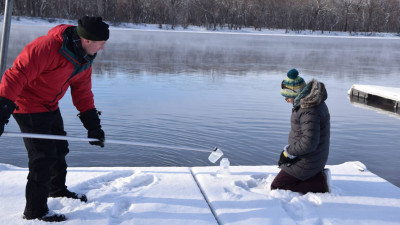
Lee Ferguson is a Professor of Civil and Environmental Engineering at Duke University, with additional appointments as Associate Professor in the Division of Marine Science and Policy. His research focuses on environmental analytical chemistry, particularly using high-resolution mass spectrometry to study per- and polyfluoroalkyl substances (PFAS) , microplastics , and endocrine disruptors . Ferguson Lab develops methods for contaminant detection in water systems and investigates chemical leaching from polymers. Ph.D. in Chemistry from Stony Brook University (2002) Former Assistant Professor at University of South Carolina (2003-2009) Recent work includes PFAS analysis in lithium-ion batteries, glyphosate detection in hard waters, and microplastic dye toxicity studies. Key publications explore urban watershed contamination, Sri Lankan drinking water CKDu links, and novel analytical methods for environmental pollutants. Applied Research Fellowship (2022), Kavli Frontiers of Science Fellow (2011) Testified before U.S. Senate on nanotechnology risks Co-founder of NC PFAS Testing Network As an advisor, he mentors Doctoral Candidates Patrick Faught and Anna Lewis , who investigate microplastic dyes and polymer additives. Lab research spans environmental fate of nanomaterials, contaminant bioavailability, and exposomics for health outcomes.
Professor Caroline Ford is a leading researcher at the University of New South Wales, serving within the School of Women's and Children's Health and the Adult Cancer Program at the Lowy Cancer Research Centre. She leads the Gynaecological Cancer Research Group (GCRG), which focuses on understanding the development, spread, and treatment of gynaecological cancers, with particular emphasis on ovarian and endometrial cancer. Established in 2010 after international postdoctoral fellowships at the University of Toronto and Lund University, her laboratory has maintained consistent competitive research funding for over 13 years. Her research spans Cancer Cell Biology with specific expertise in ovarian cancer, endometrial cancer, endometriosis, metastasis mechanisms, ascites biology, and cell-free DNA analysis. Major projects include developing an early detection test for ovarian cancer and identifying key targets for anti-metastatic therapies. The GCRG works closely with clinicians at the Royal Hospital for Women and conducts studies involving biospecimen collection from women with gynaecological cancers. Professor Ford has pioneered innovative in vitro organotypic models of ovarian and endometrial cancer for pre-clinical drug testing. Her publication record shows consistent focus on ROR1/ROR2 receptors, Wnt signaling pathways, and cell-free DNA applications in cancer diagnostics. Recent work has emphasized liquid biopsy techniques using ascites fluid, 3D cancer models, and computational approaches to predict treatment outcomes. She has published extensively on the molecular mechanisms of gynaecological cancers and their clinical applications. Superstar of STEM (2017) Women's Agenda Award for Female Leader in Science, Medicine & Health (2018) Professor Ford actively supervises PhD students including Kate Gunther and Bonnie Werner, and co-supervises Zoe Phan. She convenes UNSW's General Education course on Personalised Medicine and developed Australia's first MOOC on this subject. She serves as Chair of the ANZGOG Uterine Tumour Type Working Group and Research Chair of Cure Cancer Australia. Her community engagement includes founding the STEMMinist Book Club and leading the 'Ovaries. Talk About Them' campaign to raise awareness about ovarian cancer.
Professor Rachel Gibson is a Professor and Head of School in the Allied Health Administration at the University of Adelaide. Her work focuses on gastrointestinal toxicity, chemotherapy-induced adverse effects, and microbiome interactions with diet and health. She leads research in mucositis management, drug delivery systems, and nutritional pathways in oncology care. Her research interests include the gut microbiome's role in chemotherapy toxicity, mechanisms of gastrointestinal damage, and translational applications of intestine-on-chip models. She has contributed to international clinical guidelines on mucositis assessment and palliative care innovations during the pandemic. Publications span 2016-2025, emphasizing chemotherapy-induced diarrhea, microbiome-drug interactions, and dietary interventions. She has pioneered digital health solutions for nutrition support and explored genetic predictors of adverse drug reactions. Current efforts address pain management in pediatric cerebral palsy and optimizing supportive cancer care pathways. Grants and collaborations involve multidisciplinary teams in oncology, bioengineering, and public health. She advises on translational research bridging basic science to clinical practice, with a focus on improving patient outcomes through personalized interventions.