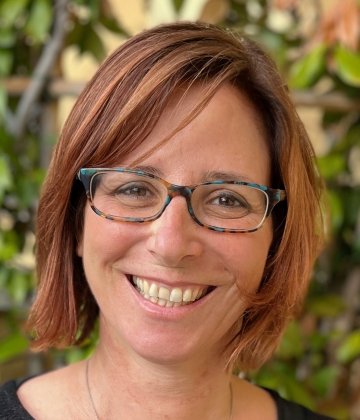
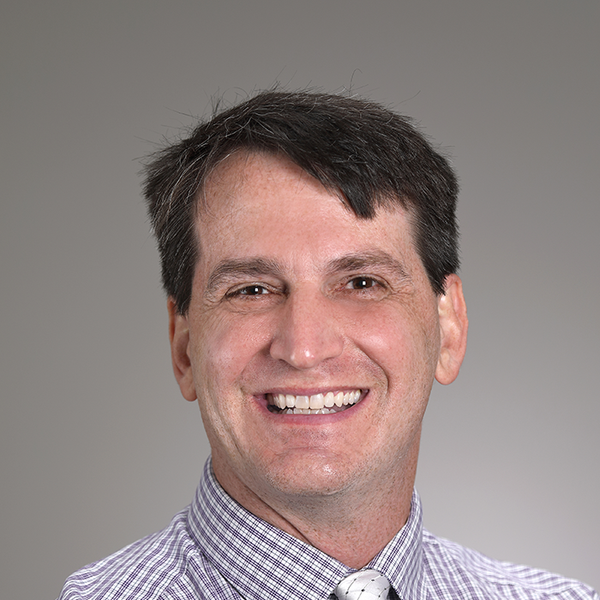
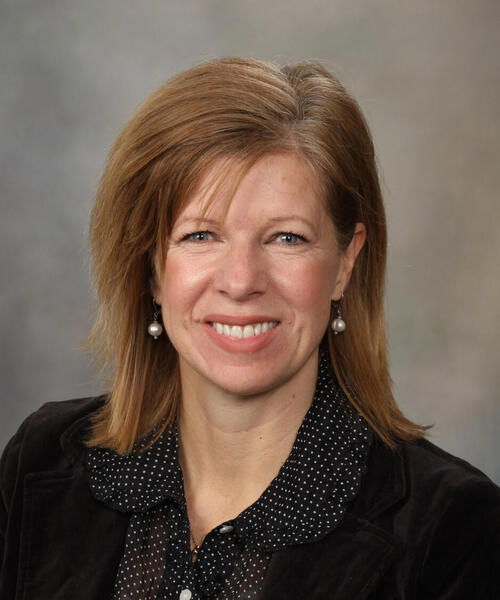
Alessia Melegaro is a Full Professor of Demography and Social Statistics at Bocconi University's Department of Social and Political Sciences, and a Research Associate at the Dondena Centre for Research on Social Dynamics and Public Policy. She holds a Ph.D. in Quantitative Epidemiology from the University of Warwick, UK. Her work bridges demography, epidemiology, and public health, focusing on policy modeling, vaccine strategies, and healthcare economics. She directs Bocconi's Master in Data Science and Business Analytics and leads the Bocconi Covid Crisis Lab, a multidisciplinary initiative analyzing the pandemic's societal impact. As Principal Investigator of an ERC Consolidator Grant, she studies human behavior's role in infection spread. Her research explores optimal vaccination programs, demographic-behavioral interactions, and AI-driven health resource allocation. Notable contributions include analyzing social contact patterns during the pandemic, vaccine acceptance dynamics, and global health equity in vaccine distribution. Her work emphasizes interdisciplinary collaboration, combining mathematical models with real-world data to inform public health policies. Recent studies highlight behavioral interventions for mask-wearing and influenza vaccination uptake among corporate workers.
Yueqi Zhang is a Molecular Research Assistant in the Department of Neuroscience at Yale University, affiliated with the Yale School of Medicine. Their research focuses on advancing therapeutic immune cell engineering, gene editing technologies, and cancer immunotherapy. Zhang holds an MD from Yale University (expected 2026) and a bachelor's degree from Central South University (2019). Key research areas include CRISPR-based genome editing systems (e.g., Cas12a and Cas13d), AAV-mediated delivery of genetic payloads, and metabolic modulation of CAR-T and CAR-NK cells. They have pioneered composite systems combining mRNA and viral vectors for immune cell engineering and developed in vivo CRISPR screens to identify therapeutic targets in tumor-infiltrating immune cells. Zhang's recent work (2023–2025) emphasizes multiplexed gene inhibition strategies, combinatorial immunotherapies, and translational platforms for clinical application. Their studies bridge molecular biology, systems immunology, and clinical oncology to address challenges in targeted therapy resistance and immune evasion mechanisms. Education: MD Candidate, Yale University School of Medicine (2026) Bachelor's Degree, Central South University (2019) Labs/Teams: Active in Yale's Molecular and Cellular Neuroscience programs and collaborates with teams developing AAV-based gene therapies and CRISPR engineering platforms.
Andrew Keane Woods holds the Milton O. Riepe Professor of Law chair and directs the TechLaw program at the University of Arizona’s James E. Rogers College of Law. His research focuses on global technology regulation, including data sovereignty, platform governance, and international law. He has published in top journals like the Yale Law Journal and Stanford Law Review, and his work influences policy worldwide, cited by regulatory bodies and media outlets like The Economist and NPR. Education: A.B. from Brown University (magna cum laude, 2002), J.D. from Harvard Law School (cum laude, 2007), and Ph.D. in Politics from the University of Cambridge (Gates Scholar, 2012). Prior roles include visiting professorships at the University of Texas and University of Copenhagen, a Climenko Fellowship at Harvard Law School, and postdoctoral research at Stanford University. Research interests emphasize balancing innovation with legal frameworks, particularly in cybersecurity, cross-border data issues, and ethical AI. His recent work explores social contracts in digital contexts and regulatory responses to AI-driven challenges like shallow fakes. Key publications address data localization, platform liability, and the evolving role of tech firms in global governance. Awards include the Fulbright Schuman Innovation Award (2023) and recognition as a Gates Scholar. His contributions extend beyond academia: he has testified before Congress, advised regulatory agencies, and writes for outlets like the New York Times and Lawfare. Advising and grants highlight collaborative research on emerging technologies and their legal implications. He leads the TechLaw program, fostering interdisciplinary dialogue on law, technology, and policy. Ongoing work focuses on AI ethics in healthcare and the intersection of international law with digital sovereignty.
Jason Fish is a Clinical Professor in General Internal Medicine and Chief Executive Officer of Yale Health at Yale School of Medicine. He holds a MD from Weill Cornell Medical College, an MS in Health Services Research from UCLA, and executive education in healthcare leadership. His research focuses on healthcare quality improvement methodologies such as Lean Six Sigma, clinical decision support systems, and process optimization in chronic disease management. Notable projects include improving depression screening in oncology, diabetes control in endocrine clinics, and rheumatoid arthritis treatment protocols. He has contributed to advancing electronic health record systems and preventive care metrics. Education: MD (Weill Cornell), MS Health Services Research (UCLA) Roles: Chief Executive Officer (Yale Health), Clinical Scholar (Robert Wood Johnson Program) Research emphasizes translating quality improvement strategies into clinical practice, with a focus on diabetes, rheumatology, and mental health integration. Recent work highlights interdisciplinary applications of Lean Six Sigma to enhance care outcomes and reduce disparities. Awards and recognitions are not explicitly listed in the provided text. Advising and grant activities are not detailed here, though his leadership roles suggest involvement in institutional initiatives. Active in Yale Health’s operational and strategic leadership, contributing to the School of Medicine’s mission through clinical and administrative expertise.
Lyu Yi is a distinguished academic and clinician serving as Professor in the Department of Hepatobiliary Surgery at Xi'an Jiaotong University. He currently holds leadership roles including Vice President of Xi'an Jiaotong University, Director of The First Affiliated Hospital, and Director of the National Local Joint Engineering Research Center for Precision Surgery & Regenerative Medicine. His career spans over three decades in hepatobiliary surgery, transplantation medicine, and biomedical innovation. Education: Bachelor's in Clinical Medicine (1984, Xi'an Medical College) Master's (1990) and PhD (1995) in General Surgery from Xi'an Medical College Postdoctoral training in Surgery at Nippon Medical School Hospital, Tokyo (1998–2000) Research focuses on magnetic surgery innovations, liver transplantation, cancer therapy, and regenerative medicine. Key contributions include magnetic anastomosis devices and consensus guidelines for magnetic surgical techniques. Awards include the First Prize of Chinese Medical Technology Award (2018) and National Teaching Achievement Award (2023). Editor-in-Chief of Magnetic Medicine and holds leadership roles in surgical societies like the American College of Surgeons. Grants include National Key Research Programs (e.g., 2023YFF0713700, ¥120M) and NSFC projects. Over 30 patents filed, including magnetic vascular anastomosis systems. Active in surgical education and training device development such as the 'Magnetic Spiderman' surgical simulator.
Professor Lachlan Thompson is a leading academic in neurogenesis and neural transplantation, affiliated with the School of Medical Sciences. His work focuses on advancing stem cell therapies for neurodegenerative diseases like Parkinson’s, particularly through engineered neural grafts and hydrogel-based delivery systems. He leads research on optimizing stem cell differentiation, immune evasion, and functional integration within host neural circuits. Current research students include Laura Ancellotti and Alex Johnson. Key grants include a 2024 NHMRC Ideas Grant for improving Parkinson’s cell therapies and 2023 startup funding for establishing his research programs. His lab collaborates with the Charles Perkins Centre, focusing on translational neuroregenerative strategies. Research interests span stem cell engineering, neural circuit reconstruction, and disease modeling using patient-derived iPSCs. Recent work emphasizes hydrogel oxygen reservoirs, suicide gene activation in grafts, and developmental timing of neural progenitors. Over 80 publications detail advancements in neural transplantation safety, gene therapy approaches, and rodent models of neurological disorders. Awards and recognitions are not explicitly mentioned, though his high-impact publications and NHMRC grants highlight his academic standing. His lab integrates biomaterials science, genetic engineering, and clinical translation to address unmet needs in neurodegenerative therapies.
Dr. John Misasi is an Assistant Professor at Boston University's Chobanian & Avedisian School of Medicine, specializing in Virology, Immunology, and Microbiology. He holds an MD from SUNY Upstate Medical University and a BS from Boston University. His research focuses on antibody discovery, viral pathogenesis, and structural biology. He has contributed to the development of FDA-approved Ebola therapies like mAb114 and leads studies on SARS-CoV-2, MPOX, and Lassa viruses. Dr. Misasi's lab investigates immune evasion mechanisms and antibody-mediated immunity at the National Emerging Infectious Disease Laboratory. He has been recognized with awards including the NIH Director’s Award and multiple NIAID Merit Awards. Education: MD: State University of New York Upstate Medical University BS: Boston University Research Interests: Dr. Misasi's work centers on understanding antibody mechanisms against high-containment pathogens. His lab uses virology, immunology, and structural biology tools to study viral entry pathways, neutralizing antibodies, and immune evasion strategies. Key areas include: Antibody engineering for SARS-CoV-2 and Ebola Vaccine design targeting viral glycoproteins Host-pathogen interactions in filoviruses Therapeutic antibody development Grants & Awards: National Institutes of Health Director’s Award (2020) NIAID Merit Award for Ebola Outbreak Response (2018) Vaccine Research Center Staff Recognition (2018) NIH UGSP and INRO Mentorship Programs (2019-2023) Labs & Teams: He leads the National Emerging Infectious Disease Laboratory (NEIDL) team focusing on high-containment pathogens. Collaborations include work at NIH Vaccine Research Center and Harvard Medical School.
Michael J. Caplan is the C.N.H. Long Professor of Cellular and Molecular Physiology and Professor of Cell Biology at Yale School of Medicine, where he also serves as Chair of the Department of Cellular and Molecular Physiology. He has been a faculty member at Yale since 1988, following the completion of his M.D. and Ph.D. degrees from Yale University in 1987. His academic journey began with a bachelor's degree in Biology from Harvard University in 1980. Dr. Caplan's research program focuses on understanding how membrane proteins are sorted in polarized epithelial cells, with particular emphasis on the Na,K-ATPase (sodium pump) in renal epithelial cells. His laboratory has made significant contributions to understanding the mechanisms responsible for Autosomal Dominant Polycystic Kidney Disease (ADPKD), particularly through studies of the polycystin-1 and polycystin-2 proteins. His work has revealed that polycystin-1 undergoes proteolytic cleavage to release its C-terminal tail, which enters the nucleus and modulates signaling pathways including Wnt signaling. His research also explores connections between renal cilia and olfactory signaling pathways in kidney function. Analysis of Dr. Caplan's recent publications reveals a strong focus on the molecular mechanisms underlying polycystic kidney disease, with particular attention to protein trafficking, membrane contact sites, transcriptional regulation in cystic cells, and novel therapeutic approaches. His work spans multiple disciplines including cell biology, molecular physiology, and translational medicine, with increasing integration of advanced imaging techniques and nanotechnology approaches. Dr. Caplan has received numerous prestigious awards including: Fellow of the American Association for the Advancement of Science (2023) Carl W. Gottschalk Distinguished Lectureship from the American Physiological Society (2012) Young Investigator Award from the American Society of Nephrology (1998) National Young Investigator Award from the National Science Foundation Fellowships from the Helen Hay Whitney Foundation and David and Lucille Packard Foundation As an educator and mentor, Dr. Caplan has received Yale's Postdoctoral Mentoring Prize (2010) and Bohmfalk Award for Excellence in Basic Science Teaching (2000). He currently serves as Editor-in-Chief of the journal Physiology and on the Board of Directors of the American Physiological Society. His laboratory continues to be at the forefront of research on kidney cell biology and polycystic kidney disease pathogenesis, with ongoing investigations into novel therapeutic targets and mechanisms of disease progression.
Dr. Min Chen is a Professor in the Department of Mathematical Sciences at the University of Texas at Dallas (UTD), affiliated with the School of Natural Sciences and Mathematics. He holds an adjunct professorship at the University of Texas Southwestern Medical Center. His expertise spans statistical genomics, bioinformatics, Bayesian methods, and sampling techniques. He completed his Ph.D. in Statistics and Decision Science at the University of Texas at Austin and a postdoctoral fellowship in statistical genomics at Yale University. Education: B.S. in Computer Science (University of Science & Technology of China, 1994); M.A. in Statistics (University of Pittsburgh, 1999); Ph.D. in Statistics (UT Austin, 2006); Postdoc in Statistical Genomics (Yale University, 2008–2010). Research focuses on statistical methodologies in genomics, including genome-wide association studies, network-based modeling, and Bayesian integrative analysis. He also explores spatial modeling and ranked set sampling. His work addresses challenges in cancer genetics, epigenetics, and single-cell gene regulation. Notable awards include the NIH Career Development Award (2013), David Bruton Fellowship (2006), and R.L. Anderson Student Paper Award (2006). He is a member of the American Statistical Association and International Chinese Statistical Association. He advises graduate students in Data Science, Statistics, and Bioinformatics & Computational Biology (BCBM) programs. His teaching includes courses on advanced statistical methods and data science. Research contributions span over 40 peer-reviewed articles, with recent work in tumor pathology imaging, antibiotic resistance, and Alzheimer’s disease mechanisms.
Justin Boren is an Associate Professor of Communication at Santa Clara University’s Leavey School of Business. He also serves as Chair of the County of Santa Clara’s Human Rights Commission. His research focuses on organizational communication dynamics, particularly how social support networks mitigate workplace stress and influence employee well-being. Boren pioneered the concept of Communicatively Restricted Organizational Stress (CROS), linking communication barriers to health outcomes and advocating for interventions to reduce stress in high-CROS environments. Boren holds a B.A. (2002) and M.A. (2005) in Communication from California State University, Long Beach, and a Ph.D. (2010) in Communication from Arizona State University’s Hugh Downs School of Human Communication. He teaches courses on organizational communication, conflict management, and the biological foundations of human communication. His research explores themes such as CROS in healthcare and academia, physiological stress responses, and communication strategies for work-life balance. Recent work investigates nurse stress, faculty well-being, and the relationship between social inclusion and blood glucose levels. Boren emphasizes practical interventions to improve organizational communication and employee health. While no scientific awards are explicitly noted, his contributions are reflected in peer-reviewed publications and professional affiliations, including the American Psychological Association and National Communication Association. His advising and grant details are not provided in the text, but his research interventions focus on workplace stress reduction. No specific labs or teams are mentioned in the provided information.
Pekka Nuorti is a Professor of Epidemiology and Director of the Global Public Health Research and Education Center at the University of Tampere, Finland. He leads the International Doctoral Programme in Epidemiology and Public Health (IPPE) and holds an academic position within the Faculty of Social Sciences, Department of Epidemiology. His research focuses on vaccine effectiveness, infectious disease surveillance, and global health challenges, particularly in low-resource settings. Nuorti has contributed extensively to studies on pneumococcal vaccines, SARS-CoV-2 transmission dynamics, and public health policy. Research Interests: Vaccine impact and effectiveness Infectious disease epidemiology and surveillance Global health equity and NCD prevention Climate change and vector-borne diseases Public health interventions in humanitarian crises Recent Work Trends: Recent articles emphasize vaccine efficacy in Africa and Asia, transmission dynamics of respiratory pathogens, and the intersection of climate change with disease patterns. Collaborations span multi-country analyses, particularly in Eastern Europe and Sub-Saharan Africa. Advising & Grants: As a program director, Nuorti oversees doctoral training in epidemiology and public health. His grants focus on global health research, including WHO-funded studies on pneumococcal vaccines and pandemic preparedness. Labs/Teams: Active in the Global Public Health Research and Education Center, coordinating international projects on infectious disease control and vaccine implementation.
Stephen Dewhurst, Ph.D., is Vice President for Research and Chief Research Officer at the University of Rochester (UR) and Vice Dean for Research at the UR School of Medicine and Dentistry (SMD). He holds a professorship in the Department of Microbiology and Immunology (SMD). His administrative roles include former department chair (2009–2021), SMD Senior Associate Dean for Basic Research (2007–2009), and codirector of UR’s Center for AIDS Research (2008–2020). Dr. Dewhurst’s research focuses on virology, with 30+ years’ experience including HIV neuropathogenesis, vaccine development, and innate immune responses. He leads NIH-funded programs in graduate education and Deaf postdoctoral training. His mentorship has guided 29 Ph.D. students, 16 postdoctoral fellows, and >100 undergraduates, earning awards like the William H. Riker Award (2008) for graduate education. Key scientific contributions include HIV humanized mouse models, antiviral therapeutics, and MLK inhibitors for neuroinflammation. His patents span viral vectors, integrin-binding monobodies, and influenza vaccines. Awards include membership on NIH study sections (e.g., HIV Immunopathogenesis) and editorial roles in virology journals.
Harry M. Caldwell is Professor of Law and Director of Trial Advocacy at Pepperdine University’s Caruso School of Law, where he teaches Criminal Law, Criminal Procedure, and an array of trial-advocacy courses. A former trial prosecutor in Santa Barbara and Riverside counties, he now devotes much of his practice to representing condemned prisoners on appeal before the California Supreme Court and the U.S. Supreme Court. Education J.D., Pepperdine University, 1976 B.A., California State University, Long Beach, 1972, cum laude Research & Scholarship Caldwell’s scholarship sits at the intersection of criminal procedure, trial advocacy, and empirical legal studies. His work explores how psychological insights can sharpen trial techniques—whether in voir dire, opening statements, cross-examination, or closing arguments—and how systemic reforms can curb prosecutorial misconduct and coercive plea bargaining. He is a vocal critic of racial bias in jury selection and has proposed concrete measures to strengthen Batson protections. His empirical orientation distinguishes much of his recent writing, generating data-driven prescriptions for fairer trials and more reliable death-penalty decision-making. Across more than two dozen major articles and several influential textbooks, his research themes coalesce around three pillars: (1) refining the art of advocacy through scientifically grounded techniques; (2) exposing and remedying flaws in the administration of capital punishment; and (3) enhancing prosecutorial accountability to safeguard due-process values. Honors & Awards 2012 Howard A. White Award for distinguished teaching Luckman Distinguished Teaching Awards (multiple years) 2000 Richard Jacobson Award recognizing him as the nation’s premier trial-advocacy teacher Teaching, Advising & Service Beyond doctrinal courses, Professor Caldwell coaches Pepperdine’s nationally acclaimed interschool trial teams, mentoring students through intensive simulations and national competitions. He has co-authored a widely adopted series of practical texts— Ladies and Gentlemen of the Jury , And the Walls Came Tumbling Down , and The Devil’s Advocates —that distill legendary trials into teachable moments for future advocates.
Anne J. Novak, Ph.D., is a Professor of Medicine at Mayo Clinic in Rochester, Minnesota, with primary and joint appointments in the Division of Hematology, Department of Internal Medicine, and the Department of Immunology. She is actively affiliated with the Mayo Clinic Comprehensive Cancer Center and leads research in lymphoma genomics and immunology. Institution: Mayo Clinic School: Mayo Clinic Alix School of Medicine Department: Division of Hematology, Department of Internal Medicine Rank: Professor Email: novak.anne@mayo.edu Dr. Novak’s research focuses on the genomic and molecular characterization of B-cell lymphomas, including diffuse large B-cell lymphoma (DLBCL) and follicular lymphoma (FL). Her work integrates tumor and host genetic biomarkers to predict early clinical failure and relapse. She employs genomic, transcriptomic, and immune profiling to advance precision oncology and therapeutic targeting in low-grade lymphomas. Her research contributes to large-scale initiatives like the Lymphoma Genome Project. Recent publications highlight her work on methylated DNA markers in lymphoma detection, molecular features of treatment resistance in DLBCL, and epigenetic predictors of therapy response in follicular lymphoma. Her research output shows sustained activity through 2025, indicating ongoing contributions to the field. Dr. Novak has held key leadership roles, including Immunology Course Leader at Mayo Clinic Alix School of Medicine and Associate Translational Chair in Hematology Research. She is a member of the Executive Committee of the Department of Immunology and serves as an ad hoc member of an NIH study section. She has led a National Cancer Institute-funded research project on genetic predictors of early clinical failure in DLBCL. Her collaborations span bioinformatics, epidemiology, and clinical hematology, supporting a multidisciplinary approach to lymphoma research. Dr. Novak’s laboratory and research team are embedded within Mayo Clinic’s robust cancer research infrastructure, contributing to the Cancer Cell Genomics, Signalling, and Metastasis Program. Her work is supported by institutional and federal grants, and she actively mentors within the research and educational missions of Mayo Clinic.
Alexander Margaret is an Assistant Professor in the Department of Medical Microbiology and Immunology at the University of Wisconsin–Madison, School of Medicine and Public Health. She leads an independent research laboratory focused on understanding how diet, gut microbiota, and immune responses interact to influence autoimmune diseases. Her lab employs advanced techniques including gnotobiotic mouse models, anaerobic microbiology, sequencing, and metabolic assays to uncover mechanistic insights into host-microbe interactions. Dr. Alexander earned her PhD in Biology from the University of Utah, where she studied immune cell communication under Dr. Ryan O’Connell. She completed her postdoctoral training at the University of California, San Francisco, with Dr. Peter Turnbaugh, investigating how autoimmune-related microbiota members modulate immune responses. She launched her independent research program at UW–Madison in January 2024. Her research focuses on two major themes: (1) microbiota-dependent mechanisms by which diets modulate immune responses in autoimmunity, and (2) targeting dietary interventions by understanding how disease-associated microbes influence immunity. These efforts are supported by grants from the NIH NIAID (R00), the Shaw Early Career Research Award (Greater Milwaukee Foundation), and internal funding from the University of Wisconsin–Madison (OVCRGE, SMPH, MMI). The articles published by Dr. Alexander and her collaborators reveal a strong trend in immunometabolism and microbiome-immune crosstalk. Her work consistently explores how host and microbial metabolites—shaped by diet or drugs—regulate immune cell function, particularly Th17 cells, in inflammatory and autoimmune contexts. The research spans basic microbial physiology to translational applications in precision medicine. NIH NIAID R00 Shaw Early Career Research Award (Greater Milwaukee Foundation) Dr. Alexander mentors a dynamic team of graduate students, postdoctoral scholars, and undergraduate researchers. Lab members include Wenxuan Dong (Biophysics PhD), Gillian Hughes (MDTP PhD), Bethany Korwin-Mihavics (Postdoc), and Chi (Felix) Yan (Postdoc). She emphasizes structured mentorship through weekly 1:1 meetings, annual Individual Development Plan (IDP) discussions, and a collaborative lab culture that values creativity, curiosity, and open communication. While she does not currently have grants listing named trainees, her lab is actively involved in training the next generation of scientists in interdisciplinary approaches to immunology and microbiome research. The Alexander Lab is based in the Microbial Sciences Building at UW–Madison and fosters a vibrant, collaborative environment. The lab team investigates complex systems using diverse methodologies and encourages interdisciplinary collaboration. Though newly established, the lab has already initiated traditions such as lab picnics, art days, and social gatherings to build camaraderie. The lab culture emphasizes celebrating well-designed experiments regardless of outcome, learning from mistakes, and maintaining a supportive atmosphere for scientific growth.