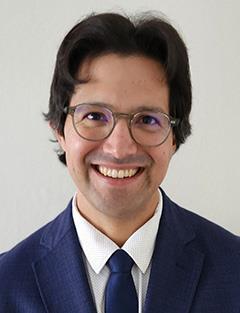
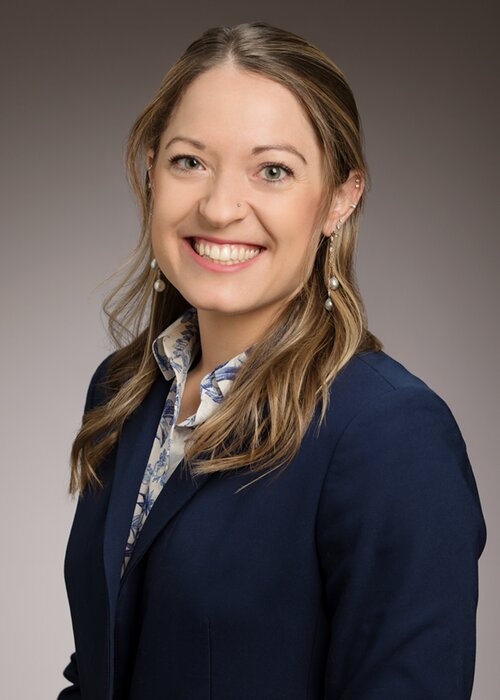
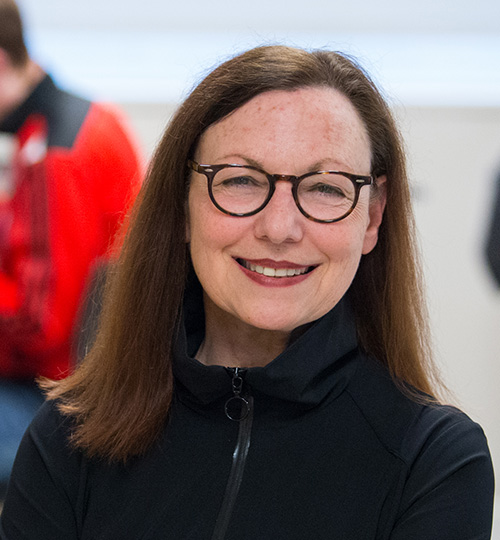
Bradley L. Pentelute is a Professor of Chemistry at the Massachusetts Institute of Technology (MIT) , affiliated with the School of Science and the Department of Chemistry . His research focuses on developing advanced chemical tools for protein modification, drug delivery, and rapid biopolymer synthesis. The Pentelute Lab pioneers technologies like automated flow chemistry for protein synthesis and engineered anthrax toxin-based delivery systems. Research Interests: The lab invents chemistries to modify proteins for therapeutic applications, such as antibody-drug conjugates and cell-penetrating peptides. They also develop fast-flow synthesis platforms to produce large proteins and study protein-protein interactions using affinity selection-mass spectrometry. Key areas include peptide macrocycles , mirror-image proteins , and antisense delivery . Recent Work: The 2025 publications highlight advancements in automated synthesis of immune checkpoint receptors (PD-1/PD-L1), mirror-image proteins (e.g., cyclophilin A), and affinity selection techniques. Earlier work includes breakthroughs in anthrax toxin-mediated delivery of antisense oligonucleotides and ultra-fast protein synthesis. Labs & Teams: The Pentelute Lab collaborates widely, leveraging MIT’s resources to bridge chemistry, biology, and engineering. Ongoing projects include developing brain-penetrant therapeutics and machine learning-aided peptide design.
Dr. Seth Guller is a Senior Research Scientist and Director of the Gyn/Endocrine Laboratory at the Yale School of Medicine. He specializes in reproductive sciences, focusing on placenta diseases, pre-eclampsia, and pregnancy outcomes. His research integrates biochemistry and clinical laboratory techniques to improve patient care, particularly through advanced hormone analysis using the Roche Cobas e411 analyzer. Dr. Guller holds a PhD from Mount Sinai School of Medicine (1986) and has authored over 75 peer-reviewed publications. Affiliations: Yale Fertility Center, Reproductive Endocrinology & Infertility Division, Perinatal Research Group Key Research Areas: Placental biology, maternal-fetal immune interactions, viral infections in pregnancy, and cytokine regulation in reproductive health. His laboratory has pioneered studies on mechanisms underlying preeclampsia, Zika virus vertical transmission, and the impact of maternal obesity on placental function. Collaborations with clinicians like Dr. Charles Lockwood and Dr. Harvey Kliman highlight translational research bridging basic science and clinical care. Recent publications (2020–2023) emphasize placental immunology, SARS-CoV-2 effects on pregnancy, and metabolic pathways influencing fetal development. His work has advanced understanding of Hofbauer cell functions, cytokine signaling, and viral pathogenesis in obstetrical contexts.
Revati Masilamani, Ph.D., is an Assistant Professor in Medical Education at the Tufts University School of Medicine. She holds dual appointments at the School of Medicine and Tisch College, both located at 120 Harrison Avenue, Boston, MA. Her work focuses on advancing medical education through innovative teaching and mentorship models. Dr. Masilamani teaches a wide range of courses including Intro to Microbiology Immunology Cell Biology Neurobiology topics like 'Neural Signaling' and 'Neurobiology of Addiction' Lab Science Investigations Her courses emphasize interdisciplinary approaches to biomedical sciences and health careers. Her research interests span medical education strategies, immunology, and microbiology with a focus on vaccine development and genetic interactions in pathogens like Streptococcus pneumoniae. She also explores mentorship models to foster inclusive pathways to healthcare professions. This profile currently contains no listed scientific awards or grants. Dr. Masilamani's work includes collaborations with Tisch College and Tufts Summer Accelerator programs, though specific lab affiliations are not explicitly mentioned in the provided text.
John Iacomini is a Professor at Tufts University School of Medicine , affiliated with the Department of Immunology and cross-appointed in Genetics, Molecular and Cellular Biology, and other biomedical programs. He has taught courses like Intro to Immunology and Advanced Cellular Immunology since 2011. Doctor of Philosophy , Tufts University (1991) Bachelor of Science , Syracuse University (1986) His research focuses on adaptive immune responses , immunological tolerance , and the role of microRNAs in T cell activation and tissue injury responses . Recent work explores how hyperlipidemia and dietary factors influence organ transplant rejection and immune regulation. His publications since 2015 highlight studies on Treg dysfunction , Th17 cell pathogenicity , microRNA-mRNA interactions in nephrotoxicity, and hormonal modulation of T cells. These studies often intersect transplant immunology and metabolic-immune crosstalk . Scientific Awards NIH Grant: Post-transcriptional regulation of gene expression by microRNAs (2021-2026) NIH Grant: Microbial disruption of dendritic cell function (2018-2023) NIH Grant: Hyperlipidemia effects on immune memory (2018-2020) NIH Grant: Diet-induced transplant rejection (2015-2020) American Heart Association Grant: Hyperlipidemia in cardiac rejection (2014) As a mentor, he has advised graduate students like Christopher Benway and contributed to training programs. His laboratory remains active in uncovering mechanisms of immune tolerance , microRNA regulation , and metabolic influences on transplant outcomes .
Aaron Mendez is an Assistant Professor in the Department of Molecular Biology and Microbiology at Tufts University School of Medicine. His research focuses on understanding how viruses maximize their replicative output through the formation of replication compartments, using Kaposi's sarcoma-associated herpesvirus (KSHV) as a model system. Education: PhD in Chemistry & Chemical Biology from the University of California, San Francisco (2015); BSc in Biochemistry & Molecular Biology from the University of California, Irvine (2009). Research Interests: The lab employs a multidisciplinary approach combining molecular virology, biochemistry, and chemical genetics to uncover molecular mechanisms underlying viral replication compartment formation. Key areas include compartment dynamics, viral machinery organization, and evasion of host immune responses. Recent work highlights studies on SOX exonuclease activity in KSHV and SARS-CoV-2 nsp1 protein function. Publications: Recent articles (2014–2023) explore viral replication mechanisms, ER stress pathways, and protein engineering. Notable contributions include elucidating SOX's role in viral DNA processing and characterizing SARS-CoV-2 nsp1's suppression of host gene expression. Grants & Lab Activities: The lab develops novel tools for studying viral replication compartments, with potential applications in antiviral strategies. Current efforts aim to identify linchpin interactions critical for compartment assembly and function. Labs/Teams: Mendez leads a research group focused on advancing virology through innovative biochemical and genetic methodologies.
Collin Heer is an Associate Research Scientist in the Department of Therapeutic Radiology at Yale School of Medicine, Yale University. He holds a BS in Biochemistry and Biology from Clarke University (2015) and a PhD in Free Radical and Radiation Biology from the University of Iowa (2021). His postdoctoral training at Yale (2025) further solidified his expertise in radiation biology and cancer therapy. Dr. Heer’s research focuses on mitochondrial metabolism, NAD+ signaling in cancer and neuroinflammation, and the development of novel therapies targeting metabolic dysfunctions. His work bridges molecular mechanisms with translational applications, including radiation sensitizers, antioxidant therapies, and CRISPR-based gene editing. His publications highlight contributions to understanding NAD+ metabolism in viral infections, synergistic effects of radiation with drugs like avasopasem, and mitochondrial dysfunction’s role in cancer progression. He collaborates with the Bindra Lab, advancing studies on tumor ablation strategies and metabolic pathways. While no formal trainees are listed, his research aligns with Yale Cancer Center initiatives. He has presented findings at conferences like AACR25. His work emphasizes actionable insights for enhancing cancer therapies through metabolic and redox biology principles.
Dr. Magdalena Ślusarz serves as an Adjunct Professor in the Department of Theoretical Chemistry at the Faculty of Chemistry, University of Gdańsk. Her research focuses on computational approaches to structural biology problems, particularly in viral immunomodulation and receptor-ligand interactions. Her research interests span computational chemistry , molecular modeling of protein structures , and structural analysis of viral immune evasion mechanisms . She specializes in applying molecular dynamics simulations, NMR spectroscopy data interpretation, and UNRES force field methodologies to study herpesvirus proteins (particularly UL49.5), opioid receptor interactions, and vasopressin receptor systems. Her work bridges theoretical chemistry with biomedical applications including viral pathogenesis and neuropharmacology. Analysis of her recent publications reveals a strong focus on herpesvirus immunomodulation mechanisms (2023-2024), particularly how viral proteins hijack cellular degradation pathways. Earlier work demonstrates expertise in computational structural biology methodologies including UNRES force field development for membrane proteins (2019) and protein structure prediction (2016-2020). Her research consistently applies molecular modeling to solve biomedical problems ranging from viral immune evasion to neuropharmacology. Dr. Ślusarz maintains active research in the Laboratory of Molecular Modeling at the University of Gdańsk, where she applies computational approaches to protein structure-function relationships. Her work involves collaborations across international research teams, particularly evident in large-scale projects like the WeFold consortium for protein structure prediction.
Norman Van Rhijn is a Wellcome Trust Early Career Fellow at the University of Manchester's Division of Evolution, Infection and Genomics. His research focuses on microbial evolution with specific emphasis on fungal pathogens, particularly Aspergillus fumigatus . He leads work on antimicrobial resistance (AMR), climate change impacts on fungal diseases, and genetic tools for non-model organisms. He holds affiliations with MERman (Microbial Evolution Research Manchster) and the Manchester Fungal Infection Group (MFIG). Education: BSc Biology (Leiden University), MSc Medical Mycology (University of Manchester), PhD in Molecular Biology (University of Manchester). Research highlights include developing CRISPR-based genome editing methodologies, studying fungal adaptation to environmental pressures, and investigating dual-use fungicides. His work contributes to UN Sustainable Development Goals related to health and environmental sustainability. Award: Wellcome Trust Early Career Fellowship. Labs/Teams: PI in the MFIG project, editorial board member for mBio , and active in professional societies including the Microbiology Society and British Society for Medical Mycology.
Prof. Dr. med. Dirk H. Busch serves as Professor at the Institute for Medical Microbiology, Immunology and Hygiene, Technical University of Munich (TUM), and holds the position of Vice Speaker for Collaborative Research Center SFB 1054. His academic affiliation centers on TUM's medical research infrastructure in Munich, Germany. His research specializes in Immunology with emphases on T cell developmental imprinting , polyclonal immune responses , and chronic infection dynamics . Through SFB 1054 Project B09, he investigates how early immune experiences shape long-term T cell functionality during persistent infections, bridging fundamental immunology with clinical applications in chronic disease management. Prof. Busch maintains active leadership in SFB 1054's research governance while directing laboratory investigations at TUM's Institute for Medical Microbiology, Immunology and Hygiene. His work integrates advanced cellular tracking methodologies to decode immune memory formation in chronic inflammatory conditions.
Tyler Bold, MD, PhD serves as Associate Professor in the Division of Infectious Diseases and International Medicine within the Department of Medicine at the University of Minnesota Medical School. He concurrently holds faculty appointments in the Microbiology, Immunology and Cancer Biology (MICaB) Ph.D. Graduate Program and the Department of Medicine, establishing a multidisciplinary research presence spanning infectious disease pathogenesis, immunology, and host-pathogen interactions. His research program integrates clinical infectious disease expertise with fundamental immunological investigation, focusing on tuberculosis host-directed immunotherapy, SARS-CoV-2 pathogenesis mechanisms, and macrophage biology in atherosclerosis. Key interests include T cell costimulation in granulomatous diseases, viral-microbiome interactions during respiratory infections, and diagnostic innovations for resource-limited settings. His work bridges basic science discovery with translational clinical applications, particularly in immunocompromised populations and complex infectious syndromes. Analysis of his 15 most recent publications reveals dominant research trajectories in tuberculosis immunology (40% of articles), SARS-CoV-2 pathogenesis and therapeutics (35%), and atherosclerosis immunometabolism (15%), with emerging work on fungal infections in hematologic malignancies. The publications demonstrate consistent use of advanced techniques including single-cell resolution analysis, structural biology, and randomized clinical trials, reflecting both mechanistic depth and clinical relevance across infectious disease subspecialties.
Adrienne M. Antonson is an Assistant Professor in the Department of Animal Sciences at the University of Illinois Urbana-Champaign, affiliated with the College of Liberal Arts & Sciences Neuroscience Program. She leads the Antonson Developmental Neuroimmunology Lab, focusing on immunology, microbiology, and developmental neuroscience. Education: PhD in Immunophysiology and Behavior (University of Illinois Urbana-Champaign, 2018), Postdoctoral Fellow at Ohio State University (2018-2021) Affiliations: Microbial Systems Initiative, Carl R. Woese Institute for Genomic Biology (Environmental Impact on Reproductive Health Theme), Interdisciplinary Environmental Toxicology Program Her research investigates how prenatal maternal immune activation—via viral infections or stress—alters fetal microglial function and neurodevelopmental outcomes. Using translational animal models, she examines inflammatory pathways linking maternal insults to behavioral abnormalities and mental health disorders in offspring. Recent publications reveal critical insights into influenza A virus impacts on maternal-fetal immunity, epigenetic disruptions in hypothalamic development, and microbiome-mediated neuroinflammatory mechanisms. Her work emphasizes the maternal-fetal interface as a key regulator of neurodevelopmental trajectories. Contact: aantnsn2@illinois.edu , Edward R. Madigan Laboratory, 1201 W Gregory Drive, Urbana, IL 61801
Shelley L. Berger is the Daniel S. Och University Professor at the University of Pennsylvania, holding a "Penn Integrates Knowledge" Presidential Appointment. She serves as Director of the Epigenetics Institute at the Perelman School of Medicine and is Co-Director of the Tumor Biology Program at the Abramson Cancer Center. Her academic appointments span multiple departments including Cell and Developmental Biology, Biology, and Genetics. Dr. Berger earned her B.S. in Biology from the University of Michigan, Ann Arbor in 1982, followed by a Ph.D. in Cell & Molecular Biology from the same institution in 1987. Her distinguished career has led to her current position as a University Professor, one of the highest academic honors at the University of Pennsylvania. Dr. Berger's research focuses on epigenetics and chromatin structure/function in genomic regulation, with particular interest in post-translational modifications of histones and transcription factors. Her laboratory investigates how DNA-packaging structures are manipulated during genomic processes, with applications to understanding cancer, neurodegeneration, and other diseases. Her work spans multiple biological contexts including: Chromatin regulation of transcription Neuroepigenetics and memory formation Behavioral epigenetics in social insects Chromatin regulation in aging and senescence Cancer epigenetics and tumor suppressor mechanisms Analysis of Dr. Berger's recent publications reveals a strong focus on the intersection of epigenetics with aging, cancer, and neurobiology. Her work demonstrates how histone modifications and chromatin remodeling influence cellular senescence, with implications for age-related diseases including Alzheimer's. She has also pioneered research on epigenetic mechanisms in social behavior using ant models, and in T cell exhaustion relevant to cancer immunotherapy. A unifying theme across her publications is the role of specific histone modifications and chromatin regulators in controlling gene expression programs in diverse biological contexts. Dr. Berger has received numerous honors including her appointment as a Daniel S. Och University Professor and a "Penn Integrates Knowledge" Presidential Appointment, recognizing her exceptional interdisciplinary contributions to science. These prestigious appointments reflect her significant impact on the fields of epigenetics and chromatin biology. Dr. Berger mentors a vibrant research team consisting of multiple postdoctoral researchers, graduate students, and research specialists. Her laboratory, part of the Epigenetics Institute at Penn, investigates fundamental mechanisms of chromatin regulation with implications for human health and disease. Current research directions include exploring how epigenetic mechanisms control aging processes, cancer development, and social behavior in model organisms. Dr. Berger collaborates extensively with other leading researchers, including Carl June (pioneer of CAR T cell therapy) and John Wherry (expert in T cell exhaustion), to translate basic epigenetic discoveries into potential therapeutic applications. The Berger Lab operates within the Smilow Center for Translational Research at the University of Pennsylvania. The lab employs a multidisciplinary approach combining molecular biology, genomics, bioinformatics, and model organism studies to investigate chromatin regulation. Current research foci include epigenetic mechanisms in aging and senescence, cancer epigenetics, neuroepigenetics, and behavioral epigenetics in social insects.
Dr. Aidil Zaini is a Postdoctoral Research Fellow in the Department of Immunology at Monash University, School of Translational Medicine, and is affiliated with the Alfred Hospital. His research is centered on understanding mucosal immune responses, particularly in the context of diet, neuro-immune crosstalk, and the gut-immune-brain axis during health and inflammatory diseases such as inflammatory bowel disease. His research interests span Mucosal Immunology , Neuro-Immune Interactions , and Gut-Immune-Brain Axis dynamics. With a strong focus on how dietary factors influence immune responses, Dr. Zaini explores the immunological mechanisms underlying chronic inflammation and barrier integrity in the gut. His work integrates immunological, metabolic, and neurological perspectives to uncover novel pathways in disease pathogenesis. The recent publication trends highlight a multidisciplinary approach combining immunology with neuroscience and metabolism. Articles focus on T cell regulation, innate lymphoid cells, mast cell function, and the impact of feeding regimens on brain injury outcomes, reflecting a growing interest in systemic immune regulation across organ systems. Dr. Zaini has contributed to several peer-reviewed publications in high-impact journals such as Immunity , Frontiers in Immunology , and Cell Reports . His work has been referenced in Wikipedia, picked up by news outlets, and widely shared on social media, indicating broad scientific and public engagement. He has been actively involved in research since completing his PhD at the Monash Biomedicine Discovery Institute (2018–2021), where he studied mucosal immunity in allergy and helminth infections. Since joining the Mucosal Immunology Research Group in late 2021, he continues to advance understanding of immune homeostasis and inflammation through collaborative, translational research. Dr. Zaini is part of the Mucosal Immunology Research Group, where he collaborates on projects exploring diet-immune interactions and neuroimmunological aspects of gut inflammation. The team’s work contributes to UN Sustainable Development Goals related to good health and well-being.
Dr. Rosanna Wustrack is a Professor of Orthopaedic Surgery at the University of California, San Francisco (UCSF) School of Medicine, where she serves as the Chief of Orthopedic Oncology. She specializes in the surgical diagnosis and treatment of musculoskeletal tumors and fragility fractures, with a focus on limb salvage procedures and complex reconstructive surgery. Her educational background includes a BA in Biology from Yale University (1999), an MD from Washington University School of Medicine in St. Louis (2006), residency in Orthopedic Surgery at UCSF (2012), fellowship in Musculoskeletal Oncology at Memorial Sloan Kettering Cancer Center (2013), and Advanced Training in Clinical Research from UCSF (2014). She also completed Diversity, Equity, and Inclusion Champion Training at UCSF in 2018. Dr. Wustrack's research focuses on immunotherapy for sarcomas, functional outcomes in cancer patients, osseointegration, and optimizing treatment for metastatic disease. Her work also extends to global health initiatives and addressing osteoporosis in cancer survivors. She has made significant contributions to understanding tumor immunology, developing innovative reconstructive techniques, and improving outcomes for patients with musculoskeletal tumors. Her extensive publication record demonstrates expertise across sarcoma biology, orthopedic oncology, and innovative reconstructive techniques. The articles reveal a strong emphasis on translational research, with particular focus on sarcoma immunology, osseointegration technology, and outcomes research in musculoskeletal oncology. Her work bridges basic science with clinical applications, particularly in developing novel approaches to sarcoma treatment and improving prosthetic integration. UCSF Department of Orthopedic Surgery 2012 Mauer Chief Resident of the Year UCSF Department of Orthopedic Surgery 2016 James O. Johnston Resident Teaching Award UCSF Academy of Medical Educators 2018 Excellence in Teaching Award Musculoskeletal Research Society 2019-2020 Mentored Research Award UCSF Department of Orthopedic Surgery 2020 Compassionate Physician Award UCSF Health 2020 Exceptional Physician Award Dr. Wustrack serves as Principal Investigator on the Musculoskeletal Tumor Society grant "Identifying and enhancing the host immune response in adult soft tissue sarcoma" and as Co-Investigator on Department of Defense-funded research on osseointegration and neural-controlled prosthetics. Her work with the UCSF Sarcoma Center and Osseointegration Program (iCORES) demonstrates her commitment to multidisciplinary approaches to complex oncologic problems. She is actively involved in global health initiatives through the Institute for Global Health Sciences, focusing on improving surgical care access worldwide.
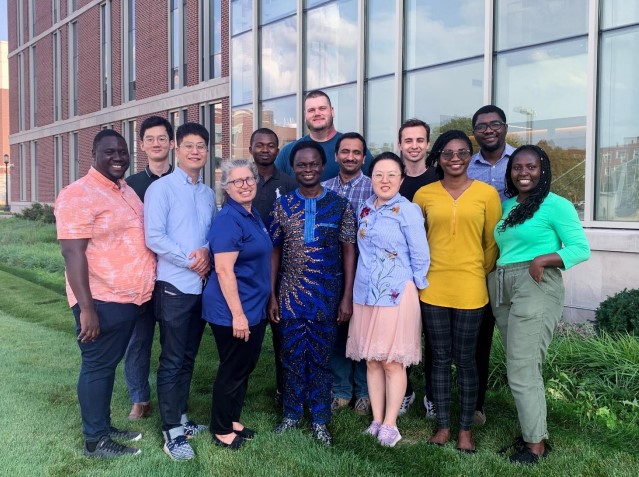
Olayiwola Adeola is a Professor of Animal Sciences at Purdue University's College of Agriculture. With expertise in Swine and Poultry Nutrition , he focuses on nutrient digestibility, feed ingredients, and gut microbiome research. His work bridges practical animal feeding strategies with advanced biochemical analysis. B.S., University of Ife, Nigeria M.S. and Ph.D., University of Guelph, Canada His research explores: Heat treatment effects on feed protein quality Phytase enzyme applications for mineral absorption Gut microbiome modulation through dietary supplements Energy metabolism in swine and poultry diets Non-invasive bone health assessment methods Impact of dietary fiber and antinutritional factors Recent publications highlight collaborations with researchers like Dr. Kola Ajuwon, advancing understanding of: Branched-chain amino acid interactions Maternal yeast supplementation effects Black soldier fly larvae meal applications Calcium-phosphorus balance mechanisms Dr. Adeola teaches graduate courses: ANSC 52200 - Monogastric Nutrition ANSC 62000 - Proteins and Amino Acids in Nutrition Current lab members include graduate students Abidemi Adekoya, Yuechi Fu, and Tanner Wise, with administrative support from Lab Manager Pat Jaynes.