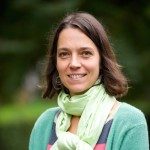
Milena Hasan is a Researcher at the Institut Pasteur in Paris, France, specializing in UTechS Single Cell Biomarkers unit. Her work focuses on cutting-edge single-cell transcriptomics , immune profiling , and cytometry data analysis across diverse conditions including viral infections, autoimmune diseases, and cancer immunotherapy. Lead investigator for multiple projects (TPAI, TTP, VARIANCE) involving single-cell technology training and advanced immune response analysis Key contributor to the Milieu Intérieur program studying immune system heterogeneity She actively develops tools for multi-omics data integration and leads courses on Single Cell Gene Expression and Beyond (2022, 2025) and Advanced Immunology (2025). Her research spans host-pathogen interactions , T cell dynamics , and inflammatory disease mechanisms through innovative technologies like spectral cytometry and single-cell proteomics.
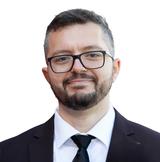
Dr. Walter Dzik serves as Associate Pathologist at Massachusetts General Hospital and Associate Professor of Pathology at Harvard Medical School, where he co-directs the Blood Transfusion Service. His clinical expertise spans coagulation disorders, hematology, and transfusion medicine, with particular focus on patient safety and evidence-based transfusion practices. Dr. Dzik's research interests include: Management of coagulopathy in liver disease Clinical use of blood components Massive transfusion protocols Biologic consequences of recipient exposure to allogeneic donor leukocytes Transfusion-related acute lung injury prevention International blood banking standards His publication record demonstrates sustained scholarly activity with impactful contributions to transfusion medicine, including development of the PLASMIC score for thrombotic microangiopathies and leadership in international BEST Collaborative studies. Recent work focuses on advanced therapies like recombinant ADAMTS13 for thrombotic disorders and machine learning applications for transfusion prediction. Notable achievements include: Founding membership in the Biomedical Excellence for Safer Transfusion (BEST) Collaborative Leadership of international studies on blood grouping errors (2002) Pivotal trial on universal leukoreduction (2008) Groundbreaking research on oxygen delivery by stored blood (2016) As Co-Director of the Blood Transfusion Service at MGH, Dr. Dzik oversees an FDA-licensed, full-service blood bank supporting approximately 70,000 annual transfusions and providing specialized services for cardiac surgery, bone marrow transplantation, and trauma care. His work with the NHLBI Clinical Trials Network continues to shape evidence-based transfusion practices worldwide.
Sandra Maria Blois is a University Professor at the University Medical Center Hamburg-Eppendorf (UKE), where she holds a position in the Faculty of Medicine within the Center for Obstetrics and Pediatrics and the Department of Obstetrics and Fetal Medicine. Her research focuses on the intersection of immunology and reproductive medicine, with particular expertise in glycoimmunology and reproduction. Dr. Blois's research primarily investigates the role of galectins and glycosylation in pregnancy, placental development, and pregnancy complications such as preeclampsia and gestational diabetes. Her work has significantly advanced our understanding of how glycan-binding proteins regulate immune tolerance at the maternal-fetal interface. She has made important contributions to understanding how galectin-1 shapes the placental niche and how glycosylation patterns influence pregnancy outcomes. Her research integrates molecular immunology, glycobiology, and reproductive medicine to elucidate mechanisms underlying healthy and pathological pregnancies. Analysis of Dr. Blois's recent publications reveals a consistent focus on galectin biology in reproductive contexts, with particular attention to galectin-1, -3, and -9. Her work spans basic molecular mechanisms, animal models, and clinical applications, demonstrating translational research from bench to bedside. Recent studies have explored connections between glycoimmunology and pregnancy complications including preeclampsia, fetal growth restriction, and responses to viral infections during pregnancy. Her research on the gut-placenta axis has revealed novel pathways linking maternal metabolism to placental function. Dr. Blois leads a research group focused on Glycoimmunology and Reproduction at UKE, where she maintains an active laboratory investigating the molecular mechanisms of maternal-fetal immune tolerance. Her team employs a multidisciplinary approach combining immunological, biochemical, and advanced imaging techniques to study pregnancy-related processes. She collaborates extensively with international researchers across multiple disciplines including virology, neonatology, and cardiovascular medicine.
Carrie Down Johnston, M.D., serves as Assistant Professor of Medicine in the Division of Infectious Diseases at Weill Cornell Medical College and Assistant Attending Physician at NewYork-Presbyterian Hospital. Board-certified in Internal Medicine and Infectious Disease, she specializes in HIV care at the Center for Special Studies (HIV/AIDS) in New York City. Her academic foundation includes a B.S. from Cornell University (2008), M.D. from Virginia Commonwealth University School of Medicine (2013), and M.S. in Clinical and Translational Science from Weill Cornell Graduate School (2020). She completed residency, chief residency, and infectious diseases fellowship at Weill Cornell Medicine. Dr. Johnston's research program investigates inflammation, cellular stress, and cognitive dysfunction in older adults with HIV , seeking to improve healthy aging through biomarker discovery. Her work prominently features cell-free mitochondrial DNA as a predictor of geriatric syndromes, with significant contributions to understanding cardiometabolic risks, neurocognitive impairment, and social determinants of health in this population. Analysis of her 15 most recent publications (2020-2025) reveals three dominant research trajectories: (1) molecular mechanisms linking mitochondrial dysfunction to cognitive decline, (2) intersection of social factors (food insecurity, trauma history) with biological aging processes, and (3) comorbidity management including hepatic steatosis and cardiovascular risks. Her Nature Communications paper on SARS-CoV-2 vaccination exposing latent HIV demonstrates innovative immunological approaches. Dr. Johnston leads major NIH-funded initiatives including: Principal Investigator: Northeast/Caribbean AIDS Education and Training Centers (NICHD, 2024-2025) Principal Investigator: Cellular Immunometabolic Mechanisms in HIV-Related CVD (NHLBI, 2021-2026) Co-Investigator: Aging with HIV: Novel Biomarkers of Inflammation (NIA, 2024-2029) Co-Investigator: Weill Cornell-Rutgers Clinical Trials Unit (NIAID, 2021-2025) She maintains active industry collaborations with MedPage Today and Theratechnologies Inc., focusing on clinical education and therapeutic development for HIV management.
Slim Fourati, PhD, is an Assistant Professor in the Department of Allergy and Immunology at Northwestern University's Feinberg School of Medicine. He holds affiliations with the Center for Human Immunobiology and the Robert H. Lurie Comprehensive Cancer Center. Dr. Fourati completed his BS (2007) and PhD (2022) at Université de Montréal. Research Focus His research explores host-pathogen interactions through: Bioinformatic analysis of high-throughput data (RNA-Seq, flow cytometry) Machine learning models predicting infection severity and therapeutic responses In silico modeling for novel therapeutic target identification Primary research domains include computational immunology, systems biology, and pathogen response mechanisms. Publication Trends Recent publications (2024-2025) demonstrate strong focus on: Molecular mechanisms of allergic reactions and anaphylaxis Computational modeling of vaccine immune responses COVID-19 immunopathology in immunocompromised hosts HIV-related immune dysfunction and vaccine efficacy Professional Activities Review Editor, Frontiers in Virology (2021-Present) Member, International Society of Computational Biology (2012-Present) Research Affiliations Center for Human Immunobiology Robert H. Lurie Comprehensive Cancer Center
Nicolas Wolff is a researcher at the Pasteur Institute , focusing on structural and molecular biology with a strong emphasis on host-pathogen interactions. He leads projects such as Cell-Free System Development and Structural and functional impacts of ADGRV1 variants , often collaborating across disciplines like Neuroscience and Virology . His research explores PDZ domain interactions in diseases like Usher syndrome (hearing and vision loss) and viral infections (SARS-CoV-2, Rabies, West Nile). Notably, he investigates how viral proteins hijack host PDZ-containing proteins to disrupt cellular functions, as seen in his 2025 study on SARS-CoV-2 envelope protein mechanisms. Key publications (2021–2025) cover structural analyses of viral proteins, functional studies of PDZ-PBM binding, and phylogenetic investigations of protein domains. Teaching includes courses like Protein Structure and Function and Biochemistry of Proteins , reflecting his expertise in molecular mechanisms.
Dr. Iryna Pinchuk serves as a Professor in the Department of Medicine (Division of Gastroenterology and Hepatology) and the Department of Cell and Biological Systems at Penn State University, with significant contributions to the Penn State Cancer Institute's Mechanisms of Carcinogenesis program. Her dual appointments reflect an integrative approach bridging gastrointestinal immunology, cancer research, and stromal cell biology across institutional boundaries. Her pioneering research centers on mucosal immune dysregulation in inflammatory bowel disease (IBD) and gastrointestinal cancers, with landmark discoveries regarding CD90+ stromal cells (CMFs). She demonstrated CMFs' immunosuppressive role in maintaining mucosal tolerance under normal conditions and their pathological dysfunction in IBD and cancer. Current investigations focus on innate-adaptive immune crosstalk and microbiota-mediated modulation of these interactions, leveraging 15+ years of expertise in human/rodent mucosal immunology, cell biology, and microbiology. Recent publications (2024-2025) reveal dominant trends in targeting novel molecular pathways for IBD therapeutics, including MK2 inhibition, BRD4 epigenetic regulation, and NF-κB signaling modulation. These studies consistently employ translational approaches using animal models to dissect inflammation mechanisms, fibrosis development, and epithelial barrier integrity, with strong emphasis on clinical applicability for Crohn's disease and ulcerative colitis treatment. As Principal Investigator, Dr. Pinchuk leads active grants including U.S. Army and Congressionally Directed Medical Research Programs funding (2022-2026) for 'Targeting MK2 for Crohn's Disease,' alongside a completed NIDDK project (2014-2019) on CD90+ stromal cell regulation of Th1/Th17 responses. Her 77 publications and held patent demonstrate sustained research productivity, though specific student mentorship details remain unlisted in available materials. Her laboratory operates within the Penn State Cancer Institute ecosystem, directing a multidisciplinary team that integrates immunology, gastroenterology, and microbiology expertise. The research program utilizes advanced human tissue analysis and rodent models to investigate gastrointestinal mucosal immunity, with active collaborations spanning microbiome analysis, antimicrobial defense mechanisms, and stromal-immune interactions in disease pathogenesis.
Redwan Farooq is a Clinical Research Fellow and DPhil Student at the Nuffield Department of Clinical Neurosciences (NDCN), part of the University of Oxford's Medical Sciences Division. His research focuses on neuroimmunological diseases, particularly multiple sclerosis (MS), integrating bioinformatics and high-throughput single-cell multi-omics techniques. After earning his MB BChir and MA in Neuroscience from the University of Cambridge, he completed clinical training in London teaching hospitals, specializing in Neurology. His work is supported by a Clinical Research Fellowship funded by the Association of British Neurologists and Guarantors of Brain. His research bridges clinical neurology and computational biology, addressing immune dysfunction in MS and auditory neuroscience mechanisms through projects like ITD-specific adaptation studies and frequency following response analysis. His publications span neurology, hematology, and auditory science. Scientific Awards: Clinical Research Fellowship (Association of British Neurologists, Guarantors of Brain)
Professor Owen J Sansom serves as the Director of the Institute of Cancer Sciences at the CRUK Scotland Institute, affiliated with the University of Glasgow. His research primarily focuses on colorectal cancer, particularly the role of the Apc gene and Wnt signalling in intestinal tumorigenesis. He employs inducible mouse models to study early neoplastic changes, aiming to identify novel therapeutic targets and biomarkers. Key research interests include: colorectal cancer mechanisms, Wnt pathway dysregulation, tumor suppressor functions, pancreatic and liver malignancies, cancer metabolism, and the tumor microenvironment. His work integrates molecular biology, genetics, and preclinical modeling to address therapy resistance and metastasis. Professor Sansom leads several research groups at the Beatson Institute, specializing in Pancreatic, Colorectal/Lower GI/Intestinal/Gut Microbiome, and Liver cancers. His team collaborates extensively on projects involving cancer heterogeneity, immune modulation, and precision oncology.
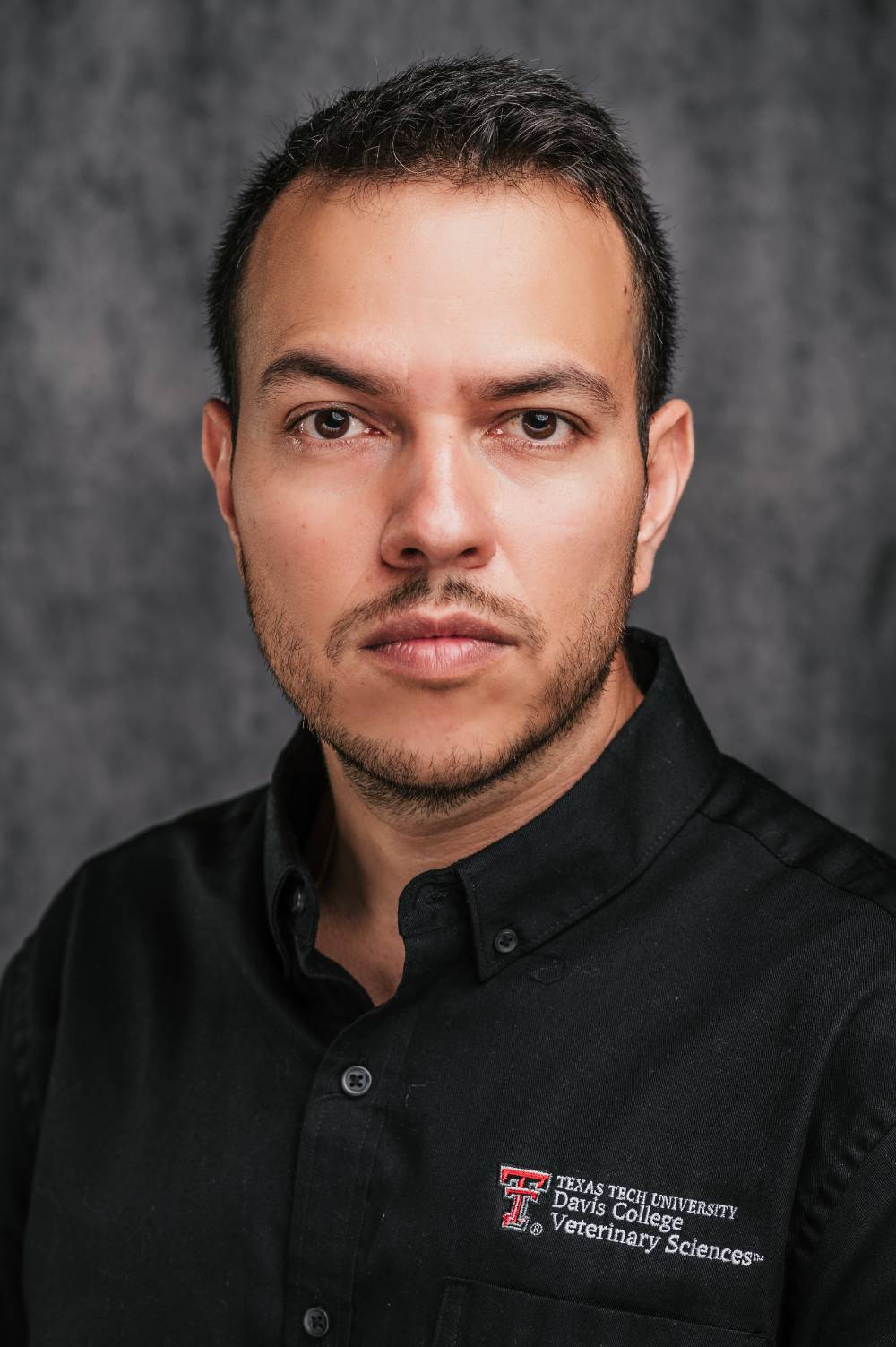
Dr. Oscar Javier Benitez serves as an Assistant Professor with dual appointments in the Department of Veterinary Sciences at Texas Tech University's Davis College of Agricultural Sciences & Natural Resources (Lubbock campus) and the School of Veterinary Medicine (Amarillo campus). His research program integrates epidemiology, cellular biology, immunology, and molecular techniques to address critical infectious disease challenges impacting cattle health, productivity, and welfare across the United States livestock industry. Education: Ph.D. from Michigan State University Postdoctoral Training at Texas Tech University Postdoctoral Training at Wayne State University Dr. Benitez's research focuses on three primary disease mechanisms: immune dysfunction in bovine leukemia virus infections, gastrointestinal health impacts of dietary xylo-oligosaccharides from sorghum stover in dairy calves, and liver abscess pathogenesis in cattle. He employs advanced methodologies including transcriptomic analyses, immune cell assays, epithelial cell culture systems, and molecular characterization of host-pathogen dynamics to develop cellular adhesion models that elucidate complex pathogen interactions and inform disease prevention strategies. Scientific Recognition: 2024 Outstanding Research Award from Davis College for excellence in veterinary science research As an active mentor, Dr. Benitez guides graduate students and serves on numerous doctoral and master's committees while leading multiple federally funded research projects. He teaches foundational graduate courses in pathophysiology and immunology with emphasis on translational research applications. His work operates within Texas Tech University's Institute for One Health Innovation framework, addressing interconnected animal, human, and environmental health challenges. Professional engagements include membership in the American Association of Bovine Practitioners, the Board of Veterinary Medicine (COMVEZCOL, Colombia), and collaborative networks focused on advancing sustainable livestock production systems through innovative cellular and molecular research approaches.
Dr. Eduardo Ríos is a Professor in the Department of Physiology & Biophysics at Rush University Medical Center , where he directs the Section of Cellular Signaling . With academic appointments at both the School of Medicine and Rush Medical College , his work focuses on understanding the molecular mechanisms of calcium signaling in muscle cells , particularly the excitation-contraction coupling in skeletal and cardiac muscle. Education : School of Medicine, Uruguay National University; School of Engineering and School of Sciences, Montevideo, Uruguay. Key Collaborations : Partnered with institutions like the Toronto clinic for muscle disease studies. His research has led to groundbreaking discoveries in calcium release channels (RyR) , calsequestrin's role in calcium buffering, and the couplonopathies —a class of muscle diseases linked to calcium signaling defects. Using advanced techniques like 4-gap voltage clamps , SEER fluorescence , and Snap-TAG methods , his lab has redefined understanding of calcium store dynamics and membrane voltage measurement. With over 35 years of publications on calcium signaling, muscle contraction, and related pathologies, his work has been cited extensively. Notable grants include multiple NIH R01 awards and the Hasterlik Philanthropy Award , supporting studies on calsequestrin's role in health and disease. Scientific Awards : MERIT Award (NIAMS, 1996-2006) Mentor of the Year (Rush University, 2013) Dr. Ríos has mentored 5 senior faculty members , 3 assistant professors , 27 postdocs , 8 graduate students , and 5 physicians through his lab's collaborative environment. His team continues to advance research in muscle physiology and disease mechanisms.
Chi Wei Cliburn Chan is a Professor of Biostatistics & Bioinformatics and Research Professor of Mathematics and Statistical Science at Duke University. He is affiliated with the Division of Integrative Genomics and the Duke Cancer Institute. Doctorate from University College London (2002) Medical degree from National University of Singapore (1991) Dr. Chan specializes in computational immunology, focusing on stochastic and spatial modeling of T cell signaling, immune regulation, and statistical methodology for flow cytometry and CFSE analysis. His work also includes informatics of the immune system through reference ontologies and machine learning applications. His recent publications emphasize HIV vaccine trials, CMV pathogenesis, single-cell data analysis, and climate change impacts on immune health. Key grants involve multiscale immune modeling, vaccine development, and congenital CMV research. Professional activities include leadership in Bass Connections Faculty Team and Data+ Project. He teaches IDS 793: Independent Study and has contributed to the establishment of normative immune profiling standards.
Samira Azarin is an Associate Professor and Director of Undergraduate Studies in the Department of Chemical Engineering and Materials Science at the University of Minnesota's College of Science and Engineering. Her research integrates biomaterials, cellular engineering, and stem cell biology to address critical challenges in cancer treatment and neurological disorders. Her primary research focuses include: Mechanisms of tumor progression and metastatic cancer treatment Biomanufacturing of natural killer (NK) cells for allogeneic cancer immunotherapy Stem cell-derived models of blood-brain barrier and intestinal epithelial barriers Cellular dormancy mechanisms and therapeutic applications Biomaterial scaffolds for in vivo cancer cell capture Recent publications (2021-2025) demonstrate strong trends in cancer immunotherapy, with particular emphasis on NK cell biomanufacturing and electroporation-based in-situ vaccination strategies. Her work increasingly incorporates advanced biomaterial platforms for physiological barrier modeling and metastasis prevention, reflecting a translational focus on moving from fundamental mechanisms to therapeutic applications. Scientific recognition includes: Editor's Choice article in Biotechnology and Bioengineering (2020) Editor's Choice article in Biotechnology and Bioengineering (2016) Editor's Award for Biology in International Journal of Hyperthermia (2019) Dr. Azarin has successfully mentored 23 graduate students to completion (2019-2024), with alumni placements at major pharmaceutical companies including Merck, AbbVie, Bristol Myers Squibb, Amgen, and 3M. Her lab emphasizes collaborative, equitable, and inclusive scientific development, with research supported by significant NIH and industry funding for NK cell biomanufacturing, metastasis modeling, and blood-brain barrier restoration. The Azarin Research Group maintains an active collaborative environment focused on quantitative biological analysis combined with tissue engineering approaches, regularly participating in events like the Cellular Bioprocess Technology short course and maintaining strong industry partnerships for therapeutic translation.
Christopher E. Rudd is a Full Professor affiliated with the Department of Medicine and Medical Specialties at the University of Montreal. His research is based at the Maisonneuve-Rosemont Hospital Research Center, where he investigates fundamental mechanisms of T cell immunity and their applications in disease treatment. Research Interests: His work centers on Signal transduction pathways in T cells Adhesion and migration mechanisms of T cells Function of co-receptors (CD28, CTLA-4, PD-1) Immunotherapy for cancer and infections Lab Team: The Antoine Turmel Laboratory at Maisonneuve-Rosemont Hospital houses his research group, which includes team members Felix Jules, PhD Janna Kruger, PhD Catherine Menard, PhD Elham Ben Saad Alexandra Kazanova Patrick Spencer
Dr. John Beckham, M.D., is a Professor in the Department of Internal Medicine and Chief of the Division of Infectious Diseases & Geographic Medicine at UT Southwestern Medical Center. Board certified in both internal medicine and infectious disease, Dr. Beckham joined the UT Southwestern faculty in 2023 after completing his medical degree and internal medicine residency at Baylor College of Medicine, followed by infectious disease clinical fellowship and postdoctoral neurovirology research training at the University of Colorado School of Medicine. Dr. Beckham's research focuses on viral pathogenesis, particularly flavivirus infections with emphasis on neurological complications. His laboratory has made significant discoveries regarding West Nile virus mechanisms, Zika virus RNA structures, and the role of alpha-synuclein in restricting RNA virus infections in the brain. His work spans virology, neuroimmunology, and vaccine development for emerging RNA viruses, with particular attention to how the brain's unique immune environment both prevents infections and potentially contributes to neurodegenerative conditions. Dr. Beckham's publication record demonstrates a strong focus on neurotropic viruses, with recent work examining SARS-CoV-2's neurological impacts, arboviral diseases, and the intersection of viral infections with neurodegenerative processes. His research combines molecular virology, immunology, and neuroscience to address fundamental questions about host-virus interactions in the central nervous system. Among his professional recognitions, Dr. Beckham is a Fellow of both the American College of Physicians and the Infectious Diseases Society of America. He also maintains active membership in numerous professional organizations including the American Society for Virology, American Society for Microbiology, American Association for the Advancement of Science, American Association of Immunologists, and the American Society of Tropical Medicine and Hygiene. As an academic leader, Dr. Beckham serves on the editorial board of the Journal of Neuroimmunology, acts as an ad hoc reviewer for multiple scholarly journals, and participates in National Institutes of Health grant review committees. He has contributed to 11 books and published numerous academic articles in his areas of expertise, establishing himself as a significant contributor to the fields of neurovirology and infectious diseases. The J. David Beckham Research Lab operates as a dynamic multidisciplinary team comprising virologists, immunologists, and neuroscientists who collaborate on fundamental discoveries in viral pathogenesis, vaccine immunology, and neuroimmunology. The lab maintains active projects investigating flavivirus pathogenesis, neuroimmune responses, and emerging viral threats, with particular emphasis on understanding how viruses interact with the specialized environment of the central nervous system.