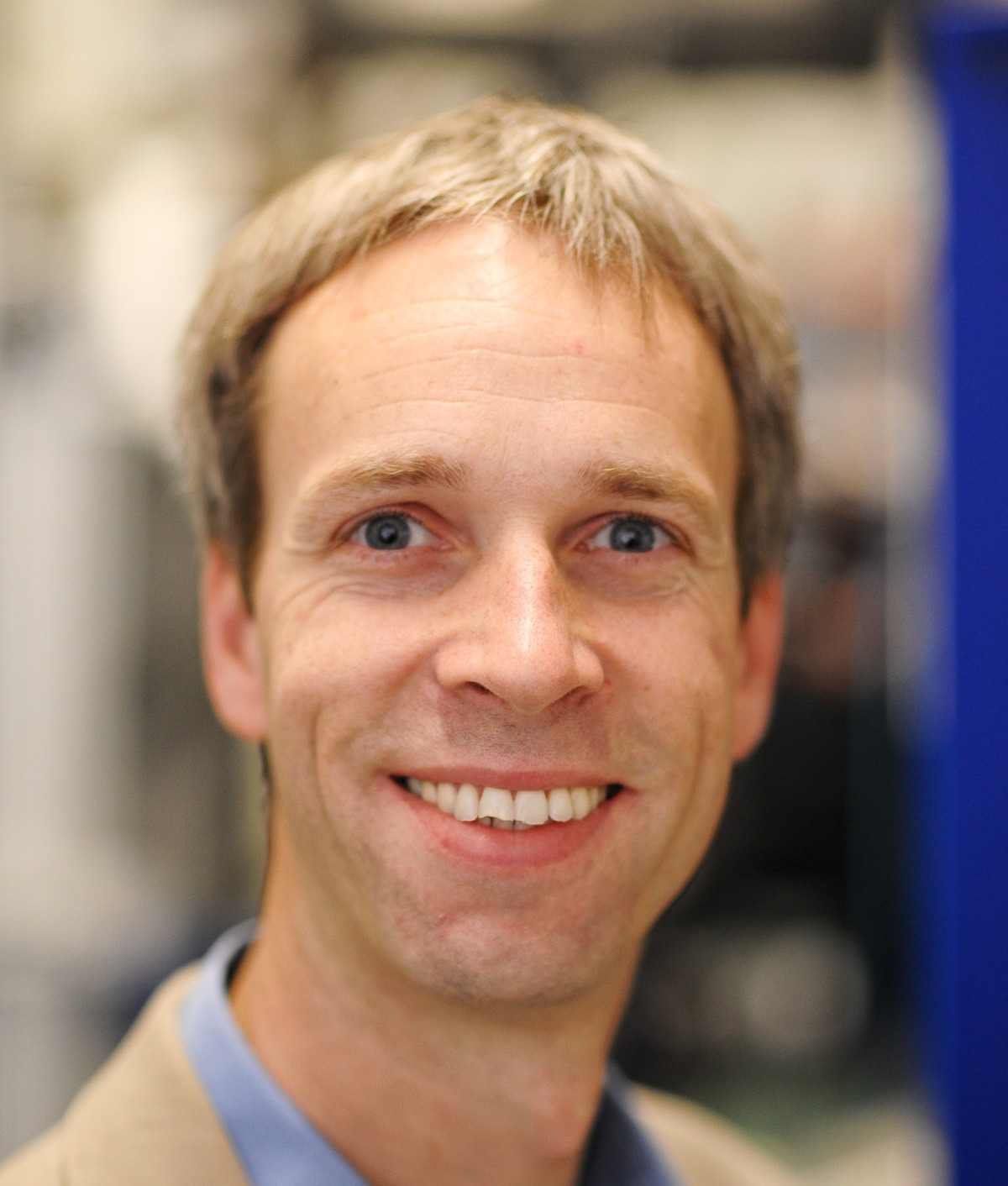
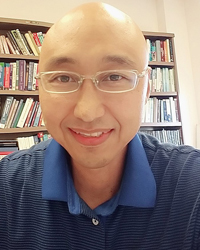
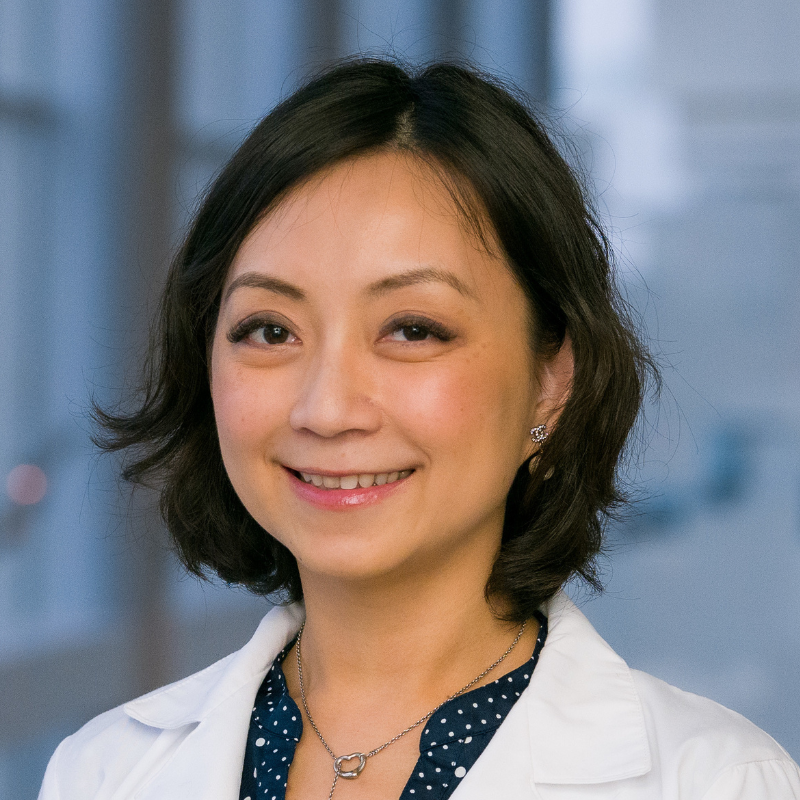
Prof. Sebastian Kaiser is a full professor at the University of Duisburg-Essen's Institute for Combustion and Gas Dynamics, where he leads research on reactive fluid dynamics since 2011. His academic background includes a Bachelor's from Dartmouth College, Diplomingenieur from RWTH Aachen, and PhD from Yale University, followed by postdoctoral work at Sandia National Laboratories. Research Focus: Kaiser specializes in optical diagnostics for reactive systems with emphases on: High-speed imaging of combustion processes Nanoparticle synthesis via spray-flame techniques Tribology and fluid-structure interactions Engine diagnostics using laser-based methods His work bridges experimental techniques and simulation development for energy and propulsion systems. Publication Trends: Recent articles (2023-2025) demonstrate consistent focus on advanced optical diagnostics applied to combustion systems, nanoparticle synthesis, and engine research. Key methodologies include laser-induced fluorescence, high-speed imaging, and machine learning for fluid dynamics analysis. Awards & Honors: Harding-Bliss Prize for Engineering Excellence (Yale, 2005) SAE Excellence in Oral Presentation Award (2008) NRW Returning Scientists Grant (2010) Professional Affiliations: Member of Society of Automotive Engineers (SAE) and The Combustion Institute, with extensive experimental facilities for reactive flow characterization.
Dr. Andreas Rauschecker is a neuroradiologist at the University of California San Francisco (UCSF), specializing in advanced imaging technologies (CT, MRI) for diagnosing nervous system disorders in adults and children. He employs AI and image-processing techniques to enhance diagnostic accuracy and collaborates with multidisciplinary teams to improve patient outcomes. Fellowship in Neuroradiology, University of California San Francisco (2020) MD PhD in Neuroscience, Stanford University (2013) MSc in Neuroscience, Oxford University (2005) BS in Biology & Psychology, Georgetown University (2004) His research focuses on applying artificial intelligence to neuroimaging, particularly for conditions like multiple sclerosis, brain tumors, and developmental disorders. He investigates how AI can standardize myelination assessments, detect lesions, and reduce reliance on contrast agents in MRI. Recent publications highlight his work on automated lesion segmentation, transfer learning for MRI analysis, and large language models in radiology. Collaborative efforts include multi-institutional datasets for meningioma and glioma segmentation, emphasizing reproducibility and open science. UCSF Chen Scholar (2024-2026) UCSF Weill Award for Clinician-Scientists (2023) ASNR/ASfNR MIT-E Scholarship (2019) NVIDIA GPU Seed Grant (2018) RSNA Roentgen Fellow Research Award (2019) Rauschecker mentors trainees and collaborates on grants related to AI-driven radiology tools. His work bridges clinical practice and computational innovation, aiming to integrate cutting-edge technologies into standard neuroradiology workflows.
Prof. Hermann Hellwagner is a Full Professor at the Department of Information Technology, University of Klagenfurt. He has held roles such as Vice President (Natural and Technical Sciences) at the Austrian Science Fund (FWF) and Vice Dean of the Faculty of Technical Sciences. His research focuses on multimedia communication, network engineering, and future internet architectures. Notable projects include work on adaptive streaming, edge computing, and drone networks. He holds a Ph.D. in Systolic Architectures from the University of Linz (1988). Research interests span distributed multimedia systems, information-centric networking (ICN), and optimizing video streaming quality-of-experience (QoE). Recent work emphasizes edge computing solutions for low-latency streaming and dynamic codec adaptation. His contributions include frameworks like ALPHAS and MEDUSA for bitrate optimization, and studies on point cloud streaming in augmented reality. Publications (2021–2025) highlight advancements in edge-assisted streaming, hybrid P2P-CDN architectures, and transcoding techniques. His work often bridges theoretical models with real-world implementations, addressing challenges in latency, cost, and device adaptability. Current projects involve 6DoF video streaming and multi-robot system optimization. Labs/Teams: Part of the Institute of Information Technology (ITEC), Klagenfurt. Collaborates on EU-funded projects and industry partnerships in 5G edge computing and drone networks. Active in standards groups for HTTP adaptive streaming protocols.
Prof. Alfred Stein is a Full Professor in Spatial Statistics and Image Analysis at the Department of Earth Observation Science, Faculty ITC, University of Twente. He earned his MSc in Mathematics and Information Science from Eindhoven University of Technology and a PhD in Spatial Statistics from Wageningen University. His career spans roles at Wageningen University (1988–2002), ITC (2002–present), including leadership positions as department head, vice-rector research, and portfolio holder for education. Education: MSc (Eindhoven University of Technology), PhD (Wageningen University) Leadership: Department Head (Earth Observation Science), Vice-Rector Research (2008–2012), Portfolio Holder Education (2012–) His research focuses on Spatial and Spatio-Temporal Statistics , emphasizing Bayesian inference , data quality , image analysis , and fuzzy techniques . Key application domains include agriculture, health, urban land use, coastal systems, hazards, and wildlife. He has mentored over 30 PhD students since 1998, with 11 currently under supervision. Recent research trends highlight AI-driven remote sensing for glacier mapping, urban livability, and disease modeling. Publications span Deep Learning for SAR tomography, Bayesian hierarchical models for health data, and multitemporal SAR analysis for environmental monitoring. Awards include the Best Paper Award (2019) and ISARA Founder's Award (2020) . Scientific Awards Best Paper Award (2019) ISARA Founder's Award (2020) As Editor-in-Chief of Spatial Statistics and associate editor for multiple journals, he leads academic discourse. Collaborations include the University of Cape Town and University of Pretoria as Honorary Professor. His work contributes to UN Sustainable Development Goals, particularly in climate action and sustainable cities.
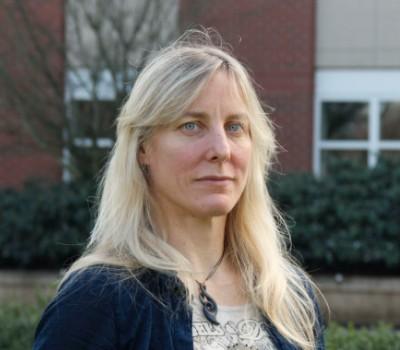
Cindy Grimm is a Professor and Graduate Program Director in the School of Mechanical, Industrial, and Manufacturing Engineering at Oregon State University (OSU), part of the College of Engineering. She is affiliated with the Robotics group, Human-Centered Computing, and Graphics and Visualization. Her research focuses on robotic grasping and manipulation for agricultural applications, ethics in robotics, and interdisciplinary projects such as 3D modeling, medical imaging segmentation, and bio-inspired sensor design. Education: Ph.D. in Computer Science, Brown University, 1996 M.S. in Computer Science, Brown University, 1992 B.A. in Computer Science and Art, University of California, Berkeley, 1990 Research Interests: Dr. Grimm’s work bridges computer science and robotics, emphasizing practical applications in agriculture and ethics. Key areas include robotic fruit harvesting systems, human-robot interaction, and the development of perception-driven algorithms for complex tasks like tree pruning and object manipulation. Her earlier projects explored surface modeling, bat sonar patterns, and 3D sketching interfaces. Publications: Her recent work addresses challenges in autonomous orchard management, robotic gripper design, and public understanding of service robots. Themes include precision agriculture, grasp planning, and sociotechnical aspects of robotics adoption. Awards: Recipient of the NSF CAREER Award, recognizing her contributions to robotics and interdisciplinary research. Service: Leads the Robotics graduate program at OSU, emphasizing ethical and technical training. Collaborates with the Collaborative Robotics and Intelligent Systems Institute (CoRIS) to advance robotics applications. Labs/Teams: Active in the CoRIS Institute, focusing on collaborative robotics and real-world robotic systems. Her lab develops hardware-software solutions for agricultural robotics and human-centered robotic interfaces.
Judit Gervain is a Full Professor at the Department of Developmental and Social Psychology at the University of Padua, Italy, and a CNRS Senior Research Scientist (Directeur de Recherche) at the Integartive Neuroscience and Cognition Center (CNRS & Université Paris Descartes), Paris, France. Her research focuses on early speech perception, language acquisition in monolingual and bilingual infants, and the neural mechanisms underlying language learning. She pioneered studies on newborn speech perception using near-infrared spectroscopy (NIRS), revealing prenatal influences on perceptual abilities and the emergence of grammatical structures in preverbal infants. Education: PhD in Cognitive Neuroscience (2002, SISSA, Trieste), postdoctoral research at the University of British Columbia (2007–2009), and CNRS researcher since 2009. She has authored over 100 peer-reviewed articles in journals like Science Advances , Nature Communications , and Developmental Science . Research Interests: Infant language processing, bilingualism, neuroimaging techniques (fNIRS), and comparing infant learning trajectories to artificial intelligence systems. Her work bridges developmental psychology, neuroscience, and computational linguistics, emphasizing the role of innate biases and environmental input in language acquisition. Her recent studies explore how infants’ learning mechanisms differ from Large Language Models (LLMs), focusing on input requirements, critical periods, and the role of multimodal integration. She also investigates the impact of prenatal auditory experience on neonatal speech perception and the neural foundations of linguistic structure detection. Labs/Teams: Affiliated with the CNRS’s Integartive Neuroscience and Cognition Center and the University of Padua’s developmental psychology group. Serves as associate editor for Developmental Science and Neurophotonics .
Thomas Blaschke is a Research Fellow at the Department of Geoinformatics - Z_GIS, University of Salzburg. His work bridges geospatial technologies, remote sensing, and sustainable urban systems, emphasizing object-based image analysis (OBIA) as a transformative paradigm in geographic information science. Research Areas : Geoinformatics, Remote Sensing, Spatial Research, Physical Geography, Cartography Blaschke’s publications highlight advancements in OBIA techniques, sustainable landscape management, and urban monitoring using geospatial technologies. His 2014 paper on Geographic Object-based Image Analysis (GEOBIA) demonstrates its integration into modern remote sensing workflows. He has received prestigious awards including the Christian-Doppler-Preis , Marie Curie Research Grant , and Fulbright Professorship , underscoring his international impact. His projects often involve interdisciplinary collaborations, supported by grants from institutions like the European Commission and University of South Carolina. Scientific Awards : Christian-Doppler-Preis des Landes Salzburg Marie Curie Research Grant Förderungspreis der Österreichischen Geographischen Gesellschaft Fulbright Professorship Provost Grant of the University of South Carolina
Zhang Yang is an Associate Professor at the School of Medical Engineering, Harbin Institute of Technology (Shenzhen), with a joint appointment as Visiting Professor at the University of Tokyo starting in July 2024. He holds a PhD from the University of Cambridge's Department of Pathology and an M.Phil. from the University of Hong Kong's HKU-Pasteur Research Center. Previously, he served as an Assistant Professor at Harbin Institute of Technology (Shenzhen) from September 2015 to December 2020. His research integrates computational and experimental approaches to address challenges in pathogen and cancer research. On the computational side, his work focuses on developing AI-powered microscopic imaging systems, applying deep learning to analyze multi-omics data (including proteins, DNA, miRNAs, LncRNAs, and mRNAs), and utilizing deep learning in cheminformatics for drug discovery. On the experimental side, his laboratory combines imaging, high-throughput sequencing, mass spectrometry, and chemical biology to understand disease mechanisms at the molecular level. His publication record demonstrates significant impact, with over 50 SCI-indexed papers in high-impact journals including Nature Communications, Briefings in Bioinformatics, Bioinformatics, Analytical Chemistry, and Trends in Biotechnology. His work has been cited by prestigious journals such as Nature Reviews Methods Primers and Nature Communications, with three ESI highly cited papers. His research spans multiple interdisciplinary fields, combining artificial intelligence with biomedical applications to advance diagnostic and therapeutic approaches. World's Top 2% Scientists 2021 Fellow of the Royal Society of Biology Three ESI Highly Cited Papers Five authorized national invention patents As an academic leader, he serves as Associate Editor for BMC Biology and Frontiers in Microbiology, Academic Editor for PLOS Genetics, Editorial Board Member for Communications Biology, and Guest Editor for a Special Issue on AI in analytical chemistry in Trends in Analytical Chemistry. His laboratory actively collaborates with international institutions, with graduates pursuing further studies at Hong Kong Chinese University, Hong Kong University of Science and Technology, Hong Kong Polytechnic University, Macau University, and the University of New South Wales. He teaches Introduction to Modern Biology for undergraduates and Bioanalytical Chemistry for graduate students.
Henry Kang is an Associate Professor in the Department of Computer Science at the University of Missouri–St. Louis, College of Arts and Sciences. His expertise spans computer graphics, data visualization, and computational art, with extensive experience in full-stack web development and programming frameworks. Education: Ph.D. in Computer Science, Korea Advanced Institute of Science and Technology (2002) Research Interests: Kang's work focuses on computer graphics, non-photorealistic rendering, and data visualization. Key projects include coherence-enhancing filtering, stereoscopic 3D line drawing, and emotion-driven image recoloring. He integrates machine learning and GPU computing for real-time scene navigation and artistic effects. Publication Trends: His research emphasizes texture filtering, computational art, and perceptual modeling. Recent work includes Gaussian image binarization (2021) and coherence-enhancing GPU filtering (2018), while earlier contributions explore stereoscopic depth perception (2013) and directional stippling (2011). Contact: Email: kangh@umsl.edu Phone: (314) 516-5841 Office: 318 ESH
Xiao Chen is a Researcher at the Technical University of Denmark (DTU), specializing in advanced testing and digitalization of composite and offshore steel structures for wind energy systems. With a PhD from Nagoya University (2011), his work focuses on structural integrity, fatigue analysis, and Digital Twins for wind turbine blades. PhD in Engineering, Nagoya University (2011) Senior Researcher (2019–present) and Researcher (2017–2018) at DTU Associate Professor (2016–2017) and Assistant Professor (2013–2015) at Chinese Academy of Sciences His research explores nonlinear buckling, fracture mechanics, and Industry 4.0 technologies for structural health monitoring. Recent publications highlight AI-driven damage detection, thermographic analysis, and finite element modeling of composites. He leads projects like QualiDrone and AQUADA-GO, funded by EUDP and VILLUM FONDEN. Key article trends include composite fatigue , digital twins , drone-based inspection , and machine learning for structural monitoring. He received the 2022 Best Presentation Award at an international conference. Projects: Villum Experiment Project DiscoverBlaDE AQUADA-GO QualiDrone DARWIN RELIABLADE RELIfe
Dr. Shaobo (Kevin) Li is a Tenured Associate Professor at the School of Business, Southern University of Science and Technology (SUSTech), with secondary appointment in the Department of Information Systems & Management Engineering. He holds a PhD in Business Administration from Nanyang Technological University (2019), Master of Business Administration (University of Virginia, 2014), Master of Finance (West Virginia University, 2012), and Bachelor of Business Administration (Lanzhou University, 2011). National High-Level Youth Talent Program awardee Overseas High-Caliber Personnel in Shenzhen City Recipient of 2018 China Scholarship Council’s Excellent Self-Funded Student Scholarship His research focuses on the intersection of digital economy, social welfare, and technology-driven marketing, employing experimental methods, empirical models, and neuroscience. He serves as Associate Editor for the Journal of Business Research and has published in top UTD-24 journals including Journal of Consumer Research, Information Systems Research, and Production and Operations Management. His work examines platform economics, brand management during crises, and consumer behavior related to AI, sustainability, and health decisions. He has led 10+ research projects (National Natural Science Foundation, Ministry of Science and Technology 2030 Program) and received multiple research awards, including Academy of Marketing Science Best Doctoral Dissertation Proposal Award (2019) and Best Paper Awards at China Marketing Science (2020,2024), China Marketing International Conference (2023), and CMAU Annual Conference (2023,2024). Teaching accolades include SUSTech’s Premier Teaching Award, Top 10 Most Popular Professor among undergraduates, and Nanyang Business School’s Best Graduate Teaching Award (2017). Teaches Financial Marketing (undergraduate) Teaches Frontiers of Management & Research Methods (PhD) Actively recruiting research assistants, postdocs, and joint PhD candidates with Hong Kong Polytechnic University
Mu-Han Lin, Ph.D., is a Professor in the Department of Radiation Oncology at UT Southwestern Medical Center, with leadership roles including Senior Director of Clinical Physics and lead physicist for head and neck radiation oncology. Her academic profile spans Medical Physics , Adaptive Radiation Therapy , and Artificial Intelligence (AI) in Radiotherapy . Education: Master’s and Ph.D. in Medical Physics from National Tsing Hua University, Taiwan Training: Medical Physics Residency at Fox Chase Cancer Center, Philadelphia Dr. Lin’s research focuses on online adaptive radiation therapy (oART) systems, particularly cone beam CT-guided workflows for gastric MALT lymphoma and head/neck cancers. She pioneered techniques for dose prediction , plan quality assurance , and deep learning integration to address anatomical variations during treatment. Her work demonstrates reduced PTV margins (0.5-0.7 cm) while maintaining target coverage and minimizing organ-at-risk (OAR) doses through auto-contouring and synthetic CT optimization . Recent publications highlight her leadership in adaptive treatment planning (15+ articles from 2024-2025) across journals like Medical Physics , Practical Radiation Oncology , and Radiotherapy and Oncology . Key contributions include: X-Ray Guided Ethos Platform workflows Plan Quality Review Checklists HyperSight CBCT for image quality enhancement Inter-patient adaptive strategies for spine SAbR AI-driven segmentation and dose adaptation She actively contributes to clinical education as an instructor in UT Southwestern’s Medical Physics Certificate Program and Biomedical Engineering Graduate Program , and chairs symposiums on X-ray Guided Adaptive RT . Dr. Lin serves on editorial boards for Therapeutic Radiation and Oncology and Medical Physics , and collaborates on grants with Varian Medical Systems and other industry partners.
Dr. Albert J. Sinusas is a Professor of Medicine (Cardiology) , Radiology & Biomedical Imaging , and Biomedical Engineering at Yale University . He serves as Director of the Yale Translational Research Imaging Center (Y-TRIC) and Advanced Cardiovascular Imaging at Yale New Haven Hospital. Education: BS from Rensselaer Polytechnic Institute (1979), MD from University of Vermont (1983), Internal Medicine training at University of Oklahoma (1986), Cardiology/Nuclear Cardiology at University of Virginia (1989) Dr. Sinusas specializes in non-invasive cardiovascular imaging with expertise in PET/CT, SPECT/CT, echocardiography, and MR imaging . His research focuses on molecular imaging of myocardial injury , angiogenesis , post-infarction remodeling , and deep learning applications in cardiac diagnostics. He has pioneered multimodality imaging approaches for cardiovascular pathophysiology assessment. Recent publications highlight his work in AI-driven cardiac imaging , novel PET tracers , and medical robotics . His team's 15 most recent articles (2024-2025) span topics from ARDS diagnostics to cardiovascular risk stratification using CT and PET technologies. Scientific Awards: SNMMI Hermann Blumgart Award (2008) Best Doctor in America (2001-2002, 2005-2015) M.A. Privatim from Yale (2006) Robert Wilkinson Lectureship (2014) Interurban Clinical Club membership (2017) As Principal Investigator on multiple NIH grants, Dr. Sinusas directs the NHLBI-funded T32 training program in multimodality cardiovascular imaging. His lab (Y-TRIC) houses state-of-the-art imaging resources including hybrid SPECT/CT , microCT , and 3D ultrasound systems for translational research from animal models to clinical applications.
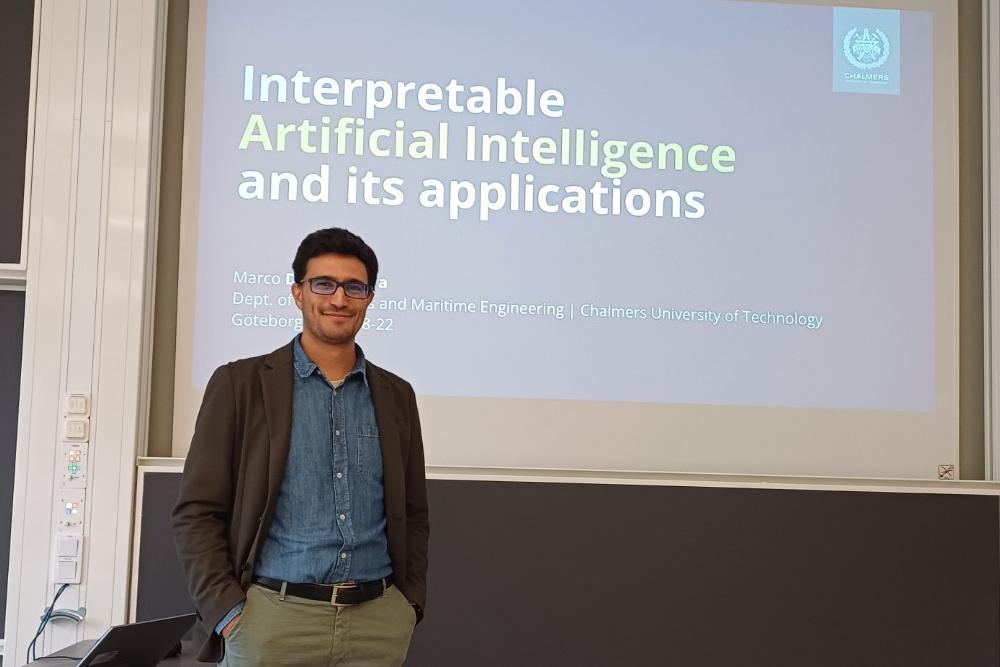
Marco L. Della Vedova is a Senior Lecturer in Applied Artificial Intelligence at Chalmers University of Technology, Sweden. He works in the Vehicle Engineering and Autonomous Systems division within the Department of Mechanics and Maritime Sciences, as part of Prof. Mattias Wahde's research group. Since 2025, he has served as Director of the Data Science and AI master's programme (MPDSC) at Chalmers, where he teaches courses including Introduction to Artificial Intelligence and Digitalization in Sports. Dr. Della Vedova earned his academic foundation at the University of Pavia, Italy, where he completed his BSc (2006), MSc (2009), and PhD (2013) in Computer Engineering. His doctoral research focused on "Real-Time Physical Systems and Electric Load Scheduling" under Prof. Tullio Facchinetti. During his PhD studies, he spent a year at U.C. Berkeley hosted by Prof. Francesco Borrelli at the Model Based Predictive and Distributed Control Lab. His research spans multiple AI domains with a strong emphasis on interpretability. Dr. Della Vedova develops interpretable methods for conversational AI, naturalness evaluation of forests using canopy height models, and geospatial applications. His work bridges theoretical AI with practical societal benefits, particularly in environmental monitoring, transportation systems, and orienteering. He has previously contributed to cloud computing, hate speech detection, and cyber-physical energy systems, demonstrating his interdisciplinary approach to AI research. Dr. Della Vedova's publication record reveals a consistent trajectory of impactful research across multiple domains of artificial intelligence. His recent work shows a strong focus on interpretability in AI systems, with significant contributions to natural language processing, geospatial analysis, and causal inference. The research demonstrates both theoretical depth and practical applications, particularly in environmental monitoring and social media analysis. His methodology often combines traditional machine learning approaches with novel interpretability techniques, creating bridges between complex AI systems and human understanding. Dr. Della Vedova has received several prestigious recognitions for his work: Best PhD thesis award from the Order of the Engineers of Bergamo (2013) Italian champion of Il Cervellone (2012) Top Italian performer in IEEEXtreme 6.0 programming competition (148th overall globally, 2012) Premio Arturo Schena award from Fondazione Credito Valtellinese (2010) With over 50 students supervised through bachelor's and master's theses, Dr. Della Vedova has established himself as a dedicated mentor in the AI community. His current PhD students include Minerva Suvanto working on interpretable NLP and Vivien Lacorre developing AI for railway infrastructure inspection. His supervision spans diverse topics from forest naturalness evaluation to hate speech detection and transportation optimization. Beyond formal supervision, he actively contributes to educational initiatives including serving as Director of Chalmers' Data Science and AI master's program and developing innovative teaching methods that connect theoretical concepts with real-world applications. Dr. Della Vedova is deeply embedded in both academic and professional communities. He leads the Applied Artificial Intelligence research group at Chalmers while maintaining strong connections with European research networks through projects like the ERASMUS+ EUrienteering initiative. His interdisciplinary approach is reflected in collaborations across computer science, environmental science, and social sciences. Notably, he applies his AI expertise to orienteering both as a researcher developing localization methods and as a licensed Event Advisor for the International Orienteering Federation, demonstrating how his professional and personal interests converge in innovative ways.
Danijel Skočaj is Full Professor at the University of Ljubljana, Faculty of Computer and Information Science , and serves as Head of the Visual Cognitive Systems Laboratory . He is an internationally recognized researcher in computer vision, machine learning, and cognitive robotics , with a strong focus on deep-learning solutions for real-world visual perception tasks and their ethical implications. Education: While specific degrees are not listed in the text, Professor Skočaj’s 2002 “Best PhD paper award” confirms he holds a PhD in the relevant field. Research Interests: His work spans Computer Vision & Pattern Recognition Deep Learning & Neural Networks Cognitive Robotics & Autonomous Navigation Visual Anomaly & Surface-Defect Detection AI Ethics & Societal Impact of AI These interests manifest in both theoretical advances and practical systems deployed in industry and public infrastructure. Publication Trends: Recent papers (2020-2024) emphasize deep-learning architectures for defect detection, robotic grasping, autonomous navigation, traffic-sign recognition, and 3-D anomaly detection , demonstrating a clear trajectory toward robust, real-time, and data-efficient visual intelligence. Awards & Honors: Prometheus of Science Award 2021 (Slovenian Science Foundation) Golden Plaque, University of Ljubljana 2020 ARRS National Award for Exceptional Scientific Achievement 2011 & 2022 Multiple Best-Paper awards at ERK conferences (2013, 2017, 2019) Top-downloaded paper recognition, Journal of Intelligent Manufacturing 2020 Grants & Projects: He currently leads or co-leads five major 2025-2028 national and EU projects (RTFM, SMASH, COMET, RoDEO, MUXAD) totaling several million Euros, focusing on advanced computer vision, machine learning for science & humanities, autonomous systems, and explainable AI. Past leadership includes EU FP7 CogX, GOSTOP, ViLLarD, and many ARRS programmes. Laboratory & Team: The Visual Cognitive Systems Laboratory hosts a dynamic group of doctoral and master’s students working on cutting-edge perception systems. The lab’s open-source low-cost robotic platform and datasets are widely adopted for education and research.