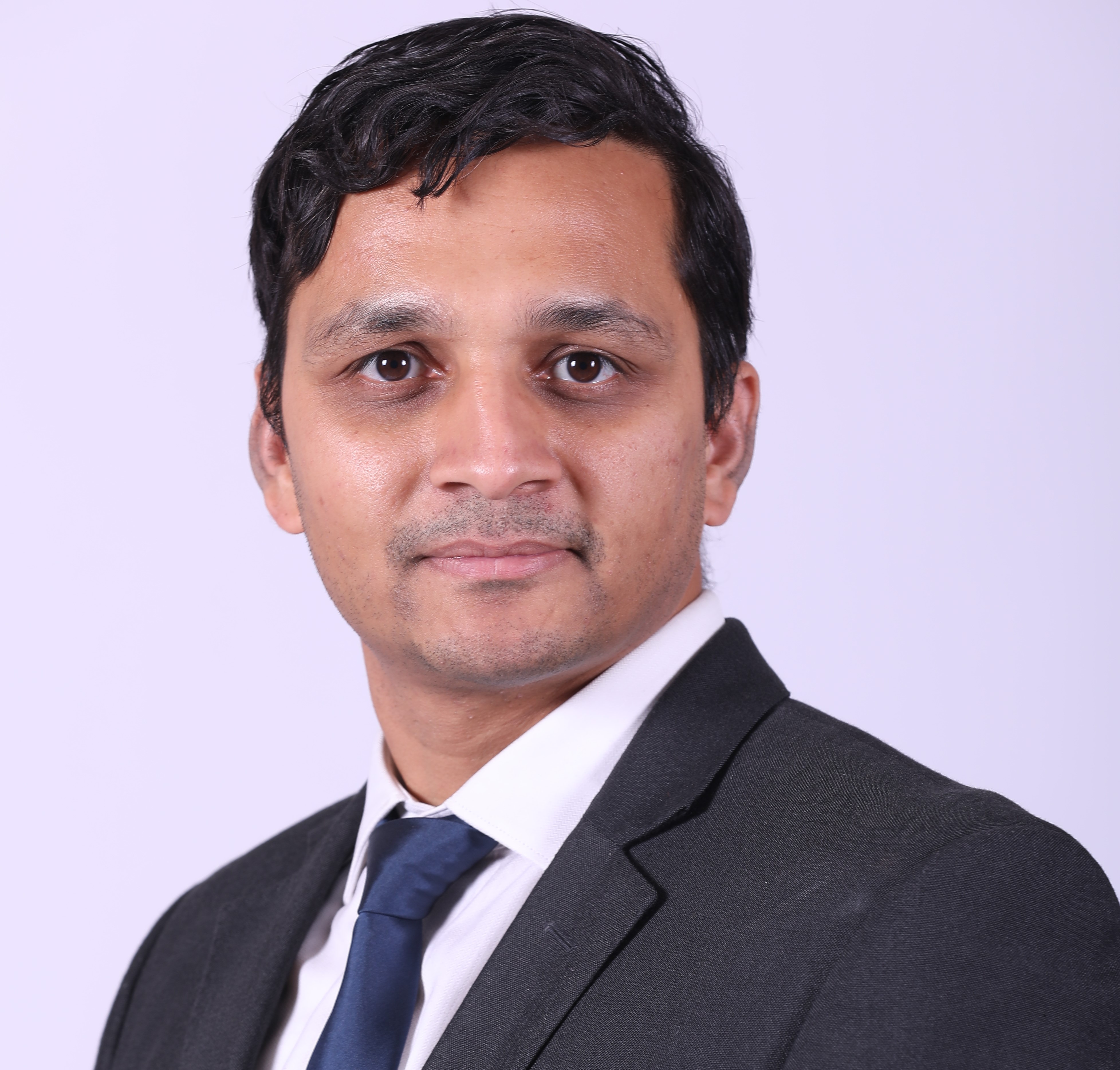
Tan Yong Xuan is an Assistant Lecturer at the Malaysia School of Information Technology, specializing in advanced AI research. His work focuses on Deep Learning, Computer Vision, and Self-supervised Learning techniques, particularly in Few-shot Learning and Generative Adversarial Networks (GANs). He holds a Master of Science in Information Technology (2023) and a Bachelor of Information Technology (Honours) in Artificial Intelligence (2019), both from Multimedia University. His research explores innovative applications of AI in fields like medical diagnostics (e.g., brain tumor detection), e-commerce analytics (customer behavior modeling), and text-to-image synthesis. Notable contributions include developing self-supervised learning frameworks for Few-shot Learning and advancing GAN-based image generation systems. His work frequently addresses challenges in data scarcity and model efficiency. Recent publications span 2022-2025, emphasizing methodological advancements in Few-shot Learning, Transfer Learning, and generative AI. Collaborations involve multidisciplinary teams focusing on real-world AI applications. No formal awards are listed, but his active publication record reflects academic engagement.
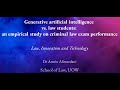
Dr. Armin Alimardani is a Senior Lecturer in Law and Emerging Technologies at the School of Law, University of Wollongong (UOW), where he has been employed since January 2022. His interdisciplinary research sits at the intersection of law, technology, science, and philosophy, with a focus on the social, ethical, and legal impact of emerging technologies such as artificial intelligence (AI), brain-computer interfaces, neuroscience, and genetics. He actively contributes to the UOW AI Expert Group, advising the University on AI policies, and has developed innovative courses including 'Law and Emerging Technologies' (LLB3309) and 'Artificial Intelligence and the Law' (LLB3373). His educational background includes a PhD from UNSW Sydney (2015-2019). Prior to joining UOW, he worked with the Faculty of Transdisciplinary Innovation at UTS developing ethics and AI teaching materials, and with the Australian Neurolaw Database Project archiving and analyzing Australian court cases involving neuroscience. Dr. Alimardani's research spans several critical domains at the intersection of law and technology: Law and Emerging Technologies, with particular focus on AI applications in legal contexts Neurolaw and the use of neuroscience in criminal proceedings and sentencing Legal implications of brain-computer interfaces and neurotechnology Genetic genealogy and its legal ramifications Ethical frameworks for AI deployment in high-risk settings The future of the legal profession in the age of automation His research demonstrates a consistent pattern of examining how emerging technologies challenge traditional legal frameworks and processes, particularly in criminal law contexts. He has conducted empirical studies on AI performance in legal education and practice, neuroscience applications in sentencing, and the ethical implications of using genetic data in criminal justice. Scientific Awards and Recognition Faculty of Business and Law Award for Outstanding Contribution to Teaching and Learning (OCTAL) (2021) Fellow, Wollongong Academy for Tertiary Teaching & Learning Excellence (WATTLE) (2021) Vice Chancellor's Award for Outstanding Contribution to Teaching and Learning (OCTAL) - Nominee (2022) PhD Excellence Award, School of Law, Society & Criminology, UNSW Sydney (2020) Monash Criminology Postgraduate Prize, ANZSOC Postgraduate Conference (2018) Best Presentation Award, Law, Technology and Innovation Junior Scholars Forum (2017) Dr. Alimardani serves as a supervisor for PhD and Master's students, with current research projects examining topics such as the impact of digitalization on the right to health care, feminist approaches to deepfake image-based sexual abuse, and AI's role in patent law. His collaborative projects include work with the University of Brawijaya on AI in sentencing and with UNSW Sydney colleagues to build research and educational tools using natural language models. In 2024, he expanded his scholarly reach by consulting for OpenAI projects. He is actively involved in public discourse on law and technology issues, having appeared as an expert on ABC Radio, 9NEWS, WIN TV, and The New Daily. His research has been picked up by 6 news outlets, blogged about, and referenced in Wikipedia pages, demonstrating significant impact beyond academia.
Dr. Uphar Chamoli is a biomechanist affiliated with the University of New South Wales and the Spine Labs at St. George Hospital (Kogarah). His research focuses on musculoskeletal biomechanics, particularly spinal pathologies and orthopaedic implants, bridging academia and industry for clinical translation. Education: BTech in Mechanical Engineering (2008), Indian Institute of Technology, Dhanbad MPhil in Biological Sciences (2012), UNSW Sydney PhD in Spine Biomechanics (2016), UNSW Sydney Research Interests center on orthopaedic biomechanics, finite element modeling, in vitro biomechanical testing, diagnostic imaging (CT, MR, Ultrasound, X-ray), and clinical study design. His work examines lumbar disc herniation, segmental stiffness loss, and recurrent herniation factors, developing novel imaging and computational techniques for patient-specific models. Scientific Awards include the Best Abstract & Presentation (2017, Asia-Pacific Society of Lateral Access Surgery), Young Investigator Award (2014, St. George & Sutherland Medical Research Symposium), and multiple scholarships from UNSW and international institutions. Supervision spans orthopaedic biomechanics, finite element modeling, and clinical outcomes analysis. Current PhD candidates include Vivek Ramakrishna (smart spinal implants), Xiaolong Chen (microdiscectomy studies), Kyle Sheldrick (MRI post-processing algorithms), and Geoff Smith (critical shoulder angle research).
Sinduja Subramanian is a Research Fellow at the Centre for Motor Neuron Disease Research within Macquarie Medical School, Macquarie University. Her work bridges vascular biology and neuroimmunology, focusing on immune dysregulation mechanisms in neurodegenerative diseases. She previously completed her PhD in Macquarie Neurosurgery (2015-2018) developing pro-thrombotic treatments for brain arteriovenous malformations. Educational Background: PhD in Neurosurgery (Macquarie University, 2018) Current Role: Research Fellow in Motor Neuron Disease Research Her research explores: Vascular targeting agents for neurological conditions Immune-inflammatory processes in motor neuron disease Radiation-induced endothelial surface modifications Thrombotic treatment strategies for vascular malformations Key publication trends include: Development of vascular targeting therapies through αB-crystallin and CD166 research Investigation of inflammatory mediators in neurodegenerative disease progression Application of pulsatile flow models to thrombus formation studies Integration of molecular imaging and proteomics techniques Translational focus from animal models to clinical applications Peer-reviewed contributions across Thrombosis Research, International Journal of Molecular Sciences, and Translational Stroke Research Contact: sinduja.subramanian@mq.edu.au
Elliott Lewis is a Research Fellow in the Mechanical Engineering department at the University of Adelaide , affiliated with the College of Engineering . His research focuses on advanced thermal processing, carbon capture utilization and storage (CCUS), and optical diagnostics in particle-laden flows. Research Areas: Thermal Sciences, Materials Processing, Carbon Capture and Storage, Mineral Carbonation, Laser-Induced Fluorescence Thermometry, and Multiphase Flow Analysis. His recent work involves using high-flux radiation and solar thermal energy for mineral carbonation of mine waste to enable CCUS, alongside developing novel thermometry techniques for unsteady particle-laden flows. Key themes include sustainable materials processing, heat transfer optimization, and radiation-particle interactions. Scientific Awards: No scientific awards or fellowships were explicitly mentioned in the provided texts. Advising and Collaborations: No details about students, grants, or collaborative projects were found in the available data. Further insights could be derived from direct contact via email: elliott.lewis@adelaide.edu.au .
Dr Robyn Moffitt is a Senior Lecturer in the School of Psychology at Deakin University, with appointments in the Faculty of Health and the SEED - Lifespan Strategic Research Centre. She serves as Course Director for the fourth-year H452 Bachelor of Psychological Science (Honours) and H650 Graduate Diploma of Psychology (Advanced) programs. PhD, Psychology (Flinders University, 2010) Master of Psychology (University of Adelaide, 2004) Bachelor of Psychology (Honours) (Flinders University, 2002) Dr Moffitt's research spans clinical psychology, mental health, and public health with a focus on compassion-based interventions for chronic illness management, perinatal health, and body image. Her work applies acceptance and compassion-based approaches (ACT, CFT) to special populations including perinatal women and elite athletes. Key areas include self-compassion, self-criticism, perfectionism, and emotion regulation. Her recent publications (2020–2025) demonstrate expertise in Chronic disease management Compassion-focused interventions Sport psychology Body image and eating disorders Digital education tools Psychological mechanisms Dr Moffitt has received multiple teaching awards including the Vice Chancellor's Award for Distinguished Teaching (2020, RMIT University) and is a Fellow with AdvanceHE. She supervises doctoral candidates in areas spanning gestational diabetes, dissociation after sexual victimization, and dialectical behavior therapy for eating disorders. She contributes to research networks including the Mind-Body Research in Health Laboratory Deakin Network Against Gendered Violence Intervention Sciences research theme and serves as Associate Editor for Applied Psychology: Health and Well-Being.
Prof Francesca Iacopi is an Adjunct Professor at the Faculty of Engineering & Information Technology , University of Technology Sydney (UTS). She also holds an adjunct position at Purdue University, IN, USA, and serves as Imec Fellow & Director of the Indiana R&D Center for Imec USA. With a PhD in Electrical Engineering/Materials Science from Katholieke Universiteit Leuven (2004) and MSc in Physics (1996) from Sapienza University of Rome, she has 20+ years of leadership in semiconductor R&D and academic innovation. IEEE Fellow & Elected Board of Governors Member (2021-2026) Inaugural Editor-in-Chief, IEEE Transactions on Materials for Electron Devices Chief Investigator & Industry Liaison Chair, ARC Centre of Excellence for Transformative Meta-Optical Systems Research Focus spans graphene electronics , additive manufacturing for microwave components , and energy-efficient nanodevice design . Her work bridges semiconductor industry experience (GlobalFoundries, IMEC) with academic breakthroughs in epitaxial graphene integration , nanoscale thermal emitters , and brain-machine interface sensors . Key Trends in her recent publications: 3D-printed metasurfaces for wireless communication, Fermi level tuning in graphene devices, and high-temperature operando characterization of graphene growth mechanisms. These align with her broader vision of multi-functionality on silicon platforms. Scientific Recognition : Australian Research Council Future Fellowship (2012-2016) Gold Graduate Student Award (2003, Materials Research Society) Global Innovation Award (2014) IEEE Fellowship (2024) Leadership & Education : Founded UTS's Bachelor of Engineering (Hons) Major in Electronics. Serves on UTS Academic Board (2021) and leads the Integrated Nano Systems Lab . Her teaching spans semiconductor physics, nanofabrication, and IoT component design, emphasizing cross-domain integration of CMOS, photonics, and energy storage systems.
Nico Pietroni is a Professor at the School of Computer Science at the University of Technology Sydney (UTS), where he conducts research at the intersection of geometry processing, digital fabrication, and architectural geometry. His work bridges theoretical foundations in computational geometry with practical applications in industrial production pipelines, and he is affiliated with the Visualisation Institute (VI) Research Network at UTS. His primary research interests include geometry processing, mesh parametrisation, digital fabrication, architectural geometry, and computational design. He has pioneered techniques such as FlexMaps for computational design of flat flexible shells and Metamolds for computational design of silicone molds. His research focuses on developing concepts and practical algorithms for the creation and manipulation of digital shape representations, with applications spanning entertainment industry, digital fabrication, and architectural geometry. His recent publications demonstrate a strong trend toward computational methods for digital fabrication and architectural applications. His work spans from garment design and alteration to architectural structures like grid shells and bending-reinforced structures. He has developed innovative approaches for surface approximation, mesh processing, and computational design that address practical challenges in manufacturing and construction, with particular emphasis on reducing manufacturing complexity while maintaining design integrity. Wynne Prize finalist for "Bending the Light" artwork, exhibited at the Art Gallery of New South Wales Professor Pietroni has supervised numerous research students working on projects related to geometry processing, digital fabrication, and computational design. His funded research includes projects such as "Digital Optimization of Personalised Spacesuit" and "CRC-P Shoulder Replacement Implant Design for Additive Manufacturing," demonstrating the practical applications of his work across diverse fields from space research to medical technology. He has secured multiple research grants totaling significant funding for computational design research. He has developed several influential software projects including MeshLab (an open-source system for 3D mesh processing that won the SGP Software Award in 2017), HexaLab (an online viewer for hexahedral meshes), and QuadMixer (for layout-preserving blending of quadrilateral meshes). His work has been widely adopted by both academic researchers and industry practitioners in fields ranging from entertainment to architecture to medical technology.
Mervenur Akkus is a researcher and PhD candidate at Erasmus Medical Center, specializing in Cardiology within the Biomedical Engineering group. Her work focuses on developing iterative algorithms to model light propagation in tissues for plaque composition retrieval, combining expertise in medical imaging and machine learning. Education: B.Sc. in Biomedical Engineering, Ankara University (2020) M.Sc. in Biomedical Engineering and Medical Physics, Technical University of Munich (2023) PhD Candidate at Erasmus Medical Center (2024–Present) Her research expertise lies at the intersection of biomedical engineering and cardiovascular diagnostics. Key areas include: Photoacoustic imaging and its applications in cardiology Signal processing for biomedical data analysis Machine learning in medical image conversion (CT-to-MR) and radar integration Development of computational models for light propagation in tissues She collaborates with the Biomedical Engineering and Invasive Imaging groups, advancing technologies for real-time visualization of cardiovascular pathology under the supervision of Dr. Francis Kalloor Joseph and Prof. Gijs van Soest.
Professor David I Warton is a leading ecological statistician at the School of Mathematics and Statistics , University of New South Wales (UNSW). He leads the Eco-Stats research group , which has secured over $9M in Australian Research Council (ARC) funding and focuses on developing model-based statistical methodologies to address ecological questions. Education: PhD in Ecological Statistics (Macquarie, 2003), MA in Mathematical Statistics (Sydney, 1999), BSc (Hons) in Ecology and Pure Mathematics (Sydney, 1997) His research spans allometry , multivariate abundance analysis , species distribution modelling , and error-in-variables regression , with applications ranging from biodiversity conservation to medical studies. His recent publications emphasize AI-driven ecological data analysis , phylogenetic GLMMs , and efficient algorithm development . Scientific Awards: ARC College of Experts (2025-27), Highly Cited Researcher (2019-22), Fellow of the Royal Society of NSW (2020), Christopher Heyde Medal (2014) He supervises PhD students working on machine learning for fish classification, spatio-temporal species distribution models, and latent variable approaches in ecology. As academic lead of Stats Central , he promotes statistical collaboration across disciplines, and serves as Associate Editor for leading journals.
Associate Professor Stephanie Partridge is a public health nutrition researcher at the Susan Wakil School of Nursing and Midwifery, The University of Sydney. She holds a prestigious Sydney Horizon Fellowship (2024-2028) exploring digital technology to improve adolescent health and is a National Heart Foundation Future Leader Fellow. She is a member of the Sydney Centre for Healthy Societies, Sydney Southeast Asia Centre, and the Charles Perkins Centre. Dr. Partridge's research focuses on adolescent chronic disease prevention and digital health, with expertise in public health nutrition and multidisciplinary research. Her work is centered on harnessing digital technology to create healthy societies and improve adolescent health, with a particular emphasis on minimizing harms and harnessing benefits of digital technologies to improve adolescents' lifestyle behaviors. She researches how digitalization affects food accessibility and consumption to inform protective policies. Her research is underpinned by Youth Participatory Action Research principles and meaningful youth involvement. Her recent publications demonstrate a strong focus on co-designed digital interventions for youth health, food environment research, and adolescent participation in health research. These works span nutrition, digital health, public policy, and adolescent development, with particular emphasis on rural health disparities and online food delivery systems. Dr. Partridge has received numerous scientific awards including the 2023 Australian Museum Eureka Prize for Emerging Leader in Science, 2023 NSW Young Tall Poppy Science Award, and 2022 Vice-Chancellor's Award for Outstanding Research Engagement and Innovation. Her research success has been recognized through continuous National Heart Foundation and NHMRC Fellowships. She is passionate about youth involvement in science and leads the Health Advisory Panel for Youth at The University of Sydney (HAPYUS), a consumer group of 16 youth advisors (13-18 years) involved in every stage of the research process. She has co-authored articles with youth advisors in leading journals and founded 'Hungry for Science,' a digital platform communicating science about young people to young people. She serves as co-chair of the University of Sydney's Faculty of Medicine and Health Early and Mid-Career sub-committee and co-chair of the International Association of Adolescent Health Young Professionals Committee. Dr. Partridge leads the Youth Consumer Program at the Engagement & Co-design Hub and has implemented a sustainable web-based consumer engagement model that builds research capacity in young people. Her current projects include HEALTH4ME (a digital health program for young people), HAPYUS, and Hungry for Science, with additional research in development including FASTERFOOD and DIGIFOOD.
Dr Stephanie Wong is a Senior Research Fellow and Clinical Neuropsychologist at Flinders University, specializing in clinical dementia research with 10+ years of experience. She combines neuropsychology, cognitive neuroscience, and neuroimaging to study neurobiological bases of cognitive decline in aging and dementia. PhD in Psychology Master of Clinical Neuropsychology BPsych(Hons) Her research focuses on translating findings into clinical practice and interventions for dementia. Key areas include apathy mechanisms, financial capability assessments, spatial navigation deficits, and social cognition changes across neurodegenerative diseases. She employs neuroimaging and behavioral studies to uncover neural substrates of empathy, decision-making, and memory processing. Recent publications analyze VR applications for aging well-being, hippocampal segmentation techniques, and reward processing in dementia. Her grants include MRFF Dementia Ageing Mission (2023–2026) and NHMRC Investigator Grant (2021–2025). 2023–2026: Medical Research Future Fund Dementia Ageing and Aged Care Mission 2021–2025: NHMRC Investigator Grant (EL1) 2021: Ecstra Foundation Financial Wellbeing and Ageing Well Grants 2019–2021: Dementia Australia Research Foundation Hazel Hawke Grant Teaching interests span clinical neuropsychology, aging/dementia, and topic lecturing for PSYC3010 Mind, Brain and Behaviour. Professional roles include Australian Psychological Society membership, ADNeT EMCR Accelerator Group co-chair, and AS4SAN committee member.
Professor Joanna Batstone serves as the inaugural Director of the Monash Data Futures Institute and holds a Professor position in the Faculty of Information Technology at Monash University. She is a recognized thought leader at the intersection of artificial intelligence, data science, and social impact, with a career spanning both technical research and strategic leadership roles. Her research portfolio demonstrates a remarkable evolution from foundational work in materials science during the 1980s-1990s to her current focus on AI applications for social good. Early in her career, she conducted significant research in semiconductor physics, crystallization processes, and thin film materials. More recently, her work has pivoted to applying AI technologies to address pressing societal challenges in healthcare, Indigenous community health, climate change, and ethical AI frameworks. Analysis of her publication history reveals two distinct but connected phases of her academic career. The early phase focused on materials science with numerous publications on semiconductor crystallization and silicide formation. The more recent phase demonstrates a strategic shift toward AI applications for social impact, with publications on AI-assisted clinical trial recruitment, Indigenous community health programs, and food security initiatives in remote Australian communities. Healthcare Innovation: Developing AI solutions for clinical trial recruitment and drug discovery Social Equity: Designing benchmarking systems for healthy food stores in Indigenous communities Environmental Applications: Using AI to monitor and address climate-related challenges like bushfire impacts Ethical Frameworks: Establishing governance models for responsible AI implementation As Director of the Monash Data Futures Institute, Professor Batstone leads interdisciplinary research that bridges technical innovation with real-world social impact. She emphasizes the importance of preparing future technologists to engage with AI responsibly, recognizing that 'AI is not going to go away' and that society must 'optimise for benefit' and 'optimise for social good' while addressing inevitable challenges.
Dr. Thomas Do is a Senior Lecturer at the School of Computer Science, University of Technology Sydney (UTS), where he also serves as Co-Director of the Human-centric AI (HAI) Centre since March 2023. His academic appointments at UTS include Senior Lecturer (November 2023-present), Research Fellow (November 2021-October 2023), and Research Associate (October 2020-October 2021). He is a member of the Faculty of Engineering and Information Technology, the Australian Artificial Intelligence Institute (AAII), and the School of Computer Science at UTS. Dr. Do's educational background includes: PhD in Computer Science from the University of Technology Sydney (2020) Master's degree in Human-Computer Interaction and Robotics from the Korea Institute of Science and Technology (2016) Dr. Do's research spans the intersection of artificial intelligence, neuroscience, and human-computer interaction. His primary focus is on Brain-Computer Interfaces (BCIs), where he investigates how to integrate BCI technology into everyday applications. He explores the convergence of AI, data science, neural engineering, and human-computer interaction to unlock the full potential of BCIs. His current projects include Human-centric AI technologies (funded by GrapheneX), Brain-Robot Interfaces (funded by Australian Defence), and Human-AI teaming (funded by ARC DP). His work often involves EEG analysis, spatial navigation studies, and object recognition systems. Dr. Do's recent publications demonstrate a strong focus on advancing Brain-Computer Interface technology through innovative approaches to signal processing, multimodal integration, and practical applications. His work spans from fundamental neuroscience research on brain connectivity patterns to applied AI systems for real-world problems in healthcare, transportation, and security. A notable trend in his research is the integration of explainable AI methods with neuroscience to create more transparent and trustworthy BCI systems. Dr. Do is actively involved in teaching and supervision at UTS, where he has taught courses including Data System, AI/Analytics Capstone Project, Technology Research Methods, and Interactive Media. His current research is supported by an ARC Discovery Project grant titled "Mind-reading AI to translate silent speech into words" (2025-2027). Dr. Do maintains active collaborations with institutions worldwide, having previously worked with the Technical University of Berlin, Germany, the University of California San Diego, USA, and the US Army Research Lab. His research has practical applications in medical, defense, and consumer technology sectors.
Professor Christopher Poulton serves as Discipline Leader for Physics at the School of Mathematical and Physical Sciences of the University of Technology Sydney (UTS). With a PhD from the University of Sydney (2000) and postdoctoral experience at institutions including the Karlsruhe Institute of Technology and Max Planck Institute for the Science of Light, he specializes in numerical and analytical methods in photonics, particularly focusing on electromagnetic/elastic wave propagation and light-sound interactions via Brillouin scattering. PhD, University of Sydney (2000) BSc (Hons), University of Sydney (1996) His research explores Brillouin scattering for applications in optical data storage, ultrafast acoustic dynamics, and nonlinear waveguide phenomena. He develops analytical models for photonic crystal fibers, metasurfaces, and optoacoustic devices, with recent work emphasizing machine learning integration for Brillouin microscopy data analysis and on-chip signal processing. Recent publications highlight trends in Brillouin-based memory systems , metasurface design , and nonlinear optoacoustic interactions . Methodologies span principal component analysis for biological imaging to quasi-soliton pulse dynamics in photonic waveguides, often combining numerical simulations with experimental validation. Professor Poulton actively supervises honors projects and teaches advanced mathematical topics including Complex Analysis , Vector Calculus , and Numerical Methods . He has contributed to On-chip photonics: principles, technology and applications as a book chapter author. His laboratory collaborates on projects like optoacoustic isolation and 3D hydrogel engineering under grants including ARC Discovery Projects DP200101893 and DP160101691 . Current infrastructure includes chalcogenide waveguide fabrication and Brillouin response measurement systems.