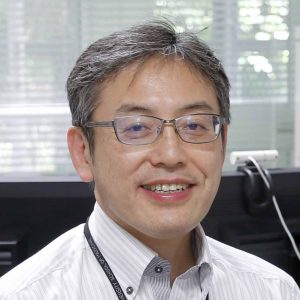
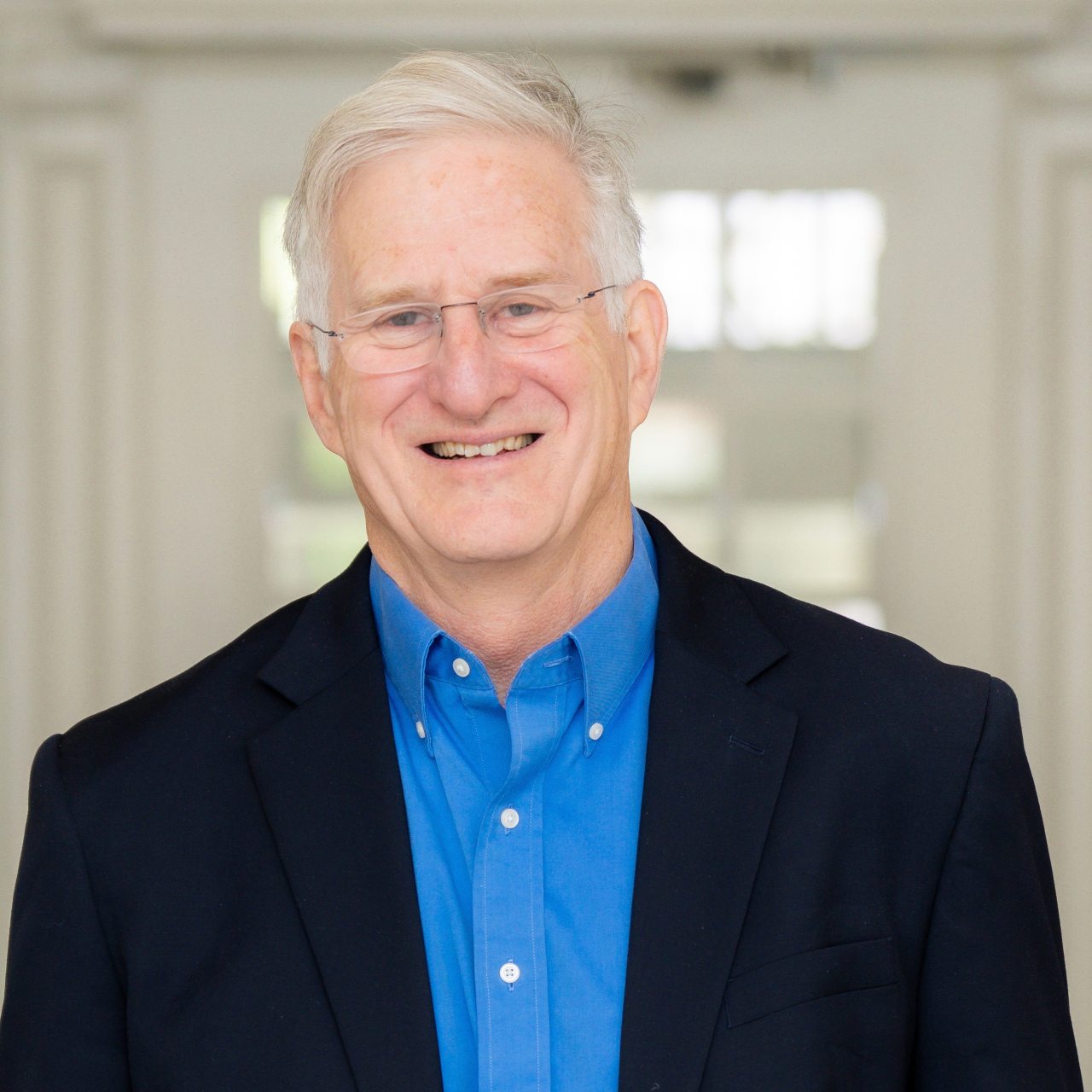
Mike Chiasson is a Professor at the Faculty of Management at the University of British Columbia's Kelowna campus. He joined UBC in 2014 after previously serving as a Professor of Information Systems at Lancaster University's Management School and as an Associate Professor at the Haskayne School of Business, University of Calgary (1999-2006). His educational background includes a Post Doctoral Fellowship at the Institute for Health Promotion Research at UBC, a Ph.D. in Management Information Systems from UBC Faculty of Commerce, and a B.Com. (with Distinction) in Finance/Accounting from the University of Alberta, Faculty of Business. Dr. Chiasson's research examines how social context affects and is affected by information systems development and implementation, using a range of social theories. His work spans system development (public policy, user involvement, agile development, outsourcing), effects of IT (entrepreneurial capabilities, diffusion and infusion, organizational change, client-patient outcomes), and specific IT applications (enterprise resource planning, eHealth, electronic health records) within medical, legal, entrepreneurial, and governmental settings. His empirical work mixes quantitative and qualitative data with a strong emphasis on participant observation, contributing to social theory (ANT, Habermas, pragmatism, structuration theory, entrepreneurial opportunities), action research, and research methods. Analysis of his recent publications shows a continued focus on information systems, digital innovation, and healthcare applications of technology, with increasing attention to philosophical foundations of IS research, critical realism, and systems of innovation frameworks. Outstanding Reviewer Award, Emerald Literati Network Award of Excellence, 2012 Visiting Shidler Fellow, University of Hawaii at Manoa, 2012 MISQ Reviewer of the Year, 2006 AIM Innovation Fellow, 2007-2009 Multiple prestigious fellowships from NSERC, SSHRC, and other organizations Dr. Chiasson has secured significant research funding throughout his career, including Future Fund Grants, SSHRC Doctoral Fellowships, and NSERC Postdoctoral Fellowships. His work bridges academic research with practical applications in healthcare, government, and business settings, with a particular emphasis on understanding how technology implementation interacts with social contexts.