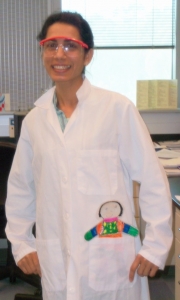
Dr. Rabaab Zahra serves as a Professor in the Department of Microbiology at Quaid-i-Azam University, Islamabad, Pakistan, actively contributing to antimicrobial resistance research with a focus on public health implications in South Asia. Her academic credentials include a B.Sc. in Medical Laboratory Technology, M.Sc. in Biotechnology, and Ph.D. in Cell & Molecular Biology, establishing her expertise in molecular mechanisms of infectious diseases. Dr. Zahra's research centers on antibiotic resistance epidemiology , investigating transmission dynamics between clinical and environmental reservoirs in Pakistan. She specializes in neonatal infection outcomes, hospital-community resistance transmission links, and environmental persistence of resistant pathogens, with particular emphasis on Enterobacteriaceae and Staphylococcus aureus mechanisms. Analysis of her 15 most recent publications reveals dominant themes in carbapenemase-producing organisms (NDM-1, OXA-181), molecular epidemiology of pathogens across human-animal-environment interfaces, and virological surveillance for diseases like Foot and Mouth and PPRV. Over 60% of her work addresses Pakistan-specific public health challenges in vulnerable neonatal populations. No scientific awards were documented in the provided materials. As Principal Investigator, she directs major funded projects including the Bill & Melinda Gates Foundation's BARNARDS initiative on neonatal resistance burden, HEC Pakistan grants on MRSA resistance mechanisms, and international collaborations with Cardiff University on environmental reservoirs and genomic epidemiology of carbapenem-resistant Enterobacteriaceae. 2011-2012: agr system/autophagy in MRSA resistance (HEC Pakistan) 2013-2016: S. aureus autophagy/resistance mechanisms (HEC Pakistan) 2015-2018: BARNARDS neonatal resistance project (Gates Foundation) 2015: Gram-negative neonatal infection genetics (UK-Cardiff) 2016-2018: BARNARDS Community Project (Gates Foundation) 2016-2017: E. coli environmental sequence typing (Commonwealth Fellowship) 2017-2020: CPE genomic comparison (Pak-France PERIDOT) She leads a multidisciplinary research team at QAU collaborating with the BARNARDS Network and European antimicrobial resistance initiatives (https://antimicrobialresistance.eu/team/), with laboratory facilities focused on molecular characterization of resistant pathogens and environmental sampling methodologies.