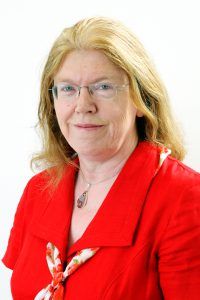
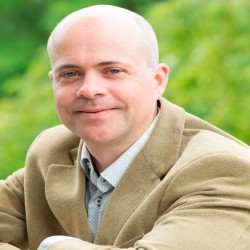
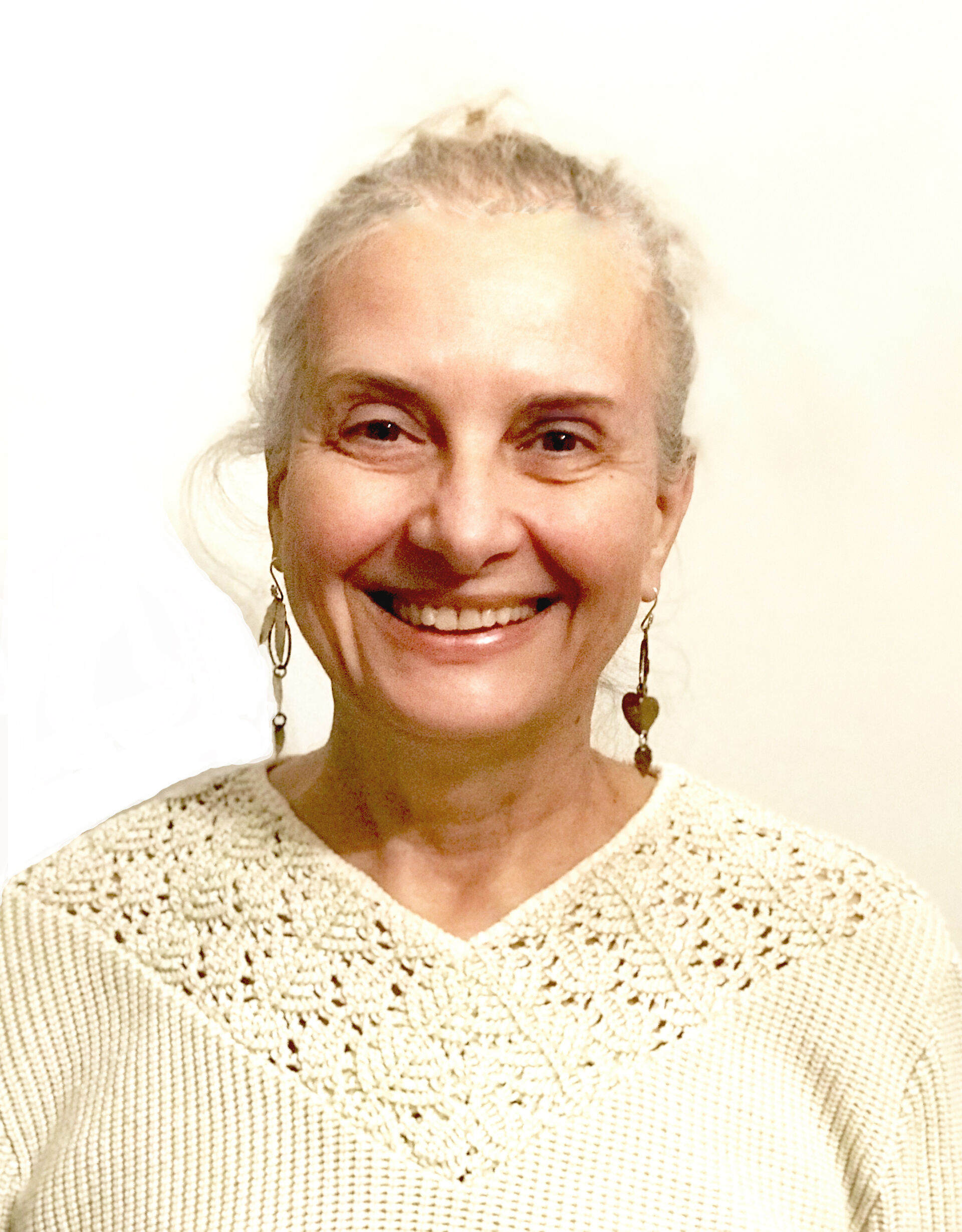
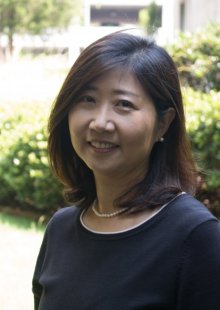
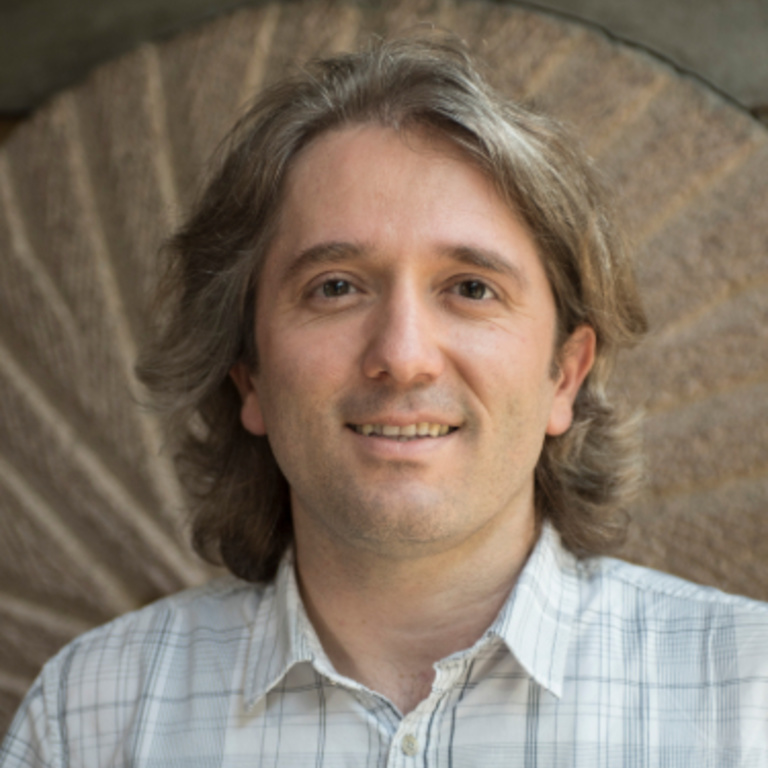
Adam Ford is an Associate Professor of Biology at the University of British Columbia (UBC Okanagan) and leads the Wildlife Restoration Ecology (WiRE) Lab. His research addresses trophic interactions in human-modified landscapes to inform conservation strategies. Core research themes: Wildlife corridor effectiveness Indigenous-led conservation frameworks Human-wildlife coexistence strategies Restoration ecology principles His recent studies quantify impacts of linear infrastructure on caribou migration and develop reconciliation approaches integrating Indigenous knowledge with wildlife management. Fieldwork spans Canadian ecosystems from alpine regions to urban interfaces.
Adam Moore is a Professor in the Department of Geography at UCLA's College of Social Sciences, with a PhD from the University of Wisconsin, Madison (2010). His research examines geopolitical dynamics of conflict and peacebuilding, with expertise in military labor, ethnic conflicts, and post-war reconstruction. Research interests focus on political violence, ethnic conflict dynamics, military contracting, and peacebuilding processes, particularly in Southeast European contexts. His investigations explore how militarization shapes foreign policy and spatial organization. Publications demonstrate sustained focus on conflict geography, military logistics, and peace studies, with recent work examining spatial dimensions of peacebuilding and decolonial geopolitics. Earlier scholarship analyzed military outsourcing and ethnic territoriality. Awards: Globe Book Award for Public Understanding of Geography Julian Minghi Distinguished Book Award Advises PhD students on topics including police violence, migration, and humanitarian infrastructure. Current students include Lindsey Rogers and Irma Losada Olmos.
Eileen Scanlon is the Regius Professor of Open Education at the Open University, a title awarded for her groundbreaking contributions to educational technology and science communication. She holds a PhD in cognitive models of physics problem solving and has been affiliated with the University since 1975, working extensively in the Institute of Educational Technology (IET). As Associate Director of Research and Innovation in the IET, she leads strategic research initiatives in technology-enhanced learning (TEL), including directing the openTEL research theme. Her work focuses on bridging formal and informal learning contexts, advancing citizen science, and leveraging digital tools for inclusive education. She has pioneered platforms like nQuire for community-driven inquiry and contributed to influential reports like the Innovating Pedagogy series. Scanlon also holds visiting roles at the University of Edinburgh and previously served at Bletchley Park and the University of California, Berkeley. Her research interests span educational technology, science communication, and open educational resources (OERs), with an emphasis on democratizing access to science. Key achievements include developing frameworks for MOOCs, advancing virtual microscopy in distance learning, and promoting participatory citizen science initiatives. Education: PhD in physics education (1990), Open University Affiliations: Institute of Educational Technology (IET), Moray House School of Education (Edinburgh) Grants: Leadership in openTEL, EC-funded MAZI project, and MASELTOV incidental learning initiatives Labs: Computers and Learning Research Group (CALRG), Centre for Research in Education and Educational Technology (CREET)
Dr Ruan Elliott is Dean of the Doctoral College and Senior Lecturer in Nutrition at the University of Surrey's School of Biosciences. He holds a PhD in Nutritional Metabolism (2017) and BA in Natural Sciences from Cambridge (1988). His research focuses on nutritional modulation of DNA repair mechanisms, functional genomics in nutrigenomics, and micronutrient homeostasis of iron, copper, selenium, and zinc. He has led studies on vitamin D efficacy, food bioavailability, and oxidative stress biomarkers. Education: PhD (University of Surrey, 1992), BA (University of Cambridge, 1988) Previous Roles: Senior Scientist (Institute of Food Research, 1994-2009), Postdoctoral Fellow (University of British Columbia, 1992-1994) His research integrates molecular biology and nutrition to address health impacts of dietary components. Recent work explores oat-based milk alternatives' sensory profiles, vitamin D supplementation efficacy, and DNA repair pathways in cardiovascular disease. He collaborates internationally on projects like the D2-D3 Study and NuGO initiatives. Publications emphasize translational research, including systematic reviews on insect protein efficacy and meta-analyses of vitamin D supplementation. His work bridges lab-based models (e.g., Caco-2 cells for iron studies) and clinical applications. No scientific awards were explicitly listed in the provided texts. He advises on doctoral training programs and has contributed to grant-funded projects like the University of Surrey's food and infection biosciences initiative (2024). Collaborations include studies on probiotics' immune effects and transcriptomic analysis of metabolic conditions.
Alma Leora Culén is a Professor in the Design of Information Systems at the Department of Informatics, University of Oslo, part of the Faculty of Mathematics and Natural Sciences. She holds a prominent role in advancing sustainable interaction design, research through design methodologies, and transformative design practices focused on societal transitions. Her academic journey includes contributions to HCI education reform, emphasizing ethical and sustainable design principles. Culén has pioneered projects like 'Plurishop' exploring sustainable smartphone alternatives and 'Transition Design' approaches for mitigating democratic erosion. She actively engages in interdisciplinary collaborations through research groups such as DESIGN and Design4Dem. Key research interests span sustainable technology, participatory design processes, and leveraging AI for complex design mediation. Her work often intersects with societal challenges like climate action, youth engagement in socio-technical systems, and rural sustainability initiatives. Culén's pedagogical innovations include intensive design courses and speculative installations for civic education. She leads projects funded by the Norwegian Research Council, focusing on sustainable consumption patterns and MaaS solutions for rural areas. Notable collaborations include international design research societies and EU-funded sustainability initiatives. Her lab activities emphasize participatory prototyping and transition design frameworks, with a focus on vulnerable populations such as chronically ill youth and elderly users. Culén's work bridges academic research with real-world impact through partnerships with libraries, municipalities, and tech industries.
Sungmee Park is a Principal Research Scientist at the School of Materials Science and Engineering at Georgia Institute of Technology. Her work bridges academia and industry, with groundbreaking contributions to smart textiles and wearable technologies. She co-invented the world’s first Wearable Motherboard (Smart Shirt) in 1996, foundational to modern wearables. At Kolon Glotech in South Korea, she developed Printronix printing technology and heating textiles (HeaTex), applied in sports, military, and automotive sectors. She also served as Vice President and Head of Future Strategy at Kolon Corporation, driving innovation in strategic partnerships and new ventures. Her research focuses on electronic textiles, smart fabrics, and wearable biomedical systems, addressing health monitoring, security, and human welfare. With over 30 patents and numerous publications, her work emphasizes translating research into practical applications like low-cost reusable masks and respiratory protection devices. Key collaborations include ongoing projects with Professor Jayaraman on wearable data platforms and Big Data analysis. Dr. Park’s articles highlight advancements in textile-based electronics, wearable healthcare systems, and smart textile manufacturing. She has pioneered methodologies for integrating sensors and communication systems into fabrics, enabling applications from athlete monitoring to SIDS prevention. Her contributions reflect a vision of technology enhancing quality of life through interdisciplinary innovation at the intersection of art, science, and engineering. Notable projects include the Inspiring Journey Exhibit showcasing her work in art-science fusion and strategic leadership in identifying new growth areas for the Kolon Group. Her research continues to drive global impact through sustainable, human-centered technological solutions.
David Pietz is a Professor of Chinese History in the Department of History at the University of Arizona and holds the UNESCO Chair in Environmental History. His research focuses on environmental history of modern China, supported by grants from leading institutions like the National Science Foundation, National Endowment for the Humanities, Mellon Foundation, and Guggenheim Foundation. He teaches courses including Modern East Asia, East Asian Environmental History, and Dimensions of Globalization. His research interests emphasize the intersection of environmental policy, water management, and socio-political development in China. Recent publications explore themes such as water resource governance, river engineering projects, and landscape transformations in East Asia. Awards: UNESCO Chair in Environmental History, Guggenheim Fellowship Dr. Pietz’s work bridges historical analysis with contemporary environmental challenges, leveraging interdisciplinary approaches to address issues like resource utilization and state-building through environmental lenses.
Satyajit Singh is a Professor in the Department of Political Science and Department of Global Studies at the University of California, Santa Barbara. He previously held academic positions at the University of Delhi, Ambedkar University Delhi, and Ryukoku University, Kyoto. His research focuses on South Asia, Indian Politics, Public Policy, Development Studies, Environmental Politics, and Local Governance. He has advised international organizations including the World Bank, UNDP, UNICEF, and governments across Asia. Education: Ph.D., University of Delhi (1994). Earlier roles include Founding Dean at School of Development Studies and School of Human Ecology (Ambedkar University Delhi), India Chair at Ryukoku University, and Visiting Fellowships at institutions like the Institute of Development Studies (Sussex). He has also served as a Leverhulme Fellow for Environment and Development. Research Interests: Governance structures, public policy reforms, decentralization dynamics, environmental governance, and political economy of large infrastructure projects. He is a founder of the India Public Policy Network and currently convenes its activities. Key contributions include analyzing India's water policies, large dam impacts, and local governance mechanisms. His work bridges academic research with policy practice, emphasizing institutional design challenges and political realities in development contexts. Advisory Work: Extensive experience with multilateral agencies and governments on projects related to rural service delivery, environmental management, and institutional reforms. Current research includes exploring the political dimensions of vernacular literature and local natural resource management frameworks. Publications: Over two decades of scholarship includes monographs like Taming the Waters (1997), edited volumes on decentralization and environmental governance, and articles in Asian Survey , Policy & Society , and Economic and Political Weekly .
Kelli Larson is a Professor at Arizona State University (ASU), holding dual appointments in the School of Geographical Sciences and Urban Planning and the School of Sustainability. She is affiliated with multiple research centers, including the Central Arizona-Phoenix Long-Term Ecological Research (CAP LTER) project, where she serves as Lead Social Scientist. Her research focuses on human-environment interactions, urban sustainability, and the social dimensions of ecological conservation. Dr. Larson earned a Ph.D. in Resource Geography from Oregon State University (2005) and has been at ASU since that time. Her work integrates mixed-methods approaches to study residential landscape management, urban biodiversity, and public perceptions of ecosystem services. She directs the Phoenix Area Social Survey, a key initiative for CAP LTER's long-term data collection. Her research interests include urban ecology, environmental governance, and the social drivers of landscape choices. Notable contributions examine how residents’ attitudes toward wildlife, vegetation, and water governance influence urban sustainability outcomes. She has led NSF-funded projects and published extensively on topics like yard ordinances, biodiversity in urban areas, and climate adaptation. Larson mentors undergraduates, graduate students, and postdocs, emphasizing undergraduate research through programs like the Sustainability Undergraduate Research Experience (SURE). She has received awards for mentoring and service, including the Outstanding Service Award (2019) and Distinguished Alumni Award (2018). Her work bridges academia and public engagement, addressing challenges such as urban heat mitigation, green infrastructure planning, and equitable access to urban ecosystems. She serves on editorial boards and professional associations, advocating for interdisciplinary approaches to environmental challenges.
Professor Runming Yao is a leading academic in building and urban sustainability at the University of Reading's School of Construction Management and Engineering. He holds roles as Director of Design and Management of Sustainable Built Environments and Module Convenor for Sustainable Design and Management Principles. His research focuses on energy efficiency, urban microclimates, indoor environmental quality, and thermal comfort, with particular emphasis on UK and China contexts. Yao is an EPSRC College member and serves on editorial boards for journals like the Journal of Building Engineering and Renewable Energy . He has led numerous high-impact projects funded by bodies like the European Commission, EPSRC, and the Chinese government, addressing topics such as low-carbon cities, green building technologies, and climate-resilient urban design. His professional memberships include Fellowships of CIBSE, the Chartered Institute of Building, and FHEA. Yao’s work bridges engineering, policy, and environmental science, with contributions to international standards and guidelines for sustainable construction. Education and Qualifications: BSc, MSc, PhD Research Interests: Yao’s research integrates technical innovation with societal needs, exploring: - Energy-efficient building systems and urban-scale simulations, - Impact of climate change on building design, - Sensor technology for smart building management, - Health implications of indoor/outdoor environmental quality. His work emphasizes cross-disciplinary solutions for sustainable urban development and climate resilience. Projects and Grants: Recent initiatives include: - LoHCool (EPSRC-funded low-carbon heating/cooling of cities), - REELCOOP (EU-funded renewable energy cooperation), - Halton Foundation-funded studies on school ventilation. He has secured over £10M in research funding, spanning academic and industry partnerships. Awards and Recognition: While no formal awards are listed, Yao’s leadership in global sustainability networks and his role in shaping policy frameworks reflect his significant influence in the field. Labs and Collaborations: He leads the Energy and Environmental Research Group and collaborates internationally with institutions like Chongqing University, Cambridge University, and the China Green Building Council. His work frequently involves cross-border initiatives to address climate challenges in rapidly urbanizing regions.
Prof. Dr. Urs Gasser is Professor of Public Policy, Governance and Innovative Technology at the Technische Universität München (TUM) , where he serves as Dean of the TUM School of Social Sciences and Technology and Rector of the Hochschule für Politik (HfP). His research examines the interplay between emerging technologies and societal structures, focusing on regulatory frameworks for AI, quantum technologies, and extended reality. Academic Affiliations: TUM, Harvard Law School (Visiting Professor), Berkman Klein Center for Internet & Society (Executive Director, former) Policy Roles: Chairs Thailand's International Policy Advisory Panel on AI Governance, advises OECD/UNICEF/UNESCO, contributes to World Economic Forum and US National Academies of Sciences Working Group on Generative AI Gasser leads initiatives including the TUM Think Tank , Generative AI Task Force , Quantum Social Lab , and Friedrich Schiedel Fellowship . His recent publications address AI governance blueprints (2025), quantum ethics (2024), and digital policy challenges across global jurisdictions. Emerging trends in his research emphasize: Responsible innovation for quantum technologies Ethical guardrails in AI-driven decision-making Comparative regulatory frameworks (EU vs US) Generative AI's impact on education and scientific integrity Global governance models for digital privacy Interoperability in digital ecosystems
Dr. Leila Moslemi Naeni is a Senior Lecturer at the University of Technology Sydney (UTS), School of Built Environment, with a dual appointment in the Faculty of Design, Architecture and Building. She previously served as a Lecturer at UTS (2016-2018) and Sessional Lecturer at Curtin University (2015-2016). PhD in Computer Science (University of Newcastle, 2017) MSc in Industrial Engineering (Sharif University of Technology, 2007) BSc in Industrial Engineering (Iran University of Science and Technology, 2004) Her research focuses on project management under uncertainty, integrating fuzzy systems and mathematical modeling with applications in construction, ESG reporting, and disruptive technologies. She developed innovative methods for statistical control charts in project monitoring and leads research on leveraging blockchain and digital tools for sustainable infrastructure. Recent publications highlight her work on resource-constrained scheduling algorithms, ESG integration in megaprojects, and gamification in project management education. She serves as Review Editor for Frontiers in Environmental Science and on the Editorial Board of Smart and Sustainable Built Environment . 2016 PMI NSW Research Award 2022 Walt Lipke Award 2013 FEBE Postgraduate Research Prize As an active research mentor, she supervises PhD students in machine learning applications, disaster management technologies, and social infrastructure investments. Her teaching emphasizes simulation-based learning, collaborating with Oulo University (Finland) to quantify educational value.
Ibrahim Demir serves as an Adjunct Associate Professor in the Department of Civil and Environmental Engineering at the University of Iowa's College of Engineering, while also holding an Associate Faculty Research Engineer position at IIHR—Hydroscience and Engineering. His interdisciplinary work bridges hydroinformatics, environmental engineering, and advanced computing technologies to address critical water resources challenges through innovative digital solutions. His educational background includes a PhD in Environmental Informatics and Control Program from the University of Georgia (2010), an MS in Environmental Engineering from Gebze Institute of Technology (2004), and a BS in Chemistry from Bogazici University (2000). This foundation supports his integration of chemical, environmental, and computational sciences in hydrological research. Dr. Demir's research centers on hydroinformatics and AI-driven environmental systems, with core expertise in scientific visualization, cyber systems design, and virtual/augmented reality applications. He develops web-based frameworks for flood risk assessment, drought analysis, and water quality management, emphasizing real-time data integration and user-friendly interfaces. Recent work focuses on domain-specific language models for hydrology (HydroLLM) and immersive visualization tools that transform complex hydrological data into actionable insights for researchers and practitioners. Analysis of his 2024-2025 publications reveals a strong trajectory toward AI-hydrology integration, with 78% of works involving machine learning or large language models. Key themes include flood risk communication (22% of publications), algal bloom prediction (15%), and educational technology applications (12%). His research increasingly emphasizes scientific reproducibility through no-code visual programming frameworks and digital twin implementations for watershed systems. Dr. Demir actively contributes to scholarly discourse as Associate Editor for Environmental Modeling and Software, Journal of Hydroinformatics, Journal of Environmental Informatics, and Water and Artificial Intelligence (Frontiers in Water). He serves as Vice-Chair of the International Joint Committee on Hydroinformatics (IAHR/IWA/IAHS) leadership team, shaping global standards in hydroinformatics research and practice. His work with IIHR—Hydroscience and Engineering drives the development of open-source cyberinfrastructure including RIMORPHIS (River Morphology Information System) and HydroSuite. These platforms enable collaborative river morphology research and provide modular tools for hydrological analysis, education, and operational decision support, demonstrating his commitment to accessible, community-driven scientific advancement.
Vania Ceccato is a Professor at the Academy of Police Work, University of Borås, specializing in environmental criminology and situational crime prevention. She leads the international Nätverket Säkraplatser network, fostering collaboration between academia and practice for sustainable safety. Her research bridges urban design, rural criminology, and transit security, with a focus on inclusive safety measures. Her recent publications include studies on transit worker safety in Stockholm’s metro resilient urban design for climate and crime prevention LGBTQI+ safety in transportation rural-urban shooting patterns innovative survey methodologies Her work aligns with United Nations SDGs 9, 11, and 13, emphasizing how environmental criminology can drive sustainable, equitable urban development.
Simo Hosio is an Academy Research Fellow (2022-2027) and Professor of Computer Science and Engineering at University of Oulu's Center for Ubiquitous Computing, where he leads the Crowd Computing Research Group. He also maintains a visiting position at University of Tokyo, Japan. Having graduated as the first Finnish scholar under Microsoft Research Cambridge's Ph.D. scholarship program, he has published over 150 peer-reviewed scientific articles spanning two decades of research. Hosio's research spans three primary domains: crowdsourcing methodologies, human-computer interaction, and digital health applications. His work pioneers novel approaches to online labor markets, investigates the suitability of crowdsourcing for diverse applications, and explores HCI aspects of digital health solutions for chronic conditions. His research group, founded in 2020, has secured nearly two million USD in funding, demonstrating significant research impact and recognition. Analysis of Hosio's recent publications reveals a strong trend toward interdisciplinary research at the intersection of crowdsourcing, healthcare technology, and emerging AI systems. His work increasingly focuses on practical applications of crowd computing in health contexts, with growing attention to mental health, women's health, and workplace well-being solutions. The integration of AI and machine learning techniques with traditional HCI approaches represents another significant trajectory in his recent scholarship. Distinguished Paper Award (2024) Best Paper Honourable Mention Award (2022) PMCJ Best Research Paper (awarded in 2024) Best Paper Award (2022) Best Full Paper Award (2015) Honorable Mention Award (2014) Best Paper Presentation award (2010) As an educator, Hosio has taught Human-Computer Interaction (2019-2025) to over 260 students in 2024, Social Computing (2018-2021) to approximately 60 students annually, and Applied Computing (2015-2018) to around 50 students each year. His research group's nearly two million USD in secured funding demonstrates significant grant acquisition success, supporting innovative work at the intersection of crowd computing, health technology, and human-centered AI systems. The Crowd Computing Research Group, founded by Hosio in 2020, represents a significant research infrastructure focused on advancing methodologies for crowd-powered systems. The group's work spans from fundamental research on crowd labor markets to applied projects in healthcare, workplace well-being, and social computing, demonstrating a strong commitment to both theoretical advancement and practical impact.