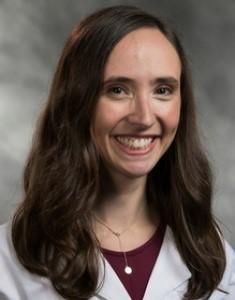
Yijing Su, Ph.D. is an Assistant Professor of Oral Medicine in the Department of Oral Medicine at the University of Pennsylvania School of Dental Medicine. Her research laboratory investigates the intricate mechanisms governing gene expression in a cell type-, brain regional-, tissue- and species-specific manner under physiological and pathological conditions. Dr. Su's research interests focus on fundamental neuroscience questions with particular emphasis on adult hippocampal neurogenesis, single-cell transcriptomics, and epigenetic regulation of neural development. Her work bridges molecular biology, neuroscience, and computational approaches to understand how gene expression patterns shape brain development, function, and disease across species. She employs cutting-edge techniques including deep single-soma RNA sequencing, organoid models, and transcription factor analysis to explore neural mechanisms from embryonic development through adulthood. Analysis of Dr. Su's publication record reveals a strong research trajectory focusing on neural development, particularly in the hippocampus and cortical regions. Her work spans comparative studies across species, human-specific neural features, and disease modeling using advanced organoid technologies. Her research has increasingly incorporated single-cell resolution approaches to understand cellular heterogeneity in neural tissues, with applications to understanding Alzheimer's disease and other neurological conditions. Dr. Su actively recruits postdoctoral candidates, graduate students from various departments, and research assistants (including undergraduate and post-BS students) for her laboratory. Her lab appears to be well-positioned to investigate fundamental questions about neural development and function using state-of-the-art genomic and cellular approaches.
Dr. Isabelle Cloez-Tayarani is a faculty member at the Institut Pasteur in Paris, France. She serves as a Lecturer in the Development and Plasticity of the Nervous System course, a five-week intensive program combining laboratory and lecture formats for advanced graduate and PhD students. Institutional affiliation: Institut Pasteur Academic role: Lecturer Her research focuses on neuroscience and neurodevelopmental disorders , particularly using human-induced pluripotent stem cells (iPSCs) to model autism spectrum disorders (ASD). Key areas include: Investigation of SHANK3 mutations and their impact on cortical neuron spinogenesis Analysis of Contactin gene variants (CNTN5/CNTN6) associated with auditory hypersensitivity in ASD Study of nicotinic acetylcholine receptors (α7 and α4β2 subtypes) in memory and addiction mechanisms Her recent publications emphasize neurodevelopmental modeling through human-mouse chimeric systems and in utero transplantation techniques. While she has not been explicitly mentioned as receiving awards in the provided texts, her work spans topics including: Neuronal connectivity and synaptic plasticity Neuroimmune interactions in inflammatory conditions Receptor dynamics in neurodegenerative contexts Dr. Cloez-Tayarani's research frequently involves collaborations with investigators like Thomas Bourgeron (genetics of ASD) and Uwe Maskos (nicotinic receptor signaling), and she has contributed to understanding how environmental factors and genetic mutations interact in neurodevelopmental pathology.
Oluwole Awosika is an Associate Professor at the University of Cincinnati College of Medicine, specializing in Neurology and Rehabilitation Medicine. His research focuses on stroke recovery, spasticity management, and non-invasive neuromodulation techniques. Bachelor of Science in Neuroscience and Physiological Science from University of California, Los Angeles (2003) Medical Degree from University of Illinois-Chicago College of Medicine (2011) Residency in Adult Neurology Research at Massachusetts General/Brigham and Women’s Hospitals/Harvard Medical School (2012) Fellowship in Clinical Neurorehabilitation at MedStar National Rehabilitation Hospital (2015) His work examines locomotor training through backward/forward treadmill exercises and transcranial/spinal stimulation to enhance post-stroke recovery. Key findings include insights into functional connectivity of subcortical locomotor centers and cortical superficial siderosis as a predictor of recurrent hemorrhage. Dr. Awosika has received competitive grants from the National Institute of Child Health and Human Development (R01HD093694, R21HD115776) and private awards from the American Academy of Neurology (2020 Career Development Award, 2024 MSR Scholarship). His scientific contributions span locomotor neuroplasticity, cognitive deficits in stroke survivors, and spinal cord repair strategies. American Academy of Neurology 2020 Career Development Award American Academy of Neurology 2024 MSR Scholarship His clinical expertise includes in-patient/out-patient neurorehabilitation, spasticity management, and neuropathic pain treatment. He is board-certified in Neurology by the American Board of Psychiatry and Neurology since 2012.
Tyson Chappell is an Associate Professor in the Department of Biology at Utah State University. His research focuses on the long-term effects of prenatal alcohol exposure on cortical development, particularly in somatosensory and motor cortex regions. He teaches courses in human anatomy and physiology. PhD in Anatomy and Neurobiology (University of Tennessee Health Science Center, 2007) BA in Psychology (Weber State University, 2000) His work uses rat models to investigate how alcohol exposure during development impacts neural organization and representation areas. Studies span prenatal, postnatal, and adult stages, revealing disruptions in cortical size and functional mapping. Scientific contributions include publications on somatosensory and motor cortex abnormalities following alcohol exposure. Awards include the Faculty Excellence Award (2013).
Margaret S. Livingstone is the Takeda Professor of Neurobiology at Harvard Medical School , with affiliations to Harvard University and the Livingstone Lab. Her work bridges visual neuroscience , neurodevelopment , and biomedical innovation , focusing on how primate brains process visual information. Research Interests: Visual recognition, face processing in autism, maternal bonding mechanisms, blood-brain barrier disruption via focused ultrasound, and the evolution of primate visual cortex. Grants: Recipient of a Whitehall Foundation grant (2024) for neuroanatomical constraints on visual domain development. Scientific Awards: David Mahoney Prize (past recipient) Roberts Prize (2013) for best paper Collaborations: Member of the Thalamus Conte Center studying thalamocortical networks, and collaborator in clinical trials for glioblastoma and Alzheimer’s treatments.
Martin Dahl is a Research Scientist at the Max Planck Institute for Human Development, Center for Lifespan Psychology, and leads the Lifespan Neuromodulation of Cognition (LINE) group since October 2022. He holds faculty positions at IMPRS COMP2PSYCH and focuses on multi-modal brain imaging techniques to investigate age-related cognitive changes. B.Sc. in Psychology (2011), Justus Liebig University Gießen M.Sc. in Psychology (2014), University of Konstanz PhD in Psychology (Dr. rer. nat., 2020), Freie Universität Berlin His research centers on neuromodulatory systems, particularly dopaminergic and noradrenergic pathways, examining their role in age-related cognitive decline, Alzheimer's disease, and neural synchronization mechanisms. Current projects include non-invasive brain imaging protocols and biomarker development for neurodegenerative disorders. Recent publications analyze locus coeruleus integrity, neurotransmitter interactions, and dietary influences on cognitive health. His work spans neuroimaging methodology, clinical applications, and theoretical frameworks for aging research. Scientific Awards Margret and Paul Baltes Award (Developmental Psychology Section, DGPs) Otto Hahn Medal (Max Planck Society) Young Investigator Award for "Advancement of Clinical and Cognitive Neuropsychology" (GNP e.V.)
Prof. Dr. Til Ole Bergmann is a leading researcher in non-invasive brain stimulation and neuroimaging at the Neuroimaging Center (NIC) of the Johannes Gutenberg University Medical Center, Mainz, Germany. He is affiliated with the Leibniz Institute for Resilience Research (LIR) . His academic rank is Professor, and he leads the Neurostimulation Group, focusing on multimodal approaches like TMS-fMRI, TUS-EEG, and closed-loop brain state-dependent stimulation to study neuronal oscillations in cognition and synaptic plasticity during sleep. Research Interests : Combining transcranial brain stimulation (TMS, tES, TUS) with EEG/fMRI/MEG to investigate sleep spindle-related memory consolidation, cortical excitability modulation, and deep brain neuromodulation. Software Development : Creator of open-source tools like BEST Toolbox and PlanTUS for automating experiments and optimizing TUS targeting. His recent publications (2025–2023) span TUS planning, TMS-fMRI protocols, stress-brain interaction studies, and methodological advancements. While no scientific awards are explicitly listed, his work has shaped consensus guidelines in Nature Protocols and Clinical Neurophysiology . He supervises PhD candidates such as Friederike Breuer and Sandra Schwarz , who investigate closed-loop stimulation during sleep and personalized rTMS for depression, respectively. The Neurostimulation Group also collaborates on international projects like the ITRUSST consortium and ContES checklist for tES-fMRI quality assessment.
Dr. Donna Nimec is an Assistant Professor of Physical Medicine and Rehabilitation at Harvard Medical School and serves as a Pediatric Rehabilitation Medicine Doctor in the Orthopedics and Sports Medicine Department at Boston Children's Hospital. She also directs the Pediatric Rehabilitation Program at the hospital, with clinical practice locations in both Boston and Lexington, Massachusetts. Dr. Nimec's research focuses on pediatric neurorehabilitation, particularly cerebral palsy, brain injury rehabilitation, and innovative therapeutic approaches including robot-assisted gait training. Her work spans neuroimaging studies of brain reorganization, genetic investigations of cerebral palsy, and development of novel assessment tools such as sensorized shoe systems for gait analysis. She has published extensively on topics related to pediatric rehabilitation outcomes and interventions. Her 15 most recent publications demonstrate a consistent research trajectory with emphasis on understanding neurological mechanisms of movement disorders in children and developing evidence-based rehabilitation approaches. The publications span multiple disciplines including neurology, rehabilitation engineering, neuroimaging, and pediatric orthopedics, reflecting her interdisciplinary approach to pediatric rehabilitation medicine. Dr. Nimec is board certified by the American Board of Physical Medicine and Rehabilitation in both General Rehabilitation and Pediatric Rehabilitation Medicine specialties. Her clinical work integrates with several specialized programs at Boston Children's Hospital including the Cerebral Palsy and Spasticity Center, Brain Injury Center, and Orthopedics and Sports Medicine Department, providing comprehensive rehabilitation services for children with complex neuromuscular conditions.
Matthew D. Riedel, MD is an Assistant Professor of Orthopaedics & Rehabilitation at Yale School of Medicine. He serves as the Yale Orthopaedic Hip Fracture Program Committee Surgical Chair and Co-Director of Yale Department of Orthopaedics and Rehabilitation Resident Research. Dr. Riedel is a board-certified orthopaedic surgeon specializing in orthopaedic trauma surgery, treating injuries from car crashes, industrial accidents, and falls across all age groups from children to geriatric patients. Dr. Riedel's educational background includes: MD from Columbia University College of Physicians & Surgeons (2013) Residency in Orthopaedic Surgery at Harvard Combined Orthopaedic Residency Program (2014-2018) Chief Resident at Harvard Combined Orthopaedic Residency Program (2018) Post-Doctoral Clinical Fellowship in Orthopaedic Traumatology at R. Adams Cowley Shock Trauma Center/University of Maryland Medical Center (2019) BA in Biology & Psychology from Washington University in St. Louis (2008) Dr. Riedel's research focuses on clinical outcomes for patients with bone fractures, both operatively and nonoperatively treated, with particular interest in improving the biomechanics of surgical implants. His work examines how material properties of implants can better match bone to enhance healing and patient comfort. His research is driven by daily clinical experiences, where he constantly seeks to improve patient outcomes through better implants and surgical techniques. Dr. Riedel has published extensively in prestigious journals including Injury and The Journal of American Academy of Orthopaedic Surgeons, with recent work focusing on hip fracture fixation, infection prevention in orthopaedic trauma, and biomechanical analysis of fracture fixation techniques. Dr. Riedel's recent publications demonstrate a strong focus on orthopaedic trauma, particularly in hip and femur fractures, surgical techniques, and infection prevention. His research spans clinical outcomes studies, biomechanical analyses, and innovative approaches to fracture management. Key trends in his work include optimizing surgical techniques for hip fracture fixation, developing better methods for assessing fracture healing, and improving infection prevention strategies in orthopaedic trauma cases. Dr. Riedel has received numerous honors and recognitions: Fellow, American Academy of Orthopaedic Surgeons (2023) Finalist Nominee for Leonard Tow Humanism in Medicine Award (2021) Finalist Nominee for Charles W. Bohmfalk Faculty Teaching Award (2020) Best Clinical Paper and Best Clinical Research Paper (2018) Kilfoyle Award, 2nd Place (2018) and 3rd Place (2016) As an educator, Dr. Riedel serves as Co-Director of Yale Department of Orthopaedics and Rehabilitation Resident Research and as Department of Orthopaedics & Rehabilitation Representative on the Yale Graduate Medical Education Resident Well-Being Committee. He is actively involved in mentoring residents and has served on the Harvard Combined Orthopaedic Residency Program New Resident Selection Committee (2017-2018). His commitment to teaching has been recognized with multiple awards including finalist nominations for teaching awards at Yale. Dr. Riedel is a member of several professional organizations including the American Academy of Orthopaedic Surgeons, AOTrauma North America, and the Orthopaedic Trauma Association. He serves on the Orthopaedic Trauma Association - Practice Management Committee and is a reviewer for Injury – International Journal of the Care of the Injured and BMJ Open.
Dr Gordon Cooper is a Senior Lecturer and Examinations Officer in the School of Biosciences at the University of Sheffield. He has been with the university since 2002, previously serving as a Lecturer and Senior Lecturer in Biomedical Science. His academic career spans institutions including the University of Manchester, Case Western Reserve University, and the University of Leeds. Dr Cooper's research focuses on solute and ion transport across biological membranes, particularly in renal and epithelial physiology. Key areas include: Aquaporin-mediated gas and water transport Renal potassium channel function Urea transporter dynamics Epithelial membrane cross-talk pH and calcium regulation in transport mechanisms Membrane protein glycosylation and trafficking His publications since 2000 demonstrate expertise in membrane transport biophysics, with recurring themes of: CO2/HCO3- transport relationships Renal concentration mechanisms Channel-conductance regulation Comparative physiology across species Transport protein structure-function studies Homeostatic regulation in epithelia He has received recognition through Fellow of the Physiological Society and Senior Fellow of the Higher Education Academy . His work has been supported by grants from The Physiological Society, NERC, and Kidney Research UK. Dr Cooper plays a central role in undergraduate and postgraduate education at the University of Sheffield, coordinating physiological society-funded practical class redevelopment and leading modules in: Organ systems physiology Kidney function and disease Epithelial physiology Career development skills Practical research training Group research initiatives
Dr. Katherine Wood serves as a Research Fellow at the University of Sheffield's School of Biosciences, based at the Alfred Denny Building. Her research centers on auditory neuroscience, investigating neural mechanisms of sound processing with emphasis on cortical dynamics, multisensory integration, and inhibitory circuitry. She employs electrophysiological recordings in animal models and human psychophysical experiments to decode auditory perception. Her primary research domains include Auditory Neuroscience , examining sound pathway maturation and neural coding; Systems Neuroscience , focusing on cortical network dynamics; Multisensory Integration for spatial hearing enhancement; and Computational Neuroscience modeling neural adaptation. Key methodologies involve ferret/mouse neurophysiology, behavioral testing, and analysis of inhibitory neuron contributions to sound localization and identity processing. Analysis of her 2016-2025 publications reveals consistent investigation into cortical inhibition mechanisms, neural adaptation to sound statistics, and cue-invariant sound representation. Her work demonstrates how inhibitory interneurons shape auditory cortical responses across contexts, with significant contributions to understanding perceptual constancy and multisensory binding in auditory scene analysis. Scientific Awards: No awards or fellowships are documented in available materials. Advising and grants information is absent from current profiles, with no listed doctoral students or funded projects. Her collaborative work spans institutions including University College London and the University of Pennsylvania, though specific lab affiliations or team structures remain unreported in accessible documentation.
Monica Baciu is a University Professor at the University of Grenoble Alpes, holding a dual role as a Professor of Cognitive Neuroscience and a part-time Hospital Practitioner in Neurology at CHU Grenoble Alpes. She serves as the Scientific Director of the LabEx CerCoG Brain and Cognition program at UGA IDEX. Previously, she directed the Laboratory of Psychology and Neurocognition (LPNC UMR CNRS 5105) from 2012 to 2020 and has held various leadership positions in interdisciplinary research programs focused on cognition and neurodegeneration. Dr. Baciu earned her medical degree from Iuliu Hațieganu University of Medicine and Pharmacy in Cluj, Romania in 1990, followed by neurology residency until 1995. She obtained her PhD in Cognitive Neuroscience from Joseph Fourier University (now University of Grenoble Alpes) in 1999. After serving as a Lecturer in Cognitive Psychology, she was recruited as a University Professor in Cognitive Neuroscience at the University of Grenoble Alpes in 2004. She completed her Habilitation to Direct Research (HDR) in 2002 and gained international research experience as an associate researcher at Washington University in St. Louis from 2003-2007. Her research focuses on neurocognitive and integrative models of language and memory in both healthy individuals (particularly in aging) and patients with neurological pathologies including drug-resistant focal epilepsy, Rasmussen's encephalitis, stroke, and neurodegenerative diseases. Her work employs a multidisciplinary approach combining cognitive and computational neuroscience, cognitive psychology, neuropsychology, neuroimaging, and statistical modeling techniques. Recent projects include VARIAGING (modeling cognitive and neuro-computational aging), SEMO (sensorimotor integration for speech rehabilitation in aphasia), and HALF-BRAIN RASMUSSEN (neuroplasticity in Rasmussen's encephalitis). Analysis of her recent publications reveals a strong focus on language reorganization after hemispherectomy, particularly in Rasmussen's encephalitis patients, with significant contributions to understanding cognitive interactions and structural signatures of neural adaptation. Her work also examines language processing in aging brains, exploring compensatory pathways and connectivity changes. Additional research areas include cognitive flexibility in autism spectrum disorders, white matter dynamics in midlife, and multifactorial influences on language recovery after stroke. 2023: Prix du mérite at OHBM Conference in Montreal 2019: Editor's Choice Award in Epileptic Disorders 2016: Award from French Society of Physical Medicine and Rehabilitation 2008: Editor's Choice Award in Human Brain Mapping 2010-2020: Scientific Excellence Prize from IUF 2013: National Order of Merit 2015: Legion of Honor Dr. Baciu currently supervises multiple doctoral students and postdoctoral researchers, including Nicolas Grivel (2025-2028), Clément Guichet (2022-2025), and Taisha Donnelly (2023-2026), with research funded by GraduateSchool@UGA, MITI CNRS, and MENRT. Her work has been supported by various grants including those from LFCE (French League Against Epilepsy), Institut Carnot Cognition, and IRGA University Grenoble Alpes. She leads the LabEx CerCoG program with 400 members across Grenoble research teams focused on brain and cognition, with five experimental platforms. As Director of the Laboratory of Psychology and Neurocognition (2013-2020) and current Scientific Director of LabEx CerCoG, she oversees extensive research infrastructure. Her team within LPNC focuses on language processing, with specialized expertise in neuroimaging, cognitive assessment, and computational modeling. The interdisciplinary nature of her work connects researchers across medicine, psychology, computer science, and rehabilitation sciences, creating a robust collaborative environment for studying brain-cognition relationships.
Sophie Andrews is a Conjoint Lecturer in the School of Psychology at the University of New South Wales (UNSW) and a Senior Research Fellow – DECRA Fellow at UNSW Psychology. She also holds a conjoint Research Fellow position at Neuroscience Research Australia (NeuRA). Her work bridges academic research with clinical practice as a registered clinical neuropsychologist, focusing on translational neuroscience that addresses real-world health challenges related to cognitive aging and neurodegenerative diseases. Dr. Andrews completed her DPsych (Clinical Neuropsychology) at Monash University in 2013, where her doctoral thesis investigated the mirror neuron system in schizophrenia and bipolar disorder using transcranial magnetic stimulation and EEG. Prior to joining UNSW and NeuRA in 2019, she was affiliated with the Turner Institute for Brain and Mental Health and School of Psychological Sciences at Monash University, where she held a fellowship from the Huntington's Disease Society of America. Her primary research focuses on how lifestyle interventions can improve brain and cognitive health and reduce dementia risk, with particular emphasis on the neuroscience and neuropsychology of habit formation and change in aging. She combines neuroimaging, cognitive, and psychological approaches to understand how improved knowledge of habit formation can inform better lifestyle behavior change interventions. Additional research interests include non-pharmacological approaches for maintaining brain health in neurodegenerative diseases, with a special focus on Huntington's disease, Parkinson's disease, and Amyotrophic Lateral Sclerosis (ALS). Analysis of her recent publications reveals a strong trajectory in understanding the neural mechanisms underlying habit formation in aging populations and their application to dementia prevention. Her work frequently employs multimodal approaches, combining behavioral assessments with neuroimaging techniques to examine brain structure and function in relation to cognitive performance. A significant portion of her recent work centers around the LEISURE study, a longitudinal randomized controlled trial examining multi-modal lifestyle interventions for dementia risk reduction in healthy older adults. Discovery Early Career Research Award (DECRA) from the Australian Research Council (2021-2025) Huntington's Disease Society of America HD Human Biology Project Fellowship (2016-2019) Dr. Andrews has secured substantial grant funding for her research, including an ARC Discovery Early Career Researcher Award ($437,000), multiple Dementia Australia Research Foundation grants, and several UNSW Ageing Futures Institute Seed Project Grants. Her work demonstrates strong collaboration across institutions, with frequent co-authorship with researchers from NeuRA, Monash University, and international partners. While specific student supervision isn't detailed in the provided text, her leadership of multiple research projects suggests active mentoring of junior researchers and students. Her research is closely tied to the LEISURE study team and the broader NeuRA cognitive neuroscience research group, where she contributes to developing and testing lifestyle interventions for cognitive health. Her work bridges laboratory-based neuroscience with community-based interventions, creating a translational research pipeline from basic mechanisms to clinical applications.
Mikhail Shapiro is the Max Delbrück Professor of Chemical Engineering and Medical Engineering at the California Institute of Technology , and an Howard Hughes Medical Institute Investigator since 2021. His research laboratory develops acoustic and magnetic biomolecular tools for imaging and controlling cellular function in vivo. Chemical Engineering Faculty Medical Engineering Affiliation Howard Hughes Medical Institute Investigator Research focuses on noninvasive control of biological systems through: Acoustic reporter genes (ARG 2.0) for real-time tumor monitoring Ultrasound neuroimaging via acoustically transparent cranial windows Gas vesicle engineering for cellular manipulation Microrobotics with acoustic hydrogels His 2024-2025 publications demonstrate breakthroughs in: Nonlinear ultrasound for deep-tissue visualization Acoustic percolation switches for targeted drug delivery SEMPER systems for multi-gene expression control Scientific recognition includes: HHMI Investigator (2021-) Vilcek Foundation Prize in Biomedical Innovation Roger Tsien Award for Chemical Biology Packard Fellowship in Science and Engineering
Jennifer L. Cohen, MD is an Associate Professor of Pediatrics and Molecular Genetics and Microbiology at Duke University School of Medicine, specializing in perinatal genetic medicine within the Division of Medical Genetics. Her expertise focuses on early diagnosis and management of rare genetic diseases, particularly lysosomal storage disorders. Her educational background includes: MD from Icahn School of Medicine at Mount Sinai (2015) Combined Residency in Pediatrics and Medical Genetics at Children's Hospital of Philadelphia (2015-2019) Dr. Cohen's research centers on implementing in utero treatments for lysosomal storage diseases and rapid genomic diagnostics for critically ill neonates. She actively develops clinical frameworks for treatable fetal findings and translational gene therapies, bridging laboratory science with bedside care to improve outcomes for infants with rare genetic conditions. Analysis of her recent publications (2023-2025) reveals a dominant focus on fetal/neonatal genetic interventions, with recurring themes in lysosomal storage disease therapeutics, cortical malformation diagnostics, and precision prenatal care. Her work consistently emphasizes multidisciplinary collaboration across genetics, neurology, and obstetrics to advance treatable conditions in utero. Dr. Cohen directs multiple high-impact research initiatives including NIH-funded development of early genetic therapy candidate identification (2024-2029), Lilly-sponsored Gaucher disease enzyme replacement trials (2023-2026), and UCSF-supported in utero therapy studies for lysosomal disorders (2022-2026). She leads Duke's Pompe disease gene therapy program and contributes to national efforts through ClinGen Variant Curation and NORD Center of Excellence working groups.