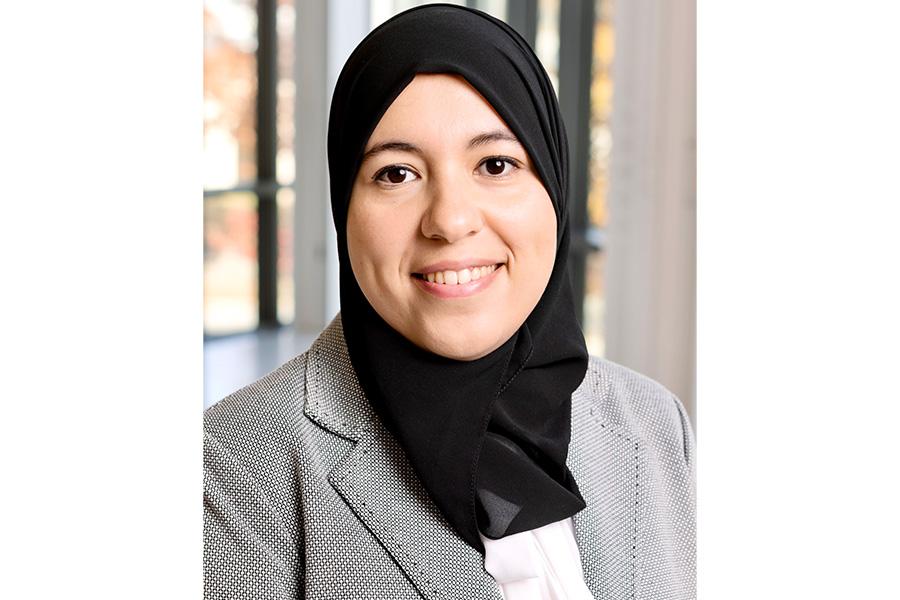
Roles and Affiliations: Full Professor of Computer Science at Université du Québec à Montréal (UQAM), Director of the DESS in Bioinformatics program. Regular member of LaCIM and affiliate member of Mila (Quebec AI Institute). Served as Assistant Professor (2001–2006) and Associate Professor (2006–2011) before becoming Full Professor in 2011. Education: B.Sc./M.Sc. in Applied Mathematics and Computer Science, Moscow State University (1987–1992) DEA in Computer Science, University Paris V (1993–1994) Ph.D. in Computer Science and Mathematics, École des Hautes Études en Sciences Sociales (EHESS), Paris (1994–1997) Research Interests: Focuses on machine learning applications in bioinformatics, including clustering algorithms, phylogenetic analysis, and genomics. Specializes in CRISPR/Cas9 off-target prediction, SARS-CoV-2 origin analysis, and high-throughput screening (HTS) data correction. Develops tools like T-REX web server for phylogenetic analysis and DUNEScan for skin cancer uncertainty estimation. Integrates deep learning and reinforcement learning for clustering and medical diagnostics. Publications and Grants: Over 100 peer-reviewed articles spanning bioinformatics, AI, and computational biology. Key grants include projects on HTS data correction, phylogenetic networks, and machine learning for biomedical applications. Collaborates with institutions like Mila and Université de Montréal. Labs and Teams: Leads research teams at UQAM’s Department of Computer Science, focusing on interdisciplinary projects combining AI and life sciences. Maintains collaborations with international groups in computational biology and data science.
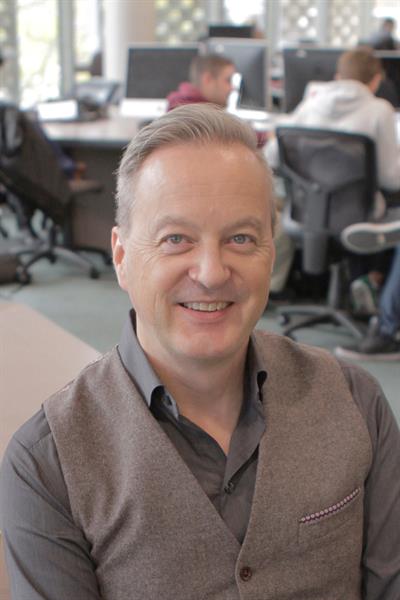
Danny Mann is a Professor and Head of the Department of Biosystems Engineering at the Price Faculty of Engineering, University of Manitoba. He is a registered Professional Engineer with Engineers Geoscientists Manitoba and a member of the Centre for Engineering Professional Practice and Engineering Education. He has held leadership roles including Associate Head (2006–2008), Acting Head (2008–2009), and Head since 2009. His educational background includes: B.Sc. in Agricultural Engineering, University of Manitoba (1992) M.Sc. in Biosystems Engineering, University of Manitoba (1995) Ph.D. in Biosystems Engineering, University of Manitoba (1998) Danny Mann's research centers on human factors in agricultural automation, particularly the remote supervision of autonomous agricultural machines. His work emphasizes the design of effective user interfaces that deliver real-time sensory (visual and auditory) information to remote operators, enabling efficient decision-making. He investigates how human operators can effectively supervise multiple machines, focusing on interface usability, visual feedback, and information requirements. His research bridges engineering design, ergonomics, and agricultural safety, contributing to the future of smart farming and assistive technologies in agriculture. His recent publications (2018–2021) demonstrate a consistent focus on remote supervision, human-machine interaction, and interface design for autonomous agricultural systems. Key themes include the necessity of real-time visual data, user-centered interface development, and the feasibility of remote operation models. These works reflect strong interdisciplinary collaboration and are published in engineering and applied sciences journals. Dr. Mann has received several prestigious honors: CSBE Young Engineer of the Year Award (2006) CSBE/SCGAB Glen Downing Award (2011) Fellow of the Canadian Society for Bioengineering (2019) Biosystems Engineering Alumni of Influence Award (2021) He has been actively involved in curriculum development, notably in designing the department’s capstone program. He served as President of the Canadian Society for Bioengineering (CSBE) and continues to contribute to professional and academic communities. While no current graduate students are listed, his research group has produced significant scholarly output. He does not currently have graduate student opportunities available. Danny Mann leads an innovative research program in agricultural automation and human factors, contributing significantly to both academic and practical advancements in biosystems engineering.
Caitlin Fisher is a Professor and Chair of Cinema and Media Arts at York University's School of the Arts, Media, Performance & Design. She leads the Immersive Storytelling Lab and Augmented Reality Lab, focusing on digital culture, AR/VR, and electronic literature. She holds a PhD from York University and has held prestigious roles like Canada Research Chair (2004-2014) and Fulbright Research Chair. **Education**: BA (Toronto), MA (Carleton), PhD (York). **Research Interests**: Digital storytelling, augmented/virtual reality, electronic literature, future cinema, and interdisciplinary collaborations. Her work explores intersections of art, technology, and social justice, with projects addressing energy transition, Indigenous knowledges, and global health. **Awards & Service**: Recipient of the Electronic Literature Award and Vinaròs Prize. Serves as President of the Electronic Literature Organization and on HASTAC's Executive Board. **Grants & Partnerships**: SSHRC-funded projects on AI storytelling and souveillance. Collaborates on initiatives like Speculative Energy Futures (University of Alberta) and Indigenous VR co-creation. Leads interdisciplinary grants merging global health and the arts. **Labs & Teams**: Founded the Augmented Reality Lab (2004) and co-founded York's Future Cinema Lab. Her labs train researchers in cutting-edge tools and foster international collaborations, showcased in venues like SIGGRAPH and the World Health Summit.
Ehsan Baha is an Associate Professor at the École de design, Université de Montréal, and a doctoral candidate/researcher at the Delft University of Technology. His academic career spans institutions like TU Delft’s Faculty of Industrial Design Engineering and Éindhoven University of Technology. He specializes in Design-Driven Innovation, Designer Identity, and Decolonizing Design, emphasizing the role of authenticity in shaping designers’ roles. Baha’s research integrates pedagogy, design theory, and practice, with projects addressing societal challenges through collaborative networks and systemic design. Education: BSc in Interaction Design (2006), MSc in Strategic Design (2010) from TU Eindhoven. Current affiliations include Hybridlab (design research lab) and advisory roles at MITACS, SSHRC, and the Design Research Society. Research focuses on designer identity development, decolonizing design practices, and bridging theory/practice gaps. Notable works include studies on mitigating innovation adoption barriers, expertise profiling in design education, and the symbiosis of Human-Centered Design with radical innovation. Awards include Best Paper at DRS 2018 and ITEA Golden Achievement 2007. Advising: Actively mentors master’s/PhD students exploring designer identity and systemic design. Collaborations span industries like automotive, healthcare, and aging populations. His work advocates for pluralism in design education and practice, challenging North-South divides in global design discourse. Labs/Teams: Hybridlab (design research) and Meaningwise (design consultancy). Engaged in initiatives like the European Bauhaus and Global Design Anthropology networks.
Audrey Laplante is an Associate Professor at the Université de Montréal's School of Library and Information Science (École de bibliothéconomie et des sciences de l'information), part of the Faculty of Arts and Sciences. She holds a research appointment at the Centre interdisciplinaire de recherche en musique, médias et technologie (CIRMMT) and the Centre de recherche interuniversitaire sur les humanités numériques (CRIHN). Her work focuses on music information retrieval, digital libraries, and the social dimensions of information behavior. Research Interests: Music information systems design Social media's role in cultural consumption Algorithmic discoverability of cultural content Library services in the digital age Current Projects: Leading roles in the Chaire de recherche du Québec sur la découvrabilité des contenus scientifiques en français and LinkedMusic: Interlinking music resources . Co-PI on the Réseau québécois de recherche et de mutualisation pour les revues scientifiques . Teaching: Courses include 'Advanced Information Retrieval' (SCI-6322) and 'Information Research Methods' (SCI-6004) in the Master's program in Information Science. Lab Affiliations: Actively contributes to the CIRMMT's music technology research and the CRIHN's digital humanities initiatives.
Fenwick McKelvey is an Associate Professor in Information and Communication Technology Policy at Concordia University's Department of Communication Studies. He co-directs Concordia's Applied AI Institute and leads the Machine Agencies working group at Milieux Institute. His research focuses on digital politics, AI governance, and internet policy, with a particular interest in network neutrality and algorithmic media. Education: PhD in Communication and Culture (York University/Ryerson University), MA in Communication and Culture (York/Ryerson), BA in Multidisciplinary Studies (Dalhousie University) McKelvey's research spans critical AI studies, computational political communication, and internet history. His work examines how algorithms shape democratic processes, media governance, and policy frameworks. He has published extensively on topics like digital disinformation , political bots , and platform studies . His recent publications include analyses of generative AI's societal impacts and special issues co-edited on topics like optimization and alt-right movements . McKelvey actively participates in policy discussions with institutions like the Canadian Radio-Television and Telecommunications Commission (CRTC) , focusing on issues like network-level blocking and internet governance . Scientific Awards and Grants: 2019 Gertrude J. Robinson Book Award for Internet Daemons Multiple SSHRC and FRQSC grants for AI and digital media research Collaborator in major initiatives like Hexagram (2020-2027) McKelvey frequently serves as a media commentator and policy expert, with appearances in CBC , The Guardian , and Wired Magazine . He is a founding member of the Canadian Disinformation Network and contributes to public debates on AI ethics and digital rights.
Stephen Monteiro is an Assistant Professor in both Communication Studies and Sociology and Anthropology at Concordia University. His research focuses on media and identity, interfaces, affordances, image practices, material culture, and Science and Technology Studies (STS). Research Interests: Exploring intersections of technology, identity, and culture Analysis of interfaces and their socio-technical implications Study of visual media, including cinema and digital platforms Investigations into material culture and STS Contact Information: Email: stephen.monteiro@concordia.ca Website: stephenmonteiro.org
Dr. Christine Van Winkle is a tenured Associate Professor in the Department of Tourism and Hospitality Management at the University of Manitoba, specializing in community-based festival and event research. Her work uniquely bridges academic theory with practical event management, focusing on real-world applications that strengthen community resilience through cultural events. Her academic credentials include: Doctor of Philosophy (2007) from Clemson University Master of Arts (2002) from the University of Manitoba Dr. Van Winkle's research centers on festival experiences , emergency management at events , and festivals' role in community disaster recovery . She investigates how cultural events foster social cohesion during crises, examining technology's impact on attendee engagement and developing frameworks for crisis preparedness. Her community-engaged methodology emphasizes practical solutions for event planners and emergency managers. Analysis of her 2023-2025 publications reveals a critical shift toward integrating disaster management with event studies. Her work demonstrates how festivals serve as platforms for community recovery after wildfires and other disasters, while simultaneously addressing emerging challenges like smartphone distractions and volunteer coordination in emergency scenarios. Her scholarly excellence is recognized through prestigious awards: Outstanding Reviewer Award, International Journal of Event and Festival Management (2021) Outstanding Paper Award for 'Mobile device use during festivals' (2017) Highly Commended Paper Award for 'Sense of community and perceptions of festival social impacts' (2015) Best Conference Paper Award for 'Your Festival in 140 Characters or Less*' (2014) With extensive practical experience as a festival volunteer coordinator, supervisor, and consultant, Dr. Van Winkle currently serves on the board of directors for the Gas Station Arts Centre (producer of the nationally televised Winnipeg Comedy Festival). Her dual expertise in academic research and operational event management creates unique opportunities for knowledge translation between theory and practice.
Houda Elmimouni is an Assistant Professor in the Department of Computer Science at the University of Manitoba's Faculty of Science. Her research focuses on Human-Computer Interaction (HCI), User Experience (UX), Computer-Supported Cooperative Work (CSCW), Human-Robot Interaction (HRI), Social Computing, and Privacy. She teaches courses related to these areas and contributes to interdisciplinary research initiatives. Research Interests Human-Computer Interaction (HCI) User Experience (UX) Computer-Supported Cooperative Work (CSCW) Human-Robot Interaction (HRI) Social Computing Privacy
Dr. Ella Atlas is an Adjunct Professor in the Department of Biochemistry, Microbiology and Immunology at the University of Ottawa, affiliated with the Faculty of Medicine. She serves as a Research Scientist at Health Canada, focusing on environmental pollutants' impacts on human health. Her work bridges academic research and public health policy. Academic Rank: Adjunct Professor Institution: University of Ottawa & Health Canada Department: Biochemistry, Microbiology and Immunology Research Interests Chemically induced obesity (obesogens) Chemically induced carcinogenesis In vitro models for toxicity testing Transcriptional regulation Nuclear receptor interactions Her recent publications emphasize transcriptomic analyses of environmental chemicals like bisphenols and PFAS. Using 3D cell models (hepatocytes, mammary epithelial cells), her work explores how these substances disrupt metabolic processes and induce carcinogenic changes. Collaborative efforts include the HumanIslets.com Consortium, which focuses on diabetes-related islet data integration. Methodological Innovations 3D human liver spheroids for toxicity studies High-throughput transcriptomic screening Adverse outcome pathway (AOP) modeling In vitro adipogenesis assays Key Research Themes Environmental pollutants as drivers of metabolic disorders Chemical carcinogenicity in mammary glands Development of predictive toxicity models Public health implications of endocrine disruptors
Dr. Carolina Bottari is a Full Professor in the Occupational Therapy Program at the School of Rehabilitation, University of Montreal. She conducts her research at the Interdisciplinary Research Centre in Rehabilitation of Metropolitan Montreal (CRIR) and the University Institute for Rehabilitation in Physical Disabilities of Montreal (IURDPM). Her work focuses on cognitive rehabilitation with particular emphasis on vulnerable populations affected by brain injuries. Her educational background includes: B.Sc. Occupational Therapy, School of Physical and Occupational Therapy, McGill University (1986) M.Sc. Biomedical Sciences, School of Rehabilitation, University of Montreal (2001) Ph.D. Biomedical Sciences, School of Rehabilitation, University of Montreal (2007) Postdoctoral fellowship, Baycrest Hospital, Toronto University (2007) Postdoctoral fellowship, Montreal Neurological Institute and Hospital, McGill University (2010) Dr. Bottari's research spans multiple critical areas in rehabilitation science. She has pioneered work in designing care ecosystems for women who are victims of domestic violence and at risk of having suffered traumatic brain injuries, examining how brain injuries impact empowerment processes and developing integrated support systems. Her research on homelessness among people with brain injuries has documented systemic barriers and developed practical solutions. She is a leader in cognitive assistive technology development, particularly the COOK system for meal preparation support, with multiple studies on usability and implementation in real-world settings. Additionally, she has conducted important work on pandemic response in brain injury services and neurorehabilitation for conditions like myotonic dystrophy. Analysis of Dr. Bottari's publication record (2020-2025) reveals a strong interdisciplinary approach combining rehabilitation science, neuroscience, technology development, and social services. Her work consistently focuses on practical applications in real-world settings, often employing mixed-methods approaches that bridge quantitative measurement with qualitative insights. The publications demonstrate a clear trajectory toward increasingly complex implementation research, moving from technology development to ecosystem design for vulnerable populations. Dr. Bottari leads multiple significant research projects: Preventing and Reducing Homelessness Among People with Acquired Brain Injury (2023-2025) Telemonitoring of activities of daily living for older people (2024-2028) Sustainable Ecosystem of Care for Women with Brain Injury from Intimate Partner Violence (2024-2026) Co-design of support ecosystems for domestic violence victims with TBI (2024-2027) Understanding CNS impairments in myotonic dystrophy (2024-2025) Strengthening Parenting Practices in Rwanda post-genocide (2022-2027) Brain Injury Pandemic Preparedness (2021-2024) Development of smart housing for seniors (2020-2024) These projects are funded by major organizations including Canadian Institutes of Health Research, Brain Canada, Quebec Ministry of Health, and International Development Research Center. Her research is conducted through CRIR and IURDPM, where she collaborates with multidisciplinary teams to develop innovative rehabilitation approaches that address medical, functional, and social dimensions of recovery.
Dr. Cheng-Zhi Anna Huang is currently a faculty member at the Massachusetts Institute of Technology (MIT) with a joint appointment between the Department of Electrical Engineering and Computer Science (EECS) and the Department of Music and Theater Arts (MTA), spanning both the College of Computing and School of Humanities, Arts, and Social Sciences. She simultaneously holds an adjunct associate professor position at the Université de Montréal's Department of Computer Science and Operations Research. Her academic background includes a PhD from Harvard University, a master's from the MIT Media Lab, and dual bachelor's degrees in music composition and computer science from the University of Southern California. Dr. Huang's research focuses on human-AI co-creation in music, with particular emphasis on: Generative AI models for music composition and performance Neural network interpretability for musical applications Interactive systems for real-time human-AI collaboration Reinforcement learning frameworks for creative expression Cross-cultural music modeling and computational musicology She pioneers novel approaches to musical interaction through machine learning, aiming to develop systems that extend how humans understand, learn, and create music. Her publication portfolio shows strong emphasis on generative models for music, particularly transformer architectures, with consistent output in top AI/ML venues since 2014. Recent work focuses on controllable music synthesis, human-AI co-creation frameworks, and performance modeling. The 14 most recent publications demonstrate progression from fundamental music representation research toward sophisticated interactive systems and evaluation frameworks. Awards and Honors: Canada CIFAR AI Chair (Mila) Outstanding Paper Award at NeurIPS Workshop CtrlGen (2021) First Prize in San Francisco Choral Artists New Voices Project (composition) Dr. Huang actively supervises graduate students, with recent master's advisees including Nithya Shikarpur (2024) working on human-AI co-creation for Hindustani music, and Yusong Wu (2023) researching controllable performance synthesis. She is currently recruiting postdoctoral researchers and PhD students for her MIT Music Technology laboratory, focusing on multi-agent reinforcement learning and human-AI interaction in musical contexts.
Stephen Michnick is a Full Professor at the Université de Montréal’s Faculty of Medicine, Department of Biochemistry and Molecular Medicine. He holds the Canada Research Chair in Cell Architecture and Dynamics (Tier 1) and is affiliated with the Robert Cedergren Centre, advancing bioinformatics and genomic sciences. His research focuses on cellular intelligence, molecular organization, and transgenerational memory through protein interactions and phase separation. Research Expertise: Protein interaction networks, logic motifs in cellular decision-making, and phase-separated biomolecular condensates. Key Projects: Developed high-throughput methods (hdPCA, PRISM) to map yeast and human proteomes, uncovering mechanisms in drug effects (metformin, rapamycin) and disease-linked pathways (cancer, aging). Awards: Fellow of the Royal Society of Canada (2018). His work spans biochemistry, genomics, and molecular medicine, with over 226 publications and collaborations in yeast models, signal transduction, and cellular biophysics. Contact: stephen.michnick@umontreal.ca
Dr. Brian Detlor is a Professor of Information Systems at the DeGroote School of Business, McMaster University, where he has taught for over 21 years. His research program investigates the efficacy of community-based digital literacy training programs, with particular focus on older adults and marginalized populations. Professor of Information Systems at DeGroote School of Business Director of the Digital Transformation Research Centre (MDTRC) Recipient of Social Sciences and Humanities Research Council (SSHRC) grants Conducts national surveys of public library-led digital literacy training Dr. Detlor's research examines how community organizations can effectively deliver digital literacy training to populations facing technology barriers. His work combines case studies, interviews, document analysis, and national surveys to identify success factors including staff training, sustainable funding, reaching marginalized populations, and knowledge sharing between organizations. He has conducted research with public libraries and community organizations across the Greater Toronto and Hamilton Area, with findings that have practical implications for improving digital literacy initiatives. His publications reveal a clear progression from identifying digital divide challenges to developing conceptual frameworks for community-led training, examining specific barriers like ageism, and exploring innovative approaches such as mobile user experience labs and digital storytelling for cultural heritage preservation. This body of work demonstrates consistent focus on practical applications of information systems to address social challenges. Scientific Recognition Social Sciences and Humanities Research Council (SSHRC) grant recipient Partnership Development Grants for community engagement research Dr. Detlor actively collaborates with community organizations to translate research into practice. His work with Hamilton Public Library on mobile digital literacy trailers exemplifies his commitment to practical solutions for reaching underserved populations like retirement residence residents. He has organized digital literacy summits that attracted significant community interest, demonstrating the relevance of his work to practitioners. His international collaborations with researchers in Finland, the U.S., and the U.K. aim to create knowledge networks for sharing best practices in community-led digital literacy training.
Dr. Sharon Bratt is an Associate Professor in the Department of Computer Science at MacEwan University ’s Faculty of Arts and Science. She also serves as the Associate Dean at the Centre for Teaching and Learning. Education: PhD in Computer Science (Simon Fraser University), M.Ed., B.Ed., and BFA (University of Alberta) Her research focuses on community-engaged learning , experiential learning , and the scholarship of teaching and learning . She specializes in instructional technology , human-computer interaction , and usability , blending pedagogy with technological innovation. Recent publications highlight her work in digital education , community partnerships , and healthcare policy transformation . Awards include the Teaching Innovation Award at MacEwan University (2014, 2018).