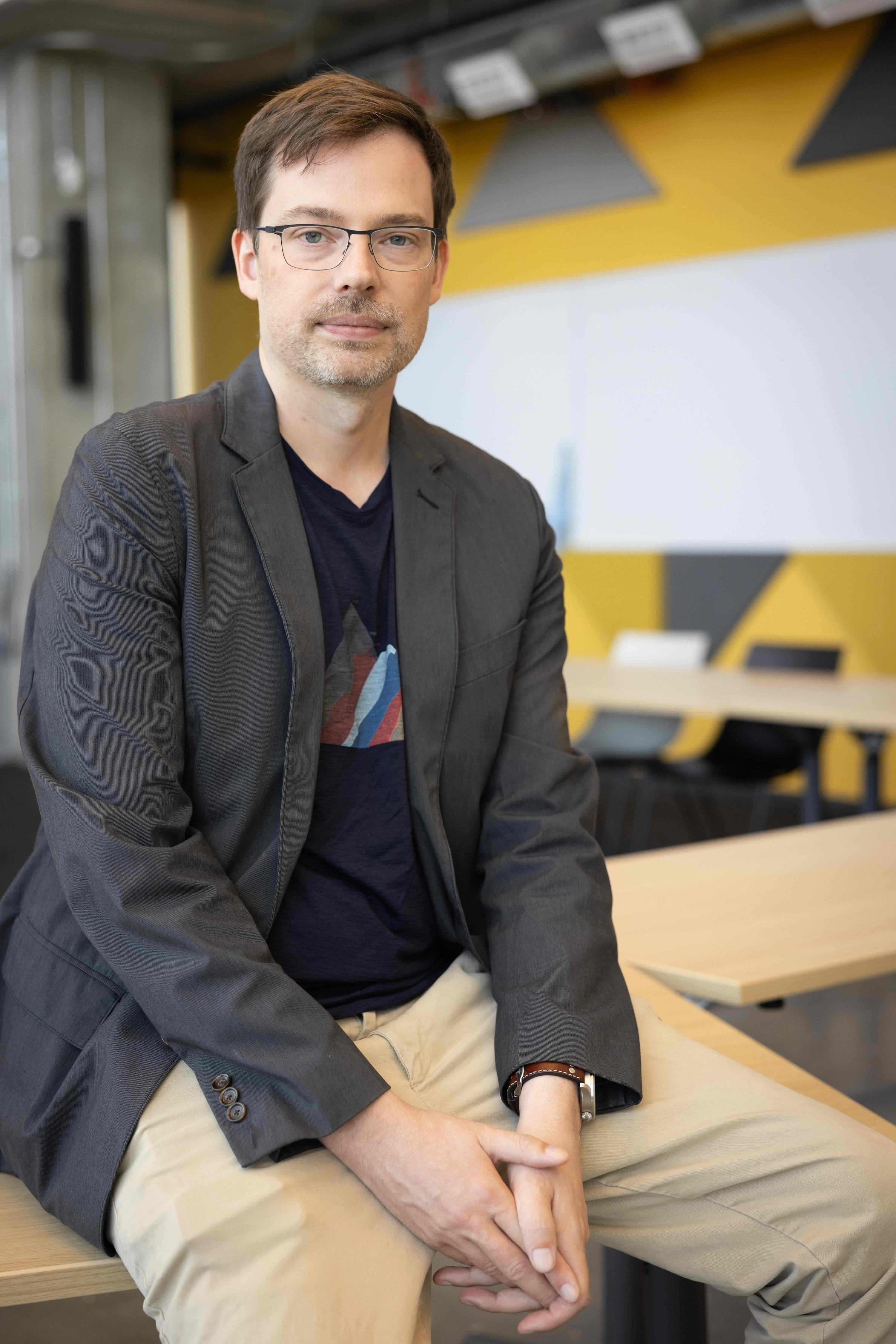
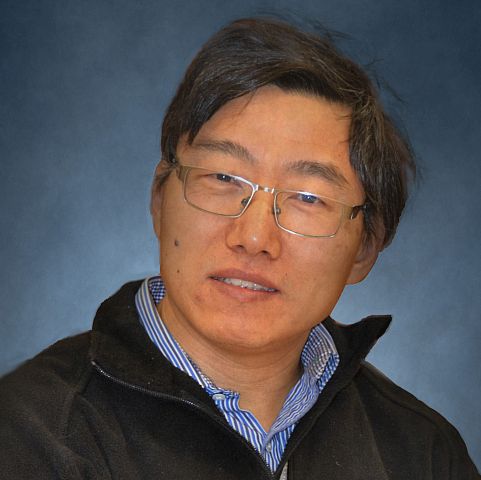
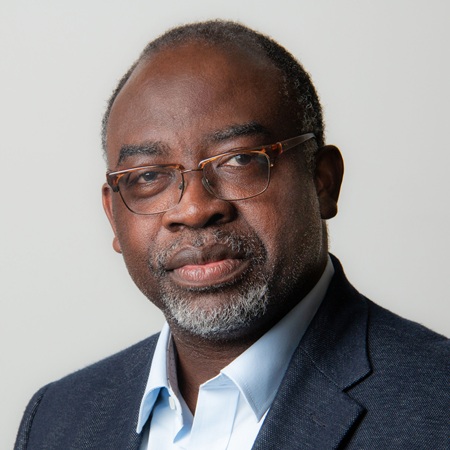
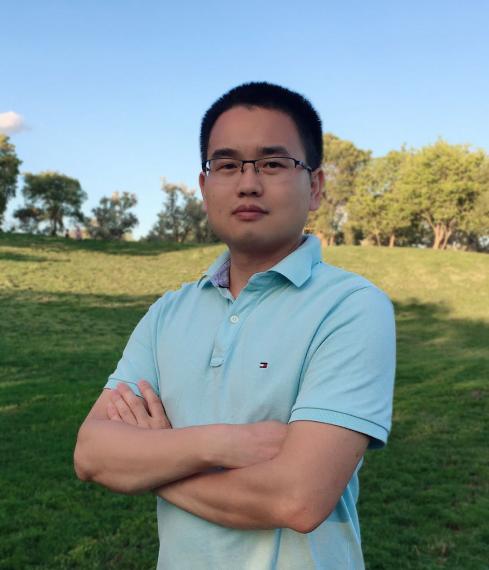
Alan Ritter is an Associate Professor at the School of Interactive Computing , Georgia Institute of Technology, with additional affiliation to the Machine Learning Center . His research focuses on Natural Language Processing , particularly robust models across domains/languages with fewer labels and efficient resource use, plus data-driven dialogue agents for open-topic conversations. Research Interests : Robust NLP models, cross-lingual transfer, resource-efficient learning, dialogue systems, cultural bias measurement, and privacy-aware language models Students : Mentors Ph.D. students in Georgia Tech's ML and CS programs, including Junmo Kang, Yang Chen, and Duong Minh Le. Alumni include Fan Bai (Ph.D. 2023), Yang Chen (Ph.D. 2024), and Andrew Li (M.S. 2024). Awards : NSF CAREER Award, Amazon Research Award, ACL 2024 Best Social Impact Paper, IUI 2009 Best Student Paper. Recent Work : Studies training budget allocation between supervised and preference-based finetuning, cross-lingual information extraction, cultural bias in LLMs, and privacy risk mitigation in social media disclosures. Service : Served as Program Chair for NAACL 2025, Area Chair for multiple top-tier conferences (COLM, EMNLP, ACL, EACL, AAAI). Email : alan.ritter@cc.gatech.edu
Maja J Matarić is the Chan Soon-Shiong Chaired and Distinguished Professor of Computer Science at the University of Southern California's Viterbi School of Engineering, with courtesy appointments in Neuroscience and Pediatrics. She serves as founding director of the USC Robotics and Autonomous Systems Center, co-director of the USC Robotics Research Lab, and Principal Scientist at Google DeepMind. Previously, she held leadership roles as USC's interim Vice President of Research (2020-2021) and Vice Dean for Research (2006-2019). Her educational background includes: PhD in Computer Science and Artificial Intelligence from MIT (1994) MS in Computer Science from MIT (1990) BS in Computer Science from University of Kansas (1987) Matarić pioneers Socially Assistive Robotics (SAR) , a field her lab named, focusing on human-robot interaction that provides assistance through social rather than physical support. Her research targets critical health and wellness challenges including post-stroke rehabilitation, autism spectrum disorder therapy, cognitive exercises for Alzheimer's patients, ADHD academic support, and mental health interventions. She develops systems modeling user engagement, personality, and motivation, with extensive real-world deployments in schools, rehabilitation centers, and homes. Analysis of her recent publications reveals dominant themes in cognitive health robotics (2025 CHI paper on LLM-powered elder care), pediatric assistive technology (2025 IDC speech therapy review), and adaptive preference modeling (2025 HRI contrastive learning work). Her research consistently bridges machine learning with human-centered design for vulnerable populations. Major scientific recognition includes: ACM Athena Lecturer Award (2024) ACM Eugene L. Lawler Humanitarian Award (2024) ACM Fellow (2020) Presidential Mentoring Award (2011) Multiple society fellowships (AAAS, IEEE, AAAI) As a dedicated mentor, Matarić has championed underrepresented groups through CRA-W, placing numerous women in faculty positions. She leads USC Viterbi's K-12 STEM Outreach Program serving low-income Los Angeles schools and authored The Robotics Prime for student education. Her research has secured significant funding enabling real-world technology transfer, with documented impact in rehabilitation centers and homes through deployable SAR systems. Her Robotics Research Lab at USC drives innovation in embodied AI, with current projects spanning LLM-integrated elder care robots, ADHD academic companions, and autism therapy systems. The lab emphasizes co-design with end-users and rigorous real-world validation across diverse populations.
Aleksandar Jeremic is an Associate Professor in both the Electrical & Computer Engineering department and the McMaster School of Biomedical Engineering at McMaster University. His research focuses on biomedical signal processing, statistical signal processing, and biometrics, with applications in healthcare and biomedical systems. He holds a Dipl. Ing. from the University of Belgrade, and an M.S. and Ph.D. from the University of Illinois at Chicago. His expertise spans physiological signal analysis (e.g., ECG/EEG), medical imaging, and machine learning for biomedical applications. He has authored over 50 technical articles and two book chapters, and has been recognized with a teaching award from the McMaster Electrical and Computer Engineering Society (2018). He supervises graduate students in both theoretical and applied research areas. Dr. Jeremic teaches advanced courses such as Biomedical Signal Modeling and Processing and Advanced Probability and Random Processes , emphasizing practical applications of signal processing in healthcare. His work includes clinical implementations like neonatal seizure monitoring software and microwave imaging for breast cancer detection.
Maher Elshakankiri is an Assistant Professor, Teaching Stream at the University of Toronto's Faculty of Information. He holds a Ph.D. in Computer Engineering from Ain Shams University (Egypt), followed by a postdoctoral fellowship at the University of Regina. His research focuses on IoT, Wireless Sensor Networks (WSN), and pedagogical integration of technology and gaming. He has supervised over 100 student projects and authored a book on WSNs. Education: Ph.D. in Computer Engineering, Ain Shams University, Egypt M.Eng., B.Eng. in Engineering, Ain Shams University, Egypt Postdoctoral Fellowship, University of Regina, Canada Research Interests: IoT in healthcare, agriculture, and sports Active learning classrooms and technology in education Wireless communication protocols (V2V, UAV, RFID) Leadership & Grants: Director, Bachelor of Information (BI) Program (2024–present) Coordinator, Information Systems and Design (ISD) Concentration (2023) SSHRC Grant: 'Gaming in teaching towards a more inclusive class' (2022–2023) Professional Activities: Member, SCC IoT & Digital Twins Standards Committee Reviewer for journals including Wireless Networks , Telematics and Informatics , and Computational Intelligence Technical Program Committee member at multiple conferences Teaching: Courses include INF1340 (Programming for Data Science), INF1005/1006 (IoT Workshops), and INF452 (Information Design Coding).
Qingguo Li is a Professor and Associate Head at the Department of Mechanical and Materials Engineering , Queen's University , and a member of the Ingenuity Labs Research Institute . He specializes in biomechanical system design, energy harvesting, wearable sensors, gait analysis, and load carriage systems. His research integrates robotics, biomedical engineering, and sensor technology to develop human-centric devices and mobility aids. Current Roles : Professor, Associate Head, Queen's University Research Institute : Ingenuity Labs Research Institute Lab : Bio-Mechatronics and Robotics Laboratory His work focuses on biomechanical energy harvesting , IMU-based motion analysis , and assistive device development . Key applications include stroke rehabilitation, gait monitoring, and wearable power generation systems. Articles span cable-driven robots , smart walkers , and 3D printing mechanisms , emphasizing human-robot interaction and dynamic modeling . The lab explores sensor calibration , adaptive control algorithms , and human movement optimization . Areas of impact include rehabilitation engineering , load carriage stability , wearable sensor accuracy , and assistive robotics . His team develops solutions for gait asymmetry detection , post-stroke mobility , and low-cost energy systems , leveraging machine learning and kinetic modeling .
David Lie is a Professor at the University of Toronto, jointly appointed in the Edward S. Rogers Department of Electrical and Computer Engineering, Department of Computer Science, and Faculty of Law. He directs the Schwartz Reisman Institute for Technology and Society, co-founded the IT3 Lab, and serves as Associate Director at the Data Sciences Institute. His research focuses on securing computer systems through operating systems, architecture, and formal verification approaches. B.A.Sc (University of Toronto, 1998) M.S. (Stanford, 2001) Ph.D. (Stanford, 2004) His research emphasizes building secure systems for mobile platforms and cloud computing, with significant contributions to trusted execution environments (XOM architecture precursor to Intel SGX/ARM TrustZone) and Android permission mapping (PScout tool). Recent work spans cryptographic side-channels, web tracking detection, and AI safety. Key honors include SOSP 2003 Best Paper, Ontario MRI Early Researcher Award (2008), Connaught Global Challenge Award (2017), and Canada Research Chairs (Tier 2 2013-2018, Tier 1 current). He has secured over $30M in research funding and served as General Chair for CCS 2018. Lie leads the IT3 Lab (Technology and Policy Integration), collaborates with industry leaders (Google, VMware, Telus), and mentors graduate students working on practical security implementations. He co-teaches ECE1724: Privacy Problems with Lisa Austin from the Faculty of Law, reflecting his technology-policy interests.
Dr. Adegboyega Ojo is a Professor at the School of Public Policy and Administration (SPPA), Carleton University , holding the prestigious Canada Research Chair (Tier 1) in Governance and Artificial Intelligence since 2014. His work bridges digital government , AI governance , and smart city development , with a focus on public sector innovation and policy analytics . Research Interests Smart Cities and Urban Digital Infrastructure Open Government Data and Transparency Blockchain Applications in Public Administration AI Ethics and Algorithmic Governance Electronic Participation and Citizen Engagement Publication Trends : His research emphasizes interdisciplinary approaches to digital governance, often involving data-driven policy analysis , smart city frameworks , and open data platform design . Collaborations span institutions in Ireland, Poland, and the U.S., with citations exceeding 5,200. Scientific Awards : Canada Research Chair in Governance and AI (Tier 1) Labs & Teams : Collaborates with the Insight Centre for Data Analytics (Ireland), Delft University of Technology , and United Nations University on projects like OpenGovIntelligence and BOLD (Big and Open Linked Data).
Ryo Suzuki is an Assistant Professor in the Department of Computer Science at the University of Calgary's Faculty of Science. His research focuses on Human-Computer Interaction (HCI) and robotics, particularly in tangible user interfaces, swarm robotics, and shape-changing interfaces. He holds a PhD in Computer Science from the University of Colorado Boulder (2020) and has conducted research internships at Stanford University, UC Berkeley, the University of Tokyo, and Adobe Research. His educational background includes advanced coursework in robotics and HCI, with a strong emphasis on interdisciplinary innovation. He teaches courses such as Human-Computer Interaction II, Human-Robot Interaction, and Special Topics in Mixed Reality Application Design. Research interests include designing novel interfaces for AR/VR/MR systems, haptic feedback mechanisms, and collaborative robotics. His work often bridges physical and digital spaces, such as through projects like LiftTiles (shape-changing building blocks) and RoomShift (room-scale haptic environments). Key awards include the UIST 2020 Honorable Mention Paper Award, DIS 2019 Best Paper Award, and the Ministry of Internal Affairs and Communications in Japan Innovation Award. His research has been featured in IEEE Computer Graphics and Applications, TechXplore, and Wired. He actively explores future work in symbiotic AI systems, AI-in-the-loop AR applications, and scalable shape-changing robotics. His lab emphasizes hands-on prototyping and user-centered design principles.
Dr. Mahesh Tripunitara is a Professor in the Department of Electrical and Computer Engineering at the University of Waterloo, serving as Associate Chair for Undergraduate Studies. He holds a PhD (2005) and Master's (1995) in Computer Science from Purdue University, along with a BSc (1993) in Computer Science from Dalhousie University. His research focuses on information security, authorization mechanisms, cryptographic key management, and hardware security, with industry experience at Motorola's R&D labs and Silicon Valley. His work spans theoretical advancements like access control policy analysis and practical applications such as secure payments systems and IoT device reliability. Notable awards include the Best Student Paper at Usenix Security 2013 and Best Paper at ACM SACMAT 2013. He actively serves on program committees for major security conferences including CCS, CODASPY, and SACMAT. Recent publications highlight innovations in cellular security (SUCI-Catchers defense), role-mining optimization, and blockchain smart contract auditing. Teaching includes advanced algorithm design courses (ECE 406/606) and digital computation (BME 121). His research emphasizes balancing security rigor with usability in authorization systems and hardware protection mechanisms.
Catherine Stinson is an Assistant Professor and Queen’s National Scholar in Philosophical Implications of Artificial Intelligence at Queen's University. She holds joint appointments in the School of Computing and the Philosophy Department, blending technical and philosophical expertise to address ethical challenges in AI. PhD in History & Philosophy of Science, University of Pittsburgh (2013) MSc in Computer Science, University of Toronto (2013) Dr. Stinson's research focuses on methodological and ethical dimensions of artificial intelligence, including: Bias and explanation in machine learning Computational psychiatry Embodied intelligence Community-led design AI ethics education Her recent publications analyze corporate influence in NLP, privacy implications of large language models, and documentation practices in AI datasets. They explore intersections between technical performance, ethical responsibility, and societal impact. Scientific awards include: Queen’s National Scholar Finalist for Outstanding Certification at Transactions in Machine Learning Research As director of the Ethics and Technology Lab at Queen's, she leads interdisciplinary projects challenging algorithmic bias, investigating AI creativity, and developing tools to resist targeted violence. Current initiatives include: Critical evaluation of chatbots for mental health support Tracking (In)justice project on police-involved deaths in Canada
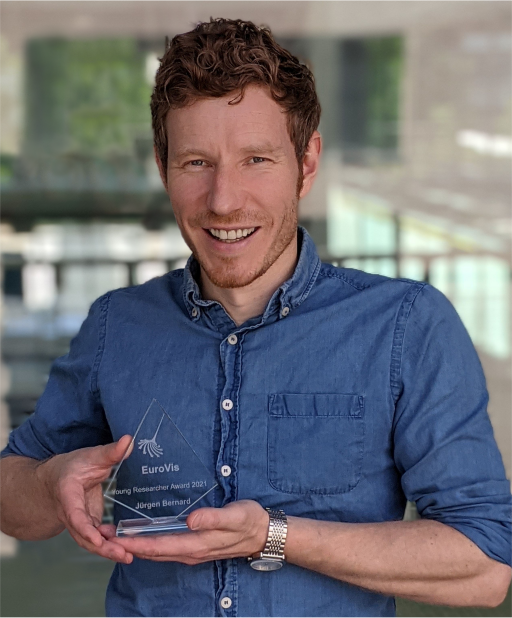
Jürgen Bernard is an Assistant Professor of Computer Science at the University of Zurich , leading the Interactive Visual Data Analysis (IVDA) Group . He is associated with the Digital Society Initiative (DSI) and holds a PhD in Computer Science from Technische Universität Darmstadt (2015) with a focus on time-oriented data analysis. His academic journey includes postdoctoral research at TU Darmstadt and the University of British Columbia. Education : Diploma in Computer Science (2009, TU Darmstadt) PhD in Computer Science (2015, TU Darmstadt) Research Interests : Dr. Bernard specializes in interactive visual data analysis , explainable machine learning , and human-centered AI . His work explores time series analysis , multivariate data exploration , and user-driven preference elicitation . He develops visual analytics systems for domains like healthcare , digital humanities , and industrial applications , with a particular focus on responsible AI and transparency in algorithmic systems . Research Trends : His publications emphasize interactive machine learning workflows , visual analytics for healthcare , and time-stamped event sequence analysis . Recent work includes LLM validation frameworks (Human-Data-Model Interaction Canvas) and personalized ranking systems funded by the Swiss National Science Foundation. He integrates temporal data with multivariate analysis across applications from medical manufacturing to chronic disease management . Scientific Recognition : EuroGraphics Young Researcher Award (2022) EuroVis Young Researcher Award (2021) Best Paper Awards at IEEE VIS (2021), EuroVA (2021, 2025) Dirk Bartz Prize (2017), Hugo-Geiger Preis (2016) Teaching & Grants : He teaches Interactive Visual Data Analysis (6 ECTS), Digital Health Seminars , and People-Oriented Computing . Currently leads a SNF Grant on Personalized Visual Analytics for multi-criteria decision support (2024-2028) with ETH Zurich's Prof. M. El-Assady.
Jimmy Huang is a Full Professor and Tier 1 York Research Chair in Big Data Analytics at the School of Information Technology, York University. His research focuses on information retrieval, AI, NLP, and big data analytics in healthcare and web systems. He has published 360+ papers in top venues like SIGIR and ACL, and leads grants totaling $4M+. Huang chairs IEEE's Technical Community on Intelligent Informatics and serves on numerous conference committees. Education: PhD in Information Science (City, University of London), M.Eng and B.Eng in Computer Science Roles: Chair of IEEE TCII, General Chair of SIGIR 2020 and CIKM 2008 Research interests span task-oriented IR, conversational search, healthcare analytics, and graph-based models. His work on hypergraph collaborative filtering (SIGIR 2022) was named a top influential paper. Current projects include NSERC Discovery Grants ($384K) and ADERSIM CREATE ($1.65M). Award highlights include Fellowships from ACM, IEEE, and Canadian Academy of Engineering. Supervised over 90 students, currently mentoring 12 PhD/MSc candidates and 3 postdocs. Active in surgical safety checklist research and medical data analytics. Labs include the IRLab focused on IR and NLP innovations. Major grants include ORF-RE ($3.5M), NSERC CREATE, and multiple CRD partnerships with industry.
Dr. Sheng Yang is an Assistant Professor in the School of Engineering at the University of Guelph. He leads the Design Innovation and Intelligent Manufacturing (DIIM) lab, focusing on advancing additive manufacturing, generative design, and smart manufacturing technologies. His research integrates IoT, big data analytics, and bio-inspired design to address challenges in aerospace, green energy, and healthcare. Key areas include computational design for additive manufacturing, data-driven mass customization, and digital twin-based optimization. Education: Ph.D. in Mechanical Engineering from McGill University (2019), followed by a Postdoctoral Fellowship at McGill (2019–2020). Joined University of Guelph in 2020. Research interests span energy efficiency, complex system optimization, and personalized healthcare products. Recent work emphasizes digital twin synchronization in robotics, machine learning for quality prediction, and sustainable additive manufacturing processes. Notable awards include the 2019 Association of Commonwealth Universities Blue Charter Fellowship and 2018 ASME Best Paper Award. His lab actively seeks partnerships in personalized healthcare, product design, and smart manufacturing. Grants and collaborations focus on advancing manufacturing technologies and sustainability. No formal advisees listed, but active in graduate training through lab projects. The DIIM lab explores cutting-edge solutions for industrial and societal challenges through interdisciplinary approaches.
Nicholas Vincent is an Assistant Professor in the School of Computing Science at Simon Fraser University. His research focuses on Human-Computer Interaction (HCI), Responsible Artificial Intelligence, and Human-Centric Machine Learning. He holds a Ph.D. in Technology and Social Behavior from Northwestern University (2022) and a B.Sc. in Electrical Engineering from UCLA (2016). Education: Ph.D., Northwestern University (2022); B.Sc., UCLA (2016) Affiliations: Simon Fraser University School of Computing Science His work examines the societal implications of AI, including data labor rights, algorithmic governance, and ethical design. Notable contributions include frameworks for measuring attentional agency on digital platforms and studies on collective action in tech contexts. He received the SIGCHI Outstanding Dissertation Award in 2024. Recent publications explore topics like AI ethics, governance of generative models, and Wikipedia's role in content ecosystems. He actively participates in policy discussions through media engagements and conference talks, advocating for public-oriented AI development.
Shion Guha is an Assistant Professor at the University of Toronto's Faculty of Information, cross-appointed to the Department of Computer Science. He directs the Human-Centered Data Science Lab and is affiliated with the Schwartz Reisman Institute for Technology and Society and the Data Sciences Institute. His research focuses on integrating technical methodologies with critical social science approaches to address algorithmic biases in public sectors like child welfare, healthcare, and policing. Key roles include coordinating the Human-Centred Data Science concentration in the Master of Information program and advising national policies on AI ethics. Education: PhD in Information Science and Statistics, Cornell University (2016) MS in Information Science, Indian Statistical Institute (2010) Bachelor of Business Administration, Jadavpur University (India) Research Interests: Human-Centered Data Science, AI ethics, public policy, healthcare systems, algorithmic accountability, and marginalized communities' interaction with technology. His work emphasizes participatory design and real-world impact, addressing high-stakes decisions in public services. Recent Trends in Articles: Focus on participatory AI design in public sectors, algorithmic harms in child welfare, and cultural biases in NLP tools. His studies explore the intersection of technical systems and societal values, advocating for equity and transparency in algorithmic decision-making. Awards: Way-Klingler Early Career Award (2019) Connaught New Researcher Award (2021) Schwartz-Reisman Institute Faculty Fellowship (2023–2025) Grants & Advising: Secured funding from NSERC, CIFAR, and others for projects like the Responsible AI for Health Systems (RAIHS) framework. Advises PhD students through cross-departmental programs and collaborates with organizations like Parkview Health and the ACLU. Current supervisees include Ramaravind Kommiya Mothilal and Seh Young Moon. Labs & Initiatives: Leads the Human-Centered Data Science Lab, contributing to interdisciplinary research on AI ethics. Active in policy advocacy, including work with the Canadian government’s AI Policymakers Expert Group and the CIFAR AI Solutions Network.