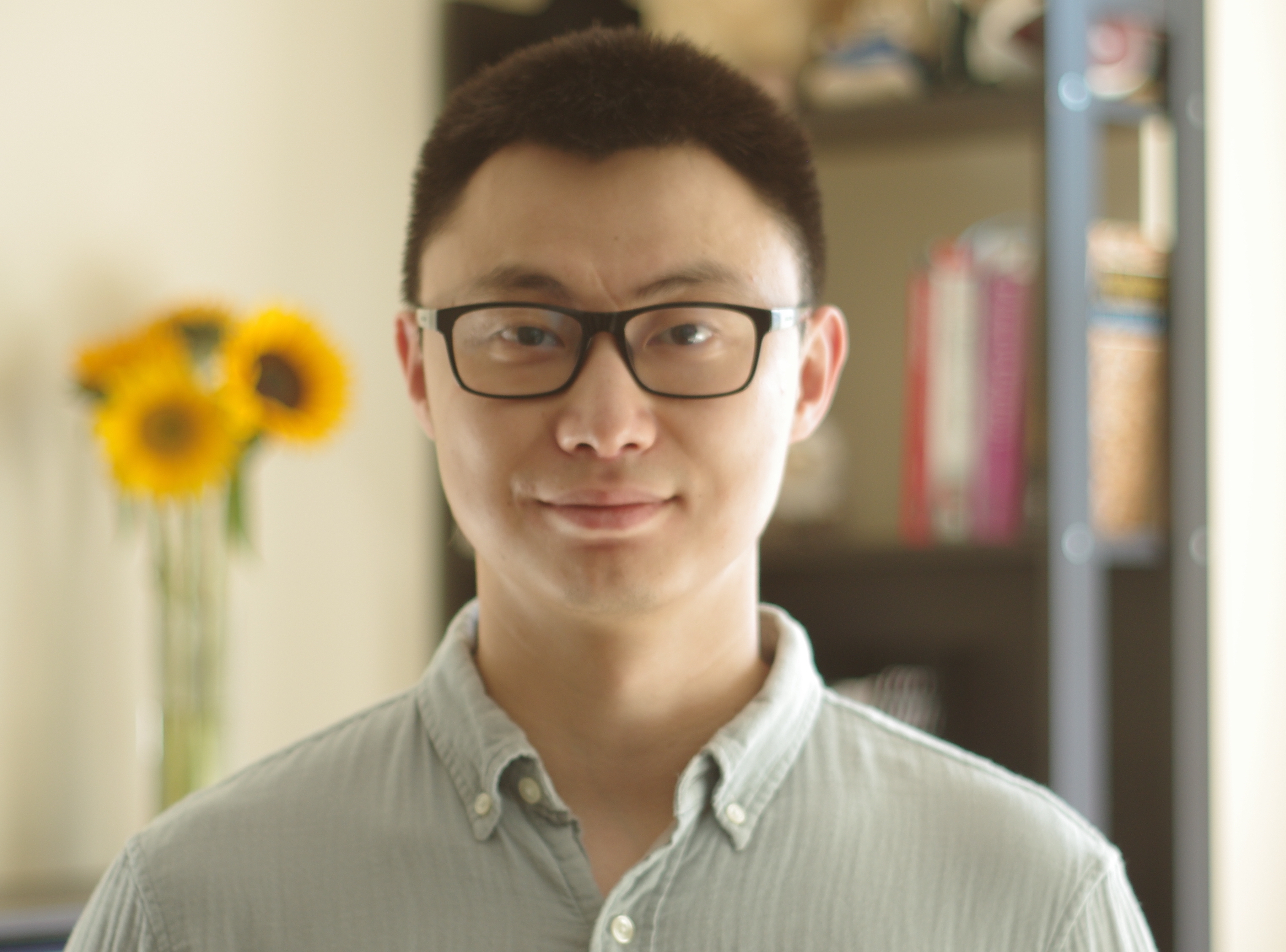
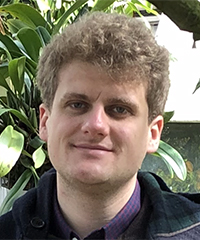
Isaac Kauvar is a Postdoctoral Fellow at the Department of Electrical Engineering, School of Engineering, Stanford University. He holds a B.S. in Engineering Physics specializing in Photonics, an M.S. in Electrical Engineering focusing on Imaging and Optimization, and is currently pursuing a PhD in Electrical Engineering under the co-advisement of Prof. Gordon Wetzstein. Education B.S. Engineering Physics, Stanford M.S. Electrical Engineering, Stanford His research bridges Neuroscience, Photonics, and Computational Modeling to develop advanced imaging and neural activity measurement technologies. Key contributions include optical brain-computer interfaces, light-field microscopy innovations, and neural circuit analysis across species. Recent publications highlight work in cortical imaging, emotional response modeling, and neurotechnology development. His expertise spans optical systems design, neural dynamics analysis, and brain state modulation. Contact: ikauvar@stanford.edu
Juli Mansnérus is a Postdoctoral Researcher at the University of Helsinki's Faculty of Law, specializing in Medical and Biolaw. She serves as a Supervisor for the Doctoral Programme in Law and teaches across multiple legal disciplines including Medical and Biolaw, Intellectual Property Law, Consumer Law, and European Law. Her work bridges legal frameworks with emerging biomedical technologies and healthcare innovations. Dr. Mansnérus' research focuses on the intersection of law, medicine, and ethics, particularly examining regulatory challenges in genomic data, advanced therapies, and pharmaceutical products. Her work spans bioethics, intellectual property in life sciences, and European health data governance. She has made significant contributions to understanding off-label drug use, patient autonomy in innovative therapies, and the legal implications of AI in healthcare. Her publication record demonstrates consistent scholarly output with 30 research items spanning from 2012 to 2025, showing increasing focus on medical law and bioethics. Recent work reveals a growing emphasis on European regulatory frameworks, particularly regarding genomic data, advanced therapy medicinal products, and the balance between innovation and patient protection. Juridiska föreningen i Finlands litteraturpris (2016) Oikeusvaikuttajatunnustus/ Legal Influencer Award (2019) Dr. Mansnérus actively contributes to the academic community through multiple advisory roles and organizational memberships. She serves on the Upphovsrättsrådet (Copyright Council) from 2020-2024, previously served on the IPR University Center board (2020-2022) and Nuorten Tiedeakatemia (2019-2023), and was an expert for the Finnish Bar Association (2018-2020). She currently participates in the DECIDER research project (2021-2026) focused on overcoming chemotherapy resistance in ovarian cancer through data integration. Her work extends to public engagement through media appearances and invited talks, including discussions on the impact of EU regulations on advanced therapy medical products and legal perspectives on potency assays for stem cell therapies.
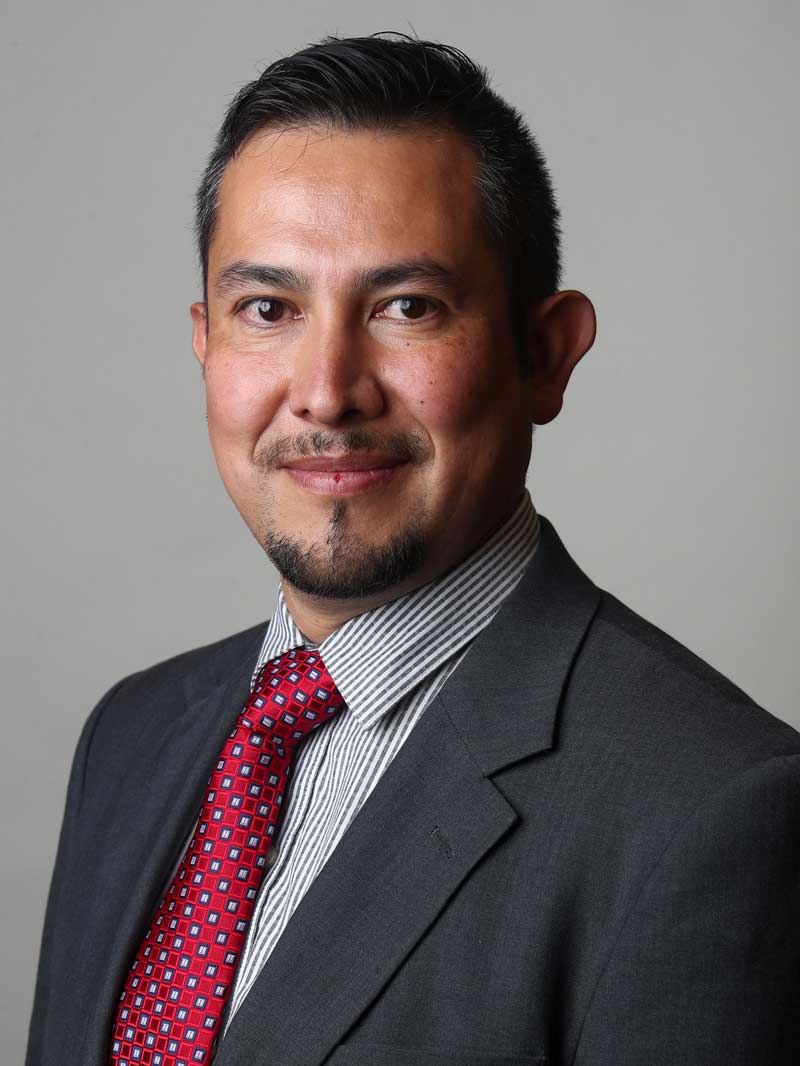
Joseph A. Gogos, MD, PhD is a Professor of Neuroscience and Physiology and Cellular Biophysics at Columbia University's Vagelos College of Physicians and Surgeons. He serves as Codirector of Columbia's Stavros Niarchos Foundation Center for Precision Psychiatry and Mental Health and is a Principal Investigator at Columbia's Zuckerman Mind Brain Behavior Institute. Dr. Gogos's research focuses on understanding the molecular, cellular, synaptic and circuit mechanisms that give rise to schizophrenia. His work combines human genetic studies with animal models to trace how specific genetic mutations lead to psychiatric disorders. He has made significant contributions to identifying rare de novo and inherited mutations that increase schizophrenia risk and has developed relevant model systems to understand their impact on neural mechanisms. His laboratory has published extensively in top journals including Neuron, Nature, and Cell, with recent work focusing on brain organoids, neural circuitry, and precision psychiatry approaches. Dr. Gogos's research has demonstrated the potential to reverse schizophrenia-related phenotypes in animal models, paving the way for new therapeutic strategies. His notable awards include: Brain & Behavior Research Foundation Distinguished Investigator Award (2017) Columbia University Dr. Harold and Golden Lamport Research Award in Clinical Sciences (2004) Dr. Gogos actively mentors students and postdoctoral researchers through the Doctoral Program in Neurobiology and Behavior and maintains an active laboratory recruiting scientists with expertise in genome engineering, behavioral experimentation, electrophysiology, and neural circuit manipulation. His collaborative work at the Zuckerman Institute brings together diverse scientific perspectives to address the complex challenges of psychiatric disorders. His laboratory is located at the Jerome L. Greene Science Center as part of the Mortimer B. Zuckerman Mind Brain Behavior Institute, providing state-of-the-art facilities for neuroscience research.
Zhiqiang Tao is an Assistant Professor in the School of Information at the Golisano College of Computing and Information Sciences, Rochester Institute of Technology (RIT). Prior to RIT, he served as an Assistant Professor at Santa Clara University (2020–2022). He holds a Ph.D. from Northeastern University (ECE Department) and B.E. and M.E. degrees from Tianjin University. Research Focus: His research group develops smart, scalable, and secure machine learning algorithms for healthcare, AI education, computational imaging, and data science. Key areas include large vision-language models (LVLMs), calibrated uncertainties in low-level vision, ranking fairness, and multimodal understanding. Recent works explore LLM fairness, medical question-answering systems, and diffusion models for text-video retrieval. Awards & Honors: RIT GCCIS Emerging Scholar Award (2025) Teaching: IDAI-780: Capstone Project ISTE-780: Data-Driven Knowledge Discovery Advising & Team: Actively seeking motivated graduate/undergraduate students to join his research group. His team has produced impactful work in NeurIPS, CVPR, ECCV, and IEEE TPAMI/TKDE. Labs & Collaboration: Collaborates across disciplines to advance AI applications in healthcare and education, leveraging computational imaging and fair ML principles.
James Godwin is an Assistant Professor with affiliations at the University of Maine's Graduate School of Biomedical Science and Engineering, Jackson Laboratory (JAX), and the Mount Desert Island Biological Laboratory (MDIBL). His research focuses on understanding the molecular mechanisms underlying scar-free regeneration in salamanders, particularly the roles of nerve and immune cells in tissue repair. Godwin's work bridges comparative biology and immunomodulation to develop strategies for enhancing human regenerative potential. Education: Postdoctoral Fellow, Australian Regenerative Medicine Institute (Monash University, Australia) Postdoctoral Fellow, University College London (UK) Ph.D., Immunology Research Center, Melbourne University (Australia) Research interests include immunology/inflammation, stem cell biology, regeneration of heart/spinal cord tissues, and comparative regeneration studies across species. His lab investigates how natural regenerative processes in salamanders can inform therapies for mammals, focusing on macrophage signaling, nerve-dependent repair, and inflammation control. Current projects explore pro-regenerative macrophage recruitment, TLR signaling in tissue damage responses, and cross-species immune system comparison. Collaborations with JAX and MDIBL enable multi-model organism studies (salamanders/mice). Future work aims to translate salamander regeneration insights into clinical applications for scar-free healing in humans.
Ann Marie Leen, Ph.D., is a Professor in the Department of Pediatrics-Hem-Onc and a Member of the Dan L Duncan Comprehensive Cancer Center at Baylor College of Medicine. Her research focuses on T cell immunotherapy for viruses and cancer, particularly in the context of hematopoietic stem cell transplantation. She holds a PhD from the University of Birmingham (2002) and Baylor College of Medicine (2005). Education: PhD, University of Birmingham, United Kingdom (2002) PhD, Baylor College of Medicine, Houston, TX (2005) Research Interests: Dr. Leen’s work centers on cytotoxic T cell (CTL) therapies for viral infections and malignant diseases. Key areas include: Adoptive transfer of donor-derived virus-specific CTLs for adenoviral infections post-transplant Development of tumor-specific CTLs targeting cancer testis antigens (SSX2/SSX4) Immunotherapy protocols for relapsed EBV-negative Hodgkin’s disease and non-Hodgkin lymphoma Engineering T-cells with enhanced specificity and potency Her research combines clinical trials, translational studies, and preclinical models to advance T-cell-based therapies. Articles Overview: Recent work highlights advancements in CAR-T cell engineering, viral immunity, and tumor microenvironment modulation. Notable themes include: Optimizing CAR-T cell persistence and specificity Targeting viral antigens (EBV, Adenovirus) in immunocompromised patients Novel approaches to overcome tumor immune suppression Advising & Grants: Dr. Leen collaborates extensively on clinical trials and T-cell manufacturing protocols. While specific grant details are not listed, her work aligns with major initiatives in adoptive immunotherapy and cell therapy. Labs/Teams: Affiliated with the Center for Cell & Gene Therapy , a hub for pioneering cell-based therapies at Baylor College of Medicine.
Canek Fuentes-Hernandez is Associate Professor of Electrical and Computer Engineering at Northeastern University, leading the electronic Surfaces and Organic Interfaces Laboratory (eSOIL). His research pioneers flexible optoelectronics using earth-abundant materials. Research develops skin-like photodetectors, self-powered sensing surfaces, and recyclable solar cells. Innovations include elastomeric organic photodiodes with mechanical compliance matching human skin and computational photodetectors for activity recognition. Publications demonstrate breakthroughs in low-noise detection, with Science papers on large-area photodiodes capable of detecting faint light. Recent work explores depth-sensing surfaces and contact engineering for next-generation organic photovoltaics. Teaching includes courses on organic electronics and capstone design. Recognized through PEAK Experiences Awards for undergraduate researchers mentored in his laboratory.
Dr. Gail Bornhorst is a Professor in the Departments of Biological & Agricultural Engineering and Food Science & Technology at the University of California, Davis. Her research focuses on quantitative methods to understand material transport, breakdown, and absorption in the gastrointestinal tract, aiming to improve food safety, quality, consumer health, and food processing efficiency. Her lab develops next-generation dynamic in vitro models to study digestion mechanics, food structure impacts, and processing effects on nutrient release. Research interests include: Food digestion dynamics (mechanical breakdown, acid/moisture uptake) Development of predictive gastric digestion models Impact of food structure on digestion kinetics and nutrient bioavailability Optimization of food processing techniques for health benefits Her work spans interdisciplinary applications such as: Plant breeding evaluations using digestion models Food waste valorization (e.g., Brazil nut byproducts) Protein gel innovation (pea/whey hybrids) Antioxidant bioavailability enhancement Key contributions include frameworks to correlate in vitro digestion results with in vivo outcomes, and advancements in understanding starch/protein hydrolysis mechanisms. Her lab collaborates on engineering digestion simulators and applying advanced imaging techniques (e.g., micro-CT) to track food breakdown in real-time.
Evan Biederstedt is an Associate in Biomedical Informatics at Harvard Medical School, affiliated with the Gehlenborg Lab. He holds a Master of Science (MSc) and specializes in computational biology with a focus on cancer genomics. His work includes developing the Cell Annotation Platform (CAP) to enhance cellular state interpretation through metadata and molecular signature analysis. Biederstedt’s research spans single-cell analysis, spatial transcriptomics, and genomic tools for structural variant discovery. His contributions include scaling cross-tissue annotation models and haplotype-aware somatic variation analysis. Key areas of focus include bioinformatics tool development, cancer genomics, and genomic data integration. He has collaborated on projects like the Virus Discovery Codeathon and international hackathons for genomic analysis. Biederstedt’s GitHub profile showcases his open-source contributions. His publications highlight advancements in tensor decomposition for patient cohort analysis, spatial transcriptomics, and pangenome strategies. Biederstedt’s work bridges computational methods with biomedical applications, emphasizing scalable solutions for complex genomic data challenges.
Professor Minghao Zheng is a Winthrop Professor of Orthopaedic Research at The University of Western Australia (UWA), School of Biomedical Sciences. He holds dual roles as a researcher and co-founder of Orthocell Limited (ASX:OCC), a biomedical company. His expertise spans bone biology, regenerative medicine, and cell therapy, with pioneering work in collagen scaffolds for cartilage and tendon repair. He developed MACI (Matrix-induced Autologous Chondrocyte Implantation) and ATT (Autologous Tenocyte Therapy), and his research on Giant Cell Tumour of Bone is WHO-recognized. Education: MB BS (Shantou University), PhD (UWA, 1993), Doctor of Medicine (UWA, 2000) Affiliations: Fellow of Royal Colleges of Pathologists (UK/Australasia), Associate Editor of Stem Cell Research and Therapy Research focuses on osteoclast biology, cellular therapies in orthopaedics, and tissue engineering. His work addresses bone and joint regeneration, with 250+ publications and 8 international patents. Key contributions include bioreactor development for mechanical tissues and validation of human bone allografts. His recent studies emphasize peripheral nerve repair via electrical/magnetic stimulation and mitochondrial transfer protocols. Grants include projects on pearl-based bone substitutes and bio-textile ligament replacements. Awards: 2022 Vice-Chancellor’s Award for HDR Supervision Grants/Projects: 76+ active/finished projects, including antibiotic-laden bone substitutes and ACL reconstruction innovations
Jeremy Barr is an Associate Professor (Research) at Monash University's School of Biological Sciences and a key member of the Monash Centre to Impact Antimicrobial Resistance (AMR). He leads an independent laboratory focused on bacteriophage biology and has established himself as a significant contributor to phage therapy research. Dr. Barr completed his PhD in microbiology at The University of Queensland in 2011 as part of the Advanced Water Management Center. He then conducted postdoctoral research under Prof. Forest Rohwer at San Diego State University, where he studied bacteriophage interactions with mucosal surfaces that provide non-host-derived immunity. He joined Monash University in 2016 to establish his independent laboratory in Bacteriophage Biology and became part of the Monash Centre to Impact AMR in 2020. His research program centers on bacteriophage-virus interactions with bacterial hosts and eukaryotic cells, with particular focus on the Bacteriophage Adherence to Mucus (BAM) model. His lab investigates how phages control bacterial populations, prevent infection, and regulate the microbiome through tri-partite symbioses. They utilize cross-disciplinary techniques to explore fundamental bacteriophage biology with applications for combating antimicrobial resistance. Dr. Barr's recent publications demonstrate a strong focus on translating phage biology into clinical applications, particularly for treating antibiotic-resistant infections. His work shows how phage resistance can paradoxically resensitize bacteria to antibiotics, providing new therapeutic approaches against pathogens like Acinetobacter baumannii and Klebsiella pneumoniae. Faculty Of Science Awards: Research Excellence by an Early Career Researcher (2021) Tall Poppy Award (2021) Vice-Chancellor's Award for Research Excellence by an Early Career Researchers (STEM) (2021) Dr. Barr is actively involved in multiple research projects, including The Monash Phage Foundry to manufacture clinical-grade phage products, investigations into bacteriophage internalization by human cells, and research to improve the clinical translation of phage therapy. He is also part of the Aerosol Infection Research project (AIRBORNE) funded by the Medical Research Future Fund. As an active member of the community empowerment initiative, he helps raise awareness of antimicrobial resistance and has contributed to public understanding through numerous media appearances and public lectures. His laboratory serves as an experimental biology hub utilizing cross-disciplinary approaches to investigate fundamental and mechanistic bacteriophage biology, with direct applications for addressing the global antimicrobial resistance crisis.
Dr. Pouya Faridi is a Senior Research Fellow at Monash University's School of Clinical Sciences and heads the Translational Antigen Discovery Laboratory. He holds a pharmacy doctorate and PhD from Shiraz University of Medical Sciences, Iran, followed by postdoctoral research at ETH Zurich and Monash University. His research focuses on developing mass-spectrometry and proteomics technologies for identifying cancer immunotherapy targets, with clinical applications in cancer vaccines. He co-directs the Monash Clinical Proteomics Facility and leads projects funded by NHMRC, Cancer Australia, and the Victorian Cancer Agency. **Education**: PharmD, Shiraz University of Medical Sciences, Iran PhD, Shiraz University of Medical Sciences, Iran **Research Interests**: Biomarker discovery via mass spectrometry Immunopeptidome analysis for precision oncology Development of novel cancer vaccines Proteomics-based theranostics **Awards & Grants**: Victorian Cancer Agency mid-career fellowship (2021) Australian Melanoma Research Foundation Early Career Award (2021) Lead investigator on NHMRC grants targeting tumor antigens Supported by Isabella & Marcus Foundation for pediatric brain tumor research **Labs & Teams**: Translational Antigen Discovery Laboratory (Monash) Co-director of Monash Clinical Proteomics Facility Collaborations with Hudson Institute of Medical Research
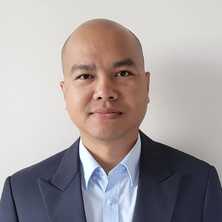
Dr T. Thang Vo-Doan is a Lecturer at the University of Queensland in the School of Mechanical & Mining Engineering . He directs the UQ Biorobotics Lab and serves as an affiliate of both the Future Autonomous Systems and Technologies and the Queensland Brain Institute . PhD in Mechanical Engineering, Nanyang Technological University (2016) M.Eng. in Manufacturing Engineering, Ho Chi Minh City University of Technology (2010) B.Eng. in Mechanical Engineering, Ho Chi Minh City University of Technology (2008) His research focuses on biohybrid robotics , integrating biological systems with technology through cyborg insects , bio-inspired robotics , and fast lock-on tracking systems. He explores insect biomechanics and brain imaging in untethered insects , developing platforms for search-and-rescue missions and environmental monitoring. Recent work trends include: 2025: On-demand climbing control for cyborg beetles 2024: High-resolution insect tracking and soft textile muscles 2023: Intelligent insect–computer hybrid robots 2022: Autonomous navigation and robotic leg design 2018: Ultralightweight living robots Scientific honors: Human Frontier Science Program Cross-disciplinary Fellowship (2019-2022) He supervises projects on: Insect-machine hybrid robots Insect-inspired robotics Fast lock-on tracking Insect locomotion biomechanics Current grants include: NHMRC IDEAS Grant (2025-2028): Infrared and AI for Ross River virus surveillance Queensland Corrective Services Grant (2024-2027): Wastewater drug misuse analysis
Li Liu is an Assistant Professor in the Department of Computer Science at California State University, Northridge (CSUN). He holds a Ph.D. in Computer Science from the University of Alabama (2010) and a B.Eng. in Engineering from Shandong University (2006). His research focuses on enhancing accessibility in computing, particularly for individuals with special needs, emphasizing the principle that 'simplicity is the ultimate sophistication' in interactive systems design. He is affiliated with the 4Humanities@CSUN Research Lab and actively contributes to advancing inclusive technology. Dr. Liu’s scholarly work spans interdisciplinary fields, including nanomaterials for energy applications such as fuel cells and batteries, leveraging computational methods. His publications explore topics like intermetallic nanocrystals, van der Waals heterostructures, and excitonic dynamics, reflecting a strong foundation in materials science and theoretical physics. Despite his prolific output, no scientific awards are explicitly mentioned in the provided texts. His advising and grant activities remain unspecified, though his lab’s focus on digital humanities suggests collaborative projects in accessible technology and computational methods. The 4Humanities@CSUN lab underscores his commitment to interdisciplinary research at the intersection of computing and human-centric applications.
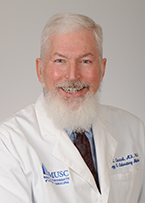
Steven Carroll, MD, PhD, is a Professor and Chair of the Department of Pathology and Laboratory Medicine at the Medical University of South Carolina (MUSC). He holds the Gordon R. Hennigar, Jr., MD Endowed Chair in Pathology and directs the Biorepository & Tissue Analysis Shared Resource at MUSC Hollings Cancer Center, the South Carolina Alzheimer’s Disease Research Center, and the Carroll A. Campbell Jr. Neuropathology Laboratory. His research focuses on neurofibromatosis type 1 (NF1), malignant peripheral nerve sheath tumors (MPNSTs), and neurodegenerative diseases. BS in Vertebrate Zoology, Chemistry, and Anthropology, University of Memphis (1981) MD and PhD in Cell Biology, Baylor College of Medicine (1986-1988) Postdoctoral training in Anatomic Pathology and Neuropathology at Washington University in St. Louis (1988-1994) His research program investigates growth factor signaling in MPNST pathogenesis, particularly neuregulin-1 (NRG1) and erbB receptors . He explores genetic and epigenetic mechanisms of tumor progression and neurodegeneration, with a focus on R-Ras subfamily proteins and lysophosphatidic acid receptors . His work employs genetically engineered mouse models and human biospecimen networks for translational studies. Recent publications highlight his expertise in MPNST mouse models (2024), cross-species genomic analysis (2023), and ERBB3's role in oncogenesis (2019). Collaborations include the international Down Syndrome Biobanking Consortium and national biospecimen networks . Scientific Awards: Fellow of the American Society of Clinical Pathologists (FASCP) Fellow of the College of American Pathologists (FCAP) Dr. Carroll has been continuously funded by the National Institutes of Health (NIH) and Department of Defense (DoD) since 2001. He serves as Associate Editor for the American Journal of Pathology and Journal of Neuropathology and Experimental Neurology , and on the editorial board of Neuro-Oncology . His lab has developed key platforms for neurofibromatosis research and Alzheimer's disease proteomics .