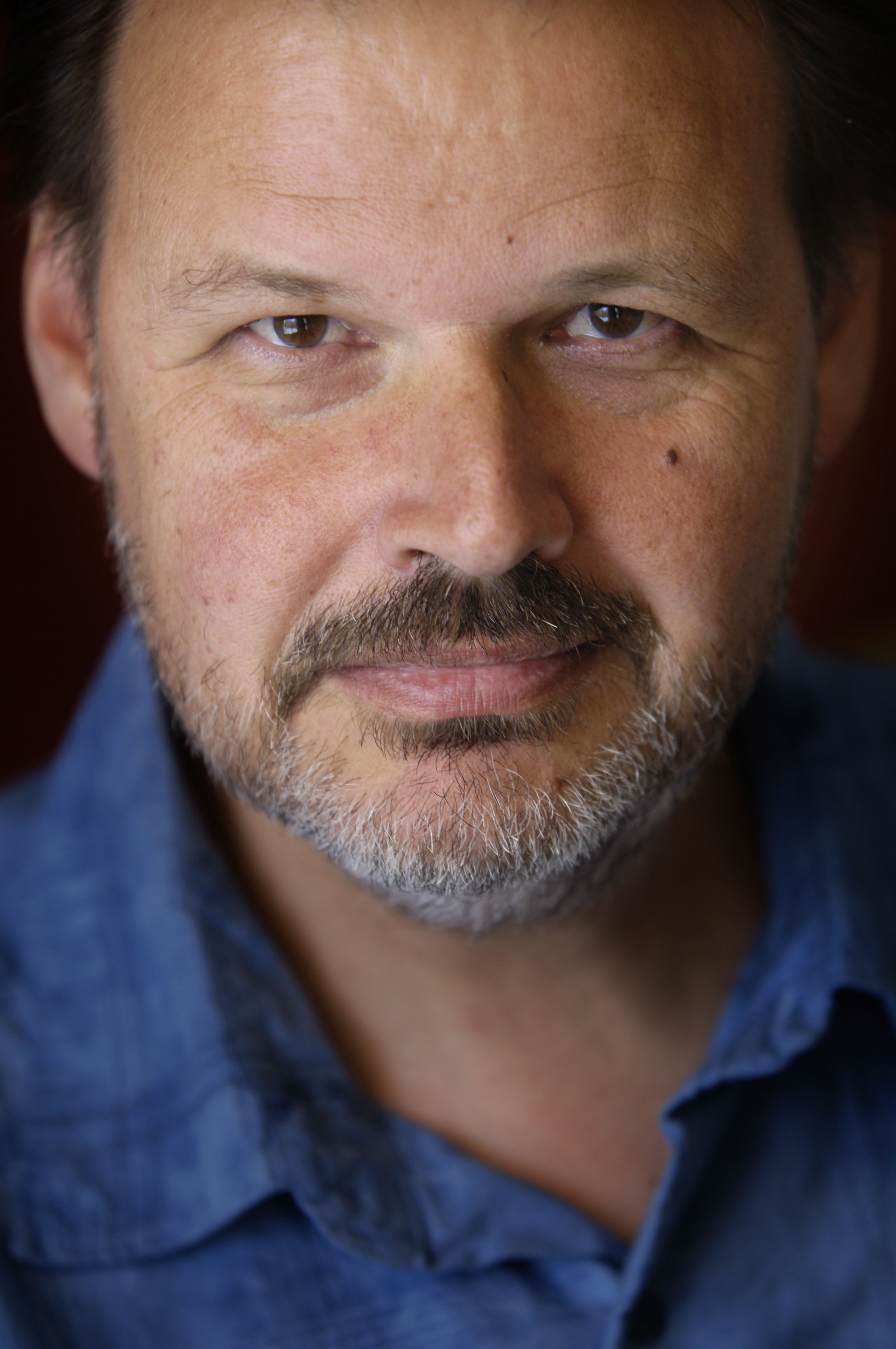
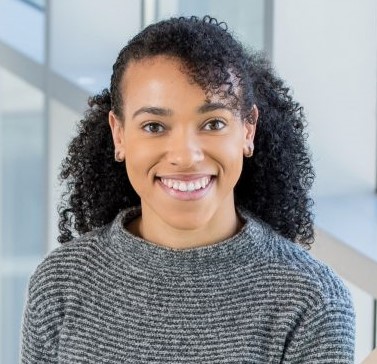
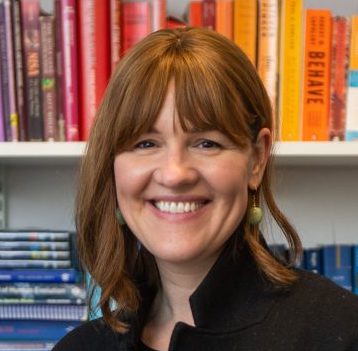
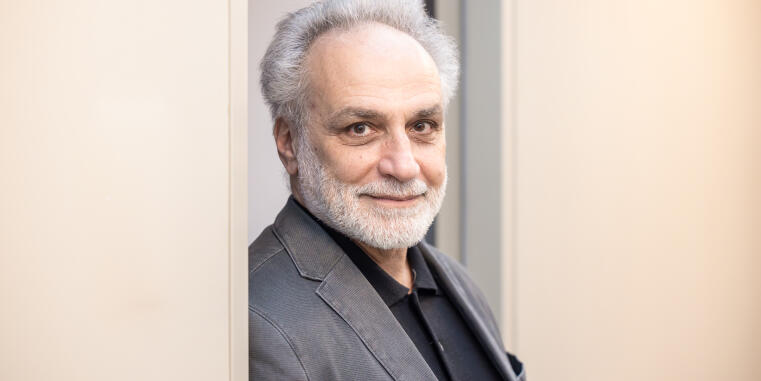
Joseph M. Erwin is a Research Professor of Anthropology specializing in primate neurobiology and aging. He directs the Foundation for Comparative and Conservation Biology while advancing captive primate welfare and wild primate conservation. His work bridges neuroscientific, ecological, and educational domains. Education: Ph.D. in Psychobiology, University of California, Davis (1974) M.A., University of California, Davis (1971) B.A., University of the Pacific, Stockton (1967) Research Interests: Focuses on neurobiological mechanisms of aging in primates, captive primate management, and conservation strategies. Integrates comparative approaches to understand menopause, neurodegenerative diseases, and species-specific aging patterns across primates. Publications: His work spans neuroanatomical studies in gorillas and chimpanzees, diabetes models in nonhuman primates, and interneuron evolution in human prefrontal cortex. Highlights include foundational texts like Aging in Nonhuman Primates (2002) and Chimpanzee Conservation and Public Health (1992). Awards & Grants: No specific honors mentioned, though his leadership in the Foundation for Comparative and Conservation Biology indicates sustained professional recognition. Labs/Teams: Oversees research through the Foundation, collaborating with institutions like the National Primate Research Centers and international conservation networks.
Brenda Bradley is Professor of Anthropology and Core Faculty at the Center for the Advanced Study of Human Paleobiology (CASHP) within George Washington University. Her lab is located at SEH 6100, and she can be contacted via office phone at (202) 994-2391. Education includes: Ph.D. in Anthropological Sciences (2003) from Stony Brook University M.A. (1998) from Stony Brook University B.A. (1995) from Arizona State University Dr. Bradley's research bridges behavioral ecology and evolutionary genomics, focusing on: Comparative primate genomics and molecular anthropology Sensory ecology including color vision and pigmentation Evolutionary mechanisms of hair/fur variation in primates Population genetics and molecular ecology She currently co-leads an NSF-funded project investigating proximate and ultimate mechanisms of primate pelage evolution. Her recent publications (2022-2025) demonstrate strong interdisciplinary focus, with major themes in: Primate epigenetics and neurogenetics Canine cognition and human-animal communication X-chromosome evolution and disease susceptibility Integrative approaches to morphological variation Teaching responsibilities include: Anth 2406: Human Evolutionary Genetics Anth 6491: Topics in Anthropological Genetics Homp 6202: Lab Techniques in Paleoanthropology
Adam Miklosi is a Full Professor of Ethology at the Eötvös Loránd University, serving as Head of the Department of Ethology (2006–present) and Head of the Institute of Biology (2017–present). He holds a DSc from the Hungarian Academy of Sciences and has held leadership roles in research and education. His work focuses on animal cognition, human-animal interaction, and comparative behavior analysis. Education: M.Sc. (1986), PhD (1995), DSc (2005) from Hungarian Academy of Sciences, with postdoctoral training at the University of Sussex (1998–2000). Research Interests: Ethology, animal and human cognition, behavior, and communication. His studies explore how animals perceive and interact socially, with a focus on dogs as model species. He investigates episodic memory, categorization, and social referencing in dogs, contributing to understanding cross-species cognitive parallels. Grants & Editorial Roles: Led major projects like the EU FP7 LIREC (2008–2012) and chairs the ESF Evolution of Social Cognition network. Editor-in-Chief of Biologia Futura and serves on editorial boards of Animal Cognition , BMC Neuroscience , and others. Awards: Includes the Distinguished Scholar Award (2010), Hungarian Academy Prize (2015), and election as Corresponding Member of the Hungarian Academy of Sciences (2016). Recognized for innovative research and contributions to biological education. Advisees & Labs: Though specific students are not listed, his research groups focus on comparative ethology and interdisciplinary projects in social cognition. Collaborates widely across neuroscience and behavioral science disciplines.
Zoltan Molnar is a Professor of Developmental Neuroscience at the University of Oxford , affiliated with the Department of Physiology, Anatomy and Genetics. He serves as an Official Fellow and Tutor in Human Anatomy at St John's College, Oxford, while also holding leadership roles in international neuroscience consortia including NeurotechEU and the Count István Tisza Foundation. His career spans over 30 years in developmental and comparative neuroscience, with visiting professorships at institutions in Japan, Germany, and Australia. Professor of Developmental Neuroscience, University of Oxford (2007–present) Official Fellow and Tutor in Human Anatomy, St John's College, Oxford (2000–present) Einstein Visiting Fellowship, Charité-Universitätsmedizin Berlin (2020–2024)
David Shumway Jones is the A. Bernard Ackerman Professor of the Culture of Medicine at Harvard University, holding a joint appointment between the Faculty of Arts and Sciences (FAS) and Harvard Medical School (HMS). He also serves as a Harvard College Professor and Professor in the Department of Epidemiology at the Harvard T.H. Chan School of Public Health. His roles include leading the Arts and Humanities Initiative at HMS and affiliating with the Department of History at FAS. Education: AB in History and Science from Harvard College (1993), PhD in History of Science and MD from Harvard University (2001). Postgraduate training included pediatrics internship at Children’s Hospital, psychiatry residency at Massachusetts General Hospital/McLean Hospital, and staff psychiatrist at Cambridge Hospital’s Psychiatric Emergency Service. Research focuses on Science & Race, Global Health, History of Medicine, and Medical Humanities. Notable projects include histories of cardiac care, HIV, and the impact of air pollution on health in India and the U.S. He critiques racial bias in medical algorithms and advocates for ethical science communication. His articles analyze topics like heat-related mortality, racial disparities in medical research, and historical pandemic responses. Recent work emphasizes ethical frameworks for genetic ancestry studies and climate change’s health impacts. Awards include the MacVicar Faculty Fellow (MIT, 2009), Donald O’Hara Teaching Prize (HMS, 2010), and Harvard’s Everett Mendelsohn Mentoring Award (2018). He directs grants from NIH, NEH, and the Robert Wood Johnson Foundation, focusing on topics like coronary artery surgery history and health policy. Labs/Teams: Active in the Paul Farmer Collaborative and leads research on transnational health issues through Harvard’s Global Health Delivery and Bioethics programs.
Dr. Yuchao Jiang is an Associate Professor at Texas A&M University (TAMU), holding a joint appointment in the Department of Statistics (primary) and the Department of Biology within the College of Arts and Sciences. He joined TAMU in 2023 and previously served as an Associate Professor at the University of North Carolina at Chapel Hill. His academic background includes a B.Sc. in Biological Sciences from Cornell University (2012), an M.Sc. in Statistics from the Wharton School at the University of Pennsylvania (2014), and a Ph.D. in Genomics and Computational Biology from the University of Pennsylvania (2017). Dr. Jiang's research focuses on statistical and computational methods in genetics and genomics, particularly in analyzing large-scale cohort studies of human health and disease. His lab develops tools for detecting structural variants, assessing tumor heterogeneity, and studying genome-wide DNA damage and repair using single-cell omics approaches. Key projects include multi-omic analysis of circadian rhythms, HIV latency reversal, and tumor phylogeny inference. He currently co-directs the Center for Statistical Bioinformatics at TAMU and serves on the NIH's Cancer and Hematologic Disorders study section. His work is supported by grants like R35 GM138342 from the National Institute of General Medical Sciences. Notable contributions include the development of computational frameworks such as SCOPE, SCDC, and Destin for single-cell data analysis. His publications span journals like Cell Systems , PLOS Genetics , and Nature Communications .
Dr. Matthew Rose-Zerilli is a Lecturer in Integrative Cancer Biology at the University of Southampton, School of Cancer Sciences. His research focuses on stopping oesophageal cancer development through immunoprevention strategies, leveraging innate immune cell activities and tumour microenvironment dynamics. He collaborates across disciplines to develop novel therapies, particularly targeting cancer-associated fibroblasts and immunomodulatory pathways. Education: BSc (Hons) in Biochemistry from the University of Portsmouth (2002), PhD in Genetics from the University of Southampton. Career highlights include a John Goldman Fellowship (2016) and a Faculty of Medicine Career Track Fellowship (2014). Research interests span cancer prevention, innate immunity, tumour microenvironment, and genetic evolution in cancers like oesophageal adenocarcinoma. Recent work includes studies on phosphodiesterase inhibitors enhancing chemotherapy efficacy, fibroblast subpopulation roles in lung cancer prognosis, and Fcγ receptor impacts on antibody therapies. Teaching roles include leading the Quantitative Cell Biology module and co-leading Genomic Technologies and Basic Informatics. He mentors PhD students in cancer sciences and related fields. Grants: CRUK Biology to Prevention Award, Breast Cancer Now, Sarcoma UK. Labs/Teams: Leads a research group within the School of Cancer Sciences, collaborating with the Centre for Cancer Immunology and Institute for Life Sciences.
Douwe Draaisma is Professor of History of Psychology at the University of Groningen, where he holds the Heymans Chair in the Department of Theory & History of Psychology within the Faculty of Behavioural and Social Sciences. He graduated in psychology and philosophy from Groningen and earned his PhD from Utrecht University in 1993 with a dissertation on memory metaphors. His research examines: The history of experimental psychology and precision measurement Metaphorical frameworks for understanding memory Autobiographical memory distortions across the lifespan Historical analysis of psychological concepts in neurology and time perception Recent publications (2016–2025) explore consciousness, memory reliability, perception illusions, and historical psychopathology cases, reflecting interdisciplinary engagement with neuroscience, philosophy, and forensic psychology. Awards include: Heymans Award (1990) from the Dutch Psychological Association Scientific and literary prizes for his bestselling work on autobiographical memory He chairs the Van der Leeuw Lecture committee, fostering dialogue between science and humanities. No information is available regarding student advising, grants, or lab affiliations.
Professor Mac Shine is a Joint-NHMRC EL2/Bellberry Fellow in the School of Medical Sciences at the University of Sydney, Australia. He is a member of the Brain and Mind Centre and holds roles such as Treasurer-Elect of the Organization for Human Brain Mapping – Oceania Chapter and Editorial Board member of NeuroImage . His research focuses on systems-level mechanisms of cognition and brain network dynamics using techniques like functional MRI and electrophysiology. Education: MBBS (University of Sydney, 2007), medical residency, and PhD on Parkinson’s disease brain networks. Postdoctoral work included a CJ Martin fellowship at Stanford University with Russell Poldrack. Research interests span cognition, neuroscience, complexity, brain imaging, and evolutionary biology. Current projects include studying network architecture of attention, dynamic reconfigurations in brain states, and evolutionary neuroscience linking bipedalism to brain evolution. Publications emphasize neuroimaging methodologies and network dynamics, with recent work on thalamocortical substrates for consciousness and multiscale neuronal organization. Awards include the NSW Tall Poppy and Early Career Scientist of the Year. Teaching includes lectures on functional neuroimaging, Parkinson’s disease, and dementia. He mentors junior researchers in Simon Lewis’s lab and advises a Medical Honours student.
Andreana Cunningham is an Assistant Professor of Anthropology, Archaeology, and African American & Black Diaspora Studies at Boston University. Her research integrates bioarchaeological and archival methods to study biosocial impacts of the transatlantic slave trade, focusing on understudied regions like the Caribbean, South Atlantic, and Indian Ocean. She emphasizes community engagement in heritage preservation and ethical treatment of human remains. Education Ph.D. in Anthropology, University of Florida M.A. in Anthropology, University of Florida B.A. in Anthropology, University of Miami Research Interests Non-invasive osteology and skeletal analysis Archival analysis of enslaved populations Critical race theory applications in anthropology Community-based research methodologies Her recent publications analyze postmortem racialization frameworks, structural vulnerability in forensic anthropology, and diasporic migration patterns. She teaches courses on slavery studies, African diaspora archaeology, and bioarchaeology. Teaching AN/AA 287: Slavery and the In-Between AN/AR/AA 301: African Diaspora Archaeology AN/AR 357: Bioarchaeology and the Body AN/AR 550: Human Osteology Cunningham prioritizes ethical research practices, collaborating with community stakeholders to ensure transparent and culturally-sensitive approaches. Her work includes developing educational curricula and virtual tools at research sites, emphasizing tangible community benefits.
Carolyn Hodges-Simeon is an Associate Professor and Associate Chair in the Department of Psychological & Brain Sciences at Boston University, with a secondary affiliation in the Women’s, Gender & Sexuality Studies Program. Her interdisciplinary research integrates human evolutionary biology, behavioral ecology, and biomedical anthropology to examine the origins of biological and developmental variation. She holds a PhD and MA from UC Santa Barbara and additional degrees from the College of William and Mary and The Colorado College. Her work focuses on two key areas: adaptive developmental plasticity in sex-typical traits during puberty and adolescence, and the evolutionary origins of sex/gender differences. She employs laboratory-based methods to study vocal characteristics and their relationship to immune function, sexual selection, and health. Recent studies include investigations into the association between masculine voices and mucosal immunity, as well as the role of testosterone in shaping gender presentation among transgender individuals. Education: PhD, UC Santa Barbara MA, UC Santa Barbara MA, College of William and Mary BA, The Colorado College Her research has been published in journals such as Evolution and Human Behavior and Scientific Reports , with a focus on topics like facial morphology, voice pitch, and health-related behaviors. She teaches courses including Human Biology, Evolutionary Psychology, and Evolutionary Medicine.
Daniela Tejada Martinez is a Researcher at Yale University, currently part of the Human Evolutionary Genomics Laboratory led by Prof. Serena Tucci. She holds a PhD in Ecology and Evolution from Universidad Austral de Chile (Chile) and a BSc from Pontificia Universidad Javeriana (Colombia). Prior to Yale, she was a Postdoctoral Researcher at Thomas Jefferson University and a Research Assistant at the University of Liverpool's Integrative Genomics of Ageing Group. Her research bridges evolutionary biology and medicine, focusing on molecular mechanisms underlying longevity, disease resistance (especially cancer), and species adaptation. Key areas include tumor suppressor genes, cellular senescence, and comparative genomics. She employs computational biology to study human evolution, archaic hominin introgression, and demographic history. Her work reveals how large-bodied, long-lived species like whales combat cancer through genetic adaptations. She also investigates capuchin monkeys' genomic basis for ecological flexibility and large brains using innovative methods like fecalFACS. Recent articles highlight transposon roles in stem cells and enhancer-driven lifespan adaptations in great apes. Her research has contributed to understanding cancer resistance mechanisms, evolutionary genomics of aging, and primate adaptation. Daniela’s studies often integrate multi-disciplinary approaches, linking molecular biology, computational analysis, and evolutionary theory to address fundamental biological questions.
Claudia Valeggia is a Professor of Anthropology at Yale University, with a focus on biological anthropology and human reproductive ecology. Her research integrates fieldwork with indigenous communities in Argentina (particularly the Qom people) and global health perspectives. Her work spans endocrinology, environmental health, and developmental biology, with a strong emphasis on understanding how ecological and sociocultural factors influence human biology and health. Her research projects include the long-term CARE Program studying the Qom community, examining topics like hormonal changes during puberty, environmental contaminant exposure, and maternal-child health. She also investigates the intersection of environmental justice, infrastructure impacts, and indigenous rights in regions like the Pilcomayo Basin. Her interdisciplinary approach combines quantitative and qualitative methods, including longitudinal studies and collaborations with global health organizations. Key areas of focus include: reproductive ecology, hormonal regulation in development, environmental health disparities, and the impacts of market integration on indigenous populations. Her work bridges anthropological theory with applied public health, addressing global challenges such as climate adaptation and maternal health equity.
Professor David Skibinski is a Professor Emeritus at Swansea University's Faculty of Medicine, Health and Life Science, affiliated with the School of Medicine and Biomedical Sciences. His research focuses on genetics, evolutionary biology, proteomics, and astrobiology, with an emphasis on understanding how animal populations adapt to environmental changes and the threat of extinction. He has contributed significantly to studies on mitochondrial DNA inheritance, plankton evolution, and statistical modeling in genetics. Research interests include molecular population genetics of marine invertebrates, proteomic analysis of hybrid zones in mussels, and the application of computational methods to evolutionary problems. His work spans interdisciplinary areas such as astrobiology and the Fermi Paradox, reflecting his broader curiosity about life's origins and diversity. Recent publications highlight advancements in understanding sterol metabolism in mice, growth dynamics in plankton, and hybrid zone structures in marine species. His work is published in journals like Proceedings of the National Academy of Sciences and Current Zoology . Skibinski collaborates widely, contributing to both biological and theoretical fields. His research integrates experimental and computational approaches, with applications ranging from medical insights to astrobiological speculation.
Prof. Dr. Ruben Apressyan is a Senior Researcher at the Centre for Advanced Study "Access to Cultural Goods in Digital Change" at the University of Münster, Germany. His current research focuses on "How to Deal with Cultural Goods in War and Post-war Times: An Ethical Analysis," funded by the German Research Foundation (DFG). Previously, he has held visiting fellowships at the Swedish Collegium for Advanced Studies, Uppsala University (2010), Lichtenberg Kolleg – The Göttingen Institute for Advanced Study (2016), and Ruhr University Bochum (2023). Ruben Apressyan earned his Candidate of Science degree in Philosophy from Lomonosov Moscow State University, focusing on ethical sentimentalism in 18th century moral philosophy, and his doctoral degree "The idea of morality and principal normative-ethical programs" from the Institute of Philosophy, Russian Academy of Sciences. His academic journey includes teaching positions at Lomonosov Moscow State University, University for Humanities (Moscow), Free University, Novgorod State University, and Wilfrid Laurier University (Canada). A leading scholar in moral philosophy, Prof. Apressyan's research spans normative and applied ethics, history of philosophy, moral psychology, and the genealogy of morals based on the Golden Rule. His work critically examines moral normativity, the universality of ethical principles across cultures and historical periods, and the philosophical foundations of war ethics and nonviolence. His recent scholarship has increasingly focused on the ethical dimensions of digital transformation, particularly regarding access to cultural goods and the moral implications of digitization in education and society. Prof. Apressyan's extensive publication record demonstrates a consistent exploration of moral philosophy's core questions while adapting to contemporary ethical challenges. His work shows particular strength in bridging historical philosophical analysis with current ethical dilemmas, especially in the areas of pandemic ethics, digital education, neuroethics, and the ethical management of cultural heritage in conflict situations. His scholarship reflects a deep engagement with both Western and Russian philosophical traditions. Honorary doctorate from Uppsala University (2013) Medal of the Institute of Philosophy, Russian Academy of Sciences for advancement of Philosophy (2016) Medal of Russian Ministry of Science for contribution to the development of science and technology (2021) As a member of the UNESCO World Commission for the ethics of scientific knowledge and technology (2004-2011), Prof. Apressyan contributed to expert groups on teaching bioethics, environmental ethics, and ethics of climate change. His editorial work includes co-editing the Russian Encyclopaedic Dictionary in Ethics (2001) and serving on the Editorial Board of the Russian New Philosophical Encyclopaedia (2000-2001). He has also edited Russian editions of "Moral constraints on War: Principles and Cases" (2001, 2022).