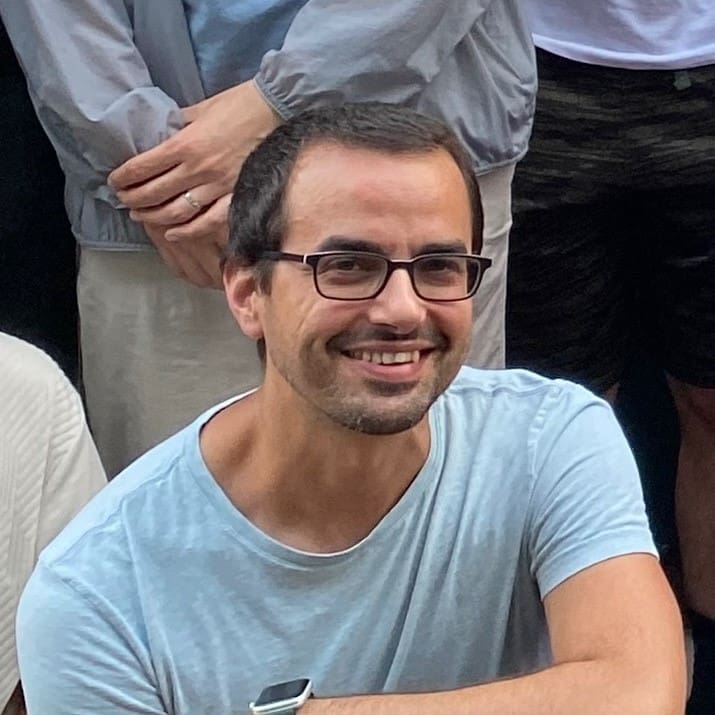
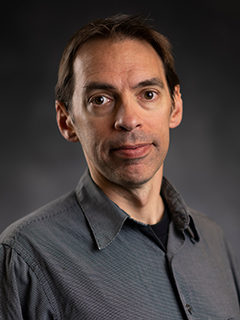
Dr. Damian Ekiert is an Associate Professor in the Department of Biology at Johns Hopkins University, specializing in microbiology and biochemistry. His research explores bacterial and parasite cell biology, focusing on lipid transport, virulence factors, microsporidian parasite invasion mechanisms, and the evolution of minimal eukaryotic cells. Since 2017, he co-leads the Bhabha+Ekiert Labs, integrating structural biology, cryo-electron microscopy, and microbial genetics to study host-microbe interactions.
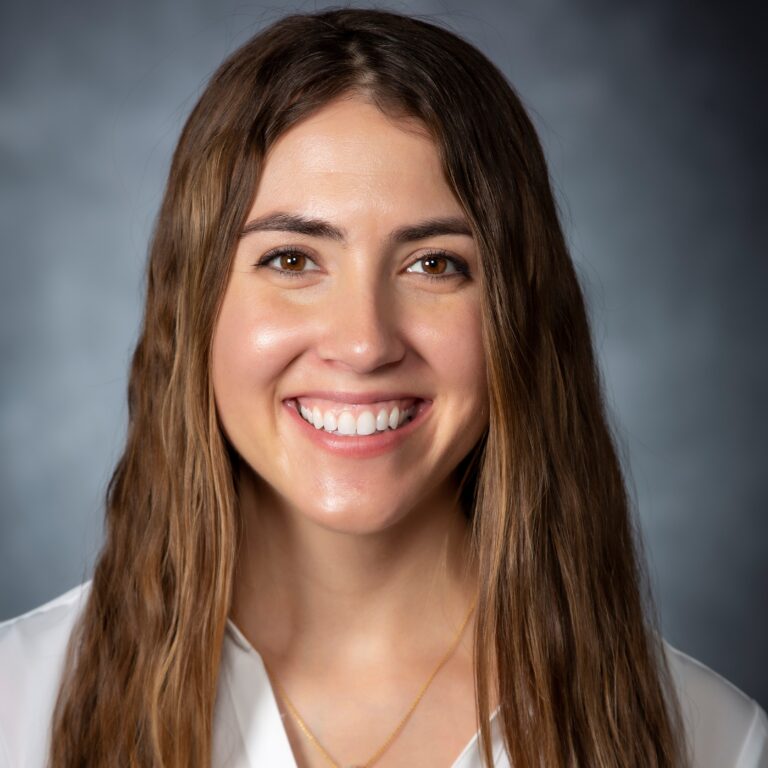
Maria Rodgers is an Assistant Professor in the Department of Biological Sciences at North Carolina State University, affiliated with the College of Sciences. She leads the Rodgers Lab at the Center for Marine Sciences and Technology (CMAST), focusing on immunotoxicology and comparative immunology in marine organisms. Her research addresses immune responses in wild sea turtles, PFAS impacts on fish intestinal immunity, and climate-related multistressor effects on marine life. Her work integrates environmental toxicology with marine biology, exploring how pollutants, climate variables, and co-infections influence immunological processes. She collaborates with the Center for Human Health and the Environment (CHHE) and contributes to interdisciplinary programs in Molecular, Cellular, and Developmental Biology. Recent studies emphasize transcriptomic responses to oil exposure, microfluidic models of microbiome-immune interactions, and cell culture techniques for aquatic organisms. Dr. Rodgers’ articles highlight advancements in understanding immune system adaptability under environmental stressors, with methodologies including single-cell RNA sequencing, microfluidic systems, and comparative genomics. Her research bridges laboratory and field studies, informing marine conservation strategies and toxicological risk assessments. She is part of the Toxicology & Environmental Health Sciences graduate program and mentors students in translational marine immunology. Her lab’s studies on coinfecting parasites and evolutionary cell-type differences reflect a commitment to integrative ecological immunology.
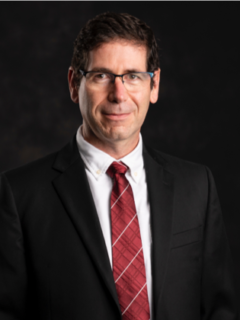
Magnus Steigedal is the Head of the Department of Clinical and Molecular Medicine at NTNU, where he also serves as a Researcher at the Centre of Molecular Inflammation Research (CEMIR). Previously, he held leadership roles including Director of NTNU's Thematic Strategic Area of Health, Welfare and Technology (2014–2021) and Project Manager for the Joint Programming Initiative on Antimicrobial Resistance (JPIAMR) Grant (2015–2017). His research focuses on understanding bacterial infections, particularly Mycobacterium avium and tuberculosis, aiming to identify novel antibiotic targets and vaccine strategies. Education & Career: PhD in Biotechnology, NTNU (2001–2006) Postdoctoral research at the Department of Cancer Research and Molecular Medicine, NTNU (2006–2012) Research Fellow at Harvard School of Public Health, Boston, USA (2010–2011) Research Interests: Magnus's work centers on bacterial pathogenesis, host-pathogen interactions, and the development of antimicrobial strategies. Key areas include: Iron acquisition mechanisms in mycobacteria Vaccine development using attenuated Mycobacterium smegmatis vectors Genetic dissection of virulence factors in Mycobacterium avium Role of innate immunity in mycobacterial infections Grants & Projects: NTNU/Helse Midt-Norge RHF Grant (2012–present) RCN GLOBVAC Programme Young Scientist Grant (2013–2016) JPIAMR Strategic Grant (2015–2017) Labs/Teams: Active within the Centre of Molecular Inflammation Research (CEMIR) at NTNU, collaborating with teams specializing in mycobacterial genetics, immunology, and drug discovery.
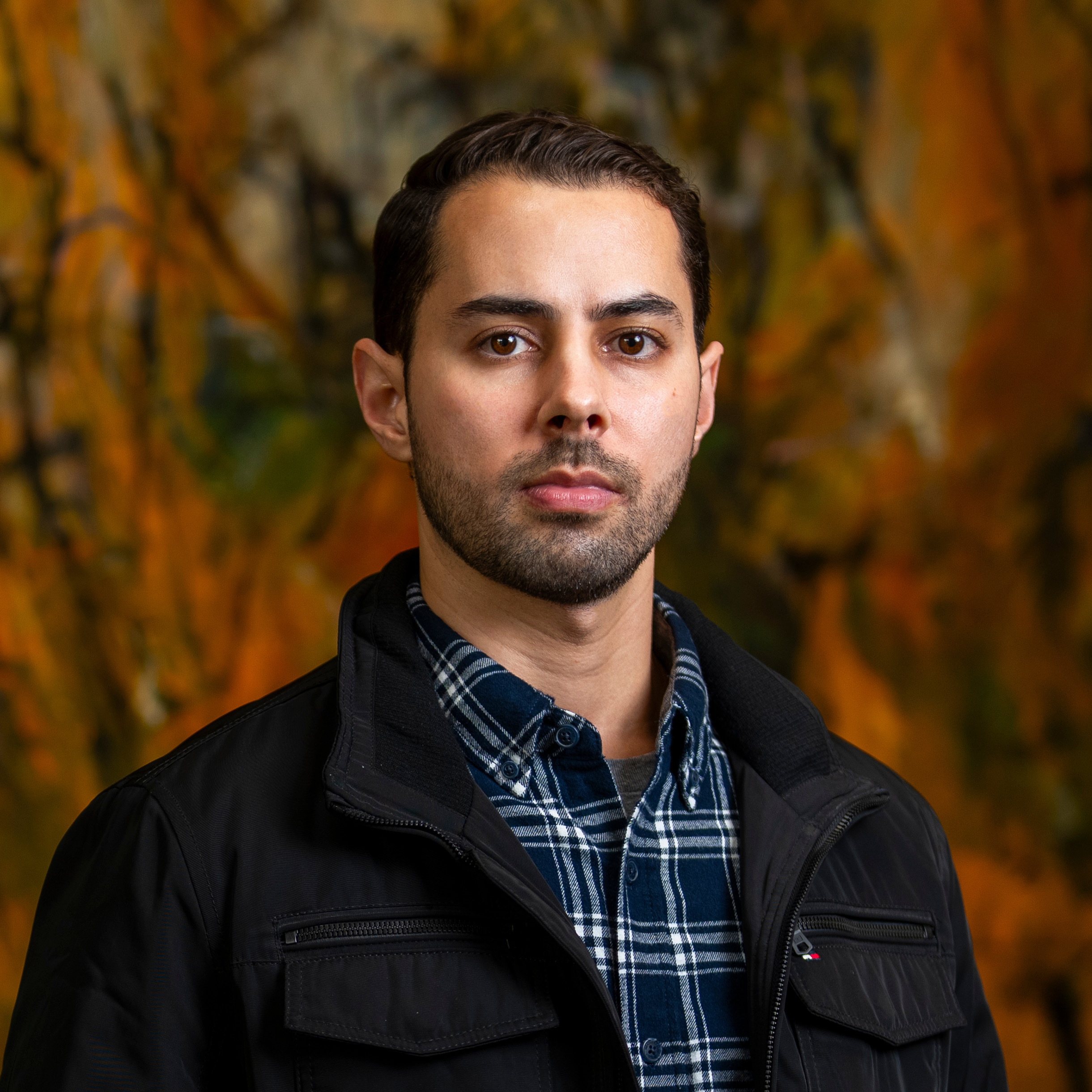
Helene Andrews-Polymenis, DVM, PhD, is a Professor and Presidential Impact Fellow in the Department of Microbial Pathogenesis & Immunology at the Texas A&M University School of Medicine. Her research focuses on understanding the genetic determinants of Salmonella pathogenesis, particularly in host-pathogen interactions and bacterial virulence mechanisms. She leads a multidisciplinary lab investigating Salmonella’s ability to colonize hosts and evade immune responses, with applications in infectious disease prevention. Education: AB in Biology, Brown University (1989) PhD, Tufts University (1999) Doctor of Veterinary Medicine (Cum Laude), Texas A&M University (2001) Research Interests: Dr. Andrews-Polymenis studies Salmonella enterica pathogenesis, leveraging genetic screens and animal models to identify genes critical for infection. Her work emphasizes host adaptation, bacterial metabolism, and the role of host genetics in infection outcomes. Recent studies include investigations into microbiota-derived nutrients, host immune tolerance, and genetic determinants of disease severity. Awards: Junior Faculty Research Excellence Award (Texas A&M Health Science Center) Doctor of Veterinary Medicine Cum Laude (Texas A&M University) Lab Activities: Her lab includes researchers, postdocs, and students working on projects such as the Collaborative Cross mouse model for host genetics studies, microbiota-host interactions, and Salmonella virulence gene identification. Current lab members include Dr. Lydia Bogomolnaya (Assistant Professor for Research), graduate students Kristin Scoggin and Aravindh Nagarajan, and undergraduates in the TAMU programs. Grants & Future Work: Ongoing projects explore novel antibacterial compounds, Salmonella colonization in avian models, and the role of host genetics in tolerance to pathogens like MRSA and Salmonella . The lab collaborates with institutions to advance translational research in infectious disease prevention.
Phillip Kaufman is a Professor and Department Head in the Department of Entomology at Texas A&M University. His research focuses on developing pest management tools for livestock and companion animals, emphasizing insecticide resistance, vector biology, and integrated pest management. He holds a B.S. in Animal Science from the University of Illinois, an M.S. in Entomology from the University of Wisconsin, and a Ph.D. in Entomology from the University of Wyoming. Education: B.S., Animal Science, University of Illinois M.S., Entomology, University of Wisconsin Ph.D., Entomology, University of Wyoming His research integrates ecological and molecular approaches to address pest control challenges, including the development of novel tools to combat tick and fly pests. He has secured $3.9M in research funding and published over 118 peer-reviewed articles. His work emphasizes biological control, pesticide resistance mechanisms, and the impact of pest management on non-target arthropods. Key research trends in his articles include: Vector-borne pathogens and their transmission dynamics Genetic and metabolic mechanisms of pesticide resistance Ecological interactions between pests and their hosts Climate-driven shifts in vector populations He advises on grants totaling $3.9M and oversees the department’s research and educational programs. His lab focuses on advancing sustainable pest control strategies applicable to agricultural and urban ecosystems.
Erick Motta is an Assistant Professor in the Department of Entomology at Texas A&M University's College of Agriculture & Life Sciences. His research program investigates honey bee gut microbiota dynamics, specializing in agrochemical impacts on microbiome stability, host-microbe metabolic interactions, and probiotic interventions. Educational background includes a Ph.D. in Plant Biology from UT Austin and M.S. in Natural Products from University of São Paulo. Research examines how pesticides like glyphosate disrupt microbial communities and compromise pathogen defense mechanisms, with parallel investigations into beneficial phytochemicals (e.g., caffeine-enhanced immunity). Recent work explores bacterial competition mechanisms within gut symbionts and non-invasive monitoring techniques. Analysis of 15 publications shows consistent focus on pesticide-microbiome interactions (60% of articles), bee pathogen defense mechanisms (27%), and microbiome engineering applications (13%). Research progressively shifts from observational studies toward mechanistic investigations and applied solutions. Leads research on microbial-based solutions for sustainable apiculture, including defined probiotic consortia to counteract agrochemical impacts and prevent infections.
Zach Adelman is a Professor and Endowed Chair of Agricultural Biotechnology in the Department of Entomology at Texas A&M University. He is also a Texas A&M AgriLife Research Fellow and Presidential Impact Fellow. His research focuses on developing novel gene editing approaches for disease vector mosquitoes, including safeguards for gene drive systems. He has authored/co-authored over 75 peer-reviewed publications and edited a book on genetic control of malaria and dengue. His work has been continuously funded by the NIH since 2007. Education: B.A. in Biochemistry, Ithaca College Ph.D. in Microbiology, Colorado State University Research interests include vector biology, gene editing, gene drive technology, and genomics. His studies address the development of genetic tools to control mosquito-borne diseases, including dengue and malaria. Key themes include CRISPR-based gene drives, RNA interference mechanisms, and the ethical governance of biotechnology. Recent articles highlight advancements in gene drive systems, circadian biology in mosquitoes, and public acceptance of biotechnology. His work emphasizes translational applications, such as improving mosquito population control strategies. Awards include the Texas A&M Presidential Impact Fellow and his roles in national advisory committees for biotechnology regulation. His grants and collaborations include NIH funding and federal advisory roles. Adelman’s lab, Zach Adelman Lab , focuses on genetic and molecular approaches to vector control. Ongoing projects aim to enhance understanding of mosquito physiology and develop scalable solutions for disease prevention.
Dr. Chitlapilly Dass, Sapna is an Assistant Professor in the Department of Animal Sciences at Texas A&M University. Her research focuses on microbial ecology, particularly the interactions between human pathogens, their hosts, and microbiomes. She holds a B.S. in Zoology from the University of Madras, an M.S. in Industrial Biotechnology from Newcastle University (UK), and a Ph.D. in Food Microbiology from Dublin Institute of Technology (Ireland). Education: B.S., Zoology, University of Madras, India M.S., Applied Microbiology, University of Madras, India M.S., Industrial Biotechnology, Newcastle University, UK Ph.D., Food Microbiology, Dublin Institute of Technology, Ireland Research Interests: Dr. Dass investigates multipartite interactions in microbial communities, with two core themes: (1) multi-species biofilms and their role in pathogen persistence in food environments, and (2) host-microbe interactions through the lens of the 'pathobiome' concept. Her lab employs multi-omics approaches (metagenomics, metabolomics), microscopy, microfluidics, and mathematical modeling to study pathogen recruitment, co-evolution in biofilms, and disease transmission pathways. Awards: None explicitly mentioned in the text. Advising/Grants: No specific students, grants, or advising details provided. Her lab focuses on interdisciplinary research with a team likely including postdocs and graduate students. Labs/Teams: The Dass Lab at Texas A&M integrates microbial ecology, biophysics, and computational modeling to address food safety and pathogen dynamics in complex environments.
Thomas R. Ioerger is a Professor of Computer Science & Engineering at Texas A&M University, affiliated with the Department of Computer Science & Engineering within the College of Engineering. He holds the title of Faculty Fellow at Texas A&M Engineering Experiment Station (TEES) (2004-2005) and has received awards including the Graduate Teaching Excellence Award (2001) and an NSF Graduate Fellowship (1990-1993). Education: Ph.D., Computer Science, University of Illinois at Urbana-Champaign (1996) M.S., Computer Science, University of Illinois at Urbana-Champaign (1992) B.S., Molecular and Cell Biology, Pennsylvania State University (1989) Research Interests: His work bridges computational science and microbiology, with focus areas including artificial intelligence, machine learning, and bioinformatics. He specializes in computational methods for analyzing bacterial genomes, particularly Mycobacterium tuberculosis and related pathogens. Key projects involve transposon sequencing (Tn-Seq) to identify essential genes, drug resistance mechanisms, and bacterial pathogenesis. Publications Trends: Recent work emphasizes genetic essentiality analysis, drug-target discovery, and systems biology approaches to understand mycobacterial physiology. Major contributions include tools like TRANSIT for Tn-Seq data analysis and studies on phase variation mechanisms in M. tuberculosis . Awards & Grants: Recognized for both research and teaching excellence, Dr. Ioerger has led multi-institutional projects funded by NIH, NSF, and global health initiatives. His lab collaborates with microbiologists and computational biologists to advance tuberculosis drug discovery and bacterial systems biology. Labs/Teams: Directs computational biology efforts at Texas A&M, integrating artificial intelligence with microbiological data to solve challenges in infectious disease research. Active in collaborative networks like the Tuberculosis Research Network (TRIAD).
John McCutcheon is a Professor in the School of Life Sciences at Arizona State University, serving as Associate Director of the Biodesign Center for Mechanisms of Evolution. His research focuses on evolutionary cell biology, symbiosis, and the transition from endosymbiont to organelle, utilizing insect-bacterial systems to study genomic reduction and host-microbe coevolution. His work investigates fundamental questions in evolutionary biology, including endosymbiont genome degradation, metabolic interdependence, and the cellular mechanisms enabling long-term bacterial infections in hosts. Research integrates genetics, biochemistry, and cell biology to explore parallels between bacterial symbionts and organelles. McCutcheon's recent publications emphasize insect symbiosis, genome evolution, and transcriptomic adaptations, consistently highlighting themes of host-symbiont co-dependence across taxa. Awards & Honors: Howard Hughes Medical Institute Investigator (2022-Present) He leads the McCutcheon Lab, advancing understanding of endosymbiotic relationships through interdisciplinary approaches at ASU's Biodesign Institute.
Anne Stone is a Regents' Professor and Associate Director at the Center for Evolutionary Medicine (CEM) within the School of Human Evolution and Social Change at Arizona State University. Her research focuses on anthropological genetics, particularly population history and adaptations of humans and primates to environmental challenges, including disease environments. Key projects include the evolutionary history of Mycobacterium tuberculosis and M. leprae, primate variation studies, and ethical considerations in genetic research with small-scale populations in Kenya. Her work integrates molecular genetics, genomics, and bioarchaeology to explore topics such as ancient pathogen evolution, primate hybridization, and human adaptation. Notable projects include analyzing Gombe chimpanzee skeletons to study SIV infection and kinship, and investigating the genetic prehistory of Andean populations exposed to arsenic. She has secured funding from NIH, NSF, and The Leakey Foundation for projects like the Kenya population ethics study and ancient genomic research in the Atacama Desert. Stone leads the Stonelab, which emphasizes cross-disciplinary research into primate evolution, disease co-evolution, and human genetic history. Her contributions span over 100 scholarly works, with recent publications addressing tuberculosis in pre-contact Americas, ancient pathogen insights, and genomic adaptations in diverse populations.
Noah Wolcott Palm, PhD, is a Professor of Immunobiology at Yale School of Medicine. His research focuses on the interplay between the immune system and gut microbiota, with implications for inflammatory diseases and autoimmunity. He holds primary appointments in the Department of Immunobiology and is affiliated with the Yale Cancer Center, Liver Center, and other programs. Education: PhD in Immunobiology from Yale University (2011), Postdoctoral Fellowship under Richard Flavell at Yale (2015), BA in Biology from Macalester College (2004). Research interests include adaptive immunity, microbiota-driven inflammation, brain-gut axis interactions, and neuroimmunomodulation. His lab has pioneered technologies to map host-microbiota communication networks, as highlighted in recent studies linking gut microbiota to autoimmune diseases like lupus. Notable achievements include the Director’s New Innovator Award (NIH, 2019) and Pew Scholar in the Biomedical Sciences (2019). Collaborations span microbiology, immunology, and systems biology, with frequent co-publications on topics like gut-liver axis dysfunction and microbiota-derived metabolites. Laboratory activities emphasize translational research, with a focus on clinical implications of microbiota-host interactions. Ongoing projects include investigations into microbiota-driven genotoxicity in IBD and mechanisms of pathobiont translocation to the liver.
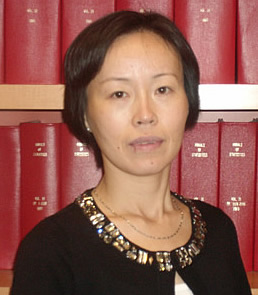
Hongmei Yang, PhD, is a Research Associate Professor in the Department of Biostatistics and Computational Biology at the University of Rochester School of Medicine and Dentistry (SMD). She holds a PhD in Statistics from North Carolina State University (2007), an MS in Statistics from the University of Toledo (2003), and a BS in Mathematics from Central China Normal University (1997). Her research focuses on statistical methodologies for biomedical applications, including assay data analysis, mixed-effect models for correlated data, and high-dimensional variable selection. Education: PhD in Statistics, North Carolina State University (2007) MS in Statistics, University of Toledo (2003) BS in Mathematics, Central China Normal University (1997) Dr. Yang’s work bridges statistical theory and practical biomedical challenges, with emphasis on HIV, influenza, and pediatric infectious diseases. Recent studies include analyzing CD4 T cell immune responses to influenza vaccination, evaluating drug efficacy in HIV/TB co-infection, and modeling pharmacokinetics in pediatric populations. Her methodological contributions include advancing statistical techniques for ELISA/ELISPOT assays and longitudinal data analysis. Publications highlight her expertise in applying mixed-effect models to clinical trials and developing novel statistical approaches for assay data. Collaborations span virology, oncology, and global health, reflecting her interdisciplinary impact.
Prof Wang Linfa is a Professor in the Programme in Emerging Infectious Diseases at Duke-NUS Medical School and the inaugural Executive Director of the Programme for Research in Epidemic Preparedness and Response (PREPARE), Singapore. He is a global authority on zoonotic diseases, bat immunology, and pathogen discovery. His work identified bats as the natural reservoir of SARS-CoV and led to breakthroughs in understanding bat-virus coexistence, including mechanisms of disease resistance. He has contributed to抗疫 efforts during the COVID-19 pandemic through antibody-based diagnostics and vaccine strategies. Education: PhD in Veterinary Microbiology and Immunology, University of California, Davis, USA Bachelor of Science in Biochemistry, East China Normal University, China Research Interests: Virology and emerging infectious diseases, including SARS-CoV-2 and bat-borne pathogens Bat immunology and mechanisms of viral tolerance Translation of bat biology to human disease models (e.g., inflammatory, metabolic, neurological disorders) Development of novel diagnostics and vaccination strategies Key Contributions: Co-discoverer of bats as SARS-CoV reservoir (2005) Pioneered bat immunology research, identifying unique antiviral mechanisms Developed surrogate neutralization tests for SARS-CoV-2 (2020) Advisor to WHO on emerging viral threats Awards: 2021 Singapore President’s Science Award 2021 Fellow of the American Academy of Microbiology 2023 Member of the Australian Academy of Sciences Labs/Teams: Leads multidisciplinary teams at Duke-NUS and PREPARE focused on viral emergence and bat biology Collaborates globally on outbreak preparedness and One Health initiatives
Dr. David Hughes is a Senior Lecturer in the School of Biology at the University of St Andrews. His research focuses on understanding virus-host interactions, particularly the roles of innate immunity (interferon responses) and ubiquitin-like proteins such as ISG15 and NEDD8 during viral infections. He leads a multidisciplinary lab studying paramyxoviruses and herpesviruses, with a focus on developing antiviral strategies targeting post-translational modifications. Key contributions include identifying NEDDylation as a therapeutic target for Kaposi's sarcoma-associated herpesvirus (KSHV) and advancing parainfluenza virus-based vectors for recombinant protein production. Education: Not explicitly stated in provided texts. Affiliations: School of Biology, University of St Andrews; Biomedical Sciences Research Complex; Principal Investigator for grants from Wellcome Trust and MRC. Research Interests Dr. Hughes' work explores how viruses manipulate cellular pathways to evade immune responses, with emphasis on: Ubiquitin-like protein modifications (ISG15, NEDD8, SUMO) during viral infections Mechanisms of antiviral interferon signaling Paramyxovirus and herpesvirus pathogenesis Development of novel antiviral compounds targeting cellular pathways His lab combines virology, proteomics, and genetic screening techniques to uncover host factors critical for viral replication. Article Trends Recent publications highlight advancements in: Interferon signaling modulation via ISG15-USP18 interactions Parainfluenza virus-based vectors for biopharmaceuticals Role of CK2 kinase in influenza virus RNA capping Herpesvirus lytic cycle regulation by ion channels (Kv1.3) Scientific Awards Associate Fellow of the Higher Education Academy (AFHEA, 2017) Advising & Grants Current PhD student: Sujith Surendranath. Active grants include: ISSF Round 7 (Wellcome Trust, 2022-2023): Developed a highly sensitive interferon reporter cell line PIV5-based vectors grant (MRC, 2023-2025): Engineering parainfluenza virus vectors for therapeutic applications Labs & Teams His lab is part of the Biomedical Sciences Research Complex at St Andrews, collaborating with teams specializing in virology, proteomics, and computational biology. Key collaborations include work with Prof. R. Randall (viral vectors), Prof. M. Weekes (proteomics), and Prof. B. Goodbourn (antiviral mechanisms).