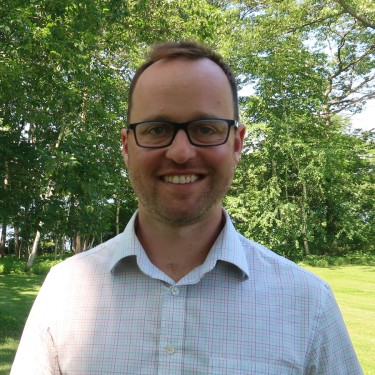
Colm Nestorمشاهده پروفایل
دانشیار
- Epigenetic Control of Human T-cell Biology
- Autoimmunity and Allergy
- Cancer (Hematology and Other Tumors)
- +۳ مورد دیگر
Colm Nestor is a Senior Associate Professor at Linköping University, Sweden, affiliated with the Faculty of Medicine and Health Sciences, Department of Biomedical and Clinical Sciences, and the Division of Children's and Women's Health. His research focuses on epigenetic control of T-cell biology, sex differences in disease susceptibility, and developing therapies targeting DNA methylation. He holds leadership roles including Chair of the Junior Faculty Club, Co-Chair of the Centre for Personalised Medicine, and Member of the Academic Employment Board. Education highlights include a B.A. in Natural Sciences from Trinity College Dublin, followed by M.Sc. degrees in Computer Science (University of Cork) and Bioinformatics (University of York). He earned his Ph.D. in 2003 from the University of Glasgow. Postdoctoral training includes roles at the University of Edinburgh and Linköping University, alongside industry experience as a Bioinformatics Specialist at DeCODE Genetics and a Database Developer at LION Biosciences. Research interests center on understanding how the X-chromosome and DNA methylation influence health, particularly in autoimmune diseases, infections, and cancers like childhood leukemia. He investigates sex-specific disease mechanisms and leverages systems medicine to identify diagnostic/therapeutic targets. His work also addresses methodological flaws in epigenetic research, such as the widely used DIP-seq method. Recognized with prestigious awards: the 2025 Onkel Adam Prize and an ERC Consolidator Grant (2020) for sex-bias research. He also received funding from the Joanna Cocozza Foundation for pediatric medicine studies. Current projects include studying TET2 reactivation in leukemia and epigenetic changes in pregnancy-related T-cell dysfunction. Nestor advises four PhD students and collaborates with researchers like Huan Zhang (Principal Research Engineer) and Antonio Lentini (Researcher). He contributes to teaching at the Medical Program, Experimental Biosciences M.Sc., and Ph.D. courses. His lab, The Nestor Lab , integrates epigenetic, genomic, and computational approaches for clinical impact.