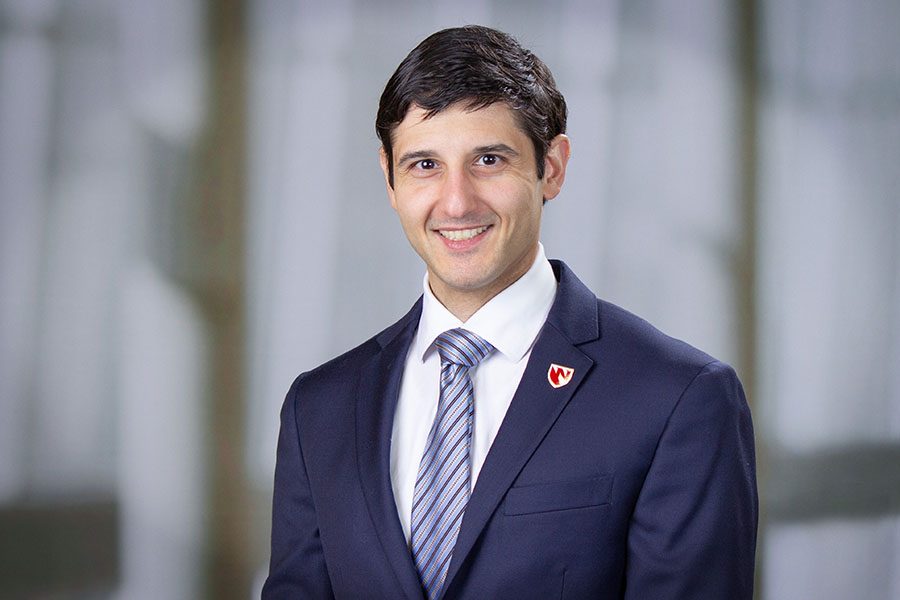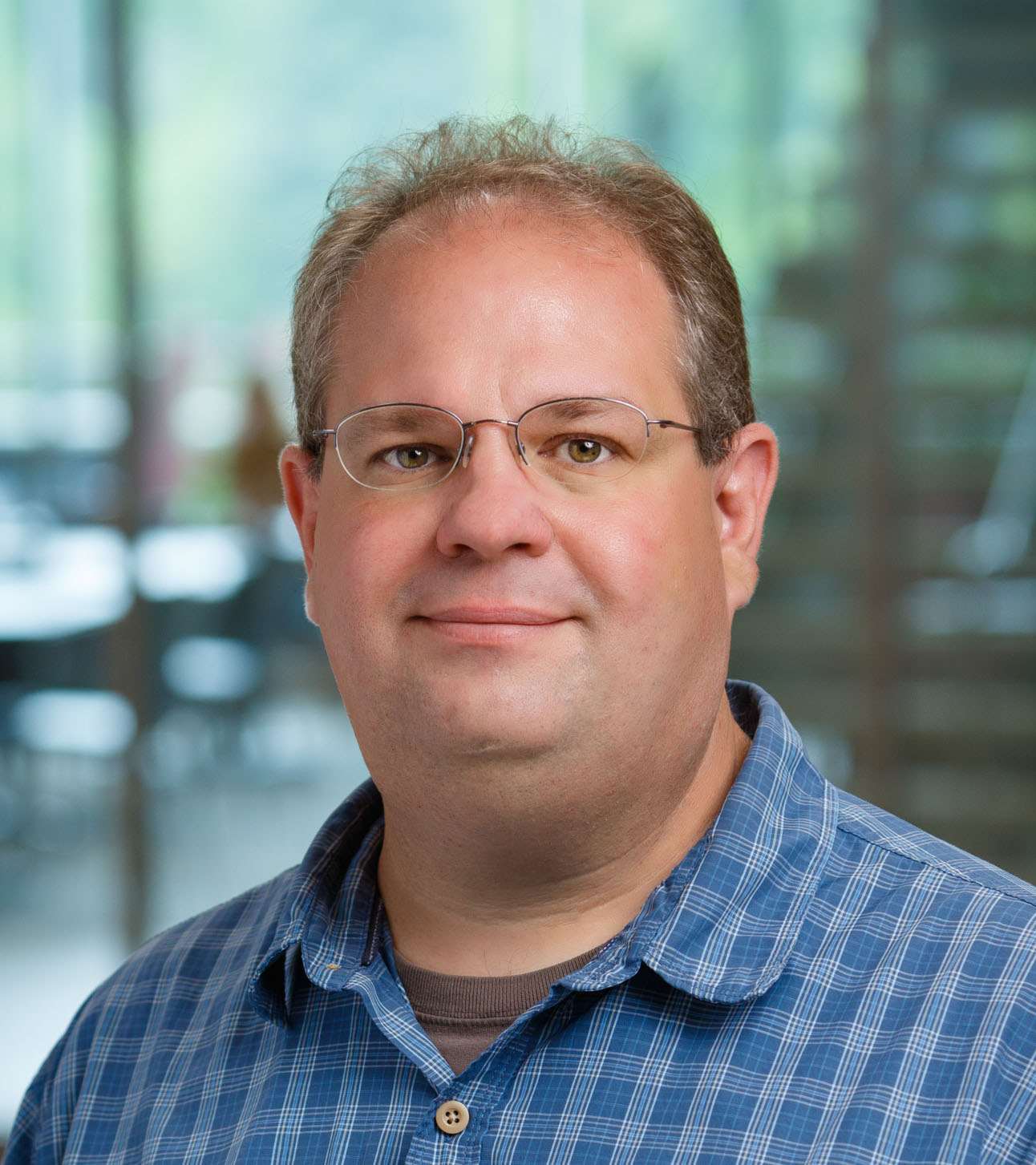
Vegard Heimly Brun serves as an Associate Professor at UiT The Arctic University of Norway, actively engaged with the Breast and endocrine surgery research group. He concurrently participates in the Gastrosurgery and Neurobiology research groups while contributing to the LevDOSE project focused on optimizing thyroid hormone replacement therapy. His research spans two distinct domains: contemporary endocrine surgery and foundational neuroscience. In surgical research, he pioneers advanced imaging techniques for parathyroid localization, develops patient-specific levothyroxine dosing algorithms, and investigates decision-making protocols for thyroidectomies. His neuroscience work explores growth hormone's modulation of hippocampal spatial memory, dendritic spine plasticity, and fear conditioning mechanisms. This dual expertise bridges clinical innovation with fundamental neurobiological inquiry. Publication analysis (2015-2025) reveals an evolutionary trajectory from neuroscience-focused investigations (2015-2019) toward clinically applied endocrine surgery research (2021-2025). Recent work emphasizes surgical innovation in thyroid/parathyroid disorders through pharmacokinetic modeling and multimodal imaging, while earlier contributions established critical links between hippocampal growth hormone signaling and memory processes. This progression demonstrates translational research spanning basic science to surgical practice. No scientific awards were documented in the source materials. While no student advising relationships or specific grant funding details were disclosed, his collaborative publications across medical and neuroscience disciplines indicate extensive interdisciplinary engagement. The LevDOSE project represents a significant clinical research initiative in personalized endocrine therapy. Dr. Brun operates within UiT's multidisciplinary research ecosystem through three primary groups: the Breast and endocrine surgery research group (focusing on surgical oncology and endocrine disorders), the Gastrosurgery group (addressing gastrointestinal malignancies), and the Neurobiology group (investigating fundamental memory mechanisms). His laboratory work integrates clinical surgical practice with basic neuroscience methodologies, particularly in hippocampal function and hormone-brain interactions.