- Modernism
- Women Writers
- Feminist Theory
- +۴ مورد دیگر
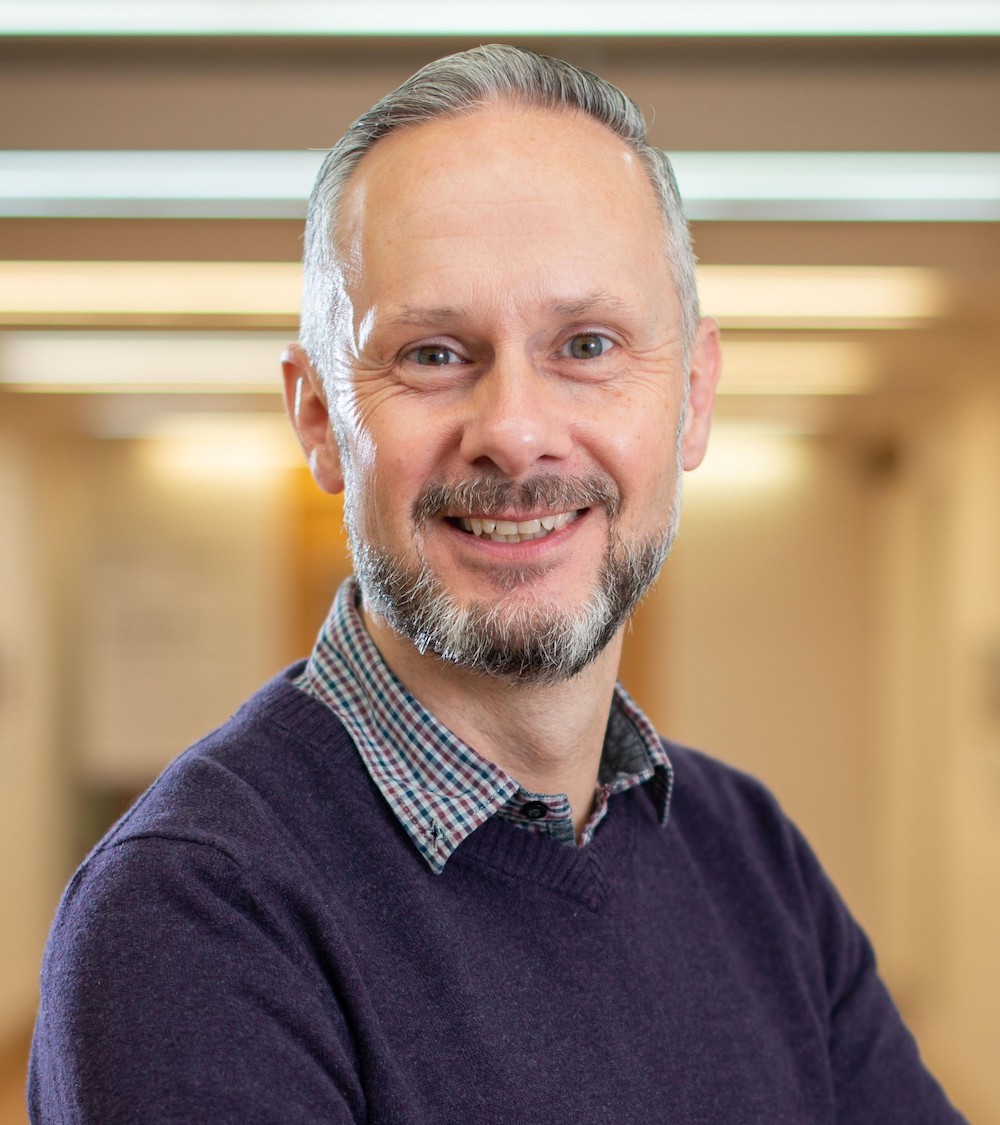
Sarah Cornish serves as Professor and Department Chair of the Department of English within the College of Humanities and Social Sciences at the University of Northern Colorado. Her academic leadership extends to directing graduate studies and co-founding the Feminist inter/Modernist Association, while actively contributing to editorial boards including The Orlando Project and The Space Between Society. Educational background: Ph.D. in English, Fordham University M.A. in English, Boston College B.A., University of California Irvine Her research synthesizes modernist literary studies with urban theory, feminist frameworks, and film history, particularly examining transatlantic modernism, women writers of the interwar period, and the politics of space. She investigates how architecture, spectacle, and the built environment shape gendered experiences in cities, while pioneering digital humanities approaches to cultural analysis. Current projects explore middlebrow culture and cinematic representations of urban transformation. Publication trends reveal sustained engagement with trauma narratives, feminist reinterpretations of modernism, and interdisciplinary methodologies bridging literary criticism with film studies and spatial theory. Her work consistently centers women's voices within historical and cultural contexts, evolving from early analyses of Woolf's spatial concepts to contemporary explorations of filmic urbanism. Scientific recognition includes: Nomination for UNC's Inspiring Woman Award (2015) First Year Scholars Outstanding Faculty Award (2014) As Director of Graduate Studies, she mentors emerging scholars while organizing the Go West Film Festival. Her academic service encompasses editorial leadership for The Space Between: Literature and Culture, 1914-1945 and shaping feminist modernist discourse through organizational governance. Current initiatives focus on cinematic representations of 1930s urban spaces and pedagogical approaches to self-taught women writers. She maintains active collaboration through the Feminist inter/Modernist Association and advisory roles in modernist scholarly networks, with upcoming work examining pedagogical frameworks for teaching modern women writers through multimodal methodologies.