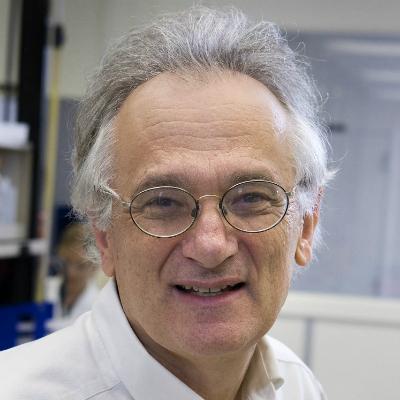
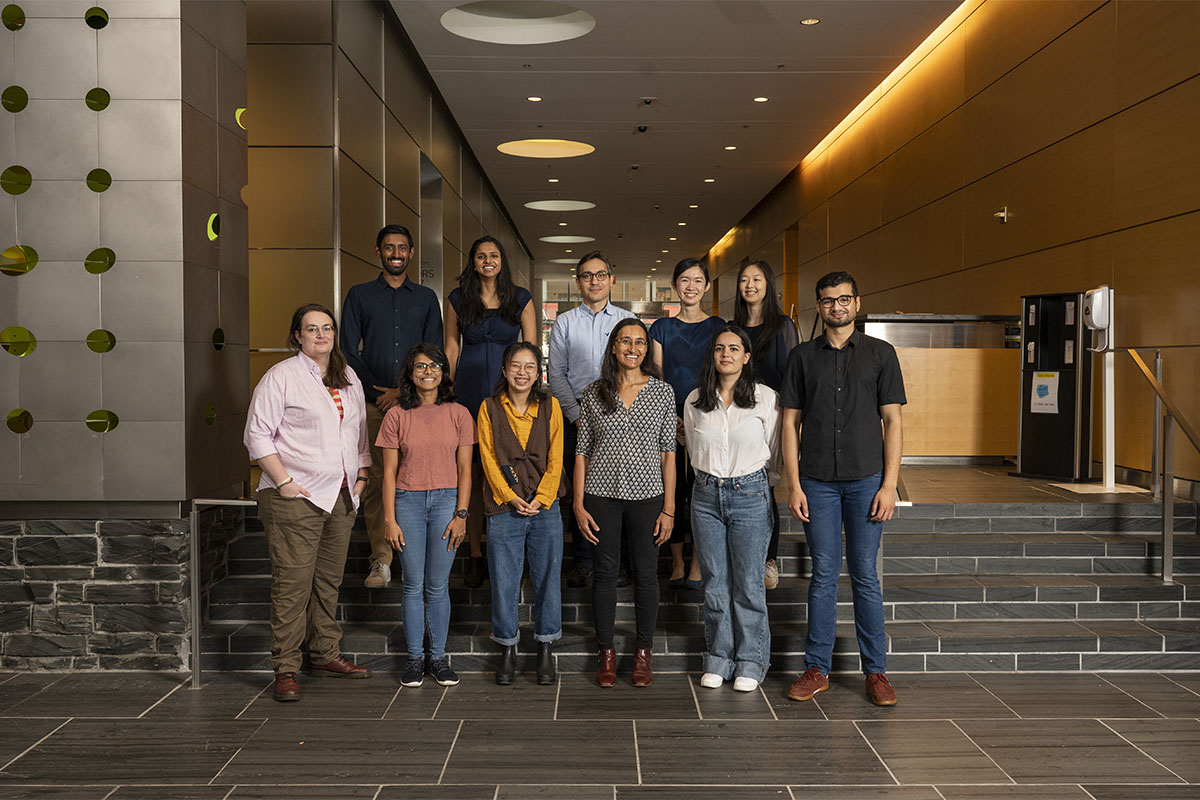
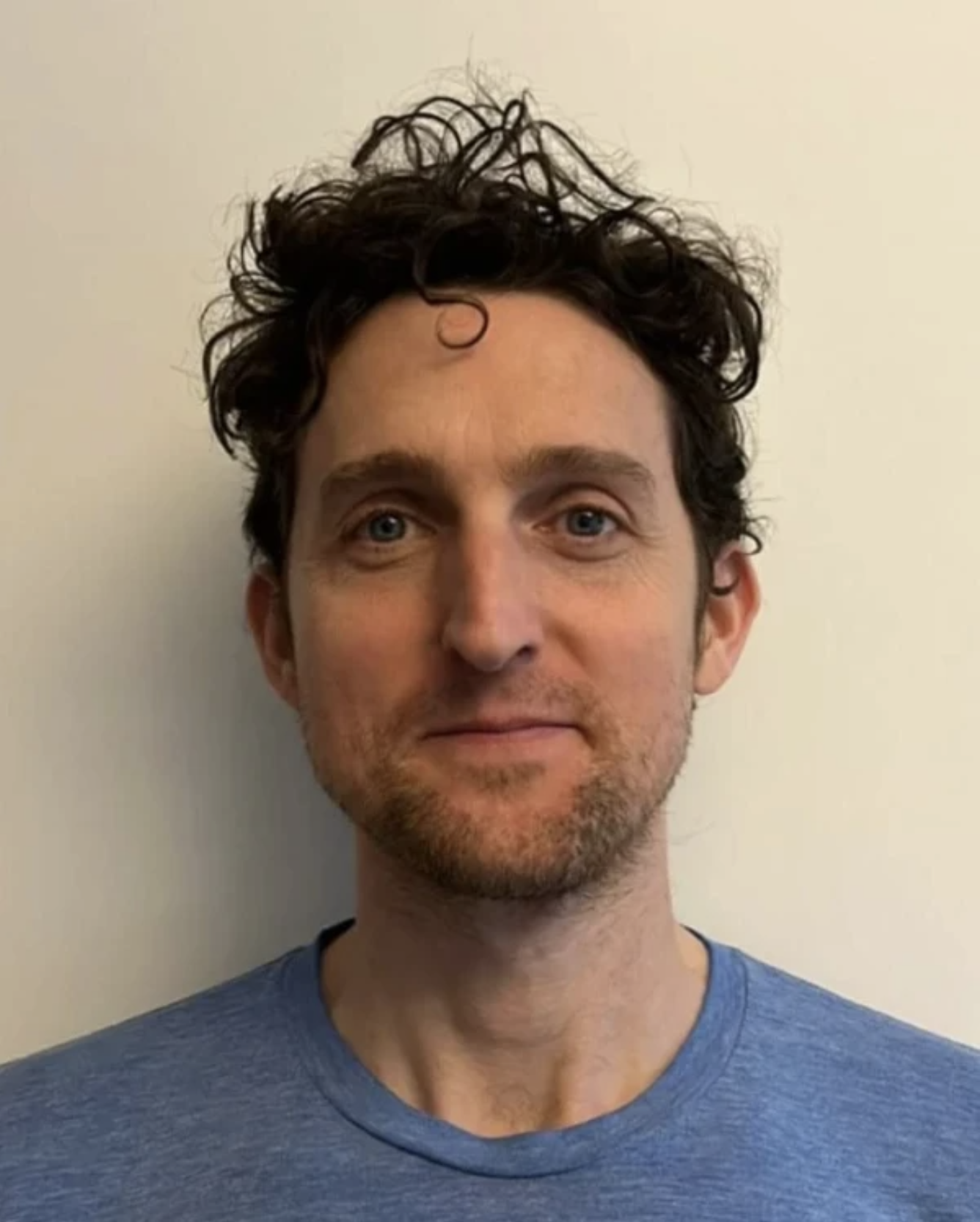
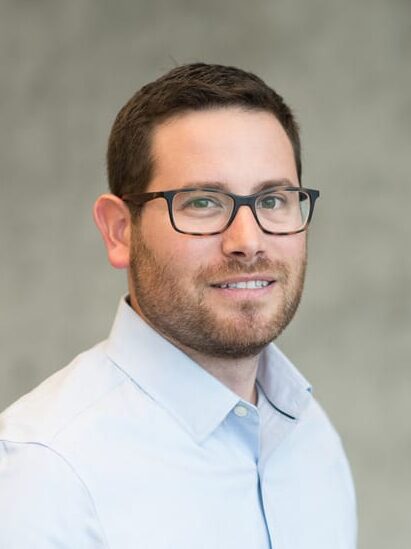
Dr. Steven G. Clarke is a Distinguished Professor at UCLA Department of Chemistry & Biochemistry and director of research at the Molecular Biology Institute . His work bridges protein chemistry , methylation biology , and aging research through studies of spontaneous protein damage and its repair mechanisms. Education: BA in Chemistry and Zoology, Pomona College (magna cum laude, Phi Beta Kappa) PhD in Biochemistry and Molecular Biology, Harvard University (NSF Fellow) Postdoctoral Fellowship at UC Berkeley (Miller Fellow) Dr. Clarke's research focuses on protein isoaspartyl repair via PCMT1/PIMT enzymes , ribosomal protein methylation in Saccharomyces cerevisiae , and PRMT family characterization including PRMT7 and PRMT9. His lab combines biochemical assays , genetic models , and structural analysis to investigate aging mechanisms and disease implications. Recent publications highlight: COQ5 structure-function analysis in coenzyme Q biosynthesis PCMTD1 ubiquitin ligase interactions PRMT7 substrate specificity in histone H2B Protein isoaspartyl impacts on T cell function in lupus Novel PRMT inhibitors for cancer therapy Methionine addiction in osteosarcoma malignancy Major scientific awards: American Chemical Society Ralph F. Hirschmann Award in Peptide Chemistry NIH MERIT Award Ellison Medical Foundation Senior Scholar Award William C. Rose Award, ASBMB UCLA Distinguished Teaching Award (Eby Award winner) Current lab members include PhD candidates Eric Pang (UCSB) and Sining "Cindy" Wang (UCLA), while undergraduates Celeste Medina-Seymoure , Elizabeth Oroudjeva , Olivia Pacheco , and Jasmine Winter contribute to ongoing proteostasis studies. Collaborations with Profs. Jose Rodriguez and Catherine Clarke demonstrate interdisciplinary research approaches.
Dr. Christina Leslie is a Research Professor and Member of the Computational & Systems Biology Program at Memorial Sloan Kettering Cancer Center (MSK). She leads an active research laboratory focused on developing computational approaches to understand complex biological systems. Dr. Leslie earned her PhD from the University of California, Berkeley and has established herself as a leading computational biologist in cancer research and immunology. Computational & Systems Biology Program, Memorial Sloan Kettering Cancer Center Gerstner Sloan Kettering Graduate School of Biomedical Sciences Dr. Leslie's research focuses on developing novel computational methods to study cellular biological systems from a global and data-driven perspective. Her lab exploits diverse high-throughput functional and genomic data to understand molecular networks underlying fundamental cellular processes, including transcription regulation, pre-mRNA processing, signaling, and post-transcriptional gene silencing. Her algorithmic methods draw heavily on machine learning to build accurate predictive models from noisy and high-dimensional biological data. Key areas of interest include modeling cell-type specific transcriptional programs and dissecting co- and post-transcriptional regulation, particularly microRNA-mediated gene regulation. Analysis of Dr. Leslie's publication record over the last five years reveals a strong focus on computational approaches to cancer genomics, immunology, and epigenetics. Her work bridges multiple disciplines, with a particular emphasis on developing machine learning methods to interpret complex biological data. The publications demonstrate increasing sophistication in integrating multiple data types (genomic, transcriptomic, epigenomic) to understand cancer biology and immune responses. Recent work shows a growing emphasis on single-cell technologies and spatial analysis of tumor microenvironments. Introduction of string kernel methodology for SVM classification of biological sequences Development of algorithms for predictive modeling of gene regulation First systems-level analyses of competition between microRNAs and between target transcripts Dr. Leslie actively mentors numerous graduate students and research associates, with current lab members including Vianne Gao, Alireza Karbalaghareh, Erik Ladewig, and several others. Her lab has received significant research funding to support their work on computational approaches to cancer biology and immunology. The Leslie Lab maintains close collaborations with multiple experimental groups at MSK, facilitating the translation of computational insights into biological understanding. The Leslie Lab operates within the Computational & Systems Biology Program at MSK, with strong ties to both the research and clinical missions of the institution. The lab maintains state-of-the-art computational infrastructure for analyzing large-scale genomic and proteomic datasets and collaborates extensively with wet-lab researchers to validate computational predictions experimentally.
Beat Fierz is an Associate Professor at École Polytechnique Fédérale de Lausanne (EPFL) in the School of Basic Sciences (SB), affiliated with the Institute of Chemical Sciences and Engineering (ISIC) and the Laboratory of Biophysical Chemistry of Macromolecules (LCBM). He holds additional roles as Director of the Doctoral Program in Chemistry and Chemical Engineering (EDCH) and oversees doctoral education within the SCGC teaching unit. His research focuses on chromatin dynamics, epigenetic regulation, and chemical biology approaches to study histone modifications and protein interactions. He has supervised over 14 PhD students and teaches courses in advanced chemistry and chemical biology. His work bridges molecular mechanisms of chromatin structure with cellular processes like DNA repair and transcriptional regulation. Research Interests: Dr. Fierz investigates how post-translational modifications of histones (e.g., ubiquitylation, acetylation) regulate chromatin compaction, silencing, and accessibility. He employs single-molecule techniques and chemical synthesis to reconstitute and analyze chromatin states, with applications in understanding epigenetic diseases, aging, and CRISPR-Cas9 genome editing dynamics. Recent studies highlight mechanisms of HP1α-mediated heterochromatin assembly and pioneer transcription factor invasion into compact chromatin. Doctoral Program Leadership: As Director of the EDCH program, he oversees training in chemistry and chemical engineering, ensuring academic rigor and interdisciplinary collaboration. His lab collaborates extensively with EPFL's Chemical Biology NCCR and contributes to initiatives like the Chemical Biology Seminar Series. Lab & Teams: The LCBM lab uses innovative tools like 'MagIC beads' and semisynthetic nucleosomes to study chromatin modifications. Current projects include exploring how ubiquitin signals modulate DNA repair proteins and how histone aging impacts chromatin stability. Collaborations span biophysics, biochemistry, and synthetic chemistry.
Michael Harrison is an Assistant Professor in the Department of Cell and Developmental Biology at Weill Cornell Medicine, where he leads the Regeneration and Development Lab within the Graduate School of Medical Sciences. His research focuses on vascular development and regeneration using zebrafish as a model organism, with emphasis on coronary and cerebral vasculature. Education: B.Sc. in Genetics, University of Edinburgh (2005) Ph.D. in Developmental Genetics, University of Sheffield (mentor: Vincent Cunliffe) Postdoctoral Fellowship, Saban Research Institute, Children’s Hospital Los Angeles (CIRM Fellow) Harrison's research centers on understanding how blood and lymphatic vessels form and regenerate, particularly in the heart and brain. His lab investigates coronary vessel development, the role of lymphatic systems in inflammation and regeneration, and revascularization after injury. By leveraging zebrafish genetics and advanced imaging, his work aims to uncover pathways that could be harnessed for regenerative therapies in humans. His recent publications reveal key signaling mechanisms such as Cxcr4-Cxcl12 in coronary development and the two-step formation of cardiac lymphatics. The 15 most recent articles demonstrate a strong, consistent research trajectory in vascular biology and regeneration, with increasing use of advanced techniques like single-nuclei multiomics, fluidic imaging devices, and CRISPR-based genome editing. His work spans developmental mechanisms, functional imaging, and translational applications in cardiac repair. Scientific Awards: No awards explicitly mentioned in the provided text. Harrison actively mentors a team of postdoctoral fellows, research assistants, and students, several of whom have progressed to medical school or research careers. His lab collaborates extensively, particularly with Ching-Ling Lien's group. He has secured research space and funding to support ongoing projects in cardiac and cerebral vasculature. The lab is actively recruiting rotation students from BCMB, PBSB, IMP, and Tri-Institutional programs, as well as postdoctoral researchers and research assistants, indicating an expanding research team and active grant support. Labs and Teams: Regeneration and Development Lab, Weill Cornell Medicine Collaborations with Ching-Ling Lien Lab Member of Tri-Institutional PhD Programs Active participation in BCMB, PBSB, and IMP training programs
Ueli Grossniklaus is an Ordinary Professor at the University of Zurich within the Faculty of Mathematical and Natural Sciences , affiliated with the Department of Plant and Microbiology . His work focuses on plant developmental biology, particularly epigenetic and genetic mechanisms governing reproduction and adaptation. Key Courses: Epigenetics, Plant Biology Workshop, Group Seminars on Current Research Laboratory Techniques: Advanced methods in plant cell mechanics, transcriptomics, and genome editing Research Interests span plant epigenetics, reproductive biology, and the interplay between environmental stress and genetic regulation. He investigates: Mechanistic control of gametogenesis and fertilization Epigenetic contributions to plant adaptation Evolutionary implications of asexual reproduction Biophysical forces in plant cell growth Publication Trends (2025–2018) reveal expertise in: Arabidopsis and fern model systems Epigenetic regulation (DNA methylation, histone dynamics) Apomixis and hybrid seed failure mechanisms Biomechanics of pollen tubes and carnivorous plants Genome editing tools (CRISPR) and long-read sequencing Scientific Collaborations include interdisciplinary projects on: Microfluidic devices for plant cell analysis Gene drive ecology and ethics 3D imaging of plant reproductive structures Advising and Grants focus on mentoring through research internships in developmental biology, genetics, and systems biology. His lab engages in: Epigenetic response to environmental stress Cell wall mechanics in reproduction Computational modeling of plant growth Laboratory Teams integrate plant biologists, bioengineers, and computational scientists to study: Mechanistic gene regulation Evolutionary developmental biology Microrobotics for cellular force measurement
Dr. Emre Sefer is an Associate Professor at the Faculty of Engineering, Özyeğin University, specializing in machine learning and bioinformatics. He holds a Ph.D. in Computational Biology from Carnegie Mellon University (2015), an M.S. in Computer Science from University of Maryland College Park (2011), and a B.S. in Computer Engineering from Boğaziçi University (2008). His research bridges graph machine learning with financial networks, bioinformatics, and data engineering. Ph.D.: Computational Biology, Carnegie Mellon University M.S.: Computer Science, University of Maryland College Park B.S.: Computer Engineering, Boğaziçi University Research focuses on applying machine learning to financial and biological networks: Bioinformatics : 3D genome modeling, protein modifications, transcriptomic analysis Graph Machine Learning : GNNs for fraud detection, drug response prediction, and network evolution Financial Networks : Cryptocurrency investment strategies, asset price prediction His lab (OzU Machine Learning in Finance and Bioinformatics Lab) develops graph-based deep learning methods for cross-domain applications, including NFT market analysis and chromatin structure prediction. He received the Best research paper award at Recomb 2016 for work on 3D genome architecture. Former postdoc at CMU Machine Learning Department Industry experience as Quantitative Strategist at Goldman Sachs and JPMorgan
Dr. Premdass Ramdas is a Senior Lecturer at Monash University Malaysia, affiliated with the Jeffrey Cheah School of Medicine and Health Sciences. He joined in October 2023 with over 13 years of experience in medical biotechnology and health sciences, focusing on cancer research and bioactive natural compounds. PhD in Cancer Proteomics and Genomics, University of Malaya MSc in Medical Sciences (Cancer Genomics and Natural Products), International Medical University BSc with First-Class Honors His research focuses on the anticancer mechanisms of tocotrienols, utilizing proteomics, genomics, bioinformatics, and mouse models. He explores epigenetics, nutrigenomics, RNA/microRNA analysis, exosome biology, and AI-driven big data in cancer. His work contributes to UN Sustainable Development Goals in health and well-being. Recent publications show a strong trend in systematic reviews and mechanistic studies on vitamin E analogues in cancer, particularly colorectal and breast cancers. His research integrates molecular biology with computational approaches, including molecular docking and data mining. First-class honors for BSc Malaysian Palm Oil Board Scholarship for MSc MyBrain15 Scholarship for PhD Dr. Ramdas has secured research grants such as FRGS and actively supervises research projects. He is currently accepting PhD students and has co-supervised non-HDR reviews, indicating active mentorship. He has no known labs or teams explicitly mentioned, but collaborates extensively, particularly with Prof. Radhakrishnan A.K.
Jessica A. Mong, PhD , is a Professor in the Department of Pharmacology & Physiology at the University of Maryland School of Medicine , where she also serves as Assistant Dean for Graduate & Post-Doctoral Studies and Director of Graduate Education for the Program in Neuroscience. Her research focuses on the neuroendocrine mechanisms underlying sex differences in sleep circuitry and the estrogenic modulation of sleep-wake cycles. Primary Appointment: Pharmacology & Physiology Administrative Title: Assistant Dean for Graduate & Post-Doctoral Studies Laboratory Director: Program in Neuroscience Research Interests: Dr. Mong's work investigates how ovarian steroids influence sleep-wake behavior through sexually differentiated neuroanatomical substrates. Key areas include: Mechanisms of estrogenic modulation in the median preoptic nucleus (MnPN) Developmental programming of sex differences in sleep sensitivity Translational studies using rodent and nonhuman primate models of menopause Functional significance of hormonal influences on sleep quality and recovery Scientific Trends: Her recent publications (2023-2025) emphasize: Role of KCNMA1 channelopathy in sleep regulation Adenosinergic signaling in MnPN Translational menopause models Estrogen's protective effects against noise-induced hearing loss Sex-dependent responses to kynurenine pathway challenges Awards & Appointments: NIH BIRCWH Scholar (Building Interdisciplinary Research Careers in Women's Health) Co-Chair, Society for Women’s Health Research Interdisciplinary Research Network on Sex-Differences in Sleep Health NIH/NHLBI R01 HL129138 grant recipient Education & Training: B.S., Biology, Gettysburg College (1987-1991) Ph.D., Neuropharmacology, University of Maryland Baltimore (1994-2000) NIH Postdoctoral Fellowship in Endocrinology, Rockefeller University (2000-2003)
Sachi Horibata is an Assistant Professor in the Department of Pharmacology & Toxicology at Michigan State University (MSU), affiliated with the College of Human Medicine. She is also associated with the Precision Health Program and the Neuroscience Program. Her research focuses on cancer biology, drug discovery, and computational genomics, with a particular emphasis on understanding mechanisms of drug resistance in cancers like acute myeloid leukemia (AML) and breast cancer. Dr. Horibata’s work integrates proteomics, transcriptomics, and cellular models to uncover therapeutic targets and biomarkers. She holds a PhD in Biological and Biomedical Sciences from Cornell University (2010–2016). Her research interests include genomic analysis of cancer heterogeneity, enzyme-driven cancer progression (e.g., PAD enzymes), and immune evasion mechanisms in tumors. Her recent studies highlight the role of protein citrullination in cancer cell migration and endocrine resistance. Dr. Horibata’s publications span topics in oncology, immunology, and molecular biology, with a focus on translational research. She teaches PHM 802: Cellular, Molecular and Integrated Systems Pharmacology. Her lab is located in the Interdisciplinary Science and Technology Building at MSU.
Dr. Scott Rothbart is a Professor in the Department of Epigenetics at Van Andel Institute (VAI), where he leads the Rothbart Laboratory. He earned his B.S. in Food Science and Human Nutrition from the University of Florida and his Ph.D. in Pharmacology and Toxicology from Virginia Commonwealth University. His postdoctoral training was conducted under Dr. Brian Strahl at the University of North Carolina at Chapel Hill. His research focuses on understanding chromatin accessibility, histone post-translational modifications, and DNA methylation's role in disease, particularly cancer. He translates this basic research into epigenetic target identification and drug discovery. Dr. Rothbart has contributed to groundbreaking studies on UHRF1’s role in DNA methylation maintenance and its therapeutic potential in cancer. He co-leads the VAI-SU2C Epigenetics Dream Team and directs the VAI Cancer Epigenetics Training Program. His work has been recognized with awards like the NIH MIRA Award and the American Cancer Society Research Scholar Grant. Research Interests: Chromatin biochemistry, cancer epigenetics, functional proteomics, histone modifications, and epigenetic drug development. His lab develops tools like peptide microarrays and functional proteomics platforms to study histone modifiers and their clinical relevance. Notable Achievements: Published over 122 peer-reviewed papers in 2024, including 63 in high-impact journals. Launched 15 clinical trials through the Epigenetics Dream Team. His lab’s work on viral mimicry therapies and epigenetic drug combinations has advanced cancer treatment strategies. Education: B.S. University of Florida (2004), Ph.D. Virginia Commonwealth University (2009), Postdoctoral Fellowship UNC Chapel Hill (2014).
Matthias Feige is an Associate Professor of Cellular Protein Biochemistry at the Technical University of Munich (TUM). He leads the Focus Group for Cellular Protein Biochemistry, previously serving as a Rudolf Mößbauer Tenure Track Assistant Professor. His research focuses on understanding cellular proteome integrity, particularly in the secretory pathway, combining protein biochemistry and cell biology. Key interests include protein folding, quality control mechanisms, and their biomedical applications. Education & Career: PhD in Biochemistry (2009), TUM under Johannes Buchner Postdoctoral Fellowship at St. Jude Children’s Research Hospital (Memphis, USA) with Linda Hendershot Head of the Cellular Protein Biochemistry Lab at TUM since 2015 Research Interests: Feige’s work explores molecular mechanisms governing protein biogenesis, secretory pathway proteins, and their roles in immunity. His interdisciplinary approach targets fundamental biology and translational applications like protein engineering and therapy development. Scientific Contributions: His publications highlight advancements in cytokine assembly, ER quality control, and protein aggregation mechanisms. Notable recent work includes studies on KDELR3 signaling, helminth immune modulation, and engineered cytokines. Awards & Recognition: Leopoldina Fellowship (2011–2014) Fellow of the Daimler and Benz Foundation (2016) Rainer Rudolph Award (2012) Multiple honors from TUM and international institutions Labs & Teams: He directs a lab investigating protein biogenesis and proteostasis. Collaborations span biochemistry, immunology, and structural biology, with a focus on translational research.
Lucy Glover is a Researcher and Group Leader of the Trypanosome Molecular Biology laboratory at the Department of Parasites and Insect Vectors, Institut Pasteur, Paris, France. She joined the institute in March 2016 as a G5 group leader, focusing on the molecular mechanisms of antigenic variation and DNA repair in Trypanosoma brucei , the causative agent of Human African Trypanosomiasis. Her research integrates molecular, biochemical, and high-throughput approaches to study DNA recombination and immune evasion. Institut Pasteur, Paris (2016–Present) PhD, London School of Hygiene and Tropical Medicine Her research interests center on antigenic variation , DNA repair , and homologous recombination in trypanosomes. She investigates how DNA double-strand breaks influence variant surface glycoprotein (VSG) switching, a critical process for parasite survival in the host. Her lab uses advanced techniques such as RIT-seq, phosphoproteomics, and CRISPR-based tools to dissect these mechanisms at the molecular level. The recent publications of Lucy Glover span molecular parasitology, DNA damage response, and diagnostic development. Key themes include the role of the MRN complex in DNA repair, phosphoproteomic profiling of DNA damage responses, and the design of CRISPR-based diagnostics for HAT. Her work reveals how chromosomal context influences repair pathways and antigenic variation, contributing to a deeper understanding of parasite biology. While no formal scientific awards are listed in the provided text, her contributions are evident through high-impact publications and leadership in collaborative research projects. Lucy Glover advises several PhD and postdoctoral researchers, including Emilia MacLaughlin, Nuria Sima Teruel, and Alix Thivolle. Her lab is supported by institutional initiatives such as LabEx IBEID and transversal drug discovery programs. She collaborates with teams working on host-pathogen interactions, genomics, and infectious disease epidemiology. Her laboratory is part of the Department of Parasites and Insect Vectors and participates in departmental retreats and seminars. The team includes post-docs, research engineers, and administrative staff, reflecting a collaborative and interdisciplinary research environment focused on combating neglected tropical diseases.
Julie K. Schwarz, MD, PhD, FASTRO is a tenured Professor of Radiation Oncology at Washington University School of Medicine, where she serves as Vice-Chair of Research and Director of the Cancer Biology Division. She also holds appointments as Professor of Cell Biology and Physiology and is affiliated with the Roy and Diana Vagelos Division of Biology & Biomedical Sciences, specifically within the Cancer Biology and Molecular Cell Biology programs. Dr. Schwarz is a key member of the Siteman Cancer Center and co-leads one of only five centers comprising the NIH's Radiation Oncology-Biology Integration Network (ROBIN). Dr. Schwarz completed her BS in Biology at Duke University (1995) followed by an MD/PhD in Cell and Molecular Biology at Washington University School of Medicine (2004) through the Medical Scientist Training Program. She completed her Internal Medicine internship (2005) and Radiation Oncology residency (2009) at Barnes-Jewish Hospital, becoming board-certified by the American Board of Radiology in Radiation Oncology (2010). Her research program focuses on translational studies of gynecologic cancers, particularly cervical cancer, with emphasis on tumor metabolism, biomarker discovery, and treatment resistance mechanisms. Dr. Schwarz's laboratory maintains one of the largest tumor repositories for cervical cancer, which includes specimens collected before and during chemoradiation treatment. Her work has demonstrated the critical role of pretreatment and post-treatment FDG-PET scanning for cervical cancer patients and has identified alterations in PI3K/Akt pathway genes associated with treatment response. Recent research directions include studying obesity's paradoxical favorable impact on cervical cancer outcomes, glucose and glutamine metabolism as targets for cancer therapy, and the role of tumor immunology in therapy resistance. Analysis of Dr. Schwarz's most recent publications reveals a strong focus on cervical cancer biology, tumor metabolism, and novel therapeutic approaches. Her work integrates clinical data with laboratory research to identify biomarkers and develop improved treatment strategies. Current research emphasizes the interface between tumor metabolism, the microenvironment, and response to therapy, with particular attention to HPV-related cancers, tumor imaging, and metabolic targets for radiosensitization. Fellow of American Society for Radiation Oncology (ASTRO) (2024) Danforth WashU Physician-Scientist Scholar Award (2024) Elected into American Society for Clinical Investigation (2022) Michael Fry Research Award for Outstanding Junior Investigator: Radiation Research Society (2012) Fellow: National Cancer Care Network (2008) RSNA Roentgen Resident/Fellow Research Award (2008) As a dedicated mentor, Dr. Schwarz has guided numerous trainees across all levels including undergraduates, graduate students, medical students, residents, fellows, and postdoctoral researchers. Her Schwarz Lab is highly collaborative and actively recruits students and researchers, with recent successes including Leahan Castillo receiving an Honorable Mention at AACR and Brett Tortelli developing significant research on the vaginal microbiome's relationship to cervical cancer treatment response. Dr. Schwarz is R01-funded and leads multiple research projects, including work on the TARGET Center which focuses on understanding the biologic effects of radiation therapy in cancer treatment. She actively participates in national organizations including the ASTRO/NCI Radiobiology Consensus Workshop, AACR Radiation Oncology Think Tank, and the ASTRO Community of Radiation Oncology Physician Scientists. Dr. Schwarz directs the Schwarz Lab, which is growing and actively recruiting postdocs, staff scientists, and graduate students. The lab employs a multidisciplinary approach combining well-annotated clinical databases, prospectively collected patient tumor banks, and state-of-the-art sequencing technologies. Current research directions include single-cell sequencing approaches to study treatment effects on tumor cells and immune cells within the tumor microenvironment, glucose and glutamine metabolism as targets for cancer therapy, and targeting myeloid-derived cells to improve anti-tumor immunity. The lab is highly collaborative and studies multiple tumor types including cervical, pancreatic, and ovarian cancers.
Dr. Keith Wheaton is an Assistant Professor in the Department of Biochemistry, Microbiology and Immunology at the University of Ottawa , and serves as the Director of the Translational Molecular Medicine (TMM) Undergraduate Program . He is actively involved in curriculum development and science education, with a focus on active learning and student engagement in molecular medicine and aging biology. Education: BSc, Biochemistry – University of Guelph BEd, Adult Education – Brock University PhD, Biochemistry & Molecular Biology – University of Calgary Post-doctoral Research – University of Toronto & York University Research Interests: Dr. Wheaton’s research spans molecular biology , cellular senescence , and cancer biology , with a particular emphasis on the p53 tumor suppressor pathway and its role in aging and Hutchinson-Gilford Progeria Syndrome . His work has contributed to understanding how replication stress and genomic instability drive premature aging phenotypes. He is also a leader in science education , developing inquiry-based laboratory courses and integrating active learning strategies into biology and biochemistry curricula. He has taught in the Ottawa-Shanghai Joint School of Medicine and participates in the SEA PHAGES program, which engages undergraduates in genomics research. Scientific Contributions: Dr. Wheaton has published extensively in high-impact journals such as Molecular and Cellular Biology , Journal of Biological Chemistry , and Aging Cell . His work explores the molecular underpinnings of aging, the role of p53 in cellular senescence, and epigenetic regulation via ubiquitination and chromatin modification. Teaching & Outreach: He leads the TMM undergraduate program and teaches courses on aging, cancer biology, and molecular biology. He encourages undergraduate research and welcomes students to contact him for opportunities in the TMM program.
Prof. Dr. Katrien De Bock is a Full Professor and Deputy Head of the Department of Health Sciences and Technology at ETH Zurich. Her research focuses on angiogenesis, metabolic crosstalk in muscle microenvironments, and the impact of exercise on muscle regeneration. She leads a team investigating cellular interactions in skeletal muscle, particularly how metabolic signals regulate blood vessel growth and muscle repair. Key areas include understanding fibroadipogenic progenitors' role in muscle physiology, the role of histamine in exercise responses, and age-related muscle decline. Her work integrates molecular biology, single-cell transcriptomics, and computational approaches to dissect mechanisms underlying tendon pathologies, ischemic muscle injury, and metabolic adaptations to exercise. She supervises Master's programs in Human Movement Science and collaborates on projects involving muscle stem cell therapies and vascular engineering. Prof. De Bock also explores interventions like NAD+ precursors to counteract age-related sarcopenia and promotes translational research in regenerative medicine. Research Interests: Exercise-induced metabolic pathways in muscle repair Angiogenesis regulation in health and disease Hypoxia signaling in tendons and muscles Epigenetic modifications during tissue regeneration Stem cell fate determination in muscle microenvironments Notable Projects: Developing AI-driven histologic analysis for tendinopathy diagnosis Mapping the human brain vasculature at single-cell resolution Testing sulfur amino acid restriction to enhance exercise capacity