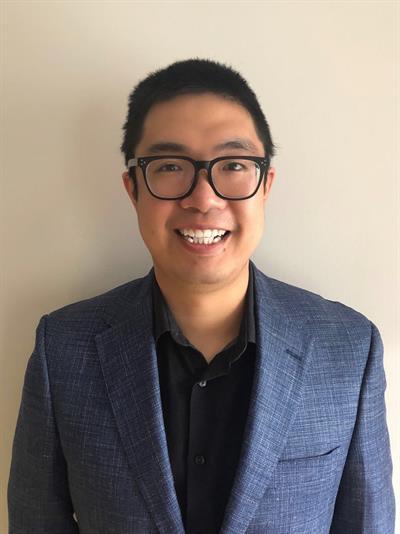
Dewey G. McCafferty is Professor of Chemistry at Duke University with appointments in Biochemistry and the Duke Cancer Institute. His research focuses on chemical biology of chromatin-modifying enzymes and ubiquitin signaling pathways relevant to neurodegeneration and infection. Notable work includes discovering the lasso peptide antibiotic Arcumycin, characterizing the Nedd4 ubiquitin ligase in Parkinson's disease models, and developing chemoproteomic approaches for target identification. Key contributions include elucidation of the futalosine pathway in Chlamydia infections, mechanisms of CPAF protease in bacterial pathogenesis, and engineering of histone demethylase enzymes. McCafferty received the Eli Lilly Award in Biological Chemistry (2005) and directs NIH-funded projects on ubiquitin ligases in neurodegeneration.
Albert M. Berghuis is a Professor in the Department of Biochemistry at McGill University's Faculty of Medicine. His research focuses on structural mechanisms of antibiotic resistance and fungal pathogenesis using advanced techniques including X-ray crystallography, electron microscopy, and computational chemistry. His primary research interests include: Structural basis of antibiotic resistance mechanisms, particularly against aminoglycosides Development of novel antimicrobials through structure-based drug design Structural studies of fungal-specific metabolic pathways for antifungal drug discovery Enzyme mechanisms involving protein-small molecule interactions Analysis of his recent publications reveals a consistent focus on structural elucidation of resistance mechanisms, with particular emphasis on aminoglycoside-modifying enzymes and fungal targets. His work bridges structural biology with therapeutic development, showing strong translational potential in combating antimicrobial resistance. Professor Berghuis maintains the Berghuis Lab with facilities in both the McIntyre Medical Sciences Building and the Francesco Bellini Life Sciences Building. His laboratory employs integrated structural biology approaches to tackle pressing problems in infectious disease treatment.
Ueli Grossniklaus is an Ordinary Professor at the University of Zurich within the Faculty of Mathematical and Natural Sciences , affiliated with the Department of Plant and Microbiology . His work focuses on plant developmental biology, particularly epigenetic and genetic mechanisms governing reproduction and adaptation. Key Courses: Epigenetics, Plant Biology Workshop, Group Seminars on Current Research Laboratory Techniques: Advanced methods in plant cell mechanics, transcriptomics, and genome editing Research Interests span plant epigenetics, reproductive biology, and the interplay between environmental stress and genetic regulation. He investigates: Mechanistic control of gametogenesis and fertilization Epigenetic contributions to plant adaptation Evolutionary implications of asexual reproduction Biophysical forces in plant cell growth Publication Trends (2025–2018) reveal expertise in: Arabidopsis and fern model systems Epigenetic regulation (DNA methylation, histone dynamics) Apomixis and hybrid seed failure mechanisms Biomechanics of pollen tubes and carnivorous plants Genome editing tools (CRISPR) and long-read sequencing Scientific Collaborations include interdisciplinary projects on: Microfluidic devices for plant cell analysis Gene drive ecology and ethics 3D imaging of plant reproductive structures Advising and Grants focus on mentoring through research internships in developmental biology, genetics, and systems biology. His lab engages in: Epigenetic response to environmental stress Cell wall mechanics in reproduction Computational modeling of plant growth Laboratory Teams integrate plant biologists, bioengineers, and computational scientists to study: Mechanistic gene regulation Evolutionary developmental biology Microrobotics for cellular force measurement
Dr. Scott Rothbart is a Professor in the Department of Epigenetics at Van Andel Institute (VAI), where he leads the Rothbart Laboratory. He earned his B.S. in Food Science and Human Nutrition from the University of Florida and his Ph.D. in Pharmacology and Toxicology from Virginia Commonwealth University. His postdoctoral training was conducted under Dr. Brian Strahl at the University of North Carolina at Chapel Hill. His research focuses on understanding chromatin accessibility, histone post-translational modifications, and DNA methylation's role in disease, particularly cancer. He translates this basic research into epigenetic target identification and drug discovery. Dr. Rothbart has contributed to groundbreaking studies on UHRF1’s role in DNA methylation maintenance and its therapeutic potential in cancer. He co-leads the VAI-SU2C Epigenetics Dream Team and directs the VAI Cancer Epigenetics Training Program. His work has been recognized with awards like the NIH MIRA Award and the American Cancer Society Research Scholar Grant. Research Interests: Chromatin biochemistry, cancer epigenetics, functional proteomics, histone modifications, and epigenetic drug development. His lab develops tools like peptide microarrays and functional proteomics platforms to study histone modifiers and their clinical relevance. Notable Achievements: Published over 122 peer-reviewed papers in 2024, including 63 in high-impact journals. Launched 15 clinical trials through the Epigenetics Dream Team. His lab’s work on viral mimicry therapies and epigenetic drug combinations has advanced cancer treatment strategies. Education: B.S. University of Florida (2004), Ph.D. Virginia Commonwealth University (2009), Postdoctoral Fellowship UNC Chapel Hill (2014).
Zhishan Wang, MD, PhD is a Research Professor in the Department of Pathology at Stony Brook University's Renaissance School of Medicine . His work focuses on environmental carcinogenesis , particularly mechanisms of cancer biology and cancer therapy , with a specialization in metal-induced carcinogenicity. Research Interests: Environmental Carcinogenesis Epigenetic and Epitranscriptomic Mechanisms Tumor Microenvironment Remodeling Metal Toxicity Pathobiology Non-Coding RNA Regulatory Networks Scientific Contributions: Analysis of 15 recent publications reveals expertise in: Metal-Induced Oncogenic Pathways (e.g., NF-κB activation, Hedgehog signaling) RNA Modification Dynamics (m6A, lncRNA-splicing interactions) Stem Cell Plasticity in Carcinogenesis Multi-Carcinogen Synergy Mechanisms Epigenetic-Genotoxic Interplay Transcriptomic Reprogramming by Toxicants
Dr. Steven Jacobsen is a Professor in the Molecular, Cell, and Developmental Biology Department at the University of California, Los Angeles (UCLA), where he leads the Jacobsen Lab. His work focuses on epigenetic inheritance and gene regulation in Arabidopsis thaliana and mammalian stem cells, utilizing genetic screens, genomics, epigenomics, and biochemical approaches. The lab also pioneers CRISPR-mediated genome editing techniques. University: University of California, Los Angeles Department: Molecular, Cell, and Developmental Biology Research Interests: Jacobsen's research spans multiple interconnected domains in epigenetics, including DNA methylation patterning, histone modification interplay, and transposable element silencing. His team investigates how chromatin structure influences gene expression and epigenetic inheritance, with applications from plant development to human health. Key areas include: CRISPR-based epigenetic modifications RNA-directed DNA methylation (RdDM) mechanisms Chromatin compaction via MORC proteins Histone variant functions in methylation Transposon control in plant genomes Comparative epigenomics across species Advising Legacy: Over two decades, Dr. Jacobsen has mentored 21 former lab members who now hold academic and industry positions globally, including professors at Chinese Academy of Sciences, University of Georgia, and Southern University of Science & Technology. His lab's publications reveal a consistent focus on DNA methylation dynamics, chromatin remodeling, and small RNA pathways, with recent work emphasizing CRISPR innovations and structural insights into epigenetic regulators.
Dr. Stephanie de Alcantara Fernandes is a Minerva Fast Track Group Leader at the Max Planck Institute for Biology of Ageing in Cologne, Germany, where she leads research on muscle metabolism and aging. Her laboratory investigates how spatial and functional regulation of mTORC1 signaling influences skeletal muscle health, growth, and regeneration throughout the lifespan, with implications for understanding and promoting healthy aging. Dr. Fernandes completed her academic training through a distinguished path: PhD in Biology (Summa cum laude, with distinction), University of Cologne/Max Planck Institute for Biology of Ageing (2017-2023) Master of Science in Genetics, University of São Paulo (2015-2017) Bachelor of Science in Biological Sciences, University of São Paulo (2009-2014) Exchange year at University of Birmingham, UK (2013) Her research focuses on skeletal muscle biology, particularly the balance between anabolic and catabolic processes that maintain muscle health. Dr. Fernandes investigates how mTORC1 (mechanistic Target of Rapamycin Complex 1), a central signaling hub, is spatially organized within cells to selectively regulate specific cellular functions in response to different nutrient sources. Her work reveals that mTORC1 is not simply "on or off" but can be finely tuned to control distinct processes in different cellular compartments, particularly in skeletal muscle cells. A key aspect of her research examines how these regulatory mechanisms change with age, contributing to age-related muscle loss (sarcopenia). By understanding the molecular basis of muscle maintenance and regeneration, her laboratory aims to identify targets for interventions that could promote healthier aging and prevent age-related decline in muscle function. Analysis of Dr. Fernandes' publication record shows a clear trajectory of increasingly independent research focused on mTORC1 signaling, nutrient sensing, and their roles in aging and muscle biology. Her most recent work demonstrates sophisticated understanding of mTORC1's spatial regulation, revealing how different pools of mTORC1 respond to distinct amino acid sources to control specific cellular processes. This research bridges fundamental cell biology with translational applications for aging-related conditions. Dr. Fernandes has received numerous prestigious awards recognizing her scientific excellence: Minerva Fast Track Fellowship (2025) - Group Leader Position for Outstanding Female Scientists from Max Planck Society Graduate School for Biological Sciences (GSfBS) doctoral award for 2023 (2025) World Muscle Society Fellowship (2016) Cologne Graduate School of Ageing Research fellowship (2017-2020) Master's scholarship from São Paulo Research Foundation (2015-2017) Science Without Borders Scholarship from Brazilian Council for Scientific and Technological Development (2013) As a newly appointed Group Leader through the Minerva Fast Track program, Dr. Fernandes is establishing her independent research program with substantial institutional support. Her laboratory combines advanced techniques including high-throughput omics approaches (proteomics, metabolomics), molecular biology, biochemistry, cell biology, and super-resolution microscopy. She utilizes multiple model systems including mouse models, skeletal muscle cell lines, and iPSC-derived skeletal muscle cells to identify evolutionarily conserved mechanisms relevant to human health. Dr. Fernandes leads the Minerva Fast Track Group at the Max Planck Institute for Biology of Ageing, which focuses specifically on "Muscle metabolism and aging." Her team investigates how selective mTORC1 signaling is coordinated between different skeletal muscle cell types and how it changes with age, with the ultimate goal of understanding how muscle health can be maintained throughout life.
Raul A. Urrutia, MD is a Professor in the Department of Surgery & Biochemistry and the Director of the Linda T. and John A. Mellowes Center for Genomic Sciences and Precision Medicine at the Medical College of Wisconsin. He holds the Warren P. Knowles Endowed Chair of Genomics and Precision Medicine and directs the Pancreas Cancer Program. His research focuses on genomics, epigenomics, and precision medicine, particularly in pancreatic diseases such as cancer and diabetes. He has discovered key tumor suppressor genes and epigenetic pathways operational in pancreatic cancer and other diseases. His lab employs a multidisciplinary team of biochemists, geneticists, and bioinformaticians to advance precision medicine. Education: MD, University of Cordoba Postdoctoral Fellowship, National Institute on Deafness and Other Communication Disorders, NIH Research Interests: Dr. Urrutia’s work integrates genomic and epigenomic approaches to uncover mechanisms underlying pancreatic cancer, diabetes, and other diseases. His lab has made seminal contributions to understanding KLF proteins, histone-modifying enzymes (HDACs, HATs, HMTs), and histone-protein subcodes. Recent studies focus on epigenetic regulators in cancer progression and therapy resistance, mitochondrial genomic variants in transplantation outcomes, and precision medicine simulation models. Publications Trends: Recent articles emphasize targeting epigenetic regulators (e.g., CBX5, EZH2), mitochondrial genomics in hematopoietic transplantation, and systems biology approaches combining germline/somatic mutations for tumor analysis. The work spans disciplines from molecular biology to clinical translation. Awards: Warren P. Knowles Endowed Chair Member, American Society of Clinical Investigation Advising & Grants: Dr. Urrutia has mentored over 50 investigators. His lab is funded by NCI grants, the CIBMTR Data Resource (U24), and philanthropic support like the Theodore W. Batterman Family Foundation. Research units include the Precision Medicine Simulation Unit and collaborations with global institutions. Labs & Teams: Leads the Urrutia Research Laboratory and the Mellowes Center, collaborating with experts in epigenetics, computational biology, and clinical genomics. Key lab members include Angela J. Mathison, PhD (Technology Director) and Gareth Pollin, PhD (Bioinformatics).
Monica Rolando is a researcher at the Institut Pasteur in Paris, France, specializing in the study of intracellular bacterial pathogens, particularly Legionella pneumophila , the causative agent of Legionnaires' disease. She is affiliated with the Biology of Intracellular Bacteria department and teaches in the Pasteur Microbiology Course, sharing her expertise in bacterial pathogenesis and host-pathogen interactions. Dr. Rolando obtained her PhD in Cellular and Molecular Biology from the University of Nice-Sophia Antipolis, where she studied bacterial toxins targeting the host endothelium. In 2009, she joined the laboratory of Carmen Buchrieser at the Institut Pasteur for postdoctoral training, shifting her focus to non-toxin-mediated aspects of host-pathogen interactions. Her research primarily focuses on how bacterial pathogens manipulate host cellular processes, with particular emphasis on epigenetic regulation. Dr. Rolando investigates how Legionella pneumophila employs bacterial effectors that target the host cell nucleus to modify epigenetic marks, thereby subverting host cell functions to facilitate bacterial replication. Her work explores the fascinating co-evolution between L. pneumophila and its eukaryotic hosts, which has led to the acquisition of proteins through horizontal gene transfer that allow the bacterium to mimic eukaryotic functions. Analysis of Dr. Rolando's recent publications reveals a strong focus on patho-epigenetics - the manipulation of host epigenetic machinery by bacterial pathogens. Her research spans molecular mechanisms of bacterial effectors, particularly histone-modifying enzymes like methyltransferases, and their role in subverting host defenses. A significant portion of her work examines how Legionella and related pathogens target chromatin structure and nuclear processes to promote intracellular survival and replication. Dr. Rolando has contributed to numerous collaborative research projects at the Institut Pasteur, working with various research teams investigating bacterial pathogenesis. Her work bridges molecular microbiology, cell biology, and epigenetics, providing novel insights into host-pathogen interactions at the molecular level. Her laboratory focuses on identifying and characterizing bacterial effectors that target host nuclear processes, with particular attention to how these effectors modify epigenetic marks to benefit bacterial replication. This research has important implications for understanding bacterial pathogenesis and potentially developing novel anti-infective strategies targeting pathogen epigenetic manipulation.
Ciaran Seath is an Assistant Professor of Chemistry at Scripps-UF (The Wertheim Scripps UF Institute) in Jupiter, Florida, where he leads the Seath Research Chemistry Lab. His research focuses on using chemical biology methods to discover new therapeutically relevant protein-biomolecule interactions that contribute to disease. Dr. Seath completed his PhD in chemistry from the University of Strathclyde in 2017 under the supervision of Dr. Allan Watson, studying chemoselective transition-metal catalysis. He then conducted postdoctoral research at Emory University with Professor Nathan Jui, developing novel reductive photoredox methodologies, and at Princeton University with Professors David MacMillan and Tom Muir, exploring photocatalytic methods for proximity labeling in cancer biology. His research interests span several critical areas in chemical biology: New Therapeutic Strategies: Using proximity labeling methods to understand how mutations and post-translational modifications lead to diseased phenotypes Understanding Transcription in Disease: Investigating "undruggable" proteins that control transcriptional activation with the goal of finding new cancer therapies PhotoChemical Biology: Developing new chemical reactions in cells driven by visible light irradiation to modify proteins and biomolecules Dr. Seath's laboratory focuses on using state-of-the-art methods in chemical biology to discover new protein-biomolecule interactions relevant to disease, with particular interest in pediatric brain tumors, biochemistry and cell biology, and clinical and translational science. His recent work demonstrates a strong trend toward developing and applying proximity labeling techniques, particularly photoproximity labeling methods with varying activation wavelengths and spatial resolution, to study protein interactions in complex biological systems. His research bridges chemistry, biology, and medicine, with a clear translational focus on developing new therapeutic approaches for challenging diseases. Dr. Seath has secured multiple research grants as Principal Investigator from prestigious sources including Pfizer Inc, the National Institutes of Health (NIGMS, NCI), and the American Chemical Society Petroleum Research Fund. These grants support his innovative work in chromatin chemical biology, photocatalysis, and epigenetic drug discovery. He is actively involved in translational research at Scripps-UF to understand human disease, with his laboratory (The Laboratory of Subcellular Technologies) focusing on developing new chemical tools to address fundamental biological questions with therapeutic implications.
Roderick H. Dashwood is a University Distinguished Professor and Director of the Center for Epigenetics and Disease Prevention (CEDP) at Texas A&M University College of Medicine, holding the John S. Dunn Chair in Disease Prevention. He has affiliate faculty roles with the Department of Nutrition and MD Anderson Cancer Center. His career spans faculty positions at University of Hawaii at Mānoa, Director of the Cancer Chemoprotection Program at Oregon State University's Linus Pauling Institute, and his current leadership role at Texas A&M HEALTH. Dr. Dashwood earned his B.S. in Biological Sciences (Cellular Toxicology) from the University of Plymouth (1982), M.S. in Toxicology from the University of Surrey (1983), and Ph.D. in Genetic Toxicology/Carcinogenesis from the University of Portsmouth and ICI Central Toxicology Laboratory (1986), followed by postdoctoral training at Oregon State University (1986-1990). His research integrates multiomic, genetic, epigenetic and immune approaches for precision oncology, with current mechanistic focus on epigenetic readers, writers and erasers that regulate immune players in the antigen presentation pathway. His laboratory combines molecular and cell-based assays with preclinical models coupled to polypectomy, using clinical specimens and organoids from patients undergoing colectomy for human translation. Analysis of his publication history reveals consistent focus on epigenetic mechanisms in cancer, particularly how dietary compounds influence histone modifications and gene expression in gastrointestinal malignancies, with recent work expanding into immune regulation and antigen presentation pathways. Dr. Dashwood has received significant recognition including Fellow of the Royal Society of Biology, University of Hawaiʻi Regents' Medals for Excellence in both Teaching and Research, and the Rice University Biosciences & Bioengineering Medical Innovation Award. His research is supported by the National Cancer Institute (NCI), National Institute of Neurological Disorders and Stroke/National Institute on Aging (NINDS/NIA), and the John S. Dunn Foundation. As Director of the Center for Epigenetics and Disease Prevention, he leads a multidisciplinary research team investigating how epigenetic mechanisms can be targeted for cancer interception and prevention, with particular emphasis on translating basic science discoveries into clinical applications for gastrointestinal cancers.
Rui Guo is an Assistant Professor at Tufts University School of Medicine, affiliated with the Department of Molecular Biology and Microbiology. Their research focuses on Epstein-Barr Virus (EBV) pathogenesis, particularly its role in cancers like Burkitt lymphoma and mechanisms for developing targeted therapies. Doctor of Philosophy (2018), Kansas State University Master of Science (2013) and Bachelor of Science (2010), Yangzhou University Research interests include EBV-driven metabolic vulnerabilities in B-cells, with a focus on methyl group metabolism, mitochondrial remodeling, and lipid dynamics. Their work aims to improve cancer treatments by targeting viral dependencies. Recent publications highlight discoveries in EBV's manipulation of cardiolipin synthesis , methionine metabolism , and lysosomal iron reduction in Burkitt lymphoma. Techniques include transcriptomics , metabolomics , and CRISPR/Cas9 screening . Scientific recognition includes: National Institutes of Health Grant (2022-2026) for Epstein-Barr Virus epigenetic research
Nancy M. Bonini, Ph.D., is the Florence R.C. Murray Professor of Biology in the School of Arts and Sciences at the University of Pennsylvania , an Investigator of the Howard Hughes Medical Institute , and holds secondary appointments in Cell & Developmental Biology and Neuroscience at the Perelman School of Medicine . Education: A.B. Biology, Princeton University, 1981 Ph.D. Neuroscience, University of Wisconsin-Madison, 1987 Postdoctoral Fellow, California Institute of Technology (Neurogenetics), 1988–1994 Research Focus: The Bonini laboratory exploits the power of Drosophila melanogaster genetics to identify conserved genes and pathways that protect the nervous system from degeneration. By introducing human disease genes into flies, the lab replicates late-onset, progressive neurodegeneration seen in Alzheimer’s, Parkinson’s, Huntington’s, ALS/FTD and age-related cognitive decline. Central themes include: Molecular chaperones and protein-folding pathways that mitigate toxic protein aggregation. microRNA-mediated gene regulation in aging and neurodegeneration. Epigenetic dysregulation in Alzheimer’s disease and its intersection with normal aging. RNA toxicity and repeat-associated non-ATG translation in CAG/polyQ disorders. Metabolic and sleep disturbances linked to TDP-43 and Ataxin-2 dysfunction. Axonal injury responses and the role of Nmnat in maintaining neuronal integrity. Publication Landscape: Across 139 peer-reviewed publications (1986–2024), Bonini’s work spans high-impact journals such as Nature , Science , Cell , Nature Genetics , PNAS and Nature Neuroscience . Early papers established Drosophila polyQ models and identified Hsp70 as a potent suppressor of neural degeneration. Mid-career studies broadened to Parkinson’s α-synuclein toxicity, RNA toxicity in spinocerebellar ataxia, and CREB-binding protein effects on repeat instability. Recent output integrates multi-omics, single-cell and epigenomic approaches to dissect Alzheimer’s disease, glial senescence, m6A/m1A RNA modifications and metabolic dysfunction in sleep. Scientific Honors & Awards: NIH R35 Outstanding Investigator Award (2016) Glenn Award for Research in the Biological Mechanisms of Aging (2015) Member, American Academy of Arts and Sciences (2014) Member, National Academy of Medicine (2012) Member, National Academy of Sciences (2012) Member, American Association for the Advancement of Science (2012) Ellison Medical Foundation Senior Scholar Award in Aging Research (2009) NIH EUREKA Award (2009) David & Lucile Packard Fellowship for Science & Engineering (1997) Basil O’Connor Starter Scholar Award, March of Dimes (1996) John Merck Scholars Award in the Biology of Developmental Disabilities in Children (1995) Funding & Mentorship: Bonini has sustained continuous NIH and private foundation support for over three decades. Her lab has trained a large cohort of graduate students and postdocs who have gone on to independent positions in academia and industry. She teaches advanced courses in Molecular Biology & Genetics (BIOL 221) and Molecular Genetics of Neurological Diseases (BIOL 466), integrating cutting-edge research into graduate and undergraduate curricula. Laboratory & Resources: The Bonini Lab is housed in the Carolyn Lynch and Leidy Laboratories at the University of Pennsylvania, equipped with state-of-the-art Drosophila genetics, molecular biology, imaging and multi-omics platforms. The group maintains extensive fly stocks, transgenic lines and genomic datasets that are shared with the broader scientific community. Collaborative networks span Penn’s Perelman School of Medicine, the Mahoney Institute of Neurological Sciences, and numerous national and international consortia focused on neurodegeneration.
Andre Fischer is a Professor and Group Leader at the German Center for Neurodegenerative Diseases (DZNE) in Göttingen, Germany. As a site spokesperson, he focuses on understanding the cellular and molecular mechanisms of brain diseases, particularly Alzheimer's disease, and developing neuroregenerative therapeutic approaches. His research investigates how epigenetic mechanisms —such as histone modification, DNA methylation, and non-coding RNA—mediate gene-environment interactions in neurodegenerative and psychiatric diseases. By mapping disease-specific epigenetic signatures and studying chromatin-modifying enzymes, his work aims to identify novel drug targets and biomarkers for Alzheimer's disease progression.
Brad Ferguson is an Associate Professor in the Department of Environmental Sciences & Health at the University of Nevada, Reno. His research investigates the epigenetic mechanisms linking metabolic diseases like obesity and diabetes to cardiac remodeling, with a focus on histone deacetylases (HDACs), acetyltransferases (HATs), and dietary bioactives. Key techniques: bioinformatics, cell culture, animal models. Primary research themes: chromatin regulation, metabolic-cardiovascular crosstalk, microbiome-epigenome interactions. The lab emphasizes dietary epigenetic modifiers and translational approaches to develop therapies for cardio-metabolic disorders. Recent publications highlight intersections between: Epigenetic aging and caloric restriction HDAC inhibition in cardiac/hypertension models Muscle physiology and post-translational modifications Nutritional programming in livestock and human systems No scientific awards were explicitly documented in the provided materials.