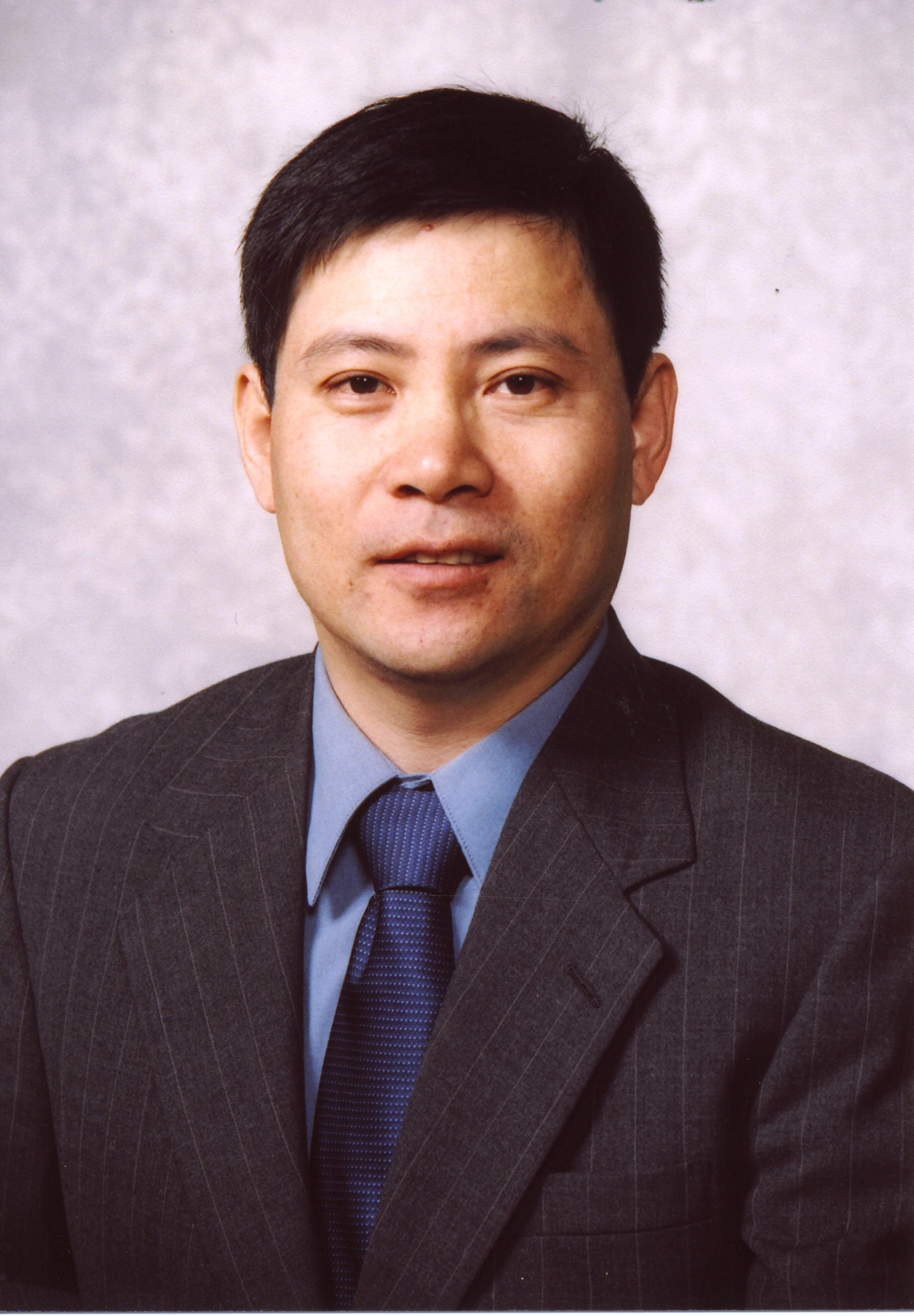
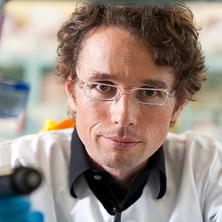
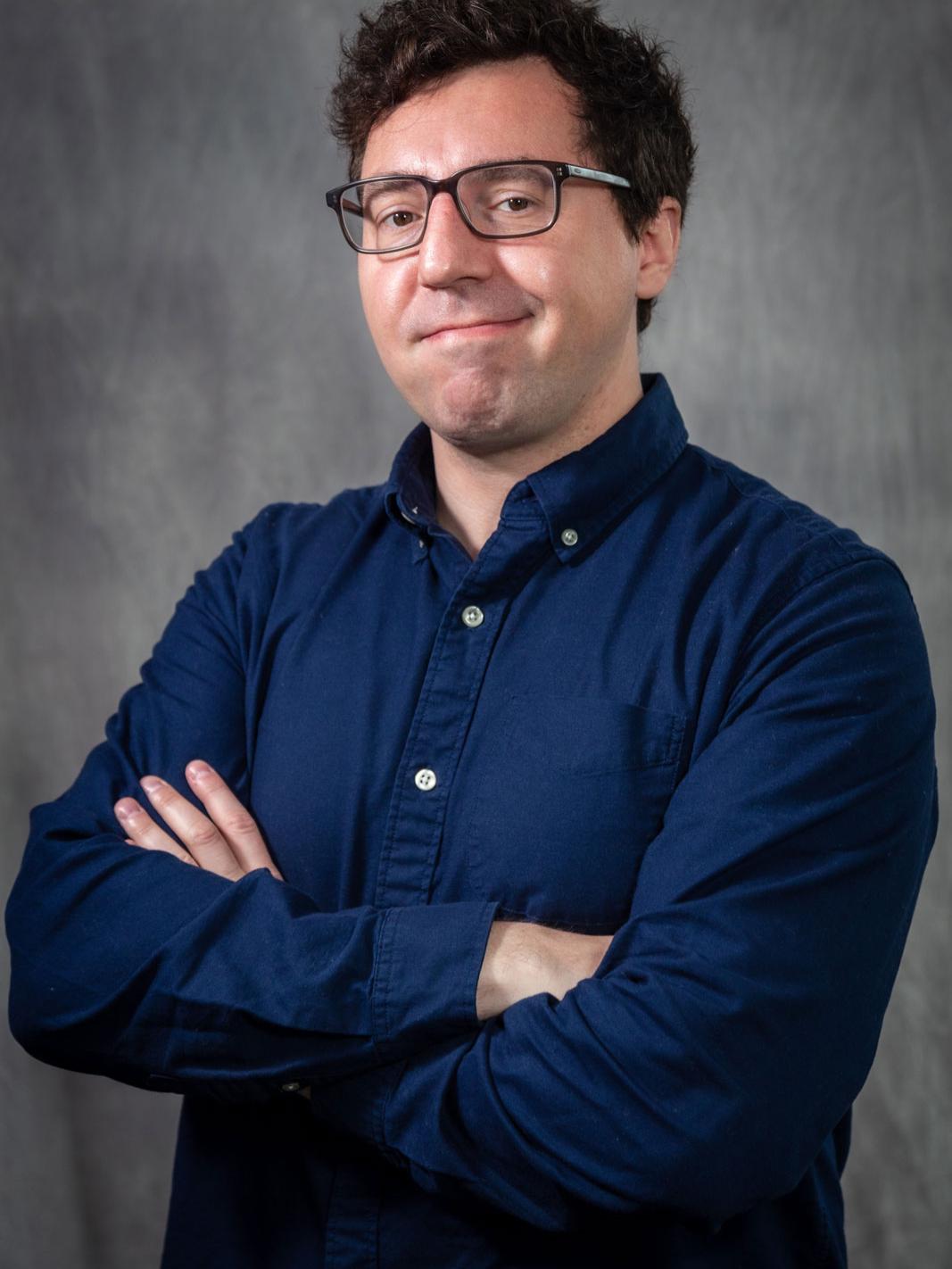
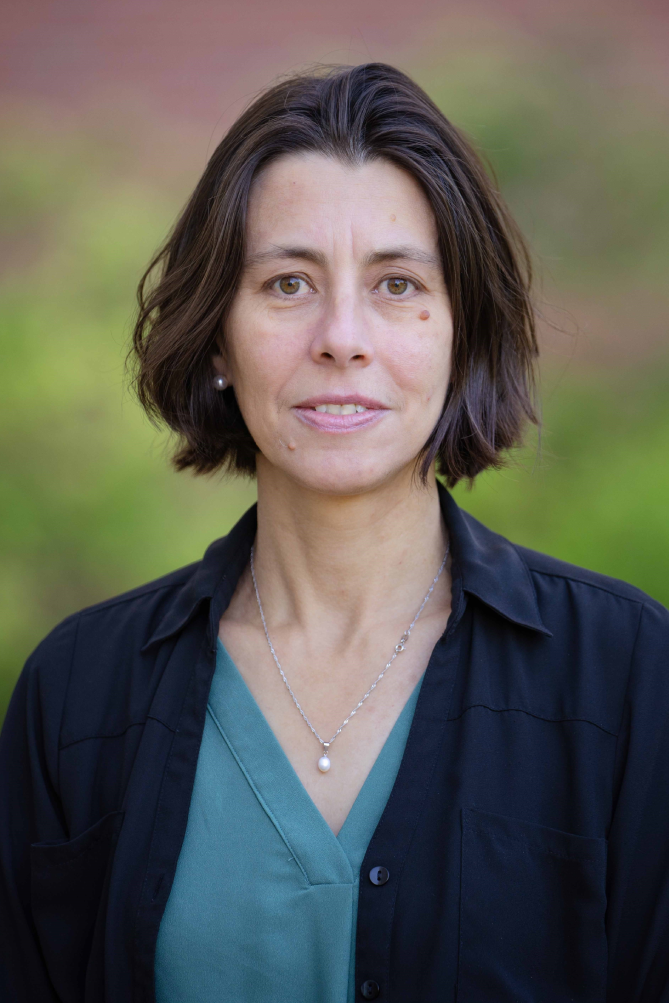
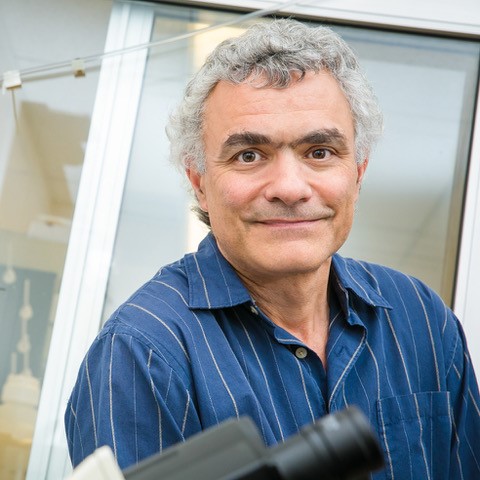
Dr. Sebastian Marquardt is an Associate Professor in the Department of Plant and Environmental Sciences at the University of Copenhagen , leading the Molecular Plant Biology section. His research focuses on uncovering molecular mechanisms of the non-coding genome and its role in organismal fitness. Education : PhD in Biological Sciences from the University of East Anglia (dissertation: Linking RNA Processing to Chromatin via Flowering Time Study) Research interests include: RNA polymerase II transcription in non-coding regions Short promoter-proximal RNAs (sppRNAs) and their correlation with gene expression Chromatin-based signaling during transcriptional interference Co-transcriptional RNA processing and modification Recent publications address topics like non-coding RNA isoforms in food security, co-transcriptional miRNA processing, and histone chaperone mechanisms in Arabidopsis. His work emphasizes transcriptional dynamics over RNA product functionality. Scientific awards include: EMBO Young Investigator Program (2020) Hallas-Møller Investigator Award (2015) European Research Council Starting Grant (2017) Novo Nordisk Ascending Investigator (2021) Marquardt supervised BSc thesis student Julie Overgaard Hansen and hosted researcher Lucia Gonzalo (2023). His laboratory developed innovative methods for detecting non-coding transcription units missed by conventional approaches.
Jiaxu Li is an Associate Professor at Mississippi State University's College of Agriculture and Life Sciences, Department of Plant and Soil Sciences. His research focuses on plant physiology mechanisms related to abiotic stress and post-translational modifications. Doctor of Philosophy (PhD), Plant Physiology, Pennsylvania State University Master of Science (MS), Plant Physiology, Hebei Normal University Bachelor of Science (BS), Biology, Shenyang Teachers College Research interests include: Protein kinase signaling pathways Histone methylation dynamics Post-translational modifications Abscisic acid regulatory mechanisms Abiotic stress responses Mass spectrometry-based proteomics His publications demonstrate expertise in abiotic stress tolerance in crops like peanut, rice, and soybean. Recent work addresses allergen modification in legumes and stress response mechanisms in Brassica species. Scientific recognitions: Multiple Mississippi Academy of Sciences presentation awards Excellence in Graduate Advising Award from BCHEPP Active in graduate student mentoring and affiliated with societies like American Society of Plant Biologists and Gamma Sigma Delta Honor Society.
Professor Nikolas Haass is a clinician-scientist at the Frazer Institute (University of Queensland) with expertise in melanoma cell biology and experimental therapy. His research focuses on dynamic tumor heterogeneity, combining real-time cell cycle imaging in 3D cultures and in vivo models with biochemical methods to study melanomagenesis and therapeutic targeting. University of Heidelberg (MD, Cell Biology PhD) University of Hamburg (Clinical Dermatology) Wistar Institute (Postdoc, 2003-2007) Centenary Institute/University of Sydney (Associate Faculty, 2007-2013) UQ Diamantina Institute (2013-2016 as Associate Professor, then promoted to Professor) His team has published 97 high-impact papers with >7500 citations, including landmark studies in Molecular Cancer Therapeutics , Cancer Research , and PNAS that were highlighted by Faculty 1000 Biology. Current grants include projects on tumor microenvironment modulation, endoplasmic reticulum stress induction, and melanoma brain metastasis therapy. He supervises multiple PhD students in areas including MITF-CDK4/6 interactions and 3D spheroid proteomics. His work bridges tumor-stroma interactions, immunogenic cell death, and advanced imaging technologies.
Dr. Tracy Johnson is a faculty member at the University of California, Los Angeles affiliated with the Molecular Biology Institute . With over 20 years of academic productivity, her research spans RNA splicing mechanisms, co-transcriptional regulation, and health services innovation. Key contributions to understanding spliceosome dynamics in Saccharomyces cerevisiae Interdisciplinary work connecting chromatin remodeling with metabolic regulation Leadership in healthcare systems analysis for vulnerable populations Publications between 2002-2021 demonstrate sustained expertise across molecular genetics and translational medicine. Notably, her 2019 work on H3K36 methylation and 2020 Science article on systemic racism in academia reflect both scientific and social impact.
Martina Brueckner is a Professor of Pediatrics (Cardiology) at Yale University School of Medicine, where she has been a faculty member since completing her fellowship in 1990. She holds primary appointments in Pediatric Cardiology and secondary appointments in Genetics, with affiliations across multiple departments including the Children's Heart Center, Genetics, Human Genome Sciences, Molecular Cell Biology, and the Pediatric Cardiogenetics Program. Dr. Brueckner earned her BS and MD degrees from the University of Virginia, completed her Pediatric Residency at the University of Pittsburgh, and finished her Pediatric Cardiology Fellowship at Yale. Her research program bridges developmental biology with clinical pediatric cardiology, focusing on the genetic and molecular mechanisms underlying congenital heart disease (CHD). Her laboratory has made groundbreaking contributions to understanding the role of cilia in establishing left-right asymmetry during embryonic development. Her team discovered that the axonemal dynein left-right dynein (lrd) is essential for vertebrate left-right asymmetry, and they demonstrated that polycystin-2 containing immotile cilia sense directional flow to initiate asymmetric signaling. Her current research focuses on three main areas: understanding cellular mechanisms of vertebrate LR asymmetry, elucidating the genetic architecture of CHD, and investigating chromatin regulation in cilia and cardiac development. Analysis of Dr. Brueckner's recent publications reveals a consistent focus on the intersection of genomics, developmental biology, and clinical cardiology. Her work increasingly integrates large-scale genomic approaches with basic developmental mechanisms, particularly examining how chromatin remodeling, cilia function, and calcium signaling contribute to cardiac development and disease. Her research has direct clinical implications, connecting genetic discoveries to improved patient care. Dr. Brueckner has received significant recognition for her work, including membership in the Association of American Physicians (2023), membership in the American Pediatric Society (2019), and the NHLBI Outstanding Investigator award from NIH (2019). As a physician-scientist, Dr. Brueckner co-founded one of the first pediatric cardiac genetics clinics at Yale-New Haven Children's Hospital, providing comprehensive diagnostic evaluation and follow-up care for patients with genetic-cardiovascular disease. She has been actively involved in the Pediatric Cardiac Genomics Consortium (PCGC), which has recruited approximately 13,000 patients with CHD to apply genomic approaches for understanding the genetics of congenital heart disease. Her laboratory continues to innovate with advanced technologies for live imaging of intraciliary calcium in zebrafish and mouse embryos, exploring the link between mechanical stimuli, calcium signaling, and asymmetric organ development. The Brueckner Lab maintains active collaborations with researchers across Yale and beyond, including Richard Lifton and the Yale Center for Genome Analysis.
Jean-Paul Armache is an Assistant Professor of Biochemistry and Molecular Biology at the Pennsylvania State University, affiliated with the Eberly College of Science. His research focuses on the structural and functional analysis of ATP-dependent chromatin remodeling complexes, particularly their role in gene regulation and nucleosome dynamics. He is also involved in virology studies related to SARS-CoV-2 and utilizes cryo-electron microscopy (cryo-EM) for high-resolution structural analysis of protein-DNA interactions. Key Affiliations: Molecular, Cellular, and Integrative Biosciences, Center for Structural Biology, Center for Infectious Disease Dynamics, Center for RNA Molecular Biology. Research Highlights: Mechanisms of chromatin remodeling enzymes, viral protein interactions with host ribosomes, and cryo-EM method development. His recent work includes seed-funded projects on SARS-CoV-2 nsp1 protein and collaborations on opioid settlement fund analysis. Publications span top journals like Nature , Science , and Molecular Cell , with expertise in structural biology and enzymology. Scientific Contributions: Developed cryo-EM methodologies for studying membrane proteins and nucleosome complexes. Elucidated regulatory mechanisms of chromatin remodelers like Chd1 and Dot1L. Investigated viral strategies for hijacking host translation machinery.
Verena Wally is a Researcher at the University Clinic for Dermatology and Allergology within Paracelsus Medical University . Her work focuses on Epidermolysis bullosa , Squamous cell carcinoma , and microRNA in skin diseases, with an emphasis on molecular mechanisms and therapeutic development. She leads projects such as Epigenetic modifiers in EB and miRNA targeting , contributing to gene editing advancements and drug repurposing strategies. Her research intersects Genodermatosis and Psoriasis pathologies. Notable scientific awards include the Bronze Science Prize (2009, 2012), Goldener Wissenschaftspreis der PMU (2018), and Isidor-Neumann Poster Preis (2013, 2015). She supervises thesis projects on topics like miRNA in situ hybridization and exosome delivery systems .
Stephen Buratowski is the Hamilton Kuhn Professor of Biological Chemistry and Molecular Pharmacology at Harvard Medical School, where he leads an active research laboratory studying the mechanisms of eukaryotic gene expression. His research has significantly advanced our understanding of RNA polymerase II transcription and its connections to chromatin modifications and mRNA processing. Dr. Buratowski's research focuses on three interconnected areas of gene expression: (A) the functions and interactions of RNA polymerase II basal transcription factors, (B) communication between chromatin and the transcription machinery, and (C) mRNA processing enzymes and their interactions with RNA polymerase II. His lab uses yeast Saccharomyces cerevisiae as a model system, employing biochemical, genetic, genomic, proteomic, and single-molecule approaches to dissect these complex processes. Analysis of his recent publications reveals consistent focus on transcription mechanisms, particularly the CTD code (phosphorylation patterns of RNA polymerase II's C-terminal domain), transcription elongation and termination mechanisms, and the interplay between transcription and chromatin modifications. His work has established fundamental principles in how histone modifications are targeted to specific genomic regions through connections with the transcription machinery. Elected to the 2025 class of the American Academy of Arts and Sciences Holds the prestigious Hamilton Kuhn Professorship, an endowed chair previously held by biochemistry giants including Chris Walsh, Gene Kennedy, Albert Baird Hastings, and Otto Folin Dr. Buratowski has mentored numerous successful scientists throughout his career, with many former lab members now holding faculty positions at institutions worldwide. His laboratory maintains active collaborations with other researchers, including Jarrod Marto at DFCI/HMS for proteomics work and Jeff Gelles at Brandeis University for single-molecule microscopy studies. The lab continues to investigate fundamental mechanisms of gene expression using cutting-edge approaches, including single-molecule studies of RNA polymerase II transcription and proteomics of transcription initiation and elongation complexes.
Elizabeth A. Heller is an Associate Professor of Pharmacology at the University of Pennsylvania within the Perelman School of Medicine and the Department of Systems Pharmacology and Translational Therapeutics . She is a member of the Penn Epigenetics Institute and directs the Neuroepigenetics Laboratory . Education: PhD in Molecular Biology, The Rockefeller University (2009) BA in Biology, University of Pennsylvania (2002) Stuyvesant High School (1998) Dr. Heller's research focuses on the epigenetic mechanisms underlying addiction, depression, and stress-related disorders. Her lab employs epigenetic editing tools (e.g., CRISPR/dCas9, zinc-finger proteins) to manipulate histone and DNA modifications at specific genes in vivo, investigating their causal roles in neuronal function and behavior. Key areas include alternative splicing , chromatin remodeling , and long-lasting effects of stress and drugs on neural circuitry. Recent publications highlight her work on sex-specific stress vulnerabilities , neuroepigenetic editing for therapeutic intervention , and computational models like MousiPLIER for pathway analysis. Her studies integrate high-throughput sequencing and behavioral assays to uncover gene-environment interactions. Grants and Collaborations: Dr. Heller has received funding for projects on epigenetic therapies and stress resilience , collaborating with institutions on neurodevelopmental disorders and neurodegenerative diseases . Labs and Teams: The Neuroepigenetics Laboratory trains graduate students and research specialists , with affiliations to interdisciplinary programs like CAMB and NGG . The lab emphasizes innovative methodologies , including stereotaxic surgery and single-sample sequencing .
Rajan Jain , MD, is the William Wikoff Smith Associate Professor in Cardiovascular Research at the University of Pennsylvania , affiliated with the Perelman School of Medicine and the Department of Medicine . With a dual background in cardiology and developmental biology, his lab investigates how 3D genome organization governs cardiac cell identity and disease. Key Research Areas: 3D chromatin spatial positioning in cardiomyocytes Pathogenic LMNA variants in laminopathies BET protein regulation of genome folding (BRD4-GATA4 axis) Cellular plasticity mechanisms in transdifferentiation Collaborations: Joyce Lab (3D Genomics) Lakadamyali Lab (Imaging) Raj Lab (Cell Plasticity) 4D Nucleome Consortium Scientific Awards: NIH New Innovator Award (DP2HL147123) NHLBI R01 Grant (HL139783) Transformative Research Award (R01GM137425) The lab employs genome-wide CRISPR screens , mouse/human iPSC models , and high-resolution imaging to decode spatial genome rules. Their work has redefined understanding of lamin-associated domains in cardiac development and BRD4 's role in cohesin stability.
Mia Levine is an Associate Professor of Biology at the University of Pennsylvania in the School of Arts and Sciences , where she leads the Levine Lab at the Penn Epigenetics Institute and Penn Center for Genome Integrity . Her research bridges evolutionary genetics, genomics, and cell biology to explore chromatin protein evolution and its impact on genome stability. Education: Ph.D. from the University of California, Davis (2009) Levine investigates how essential chromatin proteins—despite their critical roles in chromosome segregation and telomere integrity—are subject to rapid evolutionary change. Her work focuses on molecular mechanisms of innovation, including de novo gene birth and gene duplication , particularly in Drosophila systems. She examines adaptive responses in chromatin-remodeling factors, such as the Heterochromatin Protein 1 (HP1) family, and how these proteins mediate genome defense across environmental gradients. The Levine Lab has pioneered studies on the paradox of conserved nuclear processes relying on unconserved molecular machinery. Her team’s work on the Dosage Compensation Complex (DCC) and HP1 gene family reveals lineage-specific adaptations and functional diversification. Recent publications highlight cross-species genomic conflicts, telomere inheritance mechanisms, and the role of chromatin in environmental adaptation. Her research has implications for understanding evolutionary constraints on essential biological functions and the dynamics of intra-genomic conflict. Collaborations with the Penn Center for Genome Integrity underscore her focus on genome stability.
Mirella Meyer-Ficca is an Associate Professor with tenure in the Department of Animal, Dairy and Veterinary Sciences at Utah State University's College of Veterinary Medicine, promoted in July 2022 after joining as Research Assistant Professor in 2013. She directs graduate courses including Veterinary Toxicology and Environmental Epigenetics, leveraging expertise from postdoctoral training at the University of Arizona and University of Pennsylvania. Her educational background includes: PhD in Human Genetics and Virology, Eberhard-Karls-University of Tuebingen (2002), dissertation: "Analyses of Cytotoxicity of the Cardiotropic Coxsackievirus B3 and Development of Strategies for Immortalization of human Cardiomyocytes" MS in Biology (Genetics, Human Genetics, Zoology) and Chemistry (Organic Chemistry), University of Kaiserslautern (1997), thesis: "Molecular Cytogenetic Analysis of Spermiogenesis in the Rat" Dr. Meyer-Ficca investigates how environmental toxicants, dietary conditions, and aging alter the paternal germ-line epigenome to influence offspring health. Her lab uses niacin-dependent mouse models to study NAD decline effects on sperm quality, focusing on epigenetic marks like DNA methylation and histone modifications. This work aims to develop interventions for diseases like diabetes and autism linked to epigenetic dysregulation. Her 15 most recent publications (2025-2018) reveal a cohesive research trajectory centered on poly(ADP-ribose) metabolism in spermatogenesis, NAD+ biosynthesis, and transgenerational epigenetic inheritance. Key themes include reproductive aging, environmental toxicology impacts on sperm epigenetics, and niacin's role in mitigating age-related NAD decline, with applications in veterinary and human health. Major honors include: Undergraduate Research Mentor of the Year Award (College of Agriculture and Applied Sciences, 2024) ADVS Faculty Researcher of the Year (USU ADVS, 2019) Susan Heyner Award for Excellence in Research (University of Pennsylvania, 2011) Special Recognition Award in Basic Science (American Association for Cancer Research, 2004) She has mentored three graduate students to completion: Morgan Feuz (Veterinary Clinical and Life Sciences, 2023), Laura Miller (Veterinary Clinical and Life Sciences, 2022), and Micah Forbush (Animal, Dairy & Vet Sciences, 2020-2021). Her research is supported by grants investigating epigenetic mechanisms in reproductive toxicology, with recent funding enabling NAD metabolism studies in aging models. Dr. Meyer-Ficca leads a research team at USU utilizing advanced molecular techniques to analyze chromatin remodeling during spermatogenesis, with active collaborations in veterinary pharmacology and environmental health addressing real-world impacts of toxicant exposure on reproductive outcomes.
Biju Bhargavan, PhD , is an Instructor in the Department of Anesthesiology at the University of Nebraska Medical Center (UNMC), affiliated with the College of Medicine. His research focuses on molecular mechanisms of HIV-1-induced blood-brain barrier (BBB) dysfunction, neuroinflammation, and epigenetic regulation in neuroAIDS pathogenesis. PhD in Pharmacology, Central Drug Research Institute, Lucknow, India (2009) Research Interests: Dr. Bhargavan investigates how HIV-1 subtypes differentially affect BBB integrity through viral proteins, adhesion molecules, cytokines, and chemokine receptors. His work explores TLR signaling, epigenetic modifications (e.g., DNA methylation, histone acetylation), and nanomedicine-based drug delivery systems for CNS targeting. Scientific Contributions: He holds multiple international patents for pharmaceutical compositions targeting bone disorders using Butea isoflavones. His publications reveal key insights into: HIV-1 Tat protein interactions with TLR4/6 in neuroinflammation Epigenetic regulation of LEDGF in aging and oxidative stress TLR3-mediated IL-6 expression via JNK/TAK1 pathways SARS-CoV-2 spike protein effects on endothelial injury and coagulation Methodologies: Utilizes in vitro BBB models, humanized mice, and molecular signaling analyses to study viral neuropathogenesis and develop antiretroviral nanotherapeutics.
Sudarshawn Damodharan serves as an Assistant Professor in the Department of Pediatrics-Hematology and Oncology at the University of Chicago, where he conducts translational research bridging clinical pediatrics and molecular oncology. His work focuses on high-impact childhood cancers including brain tumors, leukemias, and retinoblastoma, with active collaborations across neurology, genomics, and public health disciplines. Dr. Damodharan's research centers on molecular mechanisms of pediatric malignancies, particularly diffuse midline glioma (H3 K27-altered) pathogenesis. His spatial profiling studies reveal critical region-specific differences in tumor biology and limited mRNA-protein correlation, challenging conventional biomarker approaches. Additional expertise spans acute myeloid leukemia genomics, CAR T-cell therapy outcomes, and cancer epidemiology as evidenced by his investigation into Wisconsin's retinoblastoma incidence patterns. His work consistently emphasizes therapeutic translation through clinical trial data integration and real-world evidence analysis. Publication analysis from 2018-2025 shows escalating focus on brain tumor molecular architecture, with 60% of recent work (2023-2025) dedicated to diffuse midline glioma characterization. Key trends include multi-omics integration (transcriptomics/proteomics), attention to treatment resistance mechanisms, and growing emphasis on public health implications of cancer incidence patterns. His collaborative network spans hematology, neuro-oncology, and immunotherapy domains with consistent co-authorship from University of Chicago colleagues. Dr. Damodharan maintains active research partnerships within the University of Chicago's pediatric oncology division, working alongside faculty including Wendy Darlington, Viviana Berthoud Barrandeguy, and Alexandre Chlenski. His physical proximity to researchers like Lorraine Canham and Rohini Chakravarthy facilitates cross-disciplinary projects in neuro-oncology and stem cell transplantation. The conceptual network derived from his publications highlights core expertise in glioma biology, histone modifications, and retinal neoplasms, positioning him at the intersection of molecular oncology and pediatric cancer therapeutics.
John Schimenti is a James Law Professor of Genetics at the Department of Biomedical Sciences , Cornell University College of Veterinary Medicine . His research focuses on the genetics of reproduction , meiosis , and genome maintenance , particularly checkpoint mechanisms that prevent chromosomal aberrations and birth defects. He has developed CRISPR-based models for studying human infertility alleles. Education: BA from Rutgers University, PhD from University of Cincinnati Children's Hospital, Postdoctoral training at Princeton University Professional Experience: Assistant Professor at Case Western Reserve University (1987-1992), Staff Scientist at The Jackson Laboratory (1992-2004), Director of Cornell Center for Vertebrate Genomics (2004-2019) Research Interests span reproductive genetics, DNA replication stress responses, and mechanisms ensuring germ cell quality. His recent work explores epigenetic regulators in primordial germ cell development and organoid mutagenesis for ovarian cancer drivers. Publications cover meiotic recombination, infertility genetics, ovarian cancer modeling, and genome stability during development. Key areas include CHK2/CHK1 signaling , CDK2 functions , and RABL2A variants . Scientific Awards : March of Dimes Basil O'Connor Award, Searle Scholars Award, NSF Presidential Young Investigator, AAAS Fellow, SUNY Chancellor's Award Teaching includes BioMG Genomics 4000/6000 for 19+ years. Affiliations: Primary in Biomedical Sciences (Cornell CVM), Joint in Molecular Biology and Genetics.