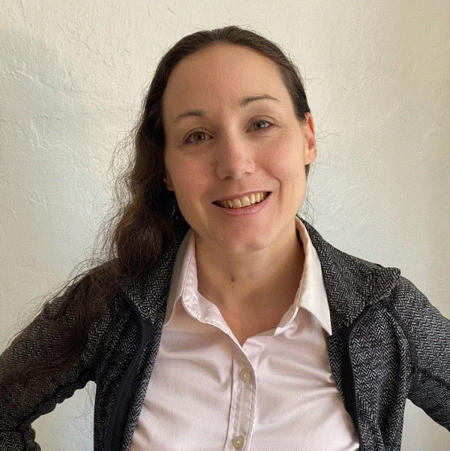
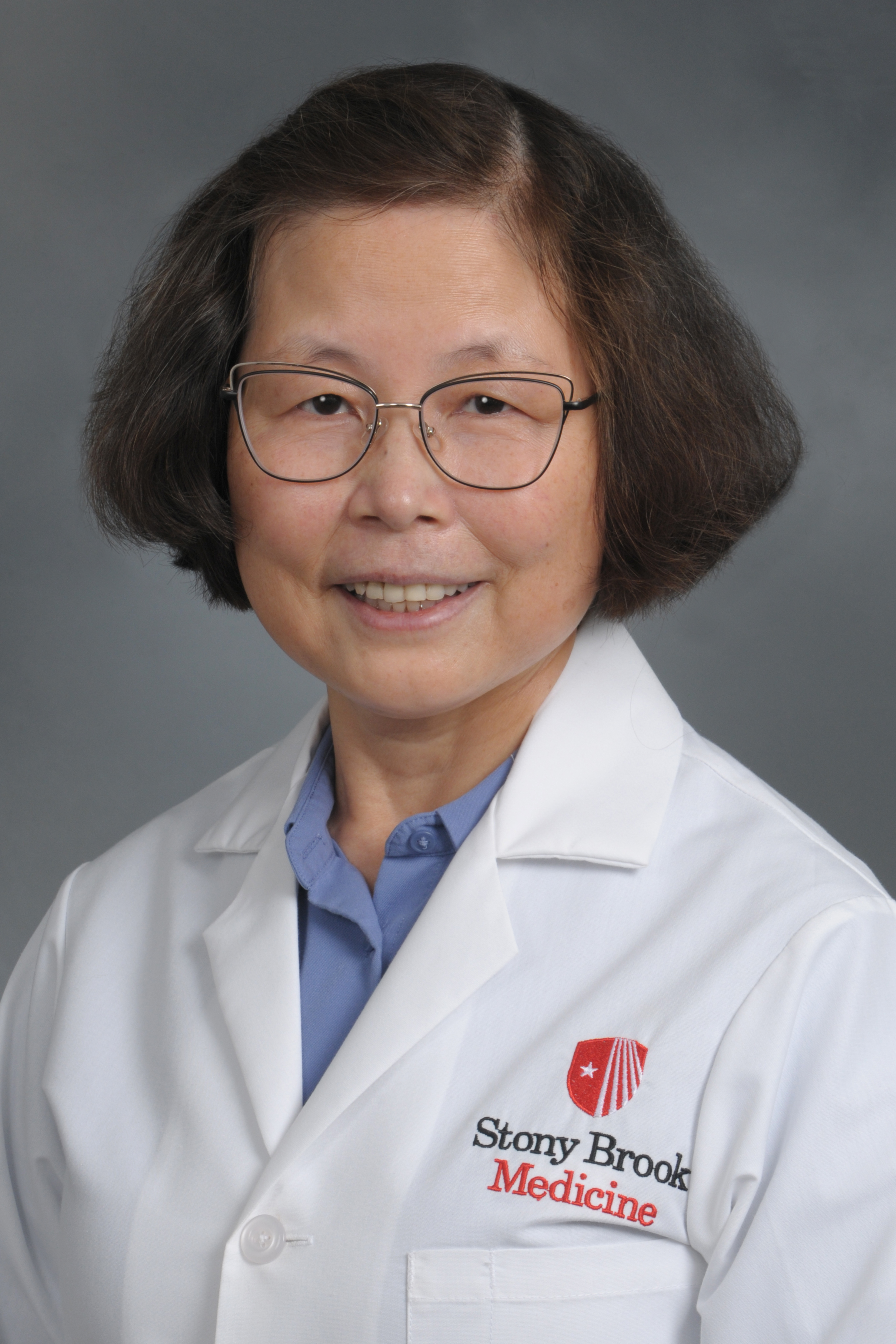
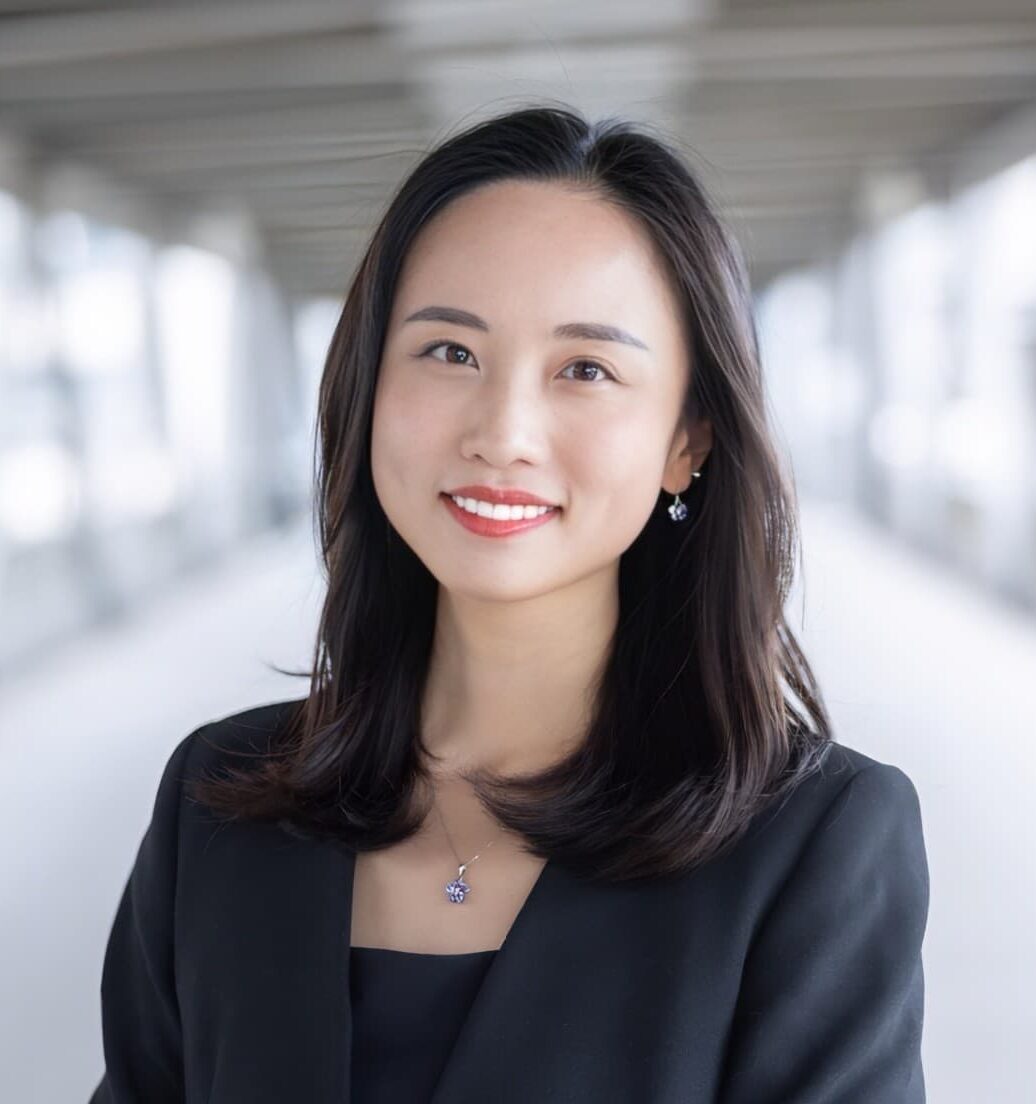
Daniela Strenkert is an Assistant Professor at Michigan State University, affiliated with the MSU-DOE Plant Research Laboratory, Plant Biology Department, Molecular Plant Sciences Program, BioMolecular Science Gateway, and Cell & Molecular Biology Program. Her research focuses on systems biology approaches to understand gene regulation in photosynthetic organisms. Ph.D., University of Kaiserslautern, Germany Her lab investigates photosynthetic performance through multi-omics analysis of chromatin structure, transcriptomes, proteomes, and metabolomes in Chlamydomonas reinhardtii . Key areas include environmental acclimation, histone modification mapping (GreENCODE project), and regulatory RNA characterization. Recent publications emphasize computational modeling of photosynthetic protein interactions, metal homeostasis under stress, and chloroplast protein import mechanisms. Articles span 2025-2010, with 15 most recent from 2025-2022. Her work integrates genome-wide datasets to decode algal regulatory programs under climate change-relevant stressors. She teaches BS 161: Cells and Molecules and maintains a lab at 106 Plant Biology Lab. Contact: strenke2@msu.edu .
Dr. Ramanjulu Sunkar is a Regents Professor in the Department of Biochemistry & Molecular Biology at Oklahoma State University. He leads research on epigenetic and small RNA mechanisms in plant stress responses, focusing on gene regulation under drought, heat, and abiotic stresses. His work integrates genomic tools like ChIP, RNA sequencing, and CRISPR/Cas9 to study stress tolerance in crops. Education: B.Sc. (Sri Venkateswara University), M.Sc. and Ph.D. (Sri Krishnadevaraya University, India), followed by postdoctoral research at the Weizmann Institute (Israel), University of Bonn (Germany), and UC Riverside (USA). He joined Oklahoma State University in 2006, becoming Professor in 2016 and Regents Professor in 2024. Research Interests: Epigenetic modifications (DNA methylation, histone changes), microRNA-guided gene regulation, plant stress memory, and translational control mechanisms. His lab uses model systems like Arabidopsis, rice, and sorghum to study adaptive responses to environmental challenges. Grants: Over 15 grants, including USDA-funded projects on microRNA roles in photosynthesis, epigenetic control of drought tolerance, and systems genetics in rice. NSF-EPSCoR support for bioenergy research. Teaching: Courses include 'Plant Biochemistry,' 'Epigenetics,' and graduate supervision through research credits. Developed new courses on plant stress biology and molecular techniques. Labs/Teams: Leads a research group focused on epigenomics and RNA regulation in plants. Collaborates internationally on projects like the Arabidopsis transcriptome and stress memory mechanisms.
Dr. Premdass Ramdas is a Senior Lecturer at Monash University Malaysia, affiliated with the Jeffrey Cheah School of Medicine and Health Sciences. He joined in October 2023 with over 13 years of experience in medical biotechnology and health sciences, focusing on cancer research and bioactive natural compounds. PhD in Cancer Proteomics and Genomics, University of Malaya MSc in Medical Sciences (Cancer Genomics and Natural Products), International Medical University BSc with First-Class Honors His research focuses on the anticancer mechanisms of tocotrienols, utilizing proteomics, genomics, bioinformatics, and mouse models. He explores epigenetics, nutrigenomics, RNA/microRNA analysis, exosome biology, and AI-driven big data in cancer. His work contributes to UN Sustainable Development Goals in health and well-being. Recent publications show a strong trend in systematic reviews and mechanistic studies on vitamin E analogues in cancer, particularly colorectal and breast cancers. His research integrates molecular biology with computational approaches, including molecular docking and data mining. First-class honors for BSc Malaysian Palm Oil Board Scholarship for MSc MyBrain15 Scholarship for PhD Dr. Ramdas has secured research grants such as FRGS and actively supervises research projects. He is currently accepting PhD students and has co-supervised non-HDR reviews, indicating active mentorship. He has no known labs or teams explicitly mentioned, but collaborates extensively, particularly with Prof. Radhakrishnan A.K.
Sachi Horibata is an Assistant Professor in the Department of Pharmacology & Toxicology at Michigan State University (MSU), affiliated with the College of Human Medicine. She is also associated with the Precision Health Program and the Neuroscience Program. Her research focuses on cancer biology, drug discovery, and computational genomics, with a particular emphasis on understanding mechanisms of drug resistance in cancers like acute myeloid leukemia (AML) and breast cancer. Dr. Horibata’s work integrates proteomics, transcriptomics, and cellular models to uncover therapeutic targets and biomarkers. She holds a PhD in Biological and Biomedical Sciences from Cornell University (2010–2016). Her research interests include genomic analysis of cancer heterogeneity, enzyme-driven cancer progression (e.g., PAD enzymes), and immune evasion mechanisms in tumors. Her recent studies highlight the role of protein citrullination in cancer cell migration and endocrine resistance. Dr. Horibata’s publications span topics in oncology, immunology, and molecular biology, with a focus on translational research. She teaches PHM 802: Cellular, Molecular and Integrated Systems Pharmacology. Her lab is located in the Interdisciplinary Science and Technology Building at MSU.
Dr. Scott Rothbart is a Professor in the Department of Epigenetics at Van Andel Institute (VAI), where he leads the Rothbart Laboratory. He earned his B.S. in Food Science and Human Nutrition from the University of Florida and his Ph.D. in Pharmacology and Toxicology from Virginia Commonwealth University. His postdoctoral training was conducted under Dr. Brian Strahl at the University of North Carolina at Chapel Hill. His research focuses on understanding chromatin accessibility, histone post-translational modifications, and DNA methylation's role in disease, particularly cancer. He translates this basic research into epigenetic target identification and drug discovery. Dr. Rothbart has contributed to groundbreaking studies on UHRF1’s role in DNA methylation maintenance and its therapeutic potential in cancer. He co-leads the VAI-SU2C Epigenetics Dream Team and directs the VAI Cancer Epigenetics Training Program. His work has been recognized with awards like the NIH MIRA Award and the American Cancer Society Research Scholar Grant. Research Interests: Chromatin biochemistry, cancer epigenetics, functional proteomics, histone modifications, and epigenetic drug development. His lab develops tools like peptide microarrays and functional proteomics platforms to study histone modifiers and their clinical relevance. Notable Achievements: Published over 122 peer-reviewed papers in 2024, including 63 in high-impact journals. Launched 15 clinical trials through the Epigenetics Dream Team. His lab’s work on viral mimicry therapies and epigenetic drug combinations has advanced cancer treatment strategies. Education: B.S. University of Florida (2004), Ph.D. Virginia Commonwealth University (2009), Postdoctoral Fellowship UNC Chapel Hill (2014).
Matthias Feige is an Associate Professor of Cellular Protein Biochemistry at the Technical University of Munich (TUM). He leads the Focus Group for Cellular Protein Biochemistry, previously serving as a Rudolf Mößbauer Tenure Track Assistant Professor. His research focuses on understanding cellular proteome integrity, particularly in the secretory pathway, combining protein biochemistry and cell biology. Key interests include protein folding, quality control mechanisms, and their biomedical applications. Education & Career: PhD in Biochemistry (2009), TUM under Johannes Buchner Postdoctoral Fellowship at St. Jude Children’s Research Hospital (Memphis, USA) with Linda Hendershot Head of the Cellular Protein Biochemistry Lab at TUM since 2015 Research Interests: Feige’s work explores molecular mechanisms governing protein biogenesis, secretory pathway proteins, and their roles in immunity. His interdisciplinary approach targets fundamental biology and translational applications like protein engineering and therapy development. Scientific Contributions: His publications highlight advancements in cytokine assembly, ER quality control, and protein aggregation mechanisms. Notable recent work includes studies on KDELR3 signaling, helminth immune modulation, and engineered cytokines. Awards & Recognition: Leopoldina Fellowship (2011–2014) Fellow of the Daimler and Benz Foundation (2016) Rainer Rudolph Award (2012) Multiple honors from TUM and international institutions Labs & Teams: He directs a lab investigating protein biogenesis and proteostasis. Collaborations span biochemistry, immunology, and structural biology, with a focus on translational research.
Noël J-M Raynal is a Professor in the Department of Pharmacology and Physiology at the Université de Montréal and a researcher at the CHU Sainte-Justine Research Center. His expertise lies in epigenetic pharmacology of cancer and drug discovery, particularly using 3D cell culture models to study pediatric and adult cancers. He has held senior research awards from the FRQS and has led multiple projects funded by CIHR, CRSNG, and others. His work focuses on developing novel therapies targeting epigenetic modifications in cancers like neuroblastoma, sarcomas, lung cancer, and triple-negative breast cancer. Education: Ph.D. in Biology (INRS-IAF, 2008), Postdoctoral training at MD Anderson Cancer Center and Temple University. Teaching roles include courses in pharmacology and physiology. Research affiliations: GRUM (University Research Group on Medicine), Azrieli Research Center at CHU Sainte-Justine Awards: Senior FRQS Scholar (2024–2028), Junior FRQS Awards (2016–2024) Supervised 15+ students in M.Sc. and Ph.D. programs, focusing on epigenetic drug discovery and 3D tumor modeling Active in grants: Over 20 projects funded by CIHR, FRQS, and industry partnerships Research highlights include repurposing drugs like disulfiram for neuroblastoma and developing CDK9 inhibitors. His lab innovates in 3D co-culture models to better mimic tumor environments and improve drug screening accuracy.
Daniela Rhodes is Professor at the School of Biological Sciences at Nanyang Technological University (since 2011) and Professor at the Lee Kong Chian School of Medicine (since 2012), where she also serves as Director of the Nanyang Institute of Structural Biology (since 2014). Previously, she spent her entire scientific career at the MRC Laboratory of Molecular Biology in Cambridge, UK, rising from Group Leader (1983) to Tenure (1987) to Full Professor (1994), and serving as Director of Studies (2003-2006). Her research focuses on the structure and function of chromatin, nucleic acids, and chromosome biology. Rhodes' work has significantly advanced our understanding of chromatin fiber organization, histone modifications, and telomere structure. Her laboratory has pioneered structural approaches to studying nucleosome organization and its implications for gene regulation and DNA packaging. Her scientific contributions have been recognized through election to prestigious academies and fellowships, including Member of Academia Europaea (2011), Fellow of the Royal Society (2007), EMBO Member (1996), and Official Fellow of Clare Hall, Cambridge (1992). Her publications primarily focus on chromatin structure, histone modifications, and nucleosome organization, with significant contributions to understanding how chromatin architecture influences gene expression and DNA function. Elected member of Academia Europaea (2011) Fellow of the Royal Society (FRS) (2007) Elected member of EMBO (1996) Official Fellow of Clare Hall, Cambridge Rhodes has extensive experience evaluating research grants for major international funding bodies including the UK Royal Society, US National Institutes of Health, European Research Council, Human Frontiers of Science Programme, and EMBO, which she has chaired since 2009. She has also served as Visiting Professor at La Sapienza University in Rome and Rockefeller University in New York. As Director of the Nanyang Institute of Structural Biology, she leads a research team focused on advancing structural approaches to understanding biomolecular complexes, particularly in the areas of chromatin organization and nucleic acid-protein interactions. Her work bridges traditional biochemistry with cutting-edge structural methodologies to address fundamental questions in molecular biology.
Edel Hyland is a Senior Lecturer in Biochemistry at Queen's University Belfast's School of Biological Sciences, affiliated with the Institute for Global Food Security since 2015. Her research examines how genome architecture influences environmental adaptation through chromatin dynamics, utilizing yeast pathogens from the Saccharomycotina subphylum with active PhD recruitment in antifungal resistance. Her academic training includes a BSc in Biochemistry from Trinity College Dublin (1996-2000), PhD under Prof. Jef Boeke at Johns Hopkins School of Medicine (2002-2008), and postdoctoral work at Harvard Medical School (2001-2002), Harvard University (2009-2014), and Dublin City University (2014-2015). Research centers on chromatin-based gene regulation mechanisms across evolutionary timescales, specifically investigating: experimental evolution of Saccharomyces cerevisiae histone variants, CRISPR-Cas9 reverse genetics in Candida glabrata virulence, and comparative epigenomics of histone marks in fungal pathogens. This work directly addresses antifungal resistance and phenotypic plasticity in human-infecting yeasts. Recent publications (2019-2023) reveal strong interdisciplinary trends combining medical mycology with evolutionary genomics, particularly in Candida drug resistance mechanisms. Parallel work extends to malaria pathogenesis (Plasmodium transporters) and innate immune evolution, consistently applying chromatin analysis to pathogen adaptation challenges. She holds the Charles A. King Postdoctoral Fellowship award and serves as Co-Investigator on two major research projects: IMMACULATE: Improving Mass Spectrometry Sustainability in Food, Environmental, and Health Research (2023-present) Phosphorus from wastewater: Novel technologies for advanced treatment and re-use (2014-present) Hyland coordinates undergraduate Experimental Biochemistry (BIO2102) and MSc Protein Structure & Function (BBC8039) modules while actively supervising PhD students. Her laboratory focuses on yeast epigenetics within the Institute for Global Food Security, maintaining international collaborations evidenced by co-author networks spanning the USA, Ireland, and UK, and participates in science outreach including the Northern Ireland Science Festival.
Susanne Bornelöv is a Professor in the Department of Biochemistry at the University of Cambridge. Her research focuses on computational genomics and gene regulation, particularly exploring posttranscriptional mechanisms such as codon optimality-mediated mRNA decay and transposon silencing. She uses computational methods, ribosome profiling, and Drosophila models to study how codon usage, tRNA availability, and RNA modifications influence gene regulation and genome evolution. Her work integrates artificial intelligence (AI) and comparative genomics to model gene regulatory processes and design novel regulatory elements. Key research areas include piRNA clusters' roles in suppressing retroviruses, codon usage bias in pluripotent stem cells, and the interplay between mRNA methylation and protein synthesis. The Bornelöv Group collaborates widely, including with institutions like Cold Spring Harbor Laboratory, to advance understanding of fundamental gene expression principles. Publications highlight contributions to topics like deep learning in genomics, evolutionary conserved piRNA mechanisms, and transcriptional regulation. She leads a group open to interns, students, and researchers, fostering interdisciplinary approaches to address complex biological questions.
Jessica A. Mong, PhD , is a Professor in the Department of Pharmacology & Physiology at the University of Maryland School of Medicine , where she also serves as Assistant Dean for Graduate & Post-Doctoral Studies and Director of Graduate Education for the Program in Neuroscience. Her research focuses on the neuroendocrine mechanisms underlying sex differences in sleep circuitry and the estrogenic modulation of sleep-wake cycles. Primary Appointment: Pharmacology & Physiology Administrative Title: Assistant Dean for Graduate & Post-Doctoral Studies Laboratory Director: Program in Neuroscience Research Interests: Dr. Mong's work investigates how ovarian steroids influence sleep-wake behavior through sexually differentiated neuroanatomical substrates. Key areas include: Mechanisms of estrogenic modulation in the median preoptic nucleus (MnPN) Developmental programming of sex differences in sleep sensitivity Translational studies using rodent and nonhuman primate models of menopause Functional significance of hormonal influences on sleep quality and recovery Scientific Trends: Her recent publications (2023-2025) emphasize: Role of KCNMA1 channelopathy in sleep regulation Adenosinergic signaling in MnPN Translational menopause models Estrogen's protective effects against noise-induced hearing loss Sex-dependent responses to kynurenine pathway challenges Awards & Appointments: NIH BIRCWH Scholar (Building Interdisciplinary Research Careers in Women's Health) Co-Chair, Society for Women’s Health Research Interdisciplinary Research Network on Sex-Differences in Sleep Health NIH/NHLBI R01 HL129138 grant recipient Education & Training: B.S., Biology, Gettysburg College (1987-1991) Ph.D., Neuropharmacology, University of Maryland Baltimore (1994-2000) NIH Postdoctoral Fellowship in Endocrinology, Rockefeller University (2000-2003)
Zhishan Wang, MD, PhD is a Research Professor in the Department of Pathology at Stony Brook University's Renaissance School of Medicine . His work focuses on environmental carcinogenesis , particularly mechanisms of cancer biology and cancer therapy , with a specialization in metal-induced carcinogenicity. Research Interests: Environmental Carcinogenesis Epigenetic and Epitranscriptomic Mechanisms Tumor Microenvironment Remodeling Metal Toxicity Pathobiology Non-Coding RNA Regulatory Networks Scientific Contributions: Analysis of 15 recent publications reveals expertise in: Metal-Induced Oncogenic Pathways (e.g., NF-κB activation, Hedgehog signaling) RNA Modification Dynamics (m6A, lncRNA-splicing interactions) Stem Cell Plasticity in Carcinogenesis Multi-Carcinogen Synergy Mechanisms Epigenetic-Genotoxic Interplay Transcriptomic Reprogramming by Toxicants
Hokyung Kay Chung, PhD is an Assistant Professor in the Department of Cell Biology and Physiology at the University of North Carolina at Chapel Hill School of Medicine and a member of the UNC Lineberger Comprehensive Cancer Center. Her research program integrates synthetic biology, immunology, and cancer biology to engineer T cells for enhanced anti-tumor efficacy. Dr. Chung's research focuses on harnessing synthetic biology to reprogram T cell differentiation states for cancer immunotherapy. Her laboratory employs protein engineering, next-generation sequencing, CRISPR screening, and bioinformatics to develop three core platforms: (1) Transcription factor recipes for T cell programming using multiomics atlas-based analysis and in vivo CRISPR screening; (2) Synthetic toolkits for designer immunity including drug-inducible transcription factor circuits and signal rewiring platforms; (3) Hijacking tumors via engineered oncolytic viruses to encode immune modulators. Her work aims to create context-specific cell state programming that enhances T cell therapy efficacy across diverse cancer types. Her publication portfolio demonstrates significant contributions to synthetic immunology, with high-impact papers in Science, Nature Chemical Biology, Cell, and Immunity covering protease-based control systems, T cell differentiation engineering, and tumor microenvironment remodeling. Recent work includes developing sonogenetic CAR-T cells controllable by ultrasound and elucidating metabolic mechanisms of T cell exhaustion. K01 Research Scientist Development Award, NIH, 2023 Keystone Symposia Future of Science Fund Scholarship, 2020 Damon Runyon Fellowship Award, 2019 Salk Women & Science Special Award, 2019 Hans Neurath Outstanding Promise Travel Award, 2017 Dr. Chung leads the Chung Lab at the UNC Lineberger Comprehensive Cancer Center, where she directs research on synthetic T cell engineering. Her lab utilizes advanced techniques including single-cell CRISPR screening, protein engineering, and oncolytic virology to develop next-generation immunotherapies. Current projects focus on creating artificial T cell differentiation pathways and engineering the tumor microenvironment to support persistent anti-tumor immunity.
Duncan J Clarke is a Professor in the Department of Genetics, Cell Biology and Development at the University of Minnesota Medical School. His research focuses on the molecular mechanisms of chromosome segregation during cell division, with particular emphasis on the role of DNA topoisomerases and related proteins. Dr. Clarke's research interests include: Mechanisms of chromosome segregation during mitosis Function of DNA topoisomerase II in centromere and kinetochore regulation Role of SUMOylation in chromosome dynamics Spindle assembly checkpoint mechanisms Interactions between histone modifications and chromosome segregation machinery Connections between DNA topology and cell division His recent publications reveal a strong focus on the molecular details of chromosome segregation, particularly examining how DNA topoisomerases, histone modifications, and microtubule dynamics coordinate to ensure accurate chromosome distribution during cell division. His work bridges basic molecular mechanisms with potential clinical applications in cancer therapy, as evidenced by his research on topoisomerase inhibitors. Dr. Clarke has received significant research funding from NIH, including: Control of Chromosome Segregation by DNA Topoisomerase II (2024-2028) A high-throughput screen for inhibitors of Plk1-interacting checkpoint helicase (PICH) (2022-2025) Multiple previous NIH-funded projects dating back to 2003 His laboratory utilizes both yeast and mammalian model systems to investigate fundamental mechanisms of chromosome segregation that are conserved across species, with potential implications for understanding cancer development and improving cancer therapies.
Heather R. Christofk is a Professor in the Department of Biological Chemistry at the David Geffen School of Medicine at UCLA. Her research focuses on the intricate relationship between cellular metabolism and various biological processes, particularly in the contexts of cancer development, stem cell function, and viral infections. Education: PhD in Cell and Developmental Biology from Harvard University (2007) BS in Molecular, Cell, and Developmental Biology from UCLA (2001) Dr. Christofk's research program centers on understanding how metabolic pathways regulate cellular processes in both normal physiology and disease states. Her laboratory has made significant contributions to understanding how cancer cells reprogram their metabolism to support rapid growth and proliferation, with particular focus on glucose metabolism, amino acid utilization, and metabolic adaptations in tumor microenvironments. She has also pioneered work on the metabolic regulation of stem cell function, especially in hair follicle stem cells, demonstrating how metabolic pathways control stem cell activation and differentiation. Her research has important implications for developing novel therapeutic approaches that target cancer metabolism while preserving normal tissue function. Analysis of Dr. Christofk's recent publications reveals a strong focus on metabolic heterogeneity across different biological contexts. Her work spans cancer metabolism (particularly in liposarcoma, melanoma, and hepatocellular carcinoma), stem cell metabolism (especially hair follicle stem cells), viral metabolism (including Epstein-Barr virus and Zika virus), and developmental metabolism (fetal development and organogenesis). A recurring theme is how metabolic pathways serve as regulatory nodes that control cell fate decisions, tumor progression, and therapeutic responses. Selected Research Funding: Metabolic Control of Hair Follicle Stem Cell Homeostasis and Tumorigenesis (NIH R01AR070245, 2018-2023) - Co-Principal Investigator Nutrient regulation of cancer cell growth (NIH R01CA215185, 2017-2022) - Principal Investigator Regulation of the Warburg Effect in Cancer (NIH DP2OD008454, 2011-2016) - Principal Investigator Dr. Christofk's laboratory maintains active collaborations across multiple disciplines, working with clinicians, basic scientists, and computational biologists to address complex questions in metabolism and disease. Her team employs a range of cutting-edge techniques including metabolomics, stable isotope tracing, molecular biology, and in vivo models to investigate metabolic regulation in health and disease.