معرفی
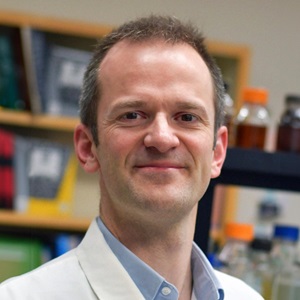
Edel Hyland is a Senior Lecturer in Biochemistry at Queen's University Belfast's School of Biological Sciences, affiliated with the Institute for Global Food Security since 2015. Her research examines how genome architecture influences environmental adaptation through chromatin dynamics, utilizing yeast pathogens from the Saccharomycotina subphylum with active PhD recruitment in antifungal resistance.
Her academic training includes a BSc in Biochemistry from Trinity College Dublin (1996-2000), PhD under Prof. Jef Boeke at Johns Hopkins School of Medicine (2002-2008), and postdoctoral work at Harvard Medical School (2001-2002), Harvard University (2009-2014), and Dublin City University (2014-2015).
Research centers on chromatin-based gene regulation mechanisms across evolutionary timescales, specifically investigating: experimental evolution of Saccharomyces cerevisiae histone variants, CRISPR-Cas9 reverse genetics in Candida glabrata virulence, and comparative epigenomics of histone marks in fungal pathogens. This work directly addresses antifungal resistance and phenotypic plasticity in human-infecting yeasts.
Recent publications (2019-2023) reveal strong interdisciplinary trends combining medical mycology with evolutionary genomics, particularly in Candida drug resistance mechanisms. Parallel work extends to malaria pathogenesis (Plasmodium transporters) and innate immune evolution, consistently applying chromatin analysis to pathogen adaptation challenges.
She holds the Charles A. King Postdoctoral Fellowship award and serves as Co-Investigator on two major research projects:
- IMMACULATE: Improving Mass Spectrometry Sustainability in Food, Environmental, and Health Research (2023-present)
- Phosphorus from wastewater: Novel technologies for advanced treatment and re-use (2014-present)
Hyland coordinates undergraduate Experimental Biochemistry (BIO2102) and MSc Protein Structure & Function (BBC8039) modules while actively supervising PhD students. Her laboratory focuses on yeast epigenetics within the Institute for Global Food Security, maintaining international collaborations evidenced by co-author networks spanning the USA, Ireland, and UK, and participates in science outreach including the Northern Ireland Science Festival.