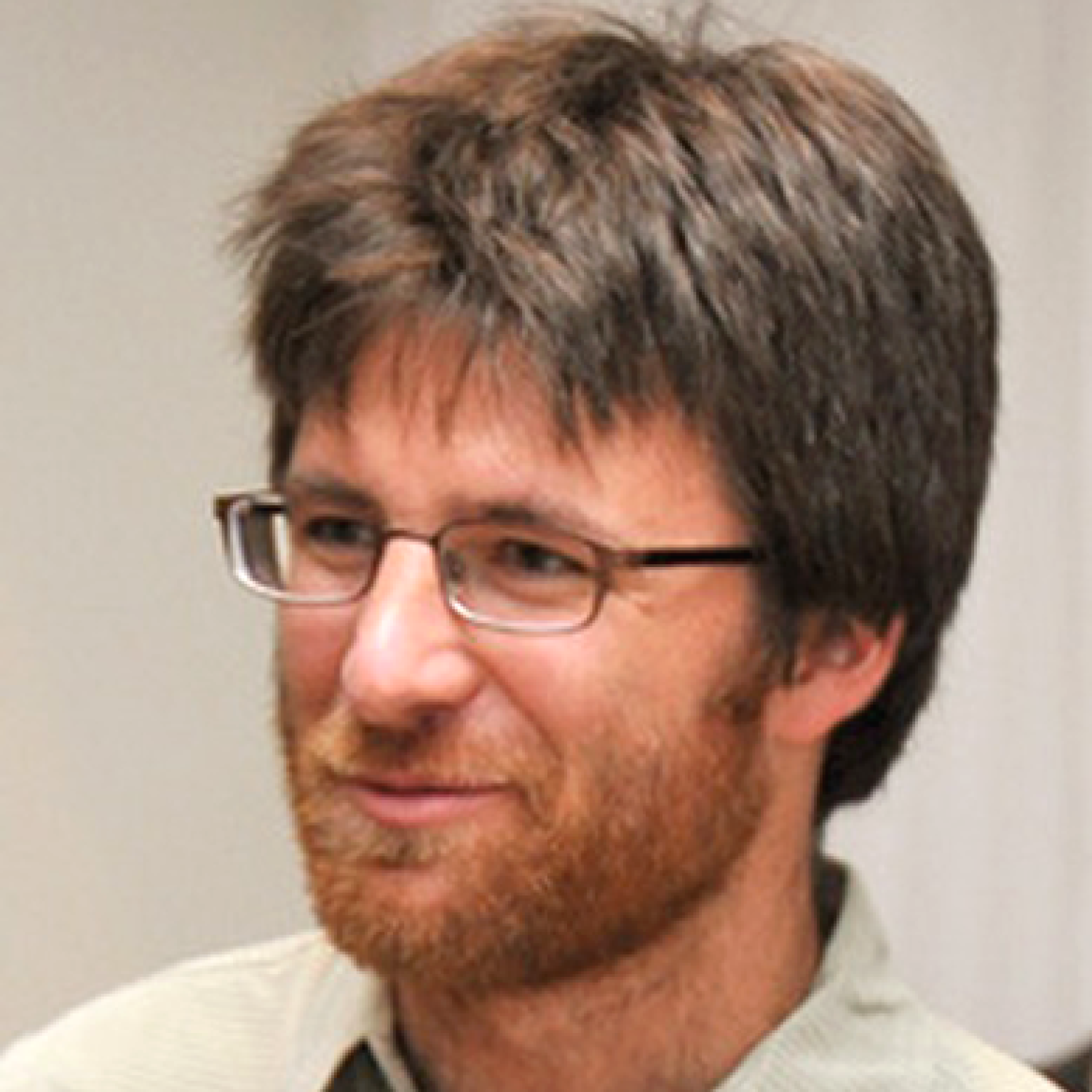
Jianhua Fan is an Associate Professor in the Department of Civil and Mechanical Engineering at the Technical University of Denmark (DTU). His research focuses on renewable energy systems, thermal energy storage, and sustainable district heating. He holds a PhD from Tsinghua University (2000–2004) and has authored over 220 publications. His work aligns with UN Sustainable Development Goals, particularly in clean energy and climate action. Education: PhD in Engineering, Tsinghua University (2000–2004) Research interests include solar thermal collectors, heat storage technologies, and computational fluid dynamics (CFD). He leads projects on large-scale thermal energy storage and solar district heating systems, emphasizing Tibetan Plateau climate conditions and building renovation synergies. Recent studies explore photovoltaic power station distribution in complex terrains and borehole heat exchanger optimization. Current projects include AI-enhanced CFD simulation platforms and pit thermal energy storage systems. He serves on the Board of Directors of the International Solar Energy Society and edits the journal Solar Energy . His work bridges theoretical modeling with practical implementation in sustainable energy systems.
Jed Brown is an Associate Professor and Associate Chair of Inclusion in the Department of Computer Science at the University of Colorado Boulder. He holds a Dr.Sc. in computational methods from ETH Zürich and has a background in developing high-performance scientific computing tools like the PETSc library. His research focuses on fast algorithms, parallel computing, and robust community software for modeling physical systems. Education: Dr.Sc. in Computational Methods, ETH Zürich Affiliations: Center for Efficient Exascale Discretization (CEED), Parallel Ice Sheet Model (PISM) project Research interests include scalable numerical methods, GPU acceleration for exascale systems, and software sustainability. Key achievements include the 2015 SIAM/ACM Prize for contributions to computational science and the 2010 Piolet d'Or for mountaineering. He teaches courses on numerical methods and high-performance computing and leads the PhyPID research group. Awards: 2015 SIAM/ACM Prize, 2014 IEEE TCSC Young Achiever Award, 2010 Piolet d'Or Advocacy efforts include promoting academic freedom and equity in STEM through initiatives like the University of Colorado’s Inclusion Committee. Active in open-source software development and community-building in computational science.
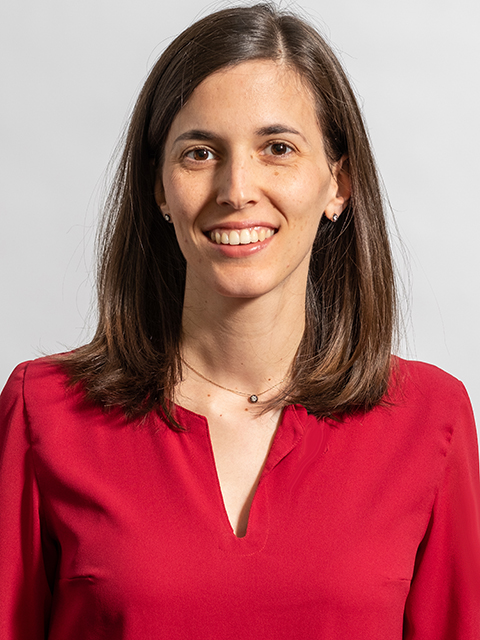
Dr. Ana Blanco is a Reader in Advanced Construction Materials and Methods and holds leadership roles as Deputy Director of Doctoral Programmes and Deputy Lead of the Civil Engineering Group. Her research focuses on low-carbon alternatives, multi-functional cementitious composites, and novel repair techniques for resilient infrastructure. She leads the EPSRC-funded Re3DSkin project, exploring self-healing engineered composites for asset longevity. Collaborations include Specwall Alliance, Network Rail, and the development of sprayed ultra-high-performance concrete (UHPC) sandwich panels. Education: BSc, MSc, PhD in Civil Engineering; Chartered Engineer (CEng), Member of Institution of Civil Engineers (MICE), Member of Institution of Civil and Structural Engineers (MICST), Fellow of the Higher Education Academy (FHEA), and Member of UK Young Academy (UKYA). Research spans sustainable construction materials, fiber-reinforced concrete, and infrastructure resilience. Key areas include 3D-printed cementitious skins, low-carbon mixes, and durability of RAAC structures. Her work emphasizes environmental impact reduction and scalable solutions for urban and civil infrastructure. Grants and projects include the EPSRC New Investigator Award (EP/W028867/1) and industry partnerships addressing tunnel repairs and sustainable trench designs. She advises on PhD topics related to self-healing concrete, recycled materials, and 3D concrete printing. Labs/Teams: Active in the Civil Engineering Group, focusing on advanced materials and structural innovation. Collaborates with global institutions on infrastructure sustainability and failure diagnostics.
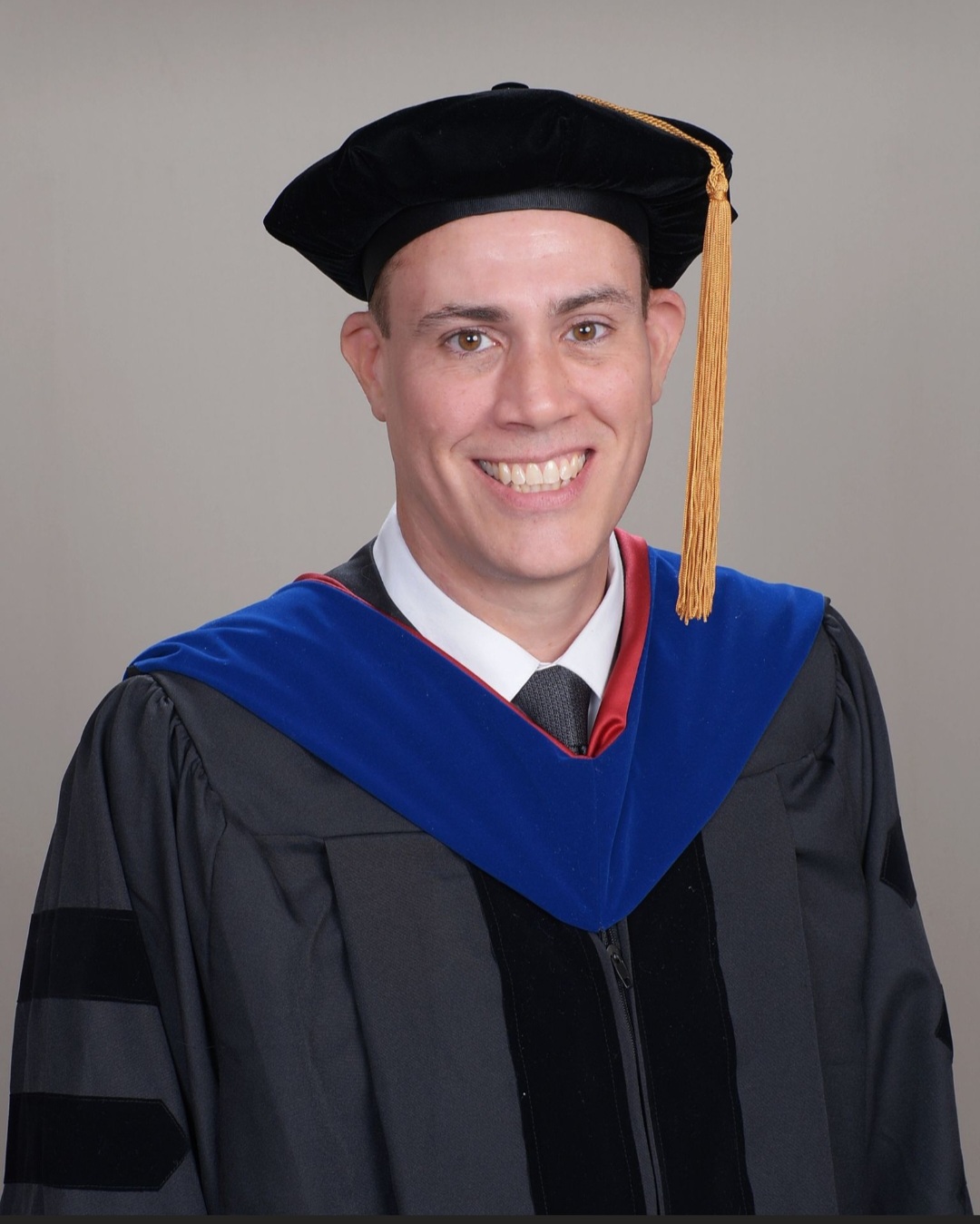
Athanasios Paschalis is a Lecturer in Hydrology at the Department of Civil and Environmental Engineering, Faculty of Engineering, Imperial College London. He is affiliated with the Grantham Institute, the Climate and Health initiative, and the Earth Observation Network, reflecting his interdisciplinary focus on environmental systems and climate resilience. His educational background includes a PhD in Hydrology from ETH Zurich (2013) and a degree in Civil Engineering from the National Technical University of Athens (2009). Prior to joining Imperial College in 2017, he held research positions at Duke University (2014–2015) and the University of Southampton (2015–2017). Dr. Paschalis's research centers on ecohydrological and ecosystem modelling, with emphasis on soil-plant-atmosphere interactions, stochastic methods for hydrological applications, and climate change impacts. He develops and applies the Tethys-Chloris (T&C) model to study vegetation dynamics, carbon and water cycles, and urban climate effects. His work integrates computational modelling with field and satellite data to assess risks related to natural hazards, urban heat islands, and ecosystem productivity under changing climates. His recent publications (2023–2025) demonstrate a strong trend toward interdisciplinary environmental modelling, particularly in urban sustainability, climate mitigation (e.g., enhanced rock weathering), and agricultural resilience. The articles reflect expertise in ecohydrology, urban climate, and high-resolution climate modelling, often using convection-permitting simulations and mechanistic ecosystem models. Dr. Paschalis has no listed scientific awards in the provided text. He advises students in hydrology and environmental engineering, though specific names are not listed. His research is supported by interdisciplinary collaborations across climate science, urban planning, and environmental engineering. He has contributed to projects on urban flood risk, green infrastructure, and the co-benefits of climate adaptation strategies. He leads and contributes to research within collaborative networks focused on climate resilience, including the Grantham Institute and Earth Observation Network, and his work often involves numerical modelling of urban and natural systems under future climate scenarios.
Dr. Tim Gerrits is a researcher at the Institute for Visualization (VIS) at RWTH Aachen University, where he leads the Visualization Team. His work bridges scientific visualization, high-performance computing, and immersive technologies, with a strong focus on in-situ and in-transit analysis for large-scale simulations. University: RWTH Aachen University Institute: Institute for Visualization (VIS) Role: Lead of the Visualization Team Tim Gerrits' research centers on developing tools and frameworks for efficient and interactive visualization of complex scientific data. His interests include ensemble data analysis, uncertainty visualization, virtual reality interaction techniques, and leveraging game engines like Unreal Engine for scientific applications. He is particularly active in the domain of neuronal network simulations and oceanographic modeling. His recent publications highlight a strong trend toward accessible, real-time, and hybrid visualization workflows. He has contributed to the development of DaVE, a curated database of visualization examples to support HPC users, and Insite, a lightweight pipeline for in-transit processing in neuroscience simulations. His work emphasizes usability, performance, and integration with existing scientific workflows. Scientific Awards: Best Paper Award at IEEE Uncertainty Visualization Workshop, 2024 Honorable Mention Award at Eurographics Workshop on Visual Computing for Biology and Medicine (VCBM), 2022 Dr. Gerrits actively mentors and collaborates on interdisciplinary projects involving computational neuroscience and climate modeling. He has led the curation of datasets for the IEEE SciVis Contest and promotes open science through Zenodo-hosted resources. His lab focuses on building scalable, user-centered visualization systems that empower domain scientists to gain early insights from massive simulations.
Li Shao is a Professor at the University of Reading, affiliated with the School of Construction Management and Engineering. His research focuses on building energy efficiency, indoor environmental quality, and sustainable technologies. He actively contributes to advancing smart building systems, occupancy modeling, and urban climate resilience. His research interests include building energy efficiency, indoor environmental quality, occupancy modeling, smart ventilation, urban climate, building-integrated photovoltaics (BIPV), and sustainable building technologies. His work integrates data-driven approaches with building physics to improve energy performance and occupant well-being. The recent publications show a strong trend toward data-informed building control, with emphasis on occupancy detection using Wi-Fi and thermal imaging, smart ventilation for infection control (especially post-COVID), and radiative performance of urban vegetation. His work bridges engineering, environmental science, and urban sustainability. Sustainability indicators of a naturally ventilated photovoltaic façade system (2020) A key review of building integrated photovoltaic (BIPV) systems (2017) Ranking of interventions to reduce dwelling overheating during heatwaves (2012) Li Shao has advised multiple researchers including X. Lyu, B. Alfalah, and Q. Wang, and has been involved in projects related to energy behavior monitoring, BIPV systems, and urban tree cooling. While specific grants are not listed, his sustained publication record indicates active research funding. He leads a research group focused on sustainable building technologies and urban environmental performance. He is involved in a research group at the University of Reading that investigates building energy systems, urban climate interactions, and smart control strategies. This team employs field measurements, modeling, and data analytics to develop practical solutions for sustainable built environments.
Gabriele Lobaccaro is a Professor at the Department of Civil and Environmental Engineering, NTNU, within the Faculty of Engineering. His primary focus is on sustainable urban development, renewable energy integration, and climate-resilient architectural design. He leads research in solar energy planning through initiatives like the IEA SHC Task 51 and COST Action PEARL PV. Education: MSc from Politecnico di Milano (2008), PhD in Structural Engineering (Politecnico di Milano/UNSW Sydney, 2013) Research interests include Smart Cities, urban solar potential analysis, and building-integrated photovoltaics (BIPV). Key projects involve the HELIOS-NFR FRIPRO program and collaborations with French institutions via the Åsgård Program. Publications emphasize solar irradiance modeling, urban energy systems, and legislative frameworks for solar neighborhoods. He co-leads Subtask C of the IEA SHC Task 51, focusing on case studies and action research. Awards: ISSNAF/CNI Scholarship for MIT collaboration, Åsgård Research+ Program (2019-2020)
Bram Duffee, PhD, EMT-P is a part-time assistant professor of communication at Kennesaw State University , where he teaches interpersonal communication and leadership. As a 25-year paramedic, he specializes in hypothesizing how hypnotic communication improves emergency care outcomes , a focus detailed in his co-authored book Hypnotic Communication in Emergency Medical Settings (2023). He also serves as a Research Fellow at Fielding Graduate University’s Institute for Social Innovation. His research explores stress dynamics in EMS , communication during high-consequence emergencies , and cross-sector training . Media appearances span Spotify, YouTube, and Apple podcasts, including Therapy Unfiltered and The RSI Podcast . Duffee’s recent articles analyze sleep deprivation in EMS , racial healthcare disparities , and rapport-building techniques . Scientific Recognition : Institute for Social Innovation Research Fellow (Fielding Graduate University) Key Topics : Hypnosis in EMS, job stress, leadership, patient communication, differential diagnosis Current Projects : Research on paramedic-manager conflicts, Portugal’s EMS system reform, and emergency trance-state interventions
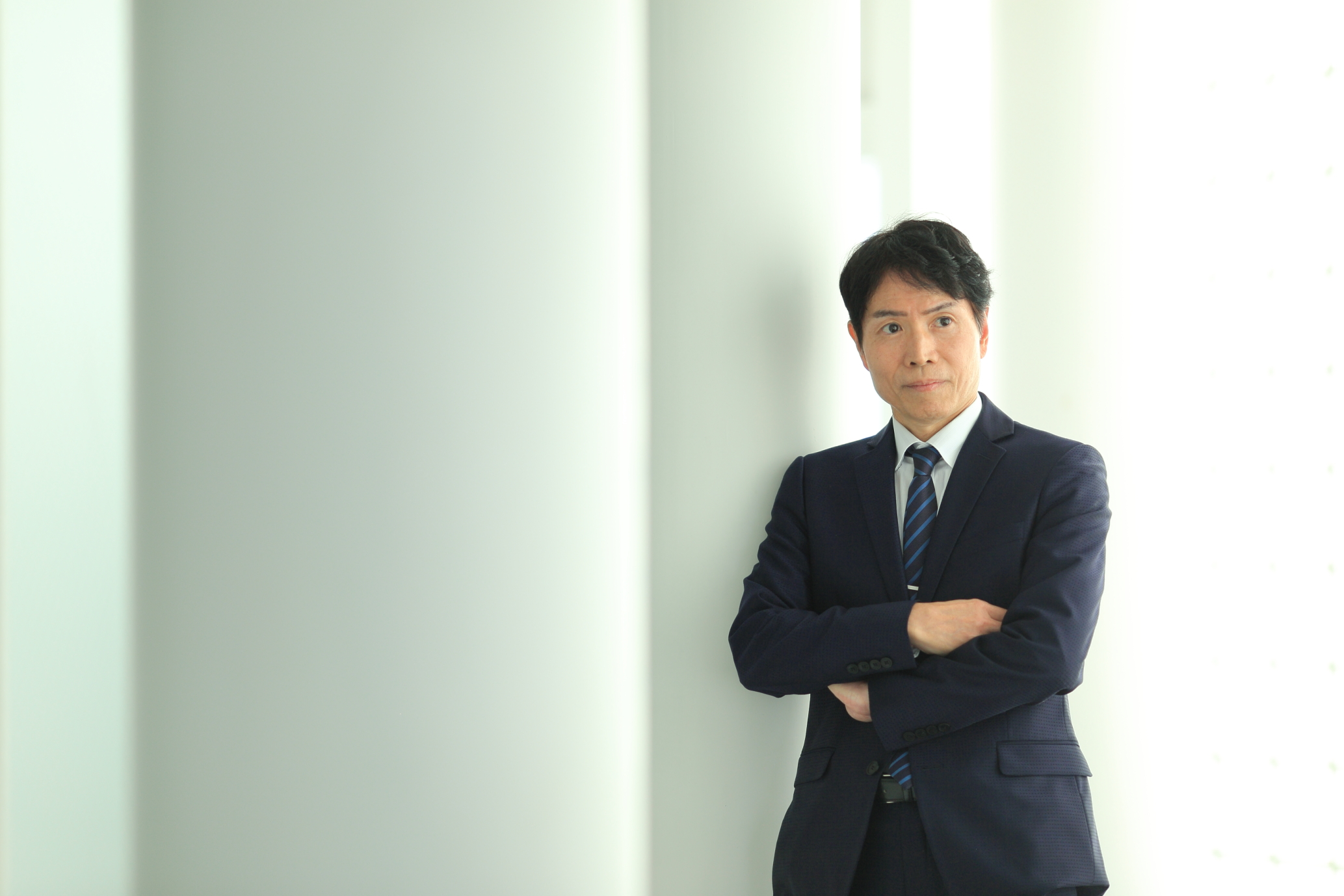
Naonori Ueda is a Research Professor and Deputy Director at RIKEN Center for Advanced Intelligence Project. He also serves as a Visiting Fellow at NTT Communication Science Laboratories, Research Supervisor for Mathematical Information Platform at Japan Science and Technology Agency (JST), and Visiting Professor at Kobe University's Graduate School of System Informatics. His distinguished career spans academia, government research institutions, and industry collaboration, with significant contributions to advancing artificial intelligence and machine learning applications across multiple scientific domains. Dr. Ueda's research interests focus on the intersection of machine learning, artificial intelligence, and physical sciences. He specializes in physics-informed deep learning approaches that integrate governing physical equations with neural network architectures. His work spans geophysical data analysis, remote sensing applications, computational seismology, and environmental monitoring systems. He has pioneered methods for crustal deformation modeling, earthquake prediction, tsunami inundation forecasting, and satellite imagery analysis using advanced machine learning techniques. His research demonstrates how AI can solve complex scientific problems by bridging the gap between data-driven approaches and physical domain knowledge. His publication record reveals a strong trend toward applying machine learning to solve real-world geophysical and environmental challenges. His recent work shows increasing sophistication in physics-informed neural networks that incorporate domain-specific knowledge into deep learning architectures. The publications span high-impact journals like Nature Communications, demonstrating the interdisciplinary significance of his work. His research consistently focuses on practical applications of AI for disaster prevention, environmental monitoring, and scientific discovery. Fellow of IEICE (Institute of Electronics Information and Communication Engineers) Member of Japan Prize field review committee Selection Committee Member for Brilliant Female Research Award (The Jun Ashida Award) Member of Kyoto Prize Selection Committee Dr. Ueda has secured substantial research funding through multiple government-sponsored projects including RIKEN Pioneering Project 'Prediction Science,' JST AIP Acceleration Research projects on weather prediction and drug discovery, and AMED-funded medical research initiatives. His leadership extends to serving as Sub-project Director for Japan's Moonshot R&D Project. He actively mentors researchers through his roles at RIKEN, NTT, and various academic institutions, fostering the next generation of AI scientists. As Deputy Director of RIKEN Center for Advanced Intelligence Project, Dr. Ueda leads one of Japan's premier AI research initiatives. He also serves on the Advisory Board of Kobe University's Mathematical and Data Science Center and Kyoto University's Graduate School of Informatics. His leadership extends to coordinating the AI Seminar at Osaka Industrial Association and supervising the Keihanna 'Edison Society' at the International Institute for Advanced Studies, demonstrating his commitment to bridging academic research with industrial applications.
Dale Reed is a Clinical Professor in the Department of Computer Science at the University of Illinois at Chicago (UIC) , where he has served since 1996. He directs undergraduate recruitment and focuses on CS education, educational technology, and equity in computing . His research spans human-computer interaction and artificial intelligence , with an emphasis on K-12 outreach and curriculum development . Reed has secured significant grants, including a $1M NSF award for the Chicago Alliance for Equity in Computer Science (CAFECS) and a $1M Google grant for Data+AI course development . His work increased female and non-binary CS enrollment at UIC from 19% to 26%. His teaching philosophy integrates peer instruction and equity-focused pedagogy , reflected in courses like Discovering Computer Science and Software Design . Reed's research articles center on CS education , equity initiatives , and curriculum design , with a focus on urban school districts and AP Computer Science Principles . He has collaborated with institutions like Cornell University , DePaul University , and the Chicago Public Schools , contributing to national programs such as CS4HS and Code.org . His scientific awards include the Silver Circle Award (2004) Faculty Teaching Award (multiple times) Outstanding Undergraduate Advisor (2008, 2014, 2016) Award for Excellence in Teaching (2017) . Reed co-developed the CS Scholars NSF program, which recruited 27 underrepresented students, 85% of whom entered tech careers. He also leads initiatives like the annual scavenger hunt and Stump-the-Profs to build community within the UIC CS department.
Dr. Alvin Hadiono is a Lecturer at Bristol Business School, University of the West of England, specializing in Human Resource Management, Organizational Behavior, and Work Psychology. With extensive industry experience including serving as Head of HR for a major Indonesian energy company, he bridges academic theory and practical application in HR management. His educational background includes a Bachelor of Psychology (cum laude), MBA (summa cum laude), and PhD in HRM and Organizational Behavior from the University of Glasgow. He has lectured at multiple institutions including University of Glasgow, University of Exeter, and universities in Indonesia, teaching over 27 different modules to hundreds of students from diverse backgrounds. Dr. Hadiono's research centers on Learning Agility and innovative organizational culture , with particular focus on talent management, leadership development, and employee engagement. His work examines how organizations can build agile learning cultures, especially during crises like the pandemic, and how individual differences affect learning agility in the workplace. His publication trends reveal a consistent focus on learning agility across organizational contexts, with increasing attention to crisis management and agile methodologies in recent years. The research spans theoretical frameworks like Trait Activation Theory while maintaining practical applications for HR professionals. Adam Smith Business School Excellence Awards in Research and Teaching (three consecutive years) Over 30 professional and academic awards in the last 20 years As both an academic and industry practitioner (CEO of AHa!gility consulting firm), Dr. Hadiono has extensive experience mentoring professionals from staff level to Vice Presidents across Southeast Asia. His industry background with Manulife and Citibank's global faculty teams informs his practical approach to developing leadership capabilities and organizational culture. Through his company AHa!gility, he leads a team providing human resources advisory, skill building, and assessment services, applying his research on learning agility to real-world organizational challenges. His work integrates psychological assessment tools (DiSC, MBTI, etc.) with organizational development practices to enhance leadership effectiveness and employee potential.
Dr. Emily Cranston is a Professor & President's Excellence Chair in Forest Bio-products at the University of British Columbia, with dual appointments in the Department of Wood Science and the Department of Chemical & Biological Engineering. She leads the Sustainable Nano Biocomposites Lab, focusing on developing high-performance sustainable materials using biological components, particularly nanocellulose. Her research bridges the fields of forestry, chemical engineering, and materials science to create alternatives to non-renewable resources. Dr. Cranston's research interests center on nanocellulose-based materials, with a particular focus on cellulose nanocrystals (CNCs). Her work spans multiple disciplines including polymer science, colloid chemistry, surface characterization, and biomaterials engineering. She investigates the fundamental properties of nanocellulose, develops novel surface modification techniques, and creates high-performance nanocomposites for diverse applications ranging from sustainable packaging to biomedical devices. Her group explores the mechanical properties of nanomaterials, interfacial phenomena, and the development of functional coatings and films. Analysis of Dr. Cranston's recent publications reveals a strong focus on advancing the fundamental understanding of nanocellulose properties while developing practical applications. Her work spans multiple domains including sustainable materials, biomedical applications, and advanced manufacturing. Key themes include surface modification of cellulose nanocrystals, development of nanocomposites with enhanced properties, characterization techniques for nanocellulose, and applications in areas like sustainable adhesives, thermal insulation materials, and vaccine stabilization. Winner of the 2013 Best Nanotechnology Article in TAPPI Journal Award Highlighted in Chemical and Engineering News (June 2014 - Nano from the Forest) Featured in Canadian Chemical News (Sept.-Oct. 2013) Multiple invited cover art features for journal publications 2021 HOT article designation & invited journal cover Invited review for Nature Reviews Materials (2021) Dr. Cranston actively mentors a large research group comprising postdoctoral fellows, graduate students, and undergraduate researchers. Her lab has produced numerous PhD and master's graduates who have gone on to successful careers in academia and industry. She maintains extensive collaborations with researchers across Canada and internationally, particularly in the areas of nanocellulose characterization, biomaterials development, and sustainable materials engineering. Her research is supported by various funding agencies that recognize the importance of developing renewable alternatives to petroleum-based materials. The Sustainable Nano Biocomposites Lab maintains state-of-the-art facilities for nanomaterial synthesis, characterization, and testing. The lab specializes in techniques including atomic force microscopy (AFM), quartz crystal microbalance with dissipation (QCM-D), surface plasmon resonance (SPR), and various spectroscopic methods. Dr. Cranston's team works closely with industry partners to translate fundamental research into practical applications, particularly in the forest products, biomedical, and sustainable materials sectors.
Matthew Arnold is an Associate Professor in the School of Mathematical and Physical Sciences at the University of Technology Sydney (UTS), where he has been employed since 2007, progressing from Lecturer to Senior Lecturer and currently Associate Professor. His academic career includes postdoctoral research at the University of Canterbury and visiting positions at the Fraunhofer Institute Jena (2001) and University of Southampton (2008). Arnold holds a PhD and BSc(Hons) from the University of Otago, New Zealand. His leadership roles at UTS include serving as Physics Discipline Leader, BSc(Physics) Program Director, and currently as HDR director and RAO for the Faculty of Science. He is also active in professional organizations, having served as Chair of the NSW Australian Institute of Physics and as a senior member of both Optica and SPIE. Arnold's research focuses on the interaction of electromagnetic fields with complex systems, spanning from modeling and design to fabrication and characterization. His primary research areas include neuromorphic computing using percolating networks of nanoparticles, plasmonic resonators and materials, self-assembled metamaterials, and opto-thermal coatings for energy applications. His work bridges fundamental physics with practical applications in building technologies, solar energy, and next-generation computing architectures. His recent publications demonstrate a strong trend toward neuromorphic and brain-inspired computing systems, particularly exploring the computational capabilities of self-assembled nanoscale networks. These works investigate how the intrinsic physical properties of nanomaterials can be harnessed for energy-efficient information processing, with applications in random number generation, Boolean operations, and image classification. His research also maintains a strong focus on practical optical applications, including high-temperature polarizers and spectrally selective solar absorbers. AIP NSW Branch Service Award (2024) UTS MAPS: Individual Teaching Award (2023) STANSW Dedicated Service Award (2019) Arnold is deeply committed to mentoring the next generation of scientists, having successfully guided research students at all levels from internship to PhD. His teaching philosophy emphasizes engaging students in experiences that develop practical skills and deep insight, which has been recognized with teaching awards. He has secured significant research funding through ARC Linkage Infrastructure grants and numerous industry collaborations, particularly with building industry partners on glazing and facade performance. His current funded projects include advanced deposition systems for superconducting circuits and solar-thermal performance evaluations. Arnold leads research activities centered around experimental and computational investigations of nanoscale systems, with particular expertise in physical vapor deposition, optical characterization techniques, and computational modeling of complex electromagnetic systems. His work connects fundamental physics with real-world applications through strong industry partnerships and interdisciplinary collaborations across physics, materials science, and engineering disciplines.
Tuomas Alapieti is a Postdoctoral Researcher in the Department of Civil Engineering at Aalto University, Finland, specializing in building-environment interactions with emphasis on school infrastructure. His work bridges engineering, environmental health, and material science through empirical field studies and laboratory analyses. His research focuses on critical building science domains: Microbiological dynamics in educational settings (airborne/surface pathogens) Chemical emissions from wooden construction materials Performance validation of real-time air quality monitoring systems Condition assessment of aging school buildings Moisture-paint interactions affecting indoor air chemistry Methodologically, he combines sensor networks, microbiological sampling, and occupant surveys to evaluate both objective measurements and perceived environmental quality. Analysis of his 2020-2024 publications reveals a concentrated investigation into Finnish school environments, with 70% of works examining wooden construction's impact on indoor ecosystems. His research progression shows increasing emphasis on microbiological aspects (2023-2024) after establishing foundational work on VOC emissions and sensor reliability (2020-2021). Scientific recognition: Oskari Vilamo Foundation Award for Best MSc Thesis (2017) Alapieti operates within Aalto's 'Performance in Building Design and Construction' research group, collaborating extensively with Salonen, Vornanen-Winqvist, and Mikkola teams. His current projects involve longitudinal assessments of school building conditions across Finland, with publications targeting high-impact venues like Indoor Air and European Journal of Wood Products. No advisory roles or grant leadership are documented in available sources.
Benjamin W. Schafer is the Willard and Lillian Hackerman Professor of Civil and Systems Engineering at Johns Hopkins University, where he also serves as Director of the Ralph O'Connor Sustainable Energy Institute (ROSEI). He holds a secondary appointment in the Department of Materials Science and Engineering. His leadership roles include past chair of the Department of Civil Engineering, associate director of the Academic Center for Reliability and Resilience in Offshore Wind, and director of the Cold-Formed Steel Research Consortium. Education: BSE in Civil Engineering (University of Iowa, 1993), MS and PhD in Structural Engineering (Cornell University, 1994 and 1997). Research focuses on structural stability, optimization, and resilience in steel structures, particularly cold-formed steel. His work includes developing the Direct Strength Method, seismic testing of cold-formed steel buildings, and advancing standards for steel wind turbine towers. Recent publications emphasize buckling analysis, seismic performance, composite structures, and computational modeling. He actively contributes to standards committees for ASCE, AISC, and AISI, ensuring research translates into practical building codes. Scientific Awards: Norman Medal, Shortridge Hardesty Award, Huber Research Prize, Collingwood Prize, Robert B. Pond Sr. Excellence in Teaching, Dunn Family awards. He consults for Simpson, Gumpertz & Heger Inc. and leads the development of the open-source CUFSM software for elastic buckling analysis, with extensive GitHub activity and community engagement.