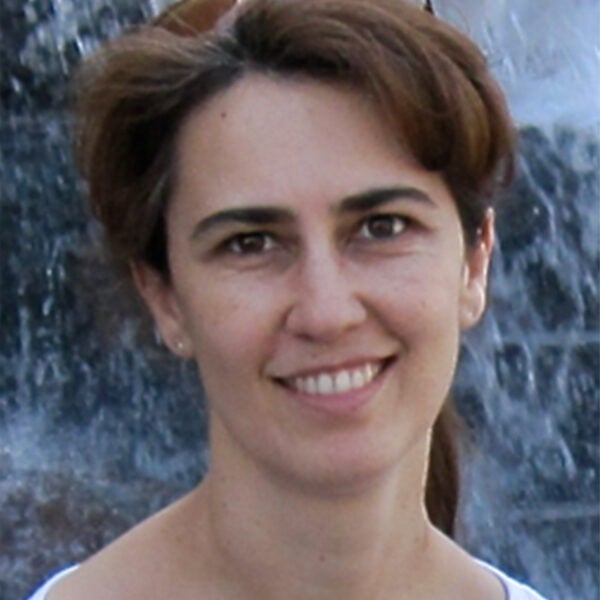
Emine Ayaz is a Professor at Istanbul Technical University's Department of Electrical Engineering. Her research spans fault detection in electric motors, signal processing, and nuclear power plant monitoring, with recent work integrating deep learning (e.g., dual RNN architectures) and medical applications (e.g., parasitology, plant-based wound healing). Key Collaborations : International partnerships in motor diagnostics and nuclear engineering. Projects : Led grants on high-voltage training and predictive maintenance for TEİAŞ and industrial processes. Research Trends : Recent publications emphasize neural networks for motor fault classification, coherence analysis for insulation diagnostics, and interdisciplinary work in plant biotechnology and parasitology. Labs & Teams : Involved in projects analyzing vibration signals, wavelet transforms, and sensor fusion for industrial and nuclear systems.
Professor Eric Morgan at Queen's University Belfast leads parasitology research in the School of Biological Sciences , focusing on climate-driven epidemiology of parasitic infections in animals. His work integrates predictive modeling, parasite transmission dynamics at the wild-domestic interface, and sustainable livestock health solutions. Veterinary parasitology and climate change impact Anthelmintic resistance mitigation strategies AI-enhanced diagnostic systems for animal health Current research students include Anthony George, who investigates Combining alternative approaches for helminth control in grazing livestock . Public engagement initiatives like the BUG Consortium and Poo Patrol translate findings into practical parasite management. His recent publications in 2025 address topics like flood reactors, zoonotic toxocariasis, and precision agriculture tools for parasite risk assessment.
Dr Olatunji Johnson is a Lecturer in Statistics at The University of Manchester's Department of Mathematics. His research focuses on spatial and spatio-temporal statistics applied to global public health challenges, including tropical diseases like malaria and neglected tropical diseases (NTDs). He holds a PhD in Statistics and Epidemiology and has developed influential geostatistical methods and R packages (SDALGCP and MBGapp) for disease mapping and surveillance. Education: PhD in Statistics and Epidemiology (supervised by Prof. Peter Diggle). Research interests include model-based geostatistics, real-time health surveillance, and hybrid machine learning approaches for spatial data analysis. He is actively seeking PhD students interested in spatial statistics applications. Key Collaborations: Worked on projects in Kenya, Cameroon, Uganda, and Ethiopia, focusing on helminth control, air pollution impacts, and disease burden analyses. Part of the Statistical Advisory Unit and contributes to the UN Sustainable Development Goals through his work on health equity and disease elimination. Notable Projects: Developed methodologies for efficient survey design in NTD programs, air quality studies in African cities, and spatiotemporal modelling of pandemic risks. His work bridges statistical innovation with actionable public health policy.
Professor Ross Andrews is an Honorary Professor in the Department of Applied Epidemiology at the Australian National University (ANU). His research focuses on epidemiological studies of infectious diseases, particularly in vulnerable populations such as Indigenous communities, pregnant women, and children. He has contributed to projects addressing scabies, pneumococcal infections, and helminthiasis, emphasizing prevention strategies and public health interventions. Andrews' work integrates mathematical modeling, systematic reviews, and longitudinal studies to evaluate disease dynamics and vaccination efficacy. Key areas include understanding the burden of infectious diseases in remote Australian Aboriginal communities and assessing the safety and impact of vaccines like influenza and pertussis during pregnancy. He also explores the role of water, sanitation, and hygiene (WASH) programs in reducing helminth infections in Timor-Leste. His research highlights interdisciplinary approaches to global health challenges, with publications in high-impact journals such as Mathematical Biosciences , Vaccine , and Clinical Infectious Diseases . Andrews collaborates extensively with international teams to translate findings into actionable public health policies.
Matthias Feige is an Associate Professor of Cellular Protein Biochemistry at the Technical University of Munich (TUM). He leads the Focus Group for Cellular Protein Biochemistry, previously serving as a Rudolf Mößbauer Tenure Track Assistant Professor. His research focuses on understanding cellular proteome integrity, particularly in the secretory pathway, combining protein biochemistry and cell biology. Key interests include protein folding, quality control mechanisms, and their biomedical applications. Education & Career: PhD in Biochemistry (2009), TUM under Johannes Buchner Postdoctoral Fellowship at St. Jude Children’s Research Hospital (Memphis, USA) with Linda Hendershot Head of the Cellular Protein Biochemistry Lab at TUM since 2015 Research Interests: Feige’s work explores molecular mechanisms governing protein biogenesis, secretory pathway proteins, and their roles in immunity. His interdisciplinary approach targets fundamental biology and translational applications like protein engineering and therapy development. Scientific Contributions: His publications highlight advancements in cytokine assembly, ER quality control, and protein aggregation mechanisms. Notable recent work includes studies on KDELR3 signaling, helminth immune modulation, and engineered cytokines. Awards & Recognition: Leopoldina Fellowship (2011–2014) Fellow of the Daimler and Benz Foundation (2016) Rainer Rudolph Award (2012) Multiple honors from TUM and international institutions Labs & Teams: He directs a lab investigating protein biogenesis and proteostasis. Collaborations span biochemistry, immunology, and structural biology, with a focus on translational research.
Kelly Searle, PhD, is an Associate Professor at the Division of Epidemiology & Community Health within the University of Minnesota . As an infectious disease epidemiologist, her research focuses on malaria transmission dynamics across endemic regions in central and southern Africa, integrating molecular biology, geographic information systems (GIS), spatial sciences, and ecological principles to inform control and elimination strategies. Education: PhD in Epidemiology, Johns Hopkins Bloomberg School of Public Health ScM in Epidemiology, Johns Hopkins Bloomberg School of Public Health BS in Pathobiology and Veterinary Science, University of Connecticut Postdoctorate, Johns Hopkins Bloomberg School of Public Health Research Interests span malaria transmission, vector-borne diseases, GIS, and global health. Her work aims to reduce malaria burden through efficient policy-driven interventions. Scientific Awards Louis I. and Thomas D. Dublin Award (2014) Contact: ksearle@umn.edu
Prof. Geert Smant is a Full Professor in the Laboratory of Nematology at Wageningen University & Research. His research focuses on plant-parasitic nematodes, particularly their interactions with plants, mechanisms of parasitism, and strategies for resistance in crops. He leads projects on cyst nematodes (e.g., Globodera pallida ), molecular biology of plant defenses, and genomic approaches to understand parasitic mechanisms. His work includes supervising PhD candidates and postdocs in projects like SMART UP (spatial mapping of root transcriptomes) and WORMVACS2.0 (vaccine innovations against helminths). Key contributions include genomic studies of Globodera species and elucidating effector-triggered immunity in plants. Prof. Smant has collaborated internationally, presenting at conferences like the 35th Symposium of the European Society of Nematologists and the 7th International Congress of Nematology . He oversees datasets on nematode genomics and plant responses to parasitism, available via public repositories. His team’s research spans lab-based studies, field applications, and interdisciplinary collaborations, aiming to develop durable resistance strategies against plant pathogens.
Dr. Mostafa Elfawal is an Assistant Professor at UMass Chan Medical School in the Program in Molecular Medicine, affiliated with the T.H. Chan School of Medicine. His research focuses on developing novel therapeutics against parasitic infections, particularly targeting soil-transmitted helminths and malaria. He completed his PhD in Medical Entomology/Microbiology at the University of Massachusetts Amherst, following a BA and MS in Animal Science from Ain Shams University in Egypt. His work emphasizes high-throughput drug screening and repurposing existing compounds for anthelmintic use, with recent breakthroughs in PIM kinase inhibitors and broad-spectrum antiparasitic agents. He has extensively studied Artemisia annua's antimalarial properties and its role in overcoming drug resistance. Collaborations with institutions like the NIH and international networks highlight his global impact in parasitology and tropical medicine. Key contributions include identifying metabolic enzyme inhibitors as anthelmintics, elucidating hookworm's cognitive and microbiome effects, and advancing yeast particle encapsulation for controlled drug release. His research bridges basic science with clinical application, addressing critical gaps in treating neglected tropical diseases.
Christine P. Stewart, Ph.D., is the Corinne L. Rustici Endowed Chair in Applied Human Nutrition and Professor in the Department of Nutrition at the University of California, Davis. She directs the Institute for Global Nutrition and holds a concurrent role as a Nutritionist in the College of Agricultural and Environmental Sciences (AES). Her academic affiliations include the Department of Nutrition and collaborative roles in global health initiatives. Education: B.S. from Cornell University, M.P.H. from Tulane University, and Ph.D. from Johns Hopkins Bloomberg School of Public Health. Her research focuses on designing and evaluating nutrition interventions for women and children in low-income settings, emphasizing community-based randomized trials, longitudinal studies, and policy-relevant evidence synthesis. Geographically, her work spans Kenya, Malawi, Madagascar, Bangladesh, and Ecuador. Key research themes include maternal-child nutrition interventions, micronutrient supplementation in pregnancy, and the interplay between water/sanitation/hygiene (WASH) and nutritional outcomes. Her publications (15 highlighted here) emphasize global health equity, with a focus on child growth, infectious disease prevention, and policy translation. Collaborations with multinational teams have produced evidence on egg supplementation, lipid-based nutrient supplements, and integrated WASH-nutrition programs. Grant and advising activities include leading large-scale trials such as the WASH Benefits study and MAHAY trial in Madagascar. She oversees multidisciplinary teams addressing systemic barriers to nutritional health in resource-poor settings. The Institute for Global Nutrition under her direction serves as a hub for translational research and policy engagement.
Simon Spencer is a Professor of Statistics at the University of Warwick, affiliated with the Zeeman Institute for Systems Biology and Infectious Disease Epidemiology Research (SBIDER) and the Warwick Analytical Sciences Centre (WASC). His research focuses on Bayesian inference applied to epidemiology, stochastic epidemic models, and statistical methods for analytical science. He has held previous positions at the University of Nottingham and Massey University in New Zealand. His teaching includes advanced courses such as CH923: Statistics for Data Analysis , ST925: Graduate Topics in Statistics , and MA4M1/MA6M1: Epidemiology by Example . His research group currently includes PhD students Matthew Adeoye and Richard Haughey, and MSc students Olli Smith and Sangavi Pirabakaran. He collaborates extensively with global health institutions on projects addressing infectious disease modeling and public health policy. Spencer’s work bridges statistical methodology and real-world applications, with a focus on outbreak detection, model comparison, and the integration of geostatistical data with transmission models. His recent contributions include frameworks for lymphatic filariasis elimination projections and analyses of HIV transmission dynamics in Uganda. He actively contributes to interdisciplinary research in systems biology and analytical chemistry, leveraging advanced statistical techniques to address complex health challenges.
Daniel Thiele is a Researcher in the Department of Biochemistry & Molecular Biology at Monash University. His work focuses on immune regulation mechanisms, particularly T cell and NK cell biology, with emphasis on their roles in infection responses and aging-related immune dysfunction. He collaborates extensively with institutes globally, contributing to UN Sustainable Development Goals related to health and well-being. Research interests include epigenetic regulation of immune cells, transcription factor networks in immune development, and helminth-induced immune responses. His work explores how immune systems adapt to pathogens while maintaining self-tolerance, with recent studies emphasizing DOT1L's role in immune signaling and IKAROS/AIOLOS in NK cell differentiation. Key publications analyze virtual memory CD8 T cells' role in aging immunity, mechanisms of T cell receptor signaling, and type 2 immune responses during helminth infections. His research has been cited over 30 times, with articles gaining notable media attention.
Associate Professor Judith Greer is a prominent immunologist at the University of Queensland Centre for Clinical Research , affiliated with the Faculty of Health, Medicine and Behavioural Sciences . Her work bridges neuroimmunology and autoimmune disease research, particularly focusing on multiple sclerosis and emerging connections to psychosis . As co-founder of Neuroimmunology Australia and Asia-Pacific representative for the Global Schools of Neuroimmunology , she has shaped international collaboration in this field. PhD in Cancer Immunology, University of Queensland Postdoctoral Training: Harvard Medical School Holds leadership roles in UQ's School of Medicine (2000-2023) Her research spans three key domains: autoimmune targeting of CNS components in MS, epigenetic mechanisms in immune disorders, and preclinical model refinement for better therapeutic translation. Analysis of her 15 most recent publications reveals consistent focus on HLA interactions , neuroinflammatory signaling (NF-κB pathway), and helminth-derived therapeutics for autoimmune modulation. She maintains active roles in research training and scientific editorial boards including Frontiers in Immunology and Journal of Neuroimmunology , while her clinical work connects peripheral immune profiling with CNS lesion localization . Despite no explicit awards listed, her 146 total publications and 2018 International Congress leadership demonstrate significant impact.
Mihaela Pertea, PhD, is an Associate Professor in the Department of Biomedical Engineering at Johns Hopkins University, with affiliations in Genetic Medicine and the Computer Science department. She leads the Pertea Lab, focusing on computational methods for analyzing genomic and transcriptomic data to understand cellular function, particularly in gene finding, alternative splicing, and RNA-seq analysis. Her work integrates machine learning and statistical techniques to improve gene annotation and maintain genomic catalogues. Education: PhD in Computer Science (Johns Hopkins University, 2001); multiple degrees from University of Bucharest (BS in Psychology, BS and MS in Computer Science). Affiliations: Center for Computational Biology at Johns Hopkins. Research interests include developing algorithms for transcriptome assembly, splice site prediction (e.g., Splam tool), and tools like StringTie for RNA-seq analysis. Her lab’s work has contributed to genome projects of malaria parasites, nematodes, and other pathogens. Recent achievements include an AIMBE College of Fellows recognition (2025) and innovations in AI-driven gene splicing analysis. Publications span over 70 peer-reviewed articles, emphasizing computational biology tools and genomic studies. Notable collaborations include work on the ENCODE project and genome sequencing of Plasmodium falciparum. Her lab’s tools (e.g., CHESS, GFF Utilities) are widely used in genomic research.
Caroline Jacobson is Professor of Biochemistry and Nutrition and Head of the School of Agricultural Science at Murdoch University. With a background in veterinary science and livestock research, she leads initiatives to translate scientific innovation into practical farming solutions. Her research focuses on livestock disease impacts, production sustainability, and zoonotic disease control. Key research domains include gastrointestinal parasitology in ruminants and equines, reproductive disorders in sheep, antimicrobial resistance in livestock pathogens, and novel diagnostic development. Her work employs advanced molecular techniques and epidemiological approaches to address industry challenges. Recent publications demonstrate strong focus on parasitic disease management in horses, reproductive wastage in sheep flocks, and development of evidence-based guidelines for livestock health. Research frequently involves multi-institutional collaborations and direct industry engagement.
Jonathan David Kurtis is the Stanley M. Aronson Professor of Pathology and Laboratory Medicine at Brown University, where he also serves as Chair of Pathology and Laboratory Medicine and Executive Director of the MD-PhD Program. He directs the Lifespan Center for International Health Research and has dedicated his career to malaria and schistosomiasis vaccine development, with fieldwork spanning Kenya, the Philippines, China, and Brazil. MD and PhD from Brown University Postdoctoral training in malaria immuno-epidemiology at Walter Reed Army Institute of Research, Kenya Clinical pathology residency at Hospital of the University of Pennsylvania Dr. Kurtis applies molecular biology, immunology, and population biology to identify protective immune responses in endemic populations. His research focuses on: Malaria vaccine candidates like PfSEA-1 and PfsEGXP Schistosomiasis vaccine development targeting paramyosin Interactions between nutrition, development, and immunity Maternal-fetal transmission dynamics of parasitic infections His recent publications highlight: Immuno-epidemiologic studies of malaria and schistosomiasis Novel vaccine targets in Science and The Lancet Mechanistic insights into anemia, fibrosis, and placental inflammation Dr. Kurtis leads NIH/NIAID-funded projects to: Detect molecular mechanisms of malaria morbidity Develop vaccines for schistosomiasis and pediatric malaria