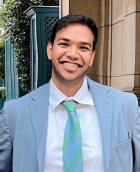
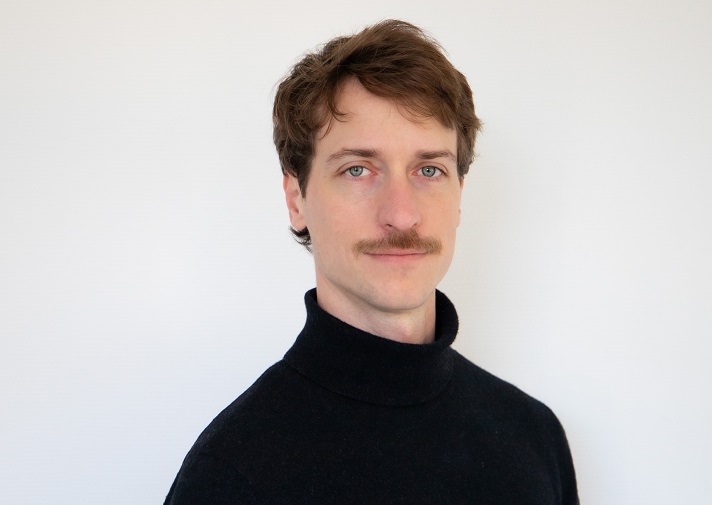
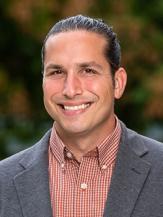
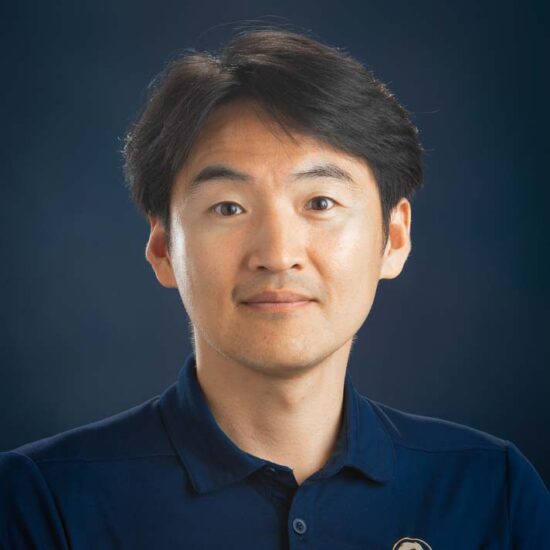
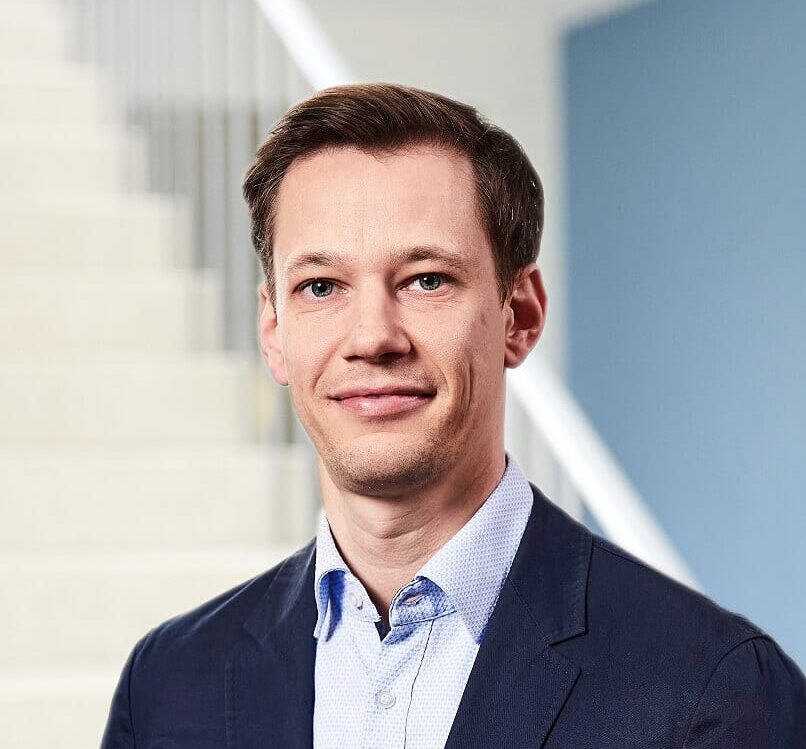
Tuhin Chakrabarty is an Assistant Professor in the Department of Computer Science at Stony Brook University. His research focuses on developing AI systems that address implicature, ambiguity, and human-aligned requirements, with applications in natural language processing and human-AI collaboration. Education: Ph.D. in Computer Science from Columbia University Research Interests: Tuhin explores methods to enhance AI reliability through Long Form Text Generation Evaluation, Benchmarks for Reasoning and Explainability, and Human-AI Collaboration frameworks. His work bridges computational linguistics, machine learning, and creative applications of AI. Scientific Awards: Columbia Center of Artificial Intelligence & Technology (CAIT) Research Support Amazon Science Ph.D. Fellowship Computational Journalism Fellow at NYTimes R&D (2021-2022) Publications Trends: His recent work spans AI safety, creativity support, figurative language understanding, and multimodal systems. Key themes include human-AI alignment, ethical considerations, and empirical studies on generative models. Additional Contributions: Tuhin collaborates with Stony Brook’s Institute for AI-Driven Discovery and Innovation, advancing interdisciplinary research in AI applications.
Jorrit de Jong serves as Director of the Bloomberg Center for Cities at Harvard University and holds the Emma Bloomberg Senior Lecturer in Public Policy and Management position at Harvard Kennedy School. His dual role bridges academic scholarship with practical urban governance, directing major initiatives that impact city leadership worldwide. Since 2016, he has co-chaired the Bloomberg Harvard City Leadership Initiative, a program that has trained over 300 mayors and their senior teams in innovative approaches to municipal challenges. Dr. de Jong earned his PhD in Public Policy and Management from VU Amsterdam, complemented by a Master in Philosophy and Master in Public Administration from Leiden University. His academic foundation combines rigorous theoretical training with practical policy applications, preparing him for his current role developing actionable frameworks for urban governance. De Jong's research focuses on collaborative governance and public sector innovation, examining how cities can overcome bureaucratic dysfunction to deliver more effective and equitable services. His work investigates boundary-spanning problems requiring multi-agency coordination, with particular attention to strategic capacity building and data-driven decision making. He approaches public problem-solving through both theoretical frameworks and practical implementation strategies, emphasizing context-specific solutions to complex urban challenges. His scholarship consistently bridges academic theory with actionable insights for practitioners. Analysis of his recent publications reveals growing emphasis on data-informed governance approaches and cross-sector collaboration models. His work demonstrates progression from theoretical frameworks toward practical implementation tools, with increasing attention to technological solutions for urban challenges. The interdisciplinary nature of his research spans public administration, urban studies, public health, and criminology, reflecting the complex, interconnected nature of contemporary city problems. While specific awards aren't detailed in available information, de Jong's named position as Emma Bloomberg Senior Lecturer and leadership of the Bloomberg Center for Cities represent significant institutional recognition of his expertise. The scale and funding of his initiatives, particularly the Bloomberg Harvard City Leadership Initiative, demonstrate substantial investment in his approach to urban governance. Through the Bloomberg Harvard City Leadership Initiative, de Jong has advised mayors and city officials from over 300 cities globally, developing executive education programs that translate academic research into practical governance tools. His earlier work with the Kafka Brigade action research team demonstrates consistent commitment to bridging theory and practice through direct engagement with government agencies facing implementation challenges. De Jong leads the Bloomberg Center for Cities, which serves as a global hub for urban governance research and practice. The Center's work creates international networks of city leaders committed to innovative approaches, while his earlier Kafka Brigade initiative exemplifies his action research methodology focused on diagnosing and remedying bureaucratic dysfunction in real-time government operations.
David Busch is an Assistant Professor at the University of Texas Southwestern Medical Center in the Departments of Anesthesiology and Pain Management, Neurology, and Biomedical Engineering. His research develops non-invasive optical technologies for monitoring brain and spinal cord health during critical care, with a focus on diffuse optical and correlation spectroscopy applications. Ph.D. in Physics from University of Pennsylvania (2011) Postdoctoral Fellowship in Neurology at Children's Hospital of Philadelphia Key research areas include: Real-time cerebral autoregulation monitoring during ECMO Spinal cord ischemia detection using diffuse correlation spectroscopy COVID-19 microvascular impairment assessment Breast cancer neoadjuvant therapy response prediction Development of compact SCOS monitoring devices His publications show a strong focus on optical hemodynamic monitoring in critical care settings, with recent work spanning 2025-2016 in journals like ASAIO Journal , Nature Biomedical Engineering , and Neurophotonics . Awards include NIH-NINDS/NIBIB grants, Fulbright, Thrasher Research Foundation, and Hartwell Foundation funding.
Thomas Schøtt is a Professor of Entrepreneurship and Organization at the University of Southern Denmark , Department of Entrepreneurship and Relationship Management. He also holds an adjunct Professorship at Tehran University's Faculty of Entrepreneurship and leads Team-Denmark for the Global Entrepreneurship Monitor (GEM). His work spans entrepreneurship, social network analysis, international comparative research, science policy, and organizational networks.
Isidro Maya Jariego is a Professor at the Department of Social Psychology , Faculty of Psychology , University of Seville. He leads the Laboratorio de Redes Personales y Comunidades and has coordinated numerous research projects focused on community psychology, social networks, migration, and cultural diversity. His work spans from 2000 to 2025, including projects like "Múltiples sentidos de comunidad" and international collaborations in Peru, Colombia, and Spain. Research Interests : Social network analysis for community cohesion Migration and transnational ties Volunteering and civic participation Digital transformation in education Ecosystem services and marine governance Article Trends : His recent publications emphasize network-based interventions in education (e.g., SELFIE project), personal network stratification in community integration, and ecological approaches to social issues like child labor. He integrates graph theory and mixed-methods research to address policy implementation and organizational dynamics. Projects and Leadership : He has led grants like "PADDLE" (EU-Africa-Brazil collaboration) and provided technical assistance for Andalusian strategic plans on volunteering. His editorial roles include co-editing the REDES journal and contributing to methodological frameworks in network research.
Dr. Kilian Bühling is a Research Associate at the Weizenbaum Institute for Networked Society and the Institute of Journalism and Communication Studies at the Free University of Berlin. He works within the Department of Politics and Social Sciences, specifically in the Media Effects Research Unit. His primary affiliation is with the "Dynamics of Digital Mobilization" research group and the DIFFCONT project (Diffusion Dynamics of Conspiracy Theories and Adaptation Strategies in Hybrid Information Spaces), which is part of the NEOVEX research network. His educational background includes a Master's degree in Economics from the Technical University of Dresden, where he subsequently worked as a research associate in the junior research group "Knowledge and Technology Transfer." Dr. Bühling's research focuses on political communication in digital publics , with particular attention to transnational communication processes and networking dynamics of anti-democratic and conspiracy-theoretical groups in the digital space. His methodological expertise includes network analysis and machine learning for quantitative research. His work examines how platform affordances shape digital counterpublics, the diffusion of conspiracy theories across information ecosystems, and methodological challenges of studying ephemeral digital communication like message deletion on platforms such as Telegram. His publication record demonstrates consistent contributions to top journals in media studies, communication, and computational social science, with a recent focus on conspiracy theories, digital mobilization, and methodological innovations for analyzing digital public spheres. The research shows a clear progression from studying academic incentives in economics to increasingly sophisticated analyses of conspiracy-related communication patterns across digital platforms. Dr. Bühling collaborates extensively with colleagues including Annett Heft, Xixuan Zhang, and others within the Weizenbaum Institute and Freie Universität Berlin. His work contributes to understanding the complex dynamics of digital public spheres and the challenges they pose to democratic discourse, particularly in the context of conspiracy theories and anti-democratic movements. His research has practical implications for platform governance, media literacy initiatives, and understanding how digital spaces facilitate or hinder democratic communication processes, particularly in the context of conspiracy theories and anti-democratic movements.
Christoph Reuter is a Professor in the Department of Musicology at the University of Vienna. His work spans systematic musicology, psychoacoustics, and crossmodal perception, with a focus on auditory cognition, timbre analysis, and sound-environment interactions. As Director of Studies for Musicology and Linguistics, he oversees academic programs and teaches courses ranging from systematic musicology to auditory perception. His research explores the intersection of music, technology, and human perception. Key themes include crossmodal associations (e.g., sound-color mappings), acoustical analysis of natural and synthetic sounds, and auditory environments in healthcare and education. He has developed VR tools like the Incubator Experience and SOFA Native Spatializer Plugin to advance immersive audio research. The 15 most recent articles highlight his expertise in timbre studies, crossmodal perception, and medical/environmental acoustics. Topics range from the neuroscience of chord progressions to the psychoacoustic impact of neonatal ventilation sounds and metal music lyrics. His work bridges empirical experimentation with interdisciplinary applications in technology and health. Reuter contributes to musicological education through initiatives like the MediaLab of the Faculty of Philological and Cultural Studies, integrating digital methods into teaching. His collaborations span neurology, engineering, and cultural studies, reflecting a holistic approach to sound research.
Abdel Rahman Abdel Fattah is a Principal Investigator at CeMM Research Center for Molecular Medicine of the Austrian Academy of Sciences in Vienna, Austria. He previously held a postdoctoral position at CeMM (2022–2024) and KU Leuven (Belgium) (2018–2022). Education: BSc and PhD in Mechanical Engineering from McMaster University (Canada) Current Role: Lab Head at CeMM since 2024 Research Interests focus on multiscale mechanobiology, specifically how cells use mechanical forces and extracellular matrix (ECM) dynamics to coordinate tissue organization. His group combines bioengineered mechanical stimulation tools with advanced imaging and computational models to study: Dynamic Cellular and ECM Interactions in health and disease Mechano-Transcriptomic Mapping using spatial transcriptomics and atomic force microscopy (AFM) Computational Modeling of tissue organization via reaction-diffusion systems and positional information theory Disease Applications: Traumatic brain/spinal cord injuries and liver fibrosis Publications highlight interdisciplinary work across mechanobiology, bioengineering, and vascular pathology, with a focus on magnetic actuation, organoid modeling, and ECM dynamics. Articles appear in Nature Communications , Cell Reports , and Lab on a Chip . Recent studies (2024–2025) explore force-mediated vascular lesion growth and transcriptional hallmarks of aging using single-cell analysis. Technological Innovations include: Magnetic Microactuators for local organoid stimulation 3D Soft Microfluidic Systems for perfused tissues Diamagnetophoresis-Based Bioprinting Single-Cell Transcriptomic Atlases for mechanical stress responders
Robert Knipe is an Assistant Professor in the Physical Education Teacher Education program at Southern Connecticut State University’s College of Health and Human Services . With a PhD in Curriculum and Instruction (Physical Education Teacher Education) from the University of Texas, he brings 15 years of experience in K-12 physical education, teacher training, and policy advocacy. Advocates for healthy lifestyles and teacher support via the PE Pep Talk project Recognized with 2011 Teacher of the Year and Reaching for Excellence Award (2014) Research Focus: Occupational socialization in physical education, teacher preparation, and health policy. His scholarship highlights technology integration, assessment reforms, and ethical practices in physical activity. Scientific Awards: 2011 Teacher of the Year (University of Texas Elementary School) Reaching for Excellence Award (Texas Health and Human Services, 2014) Grants: Secured funding for projects like 'Lessons from the Heart' and 'SHAPE America Graduate Student Research Grant', focusing on teacher development and wellness programs.
Dr. Ho Yeol Yu serves as an Assistant Professor of Sport and Recreation Management within the Department of Health and Human Performance at East Texas A&M University's College of Education and Human Services. He joined the university in 2024 following four years as an Assistant Professor of Sport Management at Arkansas State University, a Division I institution. His academic credentials include a Ph.D. in Kinesiology (Sport and Fitness Administration) from the University of Houston (2020), an M.S. in Sport Management from Florida State University (2015), and a B.S. in Sport Science from Daejin University (2011). Dr. Yu's research centers on sports consumer behaviors, with specific emphasis on game attendance patterns, team merchandise purchasing dynamics, sports team branding strategies, service quality perceptions, and fan team switching behavior. He employs rigorous quantitative research methods and sports analytics to decode fan psychology and decision-making processes, bridging theoretical sport marketing concepts with practical industry applications. His methodological approach consistently leverages advanced statistical modeling to extract actionable insights for sports organizations. Analysis of his recent 15 publications reveals a cohesive research trajectory focused on data-driven consumer behavior analysis across diverse sports contexts—from smart fitness apparel adoption to city branding effects during sporting events. The work demonstrates sophisticated application of reflective-formative modeling, technology acceptance frameworks, and pandemic-era consumer hesitation studies, all contributing to evidence-based sport management practices. Associated with the ROARHP Lab, Dr. Yu teaches Sport Marketing, Sport Analytics, and Finance in Sports, with Sport Analytics being his preferred course due to its hands-on data analysis components that students report as career-transforming experiences in sports industry roles.
Geneviève Dumas serves as a Full Professor in the Department of History within the Faculty of Arts and Humanities at Université de Sherbrooke. Her academic career spans decades of research and teaching focused on medieval Mediterranean societies with particular expertise in health systems, scientific knowledge transmission, and urban development. She maintains active research collaborations across international institutions and regularly presents findings at major academic conferences worldwide. Her educational background includes a 2016 Habilitation à diriger des recherches (HDR) from Université Paul Valéry Montpellier 3 focusing on 'Sciences, medicine and techniques in the medieval urban context,' a 2000-2002 Postdoctoral Fellowship at McGill University's Department of Social Studies of Medicine examining 'Health and therapeutics in 15th century Paris,' and a Doctorate in History from McGill University (1994-2000) on 'Society and health practices in 14th-15th century Montpellier.' Her academic training also includes a Master's in Medieval Studies from Université de Montréal and undergraduate studies at Université de Sherbrooke. Professor Dumas specializes in the social history of scientific concepts and ideas with a multidisciplinary approach to Mediterranean medieval societies. Her research examines knowledge transmission between Eastern and Western civilizations, particularly in medical and scientific domains. Current projects investigate urban identities in Montpellier through FQRSC-funded research. Teaching responsibilities include undergraduate courses on Western Medieval History, Islamic Civilizations, Ottoman Near East, and graduate seminars on urban history, with emphasis on social and cultural historical approaches. Her scholarly output demonstrates consistent focus on medieval urban environments, health systems, and knowledge networks. Recent publications analyze water management, disaster response, and public health infrastructure in medieval Montpellier, revealing sophisticated municipal governance systems. Cross-cutting themes include the transmission of scientific knowledge between cultures, the relationship between religious institutions and urban management, and the development of medical practices in urban contexts. Her book 'Ymage de vie' examines alchemical manuscripts while 'Santé et société à Montpellier' explores comprehensive urban health systems. Dean's Honor List for PhD, Faculty of Graduate Studies, McGill University (2000) Harold S. Segall Award for outstanding research presentation, Canadian Society for the History of Medicine (1995) Professor Dumas has successfully secured multiple research grants including CRSH funding for 'Environment, climate and space in Montpellier' (2020-2024), FQRSC support for 'Citizenship in 13th-15th century Montpellier' (2007-2010), and startup funding from Université de Sherbrooke. She has supervised student groups on historical site visits across Europe, Asia, and Africa, overseeing logistical organization, pedagogical content development, and student assessment. Her research group involvement includes the Aristotle Problems Lexicography Project and the Medieval Scientific Vocabulary Research Group. She participates in multiple collaborative research initiatives including the Wellcome Library manuscript digitization project and the Groupe de recherche pour l'Édition des Problèmes d'Aristote. Her work with the Hannah-Wellcome Centre at UCL focused on pharmaceutical techniques in alchemical treatises, leading to digital editions of medieval manuscripts. Current team projects examine climate perturbations in medieval Southern France and environmental history approaches to urban development.
Jeffrey W. Alstete serves as Professor in the Management Department at Iona University's LaPenta School of Business, where he teaches strategic management, organizational behavior, and small business management courses. His academic leadership includes previous roles as Associate Dean in the School of Business, where he directed AACSB accreditation and launched online MBA programs. His educational background features an Ed.D. from Seton Hall University, MBA and MS from Iona University, and BS in Business Administration from St. Thomas Aquinas College. Professional experience spans academic administration, corporate training program development, and financial analysis roles at Valley National Bank and Property Evaluation Services. Alstete's research focuses on business strategy implementation, knowledge management systems, higher education administration, and entrepreneurial development. His work examines simulation-based learning effectiveness, neurodiverse student engagement, and organizational memory systems, with particular emphasis on practical applications for business education and strategic decision-making. His publications demonstrate consistent scholarly output across management journals, with recent work analyzing crisis leadership dynamics, generational entrepreneurship patterns, and disruptive innovation learning frameworks. The research trajectory shows increasing integration of educational technology with traditional management theory. Br. William B. Cornelia Distinguished Faculty Award (2023) Best Empirical Paper Award, Eastern Academy of Management (2023) Catherine McCabe Award for Teaching Excellence (2014) Literati Club Outstanding Paper Award (2002) ACHE National Research Grant (1995) As Co-Editor of Quality Assurance in Education and Editorial Board member for Benchmarking: An International Journal , Alstete contributes to academic discourse while maintaining active research partnerships. His work with student business simulation teams has produced multiple global top-100 rankings, demonstrating practical application of his pedagogical theories. Current projects explore intelligent agent applications in knowledge management and neurodiverse learning accommodations in management education.
Erik Hornung is a Professor of Economic History at the University of Cologne's Faculty of Management, Economics and Social Sciences, Department of Economics. He is a member of the Cluster of Excellence ECONtribute: Markets & Public Policy since 2020, a Research Fellow at CESifo, a CEPR Research Affiliate, and a CAGE – Warwick Research Fellow. Hornung also serves as an Associate Editor at The Economic Journal and leads the ERC 2024 Consolidator Grant 101170388 (ENTRENCHED) project. His research focuses on economic history and long-run development, with particular interest in institutional reforms, knowledge diffusion, and technological progress. Hornung employs microeconometric methods to analyze historical data, often drawing on rich administrative records from Prussian censuses to understand causal relationships in economic development. His work spans multiple areas including the effects of pandemics on political behavior, the role of economic societies in knowledge diffusion, and the impact of infrastructure on economic integration. Hornung's publication record shows a consistent focus on how historical events and institutional changes shape long-term economic development. His recent work examines topics ranging from the political effects of the 1918 influenza pandemic to Roman transport networks' influence on economic integration, demonstrating his ability to connect historical analysis with contemporary economic questions. His research often combines detailed historical data with rigorous econometric methods to establish causal relationships. Leibniz Association Dissertation Award 2013 ERC 2024 Consolidator Grant 101170388 (ENTRENCHED) CESifo Research Fellow CEPR Research Affiliate CAGE – Warwick Research Fellow Hornung has received significant research funding including the prestigious ERC Consolidator Grant to study the social mobility of the landed elite in Prussia. His work has been supported by multiple research institutions including the Max Planck Institute for Tax Law and Public Finance where he previously served as Senior Research Fellow. As Academic Director of the BSc Economics program at the University of Cologne, he plays an important role in shaping economics education. Hornung is part of the Center for Macroeconomic Research (CMR) at the University of Cologne and contributes to the Cluster of Excellence ECONtribute: Markets & Public Policy, where he collaborates with researchers across disciplines to examine how markets and public policy interact in shaping economic outcomes.
Craig Mather serves as Clinical Senior Lecturer and Honorary Consultant in Oral Surgery at the University of Glasgow Dental School, with his clinical base at Glasgow Dental Hospital. He holds significant leadership roles including Deputy Director of Dental Education (appointed 2024), Dental School Quality Assurance Lead, and Deputy Admissions Officer for Dentistry. His research spans oral surgery techniques, dental education innovation, and maxillofacial pathology. Mather pioneered virtual clinical assessment methods during the pandemic, publishing extensively on remote teaching adaptations. His clinical research focuses on sedation protocols, salivary gland disorders, and rare oral pathologies including lymphoma cases and odontogenic tumors. Publications reveal consistent output since 2007 with recent emphasis on educational methodology (2022-2023). His work demonstrates strong collaboration within Glasgow's dental academic community, particularly with Binnie, Bell, and Donn on pandemic-related educational adaptations. Scientific recognition includes: Teaching Excellence Award (2021, team award for Dental Online Clinic Assessment) Diploma of Fellowship of the Faculty of Dental Surgery (FDS) from Royal College of Surgeons of Edinburgh (2019) Postgraduate Diploma in Healthcare Professions Education with merit (2014) Mather actively supervises trainees as Educational Supervisor for Dental Core Trainees and Clinical Supervisor for Specialist Trainees. His leadership extends to NHS Greater Glasgow and Clyde where he serves as Clinical Lead for Oral Surgery, and to professional bodies including Royal College of Physicians and Surgeons of Glasgow (Interim Vice Dean for Dental Faculty). He maintains active roles in academic governance as University of Glasgow representative on Scottish Oral Surgery Specialist Training Committee (2017-2020) and examiner for postgraduate dental examinations (ISFE, MOral Surgery, MFDS).
Associate Professor Weiwei Zhang is affiliated with the School of Psychology, Sociology and Rural Studies at South Dakota State University (SDSU). He holds a Ph.D. from Brown University, an M.A. from Bowling Green State University, and a B.A. from Suzhou University, China. His academic roles include teaching undergraduate courses like Research Methods and graduate seminars such as Advanced Statistics and Spatial Data Analysis. He chairs the Department Methods Prelim Committee and serves on the Information Technology Advisory Committee. His research focuses on quantitative methods, demography, migration, and population health, with a particular emphasis on spatial analysis and rural studies. Education: Ph.D. in Sociology, Brown University M.A. in Sociology, Bowling Green State University B.A. in Sociology, Suzhou University, China Dr. Zhang’s research interests span quantitative and spatial methodologies, migration patterns, and health disparities. He has contributed to studies on opioid vulnerability in rural areas, GIS mapping of historical urbanization, and the socioeconomic impacts of pandemics on marginalized communities. His work often integrates demographic data with policy analysis, addressing issues like racial inequality and rural development. He has secured grants for projects such as ‘Makiyutab Wokiksuye Ocanku (Memorial Road Map)’ and ‘Socio-Environmental Systems of Rural Health,’ demonstrating expertise in collaborative research. His awards include the Outstanding Researcher distinction from SDSU (2020). Dr. Zhang also advises on community vulnerability assessments for the CDC and contributes to state-level health initiatives. Key Grants: Wokini Challenge Grant for Indigenous land research NSF-funded analysis of socio-economic impacts via machine learning SPARC Funding for rural health studies His involvement in mapping historical landscapes and land narratives underscores his commitment to interdisciplinary work, bridging sociology, geography, and public health. Ongoing projects explore ‘Deaths of Despair’ in rural areas and the gender wage gap among Native Americans.