- Plant Genomics
- Bioinformatics
- Pangenomics
- +۷ مورد دیگر
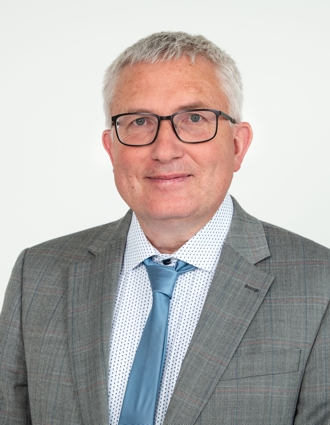
Prof. Dr. Björn Usadel serves as Head of the Institute of Biological Data Science at Heinrich Heine University Düsseldorf (HHU) and Head of the Institute of Bioinformatics at Forschungszentrum Jülich (IBG-2). His dual appointments position him at the intersection of computational biology and plant sciences, where he leads research initiatives focused on leveraging data science approaches to understand plant biology and improve crop performance. Usadel is also actively involved with CEPLAS (Cluster of Excellence on Plant Sciences), having joined in 2019. Dr. Usadel's research program centers on the development and application of computational methods for plant omics data analysis. His group specializes in comparative analyses of plant genomes, with particular focus on identifying mechanisms underlying abiotic stress tolerance and valuable compound accumulation. Key technological platforms developed under his leadership include the Mercator platform for automated protein classification and annotation, which utilizes hand-curated hidden Markov models to categorize over 6,000 functional processes, and the Plant Knowledge Hub for sustainable data management and interactive web-based analysis. His team extensively employs nanopore sequencing technology for pangenomics studies and collaborates with the German ELIXIR plant nodes to maintain comprehensive databases tracking protein annotation across more than 1,000 sequenced plant genomes. Analysis of Dr. Usadel's recent publication record reveals a consistent focus on high-quality genome assembly and comparative genomics across diverse plant species. His work spans staple crops like potato, tomato, and faba bean, as well as specialty crops like tea. A notable trend is the increasing use of long-read sequencing technologies (particularly nanopore) to achieve chromosome-scale assemblies and haplotype-resolved genomes, enabling deeper insights into structural variation and its implications for crop breeding. His research bridges computational innovation with practical agricultural applications, particularly in understanding stress tolerance mechanisms and metabolic pathways relevant to food security. Dr. Usadel has successfully mentored numerous doctoral students, with several interview excerpts highlighting how the research questions posed by early-career scientists have led to unexpectedly significant findings. His group actively participates in both fundamental plant science and agricultural applications, with an emphasis on FAIR (Findable, Accessible, Interoperable, Reusable) data management principles. The team maintains strong collaborative networks across international research institutions, as evidenced by the multi-institutional authorship on his publications. Usadel's laboratory operates cutting-edge platforms including the Plant Metabolism and Metabolomics Facility and an Imaging Platform, which support integrated multi-omics analyses. His group also contributes to the CEPLAS Data initiative and maintains public datasets and tools that serve the broader plant science community. Current research directions include optimizing plant performance by mapping interfaces between development and metabolism, studying plant microbiota metabolic networks, advancing synthetic biology approaches, and developing theoretical frameworks in plant biology through data science.