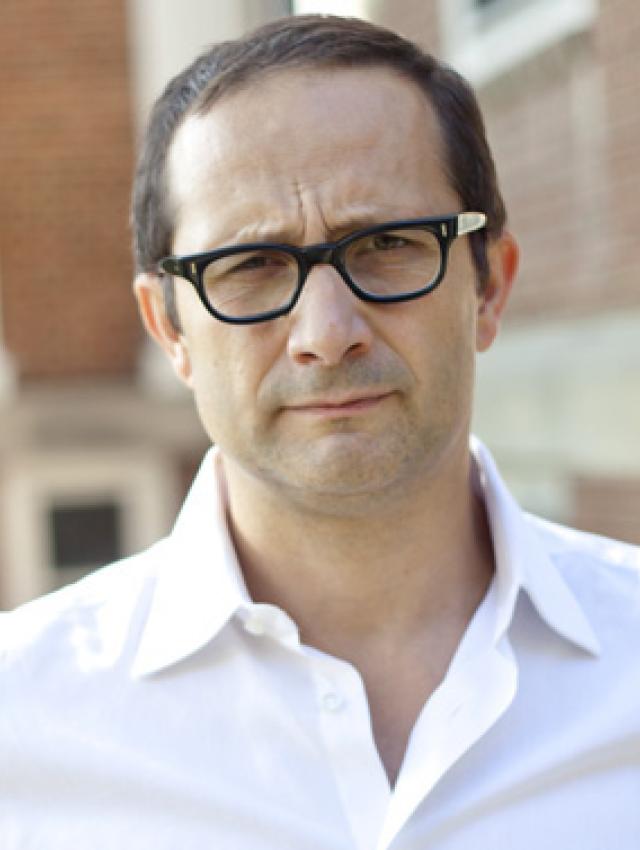
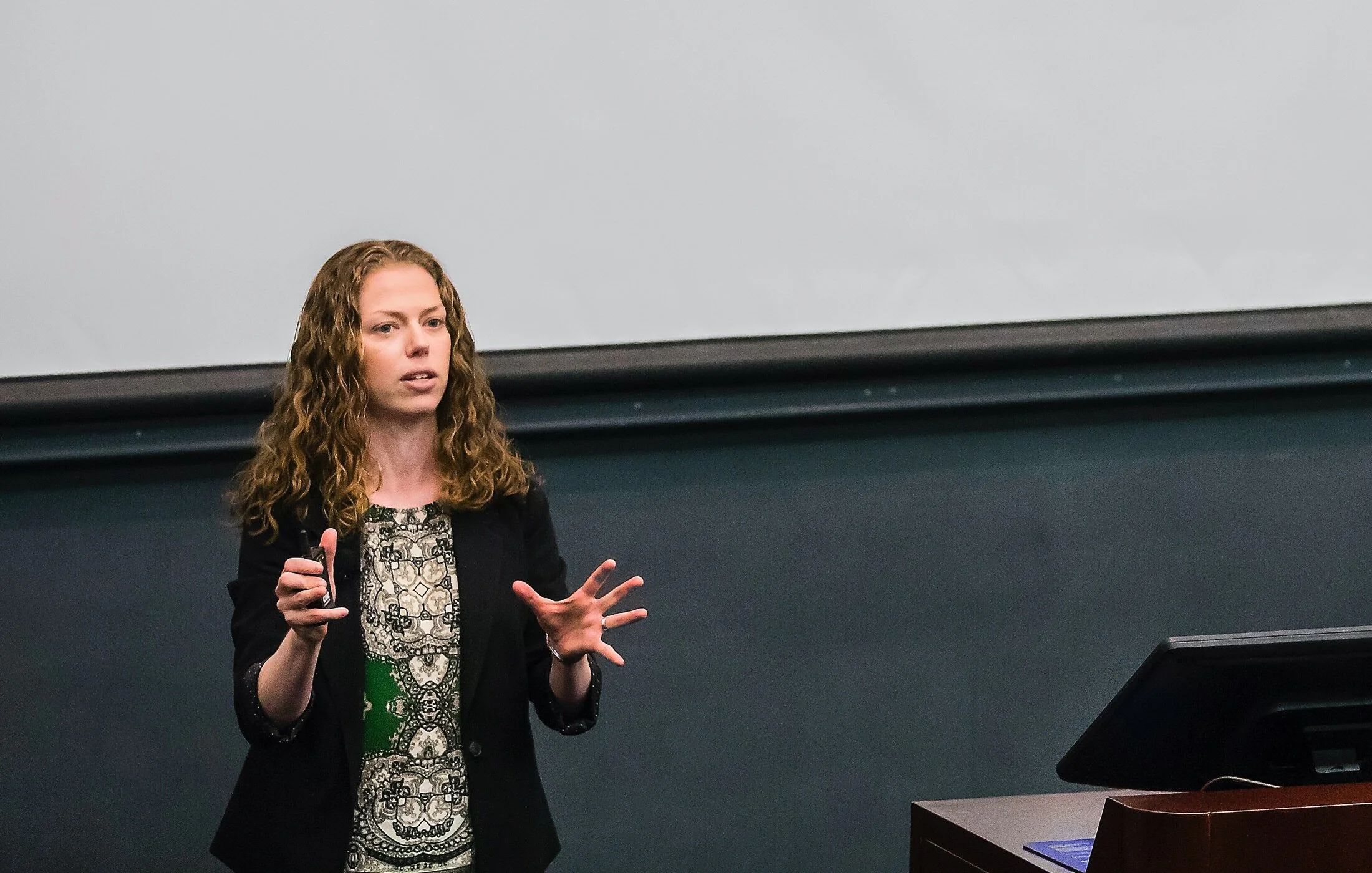
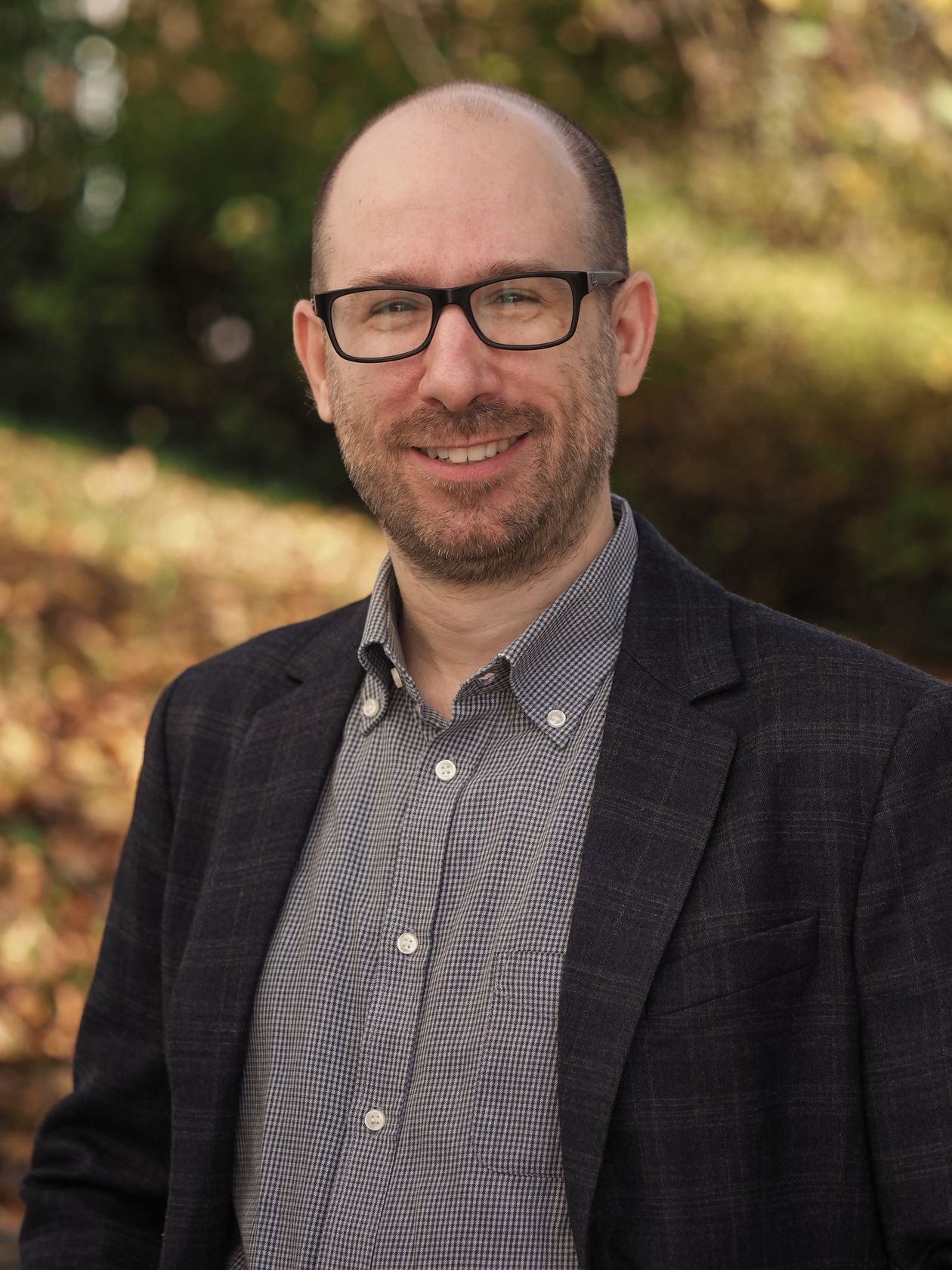
Marco Bertini is a Professor in the Marketing Department at Esade School of Business Administration and Management , affiliated with the Institute for Data-Driven Decisions . His research focuses on pricing, marketing, and consumer behavior, particularly in low-cost strategies and decision-making frameworks. Research Interests: Bertini’s work explores pricing psychology, consumer experience, and behavioral economics. He investigates how pricing strategies influence customer trust and how friction in retail interactions can enhance engagement, with applications in nonprofit finance and food waste reduction. Articles: Recent publications highlight value-based sales, beneficiary pricing in nonprofits, and the impact of price promotions on food waste. His research spans interdisciplinary topics, integrating data-driven insights with behavioral interventions. Projects: He is a member of the JUICE research group, focusing on judgment and decisions in the marketplace, and contributes to the ESADE D3 initiative on data-driven decision-making.
Stephen Ferrigno is an Assistant Professor and Chair of the Biology of Brain and Behavior Area Group at the University of Wisconsin-Madison's Department of Psychology. His research investigates the origins of uniquely human cognition through developmental, comparative, and cross-cultural methodologies. He focuses on foundational cognitive abilities such as number sense, recursive grammar, logical reasoning, and metacognition, exploring their evolutionary and developmental bases. Ferrigno's work bridges disciplines including cognitive neuroscience, developmental psychology, and cultural anthropology, with practical applications in early childhood education and curriculum design. His research employs cross-cultural studies with indigenous populations (e.g., the Tsimane) to assess cultural variability in cognitive development. Key themes include spatial mappings of numerical concepts, recursive sequence processing in non-human primates, and the metacognitive capacities shared between humans and monkeys. The Cognitive Origins Lab, led by Ferrigno, seeks to uncover universal cognitive principles while identifying culturally mediated differences. No scientific awards or grants are explicitly listed in the provided materials. While no advisees are mentioned, his research program suggests involvement in mentoring graduate students through the Department of Psychology's PhD program. Current projects include investigating the developmental trajectories of logical reasoning, the neural correlates of recursive sequence processing, and the design of culturally adaptive educational interventions targeting early math and language skills in preschool settings.
Professor Richard Holton is a Fellow and Director of Studies in Philosophy at the University of Cambridge. His work spans moral philosophy, philosophy of mind, and epistemology, with a focus on agency, responsibility, and trust. His recent research examines mental effort, akrasia (weakness of will), and ethical decision-making in pandemic contexts. Publications highlight interdisciplinary connections between philosophy, psychology, and medical ethics. While his articles address causation, self-deception, and linguistic frameworks, no explicit scientific awards or student advisement records are documented in the provided materials.
L. Taylor Phillips is an Associate Professor in the Department of Management & Organizations at the Leonard N. Stern School of Business, New York University, where she has been a faculty member since 2016. She holds a Ph.D. in Business Administration and a B.A. in Psychology and Human Biology, both from Stanford University. Ph.D., Business Administration, Stanford University B.A., Psychology and Human Biology, Stanford University Her research centers on the psychology of privilege, inequality, and diversity, with a focus on how advantaged groups perceive and respond to inequity. She investigates how privilege shapes beliefs and behaviors, particularly in organizational contexts, and how to engage privileged individuals in diversity and inclusion efforts. Her work integrates social psychology with organizational behavior, using experimental, longitudinal, and field methods to study hierarchy, power, race, gender, and social class. Her recent publications explore themes such as allyship effectiveness, discrimination recognition, denial of class privilege, and group-based hierarchies. These works appear in premier journals including the Journal of Personality and Social Psychology , Academy of Management Annals , and Organizational Behavior and Human Decision Processes , reflecting interdisciplinary impact across management, psychology, and sociology. Notable scientific awards and recognitions include: Early Career Award, International Society for Justice Research (2023) Rising Star Early Career Award, Association for Psychological Science (2021) Best Undergraduate Professors, Poets & Quants (2020) DARE Doctoral Fellowship, Stanford University (2014) NSF Graduate Research Fellowship (2011) Dr. Phillips advises on organizational DEI strategy and is a SPARQ Faculty Affiliate at Stanford University, applying research to real-world challenges. She has taught courses in Management and Organizations and Research Methods, mentoring future scholars and practitioners. Her work is supported by prestigious fellowships and appointments, including affiliations with the Clayman Institute for Gender Research and the Society for Personality & Social Psychology. She leads a research program that combines theoretical rigor with practical relevance, aiming to transform how organizations understand and manage social hierarchies. Her lab employs diverse methodologies, including physiological and cognitive tools, to uncover the mechanisms underlying privilege and inclusion.
Femke van Horen is a Full Professor of Consumer Behavior at the Marketing Department of the School of Business and Economics, Vrije Universiteit Amsterdam. She serves as Scientific Director of the VU Behavioural Lab and Associate Editor for the International Journal of Research in Marketing . Her research focuses on product imitation strategies, environmental uncertainty's impact on consumer decisions, and nudging for sustainability. She co-chaired the 2023 EACR Conference and was a visiting scholar at Stanford University. Education: PhD from Tilburg University (2013), followed by postdoctoral research at the University of Cologne's Social Cognition Lab. Joined VU Amsterdam in 2013. Research Interests: Product Imitation: Effectiveness of copycat strategies and brand evaluation dynamics. Environmental Uncertainty: Consumer decision-making during crises or elections. Sustainability Nudging: Behavioral methods to promote eco-friendly actions. Awards & Grants: AMA Research in Practice Award 2019 (for Out-of-Category Brand Imitation ). IJRM Outstanding Reviewer Award 2023. Grants from ACR/Sheth Foundation, University of Cologne, and others. Advising: Co-supervises two PhD students on sustainability and product imitation, and a postdoc on plant-based meat adoption. Labs & Teams: Leads the VU Behavioural Lab, focusing on interdisciplinary consumer research.
Eliot R. Smith is a Professor in the Department of Psychological and Brain Sciences at Indiana University Bloomington's College of Arts and Sciences. With over 126 publications and an h-index of 50, he has established himself as a leading scholar in social psychology, particularly in the areas of intergroup emotions and social cognition. His Scopus profile shows 10,991 citations across 8,796 documents, reflecting significant impact in his field. Smith's research focuses on how group membership shapes emotional experiences and social judgments. His work has significantly contributed to Intergroup Emotions Theory, exploring how people experience emotions on behalf of their social groups and how these group-based emotions influence intergroup relations. Recent research examines gender bias in hiring decisions through a large meta-analysis spanning 44 years of field experiments, human-robot interaction through social psychological lenses, and the dynamics of group-based emotions over time. His research integrates theoretical advances in embodied cognition with social psychological phenomena, examining how physical and social contexts shape cognitive and emotional processes. Analysis of his recent publications (2019-2024) reveals three dominant research trajectories: 1) gender bias and discrimination in organizational contexts, 2) extension of social psychological theories to human-robot interaction, and 3) refinement of Intergroup Emotions Theory with attention to temporal dynamics and regulatory processes. His work increasingly incorporates methodological innovations including meta-analyses, multi-analyst approaches, and cross-cultural comparisons.
Ashley J Thomas is an Assistant Professor at Harvard University, specializing in infant and child social cognition. Her research explores how young humans develop naive sociology, focusing on social hierarchy, intimacy perception, and moral judgments of parenting decisions. Education: PhD in Psychology (2018), MA in Psychology (2015) from UC Irvine, BA in Architecture (2008) from UC Berkeley. Her work reveals infants use caregiver interactions to evaluate social partners and demonstrates that saliva sharing serves as a key cue for relationship recognition. She examines how implicit theories of intelligence correlate with brain plasticity beliefs, showing that malleable intelligence theories align with environmental influence acceptance. Scientific awards include the NIH National Research Service Award and multiple fellowships. She has organized symposia on social cognition at the Cognitive Development Society and Society for Research on Child Development conferences.
Dr. Matteo Montecchi is a Senior Lecturer (Associate Professor) in Marketing at King’s Business School, King’s College London, where he also serves as Theme Lead for Sustainable Consumption at the Centre for Sustainable Business and Programme Director for the Strategic Marketing (Open Executive) programme. He teaches core modules such as Consumer Behaviour, Digital Marketing, and Research Methods, and leads executive education initiatives. Previously, he was a Senior Lecturer at the London College of Fashion, University of the Arts London, and has held visiting positions at Milan Politecnico, Università Cattolica del Sacro Cuore, and Università Federico II. Montecchi earned his PhD in Marketing from King’s College London, an MRes in Marketing from Birkbeck College, an Executive Master in Marketing and Sales from SDA Bocconi and ESADE, and a Bachelor’s in Business Economics from the University of Modena and Reggio Emilia. He also holds a PgCert in Academic Practice and is a Fellow of the Higher Education Academy (FHEA). His research focuses on the digital transformation of marketing, particularly the role of artificial intelligence and blockchain in enhancing transparency and trust. He investigates ethical engagement with diverse consumer groups, inclusion, and corporate responsibility, with a special interest in marginalized communities. His work integrates consumer behavior, digital interactions, and decision-making with technological innovation, offering actionable insights for sustainable and responsible business strategies. The most recent 15 publications reflect a strong trend in AI in retail, brand transparency, consumer trust, ethical data use, voice technologies, and social sustainability. His research spans journals in marketing, psychology, interactive marketing, and business ethics, demonstrating interdisciplinary impact. Scientific Awards: KingsCAT: Capture and Analysis Tool for Social Media Research at King’s College London (2024) – Recognized as part of a collaborative team for advancing digital research infrastructure and media analysis. Montecchi is actively involved in PhD supervision and is accepting new students. He has led research projects using social media analytics (KingsCAT) and has contributed to strategic debates on grand challenges in marketing. His work connects academic research with real-world managerial applications, particularly in digital strategy and ethical innovation. He is a key contributor to interdisciplinary research through tools like KingsCAT, which supports collaborative social media analysis, and his publications often involve co-authorship with experts in data science, psychology, and organizational behavior.
Giovanni Gavetti is the Doreen L. and David I. Chemerow ’73 T’75 Professor of Strategy at the Tuck School of Business, Dartmouth College, where he serves as Area Chair for Strategy. He previously held the position of Associate Professor at Harvard Business School before joining Tuck in 2012. Education : PhD (2000) and MA (1998) in Management from the University of Pennsylvania; BA (1993) in Economics from Bocconi University, Milan. His research focuses on the cognitive foundations of strategy, exploring how cognition, evolutionary theory, and organizational learning shape strategic decision-making. He emphasizes behavioral theory, analogical reasoning, and microfoundations of capabilities, with a particular interest in overcoming cognitive biases and inertia in strategic contexts. Gavetti’s recent articles span strategic leadership, organizational cognition, and evolutionary dynamics, often bridging behavioral science with traditional strategy frameworks. His work addresses topics like collective interpretation, strategic foresight, and the interplay between cognition and organizational performance. Scientific Awards : 2015 Strategic Management Society Best Paper Prize; 2014 Teaching Excellence Award at Tuck. Gavetti supervises numerous student-authored case studies at Tuck, including works on Patagonia, NPR, Uber in India, and The Minerva Project. His teaching philosophy centers on cultivating a strategic mindset through foundational principles and timeless case studies, often co-developing cases with former students.
Roger Flage is a Professor of Risk Management at the University of Stavanger, affiliated with the Faculty of Science and Technology and the Department of Security, Economics and Planning. His research focuses on foundational and applied aspects of risk analysis, uncertainty quantification, and decision-making under uncertainty, with applications in critical infrastructure, environmental systems, and offshore energy. Roger Flage's research interests lie at the intersection of risk science, safety engineering, and decision theory. He investigates how uncertainty—especially epistemic uncertainty and assumptions—affects risk assessments, and advocates for more transparent and robust frameworks. His work spans theoretical advances, such as the treatment of 'black swan' events and the concept of 'real risk', as well as practical applications in offshore safety, power systems, and geohazards. He emphasizes the integration of data-driven methods, AI, and digital twins while critically assessing their limitations and associated security risks. His recent publications show a strong trend toward integrating dynamic, data-rich, and interdisciplinary approaches to risk analysis. Themes include the role of time in risk, AI applications, infrastructure interdependencies, and environmental risk in the oil and gas sector. He frequently publishes in top-tier journals like Risk Analysis , Reliability Engineering & System Safety , and Safety Science , often in collaboration with leading scholars such as Terje Aven and Seth Guikema. No scientific awards are mentioned in the provided text. Roger Flage has supervised or collaborated with several researchers, though no formal list of advisees is provided. His work is supported through academic collaborations and institutional affiliations rather than explicit grant mentions. He is actively involved in advancing risk science methodology, particularly in the treatment of assumptions and uncertainty, and contributes to both theoretical foundations and real-world applications in safety-critical domains. He is associated with research groups and collaborative networks at the University of Stavanger, particularly within the Department of Security, Economics and Planning. His work often involves interdisciplinary teams focusing on risk in complex engineered systems, including energy, transportation, and environmental systems.
Christine Cheng serves as Assistant Professor of Accountancy at the University of Mississippi's Patterson School of Accountancy, specializing in Tax and Data Analytics. She previously held a visiting scholar position at the Securities and Exchange Commission Division of Economic and Risk Analysis (2020-2022) and currently contributes to the Financial Accounting Standards Board Taxonomy Advisory Group. Her academic credentials include: Ph.D. in Business Administration from Pennsylvania State University (2011) M.B.A. in Business Administration from Pennsylvania State University Harrisburg (2003) Dr. Cheng's research examines machine-readable financial reporting determinants, tax-influenced decision making, and the intersection of tax analytics with corporate strategy. Her work bridges theoretical accounting frameworks with practical data science applications, particularly in post-Wayfair e-commerce taxation and marriage tax policy analysis. She employs advanced tools like Alteryx and robotic process automation to model complex tax scenarios. Publication trends reveal a strategic shift toward data-driven tax education and regulatory compliance, with 60% of recent work integrating analytics into financial reporting. Her articles frequently address real-world policy impacts, such as same-sex marriage tax implications and hail damage fraud detection, demonstrating applied relevance to both academic and practitioner audiences. Major recognitions include: 2023 Public Interest Section Best Paper Award (American Taxation Association) 2023 Graduate Teacher Award (American Accounting Association) Three ATA/Deloitte Teaching Innovation Awards (2019-2022) 2019 Best Article Award from The Tax Adviser As an educator, she pioneered Ole Miss's Master's of Taxation and Data Analytics program and maintains a YouTube channel with 200+ instructional videos. Her advising includes master's student Taylor, J. (lead author on a 2015 publication), and she has secured multiple curriculum development grants through Deloitte partnerships. Current projects focus on SEC disclosure analytics and blockchain-based tax compliance systems.
Daniel Powell is a Senior Lecturer in Health Psychology and Programme Director of the MSc Health Psychology at the University of Aberdeen, School of Medicine, Medical Sciences and Nutrition. He is a core member of the Aberdeen Health Psychology Group and the interdisciplinary Centre for Labour Market Research. He holds a PhD from the University of Southampton and became a Fellow of the Higher Education Academy in 2019. His educational background includes: BSc (Hons) Psychology – University of the West of England, 2007 MSc Health Psychology – University of Southampton, 2009 PhD Psychology – University of Southampton, 2014 Daniel's research focuses on health psychology, particularly using intensive longitudinal methods such as ecological momentary assessment (EMA) to study stress, fatigue, self-regulation, and decision-making in real-world contexts. His work spans chronic illness (e.g., multiple sclerosis, diabetes), healthcare professionals (e.g., doctors, nurses), and occupational settings (e.g., fly-in fly-out workers). He leads the Stress and Health Research Theme and convenes regular workshops to support health psychology researchers. His methodological expertise includes real-time data collection, psychophysiology (e.g., heart rate variability, cortisol), and interdisciplinary collaboration with health economics, primary care, and bioengineering. His recent publications (2024–2025) reveal a strong trend in investigating decision fatigue in healthcare, stress and recovery patterns in medical professionals using biometric monitoring, and the psychosocial impact of shift and rotation work. He frequently employs EMA and systematic reviews to explore behavioral patterns in context. His work also extends to sustainable clinical research and digital health tools for pandemic response. His scientific recognition includes: Stan Maes Early Career Award, European Health Psychology Society (2019) Rosemary Anne Price Student Award, MS Society (2013) Daniel actively supervises five PhD students on topics including decision fatigue in healthcare, quality of life after limb loss, stress in medical and dental students, and low-carbon clinical trials. He teaches across postgraduate programs, coordinates the PU5053 course on Stress, Personality & Health, and co-founded an annual Summer School in Intensive Longitudinal Methods. He has no indication of part-time status and is actively engaged in research, teaching, and leadership. He is affiliated with several professional organizations, including the British Psychological Society (Chartered Psychologist), Division of Health Psychology, European Health Psychology Society, and UK Society for Behavioural Medicine. His research lab is embedded within the Aberdeen Health Psychology Group, which fosters interdisciplinary collaboration and methodological innovation in health behavior research.
Katherine L. Milkman is the James G. Dinan Endowed Professor at The Wharton School of the University of Pennsylvania, with secondary appointments in the Perelman School of Medicine and School of Arts and Sciences. She co-founded and co-directs the Behavior Change for Good Initiative , focusing on harnessing behavioral economics and psychology for societal benefit. Education: PhD in Computer Science and Business, Harvard University Undergraduate degree (summa cum laude) in Operations Research and American Studies, Princeton University Her research bridges behavioral economics , decision-making , and health psychology , with applications in education, finance, and public health. Recent studies explore quantification fixation , streak incentives , and diversity interventions using megastudy methodologies. Scientific awards include Thinkers50 Top 50 Management Thinker (2021, 2023) APS Fellow (2020) FABBS Early Career Award (2015) Wyss Award (Harvard, 2008) She teaches courses in decision-making and judgment research , including OIDD9950 (Dissertation) and OIDD2990 (Judgment & Decision Making Research). Media outlets like The New York Times and Nature regularly feature her work, while her podcast Choiceology disseminates behavioral economics insights to a broader audience.
Eddis Miller is an Associate Professor and Department Chairperson in the Department of Philosophy & Religious Studies at Pace University's Dyson College of Arts and Sciences. They are based in the New York City campus and actively contribute to academic life through teaching, research, and university service. Education: PhD in Religious Studies, University of Pennsylvania, 2008 BA in Philosophy and Religious Studies, SUNY Stony Brook, 2002 Their research focuses on continental philosophy, particularly the works of Jacques Derrida and Immanuel Kant, with strong interests in deconstruction, philosophy of religion, ethics, and the intersections between theology and political theory. They explore themes such as unconditional hospitality, messianism, moral law, and the role of religion in questions of economic justice. Their scholarship engages deeply with hermeneutics, postmodern theology, and interreligious dialogue, especially with regard to Islamic thought. Their publications reflect a consistent engagement with high-level philosophical discourse, particularly around Derrida’s deconstructive ethics and Kantian moral philosophy. The works span topics from ancient and medieval theology to contemporary political and economic critiques, showing a broad chronological and thematic range grounded in rigorous textual and philosophical analysis. Professional Service: Committee Member, NYFC Student Affairs, Athletics, Publications, and Scholastic Standing Committee Dr. Miller advises on academic policy and student affairs at the institutional level. While no formal advisees are listed, their leadership as department chair and extensive teaching portfolio suggest strong mentorship roles. Though no grants or awards are explicitly mentioned, their conference presentations at venues like the UK Kant Society and the Left Forum indicate active scholarly participation. Laboratories, Research Groups, or Teams: No specific labs or research centers are mentioned, but Dr. Miller has presented at interdisciplinary forums such as the Religion Graduate Students’ Association of Columbia University and the Center for Ethical Thinking at Pace University, suggesting collaborative engagement across institutions.
Stefano Noventa is a Research Fellow at the Methods Center, Department of Social Sciences, Faculty of Economics and Social Sciences, University of Tübingen. He has held multiple postdoctoral positions at the University of Tübingen and previously at the University of Verona and the University of Padova. Education: Ph.D. in Cognitive Psychology, University of Padova (2011) M.Sc. in Physics, University of Padova (2006) Studies in Physics, University of Padova (1999–2006) International Visiting Graduate Student, University of Toronto (2009, 2010) Dr. Noventa's research lies at the intersection of mathematical psychology, psychometrics, and psychophysics, with a focus on developing and unifying quantitative models of human cognition and assessment. His work integrates Item Response Theory (IRT) and Knowledge Space Theory (KST) to create more robust frameworks for educational and psychological measurement. He investigates latent variable models, probabilistic knowledge structures, and the identifiability of complex psychometric models, often applying these to domains such as education, organizational psychology, and entrepreneurship. His recent publications (2020–2024) demonstrate a strong trend toward theoretical integration, particularly in bridging cognitive diagnosis models with traditional psychometric frameworks. The articles emphasize mathematical rigor, model generalization, and empirical validation, with applications in both cognitive science and applied psychology. Topics include the unification of assessment models, parameter estimation under local dependence, and the modeling of intuitive physical reasoning. Scientific Awards: No awards or honors listed in the provided text. Dr. Noventa has not been explicitly mentioned as an advisor to students, but he has served as a corresponding author and collaborator on multiple research projects, indicating a leadership role in research teams. He has been involved in a DFG-funded project (GLI NON-NORM) since 2019, suggesting active grant participation. His work is highly collaborative, involving researchers from Germany, Italy, Austria, and Canada. Labs and Research Groups: Methods Center, University of Tübingen Hector Institute of Education Science and Psychology, University of Tübingen Center of Assessment, University of Verona Department of General Psychology, University of Padova