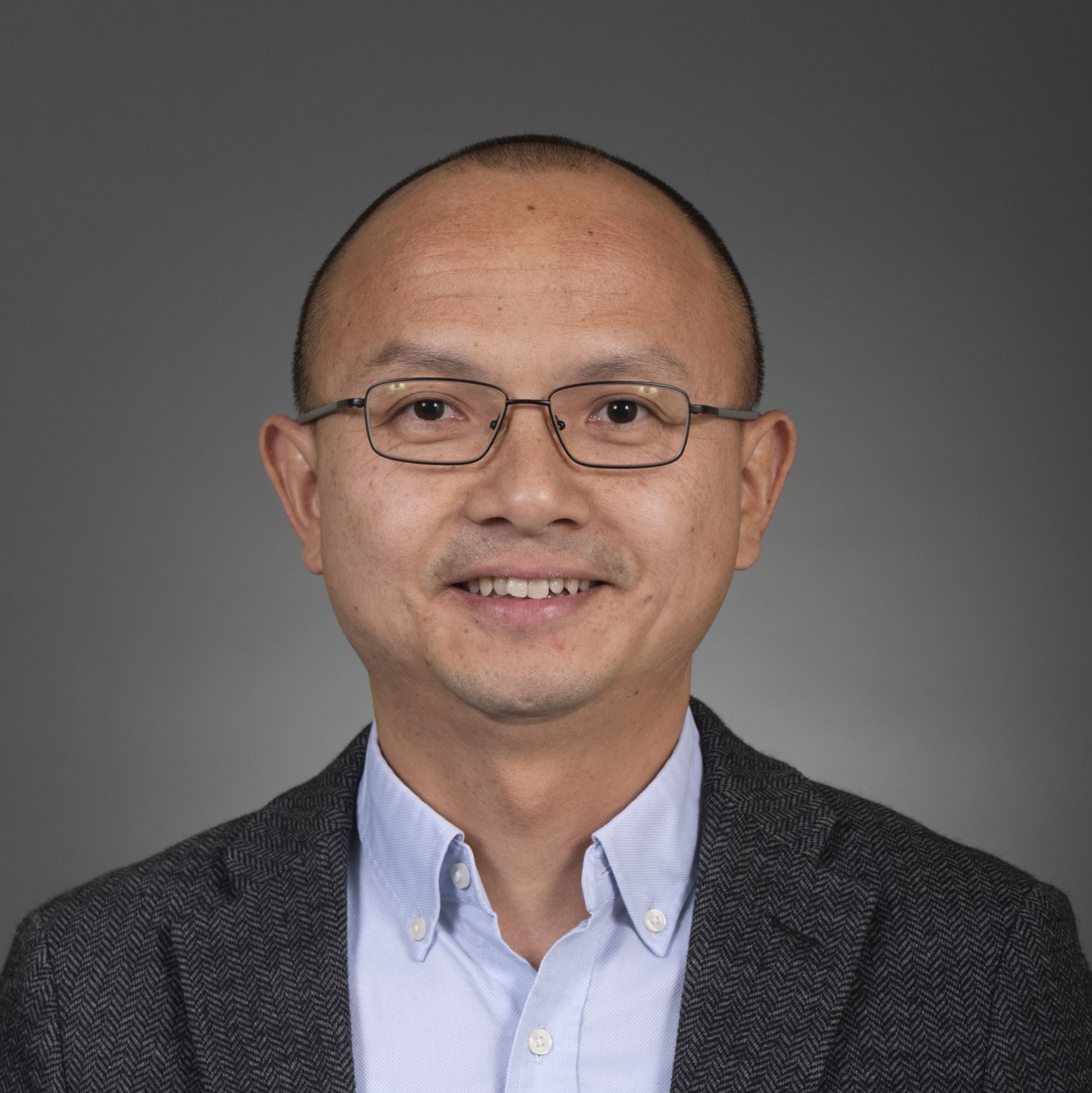
Abu S. Shonchoy is an Associate Professor of Economics at the Steven J. Green School of International and Public Affairs, Florida International University (FIU), USA. He is a J-PAL affiliate professor and a fellow of IZA and GLO. His research focuses on global development and evidence-based policy, with specific interests in financial inclusion, skills training, infrastructure, and education. He conducts field experiments (RCTs) in South Asia and West Africa. Associate Professor, Department of Economics, FIU (2018–present) Researcher, New York University Center for Global Public Service and Social Impact (2016–2018) Research Associate, Institute of Developing Economies - Japan External Trade Organization (2010–2016) His research spans Development Economics , Financial Technology , and Public Health , often using field experiments to evaluate interventions in digital finance, education, and health. His work appears in journals like the American Economic Journal: Applied Economics , Journal of Health Economics , and Nature Scientific Reports . Recent articles explore topics such as mobile banking adoption , climate change impacts on productivity , and early childhood development programs . His experimental work in Bangladesh and India addresses issues like presbyopia interventions , vocational training , and pandemic response strategies . The articles demonstrate interdisciplinary collaboration and policy-driven research. Sasakawa Young Leadership Fellowship Neil Vousden Memorial Scholarship CDESG Best Paper Award ADB-IEA Innovative Policy Research Award FIU Top Scholar Award JADE Fuwa Award International Post-Graduate Research Scholarship
Gang He is an Assistant Professor at the Marxe School of Public and International Affairs at Baruch College, City University of New York (CUNY). He also serves as Doctoral Faculty in Earth and Environmental Sciences at the CUNY Graduate Center and is a Faculty Affiliate at the CUNY Institute for Demographic Research. As founder and director of the Deep Energy and Climate Policy Lab , he focuses on data-driven energy and climate policy research. Ph.D. in Energy and Resources, University of California, Berkeley M.A. in Climate and Society, Columbia University B.S. and M.S. in Geography, Peking University His research examines energy systems , climate policy , and sustainable development , with specific interests in power sector decarbonization, renewable energy integration, and policy informatics. Recent work explores the carbon-water-energy nexus , just transition from coal, and global supply chain impacts on clean energy deployment. Key publication trends show focus on: Energy transition modeling (SWITCH-China) Renewable cost analysis Climate policy effectiveness Health co-benefits of decarbonization Workforce impacts in coal regions International climate collaboration Scientific recognition includes: World's Top 2% Scientists (2024) Baruch College Faculty Research Award Integrated Assessment Modeling Consortium Best Poster Award Asia 21 Young Leader Aspen Environment Forum Scholar He has provided policy expertise to the New York State Climate Action Council , testified before the Climate Leadership and Community Protection Act hearings, and contributed to UNFCCC and U.S.-China climate working groups . His research has received funding from multiple sources including federal agencies, NGOs, and industry partners. As part of his institutional engagement, he participates in: Marxe School Research Committee CUNY Climate Change Consortium Planning Committee Energy Transition Sub-working Group (U.S.-China Working Group) National Offshore Wind R&D Consortium’s R&D Advisory Group He serves as Associate Editor for Energy, Ecology and Environment and reviewer for leading energy and environmental journals.
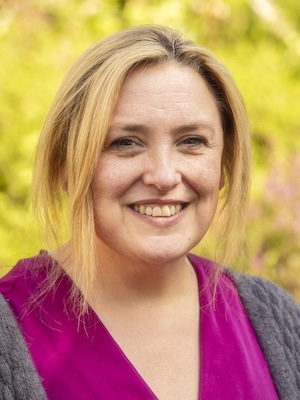
Anne T Lawrence is a Teaching Professor at the Lucas College and Graduate School of Business at San José State University . Her career spans over three decades, focusing on the intersection of business ethics, public policy, and corporate strategy. PhD in Management from University of California, Berkeley (1985) Teaches courses like Business, Government, & Society Author of multiple editions of foundational textbooks in business ethics Her research emphasizes: Ethical decision-making frameworks for organizations Environmental sustainability strategies Stakeholder management in high-risk industries Policy compliance and corporate accountability Organizational behavior in crisis scenarios Publications highlight interdisciplinary approaches to: Corporate governance and ethics Environmental management systems Medical device liability and transparency Gender and labor policy dynamics
Dr. Paul Datti serves as Director of the Counseling and Human Services Program at The University of Scranton's Panuska College of Professional Studies. He holds a B.A. from Penn State University, an M.S. from The University of Scranton, and a Ph.D. from Penn State University. His work emphasizes rigor, social justice, and practical learning through service-oriented curricula and student-faculty research collaboration. Dr. Datti advocates for academic excellence integrated with service learning, a hallmark of Panuska College programs. His research focuses on healthcare equity (particularly LGBTQ+ and HIV/AIDS populations), vocational rehabilitation, and marginalized communities' access to services. He emphasizes undergraduate research opportunities and global engagement through study abroad programs. His publications from 2008–2022 explore topics such as LGBTQ healthcare equality metrics, HIV service utilization among racial/ethnic minorities, and ethical development in human services education. Notable trends include intersectional analyses of health disparities and policy implications for vulnerable groups. No scientific awards are explicitly listed in the provided materials. His advising and grant activities are not detailed here, but his program's strong graduate employment and acceptance rates highlight its effectiveness. Dr. Datti’s work contributes to advancing socially just practices in counseling, healthcare, and vocational support systems.
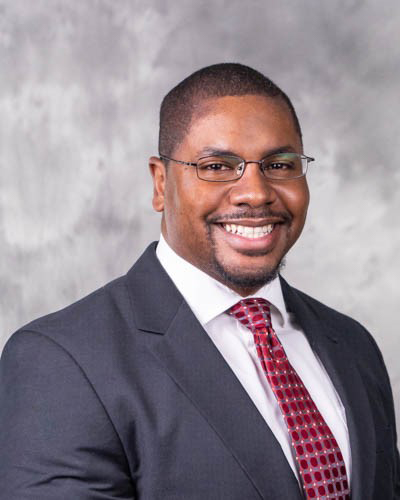
Dr. Michael W. Williams is an Assistant Professor in the Department of Psychology at the University of Houston, affiliated with the College of Liberal Arts and Social Sciences. He directs the Measurement and Intervention for Neuropsychological Disorders (MIND) Laboratory. His academic credentials include a B.S. from Morehouse College, M.A. and Ph.D. from Wayne State University, and clinical training at the University of Washington and Johns Hopkins University. Education: B.S. in Psychology (Morehouse College), Ph.D. in Clinical Neuropsychology (Wayne State University) Professional Activities: Member of Houston Neuropsychological Society, APA Division 22, and editorial roles at Clinical Psychological Science and JINS. Research focuses on optimizing medical rehabilitation outcomes following brain injury, with emphasis on neuropsychological correlates of functional recovery (e.g., cognition, mood, pain). Key interests include identifying intervention targets to enhance independence and return-to-work outcomes. Publications highlight topics such as pain anxiety in brain injury rehabilitation, cognitive clustering patterns and employment, and validation of depression screening tools post-stroke. Recent work addresses opioid misuse in chronic pain patients and long-term TBI cohort follow-up challenges. Key Awards: Center for Large Data Research Travel Award (2019) Teaching: PSYC 4397 (Undergraduate Physical Medicine & Rehabilitation), PSYC 6357 (Graduate Clinical Assessment II) Current research initiatives explore disparities in pain treatment among TBI patients and prognostication of severe TBI outcomes through interdisciplinary collaboration.
Charlynne Pullen is a Principal Research Fellow at Sheffield Hallam University, affiliated with the Sheffield Institute of Education within the College of Social Sciences and Arts and the Social and Economic Research Institute. With over 20 years of experience in educational research and policy, she joined Sheffield Hallam in 2022. Her expertise spans qualitative and quantitative research methods, policy analysis, and evaluation in post-16 education, particularly focusing on vocational pathways and workforce development. She holds a BA (Hons) in Modern History from the University of Oxford, an MSc in Social Research Methods from the Open University, a Graduate Diploma (Level 6) in Economics from Birkbeck College, University of London, and is completing her PhD in the Economics of Education from the University of Sheffield. Her educational background combines historical analysis, advanced research methodology, and economic theory applied to education systems. Pullen's research centers on post-16 technical and vocational education, with specializations in apprenticeships (particularly higher and degree apprenticeships), Further Education workforce dynamics, and skills policy implementation. She employs mixed-methods approaches including policy analysis, large-scale data evaluation, and qualitative case studies to investigate systemic challenges in vocational education, such as widening participation barriers, curriculum design efficacy, and labor market integration. Her work frequently addresses tensions between policy intent and practical implementation across diverse educational settings. Analysis of her 15 most recent publications (2024-2025) reveals three dominant thematic clusters: apprenticeship system design (examining demographic shifts toward adult learners and equity implications), generic skills integration in curricula (with international comparative perspectives), and future skills forecasting methodologies. Her research consistently bridges academic analysis with actionable policy recommendations, often commissioned by government bodies like the Department for Education and sector organizations including the Edge Foundation and Education and Training Foundation. No scientific awards were mentioned in the provided documentation. Pullen demonstrates extensive grant leadership through major commissioned research projects, including the Department for Education's Future Skills Projections report (2024), Edge Foundation's Widening Participation in Degree Apprenticeships study, and the Education and Training Foundation's Staff Individualised Record analyses. Her governance roles at Milton Keynes College Group and University of Bedfordshire further illustrate her strategic influence in educational policy implementation, though specific doctoral students are not documented in the provided materials. She actively contributes to the Social and Economic Research Institute's mission through collaborative projects like the Milton Keynes College Group Greater Than Network evaluation, where she developed network-based professional development models. Her current work integrates economic analysis with vocational education research, particularly through her PhD in Economics of Education, positioning her at the intersection of labor economics and educational policy design.
Laura Limonic is an Associate Professor and Chair of the Sociology Department at the College of Old Westbury, State University of New York. She holds a Ph.D. in Sociology from the CUNY Graduate Center (2014), along with degrees from Brandeis University and Columbia University. Her research focuses on immigration, particularly Latinx and Jewish immigrant experiences, exploring identity formation, religion, and integration in the U.S. and abroad. Education: Ph.D. in Sociology, CUNY Graduate Center, 2014 Master of International Affairs, Columbia University, 2003 Bachelor of Arts in Latin American Studies, Brandeis University, 1997 Research Interests: Laura's work examines race, ethnicity, and religion among immigrant communities, with a focus on Latinx Jews, Chabad-Lubavitch in Latin America, and the intersection of immigration policy with identity. Her recent projects include studies on pandemic impacts on motherhood across racial groups and the role of transnational actors in Jewish diaspora communities. Grants and Funding: Her research has been supported by the Berman Foundation, the Association for Jewish Studies, and the Templeton Trust. Laura also contributes to public policy research and advocacy related to immigration and education equity. Labs/Teams: She leads the Sociology Department at SUNY Old Westbury and maintains an active research agenda with collaborations in both academic and policy spheres.
Dr. Nancy Maynes is a Full-time Professor at the Schulich School of Education within Nipissing University's Faculty of Education and Professional Studies. She holds a BA from Brock University, an MEd from Brock University, and an EdD from the University of Toronto. Her research focuses on curriculum development, teacher education, and professional growth. Key interests include direct vs. indirect instructional strategies, teacher hiring practices, and service learning. She has published extensively on topics like differentiated instruction, teacher candidate preparedness, and classroom management. Dr. Maynes has authored/co-authored multiple books, including Assessment, Evaluation, and Communication of Student Learning and Focus on Learning . Her recent articles explore bullying prevention, teacher innovation, and Aboriginal engagement through service-learning. She has presented at national and international conferences, emphasizing practical frameworks for educators. Her work highlights the shift from teacher-focused instruction to student-centered learning, with an emphasis on preparing educators to address contemporary challenges in classrooms and schools.
Dr. Jennifer Brooks is a Researcher at the Yang-Tan Institute on Employment and Disability, Cornell University's ILR School. She holds a Ph.D. in Sociology from Syracuse University (2021) with a specialization in disability studies. Her research focuses on intersectional labor market inequalities faced by individuals with disabilities, emphasizing how race, gender, and disability type compound systemic disadvantages. Key areas include policy analysis, employment equity during crises (e.g., the pandemic), and advocacy for marginalized groups. Education : Ph.D. in Sociology, Syracuse University (2021) Specialization: Disability Studies Research Interests : Dr. Brooks examines the structural barriers in labor markets that perpetuate unemployment and underemployment among people with disabilities. Her work highlights intersectional factors (race, gender, disability type) and evaluates policy interventions like vocational rehabilitation, remote work accommodations, and interagency coordination. She advocates for systemic reforms to address ableism, racism, and other forms of discrimination. Professional Contributions : Published 10+ peer-reviewed articles, policy briefs, and book chapters since 2019 Presented at major conferences (American Sociological Association, Society for the Study of Social Problems) Consulted on disability policy for state agencies (e.g., New York's Office of the Chief Disability Officer) Awards : STEM Graduate Award, Syracuse University (2018) Outstanding Graduate Student Paper, ASA (2017) Labs/Teams : Active in the Yang-Tan Institute, a leading global center for disability employment research and policy development.
Dr. Geng Wang is a Lecturer in Education (People, Place & Social Change) at the University of Glasgow's School of Education. Previously, he served as an Associate Researcher at Tianjin University (2020–2023) and taught in vocational colleges in China (2013–2016). He holds a PhD from the University of Glasgow (Education) and an MSc from the University of Edinburgh (English Literature). His research focuses on the sociology of vocational education and training (VET), skill formation systems, and youth transitions. Key areas include cross-cultural education policies, labor market outcomes, and institutional arrangements of skill development. Dr. Wang has conducted projects in the UK, China, and South Africa, including a British Academy-funded study on precarious work and youth careers in China/South Africa. He has published widely on VET, with notable works like 'A cultured man is not a tool' (2022), ranked as the most-read article in the Journal of Vocational Education and Training. His research emphasizes interdisciplinary approaches, combining sociological theory with policy analysis. Teaching includes Research Methods, Vocational Education and Training, and Working with Youth. He supervises PhD candidates in areas such as sociology of learning, skill policies, and youth transitions. Grants: Principal Investigator: Skills on the Go (British Academy, 2025–2027) Co-Investigator: VETprep (EU Horizon, 2025–2028) Co-Investigator: British Academy Project on Precarious Work (2021–2023) Professional Activities: Editorial Board Member: Journal of Vocational Education and Training Keynote Presentations: International Conferences on Education and Training
Professor Barbara Read is a sociologist of education and currently holds the position of Professor of Education at the School of Education, University of Glasgow. She previously served as Senior Lecturer at the Department of Education, Roehampton University (2007-2012) and Research Fellow at the Institute for Policy Studies in Education, London Metropolitan University (2001-2007). She earned a PhD in Sociology from the University of Bristol, an MA in Women's Studies from the University of Kent at Canterbury, and a BA (Hons) in Ancient History and Social Anthropology from University College London. Current roles: Deputy Director of Research for the School of Education and member of the University Senate Editor of the British Educational Research Journal Her research focuses on gender and educational cultures in higher education, academic work inequalities, STEM subject participation, and the intersectionality of gender, class, and race. She has conducted international studies on student experiences, precarity in academia, and cross-cultural educational policies. Recent publications highlight themes such as gendered precarity in academia, STEM student well-being, and exclusion of racialized international students. She has led major grants including the £986k Gendered Journeys project (2020-2023) and the EGHE Network examining gender dynamics in STEM education across multiple countries. Professor Read supervises numerous PhD and EdD students, mentoring research on decolonizing education, gender in STEM, and pedagogical competencies. She actively contributes to academic governance, editorial boards, and international networks addressing educational equity and policy.
Dr. Tore Bernt Sorensen is a Lecturer in Education (Educational Leadership & Policy) at the School of Education, University of Glasgow. He holds a PhD from the Graduate School of Education, University of Bristol (2017). Prior to Glasgow, he worked as a postdoctoral researcher at institutions including the Hertie School (Berlin), Jagiellonian University (Krakow), and UC Louvain (Belgium). His research focuses on globalization's impact on education governance, public policy analysis, and the teaching profession. Research Interests : Global education governance, comparative education, EU policy regimes, teacher education, and political sociology. His work uses qualitative methods like discourse analysis and often involves comparative studies. Teaching : Course lead for 'International Actors and Global Education Policies' (MSc International & Comparative Education) and 'Modern Educational Thinking' (Online MSc in Education). Also teaches 'Education Policy' (EdD), 'Modern Educational Thought' (MSc), 'Education and Society 5' (Primary Teaching Qualification), and 'Contemporary Themes in Education Policy' (MSc). Publications : Over 20 peer-reviewed articles and book chapters in journals like Comparative Education Review , European Educational Research Journal , and Discourse . Co-editing World Yearbook of Education 2025: The Teaching Profession in a Globalizing World (Routledge, 2024). Guest editor for multiple special issues. Supervision : Supervised MSc dissertations at Glasgow and co-supervised a PhD at UC Louvain (Jo B. Helgetun’s project on teacher training). Emphasizes dialogue-driven mentorship. Professional Activities : Editorial board roles for European Educational Research Journal and Nordic Journal of Studies in Educational Policy . Peer reviewer for multiple journals since 2022.
Dr. Mahmoud Masoud is a Senior Lecturer at the School of Electrical and Electronic Engineering, University of Sheffield, and the Outreach Lead for General Engineering Admissions. He holds a PhD in Electrical Machines and Drives from Heriot-Watt University (2003), and has held academic positions at institutions including Alexandria University (Egypt), Strathclyde University (UK), Beirut Arab University (Lebanon), and Sultan Qaboos University (Oman). His career includes roles as an Assistant Professor, Research Fellow, and Associate Professor, with over 26 consultancy projects in electrical engineering. Research interests focus on electric machines, power electronics, renewable energy, and engineering education. He leads the Electrical Machines and Drives Group at Sheffield and teaches courses like AER125 (Electrical Fundamentals) and EEE349 (Power Engineering Electromagnetics). Awards include SFHEA (2023), Best Educator (BAME Engineering Society, 2024), and Teaching Impact Award (2024). His vision emphasizes innovation and global impact through teaching, research, and administrative work. Recent work includes developing modular remote labs for power electronics education, transformerless wind energy systems, and metamaterial-based solar efficiency improvements. He has contributed to over 70 publications since 2003, spanning fault detection, multiphase systems, and pedagogical methods.
Dr. Willie Pearson, Jr. is a Regents Professor in the School of History and Sociology at Georgia Institute of Technology, part of the Ivan Allen College of Liberal Arts. He specializes in the sociology of science and technology, sociology of the family, and science policy. Previously, he held the Wake Forest Professorship at Wake Forest University and served as an adjunct in Medical Education at their School of Medicine. His research focuses on underrepresented minorities in STEM, gender equity, and international education disparities. Pearson has held postdoctoral fellowships at the Educational Testing Service and the Congressional Office of Technology Assessment. His academic accolades include the 1993 Southern Illinois University Alumni Achievement Award, a lifetime appointment as a National Associate of the U.S. National Academy of Sciences (2001), and AAAS Fellow designation (2005). Financial support for his work has come from major organizations including the National Science Foundation, National Endowment for the Humanities, and Sloan Foundation. Research contributions span policy advocacy, educational equity, and minority representation. Notable projects include analyzing the international STEM achievement gap and documenting African American chemists' career experiences. Pearson has served on high-level committees such as the Congressional CEOSE and AAAS's Committee for Science, Engineering and Public Policy. He currently contributes to Georgia Tech's Technology Policy and Assessment Center.
Alessandra Pantano is a Lecturer with Potential Security of Employment (PSOE) and the Assistant Vice Chair for Undergraduate Studies in the Department of Mathematics at the University of California, Irvine (UCI). She holds a PhD from Princeton University (2004) and an MS from the University of Tor Vergata, Italy (1999). Her research focuses on representation theory, particularly the unitary dual of real reductive groups. She is a leading advocate for active learning and inquiry-based learning (IBL) strategies, and has pioneered outreach initiatives like the UCI Math Circle and MATH CEO, which engage K-12 students in mathematics through culturally responsive practices. Her educational background includes postdoctoral research at Cornell University and visiting scholar roles at MIT. Teaching awards include the 2014 UCI Outstanding Contribution to Undergraduate Education Award and the 2002 Princeton Engineering Council Excellence in Teaching Award. She has taught a wide range of courses, from introductory calculus to advanced abstract algebra, consistently receiving high student evaluations. In outreach, Pantano emphasizes collaborative learning and mentorship, particularly for underserved Latinx youth. Programs like MATH CEO pair college mentors with middle/high school students to foster mathematical curiosity. Her work bridges university-community partnerships, aiming to democratize access to STEM education. Research Focus: Unitary representations of reductive groups, Atlas of Lie Groups project Teaching Philosophy: Active learning, IBL, and equity-centered pedagogy Outreach: UCI Math Circle, MATH CEO, and culturally responsive afterschool programs