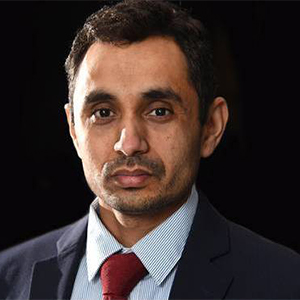
Ordidge Matt is a Researcher affiliated with the University of Reading, specializing in plant genetics and horticultural science. His work focuses on molecular marker analysis, genetic diversity assessment, and germplasm management in fruit crops, particularly apples and cherries. Research Interests Genetic diversity and population structure in fruit crops Molecular marker development for cultivar identification Climate adaptation in plant phenology Cryopreservation techniques for germplasm viability Recent Publications 2024: SNP-based standardization of apple cultivar identification 2023: Pedigree reconstruction in triploid apples using SNP data 2022: Genetic resistance to European canker in apples 2021: SSR marker alignment for cherry germplasm databases 2020: KASP marker panels for apple genotyping
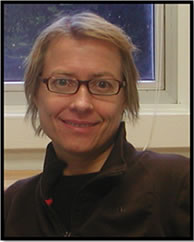
Melinda Yerka is an Associate Professor in the Department of Agriculture, Veterinary and Rangeland Sciences at the University of Nevada, Reno, where her research centers on herbicide resistance evolution, crop-to-weed gene flow dynamics, and sorghum germplasm development for sustainable agriculture. Her academic foundation includes: B.S. in Agricultural Sciences from University of Wisconsin-Madison (2005) M.S. in Plant Breeding and Plant Genetics from University of Wisconsin-Madison (2008) Ph.D. in Plant Breeding and Plant Genetics from University of Wisconsin-Madison (2011) Dr. Yerka's research program investigates the genetic and physiological mechanisms driving evolved herbicide resistance in problematic weeds like johnsongrass and giant ragweed. She examines reproductive barriers preventing transgene escape from crops to weedy relatives and develops genomic tools for sorghum improvement. Her work integrates molecular biology, population genomics, and field ecology to address critical challenges in weed management and crop resilience. Analysis of her 2019-2025 publications reveals dominant themes in genomics-assisted sorghum breeding (particularly waxy endosperm traits), molecular marker development, and evolutionary modeling of herbicide resistance. Key methodological approaches include high-throughput phenotyping, transcriptome/metabolome profiling, and near-infrared spectroscopy for trait characterization, with significant emphasis on translating genomic discoveries into practical breeding solutions. She directs the Yerka Lab, which maintains active scientific outreach through Instagram (@Yerka_Lab) and Twitter (@LabYerka), focusing on real-time dissemination of weed science research and sorghum breeding advancements.
Rebecca Grumet is a Professor in the Department of Horticulture, College of Agriculture and Natural Resources, at Michigan State University, where she has served since July 1987. She dedicates 84 % of her appointment to research and 16 % to teaching, leading nationally recognized projects such as the USDA-SCRI CucCAP initiative. Education Postdoctoral Fellowship, Duke University, 1985–1987 Ph.D., Michigan State University, 1985 M.S., Michigan State University, 1980 B.S., Cornell University, 1978 Research Interests Dr. Grumet’s laboratory integrates molecular genetics, genomics, and transgenic technologies to advance understanding of fruit development and disease resistance in Cucumis crops (cucumber and melon). Core emphases include: Early-stage fruit growth determinants: size, shape, cuticle formation, and surface properties Resistance against Phytophthora capsici , a devastating oomycete pathogen Biotechnology biosafety, spanning risk assessment research, international policy development, and capacity-building projects funded by USAID and the Bill & Melinda Gates Foundation As Principal Investigator of the CucCAP project, she coordinates a multi-institutional effort to deliver genomic and bioinformatic toolkits that accelerate breeding for durable disease resistance across the Cucurbitaceae. Scientific Awards & Recognition No specific awards are listed in the provided text; however, her sustained funding (e.g., USDA-SCRI grants totaling over $13 million) and extensive publication record (1997–2024) underscore her prominence in the field. Advising & Grant Portfolio While individual student names are not disclosed, Professor Grumet mentors graduate students and postdocs in the Plant Breeding, Genetics, and Biotechnology program. She currently leads or co-leads multi-million-dollar federal grants, including: USDA-SCRI CucCAP renewal ($7.1 million, 2020) Initial USDA-SCRI CucCAP award ($6.5 million, 2015) Laboratory & Team The Grumet Lab operates within the Plant Breeding, Genetics, and Biotechnology focus area at MSU. It houses state-of-the-art facilities for molecular genetics, genomics, and transformation of cucumber and melon, collaborating broadly with domestic and international partners to translate research into resilient cucurbit cultivars.
Dr. Gunvant Baliram Patil is an Assistant Professor at Texas Tech University, jointly affiliated with the Institute of Genomics for Crop Abiotic Stress Tolerance (IGCAST) and the Department of Plant and Soil Sciences. His research focuses on advancing genetic engineering and genomics to improve crop resilience and productivity. Institution: Texas Tech University School: Institute of Genomics for Crop Abiotic Stress Tolerance Department: Department of Plant and Soil Sciences Position: Assistant Professor Email: gunvant.patil@ttu.edu Office: 210B, Experimental Science Building II Dr. Patil holds a B.S. from North Maharashtra University, India, an M.S. and Ph.D. from the University of Pune and National Center for Plant Biotechnology, New Delhi. He previously served as a research scientist at the University of Minnesota-St. Paul, a postdoctoral associate at the University of Missouri-Columbia, and a visiting researcher at the Swedish University of Agricultural Sciences. His research interests include genetic engineering, genome editing, translational genomics, and crop improvement under abiotic stress. He aims to develop genotype-independent transformation systems in recalcitrant crops such as soybean, cotton, and sorghum. His lab integrates CRISPR/Cas9, single-cell transcriptomics, and high-throughput phenotyping to dissect molecular mechanisms of stress tolerance and nutrient uptake. The recent publications reflect a strong focus on soybean genomics, stress response mechanisms, and gene-editing technologies. Trends include the use of RNA-Seq, CRISPR-based editing, and functional characterization of gene families (e.g., SWEET, TIP, XIP) involved in transport, stress, and defense. His work increasingly emphasizes tissue culture-free editing and single-cell resolution in plant systems. 2nd place in Oral Presentation at PSS-Symposium-2024 (mentored student) 3rd place in Oral Presentation at SICNA Conference 2024 (mentored student) USDA – Sustainable Agriculture Research and Education Grant (mentored student) Dr. Patil advises multiple graduate students and postdoctoral researchers and leads a dynamic research team at the Patil Lab. His research is supported by grants from USDA-NIFA, United Soybean Board, Southern Soybean Research Program, and TTU-BASF (Project Revolution). He teaches graduate courses such as PSS5325: Transgenic and Plant Cell Genetics, emphasizing CRISPR, gene silencing, and recombinant DNA technology. The lab is actively involved in projects on nutrient uptake efficiency, regeneration system development, and durable resistance to soybean cyst nematode. The team utilizes cutting-edge tools like protoplast transformation, single-nucleus RNA sequencing, and high-throughput phenotyping to achieve translational outcomes in crop improvement.
Cecilia E. McGregor is a Professor in the Department of Horticulture at the University of Georgia's College of Agricultural & Environmental Sciences . Her research program focuses on Cucurbit breeding, genetics & genomics through the Institute of Plant Breeding, Genetics and Genomics. Education: B.S. in Agriculture, Genetics and Animal Physiology (1992), M.S. in Molecular Genetics (1995) and Ph.D. in Horticulture (2006) Research Focus: Development of molecular tools for watermelon and squash, with emphasis on disease resistance (Fusarium wilt, Gummy stem blight, Whitefly-transmitted viruses) and economically important traits (fruit size/shape, seed characteristics, flowering time) Teaching: HORT 3620 Plant Propagation, HORT 3620L Plant Propagation Lab, HORT 4140/6140 Plant Breeding Lab Team: Includes graduate students, undergraduate researchers and high school interns through the Young Scholars Program Her work integrates genomic research with applied cultivar development , including the creation of the first SNP genetic maps for watermelon and identification of QTLs for seed, fruit and disease resistance traits . Current projects focus on gene identification underlying QTLs and genotyping-by-sequencing for disease resistance in watermelon. She supervises students in field, greenhouse and laboratory research as well as genomic analysis and bioinformatics . Opportunities: The lab routinely hires UGA undergraduates for 20-40 hour/week positions, offers Federal Work Study positions, and accepts graduate students through the Department of Horticulture and Institute of Plant Breeding, Genetics & Genomics. Assistantships are competitive and require Statement of Purpose, GRE, GPA and TOEFL (for international students).
Distinguished Professor James Dale is a Professor in the School of Biology & Environmental Science at Queensland University of Technology (QUT). He holds a PhD and BScAgr from the University of Sydney. As Program Leader (Banana Biotechnology) and inaugural Director of QUT’s Centre for Tropical Crops and Biocommodities (CTCB), he leads global research in agricultural biotechnology, focusing on disease-resistant and nutrient-enhanced crops like bananas and sugarcane. His research interests span biofortification (e.g., vitamin A-enriched bananas), genetic engineering for disease resistance (Fusarium wilt, viruses), and molecular farming for medical proteins. He has pioneered transgenic solutions for tropical crops and collaborates internationally, including with African institutions like Uganda’s National Agricultural Research Organisation. Key achievements include developing GM banana varieties with biofortification and disease resistance traits, leading a Bill & Melinda Gates Foundation-funded project, and commercializing biotech innovations through ventures like Leaf Energy. Awards include an Order of Australia (AO) and ATSE Fellowship. He has supervised over 25 PhD students and secured major grants, advancing sugarcane biofuel technologies and tropical crop improvement. His work bridges lab-to-field translation, emphasizing socio-economic impacts in developing regions.
Dr. Francesca Taranto is a Senior Researcher at the National Research Council of Italy's Institute of Biosciences and BioResources (CNR-IBBR) in Bari, Italy, since November 2019. Her work focuses on plant breeding , genomics , and biodiversity conservation for Mediterranean crops like olive , durum wheat , and grapevine , with a focus on genetic markers and bioinformatics applications. Education: Master’s in Food and Vegetable Biotechnologies, University of Bari Aldo Moro (2009) PhD in Plant Breeding and Forestry Plant Pathology, University of Bari Aldo Moro (2013) Research Interests center on genomic approaches to enhance crop resilience and quality. Key areas include marker-assisted selection for agronomic traits, population genetics of cultivated species, and conservation of genetic resources threatened by climate change and pathogens like Xylella fastidiosa . Her work bridges genetic diversity analysis and applied breeding strategies , leveraging high-throughput sequencing and bioinformatics tools. Recent publications highlight her contributions to SNP discovery in olive and wheat, clonal diversity in grapevine, and genomic selection for climate-resilient crops. Her studies often integrate genetic mapping , population structure , and functional marker development . Scientific Awards include: 2021 UNASA Michele Stanca Award 2017 UNASA Poster Prize for GWAS in peppers 2019 Best Poster at Italian Society of Agricultural Genetics Conference Teaching and Supervision encompass mentoring PhD and Master’s students in Italy and Tunisia, and leading international genotyping workshops . She serves as Review Editor for Frontiers in Genetics and Frontiers in Plant Science , and contributes to PRIN and HORIZON-INFRA research projects.
Dr. Gabriella Sonnante is a Research Director at Italy's National Research Council (CNR), leading research programs at the Institute of Biosciences and Bioresources (IBBR) in Bari. With over 25 years at CNR, she has progressed from Researcher to Senior Researcher before assuming her current leadership role in 2021. She holds a Biology degree from the University of Bari and has conducted research internationally at institutions including UC Davis, John Innes Centre, and University of Frankfurt. Her research focuses on plant molecular evolution, domestication processes, and genetic resource characterization, utilizing molecular markers (SNP, SSR, AFLP), genomics, and transcriptomics. Key species in her studies include wheat, legumes, and globe artichoke, with emphasis on genes involved in polyphenol synthesis, nitrogen utilization, and abiotic stress responses. She manages the Cynara (artichoke) germplasm collection and studies genetic diversity conservation in agricultural systems. Her extensive publication record demonstrates consistent focus on crop genetics and genomics, with recent work emphasizing molecular characterization of traditional landraces, stress-responsive genes in wheat, and biodiversity conservation in Mediterranean crops. Research frequently integrates advanced techniques like NMR metabolomics, SNP genotyping, and whole-genome analysis. Dr. Sonnante serves on the PhD teaching faculty at the University of Bari (PhD program: 'Biodiversity, Agriculture and Environment') and represents CNR in the European Plant Science Organization. She leads multiple national and EU-funded projects including Agritech National Research Center (PNRR), BiodiverSO (Puglia region), and PON ALIFUN on functional foods.
Dr. Sebahattin YILMAZ is a Lecturer in the Department of Garden Plants at the Faculty of Agriculture, Kırşehir Ahi Evran University, Turkey. He has been serving as a full-time academic staff member since 2013 and currently holds the position of Deputy Department Head. His academic career includes significant administrative roles such as Department Head (2015-2024) and Research and Application Center Manager (2015-2020), demonstrating his leadership in academic and research administration. Dr. YILMAZ earned his BSc, MSc, and PhD degrees in Horticulture from Gaziosmanpaşa University, completing his doctoral studies in 2007. His educational background in horticulture has provided a strong foundation for his research in fruit cultivation and breeding, particularly focusing on walnut species. His research primarily centers on walnut cultivation and breeding , with significant contributions to understanding walnut phenology, genetic diversity, and propagation techniques. Dr. YILMAZ has conducted extensive research on walnut germplasm characterization, particularly in regions like Kaman (Kırşehir), Aksaray, and Mucur. His work spans practical horticultural techniques including top-working methods, micropropagation, and seed germination studies, as well as theoretical aspects like phenological modeling and suitability analysis using Geographic Information Systems. His recent publications (2023-2025) show a shift toward broader applications including geographical indication systems for agricultural products and educational innovations in plant production. Dr. YILMAZ has been principal investigator for numerous research projects funded by higher education institutions, with a particular focus on walnut cultivation and development. His research portfolio includes 12 projects spanning from 2012 to 2026, reflecting sustained commitment to advancing walnut production in Turkey. He has served as Erasmus Coordinator since 2014, demonstrating international engagement in academic exchange programs. As an educator, Dr. YILMAZ has supervised numerous graduate students, guiding 8 master's theses and 1 doctoral dissertation to completion. His teaching portfolio includes courses on hard-shelled fruit cultivation, subtropical fruit species, viticulture, and plant biotechnology, reflecting the breadth of his expertise in horticultural sciences.
Werner Howad is a Researcher in Rosaceae Genomics and Head of the Genetic Analysis Service at CRAG (Centre de Recerca en Agrigenòmica), which operates under the Institut de Recerca i Tecnologia Agroalimentàries (IRTA). His work is conducted within the Genomics and Biotechnology Program, focusing on the genetic analysis of economically important Rosaceae fruit crops including peach, almond, and plum. Howad's research interests center on plant genomics with particular emphasis on Rosaceae species. His work spans molecular marker development, genome mapping, quantitative trait loci analysis, and the application of genomic tools to fruit tree breeding. He has made significant contributions to understanding genetic diversity, population structure, and the genomic basis of important agronomic traits in stone fruits. His research bridges fundamental genomic discoveries with practical applications for crop improvement. Analysis of his publication record reveals a clear trajectory from early work on RNA editing in plant mitochondria to contemporary genomic approaches for fruit tree improvement. His research shows consistent focus on developing molecular tools for marker-assisted selection, trait mapping, and understanding genome evolution in Rosaceae. Recent publications demonstrate increasing sophistication in genomic technologies, including whole genome sequencing, high-density mapping, and the study of transposable elements in genome evolution. Throughout his career, Howad has maintained strong collaborative relationships with international research groups, as evidenced by his extensive co-authorship network across numerous publications. His work has significantly contributed to the development of genomic resources for Rosaceae crops, facilitating more efficient breeding approaches for these long-generation species.
Wilfred Vermerris is a Professor and Associate Chair in the Department of Microbiology & Cell Science at the University of Florida. His research focuses on plant genetics, bioenergy crops, and lignin biosynthesis, with particular emphasis on improving sorghum for biomass and biofuel applications. He leads projects investigating plant-microbe interactions, cell wall composition, and metabolic pathways critical to stress tolerance and nutrient acquisition. His work integrates molecular genetics, genomics, and biochemical approaches to understand and enhance traits such as disease resistance, nitrogen use efficiency, and carbohydrate accumulation in crops. Recent studies highlight discoveries in biological nitrogen fixation via sorghum aerial root mucilage, lignin modification for reduced biofuel processing costs, and dual-RNA sequencing of plant-pathogen interactions. Vermerris' publications span plant defense mechanisms, enzyme function characterization, and genetic diversity analyses in sorghum germplasm. He collaborates on interdisciplinary bioenergy initiatives and contributes to improving breeding strategies for sustainable agriculture.
Andrew Ross is a Professor at Oregon State University with joint appointments in the Department of Food Science and Technology and Department of Crop and Soil Science within the College of Agricultural Sciences. He holds a B.Sc. Agr (Honours 1st class) from the University of Sydney (1985) and a Ph.D. from the University of New South Wales (1995). His career includes positions at Novozymes A/S, Curtin University, and BRI Australia prior to joining OSU in 2001. Dr. Ross's research focuses on fundamental and applied aspects of cereal science, including: Wheat and barley quality analysis Fermentation technology for nutritional enhancement Whole-grain food systems and gut microbiome interactions Cereal component functionality Bakery product development Analytical method development for grain quality assessment His publication trends (2009-2025) demonstrate consistent focus on cereal chemistry applications, with recent emphasis on climate impacts on grains, alternative milling technologies, and predictive quality modeling. Research methodologies frequently employ Rapid Visco Analyzer technology, genetic association studies, and multidisciplinary approaches bridging crop science and food technology. Significant honors include: Tanner Award for most-cited paper (2017) Excellence in Teaching Award from AACC-International (2012) R.M. Wade Award for Teaching Excellence (2011) Registry of Distinguished Teachers (2011) Western Agricultural Experiment Station Directors Award (2012) He teaches Food Systems Chemistry (FST425/525), Food Polymer Science (FST639), and Processing Small Grains (FST641). Dr. Ross supports OSU's Wheat Breeding Program through quality testing services and collaborates with Barleyworld research initiatives.
Andrea Fabbri serves as Full Professor of General Arboriculture and Tree Cultivation at the University of Parma's Department of Food Sciences since 2001, concurrently leading the Degree Course in Gastronomic Sciences and the Master's Program in Territorial Food and Wine Marketing. His institutional roles include PhD program membership in Food Science and Technology, directorship of the Interdepartmental Center for Energy and Environment (2006-2009), and dual-term leadership of the University Botanical Garden (2002-2003, 2008-2012). His research dominion centers on olive cultivation systems, evidenced by seminal work in propagation physiology, pomological characterization, and revival of olive growing in non-traditional regions like Emilia. Secondary expertise spans viticulture, chestnut/walnut germplasm conservation, and abiotic stress responses in fruit trees, consistently bridging fundamental plant science with gastronomic applications through his teaching of Plant-based Raw Materials. Recent publications (2021-2024) reveal intensifying focus on climate resilience in olive cultivation, combining genetic landscape analysis of ancient varieties with physiological studies of drought adaptation. This trajectory extends to hop cultivation research, exploring organic fertilization's impact on bioactive compounds, demonstrating methodological transfer between Mediterranean and temperate crops. His scientific recognition includes: Corresponding Academician of the Italian Academy of Vine and Wine Full Academician of the National Academy of the Olive Full Academician of the Italian Academy of Cuisine Professor Fabbri has supervised numerous doctoral theses while evaluating European research projects and serving on Italy's FIL/COFIN funding committees since 2001. His international engagement spans 30+ years of development projects across Asia, Africa, and Latin America, complemented by editorial leadership in Advances in Horticultural Science since 1993. Operational frameworks include the Botanical Garden conservation initiatives and Interdepartmental Center for Energy and Environment collaborations, where his cryopreservation and substrate utilization research directly informs sustainable agricultural practices.
Darko Vončina is a Professor at the University of Zagreb Faculty of Agriculture, Department of Plant Pathology, where he leads the Division for Phytomedicine. His work focuses on plant virology with specialization in grapevine viral diseases, vector transmission mechanisms, and epidemiological forecasting. He maintains active collaborations with international institutions including University of California Davis and Berkeley. His educational background includes a PhD (2011) and MSc (2005), both from the University of Zagreb Faculty of Agriculture. His doctoral research investigated virus detection in Dalmatian grapevine cultivars using serological, molecular, and biological methods. Vončina's research centers on plant virus ecology in Croatian viticulture systems. His work employs next-generation sequencing for virus detection and characterization, with particular emphasis on vector-pathogen interactions involving mealybugs and scale insects. Current projects examine viral diversity in autochthonous grapevines and develop sanitation protocols for traditional cultivars. His laboratory applies molecular diagnostics to support clonal selection programs for Croatian native varieties like Plavac Mali and Pošip. His publication trends reveal consistent focus on grapevine virus epidemiology (65% of recent work), vector transmission dynamics (20%), and virus eradication techniques (15%). Key subfields include vitivirus characterization, badnavirus diversity, and mealybug vector competence. Recent work increasingly incorporates genomic approaches for virus detection and host-pathogen interaction studies. Vončina serves as coordinator for multiple Croatian Science Foundation projects including 'Application of metabolomics, high-throughput phenotyping and molecular markers in early selection for disease resistance' (2023-2027) and 'Viruses of grapevine: searching for missing puzzle pieces' (2023-2027). He previously managed EU-funded projects on biodiversity conservation and sustainable pest management. As Division Head for Phytomedicine, he oversees research on plant pathogen diagnostics and develops integrated management strategies for viral diseases in Croatian agriculture. His team collaborates with the Croatian Plant Protection Society and international networks like the International Council for the Study of Virus and Virus-like Diseases of the Grapevine.
Dr. Qianwen (Cami) Li is an Assistant Professor at the School of Environmental, Civil, Agricultural and Mechanical Engineering (ECAM) at the University of Georgia. With a Ph.D. and Master’s degree from the University of South Florida (2022 and 2020), she has received national recognition through the Milton Pikarsky Memorial Award and the Neville A. Parker Award from the Council of University Transportation Centers. Her research focuses on traffic data collection and analytics , CAV (connected and autonomous vehicles) modeling , and smart city infrastructure systems . However, her Google Scholar profile reveals extensive work in agricultural postharvest technology, including ozone applications for fruit preservation, citrus weed management, and sulfur fertilization studies. 2023-2025 : 9 articles on ozone treatment in peaches, grapes, and blueberries 2022-2023 : 4 publications on citrus weed control and pepper disorders 2019-2021 : 3 studies on herbicide bioavailability and pepper disease Scientific Distinctions Prestigious Milton Pikarsky Memorial Award for best doctoral dissertation Neville A. Parker Award for top non-thesis master’s project Her interdisciplinary approach bridges transportation systems with agricultural engineering, reflecting in publications about smart packaging for perishables and controlled-atmosphere storage optimization.