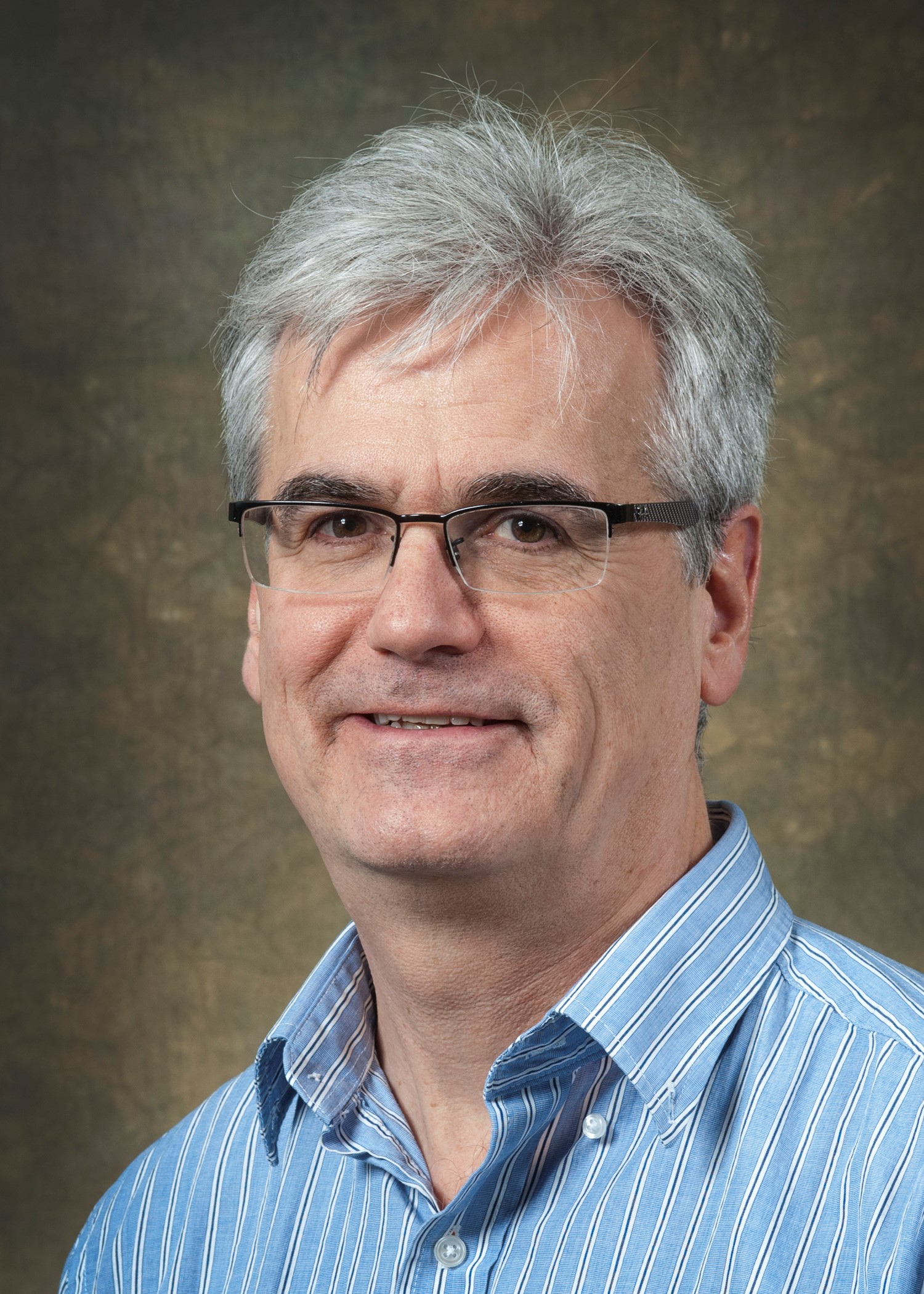
Martin Vingron is a Scientific Member and Director at the Max Planck Institute for Molecular Genetics (MPIMG) in Berlin since 2000. He also holds an adjunct professorship at Freie Universität Berlin . His research spans computational molecular biology , focusing on gene regulation , epigenetic modifications , and functional genomics . After postdoctoral work in Los Angeles and Bonn , Vingron led the Theoretical Bioinformatics Division at the German Cancer Research Center (DKFZ) before joining MPIMG. His work combines algorithmic development with statistical modeling to analyze biological sequences , gene expression data , and multiomic datasets . Recent publications highlight his contributions to transcription factor activity trade-offs, embryo dormancy mechanisms , and liver cell differentiation . These studies intersect with fields like epigenetics , developmental biology , and 3D genome modeling . Scientific Awards: Max Planck Research Prize (2004) Member of the German Academy of Sciences Leopoldina Elected Fellow of the International Society for Computational Biology Vingron's career demonstrates sustained leadership in bioinformatics and computational genomics , with significant impacts across developmental biology , cancer research , and neuroimmunology .
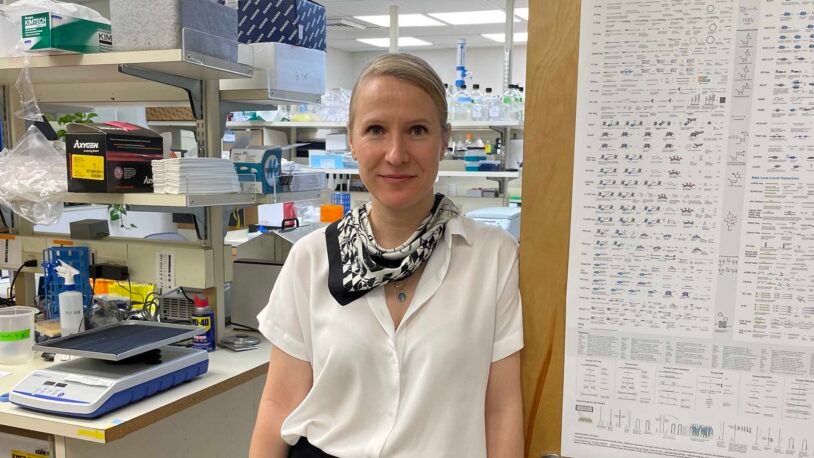
Andrea Schorn is an Assistant Professor at Cold Spring Harbor Laboratory (CSHL), where she leads the Schorn Laboratory and is a member of the Cancer Center and the School of Biological Sciences. Her research centers on transposable elements and the role of small RNAs—particularly tRNA fragments—in genome regulation and defense. Ph.D., Biochemistry, Max-Delbrück Center for Molecular Medicine, Freie Universität Berlin (2004–2009) Postdoctoral Fellow, Cold Spring Harbor Laboratory (2009–2019) Research Assistant Professor, CSHL (2019–2021) Assistant Professor, CSHL (2021–present) Her research focuses on how transposable elements—remnants of ancient retroviruses—interact with host genomes. She investigates how tRNA-derived small RNAs silence these elements during early development and in diseases like cancer. Her lab discovered that a conserved 18-nucleotide motif in retroelements is targeted by tRNA fragments, revealing a key mechanism in genome stability and epigenetic regulation. This work connects to broader themes in gene regulation, evolutionary biology, and antiviral defense. Her recent publications span high-impact journals such as Cell , Nature Structural & Molecular Biology , and Nature Communications , with a consistent focus on small RNAs, epigenetics, and transposon control. Her work shows a strong trend toward understanding RNA modifications, intergenerational inheritance, and the dual roles of transposable elements as both threats and essential genomic components. Fellowship of the International PhD Program of the Helmholtz Graduate School (2004–2007) Associate Faculty Member, Faculty of 1000 (2010–2016) Schorn mentors numerous graduate and undergraduate students and has served on examination committees. Her lab actively participates in national and international conferences, delivering invited talks on epigenetics and transposable elements. She is involved in the Gene Regulation and Inheritance program at CSHL and collaborates extensively within the institution and beyond. Her lab develops transposition assays to visualize and quantify transposon activity, contributing to both basic science and potential therapeutic applications in cancer and reproductive health.
Dr. Adrian Baez-Ortega is a computational biologist and Royal Society University Research Fellow based in the Departments of Zoology and Genetics at the University of Cambridge. His research focuses on transmissible cancers in animals, particularly marine bivalves, and he leads the Bivalve Transmissible Neoplasia Group with funding from the Royal Society and the European Research Council. Education: Undergraduate and postgraduate degrees in Computer Science, University of La Laguna (Spain) PhD in Biological Sciences, University of Cambridge Adrian’s research spans transmissible cancer , somatic evolution , and comparative genomics , with significant contributions to understanding cancer dynamics in bivalves and Tasmanian devils. His work has been featured in Nature Cancer and major media outlets like The New York Times . His recent genomic studies on transmissible cancers in marine cockles involved international collaborations and fieldwork across 11 countries. Adrian also develops computational tools, including the sigfit Bayesian mutational signature model, and contributes to scientific outreach through workshops and public engagement. Scientific Awards: Harold M Weintraub Graduate Student Award Science & SciLifeLab Prize for Young Scientists Adrian holds a Senior Research Fellowship at Magdalene College, Cambridge, and his interdisciplinary approach bridges bioinformatics, cancer biology, and evolutionary genetics. He actively mentors early-career researchers and supervises PhD students.
Professor Tim Weil leads the Weil Lab at the Department of Zoology, University of Cambridge, focusing on how a single cell becomes a fully functioning organism. His work explores the role of biomolecular condensates, particularly P Bodies, in regulating mRNA during egg and early embryo development in Drosophila , with implications for human diseases and therapeutic innovation. Research Interests : Translational regulation via biomolecular condensates, RNA metabolism, developmental biology, phase separation, Drosophila genetics, and in vivo macromolecular complex analysis. Recent Publications highlight studies on P Body dynamics in mRNA storage, calcium signaling in egg activation, spindle morphology in meiosis, and cross-species insights into human disease mechanisms. The lab accepts PhD applications and collaborates on interdisciplinary projects. Contact : Room B31, Department of Zoology, University of Cambridge; tw419@cam.ac.uk
Dr. Evan Ellison is a National Science Foundation (NSF) Postdoctoral Research Fellow at the University of Cambridge's Department of Plant Sciences, based at the Crop Science Centre under Professor Giles Oldroyd's Sustainable Crop Nutrition group since 2022. His research focuses on developing high-throughput gene editing technologies to engineer improved nutrient acquisition in crops, with applications for sustainable agriculture. His academic background includes: PhD in Plant Biology from the University of Minnesota (2022) BS in Biology from North Dakota State University (2016) Ellison's research integrates plant synthetic biology and viral vector engineering to create tissue-culture-free gene editing systems. His work targets cereal crops and model plants, emphasizing practical agricultural applications for nutrient efficiency and pathogen resistance. Recent efforts focus on adapting CRISPR technologies for field deployment in staple crops like wheat and rice. Publication trends reveal a progression from foundational viral vector development (2018-2020) toward applied crop engineering (2021-2024), with increasing focus on nutritional enhancement and parasitic plant resistance. Key fields span viral delivery systems, heritable genome editing, and sustainable crop nutrition. Scientific recognition includes: NSF Postdoctoral Research Fellowship As part of the Crop Science Centre's Sustainable Crop Nutrition group, Ellison collaborates on interdisciplinary projects bridging fundamental plant science with real-world agricultural challenges. His work supports global food security initiatives through innovative breeding technologies and contributes to the Centre's mission of translating scientific discoveries into field-ready solutions.
Fritz Sedlazeck is an Associate Professor at the Human Genome Sequencing Center, Baylor College of Medicine, Houston, TX. His research focuses on structural variation analysis, long-read sequencing, and bioinformatics, with applications in cancer genomics, neurogenetics, and pathogen characterization. He has developed computational tools like VACmap and DRAGEN for variant detection and alignment, and his work addresses challenges in tandem repeats, methylation patterns, and reference genome gaps. Research Interests: Structural variation in pediatric brain tumors and neurodevelopmental disorders Multiomics approaches to MECP2 Duplication Syndrome Technical innovations in long-read sequencing and variant calling Epigenetic regulation via DNA methylation Pathogen genomic characterization Recent Trends: His 2025 publications emphasize long-read sequencing for resolving complex genomic regions, benchmarking structural variants, and uncovering disease-relevant mutations. Key subfields include cancer genomics, neurogenetics, and computational methods for tandem repeats and methylation analysis. Affiliations: Baylor College of Medicine, Human Genome Sequencing Center.
Russell L. Finley, Jr. is a Professor at Wayne State University, affiliated with the departments of Molecular Medicine and Genetics and Biochemistry, Microbiology, and Immunology. He is a member of the Karmanos Cancer Institute and serves as Division Director for Education and Graduate Officer for CMMG. PhD, SUNY Upstate Medical University (1990) Dr. Finley's research focuses on understanding regulatory networks that control biological processes and molecular mechanisms of cell division. His lab employs high-throughput technologies such as yeast two-hybrid systems, RNAi screens, and protein microarrays to map gene/protein interaction networks in Drosophila and bacterial pathogens. His recent publications (2024–2019) highlight work on: CHEK2 genetic variants in breast cancer Protein interactomes of pathogens (Campylobacter jejuni, Streptococcus pneumoniae, dengue virus) Novel cyclin proteins (Cyclin Y, Cyclin J) in cell cycle regulation Meta-interactome approaches to improve functional predictions Integration of Drosophila interactome and transcriptome data Dr. Finley contributes to systems biology and bioinformatics through algorithm development (e.g., TraM for graph matching) and interaction confidence scoring methods. His work bridges fundamental cell biology with translational applications in cancer and infectious disease research. Mentoring: Dr. Finley is accepting new Master's students for 2024/2025 but not new Ph.D. students. Labs and Teams: His research is conducted within the Karmanos Cancer Institute and the College of Medicine Microbiology and Immunology department at Wayne State University.
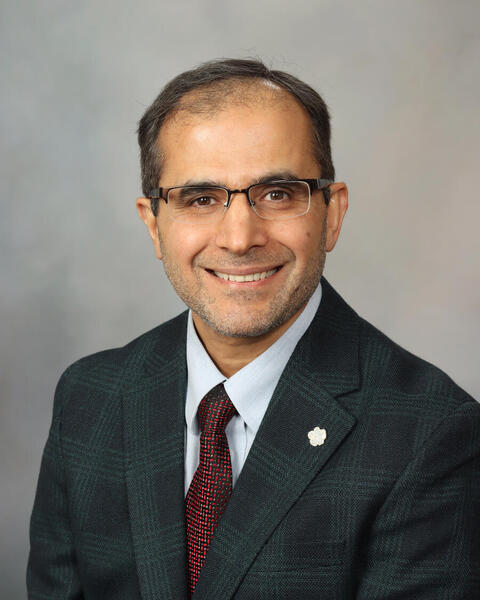
Hussam Al Kateb, MSc, PhD is a board-certified Clinical Genomicist at Mayo Clinic in Rochester, Minnesota, holding dual certifications from the American Board of Medical Genetics and Genomics in Clinical Molecular Genetics and Clinical Cytogenetics . He specializes in developing and clinically implementing multi-omics testing strategies—including paired tumor-normal whole-exome, whole-transcriptome, and whole-genome analyses—to identify actionable, diagnostic, and prognostic variants in solid tumors. Education & Training 2010 – Fellowship, Clinical Molecular Genetics, Case Western Reserve University & University Hospitals 2009 – Fellowship, Clinical Cytogenetics, Case Western Reserve University & University Hospitals 2007 – Post-doctoral Fellowship, Complex Disease Genetics (Type 1 Diabetes), University of Toronto & Hospital for Sick Children 2004 – PhD (Summa cum Laude), Human Molecular Genetics, Ruprecht-Karls-University of Heidelberg 1997 – MSc, Laboratory Diagnosis (Clinical Pathology), Damascus University 1992 – BSc, Pharmacy & Pharmaceutical Chemistry, Damascus University Clinical & Research Focus Dr. Al Kateb’s work bridges cutting-edge genomic technologies and precision oncology. His laboratory develops and validates next-generation sequencing (NGS) assays, interprets complex genomic data, and translates findings into clinical decision-making. Key areas include: Multi-omics test development for solid tumors Genotype-phenotype and genotype-outcome correlations in cancer Gene discovery and functional annotation of novel variants Optimization of NGS workflows and quality assurance Scientific Awards & Honors Co-inventor, Patent WO2007131345 A1 (renal disease gene discovery in T1D) PhD Summa cum Laude, University of Heidelberg (2004) Young Investigator Award finalist, European Society of Human Genetics (2002) DAAD Scholarships for PhD and language studies (1999) Top graduate among 400, Damascus University College of Pharmacy (1992) Professional Leadership & Memberships Dr. Al Kateb serves on the Program Committee of the Cancer Genomics Consortium (2024–present), is a Certified Inspector for the College of American Pathologists, and maintains active memberships in the American College of Medical Genetics and Genomics (Fellow since 2012), American Society of Human Genetics, Association of Molecular Pathologists, and several editorial boards and guideline committees. Laboratory & Collaborative Teams He leads and collaborates with multidisciplinary teams at Mayo Clinic’s Department of Laboratory Medicine and Pathology, integrating genomic data with clinical pathology, oncology, and bioinformatics groups to advance precision cancer care and standardize genomic testing protocols worldwide.
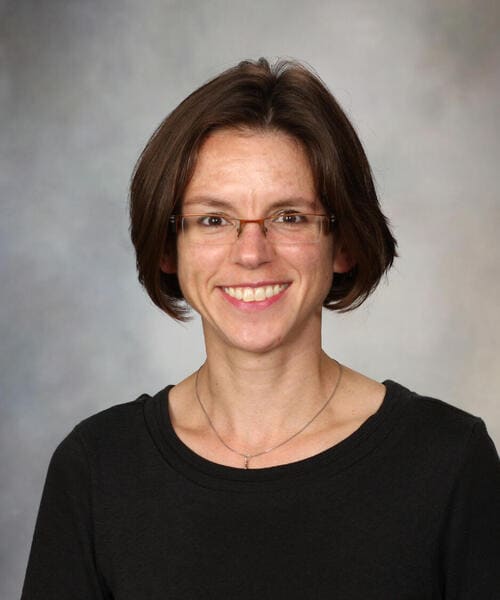
Dr. Ann M. Moyer is an Associate Professor of Laboratory Medicine and Pathology and Assistant Professor of Pharmacology at Mayo Clinic College of Medicine and Science in Rochester, Minnesota. Board certified in molecular genetic pathology, anatomic pathology, and clinical pathology, she has established herself as a leading expert in pharmacogenomics and molecular diagnostics. Dr. Moyer earned her bachelor's degrees in Biology and Chemistry summa cum laude from the University of Wisconsin-Platteville before completing her MD/PhD through the Mayo Clinic Medical Scientist Training Program, where her thesis focused on pharmacogenomics of phase II drug metabolizing enzymes. She completed residency training in Anatomic and Clinical Pathology followed by a fellowship in Molecular Genetic Pathology at Mayo Clinic. Her research interests span pharmacogenomics, complement/immune system genetics, renal genetics, genetic testing for inborn errors of immunity, inherited renal disorders, and the genetics of Complement-Mediated Thrombotic Microangiopathy. Her publication record demonstrates significant contributions to clinical guidelines and implementation of pharmacogenomic testing. Dr. Moyer has received numerous awards including the 2024 Lifetime Achievement Award from the College of American Pathologists, 2024 Innovation & Leadership in Education Award from the Department of Laboratory Medicine and Pathology, and the 2022 Teacher of the Year in Clinical Pathology from the Mayo Clinic Fellows Association. She actively contributes to professional organizations serving on the College of American Pathologists Economic Affairs Committee, Council on Scientific Affairs, and as Co-Chair of the Department of Laboratory Medicine and Pathology Grand Rounds Planning Committee. Dr. Moyer also serves as Associate Director of the Pathology Residency Program and is involved with multiple pharmacogenomics implementation initiatives at Mayo Clinic.
Rachael A. Vaubel, M.D., Ph.D. is a pathologist specializing in Laboratory Medicine and Pathology with a focus on Anatomic Pathology at Mayo Clinic in Rochester, Minnesota. She holds dual board certification in Anatomic Pathology and Neuropathology from the American Board of Pathology, as well as certification in Molecular Genetic Pathology. Dr. Vaubel is actively engaged in neuropathology research with a particular focus on brain tumors, molecular diagnostics, and neuro-oncology. Dr. Vaubel earned her M.D. and Ph.D. in Biochemistry and Molecular Biology from Mayo Clinic College of Medicine in 2013, following undergraduate studies at Luther College where she graduated summa cum laude with dual degrees in Chemistry and Biology. Her postgraduate training included residencies in Anatomic and Neuropathology followed by a Molecular Genetic Pathology Fellowship at Mayo School of Graduate Medical Education. Her research interests center on neuropathology with emphasis on brain tumor classification, molecular diagnostics, and targeted therapies for glioblastoma. Dr. Vaubel's work explores the molecular characteristics of various CNS tumors including pleomorphic xanthoastrocytoma, glioblastoma, and other neuro-oncological entities. She investigates biomarkers, therapeutic targets, and the relationship between molecular alterations and clinical outcomes in brain tumors. Analysis of Dr. Vaubel's recent publications reveals a strong focus on precision oncology approaches for brain tumors, particularly examining molecular diagnostics, therapeutic targets in glioblastoma, and the application of advanced techniques like DNA methylation profiling for tumor classification. Her work spans basic science, translational research, and clinical applications, with numerous collaborations across multiple institutions. Young Investigator Travel Award, National Ataxia Foundation (2008) Coleman MD/PhD Fellowship, Mayo Clinic College of Medicine (2007) Barry Goldwater Scholarship (2005) Adrian Docken Scholarship for Academic Excellence in Chemistry, Luther College (2004) Phi Beta Kappa: National Honor Society, Luther College (2004) Dr. Vaubel is actively involved in multiple research collaborations, particularly with the Mayo Clinic's Neuro-oncology and Molecular Pathology teams. Her work receives funding through institutional support and likely through collaborative grants focused on brain tumor research and molecular diagnostics. She serves as a key contributor to studies examining novel therapeutic approaches and molecular characterization of CNS tumors. Dr. Vaubel works within Mayo Clinic's comprehensive neuropathology and neuro-oncology research infrastructure, collaborating with multidisciplinary teams including neurosurgeons, neuro-oncologists, molecular biologists, and imaging specialists. Her research leverages Mayo Clinic's extensive brain tumor biorepository and advanced molecular profiling capabilities to advance understanding of CNS tumor biology and improve diagnostic and therapeutic approaches.
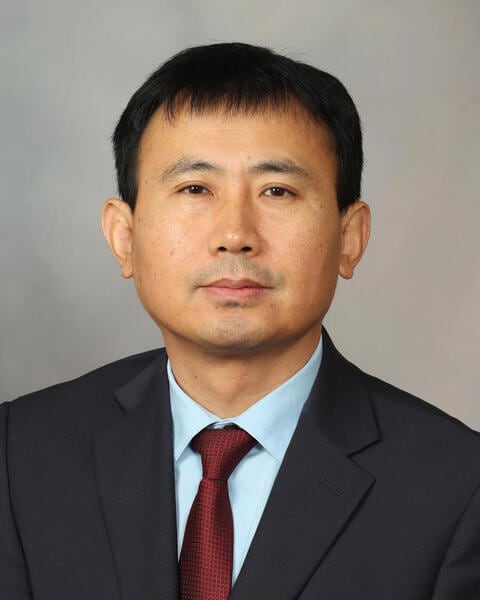
Dr. Gang Zheng, M.D., Ph.D., is a Professor of Laboratory Medicine and Pathology at Mayo Clinic in Rochester, Minnesota. He serves as a Consultant in the Division of Laboratory Genetics and Genomics and holds a joint appointment in the Department of Clinical Genomics. Dr. Zheng is board certified in both molecular pathology and hematopathology, and serves as co-director of Mayo Clinical Genomics Laboratory. 2015: Fellowship in Molecular Pathology, Johns Hopkins Hospital 2014: Residency in Anatomic and Clinical Pathology, Johns Hopkins Hospital 2013: Fellowship in Hematopathology, Johns Hopkins Hospital 2012: Residency in Anatomic and Clinical Pathology, Johns Hopkins Hospital 2009: Post Doctoral Fellowship, Harvard Medical School 2005: Ph.D., Case Western Reserve University 1997: M.D., Beijing Medical University Dr. Zheng's research focuses on implementing cutting-edge molecular technologies in clinical diagnostics of cancer, particularly liquid biopsy approaches using circulating cell-free DNA (cfDNA) cancer tests based on next-generation sequencing. His work emphasizes the integration of genomic, morphologic, and clinical data to improve clinical decision-making and interpretation of molecular tests. He applies data mining techniques to identify clinically relevant disease entities based on genomic markers and to enhance the clinical utility of genomics and epigenetic markers in oncology. Analysis of Dr. Zheng's recent publications reveals a strong focus on molecular diagnostics in hematologic malignancies, particularly myeloid neoplasms, leukemias, and lymphomas. His work spans technical advancements in next-generation sequencing, clinical applications of genomic testing, and the development of classification systems for hematologic disorders. A significant portion of his research addresses diagnostic challenges and pitfalls in hematopathology, with emphasis on molecular markers that improve diagnostic accuracy and clinical correlation. Scientific Awards Grant awardee, The Women's Board, Johns Hopkins University (2018) Clinical Pathology Teaching Award, Johns Hopkins University (2017) Achievement in Quality Improvement, Johns Hopkins University (2017) Awardee, global health faculty pilot grant, Johns Hopkins University (2016) Young Investigator's Award, Johns Hopkins University (2013) Eggleston research award, Johns Hopkins University (2011) Best Presentation award, Case Western Reserve University (2004) Dr. Zheng has been actively involved in professional organizations and editorial work, serving on the editorial board of the Journal of Applied Laboratory Medicine since 2019 and as a Review Editor for Hematologic Malignancies at Frontiers in Oncology since 2020. He has held leadership positions including Vice Chair of the Molecular Analysis Committee of the International Society for Laboratory Hematology (2020-present) and Expert Adviser for Molecular Diagnostics at the Clinical and Laboratory Standards Institute (2020-present). As co-director of the Mayo Clinical Genomics Laboratory, Dr. Zheng leads a team focused on implementing and validating advanced molecular diagnostic tests. His laboratory work emphasizes the clinical application of next-generation sequencing technologies and the development of novel approaches for cancer diagnostics, particularly in hematologic malignancies.
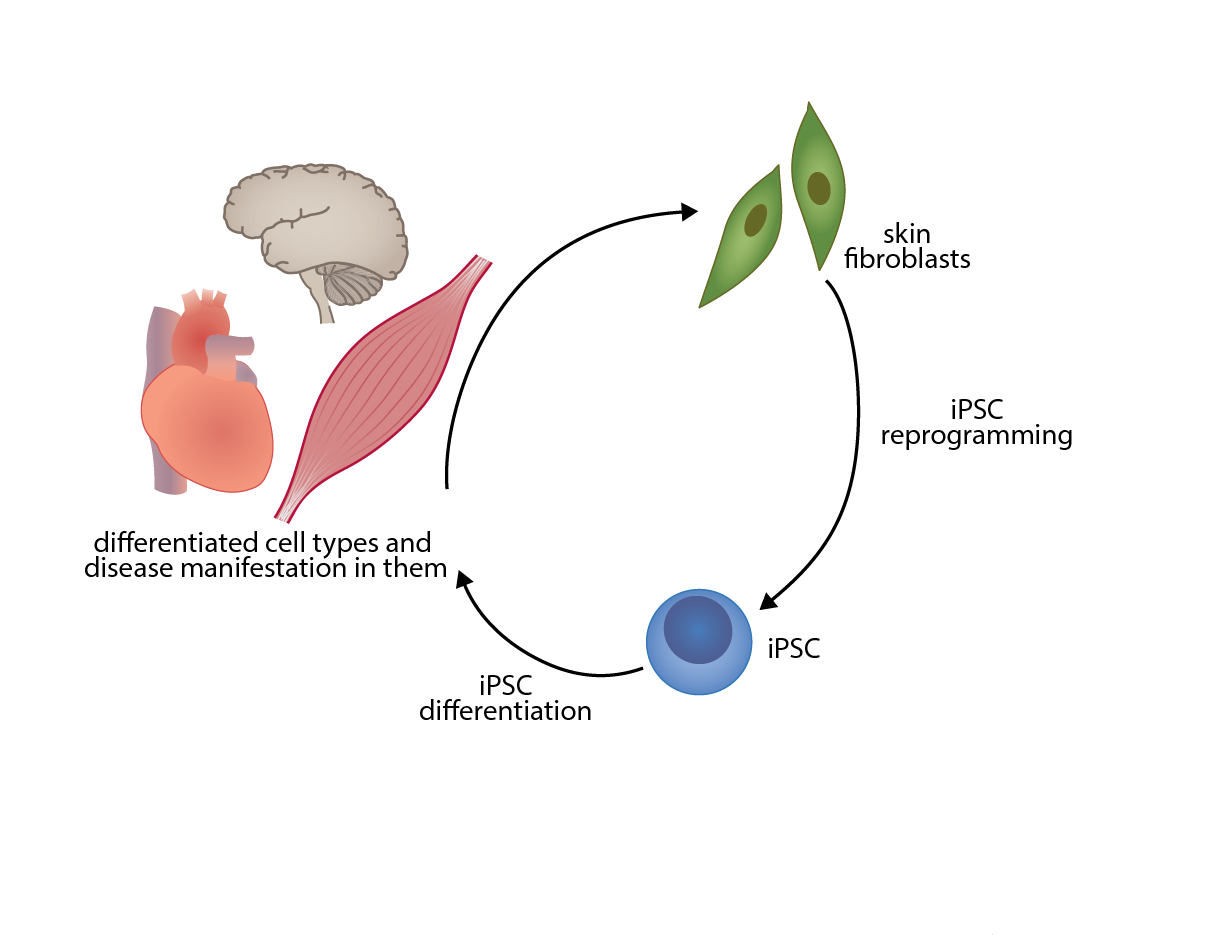
Riikka Martikainen serves as a Research Director at the A.I. Virtanen Institute for Molecular Sciences within the Faculty of Health Sciences at the University of Eastern Finland. Her research program focuses on mitochondrial diseases, stem cell modeling, and neurodegenerative disorders, with particular expertise in Parkinson's disease mechanisms and mitochondrial DNA mutations. She leads significant research initiatives including the Neuro-Innovation project (2021-2026) and the NOVEL MSCA Postdoctoral Programme (2024-2029), demonstrating her leadership in both specific research domains and broader capacity-building efforts. Dr. Martikainen's research centers on understanding mitochondrial dysfunction in disease contexts using induced pluripotent stem cell (iPSC) technology to model conditions like Parkinson's disease, progressive myoclonic epilepsy, and mitochondrial disorders. Her laboratory investigates how mtDNA mutations affect cellular function across various tissue types, with particular attention to neuronal and cardiac cells. She explores the interplay between mitochondrial dysfunction, metabolic alterations, and neurodegenerative processes, seeking to identify potential therapeutic targets and develop disease-specific cellular models. Analysis of her recent publications reveals a strong emphasis on developing and characterizing disease-specific iPSC lines, investigating mitochondrial heteroplasmy dynamics, and examining cellular responses to mitochondrial dysfunction. Her work spans from basic mechanisms of mitochondrial DNA maintenance to translational applications in disease modeling and potential therapeutic interventions, with particular focus on astrocyte contributions to Parkinson's pathology, mitochondrial mutation effects on cellular metabolism, and innovative approaches to modulate mtDNA heteroplasmy. Dr. Martikainen's laboratory utilizes advanced techniques including iPSC derivation and differentiation, mitochondrial function assays, calcium imaging, metabolomics, and disease modeling. Her collaborative approach is evident in numerous co-authorships across neuroscience, cardiology, and molecular biology disciplines, reflecting the interdisciplinary nature of her research program focused on bridging basic molecular mechanisms with potential clinical applications.
Nelson Shu-Sang Yee, MD, PhD, RPh is a Professor in the Department of Medicine, Division of Hematology and Oncology at Penn State Cancer Institute. His academic career spans several decades with significant contributions to cancer research, particularly in pancreatic oncology. Affiliated with Penn State College of Medicine, Dr. Yee maintains an active research program focused on pancreatic cancer pathogenesis and treatment. Dr. Yee's research interests center on pancreatic cancer biology, molecular biomarkers, and novel therapeutic approaches. His work specifically addresses pancreatic adenocarcinoma, receptor signaling pathways, and malignant neoplasms, with strong emphasis on identifying biological markers for cancer detection and treatment response. His research fingerprint shows 100% focus on pancreas cancer, 61% on pancreas adenocarcinoma, and significant contributions to receptor pharmacology (55%) and malignant neoplasm research (54%). Analysis of Dr. Yee's publication trends from 2015-2025 reveals consistent output with peaks in 2015 (8 publications) and 2019 (6 publications). His recent work (2023-2025) demonstrates expanding focus into immunotherapy, precision oncology, and molecular diagnostics across multiple cancer types while maintaining his pancreatic cancer expertise. The publications span diverse formats including original research articles (52), review articles (14), editorials (4), and other scholarly contributions. Dr. Yee has secured competitive funding from the National Institute of Diabetes and Digestive and Kidney Diseases for two major research projects: 'Analysis of zebrafish exocrine pancreas development' (2002-2004) and 'Cloning of Zebrafish exocrine pancreas mutant' (2005-2006). These projects focused on pancreatic organogenesis, zebrafish models, and gene function in cellular differentiation. His laboratory work appears to focus on pancreatic cancer models, particularly using zebrafish for studying exocrine pancreas development and disease mechanisms. Current research directions include granzyme and perforin family genes in multiple cancers, precision oncology implementation, and diagnostic approaches for hepatocellular carcinoma and pancreatic cancer.
Paula Amato is a reproductive endocrinologist and infertility specialist with expertise in embryo research, genetic analysis, and transgender healthcare. She is certified by the Royal College of Physicians and Surgeons of Canada (1994) and the American Board of Obstetrics and Gynecology (1998), and holds memberships in the American Congress of Obstetricians and Gynecologists. MD, University of Toronto (1989) Residency in Obstetrics and Gynecology, University of Toronto (1994) Fellowship in Reproductive Endocrinology and Infertility, University of California-San Diego (1997) Her research focuses on reproductive disparities, genetic mutations in oocytes, ethical implications of embryo research, and the intersection of reproductive medicine with environmental factors (e.g., wildfire-related impacts on fertility). She has contributed to advancements in mitochondrial DNA transfer and somatic cell reprogramming. Her publications highlight collaborations across disciplines, including bioethics, genetics, and clinical obstetrics. Recent publications include studies on LGBTQ+ reproductive outcomes, genetic parenthood preferences in transgender patients, and technical innovations in embryo viability assessments. She has also collaborated on high-impact debates about CRISPR-Cas9 applications in human embryos. American Congress of Obstetricians and Gynecologists
María Almuedo Castillo is a Postdoctoral Researcher at the Andalusian Center for Developmental Biology (CABD), affiliated with Pablo de Olavide University. Her work bridges molecular developmental biology and regenerative mechanisms, utilizing zebrafish and planarian models to dissect fundamental processes in embryogenesis and tissue repair. Her educational background includes a PhD from the University of Barcelona (2014), where she investigated Induction of regeneration and acquisition of body planarity in planarians under Dr. Emili Saló Boix and Dr. Teresa Adell Creixell, focusing on non-canonical JNK and WNT pathways. Castillo's research explores signaling pathway crosstalk (Yap, Wnt, Nodal) in embryonic axis formation, retinal development, and metabolic regulation. Key themes include mechanotransduction in cell migration , robustness of gene networks , and phenotypic heterogeneity in metabolic disorders , with recent work advancing single-cell multiomics in zebrafish spermatogenesis. Her publications reveal a trajectory from planarian regeneration to sophisticated zebrafish-based systems biology. Analysis of her 15 most recent articles (2020-2025) shows dominant focus on zebrafish developmental models (87%), particularly axis assembly (33%), retinal specification (20%), and signaling integration (27%). Emerging interests include multiomics approaches (2025) and critical analysis of gender dynamics in science ( Si quieres triunfar en ciencia... , 2020). She contributes to the PhD Program in Developmental Biology at CABD, a joint research center of Pablo de Olavide University, CSIC, and the University of Seville. Her collaborative network spans European developmental biology consortia, with primary affiliation to CABD's Morphogenesis and Cell Signaling Group investigating conserved mechanisms of tissue patterning.