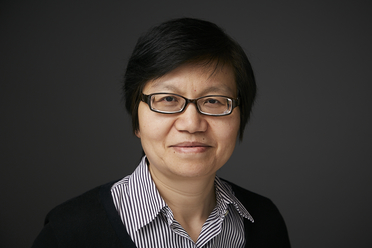
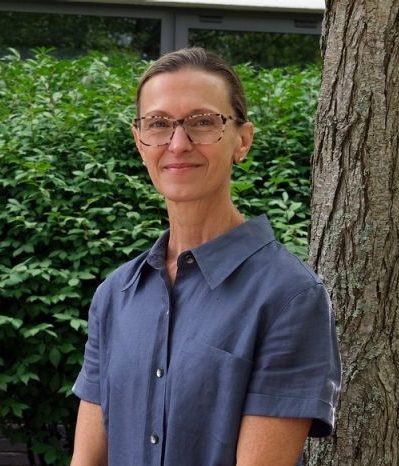
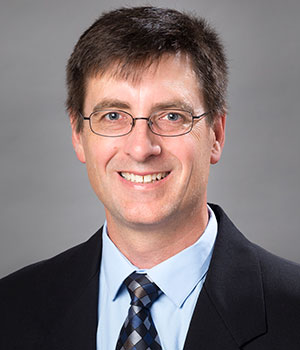
Dr. Scott Hayes is an Associate Professor in the Department of Psychology at The Ohio State University, specializing in Clinical Psychology and Cognitive Neuroscience. He directs the Buckeye Brain Aging Lab (B-BAL) and collaborates with the OSU Center for Brain Health and Performance. His research focuses on neuroimaging techniques to study the effects of physical activity, fitness, and aging on brain structure and function, particularly in memory-related disorders. Education: PhD in Clinical Psychology (Neuropsychology) from the University of Arizona (2006), MA (2002), and BA (1998) with dual honors in Biology and Psychology from Skidmore College. He completed postdoctoral fellowships at Duke University and VA Boston Healthcare System. Research interests include cognitive neuroscience of memory, neural correlates of aging, and applying advanced MRI methods to clinical populations. His work highlights how cardiorespiratory fitness impacts brain health and cognitive decline. Awards include the 2024 Distinguished Teaching Award, Spivack Emerging Leader (2017), and multiple NIH-funded grants. He has authored over 50 peer-reviewed articles, focusing on topics like Alzheimer’s biomarkers, PTSD-related cognitive deficits, and exercise interventions. Labs/Teams: Director of B-BAL, affiliated with OSU Jameson Crane Center for Sports Medicine Institute. Current projects explore brain fitness interventions and resilience in aging populations.
Prof. Oliver Faude is a Professor and Researcher at the Department of Motor Performance & Biomechanics within the University of Basel's Department of Sport, Exercise and Health (DSBG). His research focuses on exercise physiology, sports medicine, and the application of physical activity in managing chronic conditions like type 2 diabetes. He supervises doctoral students, including Vivien Hohberg, whose work on telephone-based health coaching for diabetes patients was published in the Journal of Science and Medicine in Sport. Faude collaborates on projects such as the dbcoach intervention, funded by Innosuisse and health insurers, demonstrating how personalized coaching increases physical activity in diabetic populations. His work also extends to musculoskeletal imaging innovations, such as the UMUD web application for ultrasonography data access, and the PrepAir study addressing chemotherapy-induced sensory dysfunction in children. Faude's interdisciplinary approach integrates clinical research, biomechanics, and public health, with a particular emphasis on aging populations and pediatric oncology. He contributes to injury prevention strategies in sports like badminton and soccer, while advancing methodologies for muscle volume assessment via 3D ultrasound and MRI comparisons. Key Projects: dbcoach program, PrepAir study, musculoskeletal imaging tools, agility training for frailty prevention. Grants: Innosuisse, SwissLife Foundation, Voluntary Academic Society of Basel. Students: Vivien Hohberg (PhD). Labs/Teams: Motor Performance & Biomechanics lab, collaborations with Prof. Bart Roelands (Vrije Universiteit Brussel) on overtraining syndrome research.
Shaji K Chacko, Ph.D., is an Instructor in the Department of Pediatrics – Nutrition at Baylor College of Medicine, where he leads an independent research laboratory at the USDA/ARS Children's Nutrition Research Center in Houston, Texas. His work focuses on metabolic regulation, particularly glucose production pathways in health and disease. BS, Nagpur University (1990) MS, Barkatullah University (1992) MS, University of Houston, Clear Lake (2000) PhD, University of Groningen (2011) Dr. Chacko's research centers on glucose metabolism , specifically gluconeogenesis and glycogenolysis , using stable isotope tracers and mass spectrometry. His lab investigates metabolic dysfunctions in conditions such as insulin resistance, type 2 diabetes, and post-surgical states, with a strong focus on pediatric and neonatal populations. He also studies total energy expenditure using the doubly labeled water method in free-living subjects. The 15 most recent publications reflect a consistent focus on metabolic regulation, particularly in insulin resistance , obesity , diabetes , and parenteral nutrition . Key themes include hormonal regulation (e.g., leptin), amino acid metabolism (glycine, BCAA), liver function, and therapeutic interventions like metformin and nutritional supplements. His work frequently involves translational models, including human clinical studies and genetically modified animal models. Dr. Chacko has not received any explicitly mentioned scientific awards in the provided texts. He mentors lab members such as Zhensheng Chen (Research Associate) and collaborates extensively with clinicians and scientists, including M.W. Haymond and F. Jahoor. While no specific grants are listed, his research likely involves externally funded projects given the scope and equipment required for stable isotope and mass spectrometry studies. His lab benefits from the state-of-the-art facilities at the Children's Nutrition Research Center, including a metabolic kitchen, greenhouse, and advanced instrumentation. The Shaji Chacko Lab is embedded within the USDA/ARS Children's Nutrition Research Center, a multidisciplinary hub housing elite scientists conducting cutting-edge research in pediatric nutrition and metabolism. The center provides extensive resources including specialized laboratories, research accommodations, and a collaborative scientific environment.
Kerryn Butler-Henderson is an Adjunct Professor in the Department of Health and Biomedical Sciences at RMIT University. Her research focuses on digital health transformation, healthcare informatics, and workforce education. She actively contributes to understanding the integration of artificial intelligence, predictive analytics, and electronic health records (EHR) into healthcare systems. Her work emphasizes improving clinical outcomes through data-driven approaches and addressing challenges in workforce digital literacy. She holds an ORCID identifier (0000-0002-6082-2108) and is open to supervising PhD and Masters students. Research interests include: Learning health systems and AI applications Prediction modeling for musculoskeletal disorders Digital health workforce development Value-based healthcare frameworks Educational innovations in nursing and healthcare Key publications from 2024-2025 explore topics like EHR generalizability, digital health literacy measures, and global digital health workforce roles. Her interdisciplinary collaborations span occupational health, gerontology, and healthcare accounting. Dr. Butler-Henderson is engaged in curriculum development for digital health competencies and has contributed to national surveys on nursing education trends. She maintains strong industry connections through RMIT's Health and Biomedical Sciences research networks.
Tania Fernández Villa is an Associate Professor in the Department of Biomedical Sciences at the Faculty of Veterinary Medicine, University of León. Her primary academic affiliation centers on preventive medicine and public health research within the GIIGAS (Interactions Gene-Environment-Health) research group. Her research spans nutritional epidemiology, gender studies in food systems, substance use disorders, and chronic disease prevention. Key focus areas include alcohol consumption patterns among university students (via the UniHcos cohort), sarcopenia in metabolic syndrome, breast cancer risk factors, and pandemic impacts on health behaviors. Her work integrates longitudinal cohort analysis, systematic reviews, and psychometric validation studies. Recent publications demonstrate strong trends in gender-disaggregated health research, pandemic-related behavioral shifts, and methodological innovations in dietary assessment. Her 2024-2025 output shows increasing emphasis on environmental sustainability of diets and multi-cancer risk prediction models. She serves on the editorial board of the Spanish Journal of Human Nutrition and Dietetics, contributing to strategic planning (2020-2026) and open science initiatives. Her PhD from Universidad de Granada focused on ICT usage patterns among university students. Current projects include the UniHcos longitudinal study tracking health behaviors in Spanish university students, with particular attention to alcohol use, sleep patterns, and nutritional status. Her research group actively investigates gene-environment interactions in public health contexts.
Kristian O'Connor is a Professor in the Department of Kinesiology within the College of Health Sciences at the University of Wisconsin-Milwaukee, where he also serves as Associate Vice Provost for Research Education. His academic credentials include a Ph.D. in Exercise Science from the University of Massachusetts (2002), an M.S. in Exercise Science from Arizona State University (1998), and a B.A. in Physics from Colorado College (1994). Dr. O'Connor's research centers on the biomechanics of musculoskeletal injury, with particular emphasis on knee injury mechanisms during sports activities. His work investigates how neuromuscular fatigue contributes to increased injury risk in conditions like anterior cruciate ligament (ACL) tears and anterior knee pain, and explores its role in osteoarthritis progression. A significant innovation in his research involves developing portable single-camera 3D motion capture technology for clinical settings, eliminating the need for specialized laboratory environments. Analysis of his 15 most recent publications reveals consistent focus on age-related movement changes, knee biomechanics during dynamic tasks, and fatigue-induced injury mechanisms. His work spans geriatric mobility, athletic performance, and clinical rehabilitation, with strong methodological emphasis on motion analysis and neuromuscular assessment. Key trends include transition step descent biomechanics, visual-motor integration in aging populations, and foot-joint coupling dynamics in runners. Dean’s Award for Outstanding Service (2016), College of Health Sciences As Associate Vice Provost for Research Education, Dr. O'Connor oversees research training programs while maintaining active NIH-funded research. His recent grants include NIH R44HD068147-02 ($1.5M) and R43HD068147-01 ($215k) for developing clinical gait assessment tools, plus industry funding from Sport Biomechanics, Inc. His research program integrates motion capture technology development with fundamental injury mechanism studies, focusing on translating laboratory findings to clinical applications for injury prevention and rehabilitation. Dr. O'Connor leads a biomechanics research laboratory focused on developing portable motion analysis systems and investigating injury mechanisms across diverse populations including athletes, older adults, and clinical patients. His team's development of single-camera 3D motion tracking represents a significant advancement toward accessible clinical biomechanics assessment.
Dr. G. Adriana Perez is an Associate Professor of Nursing at the University of Pennsylvania School of Nursing , holding the Anthony Buividas Term Chair in Gerontology . She leads research at the NewCourtland Center for Transitions and Health and the Leonard Davis Institute of Health Economics , focusing on physical activity interventions for older Latinos with mild cognitive impairment (MCI) and health equity. Education : PhD (2009), MS (2004), BS (2000) from Arizona State University Her research examines multi-level factors influencing physical activity, cardiovascular health, and sleep among Spanish-speaking older Latinos. She developed the Tiempo Juntos por Nuestra Salud intervention, funded by a 4-year NIA R01 grant. As a board-certified Adult Nurse Practitioner at Mercy LIFE, she provides community-based care for frail elders. Recent publications highlight her work on culturally adapted interventions, dementia-friendly healthcare, and structural barriers in clinical trials. Awards include the Outstanding Nurse Educator Award and the Senior Service America Senior Scholar Award . She actively mentors students and leads initiatives to expand Medicare benefits through the Affordable Care Act. Scientific Awards Senior Service America Senior Scholar Award Family & Community Health Research Award Outstanding Nurse Educator Award Fellow, Gerontological Society of America Fellow, American Academy of Nursing Dr. Perez collaborates with community organizations and serves on the Advisory Committee on Minority Health at the U.S. Department of Health and Human Services. Her work integrates socio-ecological frameworks and community health promoters to address disparities in aging populations.
Dr. Maryam Ghahramani is a Senior Lecturer in AI & Robotics at the Faculty of Science & Technology, University of Canberra, Australia. She holds a BSc in Electrical Engineering from Shiraz University, Iran, and a PhD in Biometric Gait Analysis from the University of Wollongong, Australia. Biomedical Engineering Researcher Machine Learning Specialist Human Motion Analysis Expert Her research focuses on applying machine learning to human motion analysis for rehabilitation purposes, particularly in three key areas: Parkinson's Disease: Using fNIRS and machine learning for disease detection and motor function assessment Fall Prevention: Analyzing postural sway and risk of falls in older adults Spatial Disorientation: Studying balance in hypoxic aviation environments Recent publications demonstrate her work at the intersection of biomedical engineering, machine learning, and clinical rehabilitation. Current projects include: Young Onset Dementia Detection with 12-week Home-Based Exercise Programs Mild Hypoxia Analysis for Aviation Safety Balancing Mat Performance Evaluation
Jonathan Gratch is a Research Professor at the University of Southern California (USC) with joint appointments in Computer Science , Psychology , and Media Arts and Practice . He serves as Director for Virtual Human Research at USC's Institute for Creative Technologies and leads the USC Affective Computing Group . His work focuses on computational models of human cognitive and social processes, particularly emotions, and their applications to virtual environments. Education: Ph.D. in Computer Science from the University of Illinois at Urbana-Champaign (1995) Gratch's research spans Affective Computing , Cognitive Modeling , and Human-Computer Interaction , with a focus on creating emotionally intelligent virtual agents. His projects include the development of computational emotion models (e.g., EMA) and virtual human systems for training, healthcare, and social interaction studies. Key applications include the Mission Rehearsal Exercise and Stability and Support Operations prototypes. Recent publications (2023) highlight his exploration of LLM-based emotion modeling , social influence dynamics in human-agent interactions, and ethical implications of AI assistants . Earlier work (2014-2015) established foundational frameworks for automated negotiation and rapport-building virtual agents . His methodological contributions include parasocial consensus sampling and appraisal theory-based emotion architectures. Scientific honors include Fellowships from AAAI, AAAC, and the Cognitive Science Society, the SIGART Autonomous Agents Award , and Senior Membership in IEEE . As founding Editor-in-Chief of IEEE Transactions on Affective Computing , he has significantly shaped the field's academic discourse. Gratch's virtual humans leverage immersive audio-visual environments (8'x30' screens, 10.2-channel audio) to study socio-emotional dynamics. His team's work demonstrates that anthropomorphism in machines can enhance interaction but may produce unintended consequences, informing design principles for effective human-machine collaboration.
Jennifer Jakobi is a Professor at the School of Health and Exercise Sciences , Faculty of Health and Social Development, UBC Okanagan. She serves as Director of the Institute for Healthy Living and Chronic Disease Prevention and holds the NSERC Chair for Women in Science and Engineering . Her work bridges neuromuscular physiology and STEM diversity initiatives . Research Themes : Frailty, aging in place, sex-differential muscle function, and motor unit modulation. Labs : Leads the Healthy Exercise and Aging Lab (HEAL) and coordinates the iSTAND diversity program. Publications focus on aging biomechanics, cannabis impacts in elderly populations, social VR interventions, and pandemic-era health behaviors. Her NSERC-funded basic research examines cortical-spinal pathways, while UBCO grants support applied studies on vibration therapy and assistive technologies. Scientific Contributions : Identified sex-specific force steadiness mechanisms Developed prehabilitation frameworks for functional independence Advocated for gender-inclusive STEM education Outreach includes youth STEM camps, equity workshops, and community partnerships on aging-in-place policies. Current research explores VR-based social engagement and cannabis safety protocols for seniors.
Russell Richardson is a tenured Professor at the University of Utah , holding joint appointments in the Department of Internal Medicine (Division of Geriatrics) and the Department of Exercise and Sport Science . He directs the Utah Vascular Research Laboratory (UVRL) at the Salt Lake VA Medical Center. Education: Fellowship (University of California San Diego), Doctoral Training (University of Utah), PhD (Colorado State University), MS (Loughborough University), PGCE (West London Institute of Higher Education) His research focuses on oxygen transport from air to tissue , with a current emphasis on the link between vascular and skeletal muscle function , particularly how oxidative stress regulates skeletal muscle metabolism and vascular control. He has authored numerous studies on aging, vascular dysfunction, and exercise hemodynamics. Recent publications highlight work on mitochondrial respiration, passive limb movement techniques, antioxidant interventions, and age-related vascular decline. His lab employs both in vivo and ex vivo methodologies to investigate these mechanisms. Collaborations span clinical and physiological domains, including studies in chronic obstructive pulmonary disease (COPD), heart failure, and breast cancer. His work integrates gerontology , exercise physiology , and vascular biology . Notable affiliations include the Salt Lake VA Medical Center and contributions to understanding the interplay between physical activity, aging, and vascular plasticity.
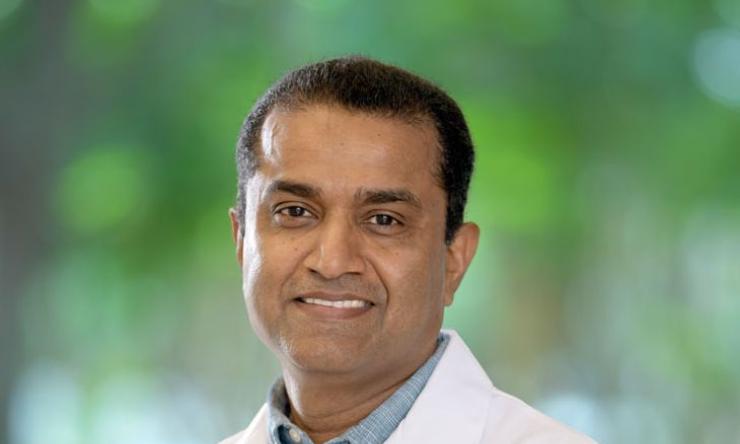
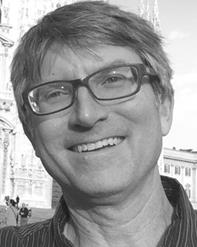
Professor Garry Tew serves as the founding Director of the Institute for Health and Care Improvement and holds the position of Professor of Clinical Exercise Science at York St John University's School of Science, Technology and Health. As a BASES Accredited Sport and Exercise Scientist, he leads interdisciplinary research initiatives focused on improving community health through evidence-based practices. He also serves as the Academic Lead of Scarborough Coastal Health and Care Research Collaborative (SHARC), a partnership with York and Scarborough Teaching Hospitals NHS Foundation Trust. Professor Tew's research program centers on the role of physical activity and exercise in preventing, managing, and treating long-term health conditions. He is internationally recognized for his pioneering work on exercise interventions for intermittent claudication and exercise-based prehabilitation to enhance surgical readiness. His research spans mental health contexts, inflammatory bowel disease, peripheral artery disease, and multimorbidity in older adults, with a particular focus on developing accessible interventions for diverse patient populations. His extensive publication record demonstrates significant contributions across multiple health domains, with recent work emphasizing co-produced physical activity programs for severe mental illness, chair-based yoga for older adults with multiple conditions, and digital health coaching for surgical preparation. These publications reflect a consistent trajectory toward developing practical, evidence-based exercise interventions that can be implemented in real-world healthcare settings. Professor Tew actively contributes to the research community as a member of the East Midlands Nottingham One Research Ethics Committee and serves on the Selection Committee for the NIHR Doctoral Fellowship Programme. He regularly reviews grant applications for major funding bodies including the National Institute for Health and Care Research, Medical Research Council, and British Heart Foundation. His teaching expertise encompasses research methods and exercise physiology at both undergraduate and postgraduate levels. He also conducts specialized workshops for staff and postgraduate research students on research-related topics, demonstrating his commitment to developing the next generation of researchers in health and care disciplines.
Bei Wu is Dean’s Professor in Global Health and Vice Dean for Research at the NYU Rory Meyers College of Nursing, where she also serves as Co-Director of the NYU Aging Incubator. She holds an additional appointment as Affiliated Professor in the Ashman Department of Periodontology & Implant Dentistry at NYU, reflecting her interdisciplinary expertise. She previously held the Pauline Gratz Professorship at Duke University School of Nursing, underscoring her national prominence in gerontology and nursing science. Her educational background includes a PhD and MS from the Gerontology Center at the University of Massachusetts, Boston, and a BS from Shanghai University. These foundational qualifications have supported her extensive research career focused on aging, global health, and oral-systemic health linkages. Dr. Wu’s research is centered on gerontology and global health, with a strong emphasis on oral health, dementia, cognitive decline, caregiving, and health disparities among minority populations, particularly older Asian Americans. She is a pioneer in studying the connections between oral health and cognitive outcomes in older adults. Her work integrates interdisciplinary approaches across nursing, dentistry, public health, and social sciences, often with a focus on vulnerable and underserved communities. Her recent publications reveal a consistent focus on the biological and social determinants of cognitive aging, oral frailty, caregiving burden, and mental health in older populations. Themes include the role of toothbrushing in preventing dementia, the impact of social capital on mental health, and the development of culturally tailored interventions for dementia caregivers. Her work often employs mixed methods, including systematic reviews, cohort studies, and qualitative inquiry. Distinguished Scientist Award for Geriatric Oral Research, IADR (2017) Pauline Gratz Professorship, Duke University (2014) J. Morita Junior Investigator Award (2007) Fellow, Gerontological Society of America Fellow, New York Academy of Medicine 2022 Wei Hu Inspiration Award Honorary Member, Sigma Theta Tau International Dr. Wu has successfully mentored hundreds of early-career scientists and has secured substantial funding from the NIH, CDC, and private foundations. She currently leads multiple NIH-funded projects, including a clinical trial on oral health in dementia and a large data analysis on diabetes and cognitive decline. She co-leads the Rutgers-NYU Center for Asian Health Promotion and Equity and directs the Research and Education Core for the NIA-funded Asian Resource Center for Minority Aging Research (RCMAR), which focuses on building research capacity and addressing health inequities. Her work is conducted through key labs and initiatives including the NYU Aging Incubator, the Rutgers-NYU Center for Asian Health Promotion and Equity, and the Asian Resource Center for Minority Aging Research (RCMAR). These centers support interdisciplinary collaboration, innovation in aging research, and the development of culturally appropriate health interventions.
Dr. Yoshimi Fukuoka is a Professor at the University of California, San Francisco (UCSF) School of Nursing , specializing in Physiological Nursing . She holds a PhD in Nursing and Postdoctoral Fellowship from UCSF, with a career focused on AI-driven health interventions , chronic disease prevention , and mobile health (mHealth) applications for diverse populations. Her research bridges artificial intelligence and behavioral health , emphasizing personalized physical activity programs , cardiovascular risk reduction , and diabetes prevention . She has developed AI chatbots to improve heart disease awareness and conducted clinical trials on metabolic syndrome and colorectal cancer survivorship . Recent publications highlight her work on: AI chatbots for heart attack knowledge and physical activity interventions Machine learning in diabetes risk prediction and microRNA analysis Cultural adaptations of mHealth for Asian Americans and Latinos Behavioral analytics in weight loss and exercise adherence Scientific awards include: 2014-2017: National Science Foundation EAGER Grant 2011-2013: UCSF Diabetes Family Fund Award 2010-2012: American Heart Association National Clinical Research Program Award 2008: Marie Cowan Promising Young Investigator Award Her work spans UCSF , with collaborations across NIH , Alzheimer's Association , and Noyce Foundation , addressing health disparities , digital health policy , and precision health through grants like NIH R01HL104147 and K24NR015812 . Media coverage includes USA Today , NHLBI News , and UCSF News for her AI in nursing innovations.
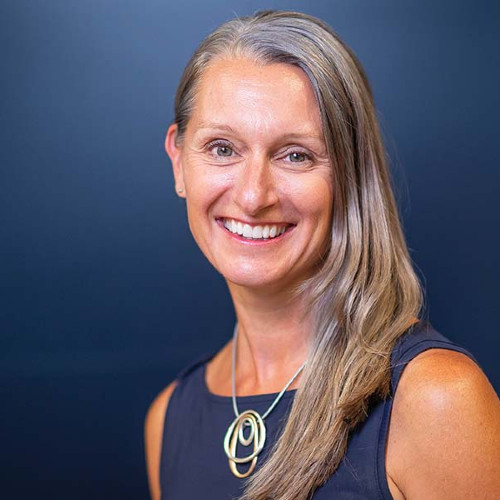
Brenda M. Davy is a Professor in the Department of Human Nutrition, Foods and Exercise at Virginia Tech. Her work focuses on obesity prevention, dietary intake assessment, and the role of beverages in health. She holds a PhD in Human Nutrition from Colorado State University (2001), an MS in Exercise Physiology (Virginia Tech, 1992), and a BS in Human Nutrition (Virginia Tech, 1989). Her research investigates diet, physical activity, and beverage consumption's impact on cardiovascular health, type 2 diabetes risk, and cognitive function. Notable projects include studies on ultra-processed foods' effects and hydration's role in metabolism. Dr. Davy has received prestigious awards, including Fellowships from The Obesity Society (2013) and the American College of Sports Medicine (2007), and the Excellence in Outcomes Research Award (2019). Her work bridges clinical practice and population health, with a focus on translating research into actionable public health strategies. Education: PhD, Human Nutrition (Colorado State University 2001) Experience: Over 30 years in academia and clinical nutrition roles, including leadership in clinical trials and research coordination. Key Research: Behavioral interventions, dietary biomarkers, and longitudinal studies on food intake. Her recent studies emphasize ultra-processed foods' metabolic consequences and hydration's cognitive benefits in aging populations. Collaborative projects include validating dietary assessment tools and exploring exercise timing's effects on cardiometabolic outcomes.




/prod01/yorksjacuk/media/content-assets/staff-profile-images/garry_tew-2.jpg)