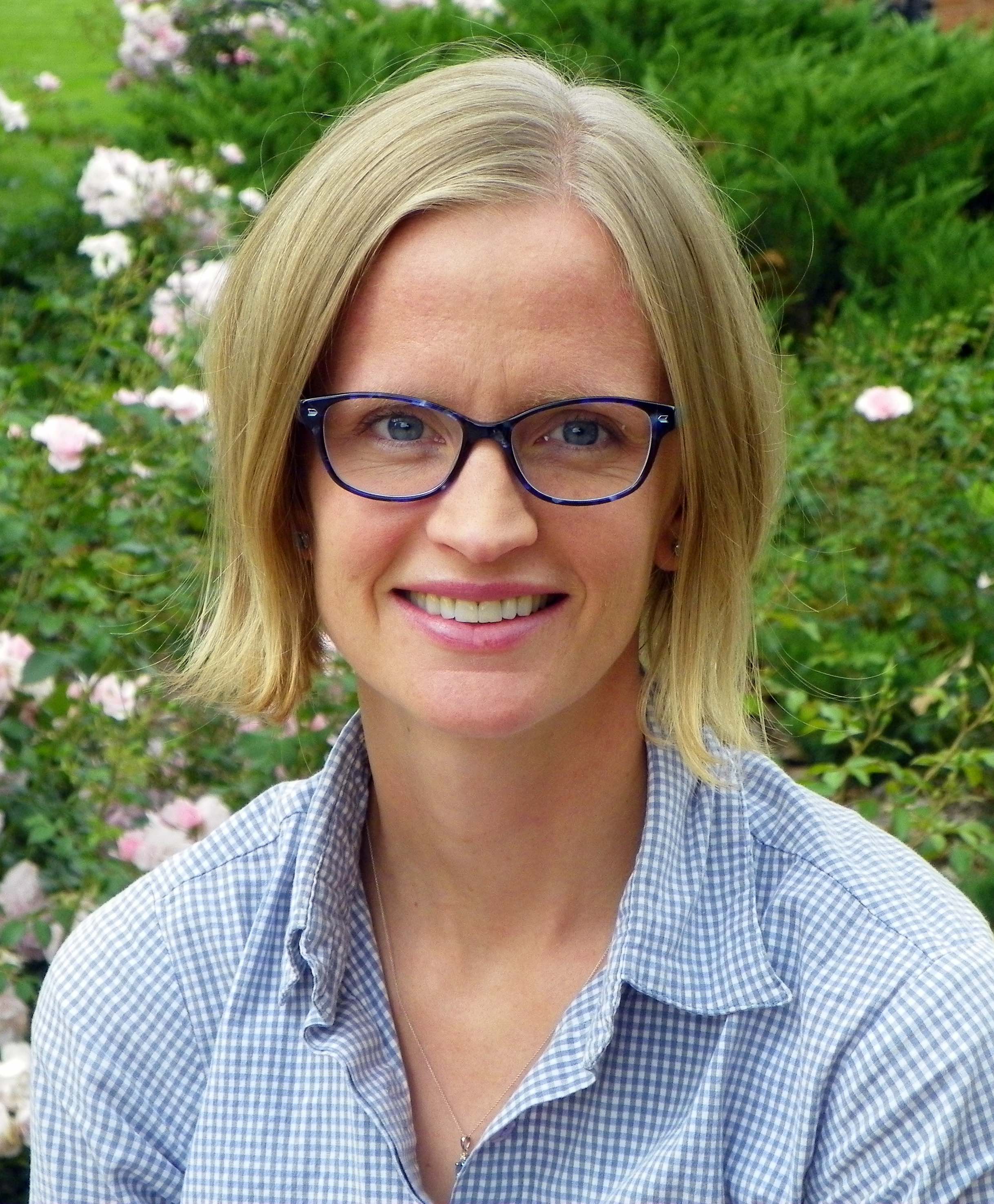
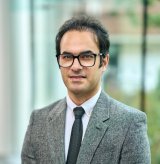
Dr. Hodjat Shiri is an Associate Professor in Civil Engineering at Memorial University of Newfoundland, holding the Wood Group Chair in Arctic and Harsh Environments. His research addresses Arctic offshore challenges, including ice-seabed interactions, subsea pipeline design, and reliability assessment. Shiri integrates machine learning with geotechnical modeling to predict iceberg impacts and pipeline performance. Recent work explores trenching techniques, layered seabed responses, and fatigue in riser systems. Publications emphasize practical solutions for energy infrastructure in climate-sensitive regions, combining numerical simulations with field data validation.
Dr. Rocky Taylor is an Associate Professor and Interim Associate Dean Research in the Faculty of Engineering and Applied Science at Memorial University of Newfoundland. He holds B.Eng., M.Eng., and PhD degrees in mechanical and ocean/naval architectural engineering, all from Memorial University. He is the CARD Chair in Ice Mechanics, leading research programs on ice failure mechanics, offshore structure design, and Arctic shipping safety. His work focuses on ice load estimation, fracture processes, and probabilistic modeling, supported by industry partnerships like C-CORE and Statoil. Dr. Taylor’s research emphasizes ice dynamics, including high-pressure zone failure, freeze-bond strength, and SAR-based iceberg detection. He has led initiatives funded by RDC IgniteR&D and NSERC, advancing ice engineering practices. His academic contributions include teaching undergraduate/graduate courses and supervising student projects in structural engineering and Arctic systems. His research integrates experimental methods (e.g., medium-scale indentation tests) with computational models (finite element analysis, machine learning algorithms) to address challenges in polar regions. Key areas include ice-structure interactions, risk management for Arctic shipping, and environmental consequence modeling. Dr. Taylor collaborates extensively with industry and international researchers to develop innovative solutions for cold ocean engineering challenges. As Interim Associate Dean Research, he fosters interdisciplinary collaboration and graduate training while maintaining a strong focus on applied research with real-world industry applications. His work bridges academic innovation and practical engineering solutions for harsh marine environments.
Jianming (James) Yang is a Professor in the Faculty of Engineering and Applied Science at Memorial University of Newfoundland. He holds a PhD from Tianjin University and has extensive industry experience as a mechanical design engineer, followed by academic roles at Guilin University of Electronic Technology and University of Shanghai for Science and Technology. His work focuses on mechanical vibration/dynamics, nonlinear random vibration analysis, and fatigue prediction in mechanical systems. Dr. Yang's research emphasizes modeling drillstring dynamics, fatigue control in drilling systems, and random vibration analysis of planetary gear trains in wind turbines. His expertise spans machine design, solid mechanics, and wind turbine simulation. Key contributions include developing empirical models for drilling performance prediction and stochastic linearization techniques for gear dynamics. His academic journey includes post-doctoral studies at Shanghai Jiao Tong University and a career transition from industry to academia in 2003. He has authored numerous publications on mechanical systems, vibration analysis, and renewable energy applications. Notable research trends include advancing predictive models for drilling efficiency, optimizing gear train reliability under random loads, and integrating machine learning for wind turbine performance analysis. Dr. Yang's work bridges theoretical mechanics and practical engineering challenges, contributing to advancements in energy systems and sustainable manufacturing processes.
Ryan Thigpen is an Associate Professor and Director of Undergraduate Studies in the Department of Earth & Environmental Sciences at the University of Kentucky's College of Arts & Sciences. His research focuses on structural geology, computational geomechanics, basin and mountain belt geodynamics, and tectonic processes. He leads the UK Structure and Geodynamics Group, which investigates tectonic and geomorphic links through fieldwork, analytical methods, and numerical models. Thigpen’s work spans diverse regions including the Grand Teton National Park (Wyoming), Himalayas (Nepal), and the Appalachian Mountains. He has secured NSF grants for projects like studying the Teton fault’s seismic history and the impact of the Yellowstone hotspot. His team uses seismic reflection, thermochronology, and sediment coring to analyze active tectonics, orogenic collapse, and landscape evolution. Key research themes include: Sublacustrine geology of Jackson Lake (WY), linking sedimentation to fault activity and climate change. Thermodynamic modeling of collisional systems, such as the Himalayas and Caledonides. Anthropogenic influences on flood severity and geomorphic responses in eastern Kentucky. Deformation band studies in salt basins (e.g., Paradox Basin, Utah) to improve reservoir predictions. Thigpen supervises numerous graduate and undergraduate students, fostering collaborative projects with institutions like Virginia Tech, Colorado State University, and the University of Tennessee. Recent achievements include a RAPID NSF grant post-2022 Kentucky floods and a book chapter on Scotland’s geology (anticipated 2024). His lab’s activities include: Field campaigns in Wyoming, Scotland, Portugal, and Nepal. Integration of seismic, geochemical, and structural data for multidisciplinary insights. Publications on paleoseismology, diatom paleoecology, and erosion-geomorphic feedbacks.
Alessio Ferrari is a Full Professor in Engineering at the University of Palermo, specializing in Geotechnics within the Civil Engineering department. His research focuses on advanced geomechanical characterization of soils and rocks. Research interests encompass: Mechanical behavior of geomaterials under extreme conditions Slope stability and landslide mechanisms Nuclear waste containment systems Innovative laboratory testing methods Recent publications demonstrate expertise in triaxial testing of bentonite and shale, with emphasis on applications in deep geological repositories and nuclear waste storage. He leads geotechnical laboratories and supervises graduate research on topics ranging from 3D-printed soils to infrastructure resilience against geohazards.
Francesco Parrinello is Associate Professor in Structural Engineering at the University of Palermo. His research develops computational methods for fracture mechanics, including hybrid equilibrium elements for cohesive crack propagation and delamination analysis. Teaching responsibilities include Computational Mechanics of Structures and Science of Construction courses for Civil and Energy Engineering students. Recent publications focus on adaptive numerical formulations for complex material failure under dynamic loading. Laboratory work emphasizes experimental validation of computational models.
Robert Howell Goldstein is the Haas Distinguished Professor at the University of Kansas’s Department of Geology. His research focuses on carbonate sedimentology, sequence stratigraphy, and diagenetic processes, with emphasis on reservoir quality prediction and fluid flow dynamics. Current projects include analyzing Miocene Spanish carbonates, Saudi Arabian Aruma Formation reservoirs, and fluid inclusion techniques for paleoenvironmental reconstruction. Goldstein’s work bridges geology and petroleum engineering, addressing challenges in unconventional energy resources and reservoir analog modeling. He employs advanced methods like Raman spectroscopy and geostatistical simulations to study porosity preservation, fracture networks, and microbial influences on dolomite formation. His interdisciplinary approach integrates field data, laboratory analyses, and computational models to enhance understanding of hydrocarbon reservoirs and groundwater systems. Scientific contributions include pioneering studies on ascending freshwater-mesohaline mixing dolomitization and the role of microbial surfaces in low-temperature dolomite precipitation. His group actively explores the Midcontinent’s hydrothermal fluid flow history and its impact on reservoir properties, contributing to both academic and industrial applications in energy exploration. Key Research Themes: Carbonate diagenesis and reservoir quality Fluid flow pathways and fracture mechanics Sequence stratigraphy and paleoclimatology Geophysical characterization of heterogeneous reservoirs Goldstein has advised numerous graduate students on projects ranging from Permian reservoirs in Kansas to Cretaceous carbonates in Saudi Arabia. His work has been recognized through the Haas Distinguished Professorship and extensive industry collaborations.
Hao Zhang is an Associate Professor in the Department of Computer Science at the Colorado School of Mines. His research focuses on human-centered robotics, visual perception, and adaptive systems for critical scenarios such as search and rescue, assistive robotics, and field robotics. He integrates robotics with geotechnical engineering through advancements in sensor integration, real-time ground property prediction, and infrastructure risk assessment. Education: Ph.D. in Computer Science, University of Tennessee (2014) M.S. in Electrical Engineering, Chinese Academy of Sciences (2009) B.S. in Engineering, University of Science and Technology of China (2006) Research Interests: Combines robotics with geotechnical challenges, addressing human-robot collaboration, soil mechanics in tunneling, and data-driven modeling for infrastructure resilience. His work emphasizes real-time systems, adaptive tracking, and interdisciplinary applications. Key Contributions: Pioneered loop closure detection algorithms for robotics, developed hybrid models for ground property prediction in tunneling, and advanced understanding of desiccation cracking mechanisms in clay. His recent work integrates digital twin frameworks for bridge networks and investigates nanoscale fluid dynamics in porous media. Grants & Advising: Leads projects in robotics and geotechnical engineering without explicitly listed grants or advisees in the provided texts. Labs/Teams: Active in robotics and geomechanics labs at Colorado School of Mines, focusing on field robotics and infrastructure resilience systems.
Whitney Trainor-Guitton is an Assistant Professor in the Department of Geophysics at Colorado School of Mines. Her research integrates spatial statistics, data science, and geophysical inversion to address critical challenges in subsurface modeling and decision-making processes. Research Focus: Her work emphasizes quantifying uncertainty in geophysical models, with applications to geothermal exploration, CO2 sequestration monitoring, and distributed acoustic sensing (DAS) analysis. She develops value-of-information methodologies to optimize data integration and spatial decision-making for environmental and energy systems. Publications: Her research spans spatial uncertainty analysis, geothermal fault imaging, CO2 leakage detection, and groundwater sustainability, utilizing stochastic techniques to enhance geostatistical modeling across diverse scales. Contact: Located at Colorado School of Mines, Golden, CO. Email: wtrainor@mines.edu
Holger Class is an Adjunct Professor and Deputy Head of the Department at the University of Stuttgart , specifically within the Department of Hydromechanics and Modelling of Hydrosystems . His academic career includes a Diplom (1997), doctoral degree (2000), and habilitation (2008), all in engineering. Since 2004, he has held research and teaching roles at the University of Stuttgart's Institute for Modelling Hydraulic and Environmental Systems. His research focuses on fluid dynamics, porous media processes, and CO2 sequestration. Key interests include multiphase flow modeling, density-driven dissolution, and karst hydrology. He has contributed to developing numerical models like DuMux and pioneered studies on enzymatically induced calcite precipitation. Teaching includes modules on fluid mechanics, environmental fluid dynamics, and multiphase modeling in porous media. He has advised on projects involving microfluidic experiments, hydraulic simulations, and geochemical processes. Awards include the 1999 John F. Kennedy Student Paper competition first prize and the 2006 University of Stuttgart Environmental Engineering award for teaching excellence. Research Impact : His work bridges numerical modeling with experimental validation, addressing challenges in subsurface flow, CO2 storage, and geomechanical processes. Collaborations span academic and industrial sectors, emphasizing interdisciplinary solutions for environmental and energy challenges.
Dr. Jamal Rostami is the Timothy J. Haddon / Alacer Gold Endowed Chair and Director of the Excavation Engineering and Earth Mechanics Institute (EMI) at the Colorado School of Mines. He holds a BSc from the University of Tehran (Iran), and MSc/PhD from CSM. With 27 years of experience in mining, tunneling, and underground construction, he has served as faculty at University of Tehran (1988-2002), consultant (2002-2007), and Centennial Chair at Penn State (2007-2016). He is a registered Professional Engineer in Maryland, Pennsylvania, and Virginia. His research focuses on advancing tunneling technologies, TBM performance optimization, rock mechanics, and lunar excavation. Key projects include the Kerman Water Conveyance Tunnel and studies on lunar regolith geotechnics. He has published 80+ peer-reviewed articles, 150+ conference papers, and serves as Editor-in-Chief of Tunneling and Underground Space Technology . Leadership roles include ITA Executive Committee member, SME Research Committee Chair, and board roles with IAAP and Professors Without Borders. His work integrates machine learning for TBM performance prediction, geotechnical risk assessment, and innovative tunneling methods. Current initiatives include the 4th International Conference on TBM in Difficult Ground (TBM-DiG) and development of the CSM2020 Discrete Event Simulation model for tunneling projects.
Dr. Sina Fadaie Sestelani is a Postdoctoral Research Associate at Aston University’s Energy and Bioproducts Research Institute (EBRI), within the College of Engineering and Physical Sciences. His research focuses on geotechnical engineering, integrating fibre optic sensing systems, 3D-printing technologies, and numerical modelling for infrastructure monitoring and sustainability. Education : PhD in Civil Engineering (Geotechnical Engineering), Aston University (2024) MSc in Geotechnical Engineering, University of Guilan, Iran (2016) BSc in Civil Engineering, University of Guilan, Iran (2011) Research Interests : Computational Geomechanics, Smart Infrastructure, Bio-based Ground Improvement, and Sustainability. His work emphasizes fibre optic sensing for geo-structures, stability analysis of embankments, and decarbonisation strategies in construction. Awards : Finalist in STEM for BRITAIN (2024), TechFest Awards (2024), and British Renewable Energy Awards (2022). Recognized for innovations in bio-derived sensing systems and sustainable construction materials. Teaching & Collaboration : Holds a Fellowship of the Higher Education Academy. Peer reviewer for ASCE journals. Active in interdisciplinary projects on energy geo-structures and biochar applications.
Dr. Ge Jin is an Associate Professor of Geophysics and co-director of the Reservoir Characterization Project at Colorado School of Mines. His research focuses on Distributed Fiber-Optic Sensing (DFOS) applications in oil & gas, geothermal, CO2 sequestration, smart cities, and earthquake hazard, alongside machine learning and advanced seismic imaging techniques. PhD, Geophysics and Seismology, Columbia University (2014) MSc, Geophysics and Seismology, Peking University (2009) BSc, Geophysics and Computer Science, Peking University (2006) Before joining Colorado School of Mines in 2019, Dr. Jin worked five years as a research geophysicist in the oil industry. His work integrates DFOS technology with computational methods to address subsurface challenges in energy and environmental domains. His 2024 publications emphasize DFOS and machine learning for monitoring hydraulic fractures, CO2 storage, and smart infrastructure. Articles highlight Python library development (DASCore), fracture propagation dynamics, and fluid flow analysis in unconventional reservoirs. Dr. Jin's students include Garcia-Ceballos, Li, Mjehovich, Zhu, and Ning, who lead research on topics like tube wave excitation, fracture geometry inversion, and multiphase flow sensing. He teaches courses such as Introduction to DFOS and Geophysical Computing . As co-director of the Reservoir Characterization Project, he leads interdisciplinary research and field applications, addressing energy resource extraction and subsurface risk assessment through innovative sensing and data-driven approaches.
Alina Dubovskaya is a Researcher affiliated with the Department of Psychology and the Mathematics Applications Consortium for Science and Industry (MACSI) at the University of Limerick. Her work bridges mathematical analysis with interdisciplinary applications in fluid dynamics, network theory, and geomechanics. She holds dual affiliations within the Faculty of Science and Engineering, combining expertise in psychology with advanced computational modeling. Her research interests include fluid dynamics, particularly swirling jets and paradoxical flow behaviors, as well as mathematical modeling of opinion dynamics on networks. She also explores geomechanical systems, such as stress-strain states in Earth's crust and oil field evolution. Her contributions span diverse fields, from environmental science to mechanical engineering. Recent work focuses on mean-field approximation for Deffuant opinion dynamics and multitype branching processes for network diffusion. Earlier studies include 3D geomechanical modeling of oil fields and correlations between crustal stress and earthquake zones in regions like Dagestan and the Caspian area. She has collaborated on computational fluid dynamics projects involving viscous fluids and stagnation points. No scientific awards are listed, but her research reflects sustained contributions across applied mathematics and interdisciplinary engineering. She has no listed advisees or grants mentioned in the provided texts. Her affiliations with MACSI and the Department of Psychology highlight her role in fostering cross-disciplinary research at the University of Limerick.
Alessandro Reali is a Professor of Solid and Structural Mechanics at the Department of Civil Engineering and Architecture (DICAr), University of Pavia. He also holds roles as Dean of DICAr, Rector's Delegate for International Research, and affiliate at IAS-TUM (Technical University of Munich) and IMATI-CNR. His research focuses on computational mechanics, advanced materials, isogeometric analysis, and biomechanics, with applications in structural engineering, additive manufacturing, and biomedical modeling. Key achievements include: Elected Fellow of the European Academy of Sciences (2023) Recipient of the 2020 Euler Medal (ECCOMAS) 2010 ERC Starting Grant for ISOBIO project 2018 and 2016 Highly Cited Researcher (Clarivate) Research interests include phase-field modeling, fracture mechanics, and patient-specific forecasting of prostate cancer growth using imaging-informed biomechanical models. He leads the Computational Mechanics & Advanced Materials Group at the University of Pavia and has developed open-source tools like GeoPDEs for isogeometric analysis. Grants and collaborations span European and international institutions, emphasizing interdisciplinary applications in engineering, medicine, and environmental sustainability. His work bridges computational methods with real-world challenges in healthcare, manufacturing, and structural safety.