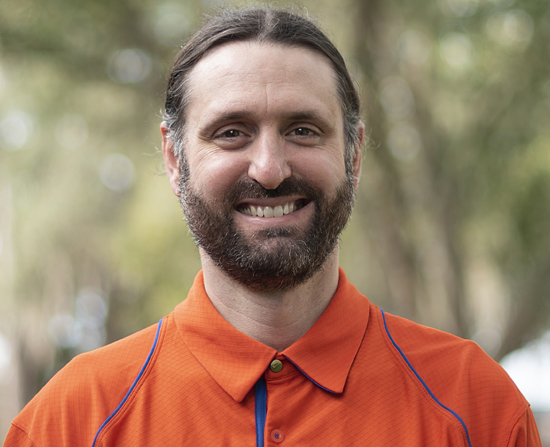
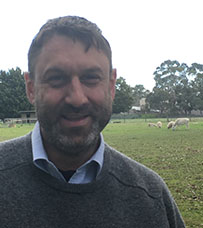
Dr. Edwin R. Burgess is an Assistant Professor in the Department of Entomology and Nematology at the University of Florida. His research focuses on veterinary entomology, particularly developing safe chemical and biological control solutions for arthropods affecting non-human vertebrates in animal production industries. His work emphasizes understanding pest biology to improve pest management strategies and reduce economic losses in livestock systems. Dr. Burgess is affiliated with the Entomology and Nematology Department at the University of Florida, located in Steinmetz Hall (Gainesville, FL). His research integrates multidisciplinary approaches, including toxicology, genetics, and ecology, to address complex pest challenges in agricultural and veterinary contexts. His research interests span: Development of novel insecticides and biological control agents Mechanisms of insecticide resistance and penetration Behavioral and physiological studies of pests like house flies, mosquitoes, and ticks Role of arthropods as vectors and reservoirs of pathogens Recent studies highlight his work on chemical formulations, genetic resistance in insects, and tick control strategies. His publications emphasize practical applications of entomological research to real-world pest management problems. No scientific awards are explicitly mentioned in the provided texts. His work involves field and laboratory experiments, often collaborating with agricultural stakeholders to bridge research and industry needs.
Barbara Ladd is a Professor of English at Emory University, specializing in late 19th- and 20th-century American literature, with a focus on southern literature. Her work examines race, gender, class, literary modernism, and environmental studies in southern contexts. She holds a Ph.D. from the University of North Carolina at Chapel Hill and has authored influential books such as Resisting History: Gender, Modernity, and Authorship in William Faulkner, Zora Neale Hurston, and Eudora Welty (2007) and Nationalism and the Color Line in George W. Cable, Mark Twain, and William Faulkner (1997). She is also co-editor of the Oxford Handbook of the Literature of the U.S. South (2016). Her current projects include studies on place, memory, and environmental themes in Upper South literature. Her education includes an M.F.A. in Creative Writing from the University of North Carolina at Greensboro, and earlier degrees from the University of Texas at Austin and UNC Chapel Hill. She lectures widely on southern literature and is actively engaged in academic discourse on race, nationalism, and ecological writing. Her research emphasizes intersections between literature and broader cultural movements, particularly in re-evaluating canonical texts through postcolonial, environmental, and gendered lenses. Her recent articles explore Faulkner's engagement with modernity, Twain's ecological perspectives, and spatial dynamics in southern narratives. Ladd's scholarly contributions bridge traditional literary analysis with contemporary critical frameworks, offering fresh insights into foundational American authors like Faulkner, Twain, Poe, and Morrison. She is affiliated with Emory's English department and maintains an active academic profile through publishing and teaching.
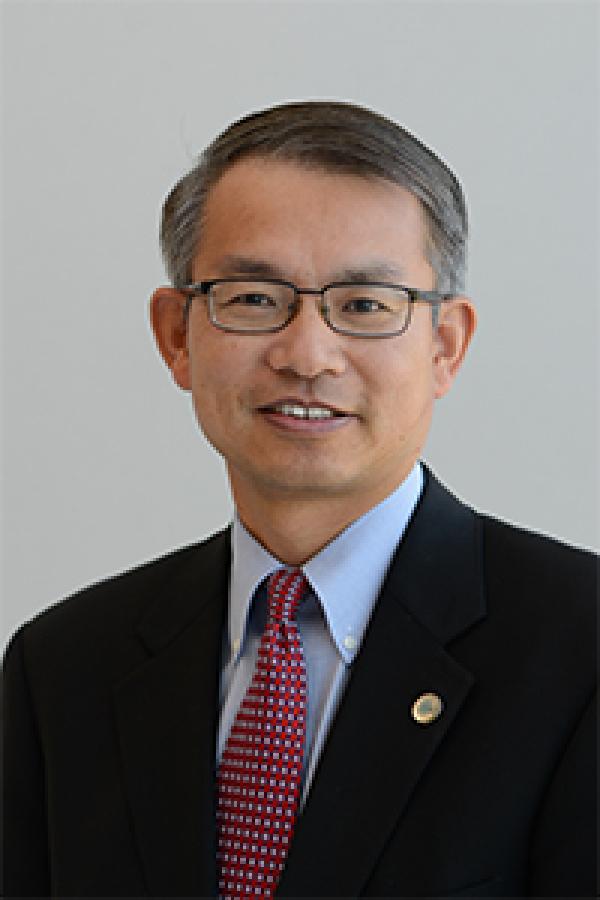
Jianghong Meng is a Professor in the Department of Nutrition & Food Science at the University of Maryland, College Park, and serves as Director of the Joint Institute for Food Safety & Applied Nutrition (JIFSAN) and the Center for Food Safety and Security Systems (CFSSS). His research focuses on food safety microbiology, particularly molecular identification, antimicrobial resistance, and pathogenicity of foodborne pathogens such as Salmonella, Listeria monocytogenes, and Shiga toxin-producing E. coli. Education: Ph.D. in Comparative Pathology (UC Davis), MPVM in Preventive Veterinary Medicine (UC Davis), and DVM (Sichuan Agricultural University, China). Research Interests: Molecular mechanisms of pathogen survival and transmission, genomic epidemiology of foodborne pathogens, and development of novel detection methods. Key projects include tracking Salmonella populations in surface waters across Latin America and investigating antibiotic resistance patterns in foodborne bacteria. Professional Service: Member of numerous national/international committees including the Food Safety Preventive Controls Alliance, US Pharmacopeia Microbiology Expert Committee, and China National Center for Food Safety Risk Assessment International Expert Committee. Awards: Fellowships from the American Academy of Microbiology and International Association for Food Protection, Commissioner’s Special Citation Award (US FDA), and the Dean Gordon Cairns Award for Distinguished Creative Work and Teaching. Lab/Teams: Leads JIFSAN and CFSSS, collaborating with global partners on food safety initiatives and training programs.
Dr. Carly Lightowlers is a Reader in Criminology at the University of Liverpool within the School of Law and Social Justice. Her research focuses on alcohol-related violence, criminal justice data analysis, sentencing practices, and modern slavery. She currently holds a Research Fellowship with ADR UK and has previously held roles at Liverpool John Moores University and the University of Leeds. Dr. Lightowlers serves on the Editorial Board for Drugs: Education, Prevention and Policy and as Associate Editor for Criminology . Her expertise includes applying quantitative methods to secondary and administrative data, such as probation records and police data. Key research areas include the intersection of alcohol consumption and criminal behavior, the processing of violence cases through courts, and policy evaluations. She has led projects funded by ADR UK, the British Academy, and the Economic and Social Research Council (ESRC). Teaching responsibilities include coordinating the third-year module 'Alcohol, Crime, and Society' and contributing to undergraduate courses on crime control and violence analysis. She is a Fellow of the Higher Education Academy (FHEA), emphasizing her commitment to pedagogical excellence. Recent research highlights include examining enforced alcohol abstinence’s impact on reoffending, analyzing spatial relationships between alcohol availability and violence, and investigating temporal patterns in modern slavery victimization. Her work frequently addresses policy implications, such as violence reduction strategies and sentencing reforms. Grants and collaborations involve partnerships with Merseyside Violence Reduction Programs, police services, and homelessness organizations to reduce alcohol-related harms. She has produced evaluation reports and policy briefs on topics like pandemic impacts on crime trends and the efficacy of Blue Light approaches for vulnerable populations.
Peter Martinsson is a Professor at the Department of Economics with Statistics, University of Gothenburg. His research focuses on behavioral economics, experimental economics, economic history, environmental economics, development economics, and health economics. He teaches courses in behavioral economics, experimental economics, and microeconomics. His work often involves field experiments addressing policy-relevant questions in sustainability, technology adoption, and social behavior. A notable focus includes studies on improved biomass cookstoves' impact in developing regions and the behavioral dimensions of environmental programs. His personal homepage is currently under construction. Research Themes: His studies span from understanding decision-making in dilemmas involving autonomous vehicles to analyzing historical policies like China's one-child policy's long-term effects. He also explores how incentives affect prosocial behavior and technology usage patterns. His experimental methods bridge theoretical economics with real-world applications in climate mitigation and public goods provision. Key Contributions: Martinsson's work emphasizes experimental approaches to evaluate interventions in development and environmental contexts. He has investigated how cultural factors influence economic behavior, particularly in post-conflict regions and cross-national comparisons. His studies often combine quantitative field data with behavioral theory to inform policy design. Professional Profile: As a full-time faculty member, he contributes to both teaching and research leadership at the University of Gothenburg. His publications address global challenges through rigorous experimental frameworks, focusing on equity, sustainability, and institutional effectiveness.
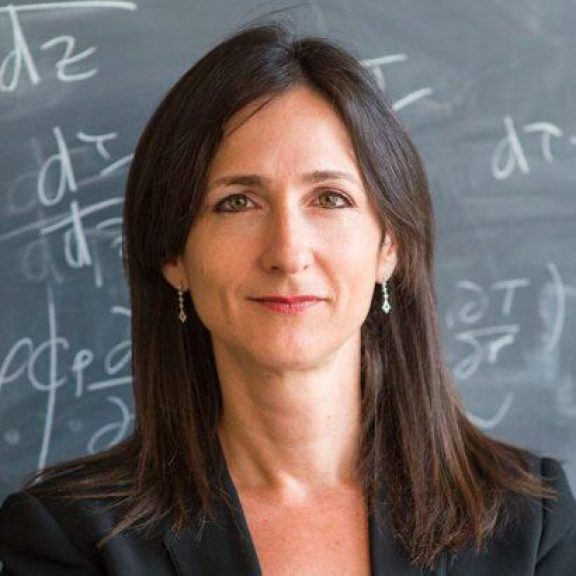
Sara Seager is the Class of 1941 Professor of Planetary Science, Professor of Physics, and Professor of Aeronautics and Astronautics at the Massachusetts Institute of Technology. She is a pioneer in the field of exoplanets, known for her groundbreaking research on exoplanet atmospheres and the search for signs of life. She has held leadership roles in several major space missions including serving as Deputy Science Director for NASA's TESS mission, Principal Investigator for the ASTERIA CubeSat, and leading the Starshade Rendezvous Mission concept. Her educational background includes: BSc in Math and Physics Specialist Program from the University of Toronto PhD in Astronomy from Harvard University Professor Seager's research focuses on theoretical models of exoplanet atmospheres and interiors, with the ultimate goal of finding and identifying another Earth. Her work has introduced many foundational concepts to the field, including the first description of exoplanet transmission spectra that led to the first detection of an exoplanet atmosphere. She is known for her maxim: 'For exoplanets, anything is possible under the laws of physics and chemistry.' Her research spans hot Jupiters, super-Earths, habitable zone planets, and the search for biosignature gases in exoplanet atmospheres. Analysis of Professor Seager's publications reveals a clear evolution in her research focus. Early work established foundational theories for exoplanet atmospheres, particularly for hot Jupiters. This was followed by pioneering work on super-Earth characterization and atmospheric retrieval techniques. More recent publications focus on habitability, biosignatures, and innovative methods for constraining exoplanet properties. Her work consistently bridges theoretical modeling with observational constraints, contributing to multiple subfields including atmospheric chemistry, planetary interiors, and mission concepts for future space telescopes. Professor Seager has received numerous prestigious awards recognizing her contributions to astronomy and planetary science: 2024 Kavli Prize in Astrophysics 2013 MacArthur Fellowship 2021 Magellanic Premium Medal 2021 Royal Canadian Geographical Society Gold Medal 2020 Officer of the Order of Canada 2015 National Academy of Sciences Member 2012 Raymond and Beverly Sackler Prize in the Physical Sciences As an advisor, Professor Seager has mentored numerous students who have gone on to make significant contributions in the field, including Eliza Miller-Ricci, N. Madhusudhan, Bjoern Benneke, Julien de Wit, and Renyu Hu. Her research has been supported by multiple NASA missions including TESS (Transiting Exoplanet Survey Satellite), ASTERIA (a CubeSat mission), and development work on the Starshade Rendezvous Mission concept. She has also directed mission concept studies for Venus exploration, including the Venus Morning Star Missions. Professor Seager leads research groups focused on exoplanet characterization at MIT, with connections to NASA missions and international collaborations. She has been instrumental in organizing major scientific meetings, including 'The Next 40 Years of Exoplanets' which brought together leading scientists to discuss the future direction of the field. Her work spans theoretical modeling, data analysis, and mission concept development, making her one of the most influential figures in modern exoplanet research.
Dr. Nikki Carthy is a Senior Lecturer in Psychology at Teesside University's School of Social Sciences, Humanities and Law. She holds a PhD from the International Research Centre for Investigative Psychology at the University of Huddersfield, supervised by Prof. David Canter. Her research focuses on interpersonal violence, trauma, and marginalized victim groups including older adults, males, and same-sex partnerships. She is a Chartered Psychologist with the BPS and Fellow of the Higher Education Academy. Roles: Course Leader for BSc Forensic Psychology, Module Leader for Applied Forensic Psychology External Roles: Honorary Secretary of North East BPS Branch, Board Member of EVA Women's Aid Key Projects: Trauma-informed policing, male intimate partner victimization, and domestic abuse survivor advocacy Research interests emphasize trauma-informed practices across mental health, policing, and education. Active collaborations include North Yorkshire Psychological Therapies, Bishop Grosseteste University, and the International Academy of Investigative Psychology. Current projects explore academic resilience in trauma-affected students and reintegration of sexual offenders.
Michał Nowicki is an Assistant Professor at the Institute of Management within the Faculty of Organization and Management at Łódź University of Technology. His roles include membership on the Faculty Recruitment Committee and Management and Production Engineering Study Programme Council, as well as coordinating student internships and the Diamentowa, Bursztynowa i Szmaragdowa Practice Program. Externally, he serves on the Polish Economic Society’s Łódź Branch and reviews for MDPI and IDEAS SPREAD Publisher. He leads the 'OPI 4.0 - Organizational Problems of Industry 4.0' research team. His research focuses on shaping business competitiveness, Industry 4.0 challenges, entrepreneurship, electronic entertainment industry dynamics, and co-creation trends. He actively explores how digital transformation and virtual collaboration impact organizational strategies and competitive advantage. Publications analyze topics like SMART World trends' impact on co-creation, barriers to Industry 4.0 adoption, and trust management in high-profile cases like CD Projekt Red's Cyberpunk 2077. His work bridges theoretical frameworks with practical business strategies, emphasizing digital readiness and regional development initiatives. Prof. Nowicki has no listed scientific awards but demonstrates significant engagement in academic and professional communities. His advising emphasizes thematic areas including Industry 4.0 maturity mapping, co-creation paradoxes, and virtual collaboration optimization. He collaborates with regional initiatives to strengthen human and social capital in the Łódź region through strategic partnerships.
Dr. Madhav P. Bhatta is a Professor of Epidemiology at Kent State University's College of Public Health, located in Kent, Ohio. He holds a PhD in Epidemiology from the University of Alabama at Birmingham (2007) and an MPH in Epidemiology and International Health from the same institution (1999). His roles include teaching global health courses at the undergraduate level and epidemiologic methods at the graduate level, alongside serving as a consultant epidemiologist for Carroll County and Tuscarawas County General Health Districts in Ohio's Public Health Emergency Preparedness Program. He has over 15 years of experience in public health administration, research, and global health initiatives, with a focus on infectious disease epidemiology and refugee health. Dr. Bhatta’s research interests span global health challenges, refugee health outcomes, environmental health risks (e.g., lead poisoning), and infectious disease control. He has contributed to studies addressing HPV vaccination awareness, maternal-child health in conflict zones, and the epidemiology of conditions like nephrotic syndrome and dengue outbreaks. His work often integrates social determinants and community context into disease surveillance strategies. He has published over two dozen articles and book chapters, focusing on public health interventions, refugee resettlement health impacts, and global disease prevention. His teaching portfolio includes courses such as Fundamentals of Public Health Epidemiology , Survival Analysis in Public Health , and Principles of Epidemiologic Research . Dr. Bhatta advises local health departments on emergency preparedness and has collaborated internationally on projects like the South-to-North global health training program in Jamaica. His professional activities emphasize bridging academic research with practical public health solutions, particularly in underserved and displaced populations.
Yuan Xie is a Professor and James Roosevelt Bayley Distinguished Professor in Business at Fordham University's Gabelli School of Business, Department of Accounting and Taxation, where he has been affiliated since 2007. His research focuses on accounting practices, taxation policy, earnings management strategies, and financial reporting mechanisms in corporate environments. Dr. Xie's work examines the interplay between financial regulations, market behaviors, and corporate governance, with particular emphasis on Chinese markets and international financial systems. His research explores how cultural factors, regulatory frameworks, and market mechanisms influence corporate financial decisions and reporting practices. His publications demonstrate consistent focus on empirical analysis of financial markets, regulatory impacts, and corporate behavior. Recent work investigates emerging topics including numerological influences on earnings management, intangible asset valuation in credit markets, and internal control effectiveness. Dr. Xie maintains an active research profile through Google Scholar and contributes to understanding contemporary issues in accounting and financial regulation.
Soenita Ganpat is a Senior Lecturer in Criminology at the University of Derby's College of Business, Law and Social Sciences. Her work focuses on violence dynamics, homicide analysis, and crime trends, with a particular emphasis on victimization patterns and situational factors influencing crime outcomes. She has conducted comparative studies on homicide characteristics across multiple countries and examined the role of third parties in conflict escalation. Research Interests: Criminology, Violence Studies, Homicide Research, Crime Trends Analysis, Victimology, Situational Criminology Key Contributions: Published over 20 peer-reviewed articles analyzing lethal/non-lethal violence outcomes, victim-offender interactions, and crime decline mechanisms Her research employs both quantitative and qualitative methods, often involving large-scale datasets to identify trends and risk factors. Notable projects include: - Cross-national homicide comparisons between Finland, Netherlands, and Sweden - Longitudinal analysis of violence victimization trends in England/Wales - Development of risk assessment frameworks for homicide victimization Recent Work: Investigating the societal factors behind the crime drop phenomenon and exploring how situational factors influence violence escalation. Her 2020 paper 'Violence and the crime drop' provides new insights into contemporary criminological patterns. Dr. Ganpat has presented at international conferences like the American Society of Criminology and contributes to academic discourse through peer reviews and collaborative research projects.
Dr. Alistair Harkness is an Associate Professor in Criminology at the University of New England, where he teaches undergraduate and postgraduate students. He serves as Head of the Department of Social and Philosophical Inquiry and Criminology Discipline Convenor. As co-director of the Centre for Rural Criminology, Treasurer of the International Society for the Study of Rural Crime, and co-editor of prominent criminology publications, his research focuses on acquisitive crime prevention, policing responses, and community partnerships in rural contexts. His extensive publication record includes edited collections on rural crime transformations, victimology, and crime prevention techniques. Harkness leads the International Farm Crime Research Project examining theft from farms, trespass issues, and criminal justice responses in agricultural communities.
Dr. Rebecca Brownlow is a Senior Lecturer in Environmental Science at the School of Engineering and Built Environment, part of Sheffield Hallam University's College of Social Sciences and Arts. She joined the university in 2022 and teaches on courses including BSc Geography, BSc Climate Sustainability and Environmental Management, and MSc Environmental Management. Her research focuses on greenhouse gases, air quality, and emissions from burning, with expertise in low-cost sensor technology and landfill gas assessments. Dr. Brownlow holds an MSci in Environmental Geoscience and a PhD in Earth Science from Royal Holloway, University of London, where her doctoral work centered on tropical methane emissions using isotopic analysis. Post-PhD, she conducted post-doctoral research at the University of Groningen on greenhouse gas vertical profiles using AirCores. She later transitioned to environmental consulting, specializing in waste management and air quality assessments before joining academia. Her research interests span landfill gas risk analysis, waste lifecycle assessments, and the environmental impacts of prescribed burning. She has pioneered the use of UAVs (drones) for atmospheric sampling, contributing to studies on methane dynamics in tropical regions and urban environments. Her work frequently explores climate policy implications and novel emission reduction strategies. Notable contributions include analyzing methane trends post-2007, identifying isotopic shifts in emissions, and developing methods for measuring air quality impacts of upland fires. Her publications often intersect engineering innovations (e.g., drone technology) with environmental science, emphasizing practical solutions for sustainability challenges.
Beatrice Colombo is a Research Fellow at the University of Bergamo, affiliated with the Department of Management Engineering, Information and Production. She earned her Master's degree in Management Engineering from the University of Bergamo in 2019 and is currently pursuing a PhD in Technology, Innovation and Management through a joint program with the University of Naples Federico II. Her research, co-financed by Lombardy Region and ENEA, focuses on circular economy principles, sustainability, and polymer matrix composites reinforced with recycled carbon fibers. PhD in Technology, Innovation and Management (University of Bergamo/University of Naples Federico II) MSc in Management Engineering (University of Bergamo, 2019) Her work explores the intersection of Smart Lean & Sustainable Manufacturing with specific emphasis on: Recycling technologies for carbon fiber-reinforced composites Industrial symbiosis in textile supply chains Eco-efficient systems and life cycle assessment Digitalization's role in circular economy Hybrid yarn production from recycled materials Green skills development for manufacturing Beatrice's research output reveals a strong focus on textile sustainability through material recycling and supply chain collaboration, supported by empirical studies across Italian manufacturing. Her publications analyze both technical solutions and strategic frameworks for circular transitions.
Fernando Maya Alejandro is a Senior Lecturer in Chemistry at the University of Tasmania’s School of Natural Sciences. His expertise spans Analytical Chemistry , Separation Science , 3D Printing , and Metal-Organic Frameworks . He holds an MSc (2007) and PhD (2011) from the University of the Balearic Islands (Spain), with postdoctoral experience at Lawrence Berkeley National Laboratory (2012-2013) and the University of the Balearic Islands (2014-2018). Research Themes : Development of novel separation methods for microplastics/nanoplastics, synthesis of porous polymers/hybrid materials, 3D-printed analytical systems, and innovative sample preparation techniques. Teaching Responsibilities : Unit Coordinator for Chemistry 1B; teaches Introduction to Chemistry, Environmental Chemistry, Physical and Analytical Chemistry, and Advanced Analytical Techniques. Scientific Awards & Editorial Roles : 2023-2024: Guest Editor, Talanta Open 2023: Associate Editor, Separation Science Plus 2020: Associate Editor, Journal of Separation Science 2017: FIA Award for Young Researchers Grants & Collaborations : Leads funded projects like the CRC for High Performance Soils initiatives (2023-2025) for field-based soil analysis and mobile water extraction systems. Collaborates with industry partners (e.g., Syrinx Environmental Pty Ltd) and institutions like ACROSS and TIA.