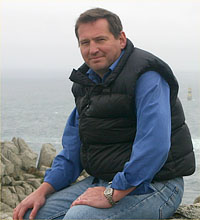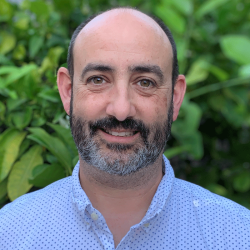
José R. de la Torre is a Professor at San Francisco State University (SFSU) since 2008, specializing in microbial ecology and evolution. He holds a Ph.D. in Microbiology from the University of California, San Francisco. His research focuses on microbial adaptation in extreme environments, particularly high-temperature ecosystems like Yellowstone National Park, and explores the intersection of ecology, evolution, genomics, and biogeochemistry. He collaborates with institutions such as UC Davis, Montana State University, and others globally. Courses taught include Microbial Physiology, Molecular Techniques in Evolution & Ecology, and Microbial Genomics. Research interests emphasize microbial community dynamics in geothermal springs, archaeal physiology, and contributions to biogeochemical cycles (carbon and nitrogen). His lab studies archaea like Nitrosocaldus and Nitrosopumilus , investigating cell division mechanisms, lipid metabolism, and ammonia oxidation. Projects integrate fieldwork, genomics, and bioinformatics. Publications highlight work on metagenomic profiling, archaeal lipid characterization, and microbial competition in extreme environments. The de la Torre Lab engages undergraduate and graduate students, fostering interdisciplinary approaches to microbiology. No specific scientific awards are listed in the provided text, but his work has received significant peer recognition through high-impact journals. Research collaborations and funding support his exploration of archaeal adaptation, with field sites in California, Nevada, China, and Yellowstone. The lab’s activities include genomic analysis of uncultivated archaea and development of methods for studying microbial communities in situ.