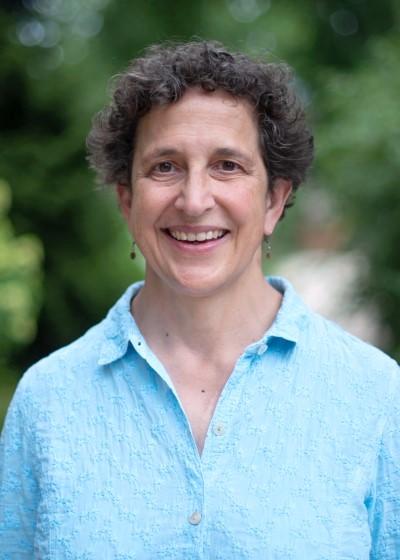
Professor Lorna Dawson is the Head of the Centre for Forensic Soil Science at the James Hutton Institute, with over 30 years of experience in soil-plant interactions applied to forensic investigations. She serves as an Honorary Professor in Forensic Science at Robert Gordon University and leads knowledge exchange for environment and soils through SEFARI Gateway. As a CBE awardee for services to soil and forensic science, she has contributed to over 100 forensic cases globally. Head of Forensic Science, James Hutton Institute Honorary Professor, Robert Gordon University SEFARI Gateway Knowledge Exchange Lead Research Focus: Dawson pioneered the use of soil organo-mineral markers in forensics, developing tools like SoilFit (EPSRC) and GIMI for soil characterization. Her work spans geoforensics, microbial forensics, and environmental crime scene analysis, with current projects on single-cell DNA analysis (SCAnDi) and plague ecology (Synergy-Plague). She co-edited foundational texts on geoforensics and established forensic soil SOPs for Brazil. Article Trends: Recent publications emphasize soil's role in human decomposition analysis, microplastic tracking, and geospatial forensic applications. Collaborations highlight European and international networks, including work with police forces, universities, and legal systems. Scientific Recognition: 2018 CBE for forensic soil science RSE James Hutton Medal (2023) Fellowships: RSE (2018), RSA (2017) Advisory Roles: Chair of the Forensic Geology Group (Geological Society, London), Treasurer of IUGS International Forensic Geology Initiative, and committee member of ENFSI Animals, Plants, Soils Traces working group. She actively engages in public science communication, appearing in documentaries, crime novels, and the Royal Institution Christmas Lectures. Labs & Networks: Leads the James Hutton Institute's Soil Forensic Team, coordinates the MiSAFE European microbial forensics project, and contributes to the International Network of Environmental Forensics. Her work integrates with police training programs and the NIST OSAC geo-trace evidence group.