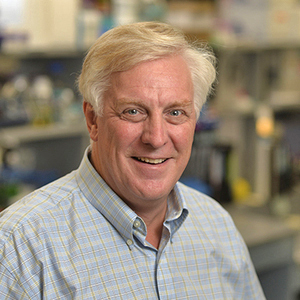
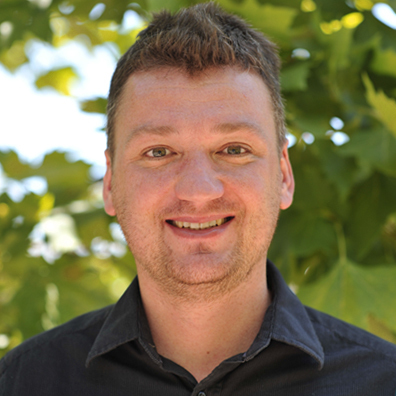
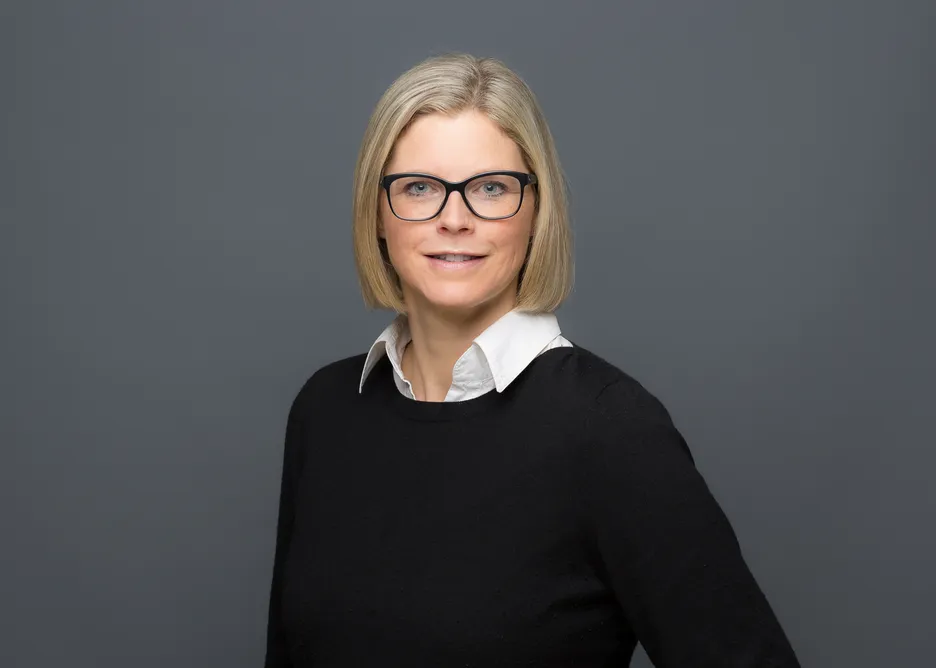
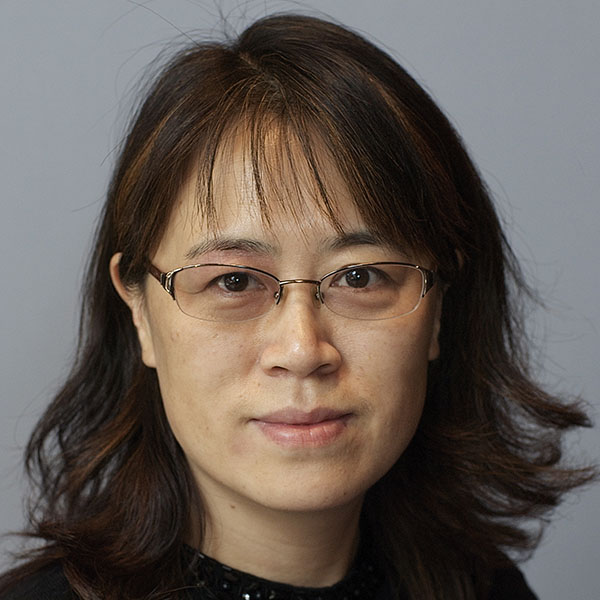
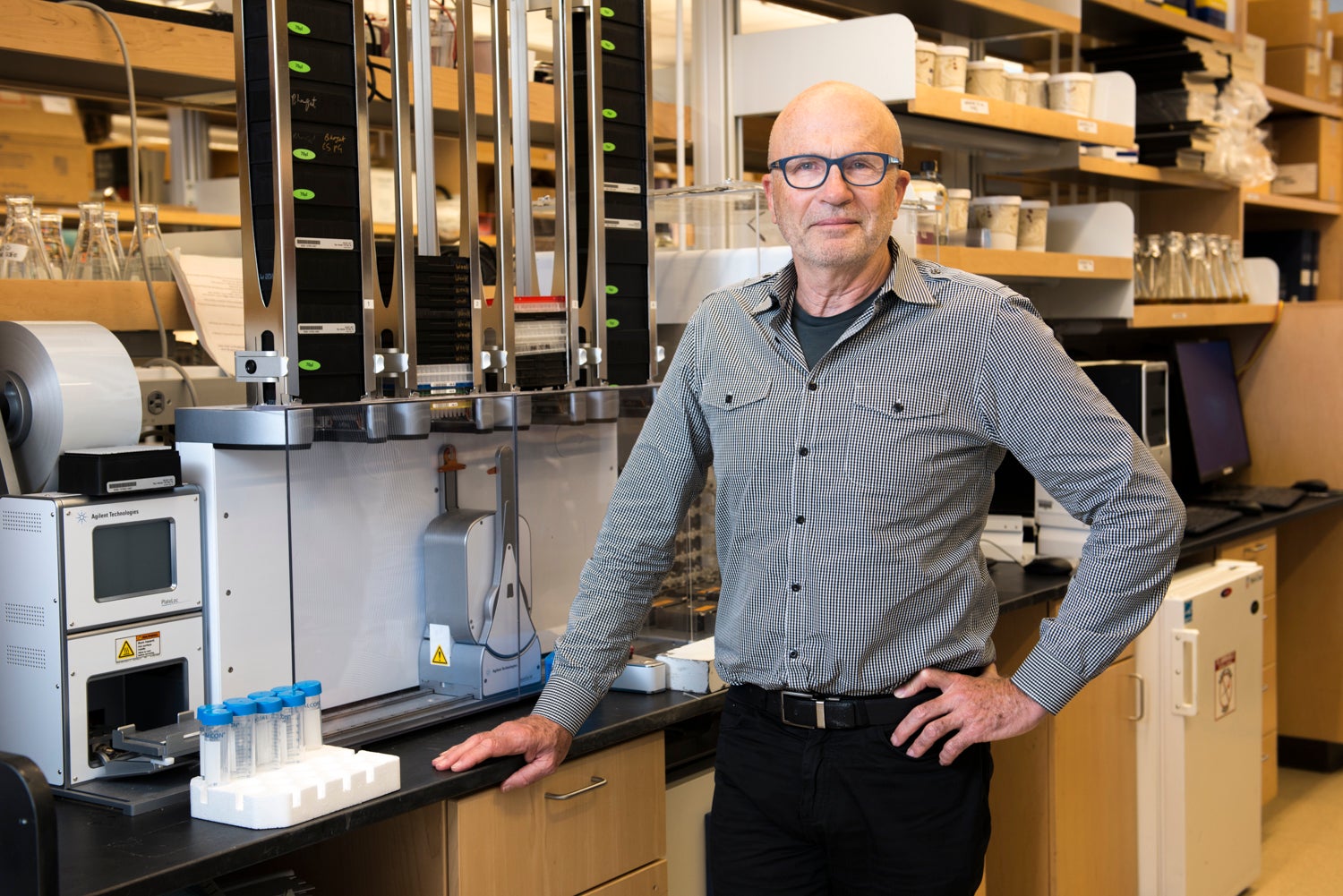
David R. Hyde is a Professor in the Department of Biological Sciences at the University of Notre Dame and serves as the Kenna Director of the Center for Zebrafish Research and Director of the Center for Stem Cells and Regenerative Medicine. His research focuses on understanding the molecular and cellular mechanisms of retinal neuron regeneration in zebrafish, with implications for treating human neurodegenerative diseases. Dr. Hyde earned his Ph.D. in Biochemistry from Pennsylvania State University in 1985 and completed postdoctoral training at the California Institute of Technology. He joined the University of Notre Dame faculty in 1988, rising through the ranks to full Professor by 2000. He has directed zebrafish and stem cell research facilities at Notre Dame since the mid-1990s. His research explores how Müller glia in zebrafish dedifferentiate and regenerate retinal neurons after injury, a process absent in humans. Key areas include retinal development , neuronal regeneration , stem cell reprogramming , and signaling pathways such as Notch, TNFα, Sox2, Ascl1a, Stat3, Hippo-Yap, and NF-kB. His lab uses transcriptomics and epigenomics to identify conserved and species-specific mechanisms across zebrafish, chick, and mouse models. The recent publications highlight a strong emphasis on Müller glia reprogramming , live-cell imaging , gene editing , and interkinetic nuclear migration . These works collectively advance the understanding of regenerative neurobiology and offer potential pathways to induce regeneration in mammalian systems. Dr. Hyde collaborates with leading institutions including Johns Hopkins School of Medicine, Ohio State University, and University of Florida. His lab has received sustained funding, as evidenced by long-term projects and facility leadership, although specific grants are not listed. He has mentored numerous trainees and contributed significantly to the field through publications and facility development. His team operates the University of Notre Dame Zebrafish Research Facility, supporting cutting-edge research in developmental and regenerative biology.
Christopher Patzke is the John M. and Mary Jo Boler Assistant Professor in the Department of Biological Sciences at the University of Notre Dame. His research focuses on human neurons and synapses, particularly their development, function, and role in neuropsychiatric diseases. He leads the Patzke Lab, which utilizes human pluripotent stem cell-derived neuronal models to investigate genetic and molecular mechanisms underlying disorders such as autism, schizophrenia, and epilepsy. Research Interests: His work centers on synaptic signal transmission, neuromodulation, and the impact of genetic mutations on neuronal communication. He investigates how genes and proteins shape synaptic structure and function, with a focus on cell adhesion molecules and synaptic organizers. His lab combines advanced techniques including CRISPR/Cas9 genome editing, live-cell imaging, biochemistry, brain organoids, and electrophysiology. Recent Research Trends: Analysis of his recent publications reveals a consistent focus on synaptic vesicle dynamics, neuromodulatory pathways (e.g., cannabinoid and retinoic acid signaling), and the functional consequences of mutations in genes such as SHANK3, STXBP1, and RIMBP1. His research bridges molecular neuroscience with human disease modeling, emphasizing translational relevance. Scientific Awards: No specific awards are mentioned in the provided text. Advising and Grants: Dr. Patzke mentors a diverse team of graduate students, research associates, and undergraduates in his lab. He teaches advanced courses in neurobiology and stem cell models, including BIOS 30338 (Advanced Neurobiology) and BIOS 60570 (Stem Cell-Derived Neurons). His lab actively recruits students and postdocs, emphasizing inclusive and collaborative research culture. While specific grants are not listed, his extensive publication record suggests active funding support. Labs and Teams: The Patzke Lab at Notre Dame is a vibrant research group focused on human cellular neuroscience. The lab fosters a creative and inclusive environment, with ongoing projects in synaptic biology, disease modeling, and neurodevelopment. Lab members include graduate students, research technicians, and undergraduates from diverse backgrounds.
Lena Illert is Chair for Personalized Oncology at the Technical University of Munich (TUM) and Medical Director of the Centre for Personalized Medicine (ZPM) at University Hospital Klinikum Rechts der Isar in Munich. She leads the research group focused on personalized oncology and plays a central role in translational cancer research and clinical implementation of molecular therapies. Her research interests lie at the intersection of molecular oncology and personalized medicine, with a focus on identifying novel therapeutic targets and predictive biomarkers. Her work employs genetically defined mouse models of hematological (AML, T-NHL) and non-hematological (NSCLC) malignancies to study tumor microenvironment, immune escape, DNA damage repair, ubiquitin signaling, and oncogenic tyrosine kinases. Her lab utilizes cutting-edge multi-OMIC analyses and spatial imaging technologies to characterize key molecular players in tumor development and assess their therapeutic vulnerability. A major emphasis of her research is the bidirectional translation of findings between bench and bedside through collaboration with the TUM Molecular Tumor Board (MTB). Her recent publications reflect a strong trend in translational oncology, with a focus on rare cancers, molecular tumor boards, and precision therapy. Articles span genomics, transcriptomics, leukemia biology, and immunotherapy, demonstrating an integrative approach to cancer research. She has contributed significantly to understanding mechanisms in chronic myeloid leukemia, acute myeloid leukemia, lymphoma, and bone marrow failure syndromes. Mildred Scheel Professorship (W3), German Cancer Aid (2023) Advanced Clinician Scientist Fellowship, DGIM (2020) Poster Awards, DGHO (2018, 2023) Eleonore und Fritz Hodeige-Prize (2017) Brigitte-Schlieben-Langen-Fellowship (2015) Mathilde-Wagner-Habilitation-Prize (2015) ASH/EHA Abstract and Travel Awards (2009–2013) Fellowship, DFG Graduate College 80 (1999) Lena Illert has played a significant role in mentoring researchers and advancing clinical trials, having led research groups and participated in early-phase clinical studies. She has held leadership positions including Co-Director of CCC Freiburg and spokesperson for its Molecular Tumor Board. She is actively involved in national and regional networks, serving as Spokesperson for the German Network of Personalized Oncology (DNPM) and the Bavarian ZPM Working Group on Molecular Tumor Boards. She also contributes to major oncology guidelines and serves as Section Editor for Der Onkologe . Her work is conducted within a multidisciplinary environment at TranslaTUM, TUM’s Central Institute for Translational Cancer Research, where she collaborates with clinicians, molecular biologists, and bioinformaticians to advance personalized cancer care.
Dr. Marc Thier is a Researcher at the German Cancer Research Center (DKFZ) and Heidelberg University, leading the Neural Reprogramming and Clinical Translation group. His work bridges stem cell biology, direct cellular reprogramming, and clinical applications in cancer and endocrinology. Key Research Themes: Stem Cell Engineering Neural Reprogramming Cancer Metastasis Mechanisms Hyperparathyroidism Surgery Outcomes Notable Collaborations: Prof. Frank Edenhofer, Prof. Andreas Trumpp, Dr. Michael Milsom Dr. Thier's recent publications focus on glioblastoma neuron-tumor interactions (2025), miRNA-driven reprogramming (2012), and stem cell dormancy models (2016). He has contributed to over 15 peer-reviewed studies since 2009. His laboratory develops protocols for converting somatic cells into expandable neural progenitors and investigates cancer stem cell dynamics. Current projects include retrograde tracing in glioblastomas and longitudinal metabolic studies in post-surgical endocrinology.
Ye Zheng is a Professor at the Salk Institute for Biological Studies, where he holds the Becky and Ralph S. O'Connor Chair and leads research at the NOMIS Center for Immunobiology and Microbial Pathogenesis. His work focuses on regulatory T cells and immune regulation, with implications for autoimmune diseases and cancer. BS in Biochemistry and Molecular Biology, Peking University PhD, Columbia University Postdoctoral Fellow, University of Washington Memorial Sloan-Kettering Cancer Center Research Scholar Cancer Research Institute Postdoctoral Fellowship Dr. Zheng's research centers on the molecular and genetic regulation of regulatory T (Treg) cells, particularly the role of the Foxp3 protein in immune homeostasis. His lab investigates how Treg cells maintain their identity and function, and how nuclear hormone receptors modulate T cell differentiation. This work has major implications for treating autoimmune diseases such as type 1 diabetes and multiple sclerosis, as well as for improving cancer immunotherapy and organ transplantation outcomes. His recent publications span immunology, epigenetics, and metabolism, revealing how chromatin architecture, metabolites like succinate and bile acids, and nuclear receptors such as PPARδ and FXR control immune cell function. His research integrates molecular, genomic, and pharmacological approaches to uncover novel therapeutic targets. Rita Allen Foundation Scholar Award (2010–2015) Dr. Zheng has mentored numerous graduate students, postdoctoral fellows, and research staff, many of whom have gone on to academic and industry positions. He has collaborated on major grants, including a $1.5 million award from the Sol Goldman Charitable Trust for multiple sclerosis research. His lab continues to explore the intersection of metabolism and immunity, with a focus on translating findings into clinical applications. He leads the Zheng Lab, which is actively recruiting new members to advance research in immunobiology.
Gregory Allan Wray is a Professor of Biology at Duke University's Trinity College of Arts & Sciences , with additional appointments in Evolutionary Anthropology (2008–present), Biostatistics & Bioinformatics (2022–present), and Cell Biology (2022–present). His research bridges empirical and computational approaches to explore evolutionary changes in gene networks, chromatin architecture, and developmental mechanisms across species like sea urchins, butterflies, and primates. Education: Ph.D. from Duke University (1987), B.S. from the College of William and Mary (1981) Wray’s work focuses on the evolution of genes and genomes , particularly how regulatory changes drive biological diversity. His recent publications highlight single-cell transcriptomics , chromatin accessibility in development, and sea urchin life history evolution . He has secured major grants from institutions like the National Institutes of Health (2024–2028) and National Institute of Child Health and Human Development (1980–2028). Scientific awards include Faculty of 1000 Membership and advisory roles on scientific boards. His lab at Duke’s French Family Science Center integrates genomics , computational modeling , and experimental embryology to decode evolutionary mechanisms.
Professor Sara Elizabeth Mole is a distinguished Professor of Molecular Cell Biology at University College London's Genetics & Genomic Medicine Department within the Great Ormond Street Institute of Child Health. With over three decades of academic experience since joining UCL in 1992, she has established herself as an international authority in the field of neuronal ceroid lipofuscinoses (NCL), commonly known as Batten disease. In addition to her research leadership, Professor Mole serves as UCL's Envoy for Gender Equality and Chair of Advance HE Athena Swan Governance Committee, demonstrating her commitment to both scientific advancement and institutional equity. Professor Mole received her academic training at prestigious UK institutions: Bachelor of Arts (Honours) in Natural Sciences (Biological) from University of Cambridge (1983) Master of Arts from University of Cambridge (1987) Doctor of Philosophy from Imperial College of Science, Technology and Medicine (1986) Professor Mole has developed an international reputation in translational disease research for the neuronal ceroid lipofuscinoses (NCL), a family of inherited pediatric neurodegenerative lysosomal storage diseases. Her research focuses on delineating the genetics and biology of these conditions to open new avenues for therapeutic development while also providing insights into more common neurodegenerative conditions and fundamental cellular biology. She has pioneered the use of the model organism fission yeast Schizosaccharomyces pombe for lysosomal disease research and maintains the NCL Resource website containing the comprehensive NCL gene mutation database. Her laboratory investigates the molecular and cellular mechanisms underlying Batten disease, with particular emphasis on CLN3, CLN6, and CLN7 genes. Current projects include developing novel biosensors to measure ions in intracellular compartments, identifying functional complexity of transcripts from disease genes, and conducting high-throughput screening to identify small molecules that can restore cellular defects associated with NCL gene mutations. Her team is actively working to translate these findings into potential gene and small molecule therapies for these devastating childhood conditions. Professor Mole's recent publications demonstrate a strategic evolution in her research program, moving from fundamental genetic characterization toward therapeutic development and implementation. Her work increasingly integrates multi-omics approaches with cellular and animal models to understand disease mechanisms at molecular resolution. Notably, there's a growing emphasis on translational applications, including drug repurposing (particularly tamoxifen), nanocarrier delivery systems, and AAV gene therapy approaches. Her 2022-2025 publications reveal expanding interests in real-world data applications for rare diseases, patient and family impact studies, and addressing sex bias in Batten disease research, reflecting a more holistic approach to rare disease investigation that bridges laboratory science with clinical and societal considerations. Professor Mole's significant contributions to science and academia have been recognized through numerous prestigious awards: UCL Provost's Award for Excellence (2018) - specifically for Equality, Diversity, and Inclusion Athena SWAN Gold Award (2016) - first UCL department to achieve this distinction UCL Provost's Award for Public Engagement (Senior Staff) (2012-2013) Batten Disease Family Association Board of Trustees Award Athena SWAN Silver Award (2009) - first UCL department to achieve this Professor Mole has mentored numerous PhD students and postdoctoral researchers throughout her career, with many alumni now holding significant positions in academia, industry, and healthcare. Her laboratory has been consistently supported by major funding bodies including the Medical Research Council, European Union (through FP6, FP7, and H2020 BATCure consortium), Wellcome Trust, Children's Brain Disease Foundation USA, Biomarin, and the Batten Disease Family Association. As coordinator of the €6M H2020 BATCure consortium (2016-2019), she led a multinational effort involving 14 European partners focused on developing treatments for Batten disease. Her grant portfolio reflects a strategic approach spanning basic science, translational research, and clinical implementation, with increasing emphasis on collaborative, multi-institutional projects addressing the complex challenges of rare disease research and treatment development. Professor Mole leads the Mole Lab at UCL's Great Ormond Street Institute of Child Health, which focuses on neurodegenerative diseases affecting children, particularly lysosomal disorders and Batten disease. Her team employs a multidisciplinary approach combining molecular genetics, cell biology, and model organism research (notably using fission yeast Schizosaccharomyces pombe as a tractable cell model). The lab maintains strong collaborative networks both within UCL (including with Paul Gissen, Wendy Heywood, and Mina Ryten) and with external partners across Europe and the US. Professor Mole also coordinates the international BATCure consortium and leads the NCL Mutation Database curation effort, creating a global resource for researchers and clinicians working on these rare disorders.
Xianghua Luo is a Professor in the Division of Biostatistics & Health Data Science at the University of Minnesota's School of Public Health, with additional affiliation at the Masonic Cancer Center. Dr. Luo holds a PhD in Biostatistics from Johns Hopkins University (2005), an MS (2000) and BS (1997) from Peking University's Department of Urban and Environmental Sciences. Dr. Luo's research focuses on the development and application of methods for recurrent event data, survival data, and longitudinal data, as well as the design and analysis of clinical trials. Key collaborative research areas include cancer research, blood and marrow transplant (BMT), tobacco use and smoking cessation, and health disparity research. Dr. Luo's methodological expertise spans recurrent events analysis, survival analysis, and correlated data analysis, with significant contributions to statistical methodology in these fields. Analysis of Dr. Luo's extensive publication record (2007-2025) reveals strong methodological contributions to biostatistics with practical applications in tobacco regulatory science and transplantation research. The publications demonstrate expertise in developing novel statistical approaches for complex health data, particularly in recurrent event modeling and survival analysis. Collaborative work prominently features partnerships with the University of Minnesota's tobacco research group led by Dr. Dorothy Hatsukami and BMT researchers at the Masonic Cancer Center. Member, Delta Omega Honorary Society in Public Health Dr. Luo serves as primary or co-advisor to graduate students, with recent student presentations at ENAR and IBC conferences. Research collaborations involve substantial grant-funded projects, particularly in tobacco regulatory science and blood and marrow transplantation. Dr. Luo's statistical expertise supports numerous clinical trials and observational studies through the Biostatistics Core at the Masonic Cancer Center.
Dr. Joshua Fisher is a Research Fellow at the School of Medicine and Public Health , University of Newcastle, affiliated with the Mother and Babies Research Centre and the Priority Research Centre for Reproductive Science . His research focuses on mitochondrial mechanisms in placental dysfunction and pregnancy complications, including gestational diabetes, preeclampsia, fetal growth restriction, and stillbirth. Y.W (Charlie) Loki Award (2018, 2019) Society of Reproductive Biology Travel Award (2018, 2019) Elsevier New Investigator Award (2021) His publications reveal trends in mitochondrial biology , placental oxidative stress , trace element metabolomics , and gut microbiome interactions in pregnancy. Grants include NHMRC equipment funding and Hunter New England Local Health District awards for projects on mitochondrial therapeutics and genetic origins of FGR. Dr. Fisher supervises PhD students across disciplines, including iron metabolism, prorenin signaling, and endometrial cancer. He advocates for early-career researcher development as an elected ECR representative in ANZPRA and IFPA.
Dr. Gavin Kelsey leads the Epigenetics Programme at Cambridge Reproduction , focusing on how maternal epigenetic inheritance impacts offspring health. His work explores DNA methylation dynamics in oocytes, environmental influences on epigenetic reprogramming, and mechanisms of genomic imprinting. University of Cambridge Cambridge Reproduction network member Centre for Trophoblast Research affiliation Research spans epigenetic reprogramming during gametogenesis, single-cell profiling of oocyte methylation, and maternal physiological impacts on embryo development. Key areas include: DNA methylation establishment in non-dividing oocytes Leptin signaling in ovarian dysfunction Species-specific imprinting mechanisms Transgenerational epigenetic inheritance Epigenetic biomarkers for reproductive outcomes Pioneering single-cell epigenomic techniques to study preimplantation development, with applications in assisted reproductive technologies and obesity-related infertility . Collaborative work extends to common variable immunodeficiency and neurodegenerative epigenetics .
Salvatore Saccone is a Full Professor of Genetics at the University of Catania, Italy, where he serves as Director of the Animal Biology section 'M. La Greca' and Director of both the Genetic Laboratory and Confocal Microscopy Laboratory. He holds leadership positions including President of the Biological Sciences degree course and President of the College of Italian University Biologists (CBUI). His academic career spans over three decades with previous appointments as Associate Professor at both University of Bologna and University of Catania. Graduate in Biological Sciences, University of Catania (1989) PhD in Genetic Sciences, University of Pavia (1993) Post-doctoral research at Institute J. Monod, Paris (1993-1994) Researcher of Genetics, University of Catania (1995-1998) Professor Saccone's research focuses on genome organization and evolution, chromatin architecture, and genetic diseases related to epigenetic modifications. His work particularly examines nuclear Tau protein involvement in aging and Alzheimer's disease, environmental mutagenesis, and forensic genetics. His laboratory conducts cutting-edge research on chromatin organization during cell differentiation and bio-molecular investigations of parasite genomes. His extensive publication record includes over 50 articles in the last five years with an h-index of 36 (26 for the last decade). His work appears prominently in journals such as International Journal of Molecular Sciences, Genomics, Gene, Chromosome Research, and PNAS USA, reflecting his interdisciplinary approach spanning molecular genetics, environmental health, and forensic applications. A. Marzullo Award from University of Trieste (1989) Degree Award from Consorzio Catania Ricerche (1990) ERASMUS and EMBO Fellowships (1992) PhD Award from Italian Association of Genetics (1994) President of State Exams Commission for Biologist qualification (2016, 2018, 2021, 2024) Member of ASN national committee for Genetics (2018-2021) Professor Saccone has supervised 12 PhD theses and over 80 master's theses, demonstrating significant commitment to academic mentorship. His research group includes Associated Professor Concetta Federico, Researcher Francesca Bruno, post-doctoral researchers Desiree Brancato and Valentina Sturiale, and PhD student Elvira Coniglio. His laboratory maintains active collaborations with institutions including University of Enna Kore and utilizes advanced techniques in confocal microscopy and genomic analysis. The Genetic Laboratory and Confocal Microscopy Laboratory under his direction focus on multiple research streams including genome organization in chromosomal bands, chromatin dynamics during differentiation, environmental mutagenesis assays, and forensic genetic identification methods. Current projects investigate Tau protein in Alzheimer's disease, HLXB9/MNX1 gene in cancer, and molecular identification of forensic entomology specimens.
Victor Solodushko, Ph.D. , Associate Professor at the University of South Alabama College of Medicine , specializes in Pharmacology . Holding a Ph.D. in Biochemistry from Kiev State University and completing postdoctoral training in cell biology and neuroscience, he develops novel transposon-viral hybrid vectors for endothelial progenitor cell engineering in pulmonary hypertension treatment. Education: MS & Ph.D. in Biochemistry (Kiev State University) His research focuses on: Inducible pluripotent stem cell reprogramming Cap/polyA-independent mRNA expression systems DNA vaccine platforms with antigen fusion strategies Hybrid transposon-retrovirus vector design Recent publications highlight advancements in gene therapy tools (2023), viral vector optimization (2015-2016), and vaccine development (2019-2021). His work bridges nucleic acid delivery and regenerative medicine applications.
Clifford J Steer is a Professor at the University of Minnesota Medical School with dual appointments in the Department of Medicine (Gastroenterology, Hepatology, and Nutrition Division) and the Department of Genetics, Cell Biology and Development. He is affiliated with the Institute for Engineering in Medicine and leads cancer genetics research initiatives. His research focuses on MicroRNA mechanisms in liver disease , particularly in hepatocellular carcinoma development and cholesterol metabolism regulation. Key areas include: MicroRNA-15a/16-mediated cytokine reprogramming in Kupffer cells miR-206 therapeutic applications for cholesterol management Bile acid metabolism (ursodeoxycholic acid/TUDCA pathways) Apoptosis and programmed cell death mechanisms Stem cell-based organ generation for transplantation Recent publication trends show strong emphasis on epigenetic regulation (prime editing methylation studies), chimeric organ generation (interspecies blastocyst complementation), and translational microRNA therapeutics . His 2024-2025 work demonstrates miR-206's superiority over statins in preclinical models and examines health disparities during the pandemic. Steer serves as Principal Investigator on multiple NIH-funded projects including: Generating Exogenic Organs for Transplantation without Immunosuppression (NIH-NIAID, 2022-2027) MicroRNA-15a/16-mediated cytokine reprogramming in Kupffer cells (NIH-NCI, 2022-2027) National Research Mentoring Network (NIH, 2017-2019) Additional collaborations include the ARMI Minnesota 3D Bioprinting Education Facility with the Department of Defense. His research contributes to UN Sustainable Development Goals through work on liver disease mechanisms, organ transplantation solutions, and health equity analysis. The lab operates within the Institute for Engineering in Medicine, leveraging cross-disciplinary approaches to regenerative medicine and cancer genetics.
Morten Scheibye-Knudsen is an Associate Professor in the Department of Cellular and Molecular Medicine at the University of Copenhagen's Faculty of Health and Medical Sciences. He leads the Scheibye-Knudsen Group within the Molecular Aging Program at the Center for Healthy Aging, focusing on DNA damage and repair mechanisms in aging. His research aims to develop interventions that promote healthier aging and address age-associated diseases including Alzheimer's, Parkinson's, and cardiovascular conditions. Dr. Scheibye-Knudsen's research primarily investigates how DNA damage leads to changes in cellular metabolites and how replenishing these molecules might alter aging rates in model organisms. His work spans multiple methodologies including in silico analyses, in vitro biochemistry, molecular biology, and in vivo mouse models. Key research areas include cellular senescence, mitochondrial function, metabolic pathways in aging, and neurodegenerative disease mechanisms. His laboratory has made significant discoveries connecting DNA damage signaling to organismal aging processes. His recent publications demonstrate a strong focus on applying advanced technologies like deep learning to aging research, with studies examining cellular senescence patterns, breast cancer risk prediction, altitude effects on aging, and progeria phenotyping. The research output shows increasing interdisciplinary collaboration, combining computational approaches with traditional molecular biology techniques. Dr. Scheibye-Knudsen holds several significant professional roles beyond his academic position: he is president of the Nordic Aging Society, chief editor at Frontiers in Aging, owner of MSK Consulting, and serves as CSO for the Healthy Longevity Clinic. He also consults for BOLD Longevity Growth Fund and Deep Longevity, demonstrating strong industry connections in the longevity field. His laboratory, the Scheibye-Knudsen Group, operates within the Center for Healthy Aging at the University of Copenhagen, focusing on translating basic research on DNA damage into potential interventions for age-related conditions. The group's mission statement explicitly aims to 'discover interventions leading to healthier, happier and more productive lives,' reflecting a practical, intervention-focused approach to aging research.
Clifford Woolf serves as Professor of Neurobiology and Neurology at Harvard Medical School and Director of the F.M. Kirby Neurobiology Center at Boston Children's Hospital. His research focuses on adaptive and maladaptive neuronal plasticity in sensory and motor systems, particularly in pain mechanisms, regeneration, and neurodegenerative diseases. His primary research areas include neuro-immune interactions, transcriptional regulation of pain pathways, axon regeneration, and neurodegeneration. The Woolf laboratory employs multidisciplinary approaches spanning stem cell biology, molecular/cellular techniques, electrophysiology, neuroanatomy, behavior, and genetics. Current projects investigate transcriptional control of pain receptors, intracellular signaling cascades in nerve injury, immune-neuron crosstalk, and patient-derived neuron models for disease screening. The lab actively collaborates with academic institutions and pharmaceutical companies to identify novel analgesic and neuroprotective targets. No scientific awards were mentioned in the provided text. Information regarding student mentorship and grant funding was not specified in the source material. As Director of the F.M. Kirby Neurobiology Center, Dr. Woolf leads research using induced pluripotent stem cell (iPSC) technology to reprogram patient fibroblasts into sensory and motor neurons for studying pain and motor neuron diseases. The center is an integral part of the Harvard Stem Cell Institute and develops functional genomic strategies for identifying disease-modifying genes and therapeutic targets.