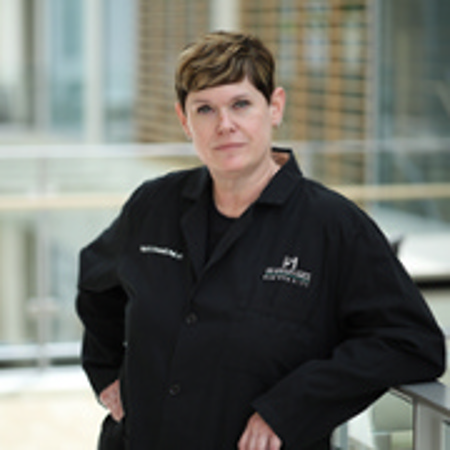
Caryl E. Sortwell is a Professor of Translational Neuroscience and Edwin A. Brophy Endowed Chair in Central Nervous System Disorders at Michigan State University's College of Human Medicine. She leads the Sortwell Lab within the Neuroscience Program and Grand Rapids Research Center, focusing on Parkinson's disease (PD) therapeutics. Education : B.S. in Psychology/Pre-medicine (University of Illinois, 1987), Ph.D. in Anatomy and Cell Biology/Neurobiology (University of Illinois at Chicago, 1994) Positions : Assistant/Associate Professor at Rush University Medical Center (1997-2005), Associate Professor at University of Cincinnati (2005-2009), Professor at MSU College of Human Medicine (2009-present) Her research investigates alpha-synuclein pathology in PD using preformed fibril models to study neurodegeneration, neuroinflammation, and therapeutic interventions. She explores neurotrophic factors like BDNF, gene therapies targeting CaV1.3 channels, and deep brain stimulation mechanisms. Her work emphasizes precision medicine approaches to optimize treatment outcomes. Scientific contributions include methodological advancements in neurochemical sensing with diamond electrodes and viral vector delivery systems. Key collaborations include research with Dr. Joe Patterson on alpha-synuclein genetic consequences. Technical Expertise : Immunohistochemistry, stereotactic surgery, in vivo neurotoxicant models, protein analysis (Western blot/ELISA), droplet digital PCR, and neuroinflammatory profiling
Karin Coifman is a Professor and Chair at Kent State University's Department of Psychological Sciences. She holds a Ph.D. from Columbia University (2008) and specializes in clinical psychology with a focus on emotion regulation, stress, and psychopathology. Her research examines emotion processing and regulation in relation to mental health adjustments during acute and chronic stress. This includes studying resilience, mental illness development, and the role of psychophysiological and behavioral indices in emotion regulation. She leads the Kent Clinical Affective Science Lab and frequently teaches courses in Psychological Interventions and Introduction to Psychotherapy. Dr. Coifman's recent publications analyze pandemic response behaviors, emotion differentiation, and gene-environment interactions in affective disorders. Her work combines experimental methodologies with community and clinical populations. Labs/Teams: Kent Clinical Affective Science Lab
Dr. Barbara L. Hempstead is a Professor of Neuroscience and Medicine at Weill Cornell Medical College, where she has held positions since 2001 and 2002 respectively. Her research focuses on neurotrophin signaling mechanisms, particularly the roles of BDNF and its receptors in neuroinflammation, synaptic plasticity, and neurodegenerative diseases. She has made significant contributions to understanding proBDNF/proNGF signaling pathways in neuronal apoptosis and vascular biology. Education: M.D., Ph.D., Washington University School of Medicine (1982) B.A., Tufts University (1976) Dr. Hempstead's work bridges molecular neuroscience and cardiovascular biology, with a particular interest in receptor stoichiometry (p75NTR, TrkB), neurotrophin-induced synaptic remodeling, and therapeutic applications of neurotrophin modulators in Huntington's disease and post-seizure neuronal injury. Her lab investigates how genetic variants like BDNF Val66Met influence anxiety-related behaviors, social memory, and neurodegenerative disease progression through altered neurotrophin trafficking and signaling. Her recent publications highlight neuroinflammatory mechanisms (2023), immune-neurotrophin interactions (2022), and molecular pathways involving BDNF prodomain structure (2020) and SorCS2-mediated receptor trafficking (2017-2020). While no scientific awards are explicitly mentioned in the scraped text, her funded research (National Institute on Aging, NIMH) demonstrates sustained recognition of her work in neurotrophin biology. Dr. Hempstead's lab develops in vitro and in vivo models to study neurotrophin-receptor dynamics, including 3D culture systems for angiogenesis research and transgenic mouse models for Huntington's disease. Her interdisciplinary approach combines molecular neurobiology with vascular physiology to uncover novel therapeutic targets for neurological and cardiovascular conditions.
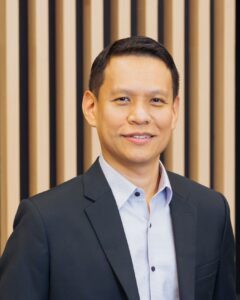
A/Prof HO Han Kiat is an Associate Professor in the Department of Pharmacy and Pharmaceutical Sciences at the National University of Singapore. His research focuses on chronic liver disease progression (from fatty liver to cancer) and drug-induced liver injury mechanisms. He explores nanomaterial applications in disease modification and drug delivery, using techniques like high-throughput sequencing and preclinical collaborations with clinicians. His work bridges cancer biology and toxicology, emphasizing clinical relevance through patient sample correlations. He teaches courses such as PR4207 Applied Pharmacokinetics & Toxicokinetics and FSC4203 Forensic Toxicology & Poisons. His lab’s vision involves developing molecular interventions for liver disorders through in vitro/vivo models. Notable interests include nanomaterial toxicity, hepatoprotective strategies, and cytokine profiles in cognitive impairment post-chemotherapy. Recent articles highlight studies on BDNF biomarkers, gold nanoparticle vascular targeting, and therapeutic hypothermia for hepatotoxicity. His research integrates genetic polymorphism analysis (e.g., CYP7A1) with drug metabolism studies, emphasizing personalized medicine approaches. HO’s work also addresses educational innovations in pharmacy curricula and assessment design, reflecting his dual focus on clinical research and pedagogy.
Dr. Jeremy Walsh is an Assistant Professor in the Department of Kinesiology at McMaster University, joining in 2020. He holds a PhD in Exercise Physiology from Queen’s University and postdoctoral training at the University of Ottawa and University of British Columbia Okanagan. His research focuses on mechanisms linking exercise, behavior, and cognitive health, aiming to develop interventions to optimize brain function across lifespans. Education: Bachelor of Arts (Honours Kinesiology) – Wilfrid Laurier University (2005-2009) MSc and PhD in Exercise Physiology – Queen’s University (2010-2017) Postdoctoral Fellowships: Children’s Hospital of Eastern Ontario Research Institute (2018-2020) and University of British Columbia Okanagan Research Interests: Dr. Walsh investigates how exercise, diet, sleep, and cognitive engagement impact brain health. Key areas include BDNF signaling, cerebral blood flow, and interventions to mitigate neurological decline. His work spans aging populations, obesity, and spinal cord injury rehabilitation. Teaching: Instructor for courses like Psychophysiology of Healthy Living, Exercise Psychology, and Movement Behaviors & Brain Health Supervises independent research projects in kinesiology Key Contributions: His studies on ketone supplementation’s effects on cognition, exercise responses in obesity, and BDNF modulation have been widely cited. Over 60 scholarly outputs since 2013 highlight his exploration of exercise neuroscience and metabolic health. Labs/Teams: Leads research groups studying neurophysiological adaptations to exercise and lifestyle interventions, collaborating with clinical partners in diabetes and spinal cord injury research.
Mehdi Mirzaei is an Honorary Associate Professor at Macquarie Medical School, Macquarie University. His research focuses on neurodegenerative diseases, particularly Alzheimer's and glaucoma, with emphasis on proteomics and neuroprotective mechanisms. He has been actively involved in projects such as 'Modified Serpin as a Dual Function Therapeutic Agent in Glaucoma' (2023–2027) and 'Retinoid X Receptors and Rexinoids: Harnessing Neuroprotective Effects in Glaucoma' (2020–2023). His work integrates molecular biology, protein folding studies, and translational medicine to address retinal and brain pathologies. Research Interests: Proteomics, neurodegeneration, glaucoma pathophysiology, retinal ganglion cell protection, amyloid and tau protein dynamics, and neuroinflammation. His recent studies explore therapeutic targets like RXR agonists and neuroserpin gene therapy to mitigate neurodegenerative processes. Publications: Over 180 research outputs since 2009, with recent focus on retinal Alzheimer’s biomarkers, tau modulation in glaucoma, and protein folding mechanisms in neurodegeneration. Key themes include neuroprotective signaling pathways (e.g., PI3K/Akt, BDNF), immunomodulation, and extracellular vesicle-based therapies. Grants & Projects: Leads or collaborates on 14 projects, including biomolecular discovery initiatives and clinical trials targeting glaucoma and Alzheimer’s. Active in international collaborations, such as the Biomolecular Discovery and Design Research Centre (2017–present). Labs & Teams: Engaged in interdisciplinary teams at Macquarie Medical School, focusing on translational proteomics and neurodegenerative disease modeling. Collaborates with institutions globally on retinal and brain pathology studies.
Selin ÖZKAN KOTİLOĞLU is an Associate Professor at the Molecular Biology and Genetics Department of Ahi Evran University 's Faculty of Arts and Sciences . With a PhD in Molecular Biology from Imperial College London (2015) and postdoctoral training at Ankara University's Institute of Forensic Sciences (2022-2025), she specializes in genetic polymorphisms , pharmacogenetics , and environmental toxicology . Education : PhD (2015), Imperial College London MSc (2010), Hacettepe University MSc (2008), Gazi University BSc (2006), Hacettepe University Her research focuses on gene-environment interactions in substance use disorders, particularly examining CYP450 enzymes , opioid receptor polymorphisms , and miRNA regulation . Recent work explores microplastics as vectors for pathogenic bacteria and epigenetic signatures in alcohol addiction. Between 2021-2025, she led 6 TÜBİTAK-supported projects and co-led 5 TÜBA-TÜBİTAK projects , including investigations into diazepam pharmacokinetics and opioid-methamphetamine co-use . She has mentored 6 graduate students, with 3 recent master's theses completed in 2024. Scientific Awards : TÜBİTAK UBYT Program - 2023 (x2) TÜBİTAK UBYT Program - 2022 (x2) TÜBİTAK UBYT Program - 2018 TÜBİTAK UBYT Program - 2017 Her laboratory at Ahi Evran University investigates genetic biomarkers for forensic applications and environmental impact studies , with particular emphasis on PCR-RFLP method development for polymorphism analysis.
Patrizia Proia is an Associate Professor at the University of Palermo, Department of Psychological, Pedagogical, Physical Exercise and Training Sciences. Her research focuses on exercise physiology, sports genetics, and neurobiological mechanisms linked to physical activity. She teaches courses in biochemistry, physiology of nutrition, and sports training adaptation. Current research on microbiome-exercise interactions Developing protocols for MS and Parkinson's rehabilitation Investigating genetic polymorphisms in elite athletes Exploring nutrigenomics and functional foods Recent publications analyze: Muscle regeneration through probiotic supplementation Impact of nanotechnological devices on pain management Epigenetic regulation of executive functions Bone health in gymnasts and cancer patients Role of gut microbiome in exercise response
Anu-Katriina Pesonen is a Full Professor of Experimental Mind and Brain Research at the University of Helsinki's Faculty of Medicine and currently serves as Vice Dean (Research Affairs). She leads the Sleep & Mind Research Group, focusing on interdisciplinary studies combining psychology, medicine, and neuroscience to explore sleep mechanisms related to stress, memory, and emotional regulation. Her work emphasizes experimental interventions and EEG analytics to develop therapeutic tools for sleep improvement. Academically, she holds a PhD in Psychology from the University of Helsinki (2004) and Docent titles in Educational/Developmental Psychology (2006, University of Helsinki) and Personality Psychology (2008, University of Tampere). She became a full professor in 2015 and transitioned to her current role in 2020. Her leadership includes roles in the National Graduate School of Psychology and the University of Helsinki's Board. Research interests span sleep dynamics, developmental psychology, and mental health. Notable projects include investigations into REM sleep's role in emotional processing, circadian rhythms, and the impact of early-life stress on cognition. She has supervised multiple doctoral theses and contributed to over 245 publications, including studies on sleep fragmentation, BDNF genotype effects on memory, and circadian preference associations with mental health. Her awards include the 2006 Berzelius Symposium Award for young investigators. She actively engages in grant-funded research, including projects on REM sleep interventions and sleep EEG analysis. Her Sleep & Mind team collaborates internationally, addressing sleep's role in resilience and mental health through experimental and computational approaches.
Jack W. Lipton is a Professor and Chair of Translational Science and Molecular Medicine at Michigan State University (MSU) College of Human Medicine. He holds concurrent appointments as Teaching Faculty in MSU's Neuroscience Program and Associate Dean for Research Analytics. His career spans leadership roles at Rush University Medical Center and University of Cincinnati before joining MSU in 2009. B.A. in Psychology, UC Berkeley (1988) Ph.D. in Behavioral Neuroscience, UCLA (1993) Postdoctoral Fellowship, Rush Children's Hospital Dr. Lipton's research focuses on developmental neurotoxicology and translational Parkinson's disease models . His work examines gestational drug exposure effects, including MDMA-induced dopamine neuron sprouting, and develops therapeutic strategies like neural transplantation, gene therapy, and deep brain stimulation. Current projects investigate alpha-synuclein pathology, Nurr1 gene regulation, and saliva-based SARS-CoV-2 testing protocols. Prominent scientific achievements include continuous NIH funding since 1993, the Morris K. Udall Center of Excellence in Parkinson's Research, and over 50 publications. His lab's 2025 study on alpha-synuclein fibrils and 2022 saliva testing framework demonstrate methodological innovation. Scientific Awards: NIH/NIDA R01 grants NIH/NINDS funding Michael J. Fox Foundation awards Morris K. Udall Center leadership 2024 NIH grant for saliva diagnostics Dr. Lipton's technical expertise spans neuronal culture, ELISA, mass spectrometry, PCR arrays, and stereotaxic surgery. His lab collaborates with Drs. Timothy Collier, Caryl Sortwell, and Kathy Steece-Collier on Parkinson's disease mechanisms. Recent initiatives include federal regulatory advocacy for university-based pandemic testing and op-eds in Wall Street Journal and Washington Post .
Xin Du is a Research Fellow in the Department of Biochemistry & Molecular Biology at Monash University. Their research focuses on molecular mechanisms underlying neurodegenerative and immune-related disorders, with a particular emphasis on signaling pathways, receptor interactions, and sex-specific effects in animal models. Key areas of investigation include NMDA receptors, BDNF-TrkB signaling, and the impact of hormonal modulation on cognitive and behavioral outcomes. Research interests span neuropharmacology, immunology, and developmental neuroscience, addressing topics such as maternal immune activation, synaptic plasticity, and the pathophysiology of schizophrenia and autism spectrum disorders. Recent work includes studies on small molecule inhibitors for anti-tumor immunity and the role of parvalbumin interneurons in spatial memory deficits. Publications highlight contributions to understanding the interplay between neuroendocrine systems, stress responses, and cognitive function, with a focus on translational applications in neuroprotective therapies and drug development. No awards or grants are explicitly listed in the provided texts. Advising and lab affiliations are not detailed, though collaborations include studies on gamma oscillations, synaptic dysfunction, and environmental enrichment effects in neurodegenerative models.
Dr. Noura Vyas is an Associate Professor of Mental Health in the Department of Psychology at Kingston University's Faculty of Business and Social Sciences. She serves as the Academic School Lead for Civic Engagement and has been with Kingston University since 2012, having previously held a Senior Lecturer position at Middlesex University. Dr. Vyas is also an Honorary Senior Lecturer at Imperial College London, Imperial College Healthcare NHS Trust. Dr. Vyas completed her PhD in Psychiatry at the Institute of Psychiatry, Psychology and Neuroscience (IoPPN), King's College London in 2008. Her educational background includes a BSc (Hons) in Psychology from City University London. She is a Chartered Psychologist and Associate Fellow of the British Psychological Society, a Chartered Scientist of The Science Council, and holds a Senior Fellowship with the Higher Education Academy. Dr. Vyas's research program focuses on understanding the pathophysiology of schizophrenia, particularly early-onset schizophrenia (EOS), using multimodal approaches including clinical assessment, cognitive testing, and advanced neuroimaging techniques. Her work investigates neurocognitive functioning in EOS patients and their first-degree relatives, brain oscillations and structural/functional abnormalities using magnetoencephalography (MEG), diffusion tensor imaging (DTI), and positron emission tomography (PET), and the effectiveness of mindfulness interventions on wellbeing in typical children. Her research bridges neuroscience, genetics, and clinical psychiatry to uncover the complex mechanisms underlying psychotic disorders. Analysis of Dr. Vyas's publications reveals a consistent trajectory from basic neuroimaging and genetic studies of schizophrenia toward more integrated approaches examining the interplay between multiple biological systems and clinical manifestations. Her work spans psychiatry, neuroscience, genetics, and psychology with increasing emphasis on translational research that connects basic findings to clinical applications. 2017: Women of the Year Award, British Asian Achievers Award 2017: Team Excellence Award, Succeed Canvas project, Rose Awards 2017: "Highly Commended" STEM Leader, Forward Ladies National Awards 2017: 'Inspirational Role Model of the Year' (Finalist), European Diversity Awards 2017: 'Women of the Future Awards – Science' (Finalist) 2017: Marquis Who's Who Lifetime Award 2017: Young Investigator Award, 13th World Congress of Biological Psychiatry 2016: Outstanding Women in Science, Technology & Mathematics (STEM), Precious Award 2016: Winston Churchill Travelling Fellowship 2011: Lindemann Trust Fellowship, English-Speaking Union Dr. Vyas has secured significant research funding from diverse sources including Fulbright, Winston Churchill Memorial Trust, UKRI, and institutional grants. Her leadership roles include Faculty Champion for Canvas implementation (2016-2018), KAPS Panel Assessor (2018-present), and Course Director for the Foundation Year in Social Sciences (2018-2022). She currently co-leads the MSc conversion (online) degree program and teaches across undergraduate and postgraduate courses including Psychology MSc, Clinical Applications of Psychology MSc, and various BSc Psychology programs. Dr. Vyas is actively engaged in public mental health initiatives as a series guest speaker on mental health with Resourceful Women's Network, Riverside Radio, Healing our Earth online platform, and Dharma Mandir. She organizes public engagement talks supporting mental health initiatives and contributes to KU Blogs on mental wellbeing topics. Her Instagram account @mentalhealth_connect serves as a platform for public education on mental health issues.
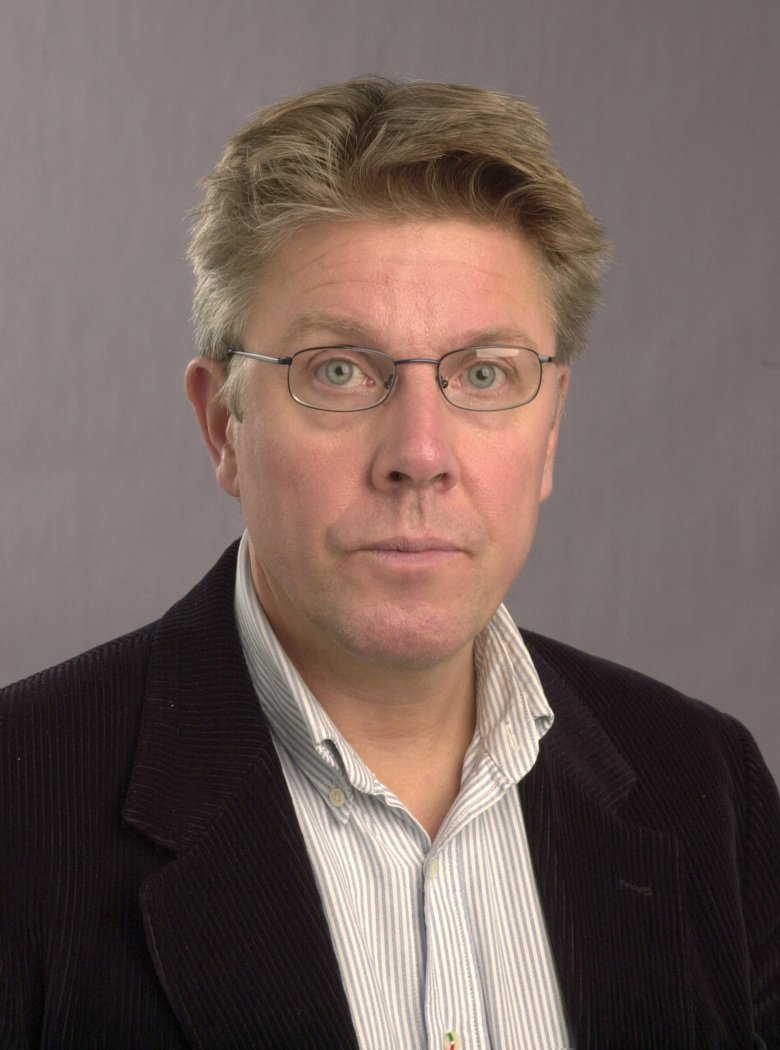
Lars Bäckman is a Professor of Cognitive Neuroscience at the Department of Neurobiology, Care Sciences and Society at Karolinska Institutet since 2002. He maintains an active research profile with numerous publications extending to 2025, indicating his current engagement in academic work. His research is primarily affiliated with the Aging Research Center (ARC) and the Cognitive Aging and Mental Health group led by Erika Jonsson Laukka. Professor Bäckman's research focuses on understanding how human cognitive functions, particularly memory functions, are affected by normal aging and dementia. His work employs large epidemiological studies, intervention studies, and various brain-imaging techniques including fMRI and PET. A significant portion of his research examines how factors such as health, education, and different forms of physical, mental, and social activities impact intellectual functioning in aging populations, and how older adults may compensate for cognitive losses. His extensive publication record demonstrates consistent focus on neural mechanisms underlying cognitive aging, with particular emphasis on dopamine systems, brain structure and function, and the relationship between vascular health and cognitive decline. His research has been published extensively in leading journals across cognitive neuroscience, neurology, gerontology, and psychology. His most recent publications (2023-2025) demonstrate continued active research in areas including dopamine receptor function across the lifespan, brain imaging studies of cognitive aging, cardiovascular health impacts on cognition, and intervention studies for dementia prevention. Professor Bäckman has been significantly involved in the FINGER trial (Finnish Geriatric Intervention Study to Prevent Cognitive Impairment and Disability), which investigates multidomain lifestyle interventions for dementia prevention. Professor Bäckman's work often takes a longitudinal approach, tracking cognitive changes over extended periods in population-based studies. His research has made important contributions to understanding the relationships between dopamine systems and cognitive aging, the neural correlates of memory function across the lifespan, and the identification of modifiable factors that can influence cognitive trajectories in older adults. His work has significant implications for developing interventions to maintain cognitive health and prevent or delay dementia in aging populations.
Anne Richards is a Professor in the School of Medicine at the University of California, San Francisco (UCSF), affiliated with the UCSF Weill Institute for Neurosciences. Her research focuses on sleep disturbances in posttraumatic stress disorder (PTSD), neurophysiological mechanisms of sleep in trauma-exposed populations, and the intersection of neuroendocrinology with psychiatric conditions. Harvard University - A.B. in History (1996) Columbia University - M.D. in Medicine (2004) Columbia University - M.P.H. in Public Health (2004) UCSF - Psychiatry Residency (2008) Her research program, funded by NIH Grant IK2CX000871, investigates sexual dimorphism in PTSD-related sleep disturbances with a focus on REM sleep patterns. Current projects examine relationships between sleep spindles, emotional memory processing, and pharmacological interventions like doxazosin for sleep disruption. Key trends in her 30+ publications (2001-2025) include: Longitudinal studies on sleep architecture in PTSD patients Neurobiological mechanisms of trauma-related nightmares Cognitive performance across sleep duration spectra Neurosteroid responses in stress disorders Scientific contributions include: NIH-funded research on REM sleep and PTSD Development of mobile app-based sleep diary methodologies Landmark studies on sleep spindles and emotional processing Active in clinical trials and translational research, Richards leads the Richards Lab focusing on neurophysiological aspects of trauma-related sleep disorders. Her work spans collaborations with UCSF's Department of Psychiatry and multiple VA healthcare systems.
Dubravka Švob Štrac is an Associate Professor and Head of the Laboratory of Molecular Neuropsychiatry at the Ruđer Bošković Institute in Zagreb, Croatia. She also serves as Deputy President of the Expert Scientific Council for Biomedicine and teaches Neuroimmunology at the Faculty of Science, University of Zagreb. Her academic journey includes a B.Sc. (1998), M.Sc. (2004), and Ph.D. (2007) in Molecular and Cell Biology from the University of Zagreb, followed by a Specialist degree in Project Management (2011). Dr. Švob Štrac's research spans Molecular Neuropsychiatry , Neuropharmacology , and Biomarker Discovery in psychiatric disorders. Her work investigates the molecular mechanisms of stress, GABA receptor function, benzodiazepines, addiction pathways, and neuropsychoactive drugs. She has led the Croatian Ministry-funded project 'Stress, GABA-A and mechanisms of neuropsychoactive drugs' since 2009. Her research has expanded into Alzheimer's disease, PTSD, cognitive impairment, and the role of neurosteroids and neurotrophic factors in neurodegenerative conditions. Analysis of her 15 most recent publications reveals a strong focus on biomarker discovery in psychiatric and neurodegenerative disorders, particularly examining genetic, epigenetic, and metabolic markers in PTSD, schizophrenia, and Alzheimer's disease. Her work increasingly integrates multi-omics approaches including metabolomics, lipidomics, and glycomics to understand the molecular underpinnings of neuropsychiatric conditions. A significant theme across her recent work is the investigation of neurosteroids (particularly DHEA and DHEAS) and neurotrophic factors (especially BDNF) as potential therapeutic targets and biomarkers.